
It is more than impressive to recall that Laurent-Perrier has been the innovator of three of the key strands of the Champagne process; firstly the art of blending of reserve wines, which reaches its apogee with its magnificent Grand Siècle label, then the pioneering spirit which introduced the now much imitated non-dosage style with Ultra Brut style and, finally and possibly most significantly, the rarified art of maceration of Pinot Noir for Cuvée Rosé, which has no better ambassador than the sublime Cuvée Alexandra Rosé Millésime.
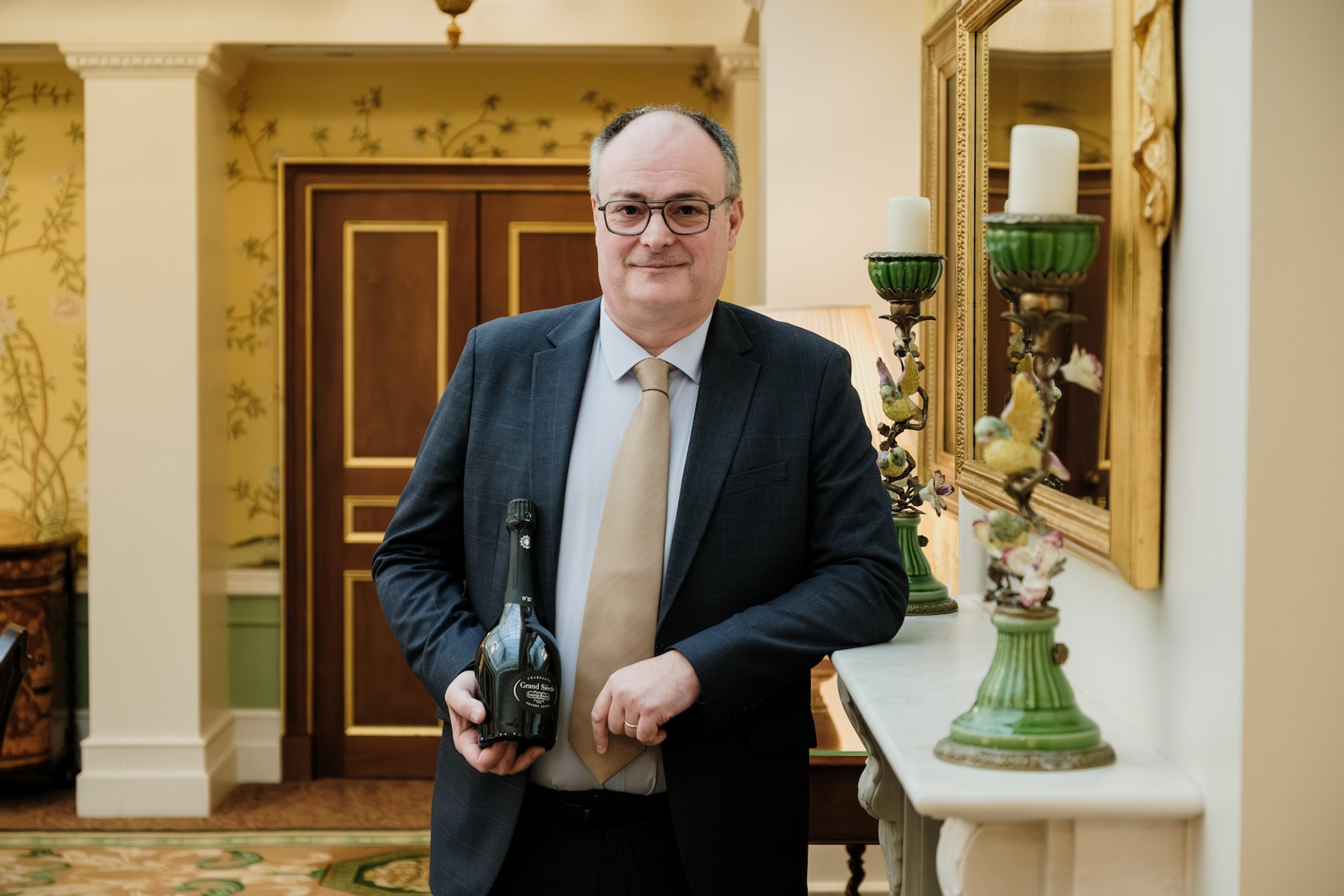
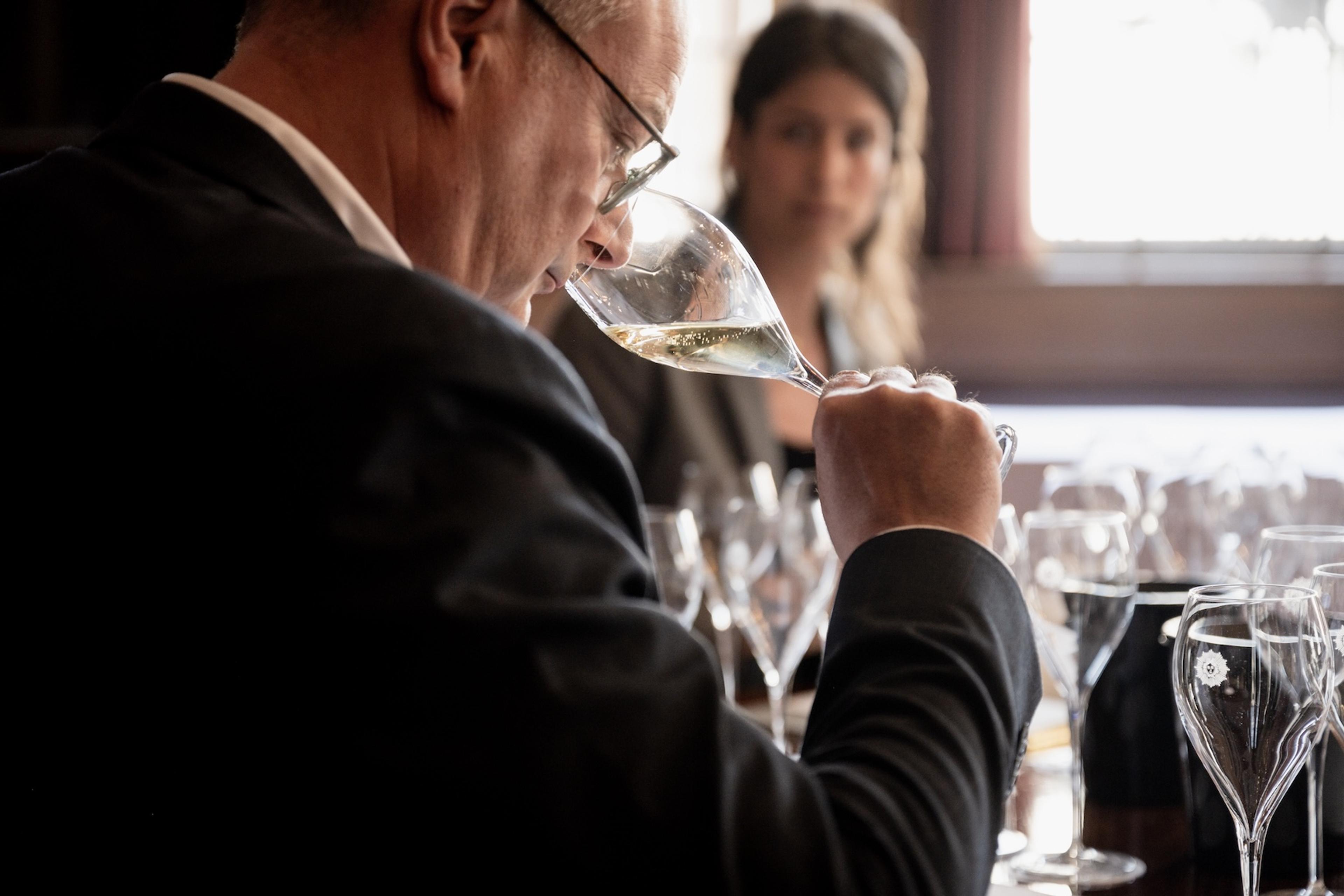
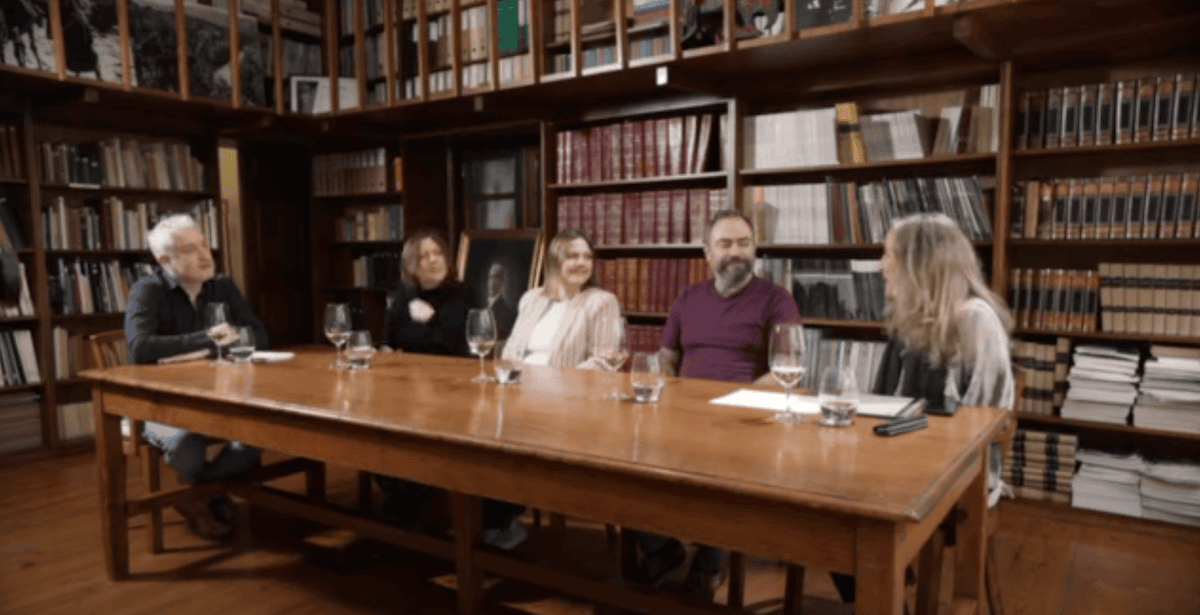
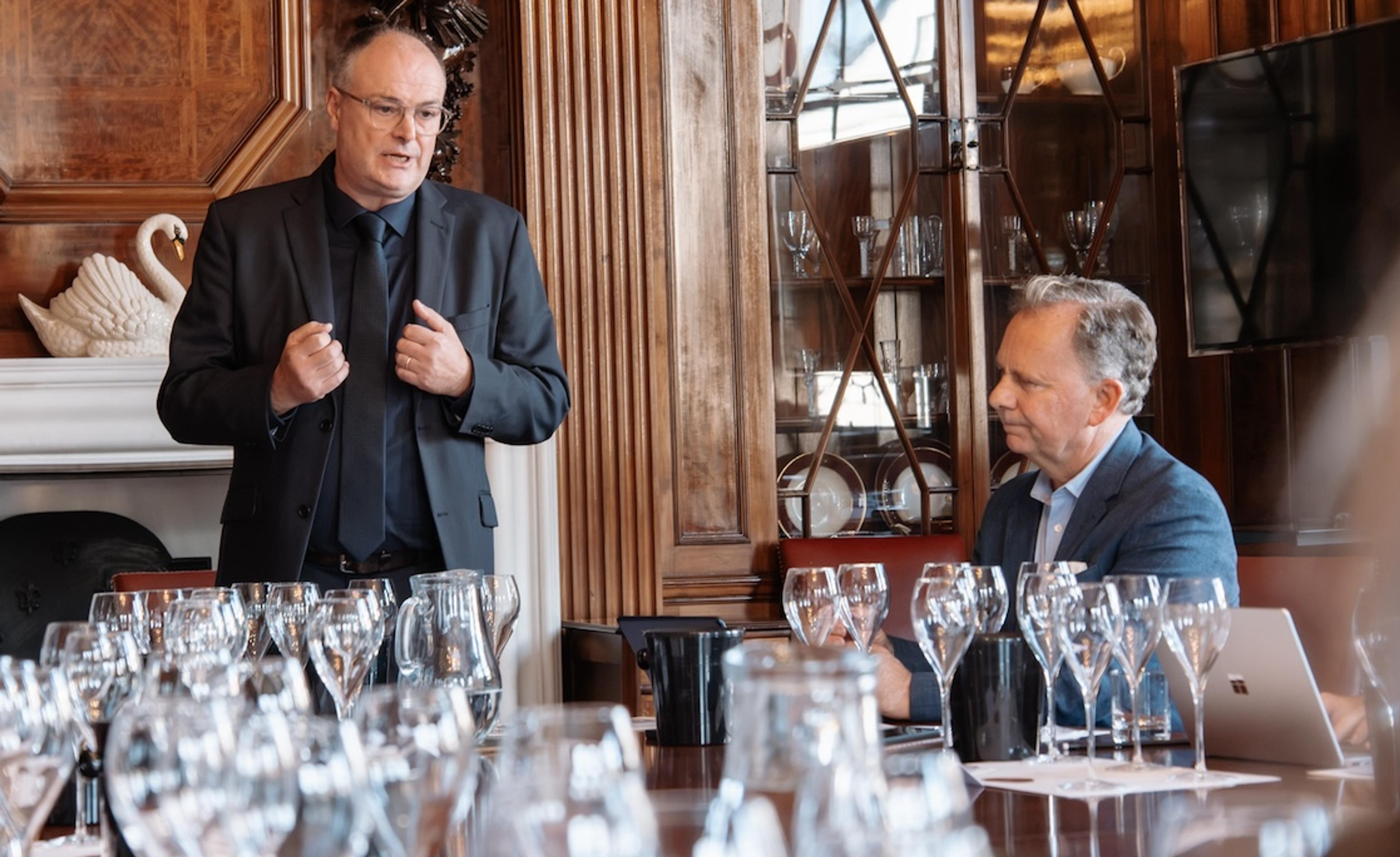
We are privileged indeed, therefore, to gather in London’s Vintners’ Hall to taste five of the ten vintages of this rare gemstone. We are guided by the well-named chef de caves, Olivier Vigneron and also by the fourth-generation family member Lucie Pereyre de Nonancourt.
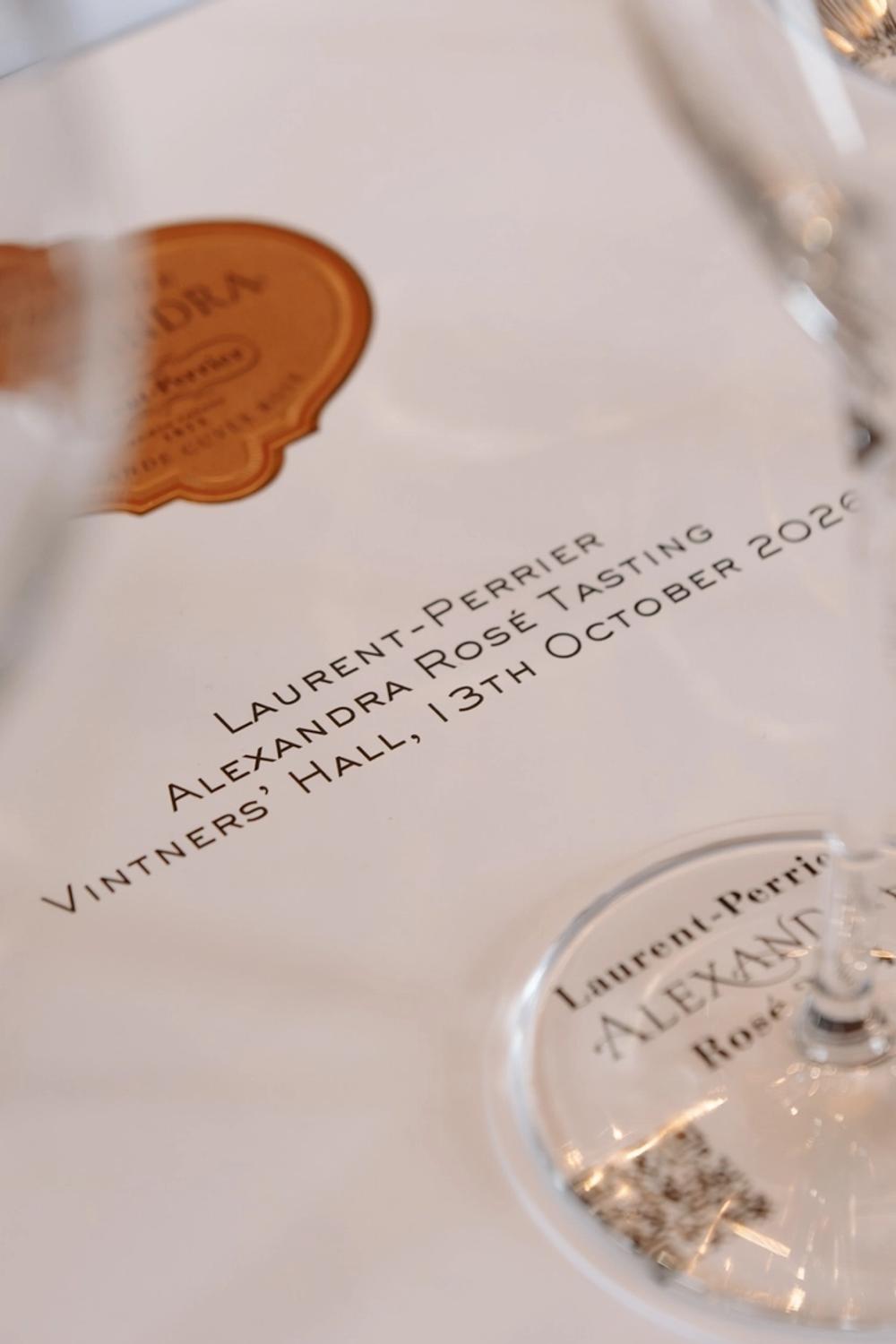
It was Lucie’s grandfather, Bernard, in many ways the driving force behind the three pillars of innovation rehearsed above, who, having introduced a rosé champagne by maceration in 1968, felt, a decade or so later, that the time was right to add a prestige sibling to the range. With characteristic flamboyance he presented a bottle to his daughter on her wedding day, and thus the new cuvée was born. Alexandra is, of course, the mother of Lucie and the family attachment clearly runs deep.
Deep and rare, when it comes to the eponymous wine, with only ten vintages having been released thus far, the original sextet comprising the 1982, the wedding wine, the 1985, then 1988, 1990, 1997 and 1998. There is no chronological pattern here, for sure, and it is also fair to say that there is no definitive correlation between the perceived overall ‘quality’ of the vintage and the years selected for Alexandra Rosé; thus while there is a 1990, there is no representation from 1995 or from 2002, nor, for that matter, from 2008. ‘Harmony’ is everything according to Vigneron and any extremes, climatic or otherwise, are to be avoided.
He describes the process in terms of an ‘alignment of the stars’ with little room for error (less and less, he adds, pointing out that climate change has narrowed his aperture for blending) and the need for perfect alignment in ripening of the Pinot Noir (80%) and the balancing Chardonnay, in order for the vinification to work. This is far from easy to achieve.
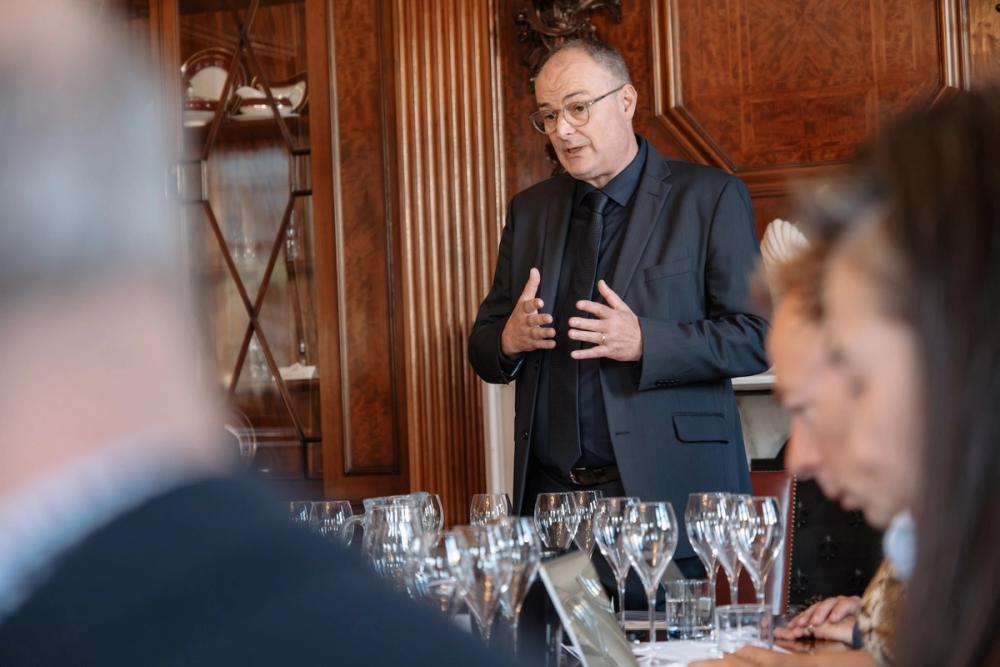
The key to Alexandra Rosé is the capacity to age, says chef de caves Olivier Vigneron
Vigneron does not believe in short cuts; there is no philosophy, for example, of cool storing of the musts of the grape which is first to ripen, and the process must therefore be virtually simultaneous. The difficulty in achieving this explains not only the rarity of release but also the reason why so many Champagne Houses merely blend their grapes by assemblage. The maceration method, pure, as practised by Laurent-Perrier, is exceptionally tricky to master, but the very fact that it eschews artifice or an ‘easy option’ makes for some exceptional wines. And so it proves….
The key to Alexandra Rosé, per Vigneron, is the capacity to age. All wines are aged on lees for at least ten years, and, exceptionally for our tasting, all have been disgorged at the same time (October 2025), all are in magnum and all, to boot, have been dosed at 5 g/l of sugar. This has given an almost unprecedented opportunity to assess inherent quality, without the distraction of multiple disgorgement dates and varied levels of dosage.
The results are instructive indeed, and whilst it may be fair to say that earlier disgorged examples, especially of the oldest wines, may have assumed more honeyed and tertiary notes, it is also entirely reasonable to conclude that all five wines here are blessed with unbounded complexity and a superb vinous dexterity.
I was lucky enough to taste a quartet of magnums of Grand Siècle, disgorged with a similar homogeneity, a year or so back in Sweden, and recall being similarly struck by their unimpeachable quality and almost unnerving complexity. Vigneron advises that the current strategy is to keep back more magnums for such ‘experiences’, but confirms that there is no plan, at the moment at least, to release a late disgorged label per se…. what a shame.
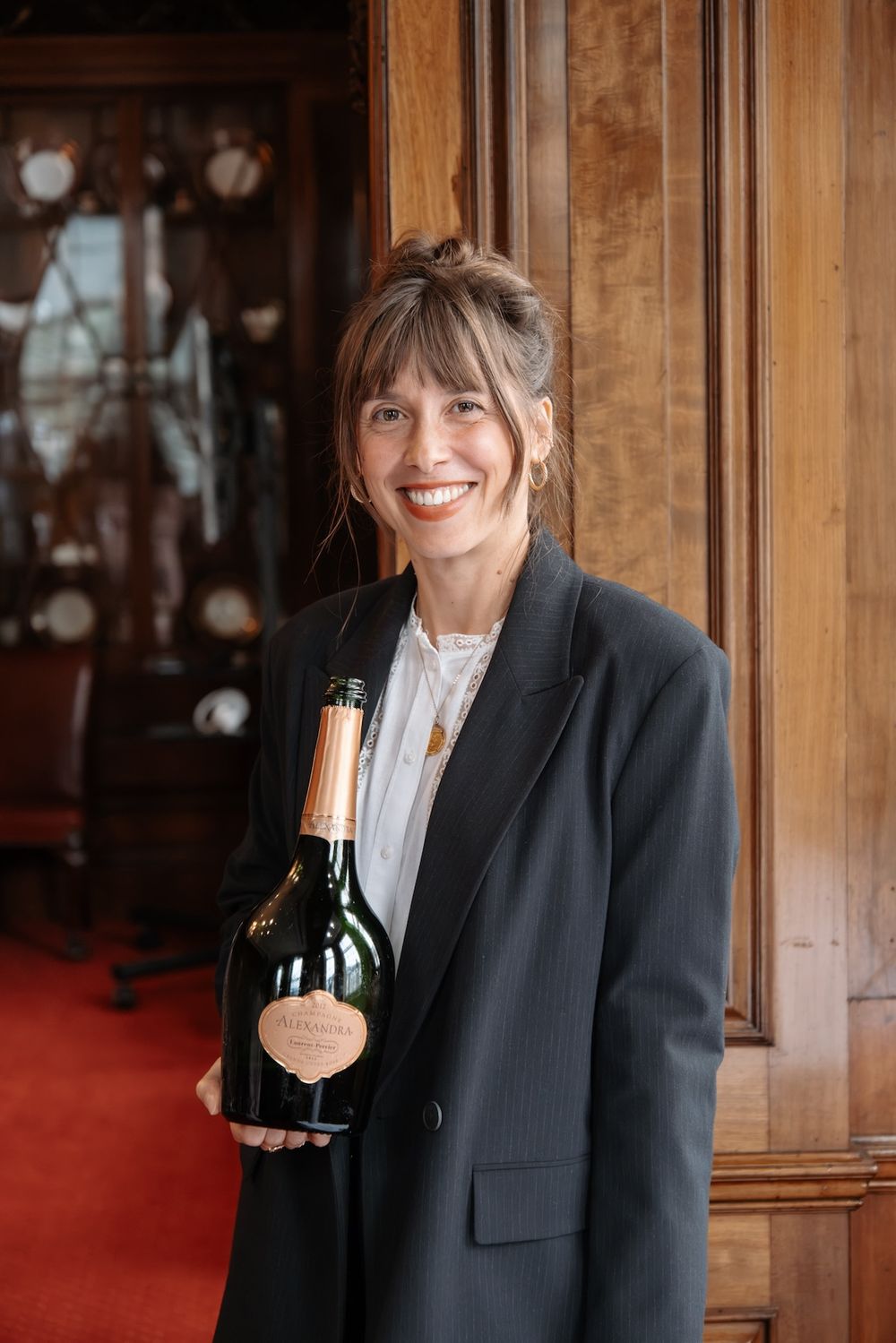
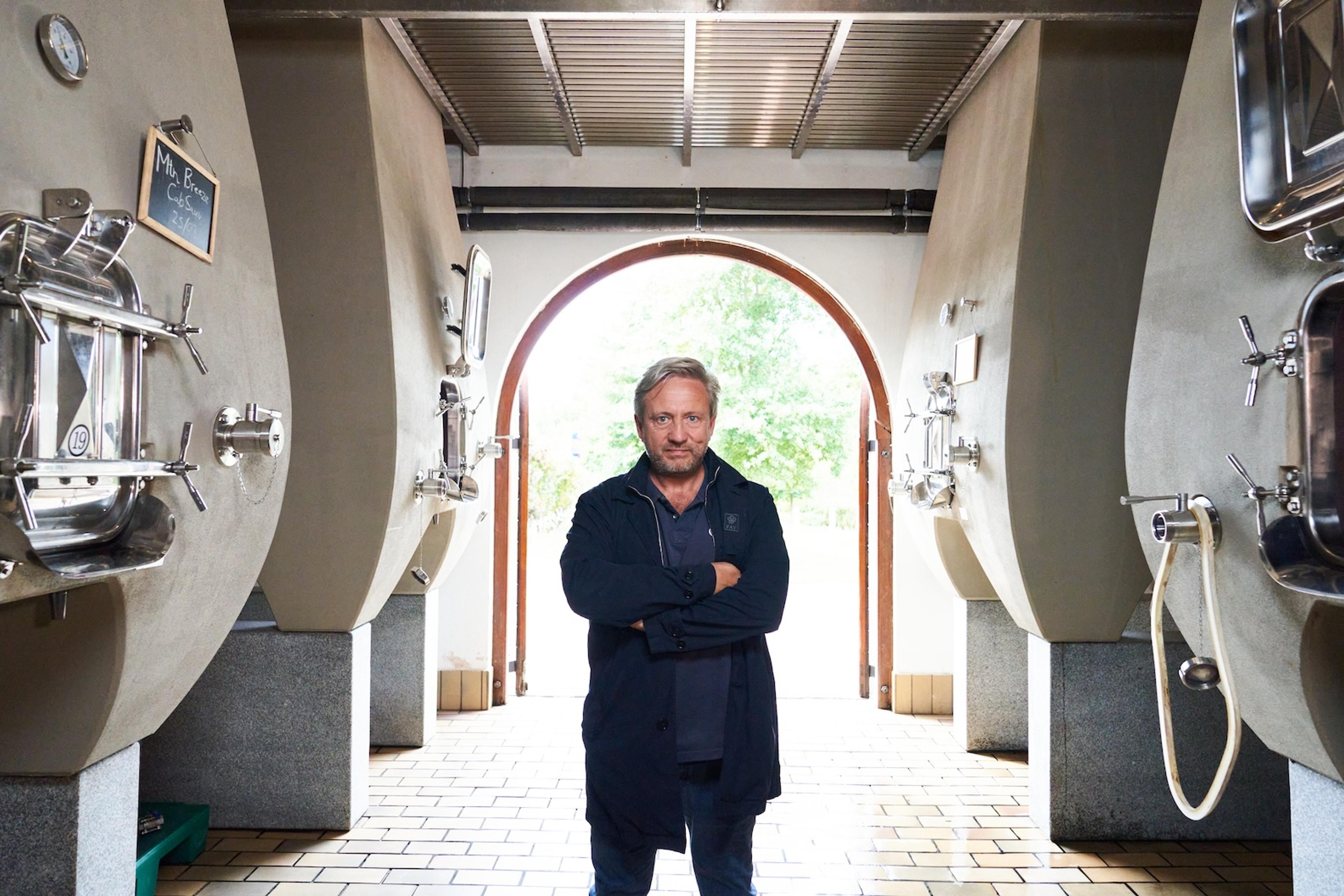
The first Laurent-Perrier Alexandra Rosé was made for the mother of Lucie Pereyre de Nonancourt (pictured).
The Alexandra Rosé is virtually always made up of 80% Pinot Noir and 20% Chardonnay, the latter added to the former to complete the maceration, which lasts for between 48 and 72 hours, far longer than for most rosés made with the saignée method. The duration allows a degree of phenolic integration which will ensure the desired longevity; the inclusion of Chardonnay, by contrast, is essential in order to preserve what Vigneron describes as ‘tension and vivacity’, to carry the wine through its co-fermentation and then its decade on the lees.
The Chardonnay is sourced from the Grand Cru villages of Chouilly, Cramant and Le Mesnil-sur-Oger; the Pinot Noir from Ambonnay (for elegance, per Olivier) from Bouzy (for structure) from north facing Mailly and Verzenay (tension) and also from the Laurent-Perrier domicile at Tours-sur-Marne. Vigneron reminds us that, whilst these special magnums have been disgorged at 5 g/l, on normal release the level has historically varied from 6.5 g/l to 7 g/l. The next Alexandra ('quite soon’ ) is to be the 2015, another interesting choice and sure to be a more than interesting wine.
The five magnums shared all display a cerebral, vinous character; “I do not want ‘surexpression’,” says Vigneron (one of the few chefs de caves these days who presents in French, which is endearing…. Nonancourt proves to be an excellent translator) and “I need a wine that will last for a long time and which will work with food.”
One of the most fascinating observations is that all the wines preserve a strand of freshness, many with a distinctive flavour profile which Vigneron describes in terms of “bitter orange, confit of grapefruit and rose petals.” None, in other words, have taken on the tertiary, savoury, almost meaty notes that one may expect from an evolved Pinot Noir. This, Vigneron explains, is down to the alchemy of the process and to the presence of a small but magnificently significant component of Chardonnay.
The wines are almost frozen in a beatific glaze of near perfection, their evolution taking place in slow motion and their plateau of excellence thereby extended. There is a good reason why Laurent-Perrier has stuck with the most challenging production method…. five good reasons in this instance.
Tasting five vintages of Alexandra Rosé
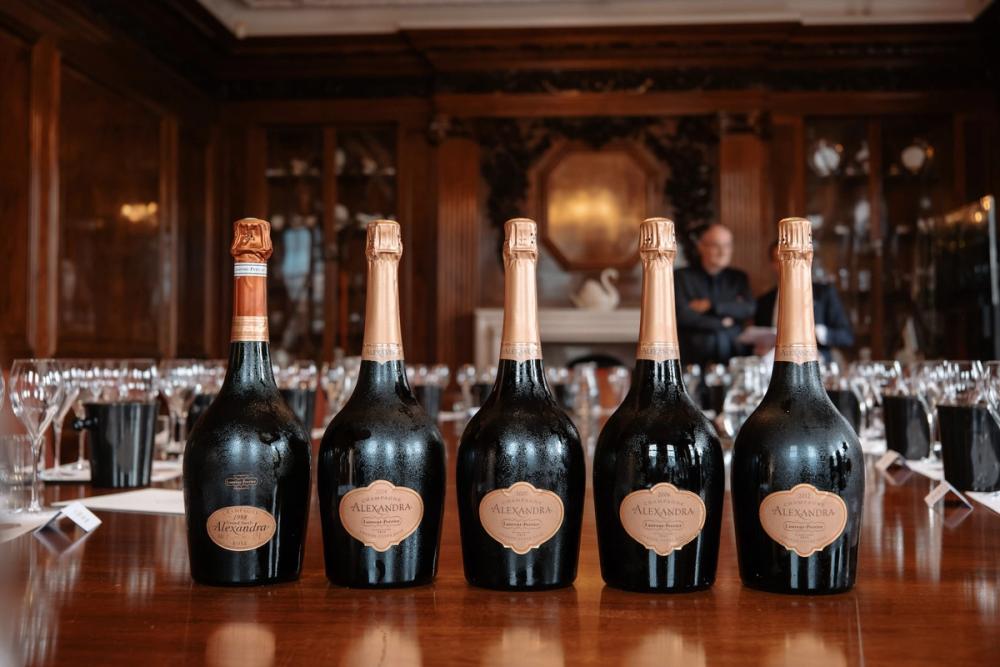
Laurent-Perrier Alexandra Rosé vertical, London's Vintners’ Hall, 13th October, 2026
All wines Pinot Noir 80% and Chardonnay 20%, all disgorged October 2025 at a dosage of 5 g/l and all served from magnums.
Laurent-Perrier Alexandra Rosé 2012
A flamboyant straw copper colour with a persistent but stately mousse and seductive aromatics dominated by crushed wild strawberry and scents from the orange grove. Hints of nectarine are held in counterpoint by intimations of forest floor, a seamless savoury development in other words, all harnessed by robust structure and a long, resourceful finish.
Laurent-Perrier Alexandra Rosé 2007
A fascinating comparison with the 2006, with apparently more than a year between them; the ‘07 is described by Vigneron as ‘vivacious’, the ‘06 as ‘much more mature’, the early harvest of ‘07 contrasting with the later ‘06 (third week of August versus mid-September); cavalier versus roundhead, which may be why these consecutive vintages, (‘97 and ‘98 the other example), were selected.
Almost bronze in colour, luminous and iridescent; its nose dominated by crystallised fruit, cherry glacé and then hints of brioche and flint; vital, alert and still seemingly precocious. The palate has a depth of evolving red fruit, hints of tobacco leaf and plum, a kiss of phenolics, the Pinot Noir assertive despite the beguiling freshness.
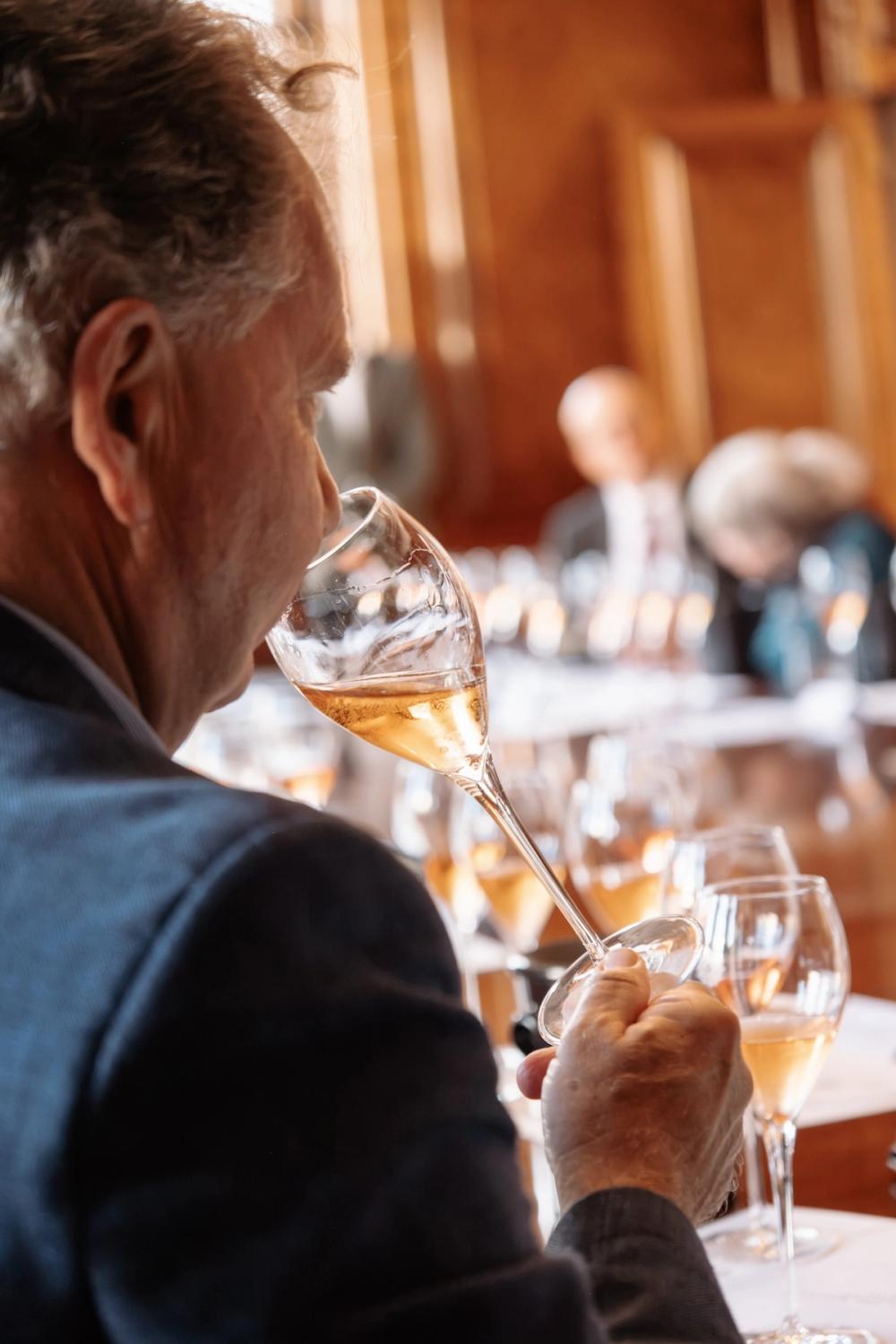
The powerful acidity ensures longevity and the potential to evolve yet further. Simon Field MW on the 2006.
Laurent-Perrier Alexandra Rosé 2006
A burnished copper colour and delightful, almost autumnal aroma dominated by white tobacco, acacia and bitter orange. Savoury gastronomic notes; crushed almond and honied orange cake are underpinned by soft spice, dried fruit and an almost tannic grip. The powerful buttressing acidity frames the ensemble with subtle elegance, ensuring longevity and potential to evolve yet further.
Laurent-Perrier Alexandra Rosé 2004
A particular favourite of Vigneron (his year of joining Michel Fauconnet at Laurent-Perrier) and a harvest famous for both its generosity and the quality of its Chardonnay, both characteristics evidenced here over two decades later.
A still soft colour, pale salmon with glints of burnished nacre; a gentle but persistent bead, and seductive aromas of mirabelle plum, bergamot, candied redcurrant and iodine; its complexity unraveling slowly and subtly, its structure firm and dignified of purpose. Upstanding acidity, great breadth and texture and a conspicuous longevity. Initial impressions of incredible youth eventually cede to a respectful appreciation of an assured complexity which can only come with an extended and cool maturation.
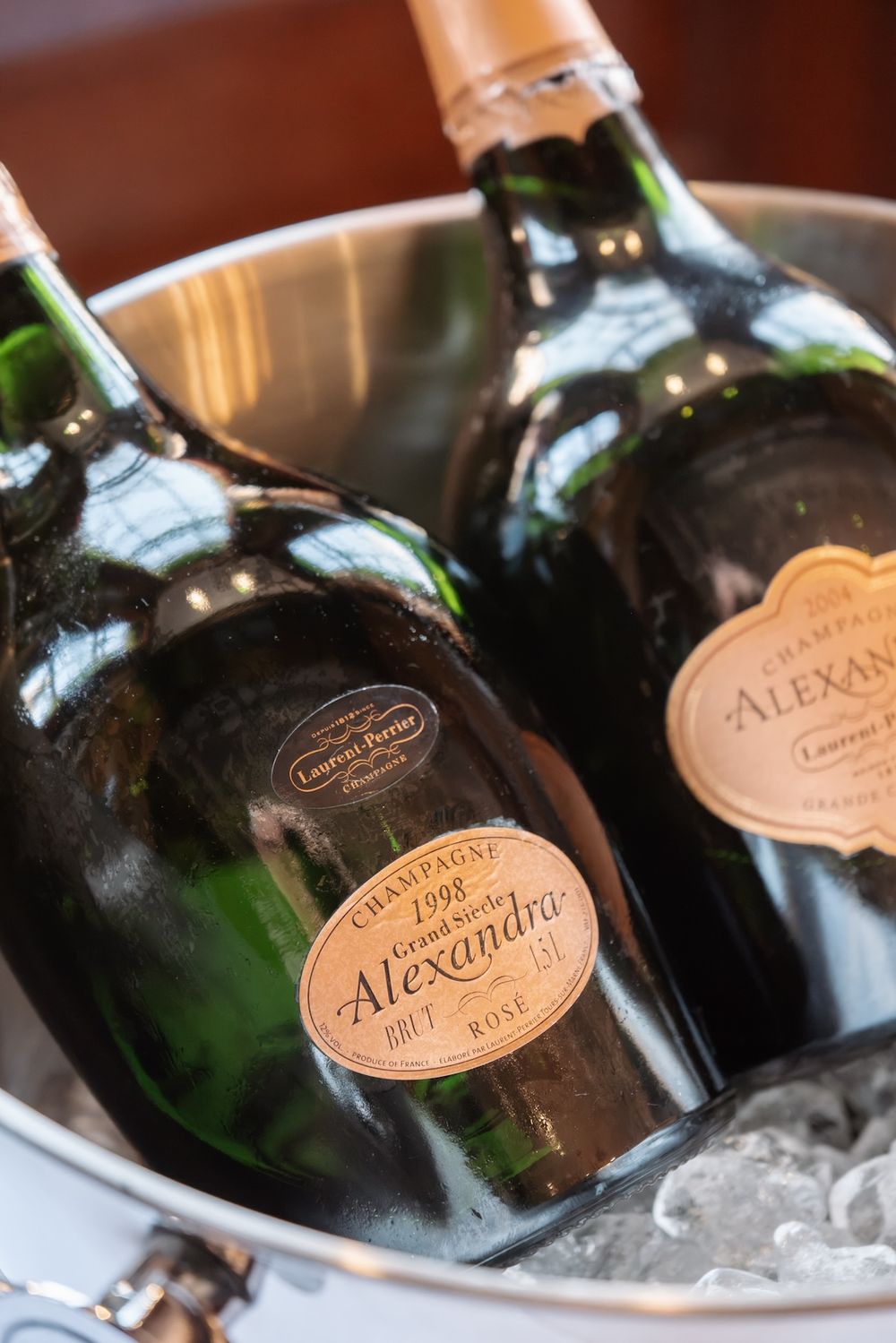
Laurent-Perrier Alexandra Rosé 1998
Defiant of the intervening three decades, the 1998 is still bright and still relatively pale pink in colour, with the faintest hints of copper-bronze and onion skin, its aromatic propulsion tilting towards red fruit, cherry and rosehip to the fore, but with the Chardonnay influential beyond its modest shareholding, leavening the savoury inclination with a fresh vernissage of crystalised citric fruit and soft spice; the texture is generous and silky, its inherent complexity born of maturity and inherent gastronomic power. A glorious web of minor key contradiction, now, finally, steeped in resolution.
All photos © Thomas Skovsende
The Laurent-Perrier Alexandra Rosé 2012 can be enjoyed at The Ritz, The Savoy, The Lanesborough, The Grove and Sketch or purchased from the following: Hedonism, The Whisky Exchange, Majestic, Berry Bros. & Rudd, and The Finest Bubble. RRP: £340 per 75cl bottle.
Laurent-Perrier is a commercial partner of The Buyer. To discover more about them click here.