Walking through Wines Experience London at London’s ExCeL, it quickly became clear this was not simply another wine trade tasting.
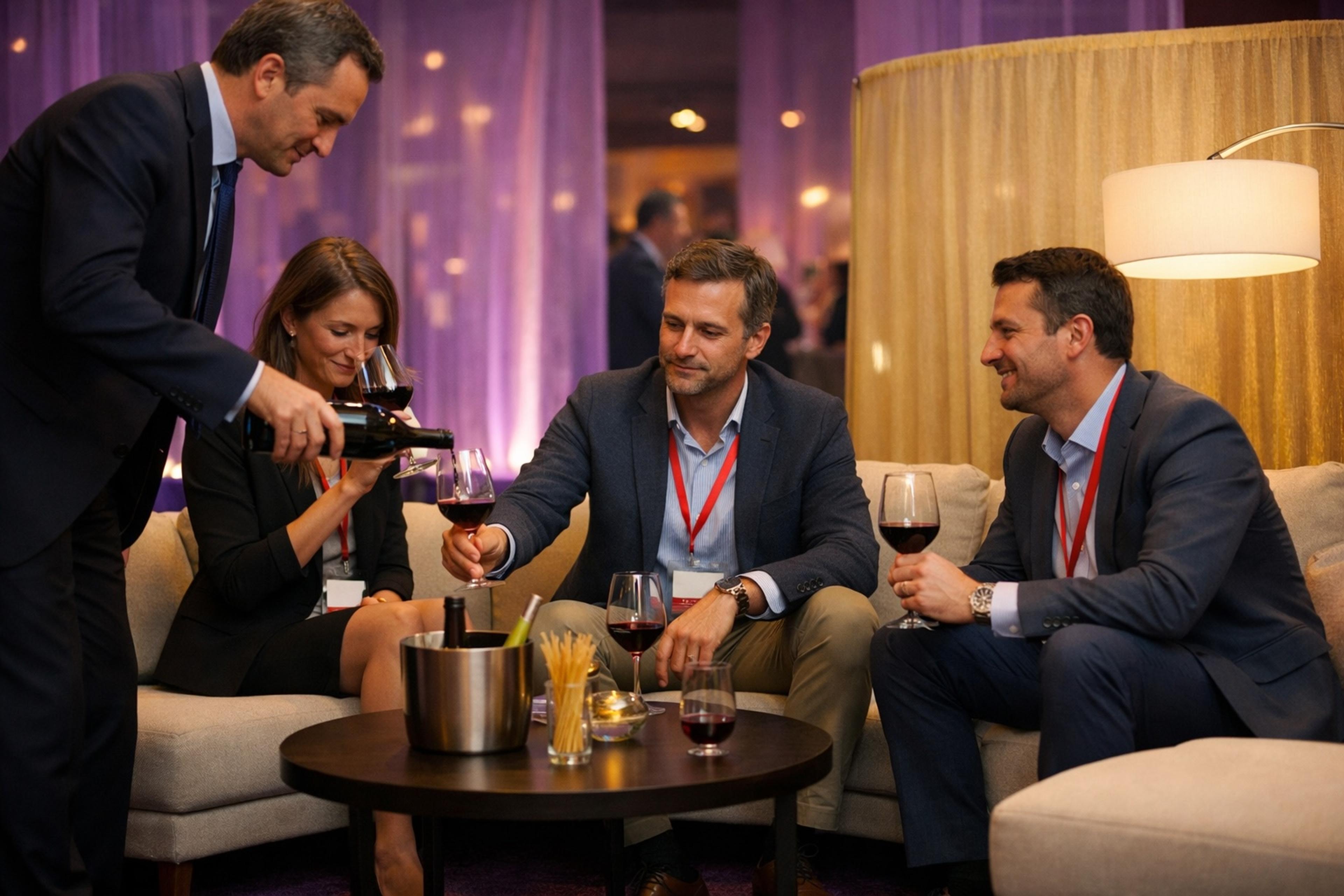
Visitors moved between lounge tasting pods where producers poured wines directly, sampling arancini and spicy ’nduja — the soft Calabrian salami — while conversations about wine lists, sommeliers and changing consumer habits unfolded across the event.
Food was an integral part of the experience, with exhibitors representing different regions bringing their own specialities to London. The ’nduja, supplied by by Salumificio Callà, to me was a standout — rich and creamy in texture, with smoky paprika notes and a slow-building heat, served in small portions that delivered intensity without overwhelming the palate.
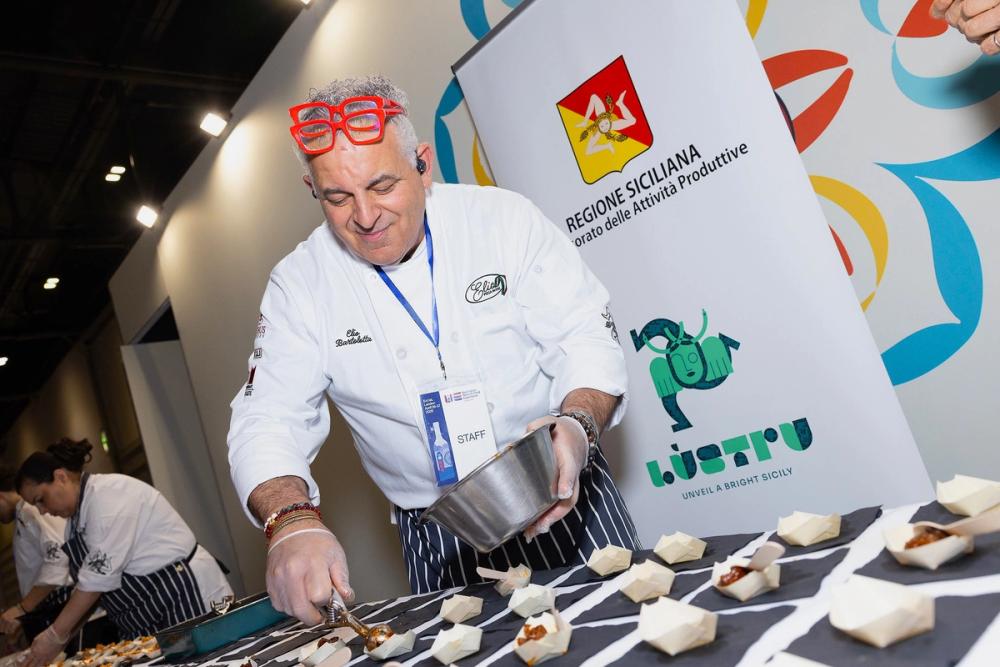
Capturing Italy's unique food and wine offer was at the heart of the new Real Italian Wine & Food Experience event
Alongside this, Elio Bartolotta and his team from Chicago’s Elio Pizza on Fire curated the food throughout both days as one of the restaurant pop-ups and for the “Sicily on a Plate” guided tasting. At a closing reception co-hosted by Women in Wine & Spirits and Italia del Vino, they served small, carefully prepared dishes that reinforced that sense of place: delicate aubergine bites reminiscent of melanzane alla Parmigiana, and notably soft, almost melting meatballs finished with a gentle pesto and cheese sauce.
It felt less like a conventional trade fair and more like a series of small, distinct pieces of Italy, brought together in London.
Organised by United Experience LLC, the event was designed to encourage deeper conversations between producers, buyers and distributors. Small discussion spaces allowed visitors to sit with winemakers and explore wines in detail, while masterclasses and panel discussions addressed the broader forces reshaping the wine trade.
The Italian lifestyle
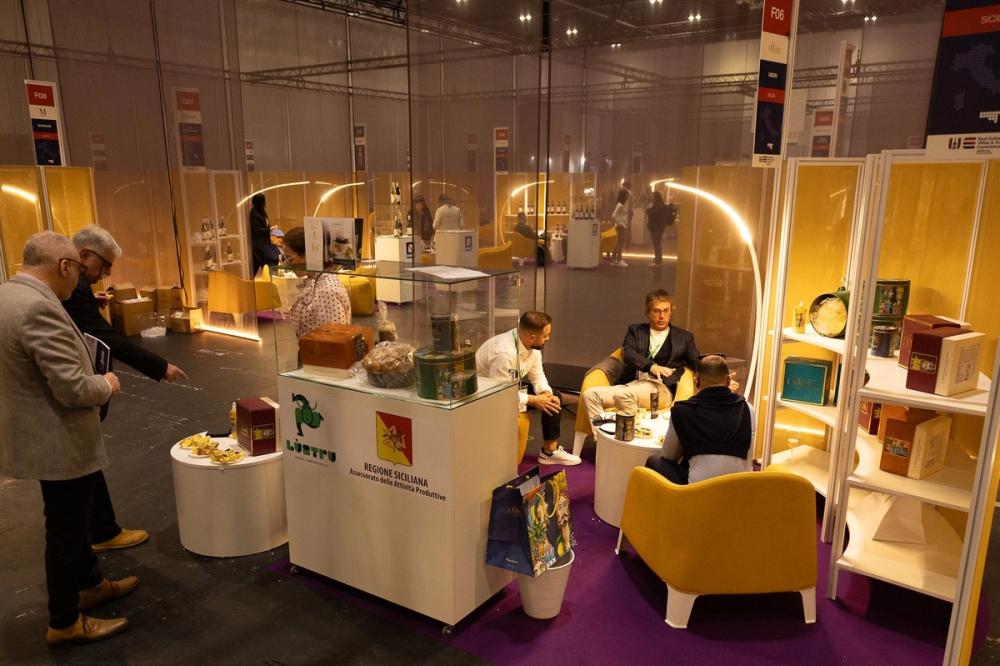
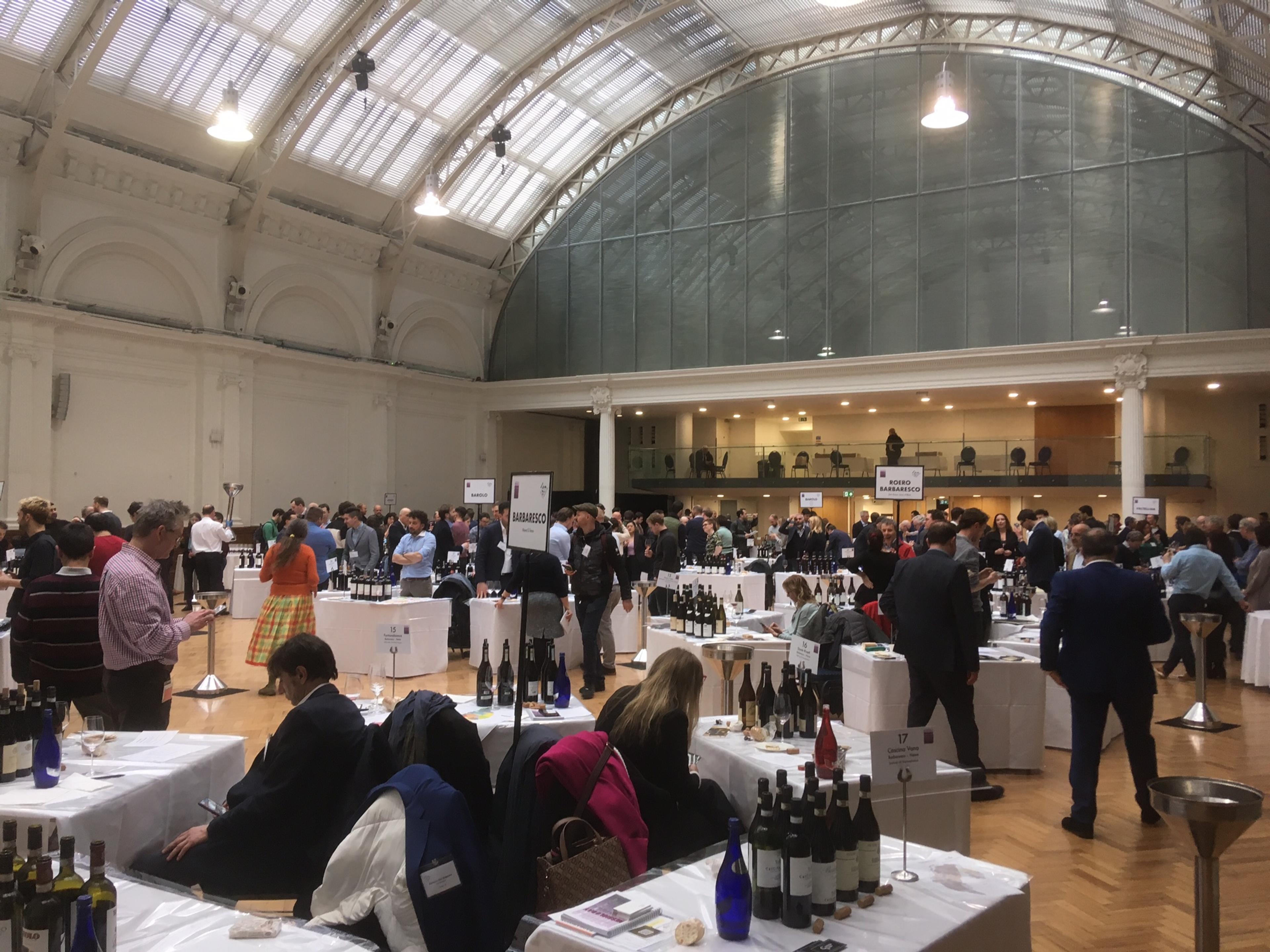
All Italy's main wine regions were represented at the show - with a chance for producers and buyers to meet in relax meetings areas
Opening the Market Shapers Awards the second day of the event, Sarah Abbott MW, founder of Swirl Wine Group, reflected on why the category continues to resonate with consumers.
“When we think about the Italian lifestyle,” she said “we’re thinking about something bigger than wine itself.”
Italian wine, she added, sits at the intersection of gastronomy, culture and everyday enjoyment.
“There’s a dream of Italy: a sense of how beautiful life can be.”
At a time when wine consumption is under pressure globally, Abbott argued Italian wine offers something distinctive: what she described as a “joyous luxury” - serious enough to command respect yet accessible enough to remain part of everyday life.
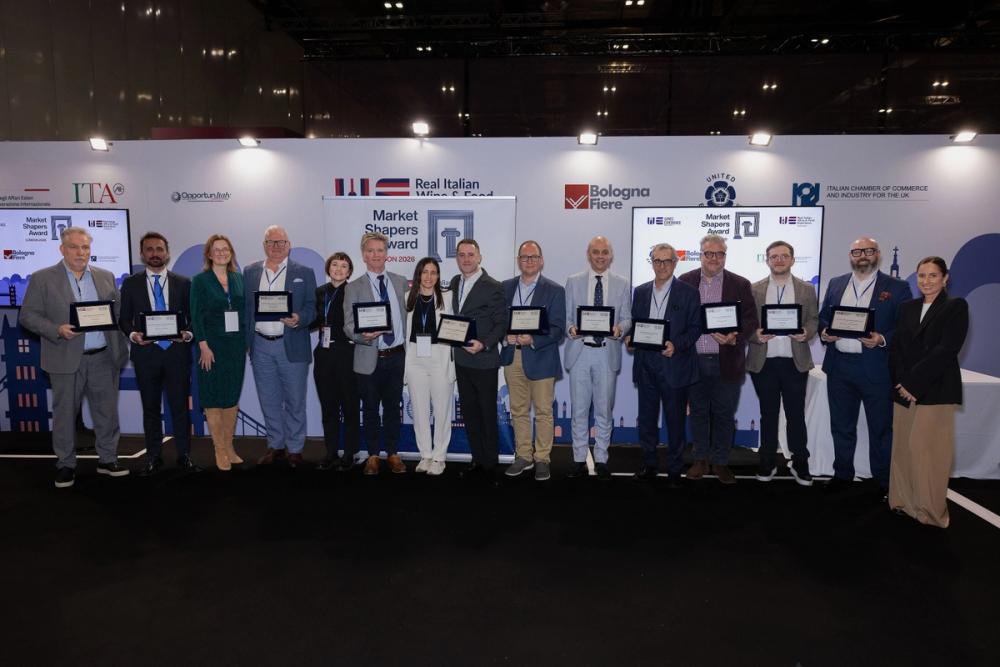
Winners in the Market Shapers awards
The Market Shapers Awards recognise companies and individuals who have helped build Italian wine’s presence in the UK.
The awards honoured 11 winners across four categories, spanning importers, distributors, retailers, hospitality groups and Italian food specialists.
Rather than celebrating scale alone, the awards focused on those who have built relationships with producers, supported the trade and helped raise the profile of Italian wine in one of the world’s most competitive wine markets.
Among the winners were Armit Wines, Berkmann Wine Cellars, Elevage Wines, Enotria, Majestic Wine, Harrods, Hedonism Wines, Passione Vino, Big Mamma Group, C. CarnevaleLtd and Cibosano.
Speaking after receiving the award for long-term producer partnerships, Brett Fleming, managing director of Armit Wines, reflected on the current market environment.
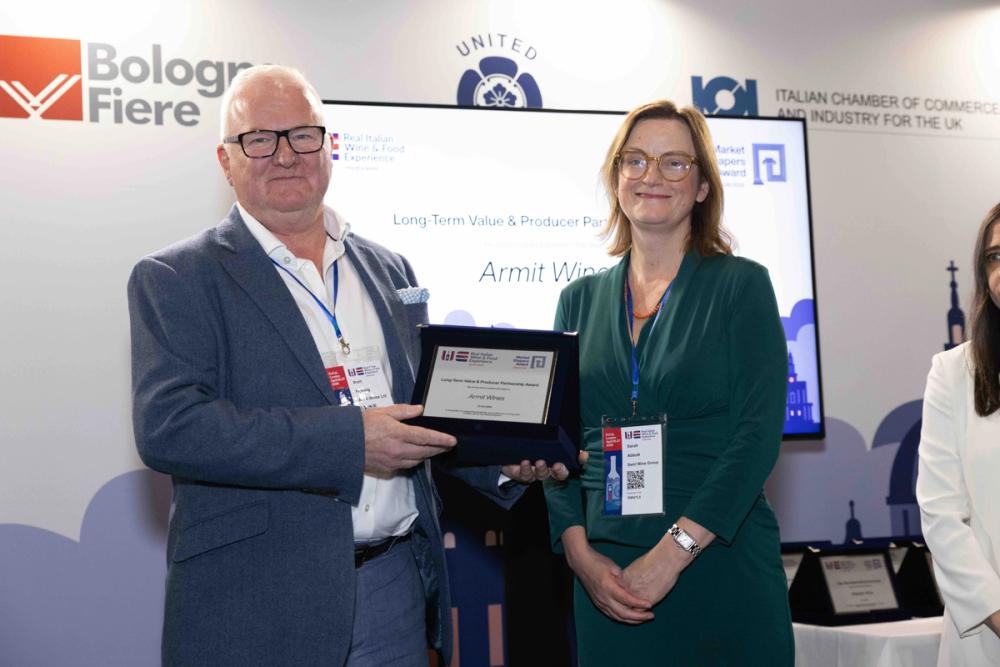
Armit's Brett Fleming receives his Market Shapers award from Sarah Abbott MW
“It’s not easy for anybody right now,” he said. “Consumer habits are changing. Younger consumers aren’t entering the category in the numbers we’d like and older consumers aren’t buying in the same way they used to.”
Yet he remains optimistic about the opportunities Italian wine offers.
“Italy is such a captivating, diverse country for food and wine. It offers something for almost anyone.”
For importers, he believes the key lies in identifying producers whose wines and stories resonate with the market.
“Our responsibility is to find those producers that really stand out and build relationships with them — and then translate their story into a commercial route to market.”
Profit under pressure: the trade reality
The Market Pulse: Profit Under Pressure session set the tone, offering a candid view of the commercial pressures currently shaping the UK wine trade.
Importers and distributors shared how they are adapting to rising costs and shifting consumer behaviour.
For Luigi Buonanno of Berkmann Wine Cellars, the shift in drinking habits is already clear. “People are drinking less, but they’re drinking better,” he suggested, pointing to a more considered approach to spending.
Mauro Segatta of Alvini Company highlighted the importance of differentiation, noting that working with smaller, more agile producers allows importers to bring wines to market that larger suppliers may not be able to access.
Across the panel, there was agreement that value remains critical, but needs to be reframed. As one speaker put it, “value for money has to sit at the centre of everything, but that doesn’t mean the lowest price”.
For Sergio De Luca of Enotria, the answer lies in long-term relationships. “Partnership is key,” he said. “It’s about working with producers over the long term, not just short-term transactions.”
Underpinning the discussion was a broader shift in consumer behaviour, with panellists noting a growing willingness to explore new regions and grape varieties — provided the message is clear.
What’s driving the UK wine market today?
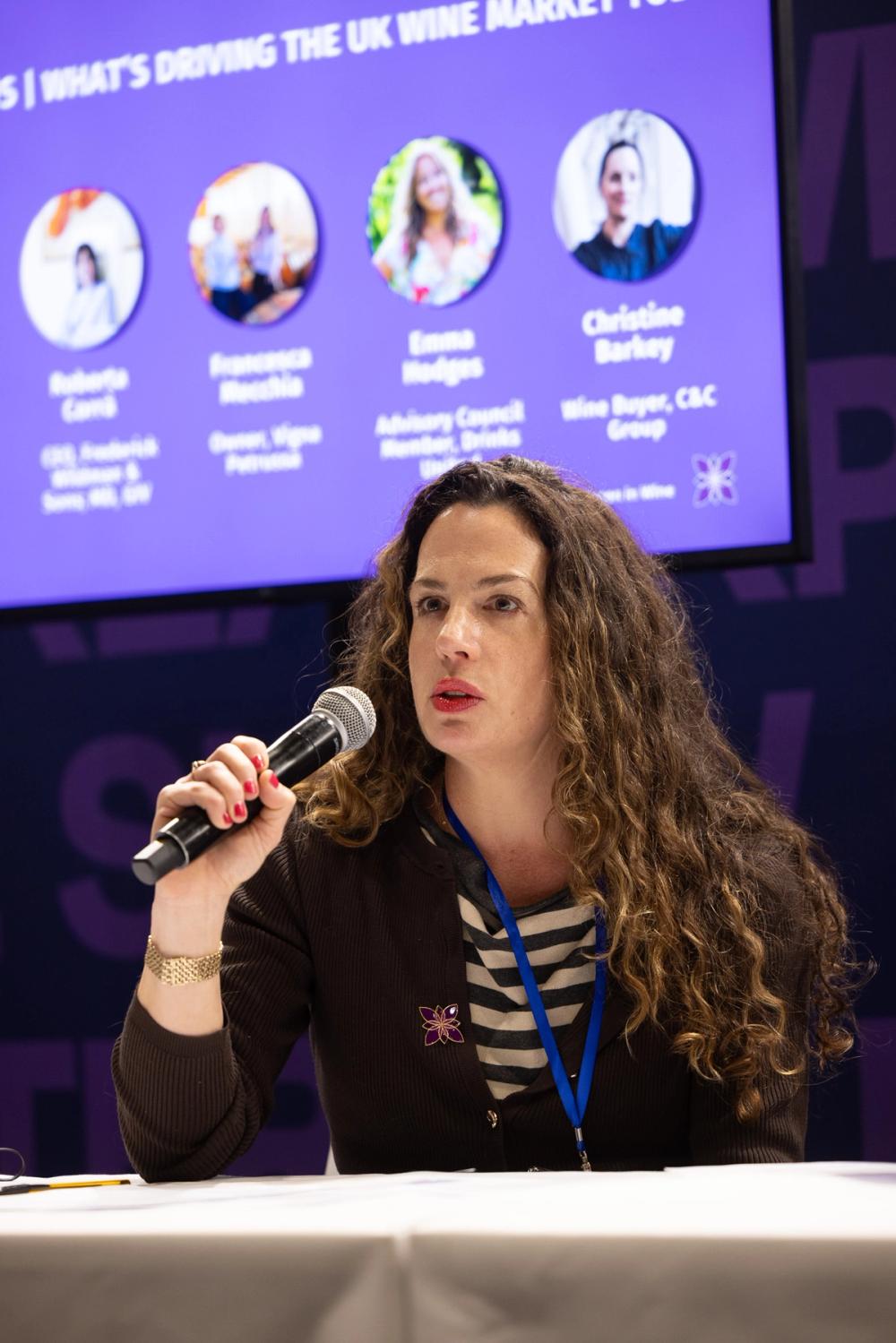
Lilla O'Connor helped chair the session on UK wine market dynamics
These themes were explored further in a panel discussion titled “Market Focus: What’s Driving the UK Wine Market Today and How Do We Shape What Comes Next?”, organised with the Women in Wine & Spirits initiative.
The session highlighted the growing influence of women across the trade and brought together voices from across the industry to discuss how shifting consumer behaviour is reshaping the UK market.
Among the speakers was Christine Barkey of Matthew Clark Bibendum, who shared insights from recent market data on how economic pressures are affecting drinking occasions.
Consumers, she noted, are increasingly value-driven and intentional in their spending, with many paying closer attention to budgets than they did a decade ago.
At the same time, drinking occasions are changing.
Consumers are going out earlier in the day and less frequently, concentrating spending on occasions that feel worth it rather than routine nights out.
Within the on-trade this is reshaping wine lists.
Many restaurants are now working with shorter, more focused selections, meaning every wine needs a clear role. Whether as a dependable house pour, a distinctive trade-up option or a signature listing.
Communication is key
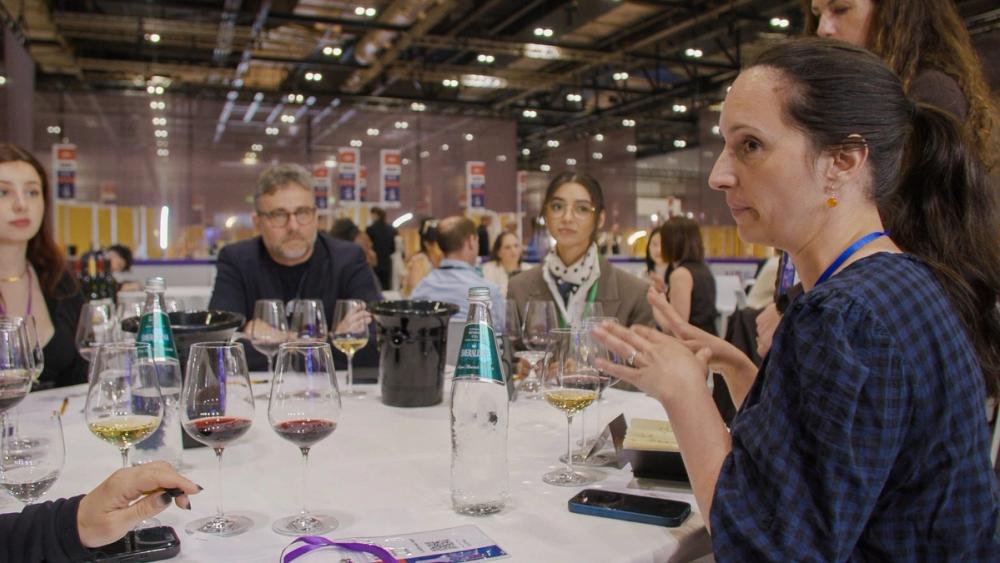
There were opportunities for buyers and Italian trade figures to come together and take part in small focused discussion groups
Across the panel discussions and small-group workshops that followed, one theme kept returning: communication.
Italian wine’s diversity is one of its greatest strengths, but also one of its biggest challenges.
As Roberto Corrà, president of Consorzio Italia del Vino, argued during the event, the solution may lie in focusing on clear, unified messages that help consumers navigate Italy’s complexity rather than overwhelming them with it.
Calabria: complexity waiting to be discovered
One of the most engaging tastings came in the Calabria Next masterclass, led by wine educator Filippo Bartolotta (of The Grape Trotter), which set out to challenge long-held assumptions about southern Italian wine.
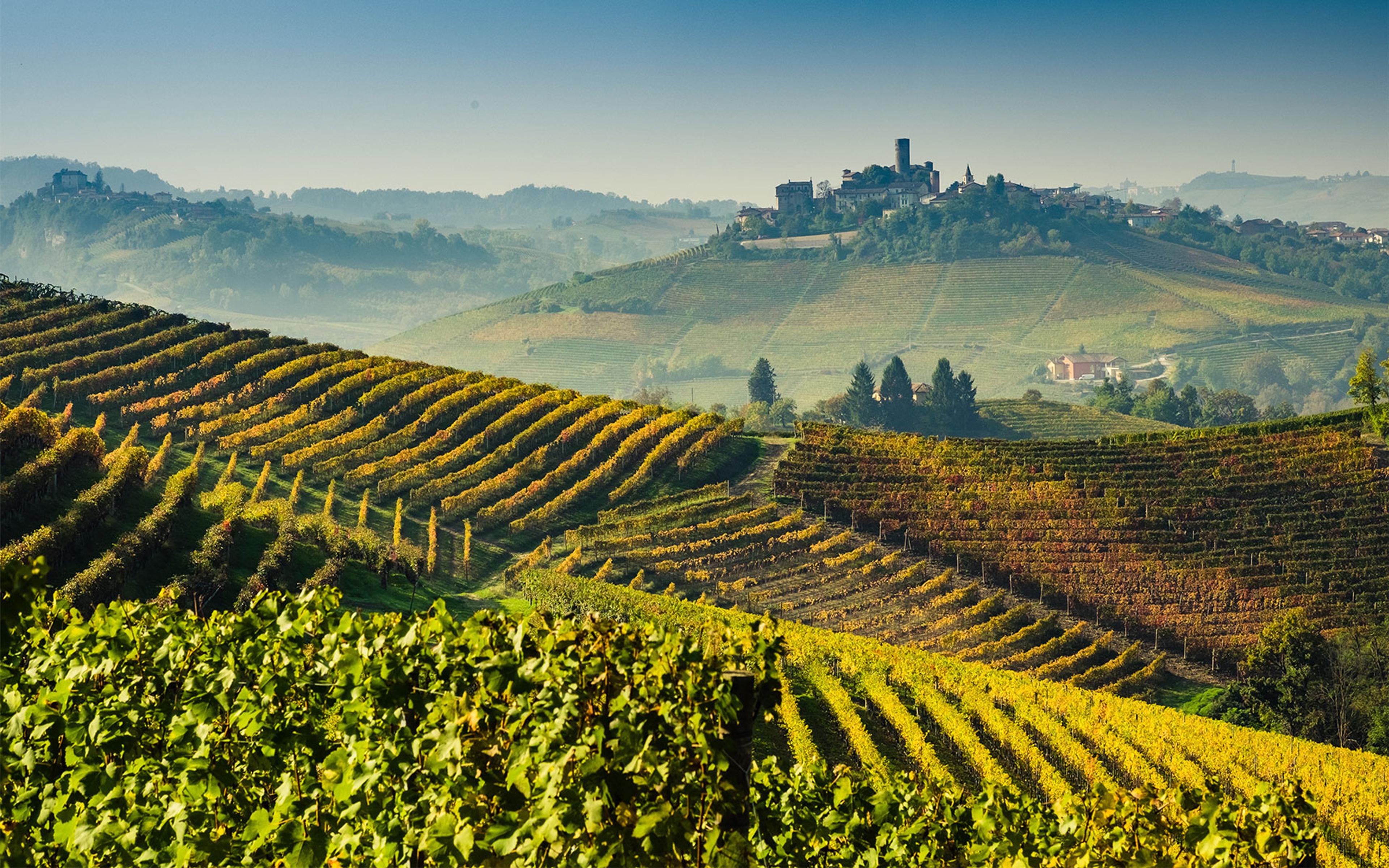
Calabria is rarely front of mind in the UK, yet as Bartolotta pointed out, it is a complex region, not only in terms of its history, but its geography. Despite accounting for a relatively small vineyard area of around 12,000 hectares, it is home to an extraordinary number of indigenous varieties, many of which remain little known outside Italy.
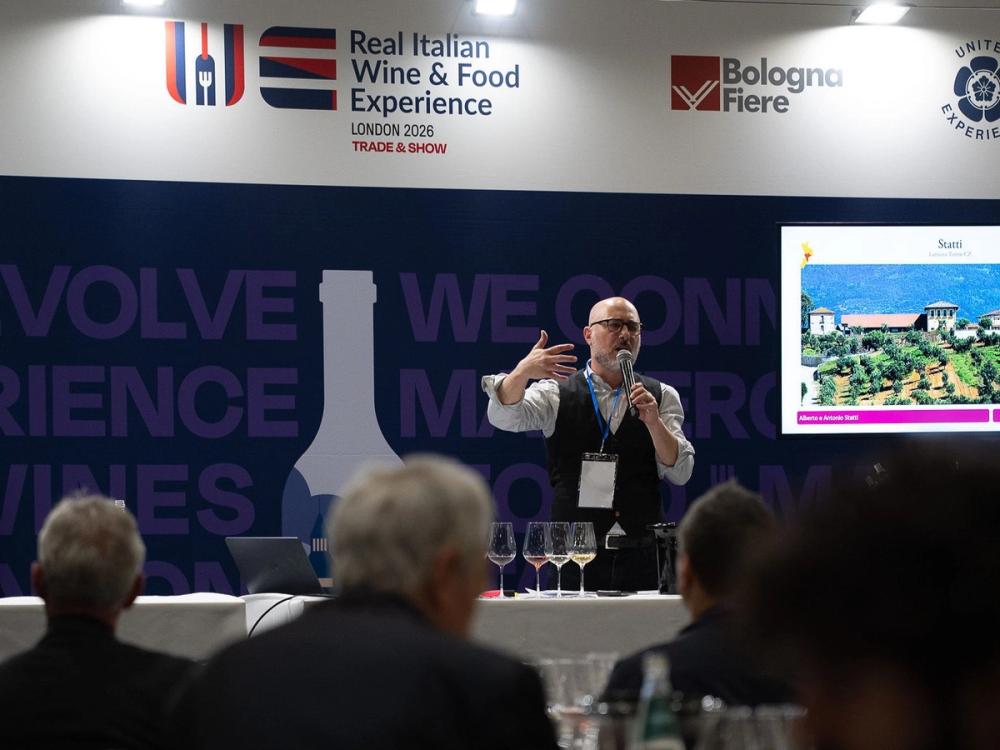
Wine educator Filippo Bartolotta speaking during his session on Calabria wines
What emerged from the tasting was a clear shift in style. Rather than the heavy, rustic wines often associated with the south, these wines were defined by freshness, salinity and structure: a reflection of Calabria’s mountainous landscape, strong coastal influences and significant diurnal temperature variation.
Calabria is not a region to be understood through stereotypes, but one that is still being discovered both by producers themselves and by the wider market — with its food culture, from spicy ’nduja to simple regional dishes, reinforcing that same sense of place and identity.
Standout wines
Across the event’s tastings, several wines stood out.
From Allegrini, introduced by Giulia Gecchele, the Palazzo della Torre 2023 offered a vibrant interpretation of Ripasso-style winemaking, blending fresh wine with a proportion of Amarone.
With notes of candied cranberry and dried fruit balanced by lively acidity, the wine showed richness without losing freshness.
Another highlight was a Lugana made from 95% Turbiana and 5% Cortese, aged four months on lees, offering delicate citrus character with appealing texture.
The Calabria masterclass revealed several wines that challenged expectations of southern Italian styles.
A standout was Tharsias Rosé 2022 from Feudo della Sagitta, made from 100% Magliocco Canino and released two years after bottling. The wine combined cocoa and earthy tobacco notes with vibrant acidity and structure.
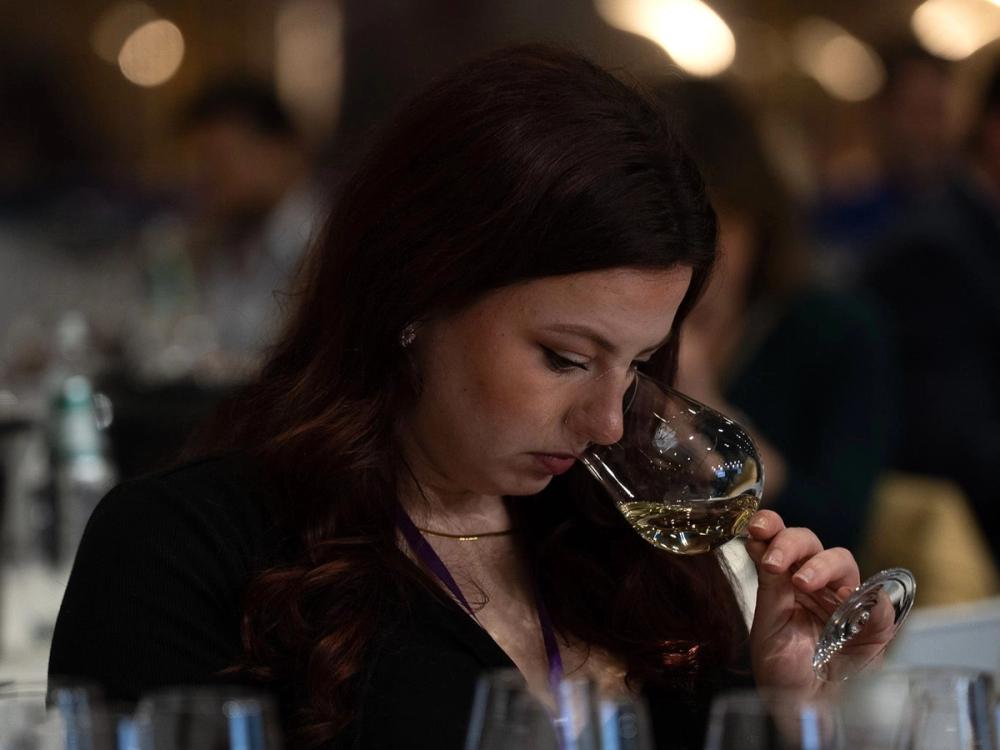
Buyers had the chance to take part in a series of masterclasses and focused tastings as well talk directly with producers
Among the whites, Maidoma Bianco 2022 from Cantine Caccamo, made from Greco Bianco, showed chamomile, fennel and citrus notes with a saline finish.
Another striking example was Testagna from Cantine Stoli, a Nerello Calabrese aged in amphora for 24 months, offering earthy savoury notes with crunchy red fruit and hints of blood orange.
A particularly intriguing wine came from Podere Guardia Grande in Sardinia, where the Saldenya Vermentino di Sardegna DOC expressed the maritime character of vineyards overlooking the coast near Alghero. Floral and citrus-driven, with notes of lemon and a saline mineral finish, the wine reflected the influence of sea breezes and mistral winds.
The estate itself is part of a wider wine initiative developed by the Veronesi family, owners of the Calzedonia fashion group, illustrating how lifestyle brands are increasingly investing in wine as a way of connecting culture, hospitality and retail.
Communicating Italy’s diversity
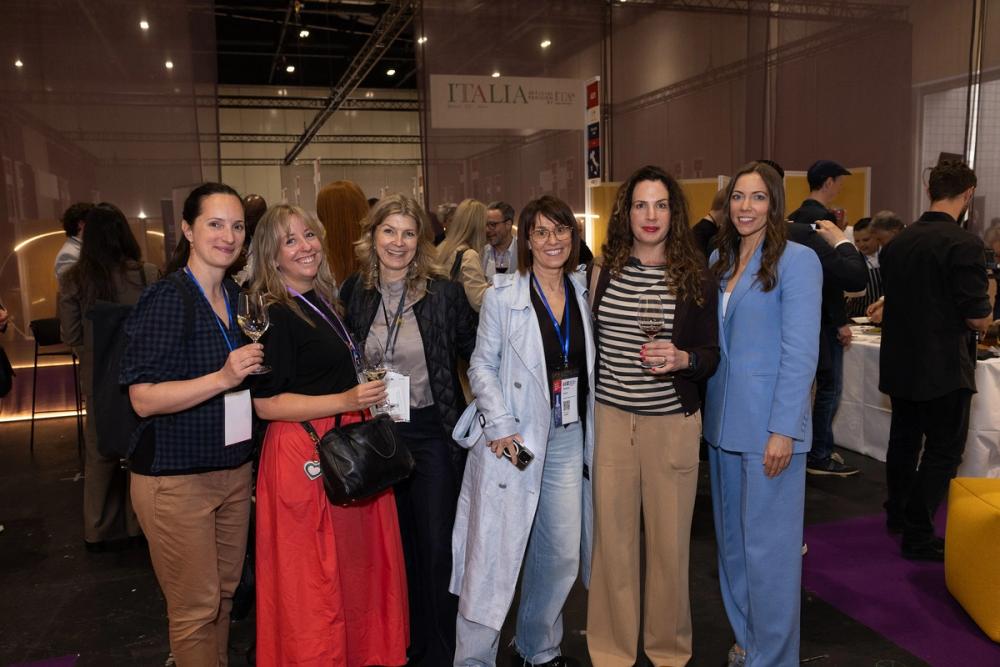
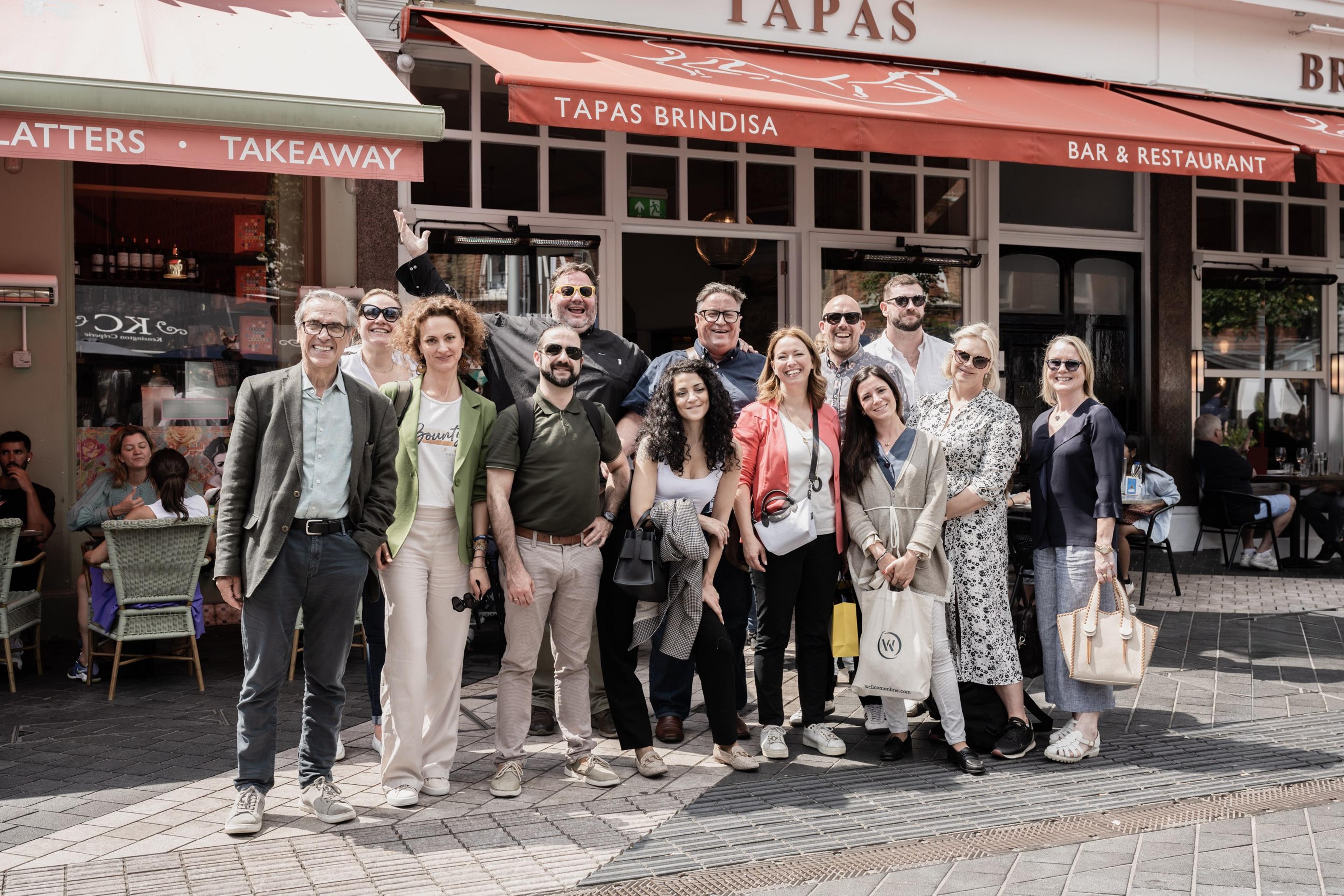
The closing reception from left to right: Christine Barkey (C&C Group), Emma Hodges (Accessibility Consultant; Drinks United); Francesca Mecchia (Vigna Petrussa), Roberta Corrà (Gruppo Italiano Vini), Lilla O'Connor (Wine Writer & Judge), Molly Matelski (United Experience; Women in Wine & Spirits)
Across the event’s tastings and discussions, one conclusion kept emerging: Italian wine does not lack stories.
From Calabria’s ancient grape varieties to the cultural identity behind Italian wine itself, the category is rich with narratives.
The challenge lies in how those stories are communicated.
Consumers still seek authenticity, provenance and flavour, but rarely as isolated concepts. What they increasingly respond to is the experience those elements create together – something that feels genuine, enjoyable and worth the moment.
Success may therefore belong to producers, importers and retailers who can translate wine’s diversity into clear, compelling stories and experiences that resonate beyond the glass.
At Wines Experience London, that complexity was everywhere.
In the wines. In the food. And in the conversations happening across the lounges.
Little pieces of Italy, brought together in London (and soon in Ho Chi Minh City and Mexico City), connecting the world of Italian wine.
* You can find out more about the Real Italian Wine & Food Experience event here.