
Tell us about your plans for SID in October and what we can expect?
This year we really want SID to bridge the gap between the big sustainability challenges facing the drinks industry and the decisions people actually have to make in their businesses every day.
From smarter buying, regenerative farming and credible certification to reducing waste, protecting supply chains and creating more sustainable workplaces, the emphasis is firmly on practical solutions and commercial reality.
Visitors will hear what leading retailers, producers and sustainability experts are doing, question the people already putting change into practice, and discover tools and ideas they can take back to their own businesses. They will also be there as some important new industry initiatives are unveiled.
Whether you work in the on-trade, independent retail, major retail, production or elsewhere in the drinks industry, our ambition is quite simple: SID should be where sustainability moves from conversation to action.
What lessons have you taken from the first two events in terms of how you want to structure things and run the event this time round?
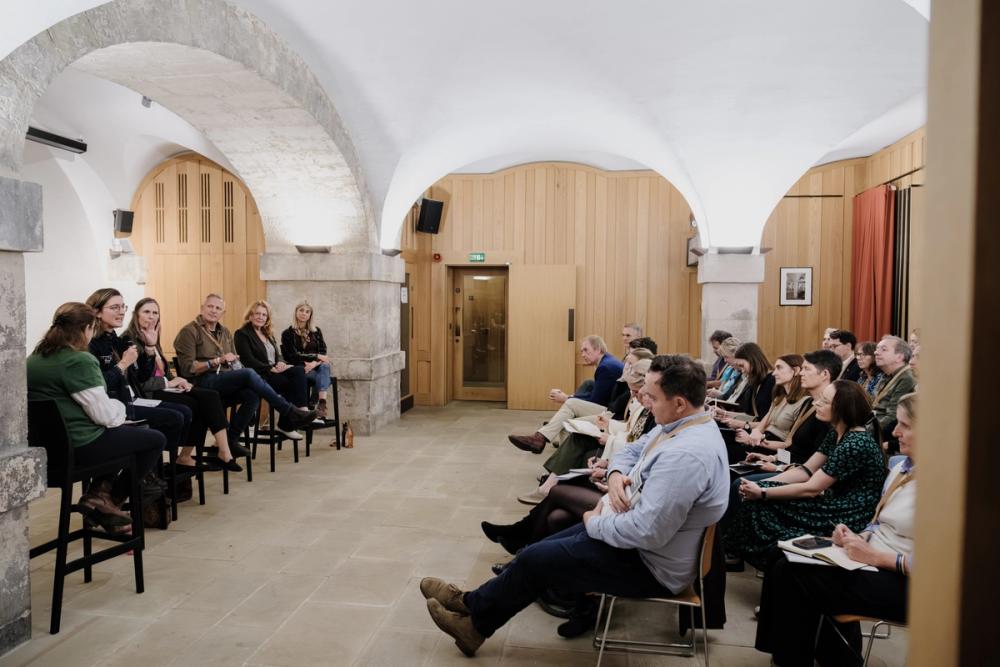
Sustainability in Drinks has in two years firmly positioned itself as a must attend event in the drinks industry
One of the biggest lessons has been not to change things simply for the sake of it. Some elements have worked extremely well from the beginning.
We have therefore kept our four exhibitor zones: Carbon & Climate, Packaging, Sustainable Society and Land Health. Each is managed in partnership with a specialist organisation – International Wineries for Climate Action, the Porto Protocol, Drinks United and the Regenerative Viticulture Foundation respectively. Our SID Associates have become integral to the event and are now very much part of the team.
Where we are changing things is in making the programme more interactive and provocative.
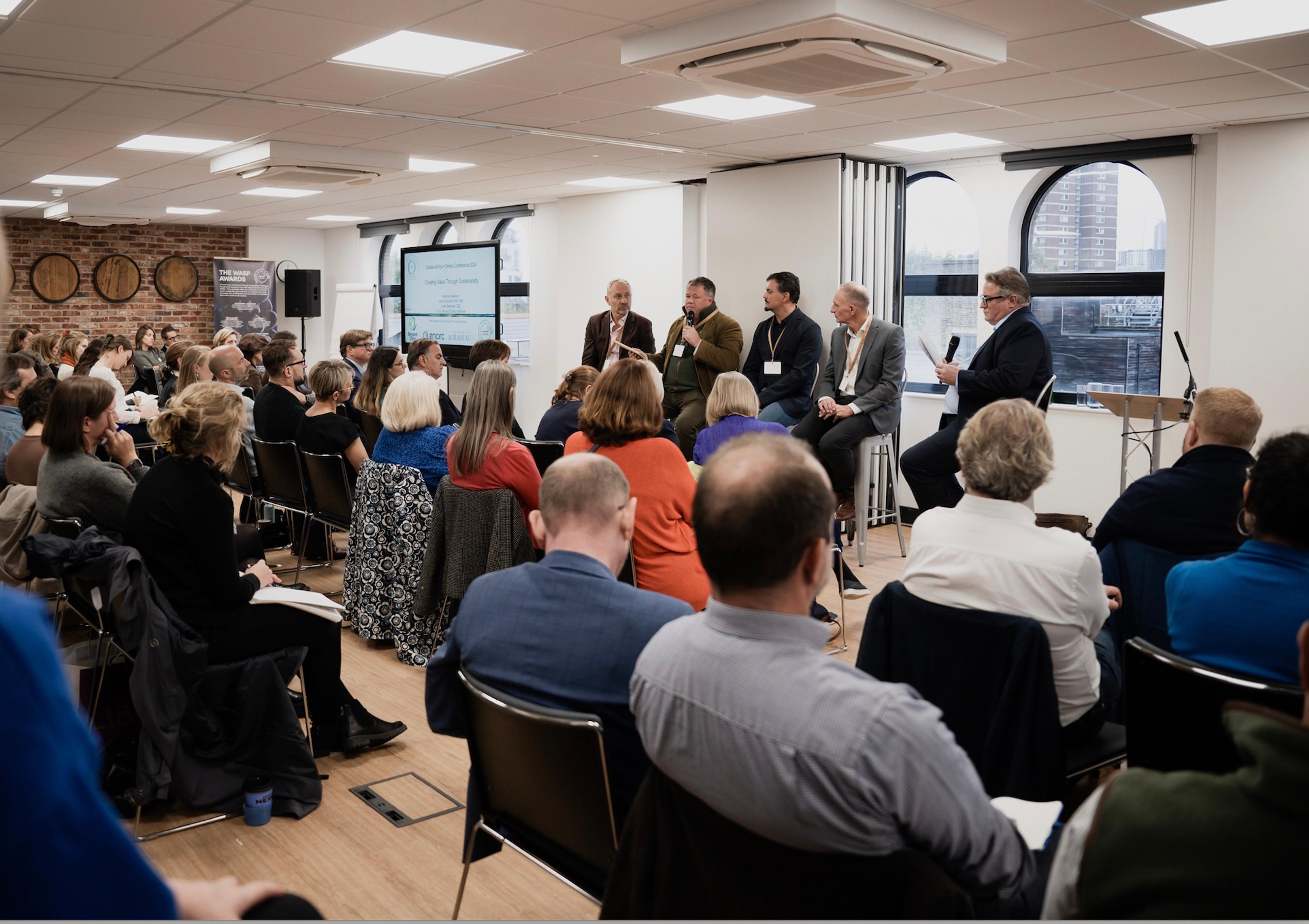
We wanted to liven up the BIG Sustainability Debate, for example, so this year we will put some deliberately contentious statements to different pairs of speakers: “Consumers won’t pay for sustainability”; “Putting a financial value on soil carbon is dirty money”; and “Regulation is a barrier to progress.”
We don’t necessarily expect everyone to agree - quite the opposite. We want to create the sort of lively, informed debate that gets people thinking and talking long after the session has finished.
What are the big themes and areas of discussion that you have picked out for this year’s SID?
Our theme is: “Come for what you need today, leave knowing what we all need for tomorrow.”
That sums up what we’re trying to achieve. There is a great deal of tactical, practical information: things people can actually use now but alongside that we want to offer inspiration and bigger-picture expertise about what’s coming next.
The other major theme is collaboration.
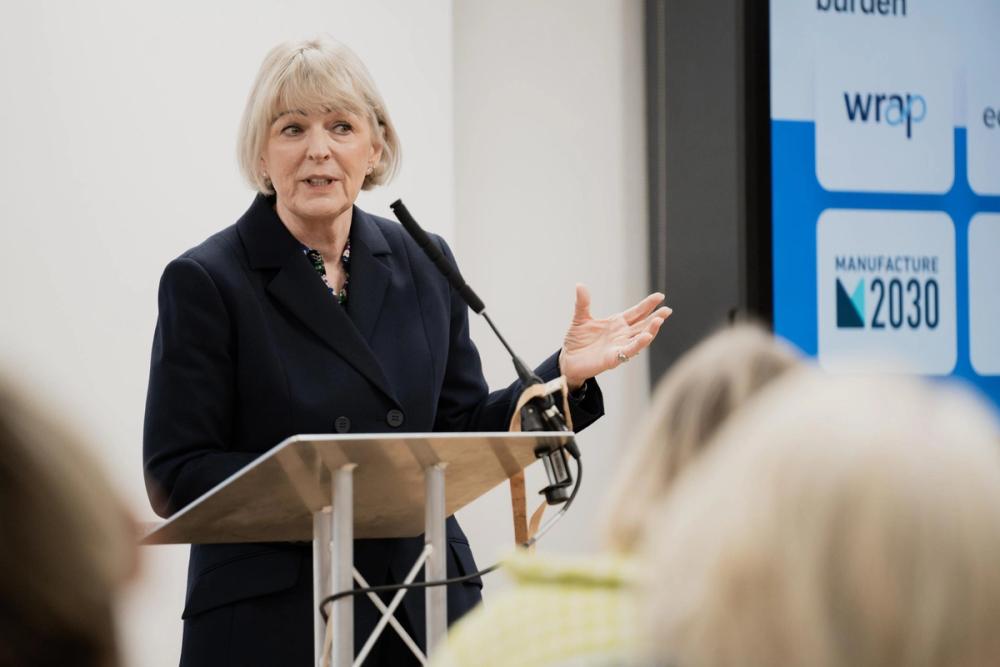
Judith Batchelar - a sustainability expert from the retail world who enjoyed a long career at Sainsbury's - is returning to SID in October
At our first SID, keynote speakers Jancis Robinson MW and Judith Batchelar both made a passionate call for the industry to work together. That message has stayed with us.
This year we will have not only our largest gathering of sustainability organisations in one place, but also what we believe will be our largest gathering yet of generic bodies, all there to collaborate and learn from each other.
Why did you choose them?
In many ways the themes chose themselves. They have grown out of what we have learnt during the first two years of SID and from the people taking part.
After SID 2025, Batchelar very generously wrote an unprompted report about the event. One observation particularly resonated with us: “The biggest sustainability challenges can’t be solved alone.”
For an industry navigating increasingly complex environmental challenges, changing regulation and rising expectations from customers and retailers, collaboration isn’t simply desirable - it’s essential.
There is an enormous opportunity to stop everybody reinventing the wheel and instead align around common frameworks, shared knowledge and practical solutions. That can make sustainability easier to understand, easier to implement and, ultimately, much more impactful.
SID can provide a neutral place where those conversations happen.
Can you highlight any of your keynote speakers and what you hope they can bring to the event?
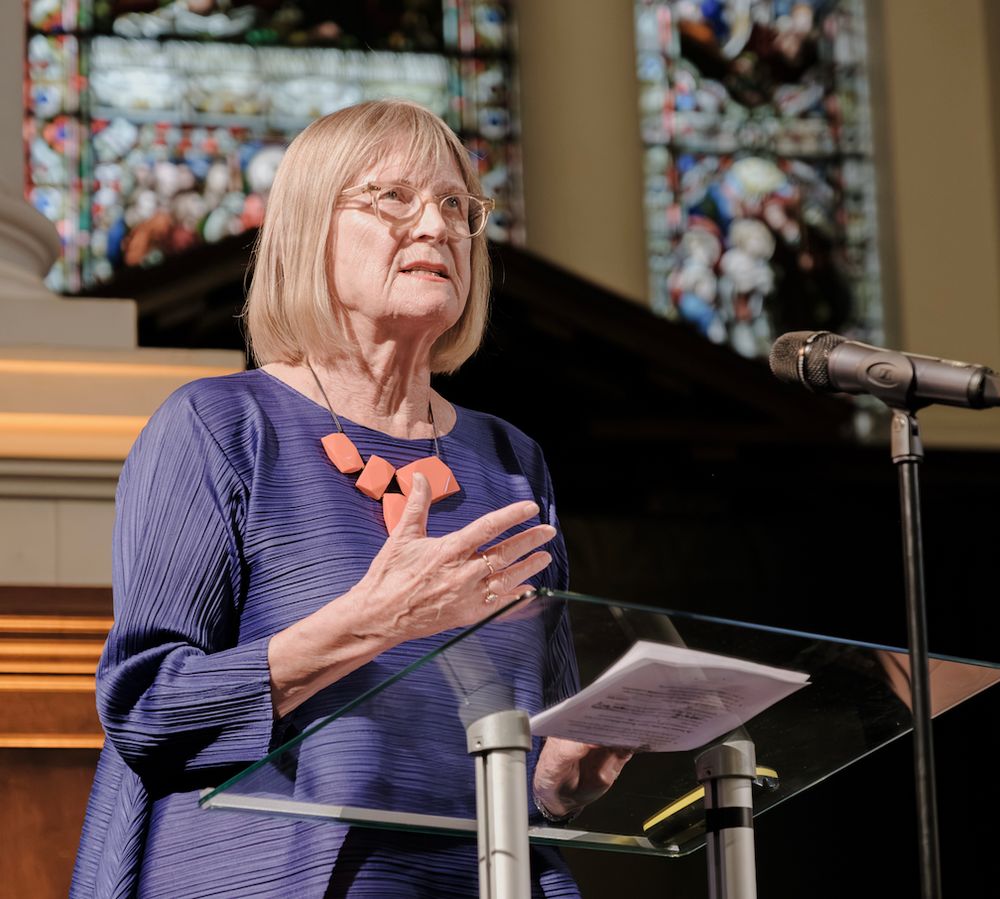
Jancis Robinson MW has supported SID since its inaugural event and is back again this year to help moderate and introduce sessions
We are delighted that Robinson and Batchelar OBE will both be back for the third year.
Robinson will introduce some of the key sessions and our keynote, as well as introducing one of the most important announcements of the day, the Regenerative Viticulture Foundation’s Regenerative Accelerator Group.
Batchelar brings a tremendous breadth of experience from the food sector and has an extraordinary ability to look beyond individual sustainability initiatives and ask what actually needs to change at industry level.
Last year’s keynote speaker, Professor Paul Behrens, will also return, this time with his Oxford University colleague Tom Griffin from HESTIA, to talk about Science in Practice: how robust science and data can help businesses make better sustainability decisions.
You have looked in the past to balance the exhibition and the conference element to the day = what is the plan this year?
We wanted to fit in even more content without creating a day where visitors rush from one session to another and never have time to talk to anyone.
The exhibition is hugely important because SID isn’t just about listening to experts on a stage. It’s about meeting them.
We sometimes describe SID as the place where you find your “knowledgeable friend”, somebody who knows a little more than you do about a particular subject and, crucially, is willing to share that knowledge and help.
Some of the most valuable conversations at SID don’t happen in formal sessions at all. They happen beside an exhibitor’s table, over coffee or, as we discovered last year, in the corridors and stairwells. We want to protect the space for that to happen.
What have you been most pleased with since setting up SID and what it has been able to achieve?
Probably the fact that in a relatively short time we have created a platform where people genuinely seem willing to discuss, learn and share knowledge.
We’ve been amazed by the calibre of speakers, exhibitors and organisations who have supported SID. That support has given the event a gravitas we could never simply have created ourselves.
I am also particularly pleased that organisations increasingly see SID as somewhere to launch things and make things happen, rather than simply somewhere to talk about sustainability.
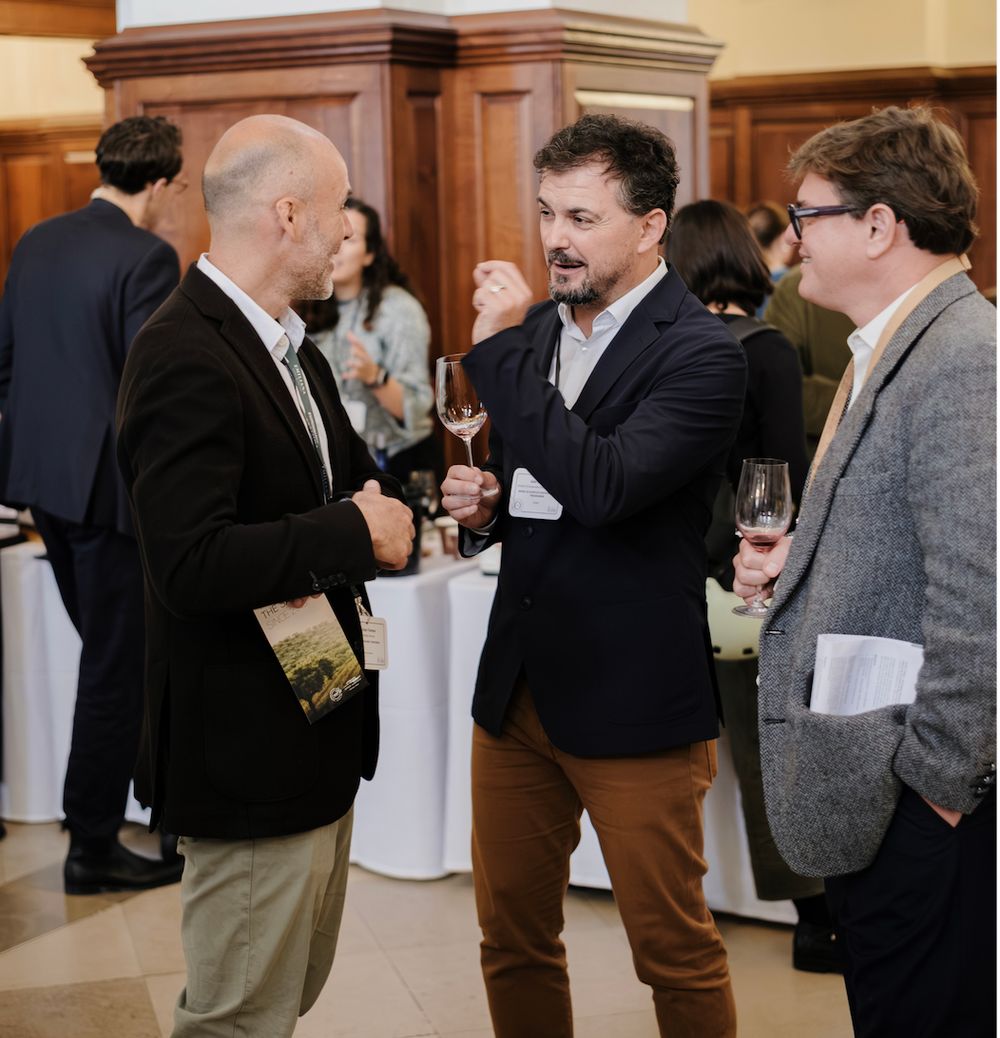
João Barroso, centre, will be returning to SID to represent the work that the Wines of Alentejo Sustainability Programme is doing
This year Wines of Alentejo Sustainability Programme will launch its new lightweight Alentejo bottle; there will be new book releases from Jancis Robinson and Jamie Goode; and the Regenerative Viticulture Foundation will unveil what we believe could be one of the day’s most significant collaborative initiatives.
The Regenerative Accelerator Group brings together a coalition of international retailers around an ambition for 10% of the world’s vineyards to be farmed regeneratively by 2035. At 4.30pm we will hear what that ambition means in practice – and, importantly, how progress will be measured and managed.
For us, that’s exactly what SID should be doing: bringing the right people together and helping turn ideas into action.
Any frustrations and issues you have had running an event like this and what are you doing to overcome them?
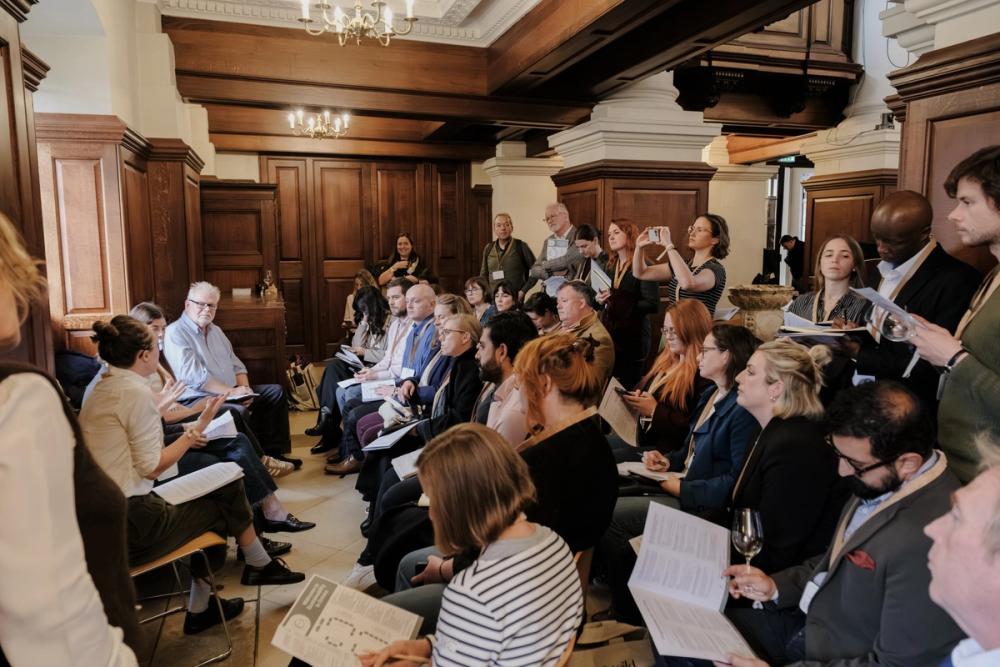
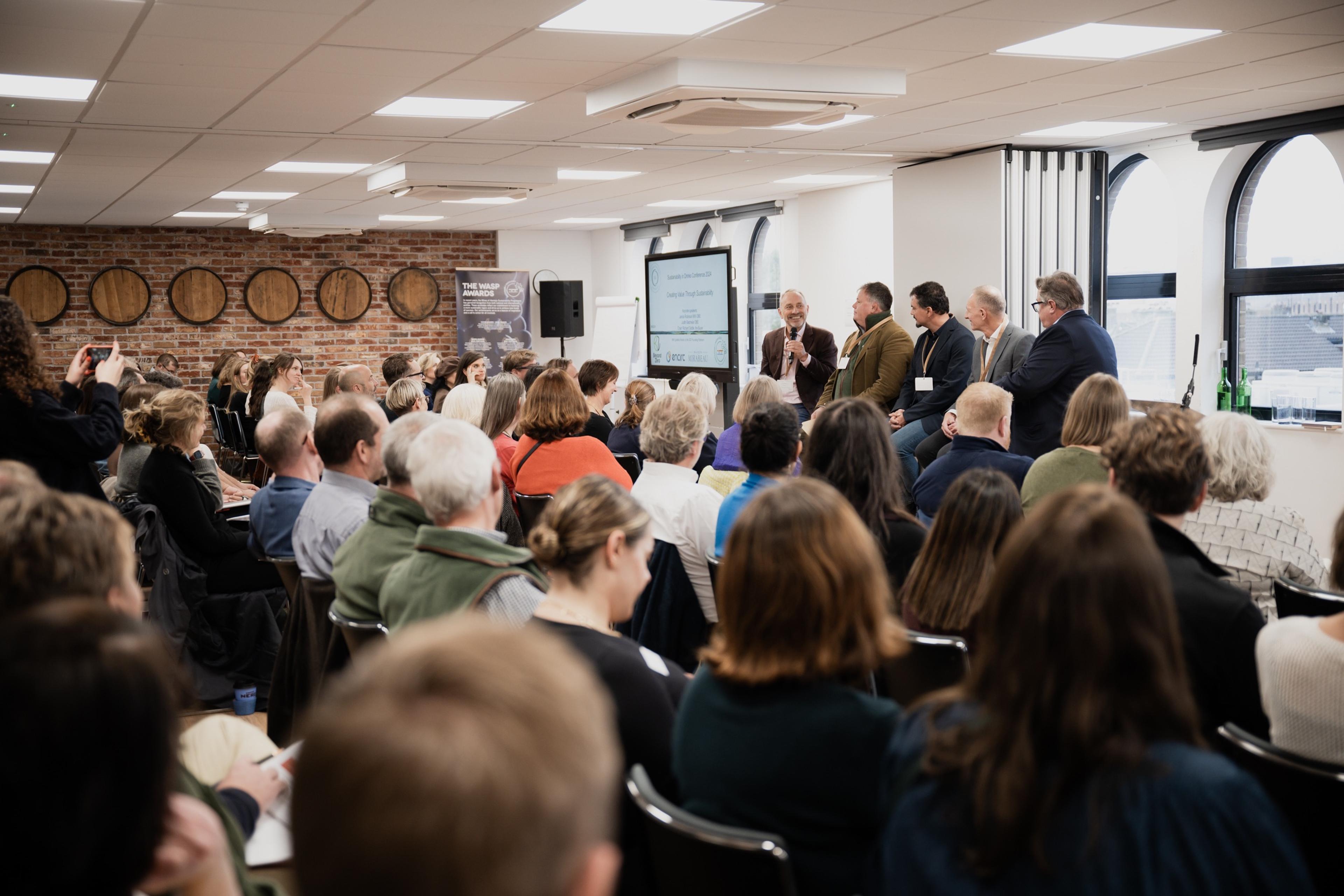
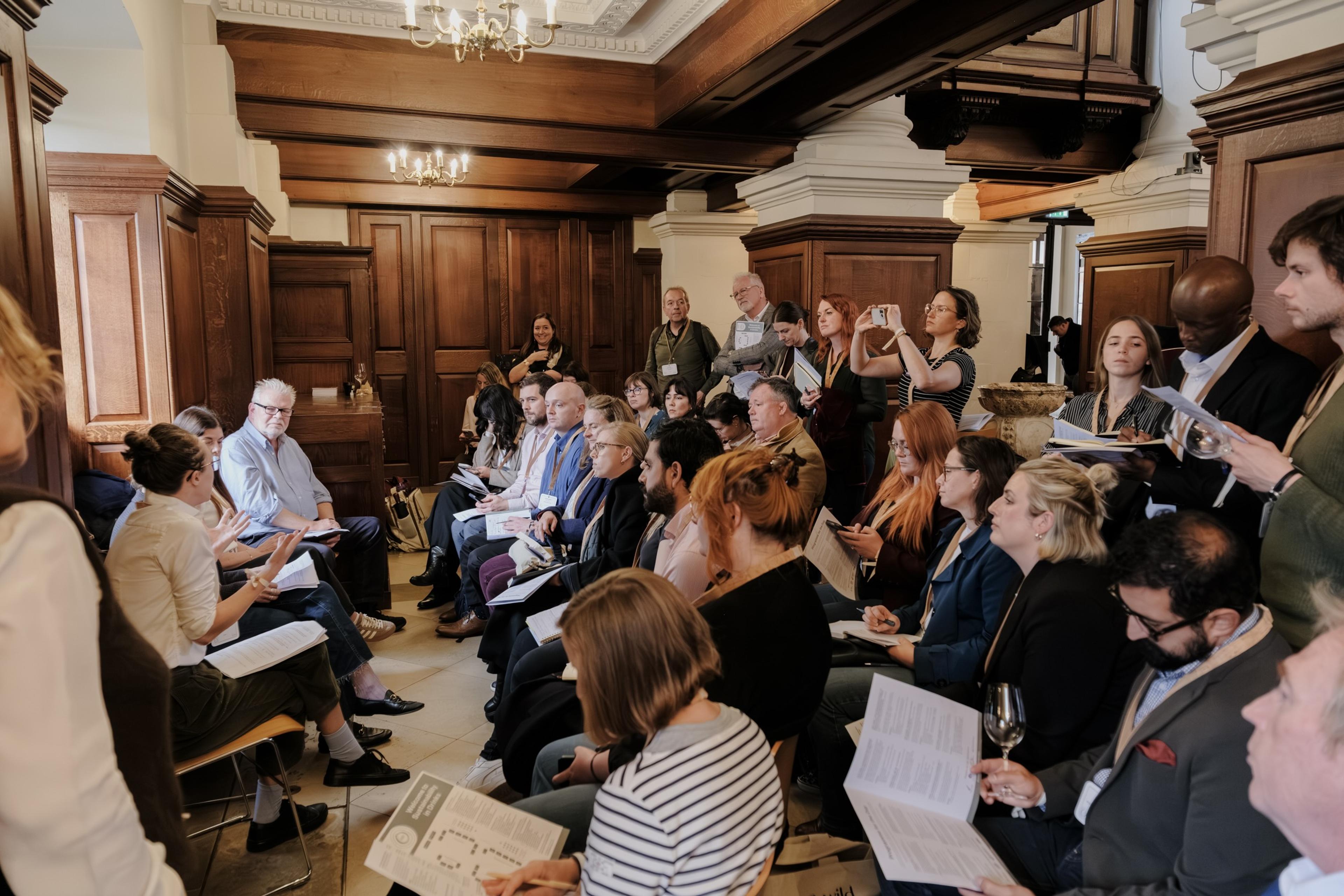
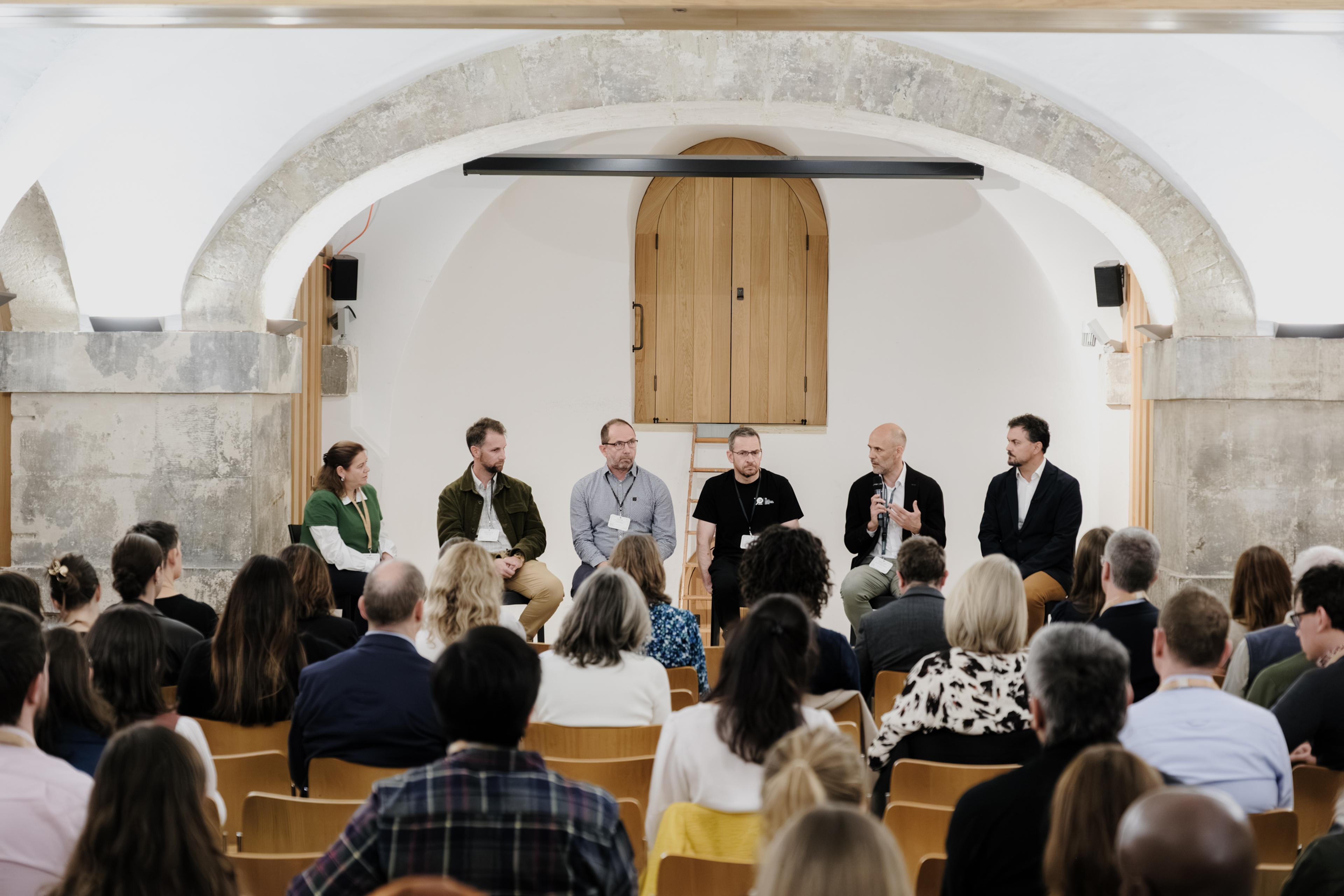
SID is organised to give delegates the chance to to take part in break out sessions and smaller debates
We always wanted our workshops to take place within the exhibitor zones because it makes them much more interactive. Exhibitors can join the discussion, visitors can ask questions and it breaks down the distinction between “conference” and “exhibition”.
The problem last year was that some workshops were so oversubscribed it became difficult for everyone to hear. So this year we are introducing microphones for the upstairs workshops.
It’s a small change, but it’s a good example of how we’re trying to retain the informal character of SID while responding to the fact that the event is growing.
Who would you say SID is specifically aimed at?
SID is aimed first and foremost at people working in the drinks trade.
Of course sustainability specialists are very welcome, but sustainability can no longer sit in a specialist silo. It affects buying, productio
n, farming, packaging, recruitment, logistics, finance, marketing and supply chains. Increasingly, it is simply part of running a business.
So we’ve worked hard this year to make sure there is genuinely useful content for different parts of the trade.
For the on-trade, that means practical ideas that work in the real world from cutting waste behind the bar to creating safer, more inclusive workplaces. The Porto Protocol’s Zero Waste Bar Guide, for example, will offer practical tips and demonstrations.
For independent retailers, we want to help cut through the competing claims, certifications and terminology so they can make credible choices for their businesses and customers. A session on ‘Regenerative, Organic or Biodynamic? Making sense of the landscape’ will help people understand what those approaches really mean and how to communicate them to customers.
For major retailers, we arelooking at where sustainable buying goes next: what credible progress looks like, how buying decisions can drive change, and how sustainability can add value rather than simply add cost. Regenerative Accelerator Group announcement will be particularly relevant here.
And for producers, a key question is: what are tomorrow’s buyers actually going to expect from you, and which changes are genuinely worth investing in? We’ll get into farming, carbon, water, packaging and certification, but also the commercial value of action.
We’re even asking whether sustainability can be tasted as well as measured. ‘Does regeneration taste better?’ will be a guided tasting exploring whether regenerative farming can influence flavour, quality and expression.
The important point is that you don’t need “sustainability” in your job title to come to SID. In many ways, the people who don’t are exactly the people we want to reach.
SID has grown to reflect sustainabllity issues around the world – what international involvement do you have this year in terms of speakers and producers?
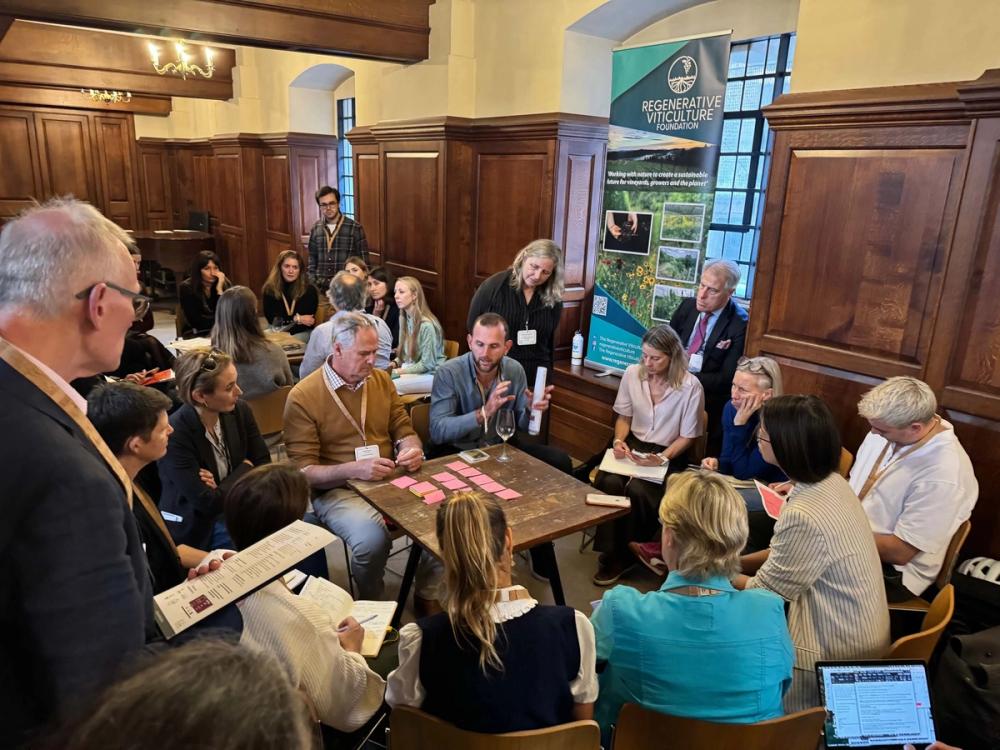
Sustainability in Drinks has become a true international event with contributors, speakers and producers attending from all over the world
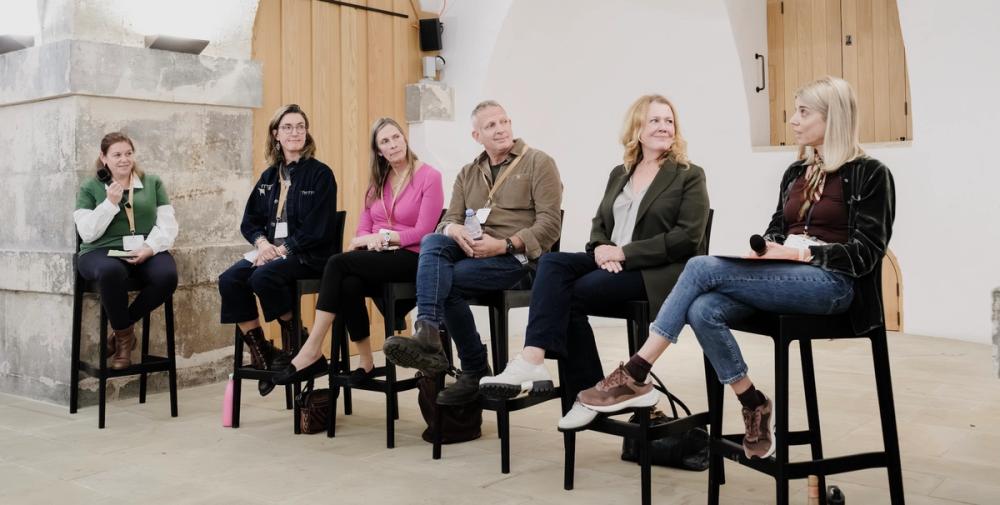
The international side of SID is becoming increasingly important.
We’ve been invited by Wine Paris to host three sessions in its Academy, where we’ll develop a programme alongside our Associates, the Regenerative Viticulture Foundation, the Porto Protocol and International Wineries for Climate Action.
Then in June 2027 we’ll return to Vinexpo Asia, where SID will headline an Academy discussion about sustainability and how it translates into the Asian market.
These international events also give us the opportunity to bring producers and experts from different markets into the conversation.
At Vinexpo Asia this year, for example, we were joined by Charlotte Read, general manager marketing at New Zealand Winegrowers; Matthew Deller MW; Andrej Razumovsky of Alpamanta in Argentina; Malcolm Leask of Hither & Yon in McLaren Vale; and Stu Dudley, co-founder of The Marlborist in New Zealand.
Sustainability challenges may be global, but the solutions don’t necessarily look the same in London, Marlborough, Mendoza or Hong Kong. Bringing those different perspectives together is incredibly valuable.
Are you still looking for people to take in SID be it speakers, exhibitors and sponsors?
The exhibitor side is nearly full, which is wonderful, but we are always looking for sponsors and partners who genuinely share what we’re trying to achieve.
Without sponsorship, SID simply couldn’t exist, which is why we’re enormously grateful to Wines of Alentejo Sustainability Programme, Maison Mirabeau and California Wines for their continued partnerships.
We’re equally grateful to our Associates – the Regenerative Viticulture Foundation, the Porto Protocol, International Wineries for Climate Action and Drinks United – who manage the programmes within their respective exhibitor zones and contribute an enormous amount of expertise and support to the event.
For us, the best partnerships aren’t simply about putting a logo on something. They’re about organisations becoming part of what SID is trying to achieve.
Anything else to say?
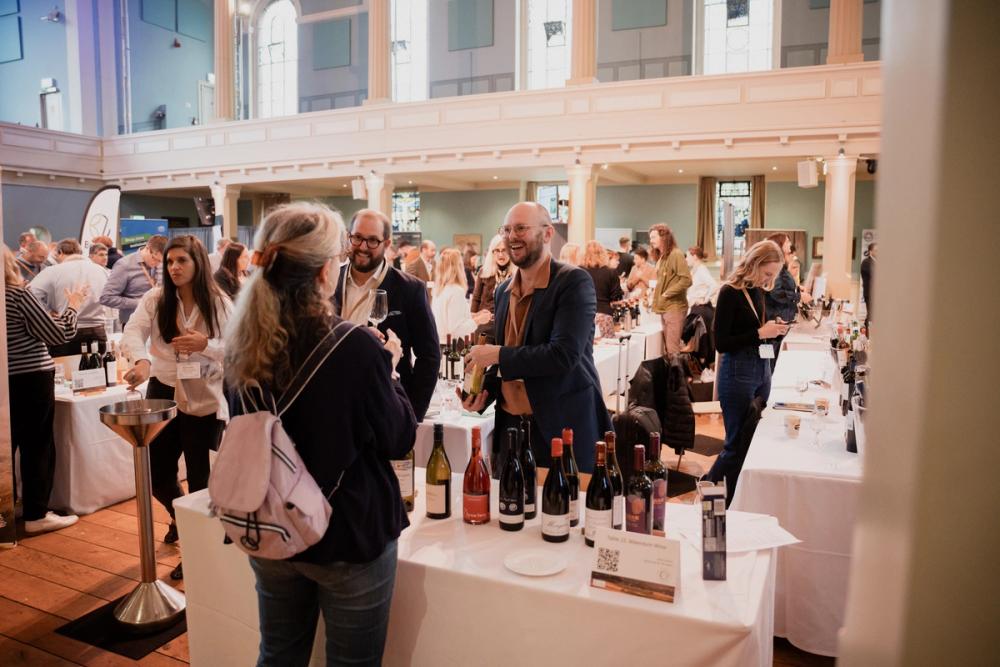
SID takes place on October 20 at Christ Church Spitalfields, London
There is one development this year that I’m particularly excited about: ‘Beyond SID: Shaping the Future Together,’ in partnership with California Wines.
For the first time we are adding a second, invitation-only day following the main SID event. It will bring together major generic bodies from around the world with leading international retailers for a closed-door working session.
The aim is to identify examples of best practice, explore what retailers will expect from producers over the next five years, look at how generic bodies can best help their producers meet those expectations, and identify where retailers and generics can work together rather than separately.
We already have participation from generic bodies representing markets including California, Australia, New Zealand, Chile, Alentejo, Champagne, Austria and Great Britain, and we are inviting leading retailers to join the discussion.
California Wines is sponsoring Beyond SID and its support is what has enabled us to turn the idea into reality.
From the beginning, our ambition has been that SID shouldn’t become another place where the industry simply talksabout sustainability. Our keynote speakers have repeatedly challenged us to move beyond that.
Beyond SID is a natural next step. If we can put people who have the ability to make change in the same room, give them the freedom to talk openly and find areas where they can work together, then SID starts to become not just an annual event, but a catalyst for action.
* You can find our more aout Sustainability in Drinks here.
* You can see the full programme here and to buy tickets click here.
* SID takes place on October 20, 10.30am to 8.30pm at Christ Church Spitalfields, Commercial Street, London, E1 6LY.