In April, Croatia stepped into the spotlight, hosting its third Concours Mondial de Bruxelles (CMB) in Varaždin, a cooler upland region an hour north of Zagreb that many international buyers would struggle to place on a map.
CMB’s ‘travelling competition’ format moves annually between host regions, bringing buyers, sommeliers and journalists in situ. The latest edition, Sauvignon Selection by CMB, took place in the country’s uplands, known for Sauvignon Blanc and Furmint (locally Pušipel).
Hosting a competition of this scale requires both ambition and investment. For a country not yet reliant on exports, it signals a deliberate long-term strategy centred on international visibility.
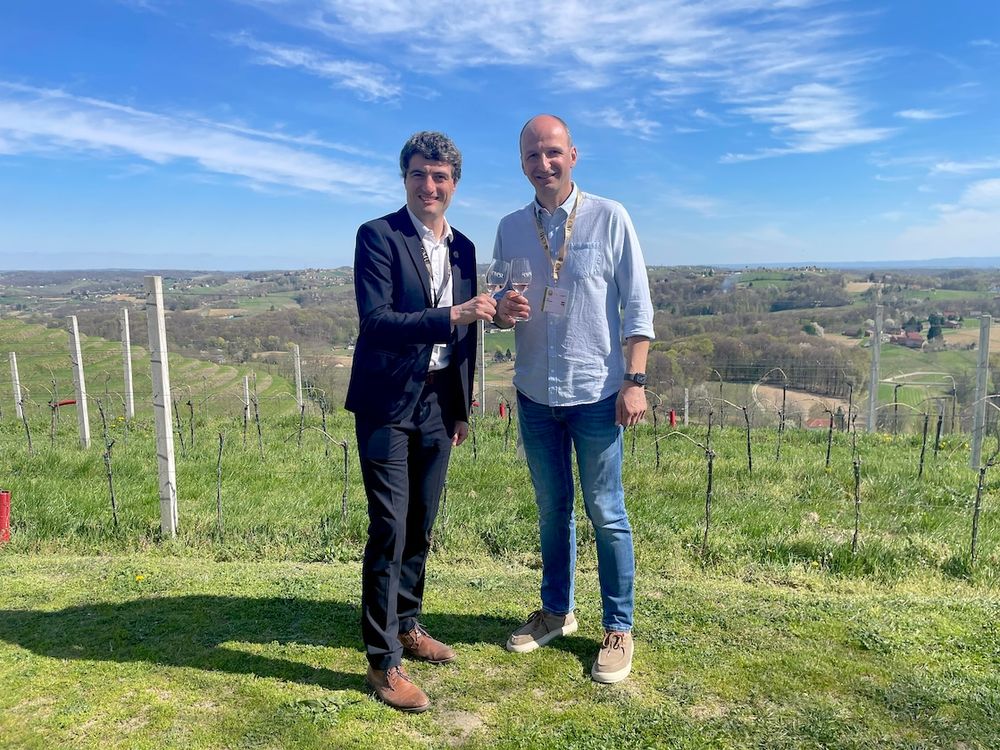
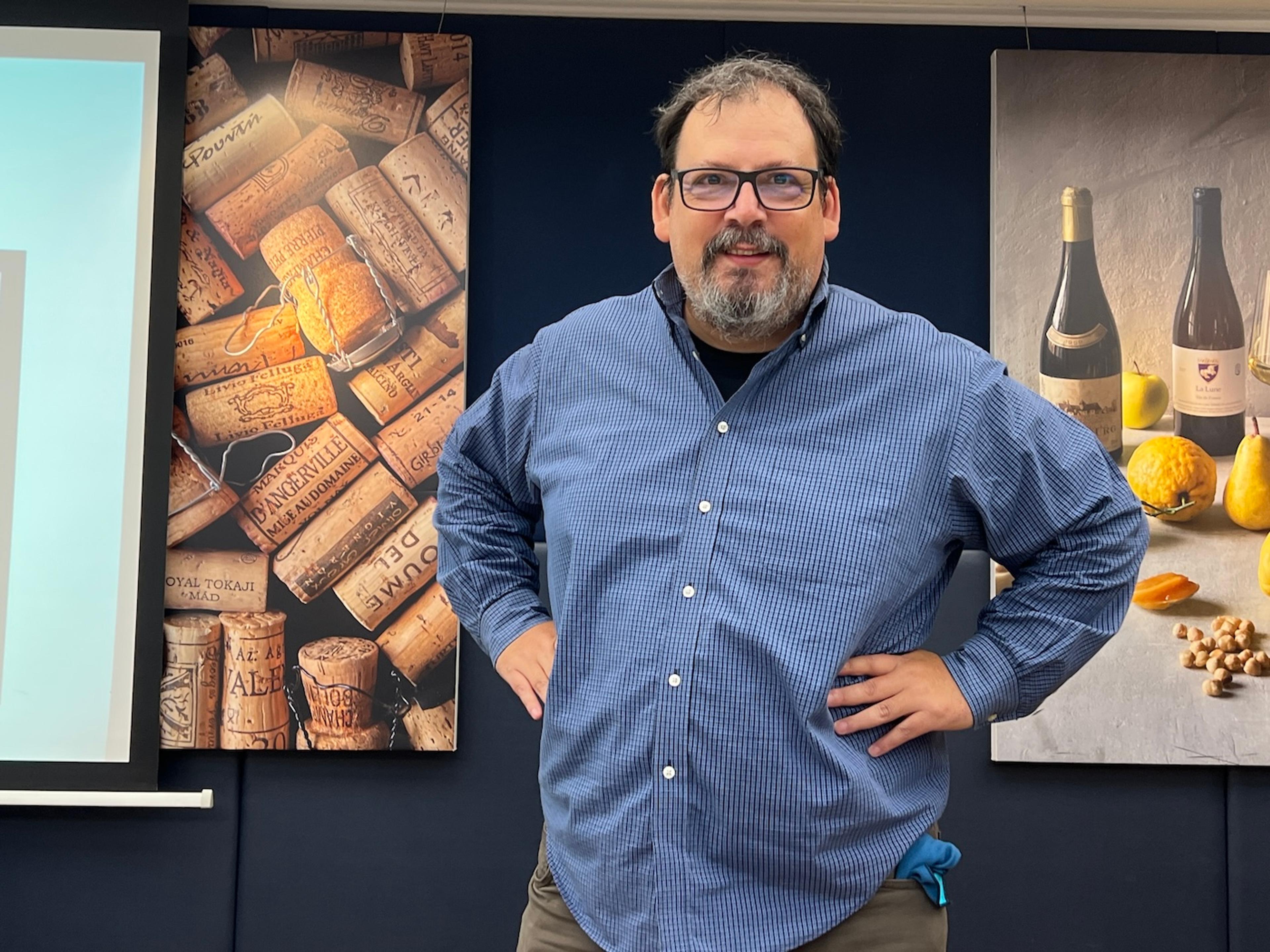
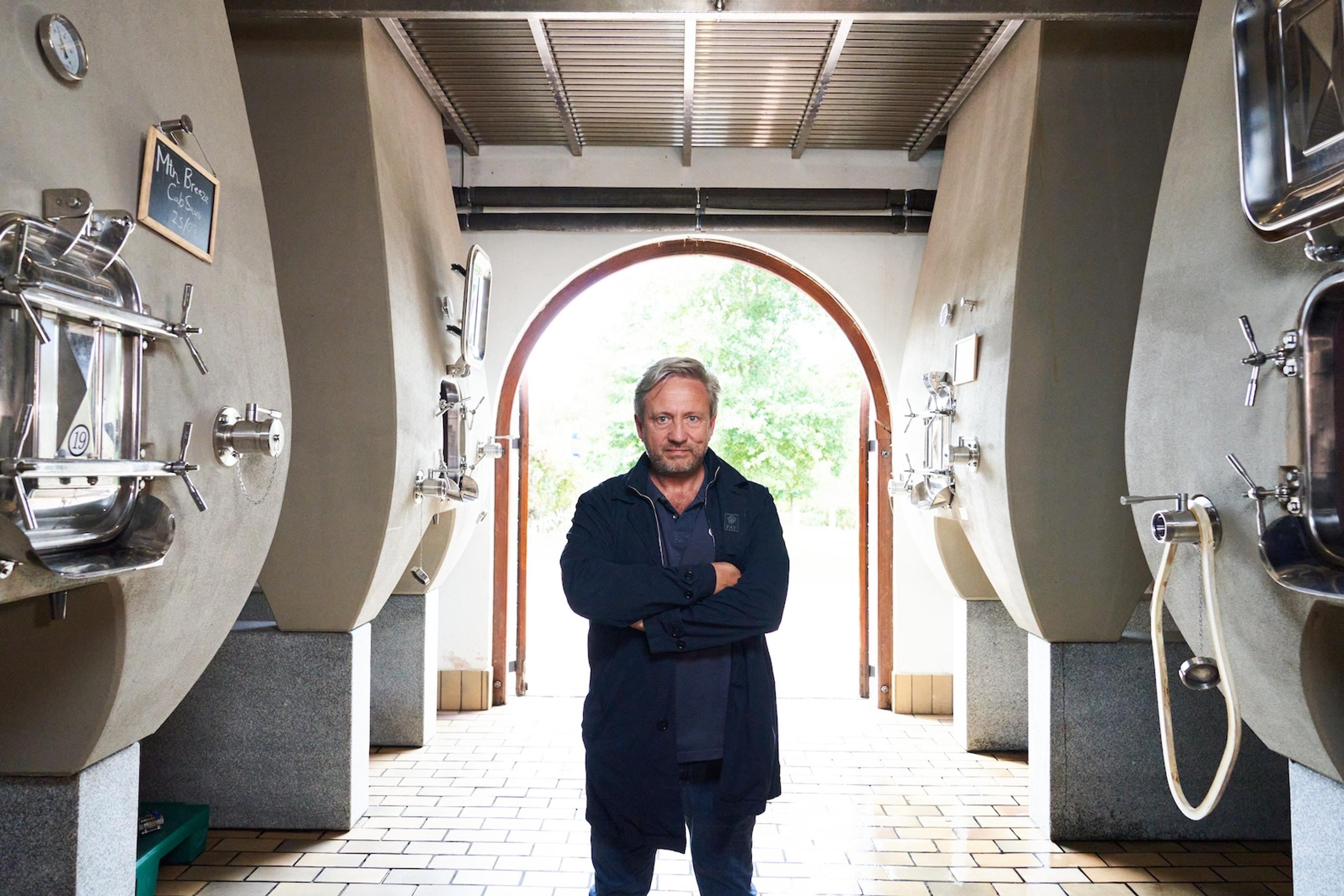
CMB's CEO Quentin Havaux with Saša Špiranec, founder of Vinart (l-r)
As Saša Špiranec, Founder of Vinart and CMB’s local partner, explains: “Croatians can mostly sell all their production domestically at the moment. Local demand is quite high, so there is not a strong push to export, but in the long run, producers won’t survive if they don’t export.”
The choice of Varaždin is strategic, with a cool-to-moderate climate well suited to Sauvignon Blanc.
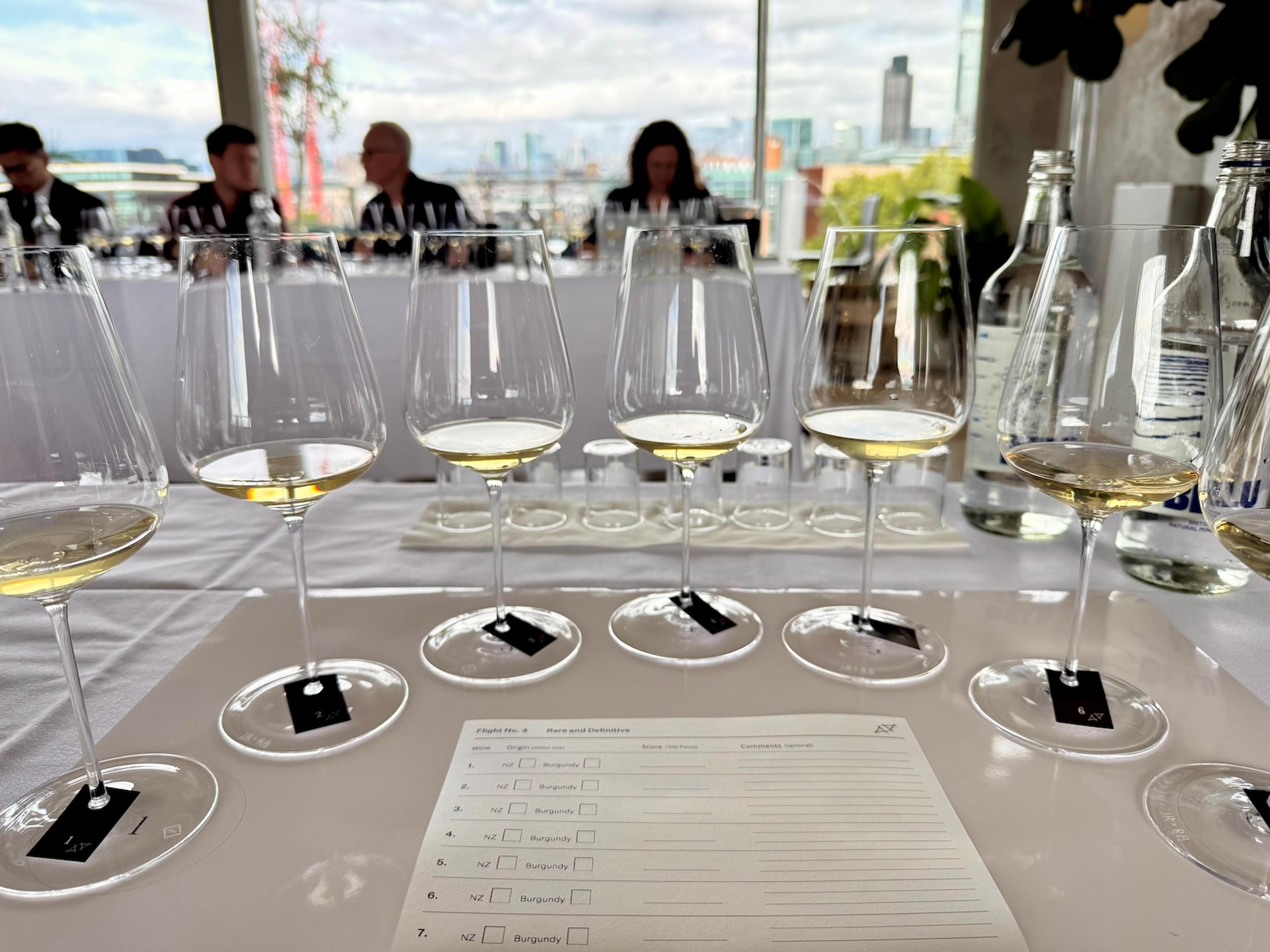
Unlike many competitions, CMB extends beyond blind tasting. Mornings are devoted to judging at Varaždin’s national theatre, while afternoons focus on immersion: vineyard visits, producer tastings and broader regional experiences. The aim is to enrich understanding through context.
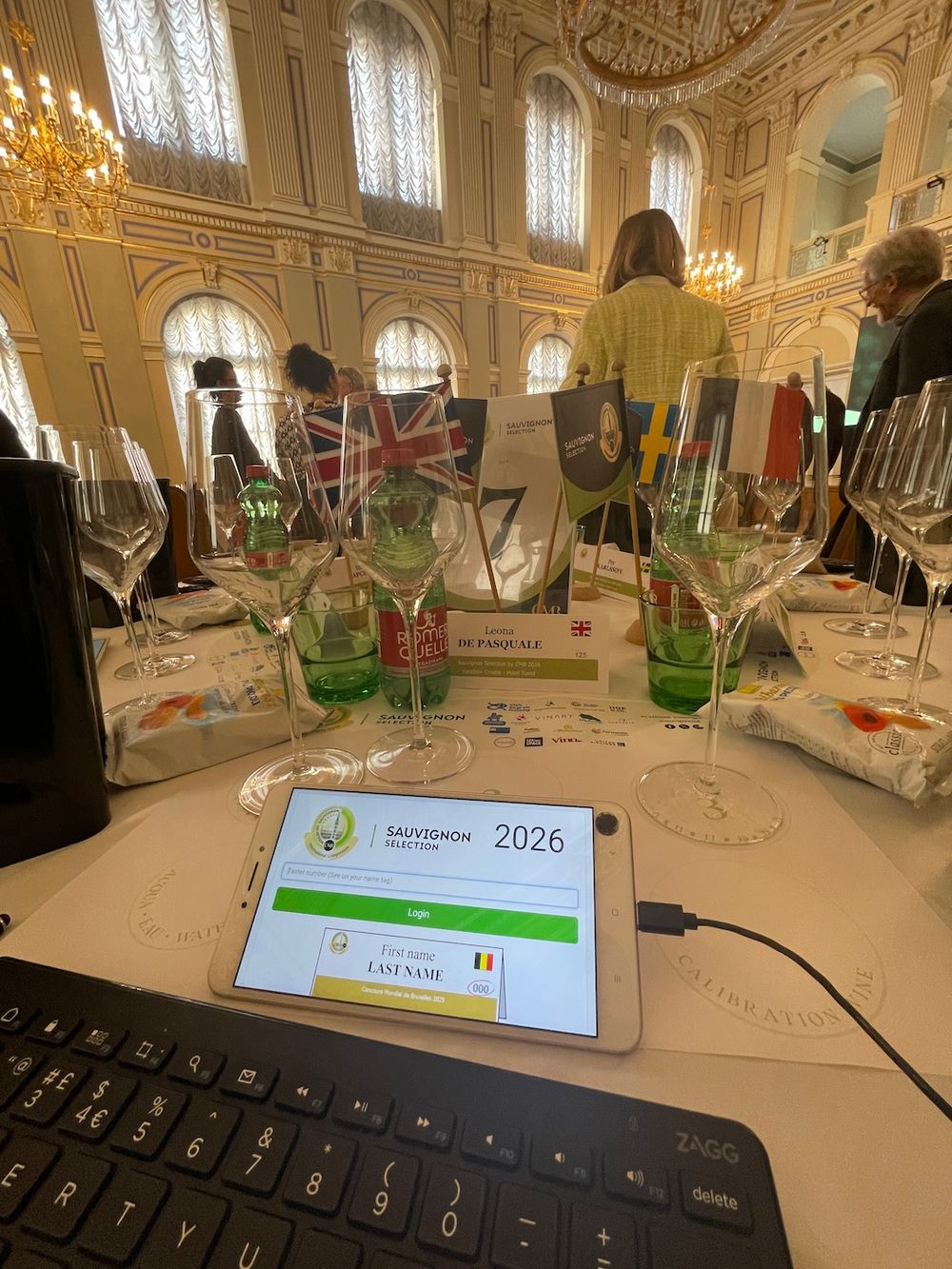
Judging in Croatian National Theatre in Varaždin
Špiranec sees this as central to long-term impact: “It’s not the same if you are just a wine with a name from a country nobody has visited. When people experience the vineyards, the culture, the food, everything together, they get a clear picture of the region.”
He acknowledges that short-term gains are limited: “On a short-term basis, tourism will benefit more. But the wine sector benefits in the long term. Croatian winemakers will probably export more easily after people from around the world have visited their regions.”
Croatia’s strength lies in diversity rather than scale, with clearly defined regional identities. Each region has distinct communication needs and can operate independently on the international stage, reflecting both stylistic and institutional autonomy.
This decentralised structure is supported by shared funding from counties, tourist boards and the Chamber of Commerce, enabling meaningful budgets and coordinated promotion.
Croatia has now hosted three CMB sessions alongside numerous other events in recent years, underlining a sustained commitment to international visibility.
So what makes CMB distinctive enough for Croatia to host it repeatedly?
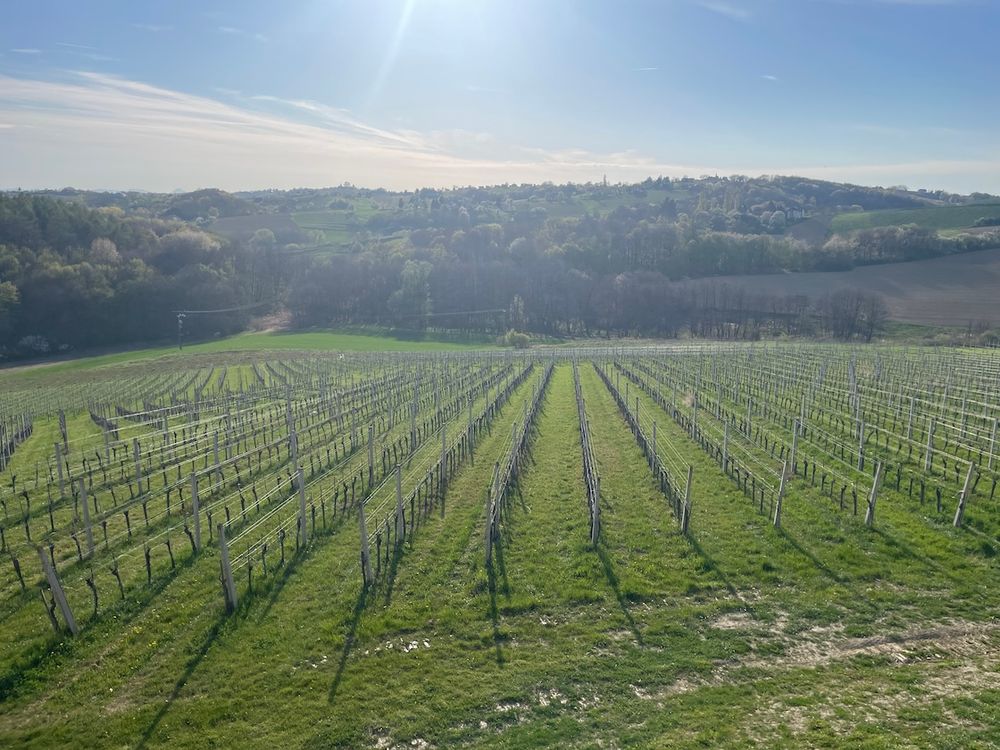
Putting the wines into context by visiting estates: a typical vineyard view from Terbotz winery
As CEO of CMB Quentin Havaux explains, host regions must apply one to two years in advance. “We’ve used a travelling format for around 20 years, making it the only global wine competition that rotates between wine regions. Each session is held in a new location, showcasing wines from around the world while allowing participants to experience different terroirs firsthand.”
On medals, an increasingly scrutinised area, Havaux notes that under Belgian law, awards are capped at 32% of entries. As accolades proliferate, such limits are essential to maintaining credibility in Havaux’s view.
More significantly, CMB applies statistical normalisation developed with a Belgian university over more than two decades, adjusting scores across panels to eliminate the ‘panel lottery’. Rather than relying on senior judges to fix inconsistency, the system accounts for both strict and lenient tasters, ensuring medals reflect performance across the full field.
“If you don’t use statistics, 80% of the awards are given by 20% of the panels. Some tasters are more generous, some stricter. Without adjustment, it becomes a lottery,” Havaux explains.
Judging consistency is also actively tested, with duplicate wines inserted into flights randomly to benchmark tasters against themselves.
“It’s a way to push you to focus. Scores may vary, but the comment should be similar, it shows whether the taster is really paying attention,” he says.
CMB is increasingly positioning itself as a data-driven platform as much as a competition. In recent years, it has used AI to aggregate judges’ notes into structured flavour profiles, building a large-scale sensory database across submissions.
“We’re creating a large database of wine data to share with the market. When several tasters identify notes like strawberry or tropical fruit, consumers would probably recognise them too, it becomes an experience, not just drinking wine,” says Havaux.
This thinking extends into the CMB Experience, a franchise-style network of wine bars built around sensory discovery and aroma-led education. It uses the CMB flavour database to guide understanding, rather than leaving consumers to interpret wines on their own.
“We provide the brand and the concept. Partners run and finance the venues themselves, while we support with logistics, marketing and even building the wine list if needed.”
For the on- and off-trade, Havaux believes this offers a more engaging way to approach emerging wine regions.
For buyers who also serve as judges and visit the host region, he is clear about the longer-term impact: “It’s not because you visit for the first time that you will start to import Croatian wine. But buyers have said to me: now we are considering it. You need time to understand a country. The impact can come one, two, three years later.”
So why should Croatia be on your radar?
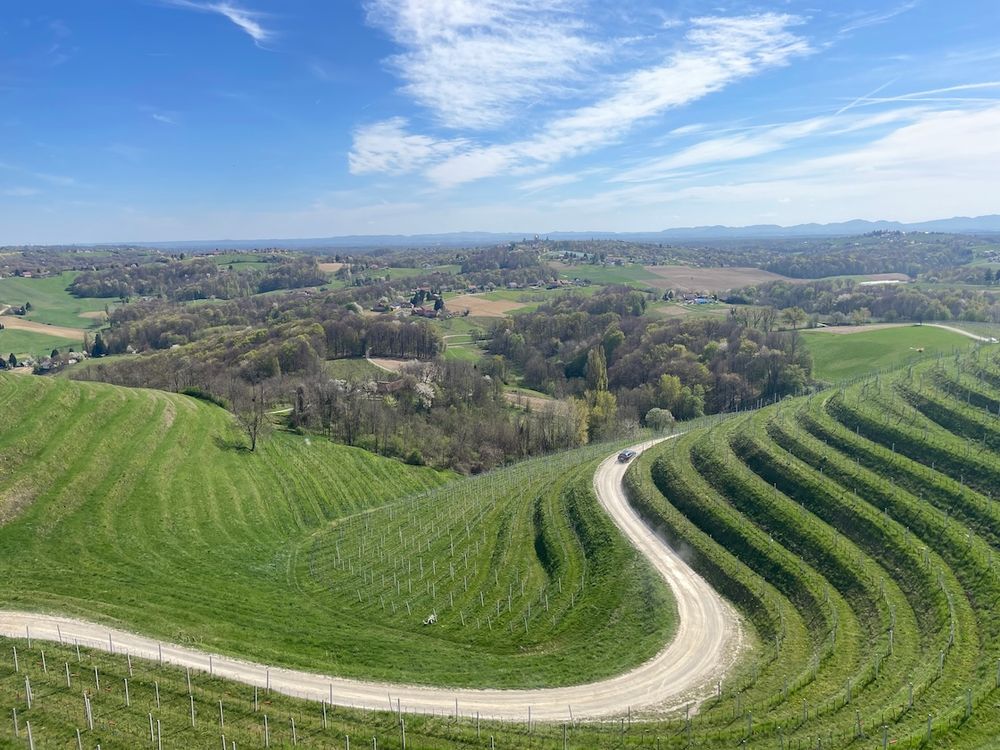
A view from Maderkin breg viewpoint
As Špiranec summarises, the country’s diversity is its strength: “We have four regions, each with its own story, shaped by very different climatic conditions.”
For the cool northern uplands, it’s all about the freshness and precision, with strong potential in sparkling Pušipel, Sauvignon Blanc and native grape varieties.
Wines presented in the post-judging masterclasses and producer tastings are consistently high in quality. Sauvignon Blanc shows bright citrus, ripe stone fruit and refreshing acidity, delivering a fresh yet textural style with strong persistence and a broader palate than classic cool-climate benchmarks.
Pušipel, by contrast, combines firm acidity with a structured, textural palate, layered with waxy, honeyed complexity and subtle savoury notes. It works equally well in oak-influenced still and traditional-method sparkling styles, offering versatility and clear premium potential, with a more green-apple-driven than mineral-driven Tokaj styles.
For UK buyers, the fact that Croatian producers are not yet actively pursuing export markets is precisely where the opportunity lies. Early engagement offers the chance to build category knowledge, secure producer relationships and shape listings before the market becomes more competitive.
There is also a parallel lesson for English sparkling producers as export ambitions grow and global competition intensifies. Croatia’s approach, investing ahead of necessity, building structured international exposure and using third-party validation to establish credibility, offers a useful reference point.
CMB also runs a competition focused specifically on sparkling wine, yet no English producers have participated to date. As Havaux puts it: “Even if you are successful in your own country, it is always valuable to compare yourself with others.”
Croatia is not waiting for export pressure to force change. It is building the framework in advance, a strategy that may become increasingly relevant for English producers as they step further onto the global stage.
Leona De Pasquale’s Top 10 Wines from the Croatia Uplands
Sparkling Wines
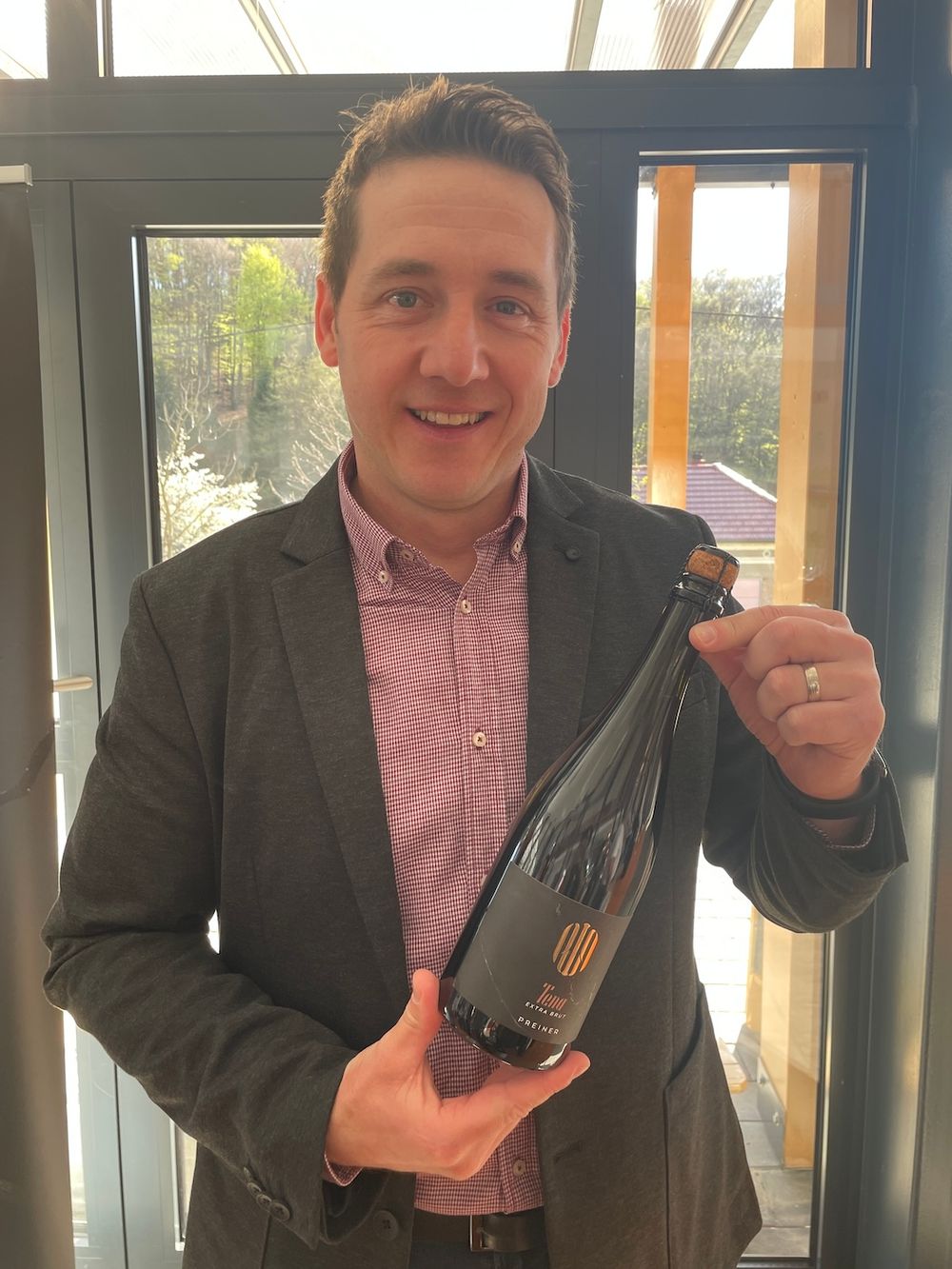
Sparkling Furmint (Pušipel) is definitely the one to watch
Šember, Šember Brut, NV (Chardonnay, Pinot Blanc, Plavec Žuti)
Expressive citrus and stone fruit with brioche and a light phenolic grip. Fine mousse, complex, and an elegant, well-balanced finish.
Puhelek-Purek, Kraljica, Extra Brut, NV (Kraljevina)
Ripe stone fruit with a subtle honey touch. Broad, rounded palate with generous texture and soft creaminess.
Kos, Anita Brut, NV (Chardonnay, Riesling, Kraljevina)
Well-balanced and highly drinkable, with clean citrus, stone fruit and a smooth, harmonious finish.
Korak, Rosé Nature, 2019 (Pinot Noir)
Bright sour cherry and red berry fruit with fresh acidity. Lively, focused, with a clean, refreshing finish.
OPG Hažić, Protagonist (Pušipel)
Traditional method sparkling wine. Fresh and clean with bright acidity, white peach and nectarine fruit; very approachable.
Preiner, Tena Extra Brut, 2022 (Pušipel)
Fruit-forward with ripe orchard fruit and citrus, soft mousse, balanced acidity, and a crowd-pleasing profile.
Still Pušipel
Cmrečnjak, Pušipel Mađerka, 2023
Structured and layered with vanilla, acacia honey, ripe stone fruit and baked apple; good weight, balanced acidity, and a persistent, slightly creamy finish.
Horvat, Pušipel K-32, 2021
Complex multi-clone expression with light smoky reduction, preserved fruit, and firm acidity, giving tension to a slightly savoury, atypical profile.
Sauvignon Blanc
Sveti Juraj, Sauvignon Blanc, 2025
Stewed yellow fruit and elderflower with a vibrant acid spine and lovely persistence.
Riesling
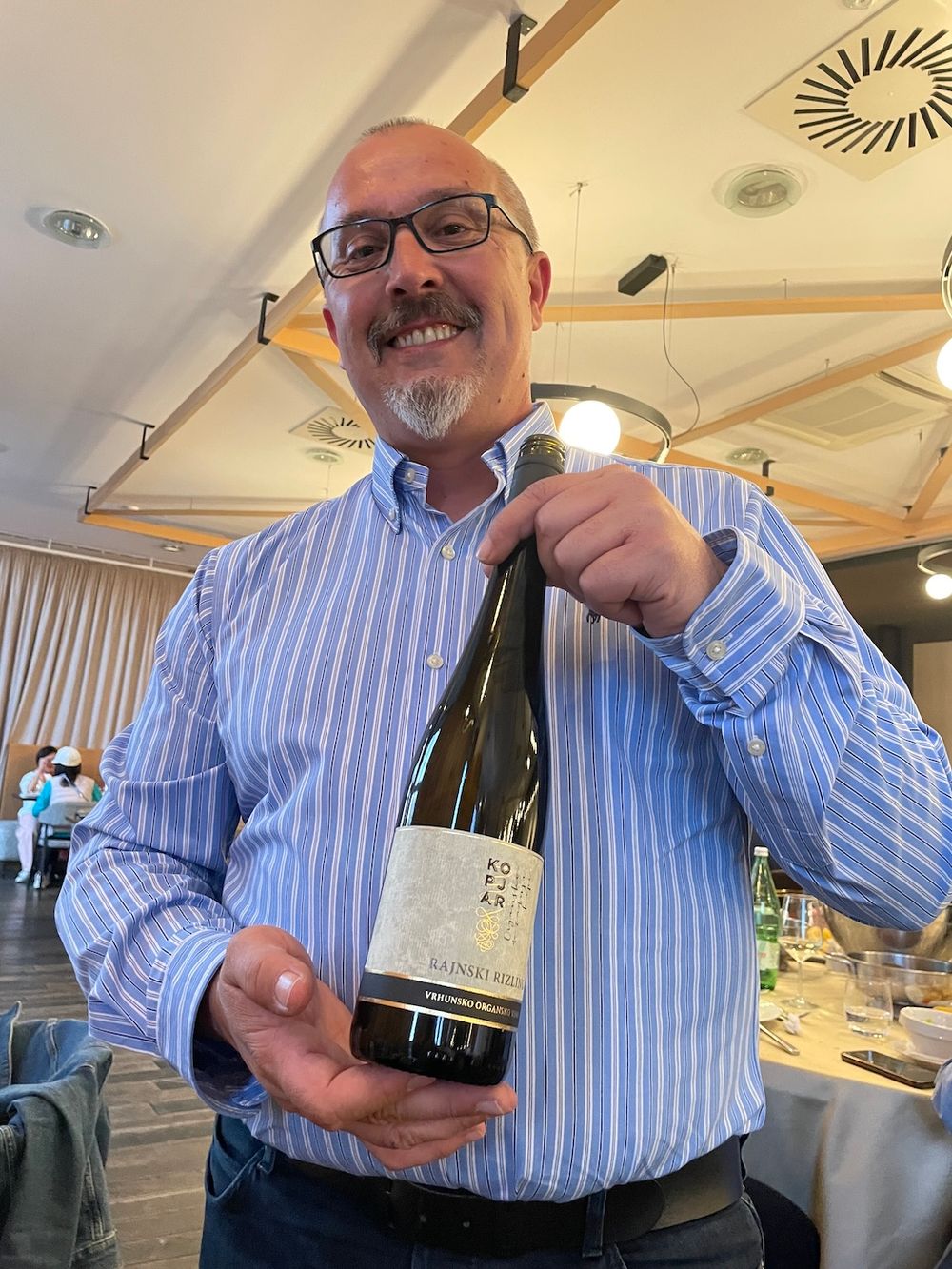
Kopjar, Organic Rajnski Rizling, 2015 & 2024
Impressive range of whites. The Riesling really stands out: the 2015 shows honey, blossom and ripe peach with bright acidity, while the 2024 is fresh and citrusy with a touch of quince on the finish.