
If you went by the data then spending a week investigating the wine scene in China is not the best use of your time.
The OIV has reported that wine consumption declined by 61% between 2020 and 2025, reflecting not only government limitations on officials buying and consuming wine but also a general change in consumer tastes.
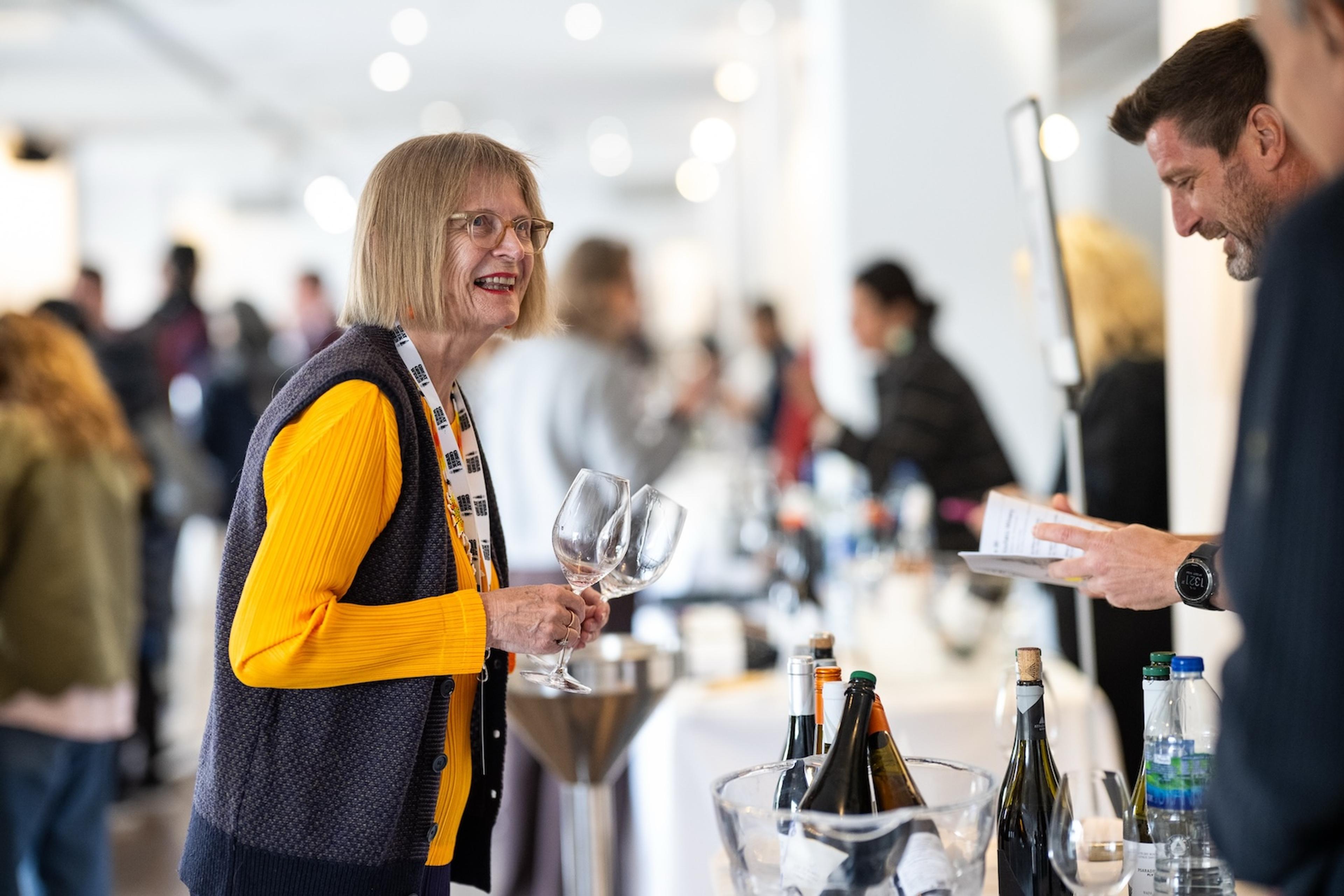
Walking around the stands at Prowine Shanghai, the mood was mixed. Physically, the fair occupies less space than it has done in the past, and yet amongst some regions, notably New Zealand, there was an air of cautious optimism.
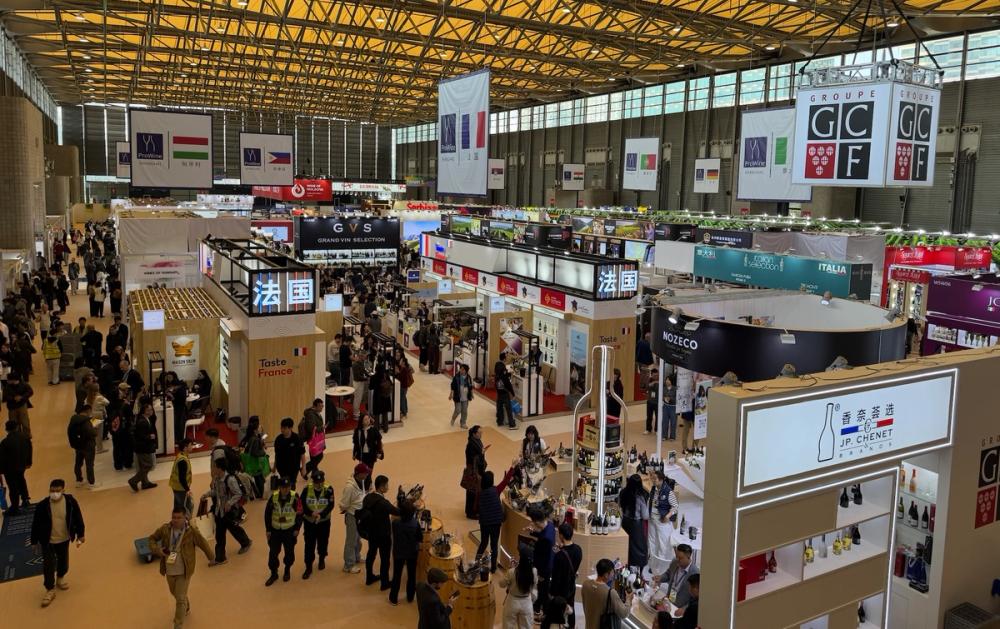
"Cautious optimsim" at ProWine Shanghai last week
Outside of the formal, sprawling environs of the Shanghai New International Expo Centre however, the way young Chinese are enjoying wine supports this optimism.
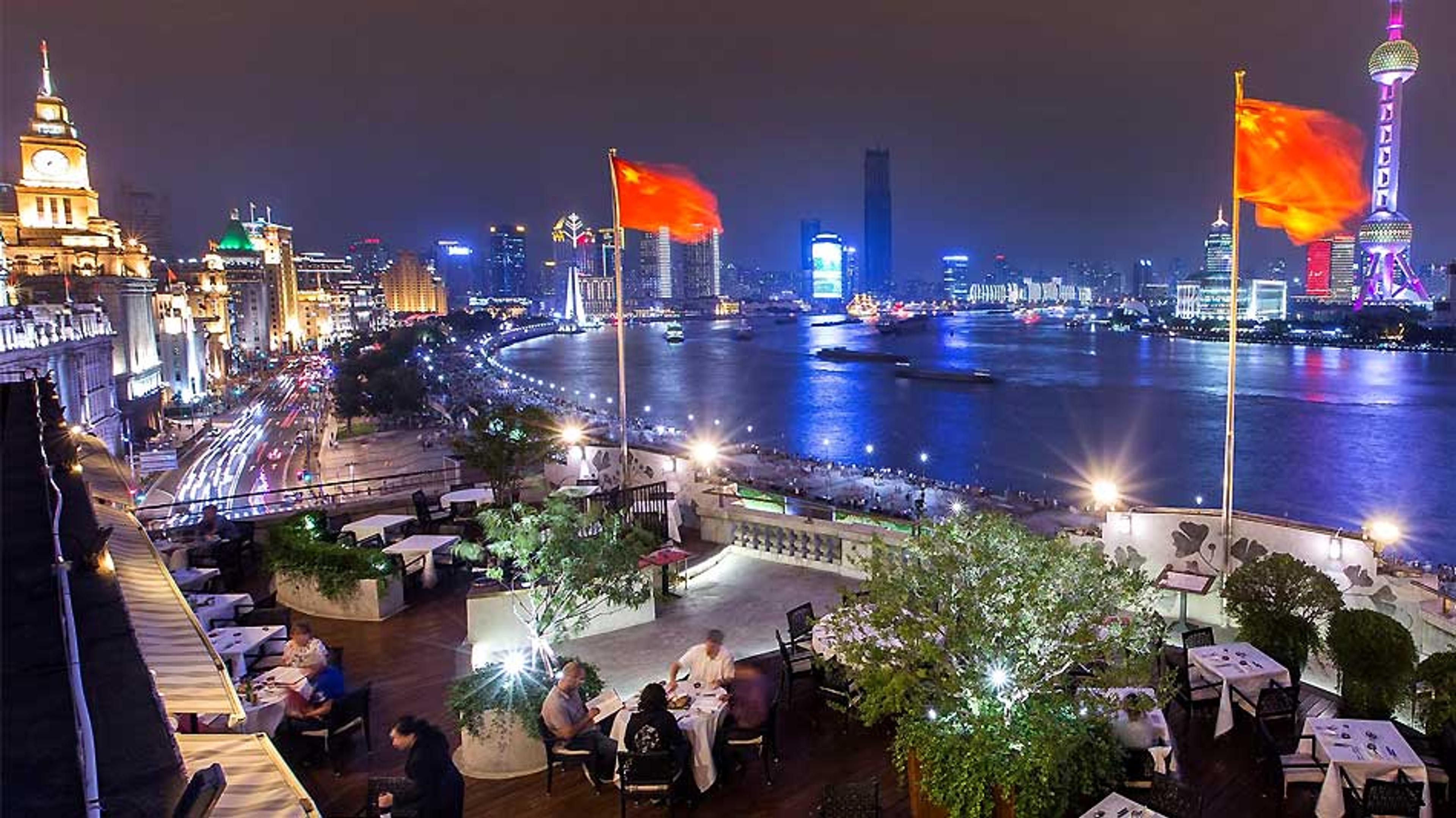
In the cool neighbourhood of Jing’an, in the shadow of the more stereotypical images of ancient and modern China – a large golden temple and a gleaming luxury shopping centre – lie a number of dimly lit, yet cosy and chic wine bars where locals and foreigners alike mingle, sipping everything from classic Burgundy to the latest Chinese-made wine hybrid drinks.
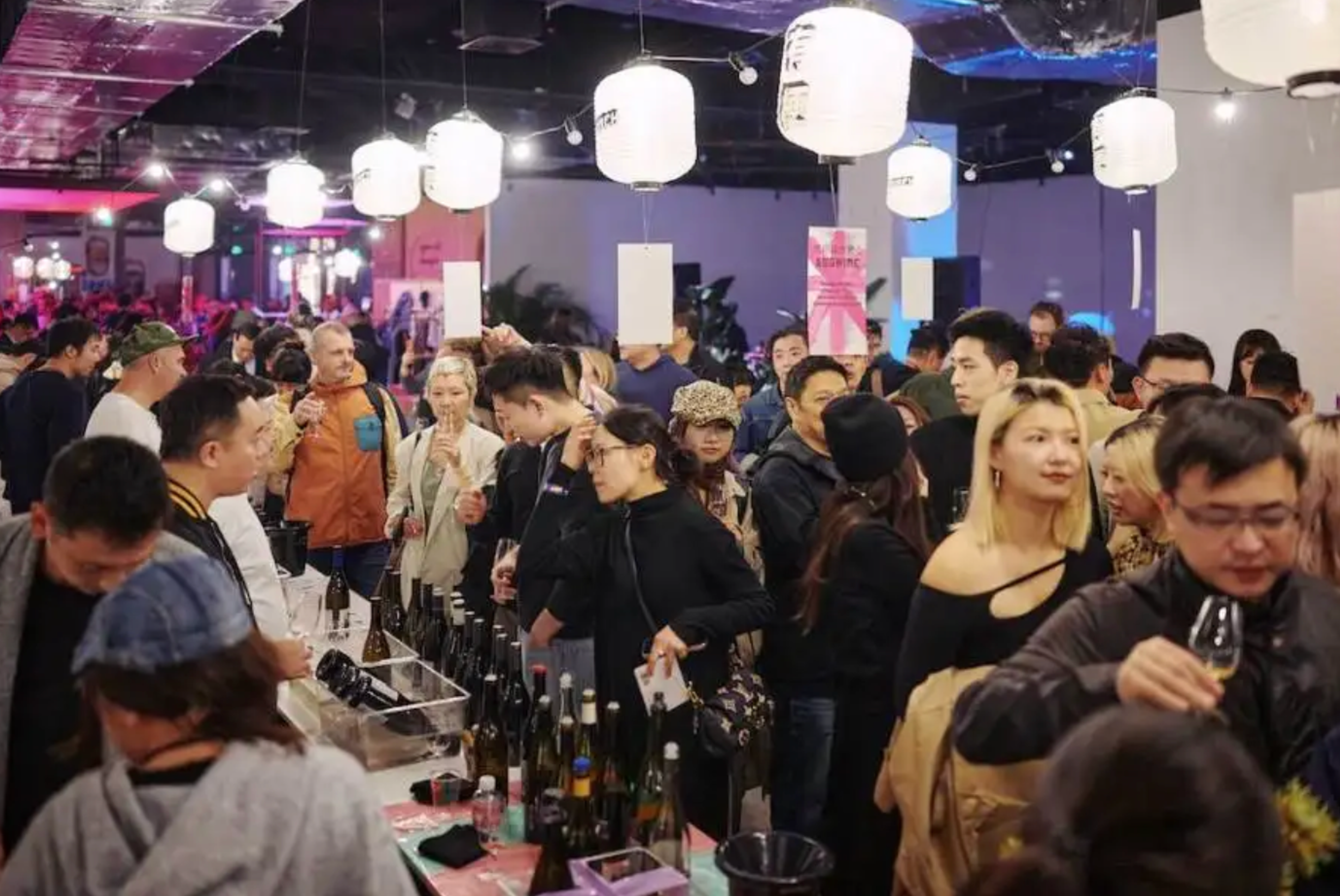
Drawn from this cultural setting were two wine festivals, Crush and Bunch, in the weekends bookending Prowine.

Local events like Crush reveal a far more exciting wine scene in Shanghai and China than country-wide wine statistics would suggest
Crush drew local retailers and importers, with most wines available for public tasting stemming from France and Germany, whilst Bunch showcased the best of the local natural wine scene, alongside the produce of innovative restaurants evolving traditional Chinese food.
It was so oversubscribed some of the exhibiting producers ran dry long before the end.
Changing fast
“It’s always changing in China, but I think these last 12 months has seen more change than we’ve seen in the last five years,” says Iain Langridge, managing director of Suzhou-based In2Asia, which helps food and wine producers enter China and across Asia.
“Chinese people have decided that now is the moment to throw out the rule book. There’s a lot of younger people discovering wine, discovering the sort of wine they want to drink, in the way they want to drink it. International wineries need to be happy about it…if [Chinese consumers] want to put ice cubes in their wine, or mix it with water, let them go for it.”
Jérôme Tafani, a Beijing-based export manager for Piedmont wine group Sartirano Figli Cantine e Vigneti, who has worked in China for more than a decade, has watched that change unfold.
“Over the past decade, the major change has been the move from collective consumption – banquets, gifts, business – to something more realistic, based on individual preferences.”
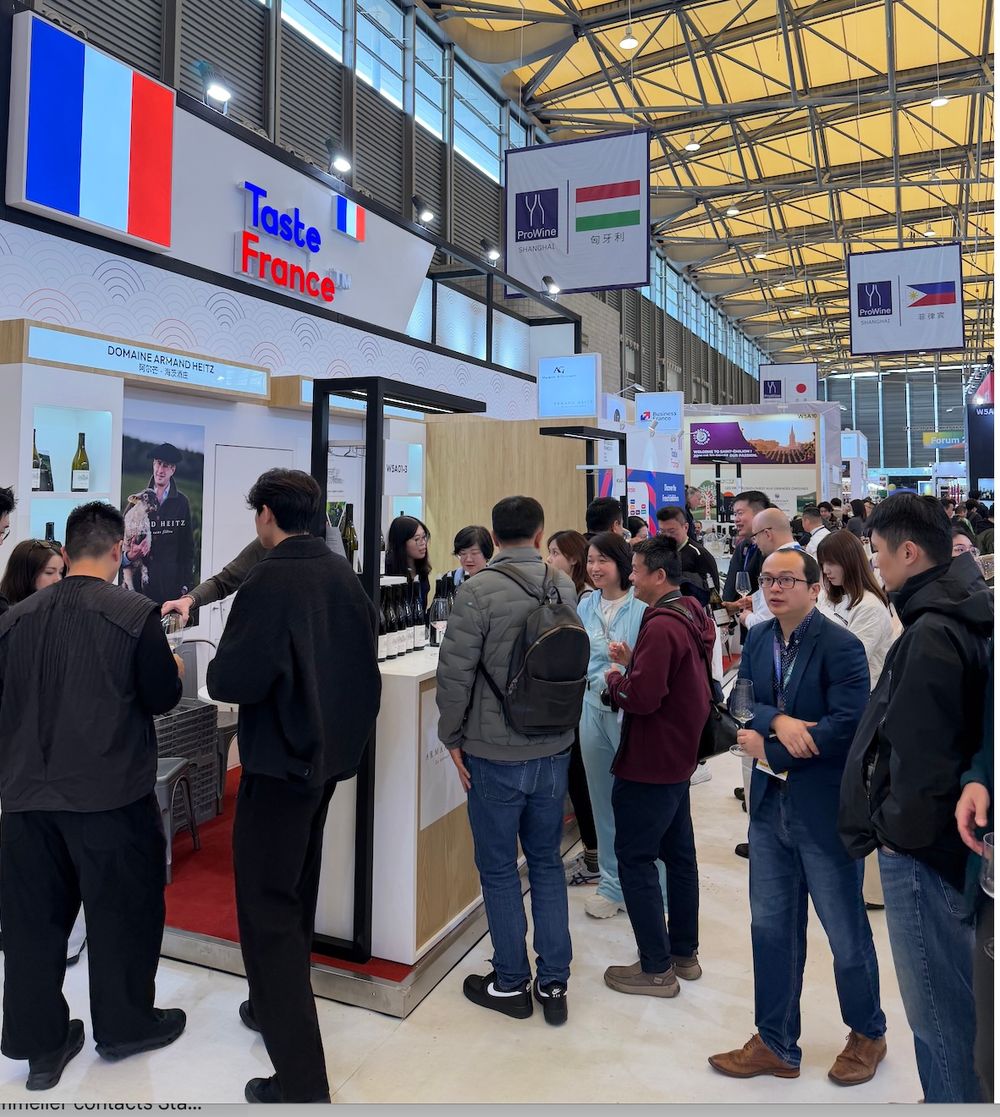
ProWine Shanghai saw the majority of wine producing countries take part but some - like France - to a more limited degree
Both Langridge and Christine Andrews, regional sales manager for Asia Pacific at large South African producer and distributor DGB, agree that a rapid growth in education, and the depth of that education, is fuelling the new wave of interest in the wine scene.
“In those early days [the early 2000s] people were just buying on price. If someone said this is really good, it has won an award, and it’s really expensive, they would just buy it,” says Andrews.
“It’s amazing just how much it’s shifted in that time. I’m loving the younger generation. They are so educated on wine. If they have done any formal studies, they will already have passed WSET Level 3, even Level 4.”
Langridge agrees: “In the West we say don’t make wine complicated, dumb it down. Chinese people are having none of that. They want to know every detail you could imagine, and they love nothing better than to get in the room with the person that made the wine and ask them every possible detail.”
This education may in part explain the popularity of the wine bars and festivals in Shanghai, at a time when travelling to wineries in Europe or Australia, for example, may be too expensive, given the Chinese economy is in a period of flux, and employment precarious amongst the youth. The overseas producers I spoke to also mentioned the value of being able to speak to consumers directly.
Langridge adds: “In western markets, often they don’t get a return for that. In China it’s very different.”
Influencer power

Online influencer channels like Sommchat allow visiting producers to take part in live streaming interviews and sell wine directly to users at the same time - like here with Kevin Grant of South Africa's Ataraxia Wines
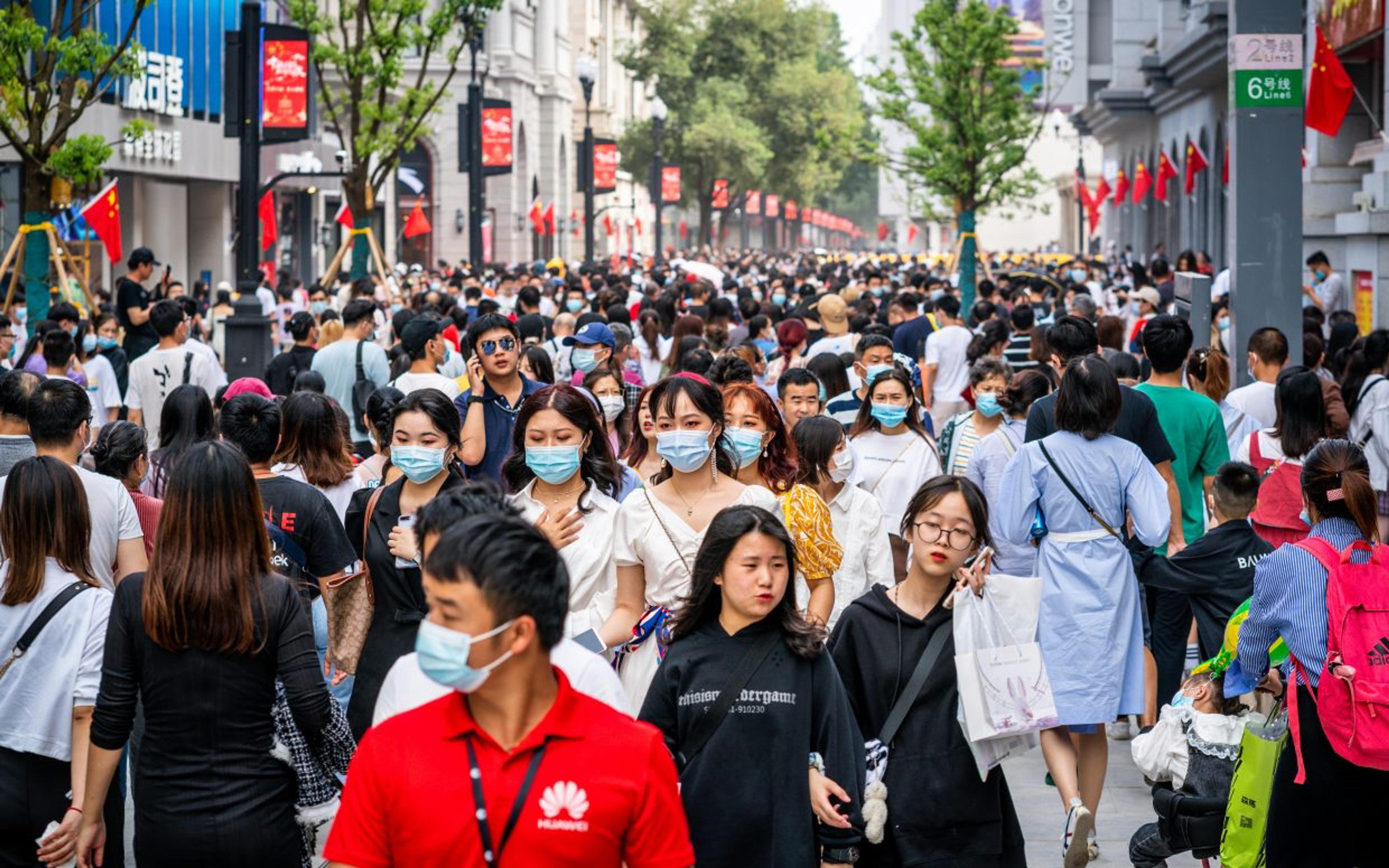
The way products are sold in China is also markedly different from more traditional markets. Take Adidas for example; its large store in East Nanjing Road, Shanghai’s main pedestrianised shopping street, looks like any other large branch. And yet, unlike shops in other countries, there were also three influencers, cameras and lighting set up, trying on, showcasing and selling products directly to followers on social media.
This scene was replicated at both Prowine and Crush, with influencers explaining wines in depth, including climate, soil type, and food pairing suggestions.
Online wine channels such as SommCat invite visiting producers to take part in live online interviews, translated instantaneously into Chinese, with products available for immediate purchase.
“Live streaming is now mainstream,” says Langridge continues. “If you look at our office now, in all four corners you’ve got people disappearing into small rooms. We have green screens, and it’s part of everyday life here.”
Hosting and live streaming in person events can be a particularly potent tactic.
“When we do offline events, you get a few people in the room, but you can take that to a big audience online,” adds Langridge.
Andrews, though, struck a more cautious note: “On the one hand, I think it’s great as it builds awareness and makes it more accessible, but on the other, you’ve got to decide: are you building a brand or are you just trying to sell some wine?”
Cultural differences
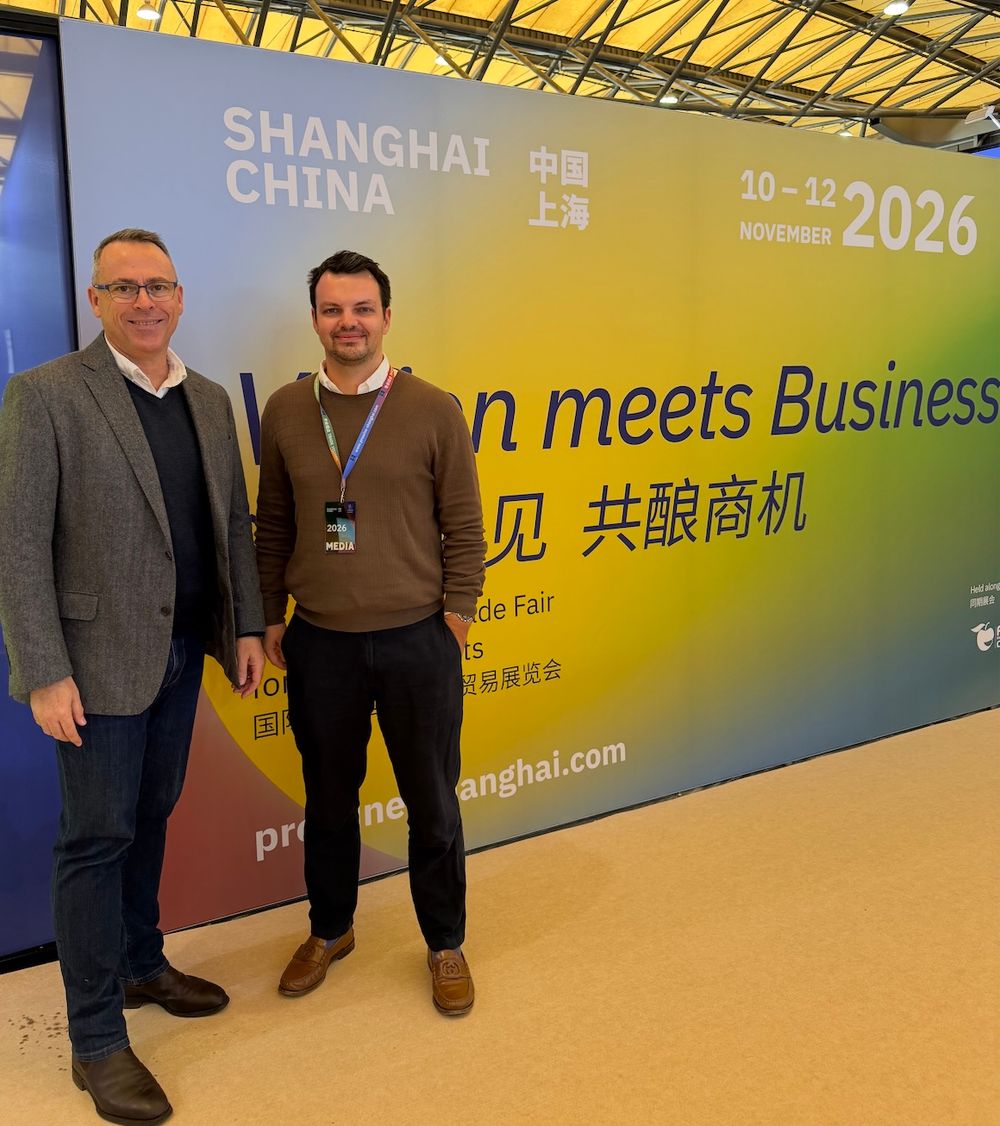
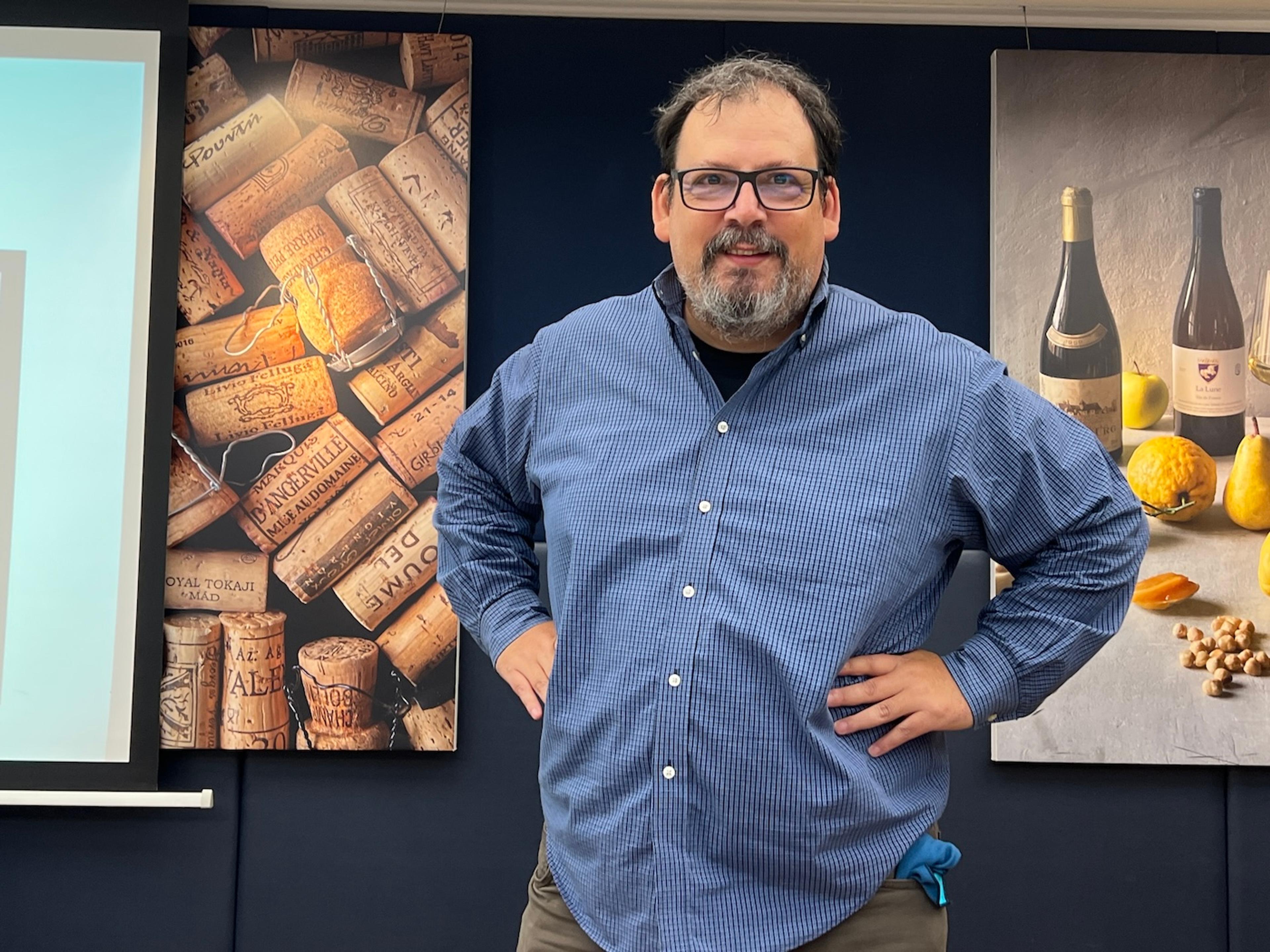
In2Asia's Iain Langridge, left, with Tom Lickley at ProWine Shanghai
In western markets, an atmosphere of increasing hostility to alcohol, via government taxes, health concerns and the rise of weight-loss drugs has been cited as major reasons behind the fall in alcohol consumption.
Although this trend has also been cited as a reason for falling wine consumption in China, Langridge is not so sure.
“Community is important in China and people love to be part of a common interest. Wine is seen as a hobby, as a very healthy part of life, discovery and getting together with friends, experiencing this incredible beverage,” he explains.
“There’s no championing of binge culture, they have found the balance. No one is drinking two bottles on the weekend. It’s part of relaxing, enjoying with a movie or a book. Even getting a bit tipsy [微醺, wēixūn] in China is seen as a positive thing, and it’s a hugely popular hashtag on social media.”
The days of beefy Bordeaux wines being drunk by government officials are at an end. Government reforms have shackled the success of Bordeaux in China, and the small presence of France at ProWine compared to Germany, New Zealand and China itself told its own story.
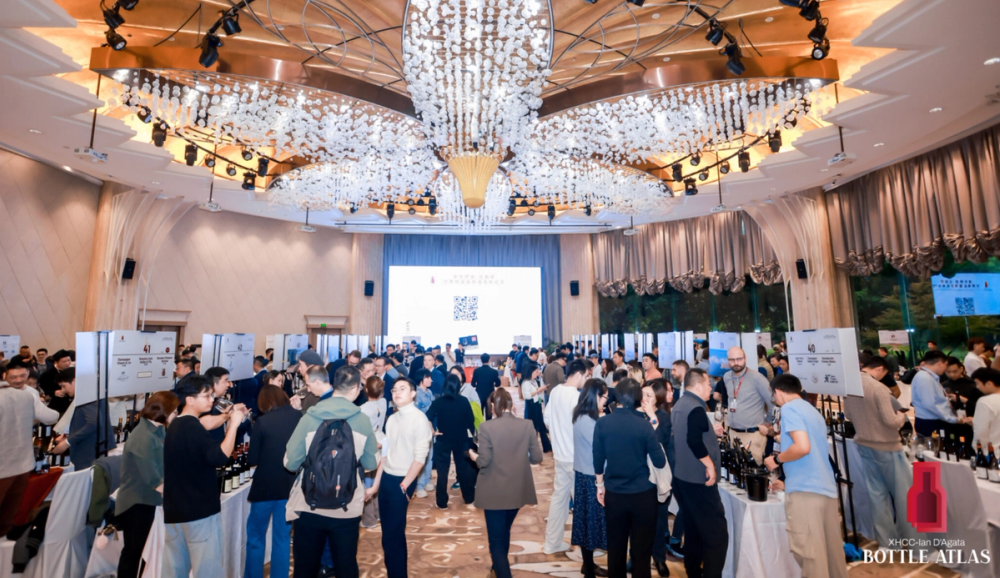
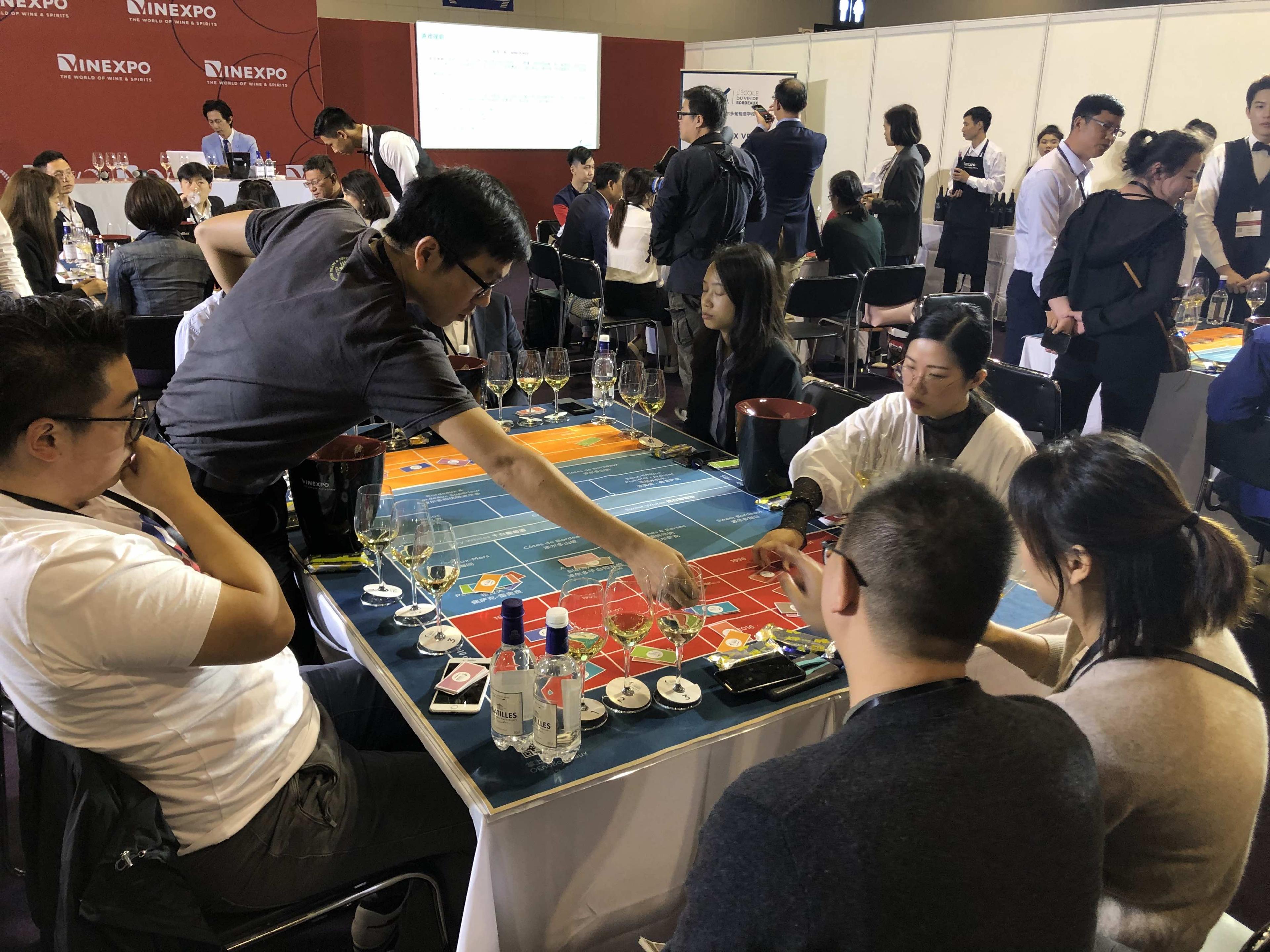
Ian D’Agata’s Bottle Atlas trade tasting in Shanghai last week
The French participants at the events surrounding the trade fair, which also included Ian D’Agata’s Bottle Atlas trade tasting, tended to focus more on fresher white styles or lighter reds, with crisp Chardonnay, Sauvignon Blanc, Pinot Noir and Syrah preferred to Cabernet Sauvignon.
Not one market
Shanghai is not all of China, however.
“Northern China is a market dominated by baijiu and beer,” says Tafani. “Because of baijiu, northern Chinese tend to associate high alcohol with quality. In Beijing, much wine consumption still revolves around business dinners, banquets and gifts.”
Private drinking among the young, he adds, is much like that of any other big Chinese city.
“Red wine had such an artificial domination in China,” says Langridge. “At the moment the tide feels like it’s going out on red wine.”
However, he believes the ratio of white to red drunk in China will “settle out at 50-50” and suggests producers need to ensure both are in their portfolios.
Tafani agrees the shift is real, if gradual: “Red wine still dominates in volume, but white and sparkling wines have greatly increased their market share, because people are buying to drink themselves, not necessarily to give as gifts.”
White’s appeal is practical, too. He adds: “It’s easy to drink and doesn’t require great knowledge of wine. At lower price points, white offers better value for money than red.”
Sparkling wine is also on the with “people in Shanghai drinking sparkling wine with the whole meal, start to finish,” says Langridge.
The growing popularity of sparkling wine isn’t limited to whites either.
“People are coming at sparkling Shiraz with fresh eyes. There’s a sense that the shackles are off,” he adds.
New opportunities
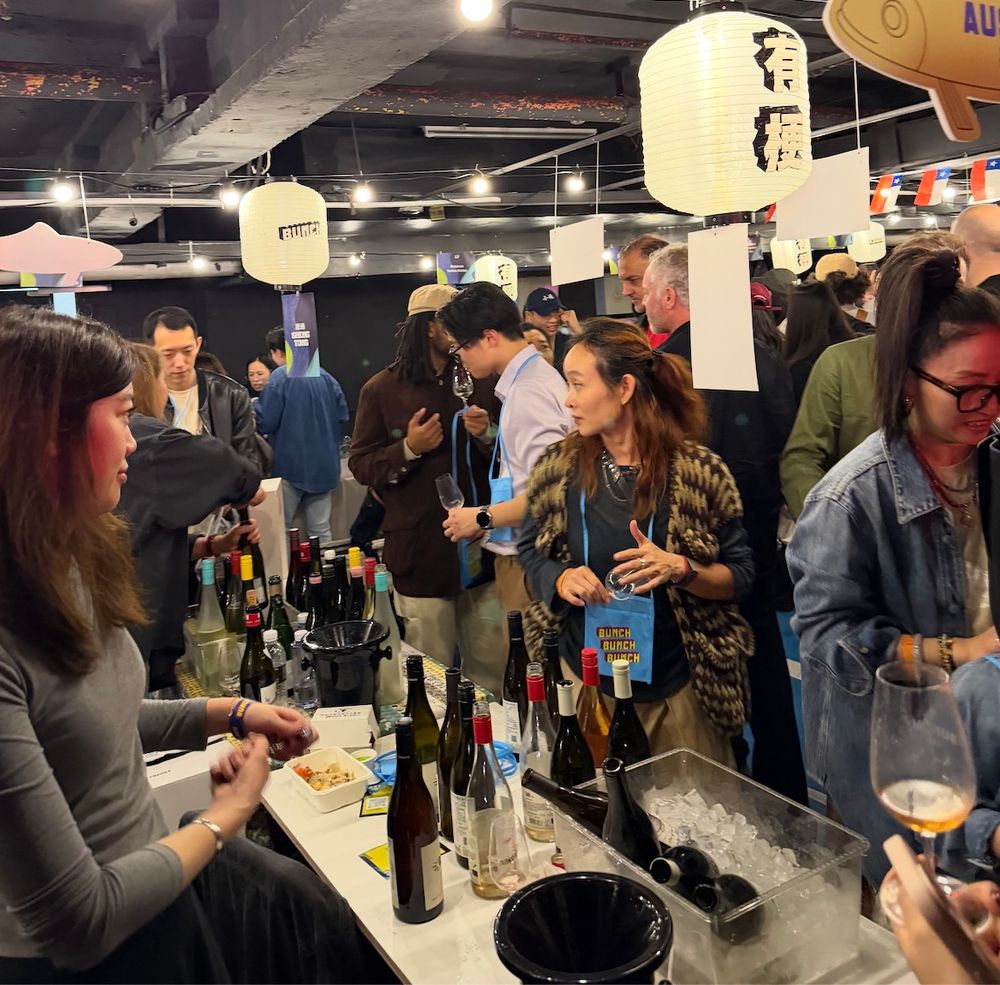
It is not possible to pigeon hole the Chinese wine market as there are so many different aspects to it - whilst overall consumption might be down there are also areas of real exciting growth
The fact that wine is not embedded into Chinese culture in the same way that thousands of years of history has influenced European tastes means some of the styles and regions that remain niche in the Old World simply don’t have the same prejudice.
The ongoing desire for German Riesling attests to this. So does Moscato d’Asti, which Tafani says has been a great success in China for almost 10 years.
“It’s easy to drink and to pair with the spicy dishes of Chinese cuisine, and at only 5% alcohol it attracts young people, young women in particular. Because it’s frizzante, it suits parties and celebrations, and its DOCG status gives it an edge over other Moscatos. There are now hundreds of different labels on the market and online,” he adds.
There’s also less prejudice towards the way wine makes its way from tank to table.
Langridge believes “there’s a strong future for cans and smaller formats for wine in China.”
However, he also believes that in the long term, the experimentation and trial and error culture will settle down.
“There will be unique expressions of the way wine is drunk in China. Will it change the whole nature of the way wine is drunk? No…I reckon 80 to 90% will be the sort of styles we would expect.”
Domestic wine demand
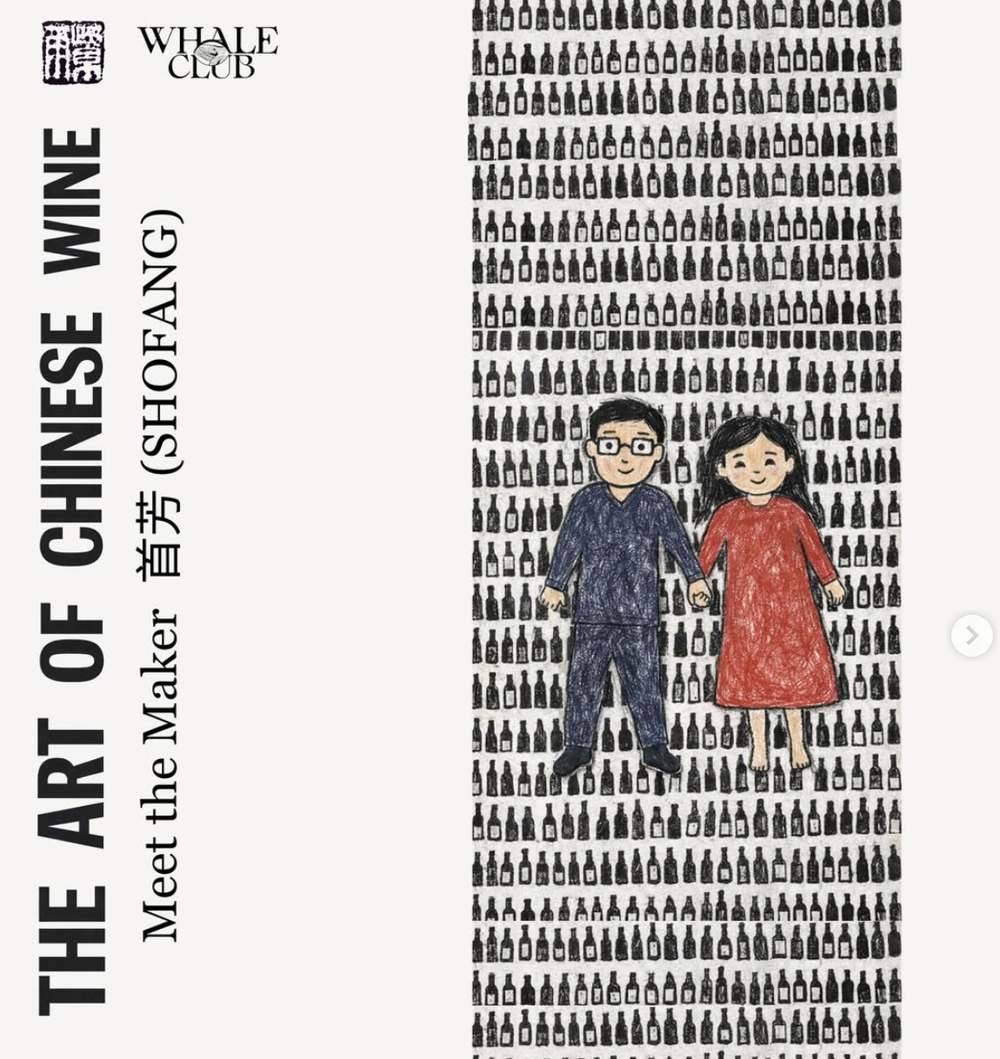
Local smaller producers like Shofang are creating a strong following
A larger unknown for wine producers is how domestic wine production will impact the market. For some time now, Chinese cars and smaller electronic goods such as cameras and phones have either replaced or taken large market shares of foreign competitors.
The trend is continuing into the fashion sector, with sports brands and luxury goods makers such as Adidas and Louis Vuitton now competing against domestic brands such as Anta and Songmont.
The quality and quantity of Chinese wine producers have increased too. The likes of Shofang, Xiaopu, and Farmentation, all natural wine producers, are seen across the trendy wine bars of Shanghai.
Added to larger producers such as Ao Yun, Silver Heights and Chateau Chanson, there is a variety of choice.
“The rise of domestic winemaking has been a really important signal for Chinese drinkers to embrace wine and experiment. It’s a little bit like the coffee market; it will grow the wine market, but there will always be a place for wine from Europe, Australia, New Zealand and South Africa,” claims Langridge.
Tafani’s advice for producers is blunt: “Don’t think of China as an El Dorado before you’ve even set foot there. Coming over and get tounderstand the market, and if resources allow, employing someone on the ground is essential.”
Nor should they give up at the first difficulty.
“Consumption will pick up again in time. Young consumers are attracted to wine; they are just lost in their choices,” he adds.
With the big importers over-solicited and overstocked, and many smaller ones financially fragile, he calls for patience.
“Keep a long-term strategy and show flexibility in helping importers,” he stresses.
In order to be successful in China, a producer needs to hold two contrasting attitudes at the same time: committing to the market, visiting, speaking to local market experts and consumers to educate on the wine, the terroir, the story; but at the same time, ceding control of how the wine is subsequently marketed, sold and consumed in a market that has few of the conventions the industry is used to.
* Tom Lickley is a freelance journalist who publishes content in English and Mandarin covering wine, pan-European travel, history and food.