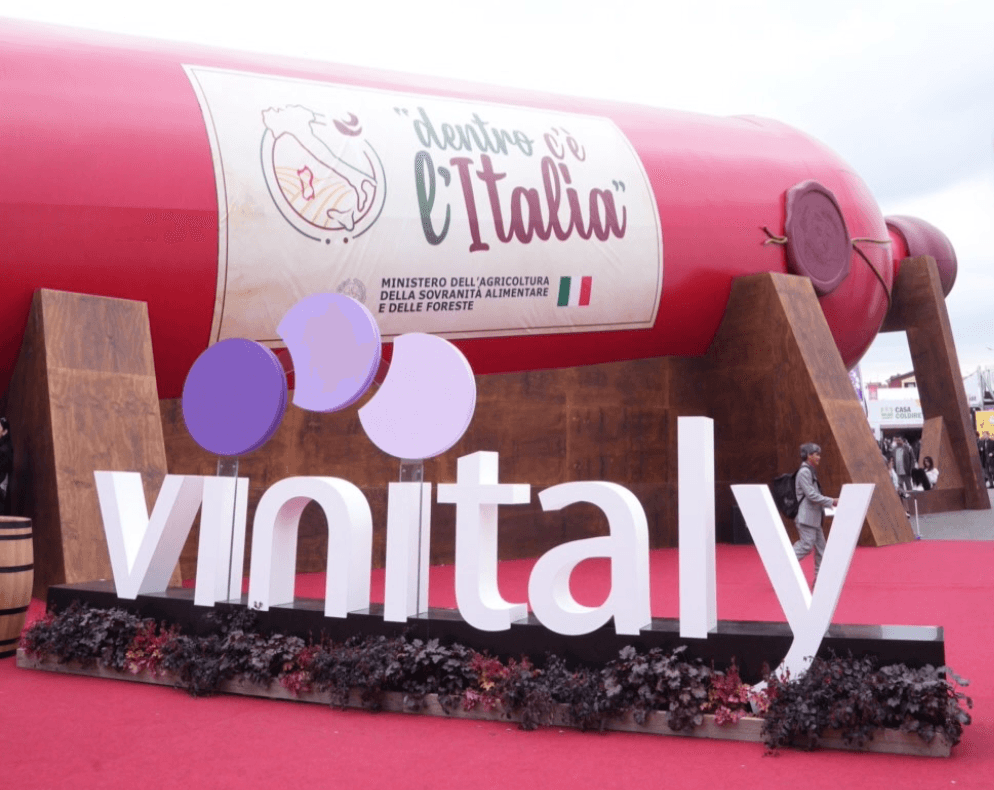

This year’s Vinitaly wine fair, which closed on Wednesday, was hit by the current international turmoil relating to the Middle East in more ways than one.
While the 58th edition of the fair was busy and all those producers The Buyer spoke to pronounced themselves happy with the level of activity, attendance was down this year, at 90,000 visitors compared to last year’s 97,000. Of those, around a quarter were international.
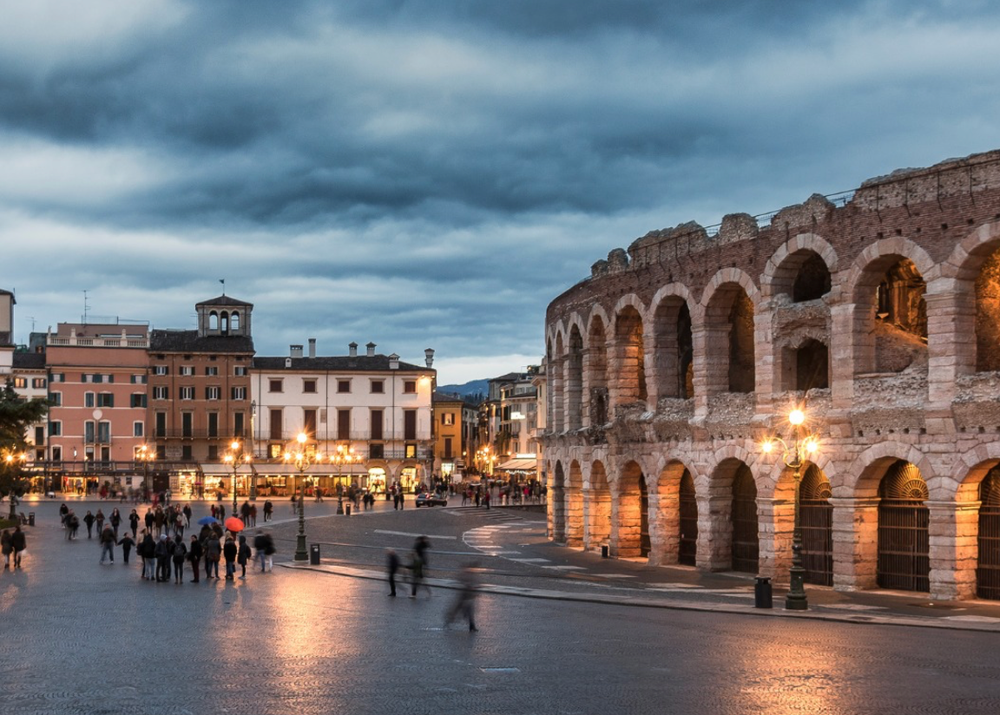
Buyers flew in from 70 countries to attend this week's Vinitaly in Verona
Federico Bricolo, president of organiser Veronafiere, conceded that current uncertainties “significantly impact visitor numbers and the mobility of trade visitors”.
As Soave producer Giulia Franchetto commented, “This year was quieter because of the international situation, but that was expected.”
Nevertheless, Monday and Tuesday were certainly very busy, with attendees crowding the fair’s halls and avenues. As ever – and unlike Wine Paris or ProWein – Vinitaly was almost entirely focussed on home producers. All of Itay’s major wine regions were represented by a total of 4,000 exhibitors, from Sicily to Alto Adige.
More dramatically, the international crisis overshadowed this year’s visit to Vinitaly by far-Right Italian Prime Minister Georgia Meloni. During the row over US President Donald Trump’s attack on the Pope for his comments on the Iran war, Meloni expressed solidarity with the pontiff. Speaking to reporters, she said: “Frankly I would not feel very comfortable in a society where religious leaders do what political leaders say.”
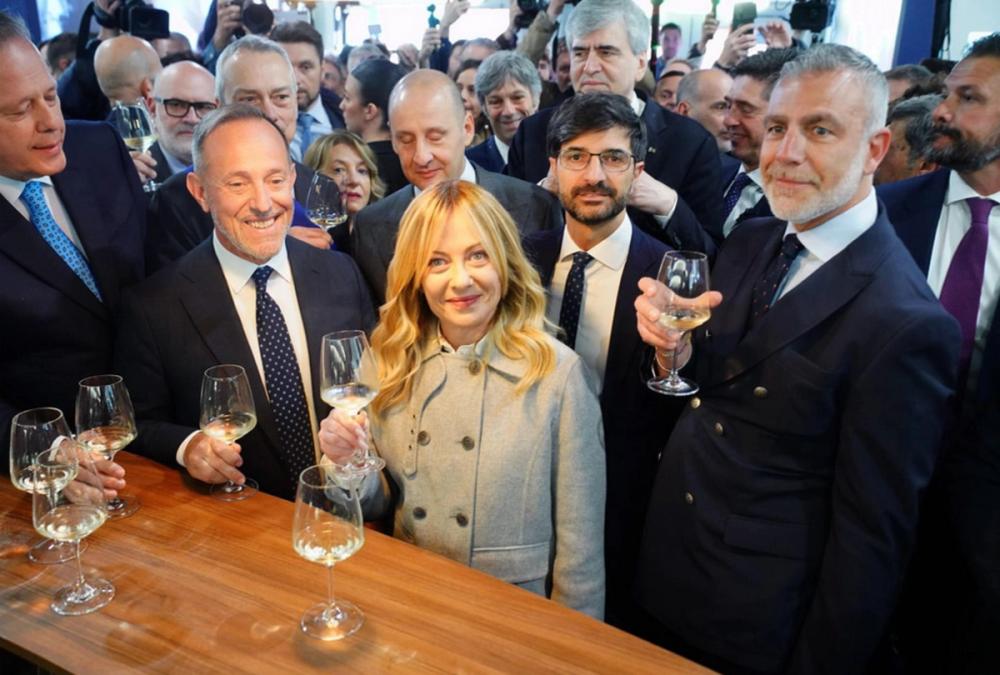
Italian Prime Minister Georgia Meloni came to Vinitaly to give her personal backing of the vital Italian wine sector
But Meloni admitted that the energy crisis and Iranian blockade will present problems for Italy’s wine sector in the shape of fuel and fertiliser costs.
Foreign minister Antonio Tajani, also in attendance alongside several other cabinet members, added with some understatement that “the situation in the Middle East and wine exports are not unrelated”.
Market difficulties
Such disruption was the backdrop to an event dominated by market difficulties that go beyond fallout from the Iran war – above all, falling consumer demand and the impact of American tariffs. The tariffs introduced by President Trump last April have caused exports to the US, Italian wine’s biggest foreign market, to plunge by almost €180 million (9.2%).
Despite the tariffs and ongoing uncertainty around them, the US remains by far Italy’s largest wine export market, worth €1.76bn in 2025. There appeared to be a degree of optimism among producers that they could ride out the disruption to American exports.
Of more than 1,000 buyers from over 70 countries this year, 200 came from North America. Vinitaly already sponsors various events around the world, notably a US edition, to be held in New York this October.
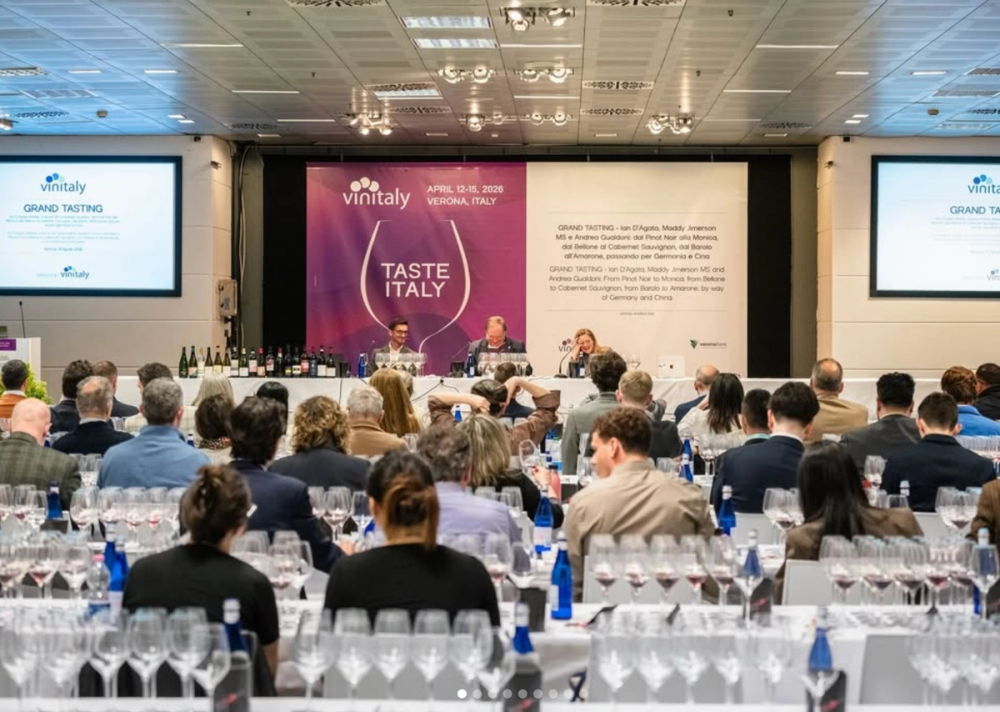
Vinitaly came at a crucial time as Italy faces up to declining sales in many of its traditional markets as it looks to open up new markets in South Amercia and Asia
But organisers were also keen to emphasise interest from Asia, South America and elsewhere. Around 60 buyers and importers came from China, as well as a notable contingent from Brazil. Veronafiere announced that Vinitaly is developing new international editions in countries including Canada and Australia, as well as strengthening representation at the Wine South America fair in Brazil next month.
No and low on the rise
As in other major wine producing countries, health concerns around alcohol remain a key issue for the Italian industry, with steady growth in the no- and low-alcohol sector. Its sales were up in Italy almost 15%, 2022-25, against a 3% drop for wine over the same period.
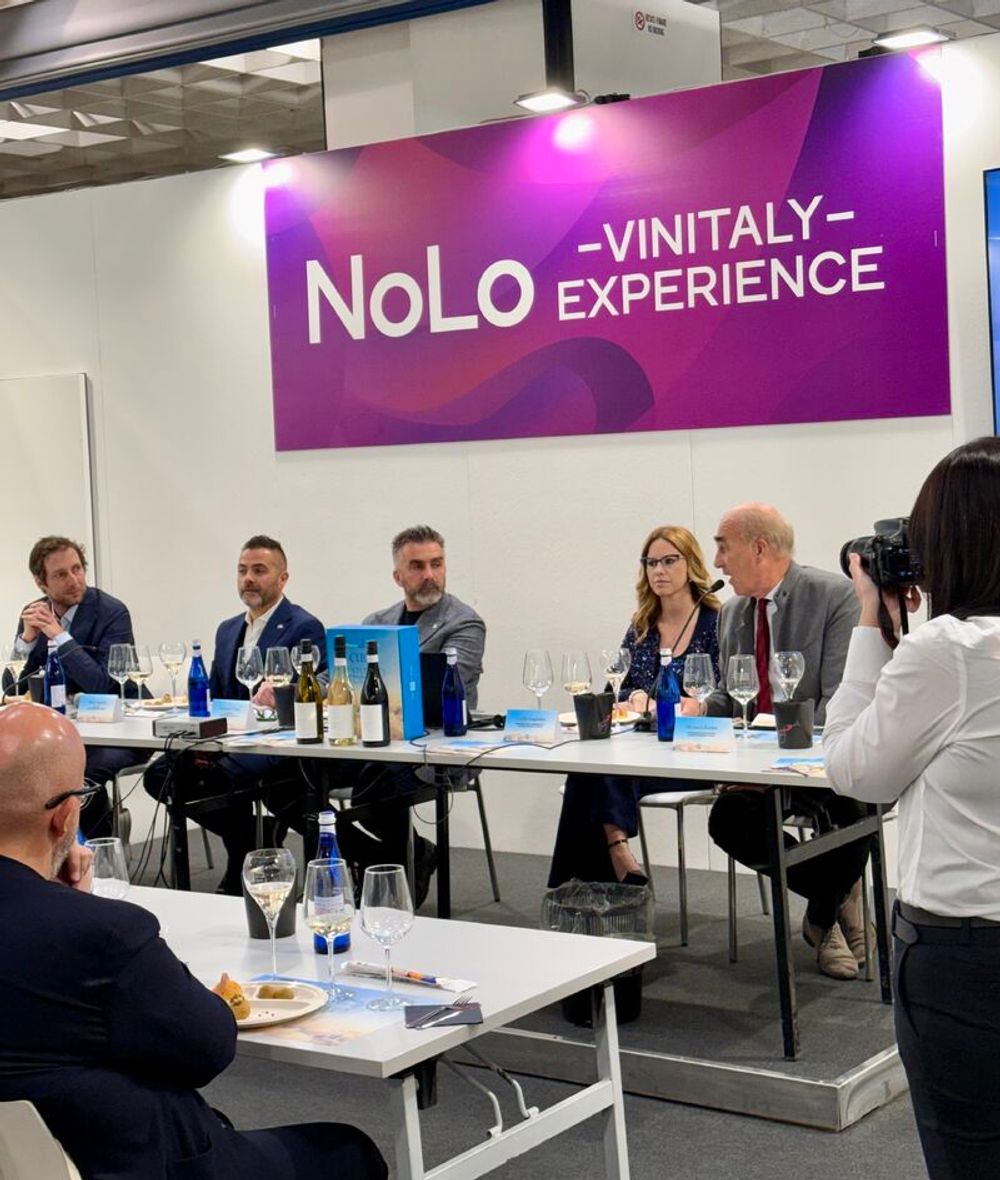
No & low alcohol got a dedicated area at Vinitaly - the same as in Wine Paris and ProWein Dusseldorf
Thus one innovation at Vinitaly, as at Wine Paris, was a dedicated section for no and low-alcohol products. The NoLo Vinitaly Experience featured exhibitors, masterclasses and a cocktail bar with mixologists.
However, there is also an ongoing row in Italy over proposed EU anti-cancer warnings on wine and spirits: wine producers are angry that the regulations make no distinction between their products and spirits.
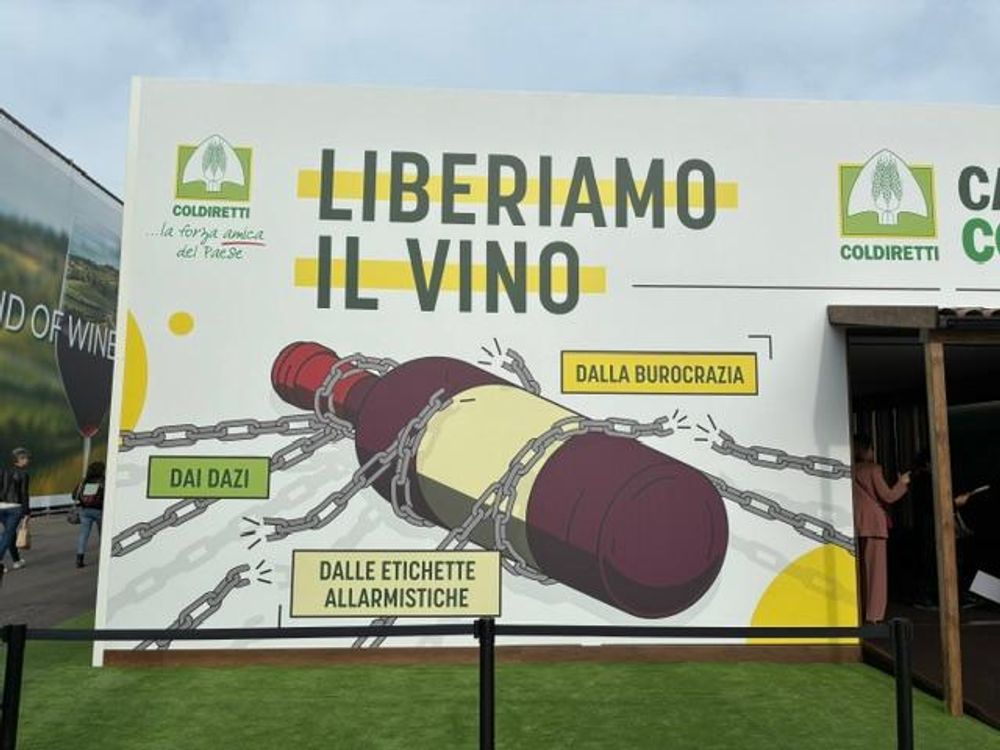
Farmers’ trade union Coldiretti hosted a prominent pavilion at Vinitaly decorated with a large mural of a wine bottle breaking free from chains, emblazoned “Liberiamo il Vino” (“Let’s free wine”) – from duties, bureaucracy and “alarmist labels”.
Another innovation was Vinitaly Tourism, a programme of meetings and talks dedicated to wine tourism. Recent years have seen a steady increase in the number of domestic tourists visiting the country’s wineries, with Langhe/Barolo, Chianti and Montalcino getting most visits.
Winery visits by German, American and British tourists are also significant, according to a recent report by wine consultant and university professor Roberta Garibaldi. Perhaps surprisingly, her statistics suggest that Etna is the wine region most favoured by British tourists, closely followed by Chianti.
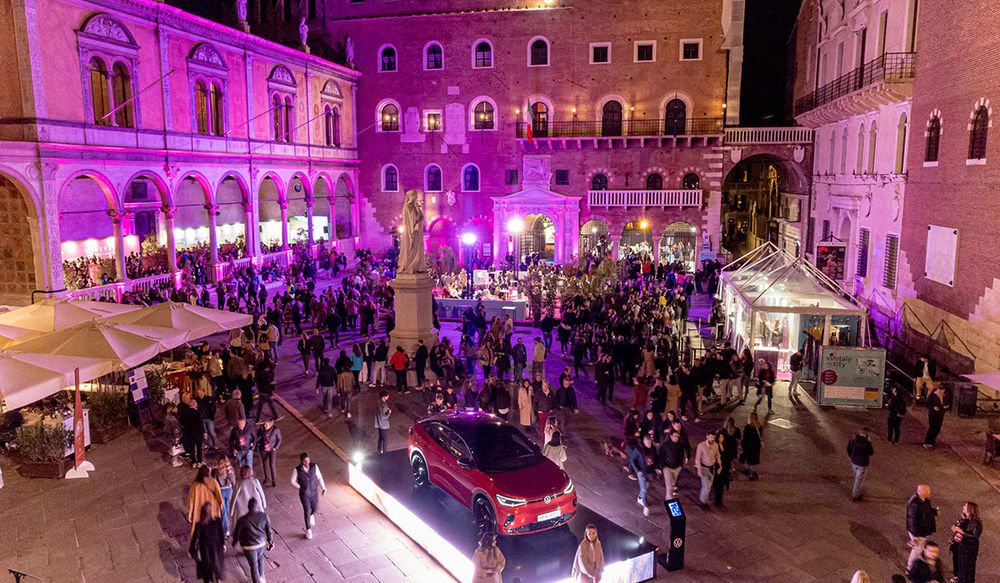
Vinitaly is very much about enjoying the delights of Verona with its Vinitaly in the City programme
Vinitaly also made a direct contribution to that trend this year with its “Vinitaly and the City” programme, a range of public tasting events at four locations in the historic centre of Verona during the fair. Visitors bought books of tasting tokens: the organisers sold 50,000, adding to the crush of Vinitaly attendees in the city centre.
As one cab driver told The Buyer, “it’s chaos every year – over the past few years it’s got too big for Verona.” But as he added, “it’s a goldmine for this city.”
* You can read more from Andrew Neather on Substack on https://aviewfrommytable.substack.com/.