
Across the decades, the music industry has long asked the single question: “How low can you go?” In turn, Chubby Checker, Ludacris, and Grand Master Melle Mel, in their very different styles, have all pondered this conundrum. In an oenological twist, two ‘unlikely’ partners – the Garda DOC wine region and Professor Eugenio Pomarici from the University of Padua – are the next to take on mooting the challenge in the wine world… how low can the abv go?
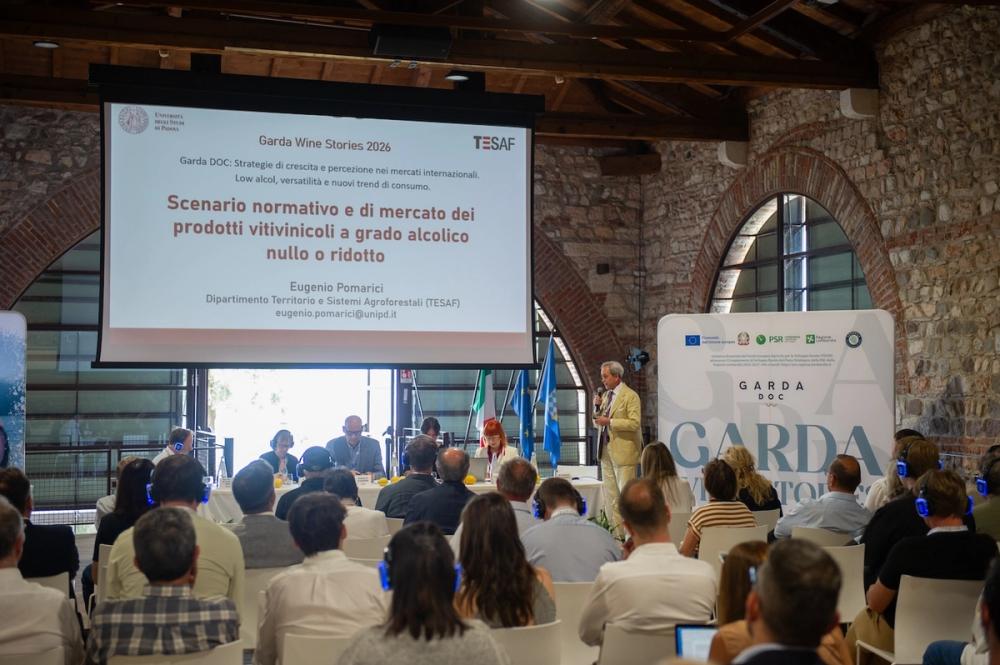
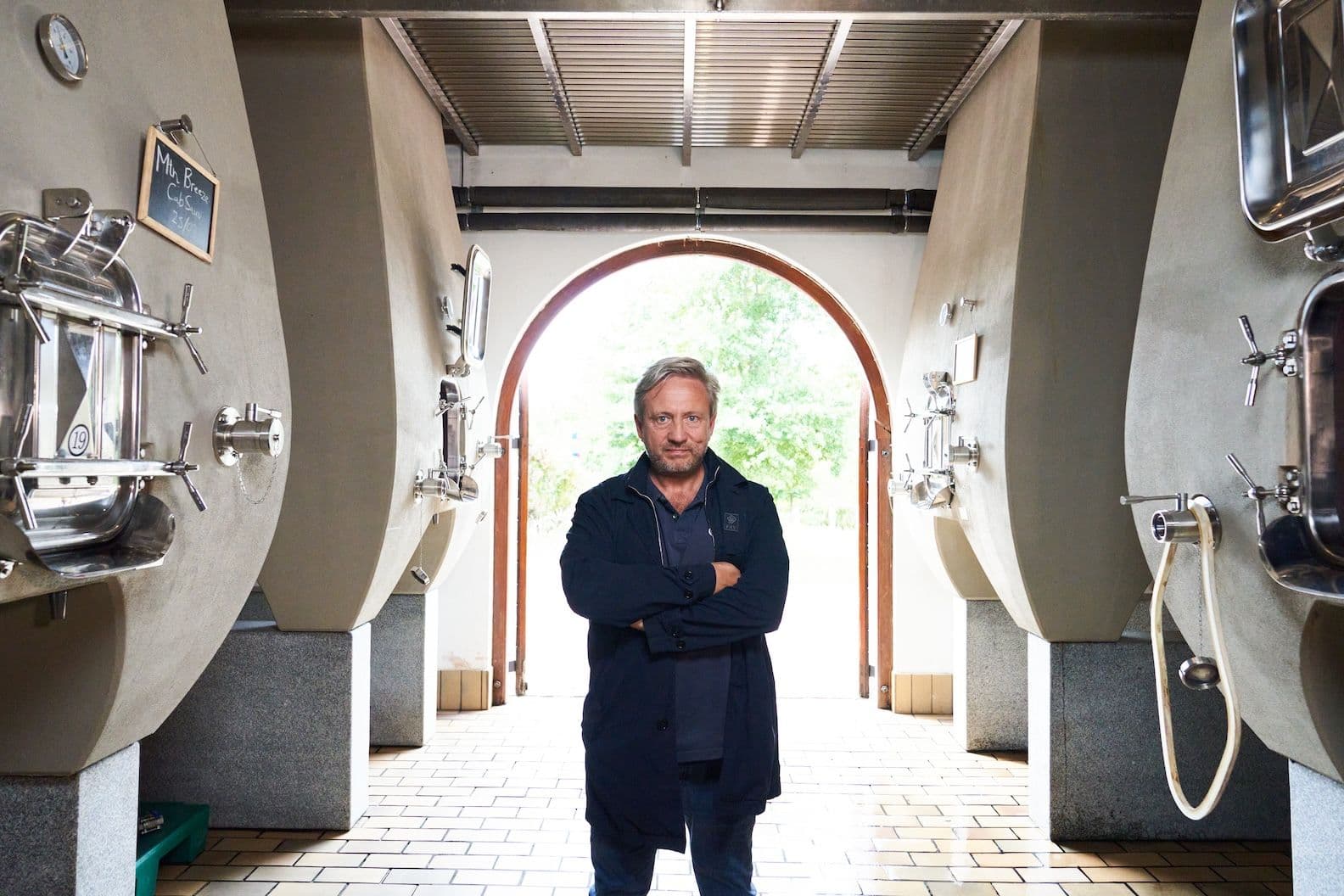
Professor Eugenio Pomarici presents the findings of his study at the Garda DOC Consortium forum, June 2026
Working in Padua’s Department of Land, Agriculture, Environment and Forestry, Professor Pomarici has specialised expertise in wine, international trade, and economic policy analysis. In May 2026, he published a study on wine experts’ levels of acceptance of Partial Dealcoholisation of Protected Designation of Origin (PDO) and Protected Geographical Indication (PGI) wines, both of which are permitted under EU legislation.
The results were clear.
It was seen as broadly acceptable for PGI wines, whilst PDO wines, particularly those in higher-tier categories with well-known names, faced strong resistance due to concerns about identity, authenticity and cultural heritage. Unsurprisingly, the surveyed experts favoured naturally low-alcohol wines achieved through viticultural and oenological practices rather than through alcohol removal, whilst acknowledging the constraints of grape composition and climate change.
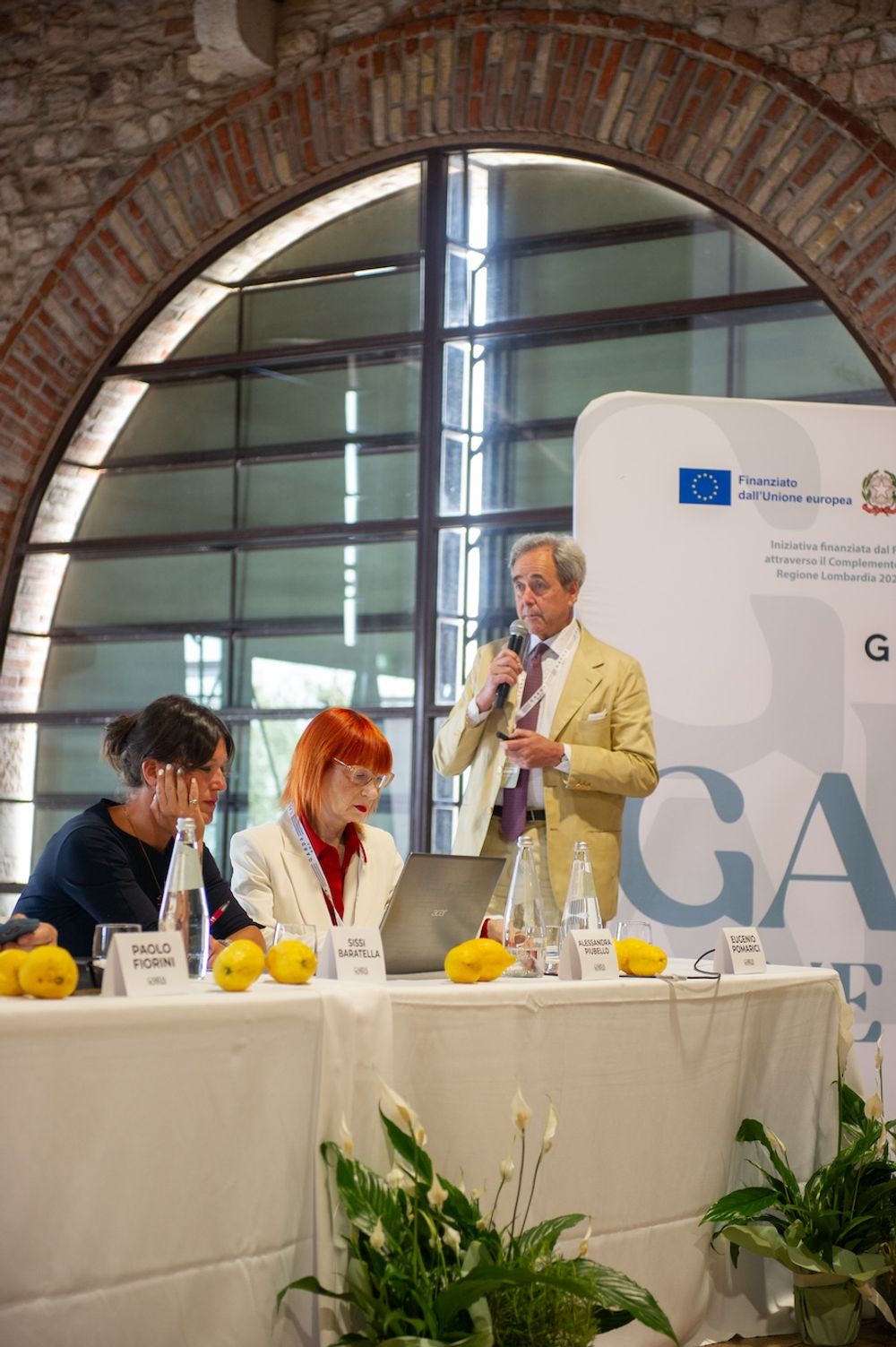
Pomarici: there is consumer confusion about what's meant as 'low' alcohol
Professor Pomarici’s evaluation of the current state of play in the No/Low market is that the category is globally embryonic – with only a maximum of 10% of consumers in developed markets and the UK, US and Germany being the key stakeholders. In Italy's home market, only 0.5% of sales are in the No/Low segment.
Pomarici’s study also highlighted consumer confusion about what is “low” and how the various categorised offerings are made. He cited this as being particularly unhelpful if the reduced alcohol offering is sought for a ‘healthier lifestyle.’ In a positive and non-derogatory way, he goes on to state that there are some base-level challenges to be overcome.
“Significant obstacles remain – like quality perception is not always positive, availability in restaurants and retail is still limited, and communication and word of mouth are weak,” he says.
New consumption trends
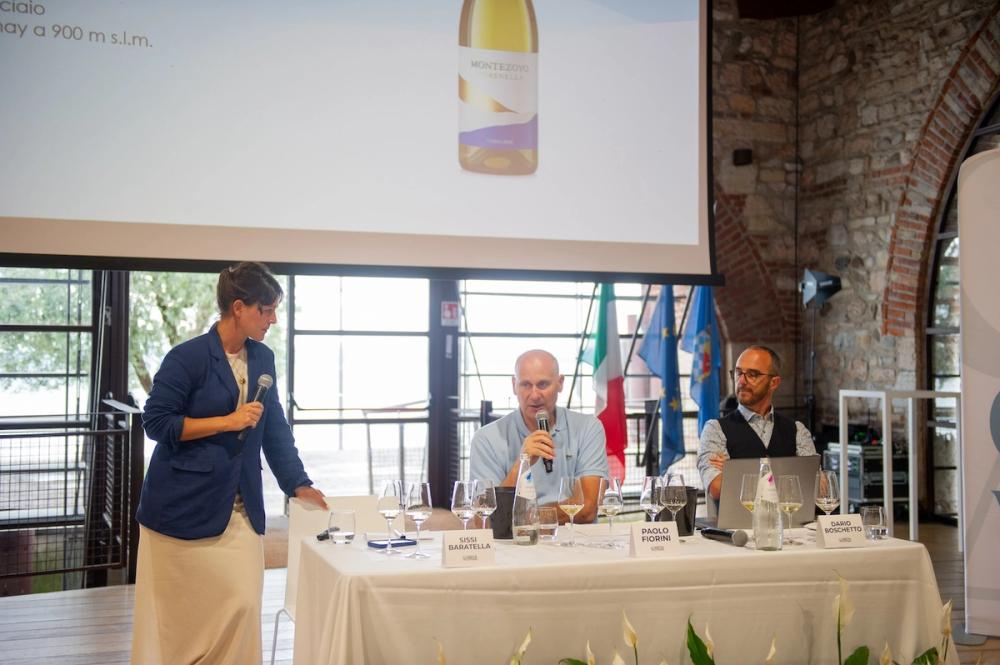
Authenticity, quality and provenance are still key in delivering low alcohol wines: Paolo Fiorini, president of the Garda DOC Consortium
In a forum convened at the Dogana Veneta in Lazise, the Garda DOC Consortium brought together journalists, academics and international opinion makers to explore and illustrate the role that lower-alcohol wines and new consumption trends could play in the region's present and future development.
“Today, addressing the topic of low alcohol wines means carefully reading the evolution of international demand, understanding new consumption styles, and anticipating the changes affecting the wine sector globally,” Paolo Fiorini, president of the Garda DOC Consortium, tells me.
“More and more consumers are seeking versatile, contemporary wines that align with a more mindful approach to drinking, without sacrificing quality, authenticity, and a connection to the land.”
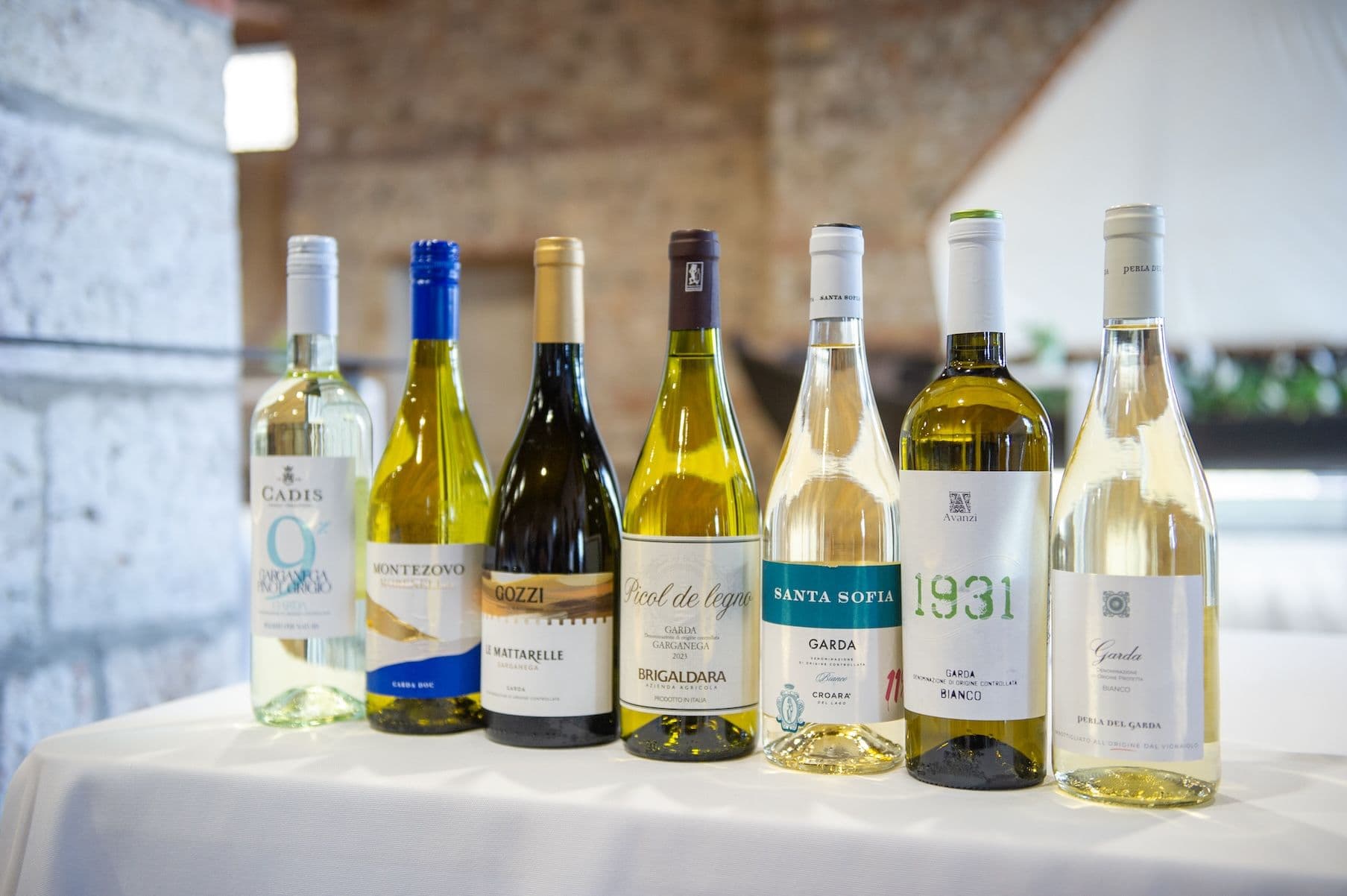
Whilst low-alcohol wines were allowed under EU rules, this regional consumer focus was evident when, in 2025, Garda DOC became the first denomination to introduce a wine with reduced alcohol content, as permitted under its own regulations, ready for the 2025 harvest. This means they can be badged as either PDO or PGI and retain the quality practices that these designations guarantee.
The rationale was to place a focus on lighter, more drinkable wines in line with identified consumption trends. Whilst Germany is a key market for the appellation, and despite being a leader in the dealcoholisation field, the region felt that a ‘no alcohol’ approach was a step too far. This was also because the resulting product could not be identified under the EU definition of wine as being wholly ‘a product of alcoholic fermentation’. The inclusivity of a lower-alcohol category being allowed has led, in 2026, to three labels now being available.
Garganega – the key to solving the riddle
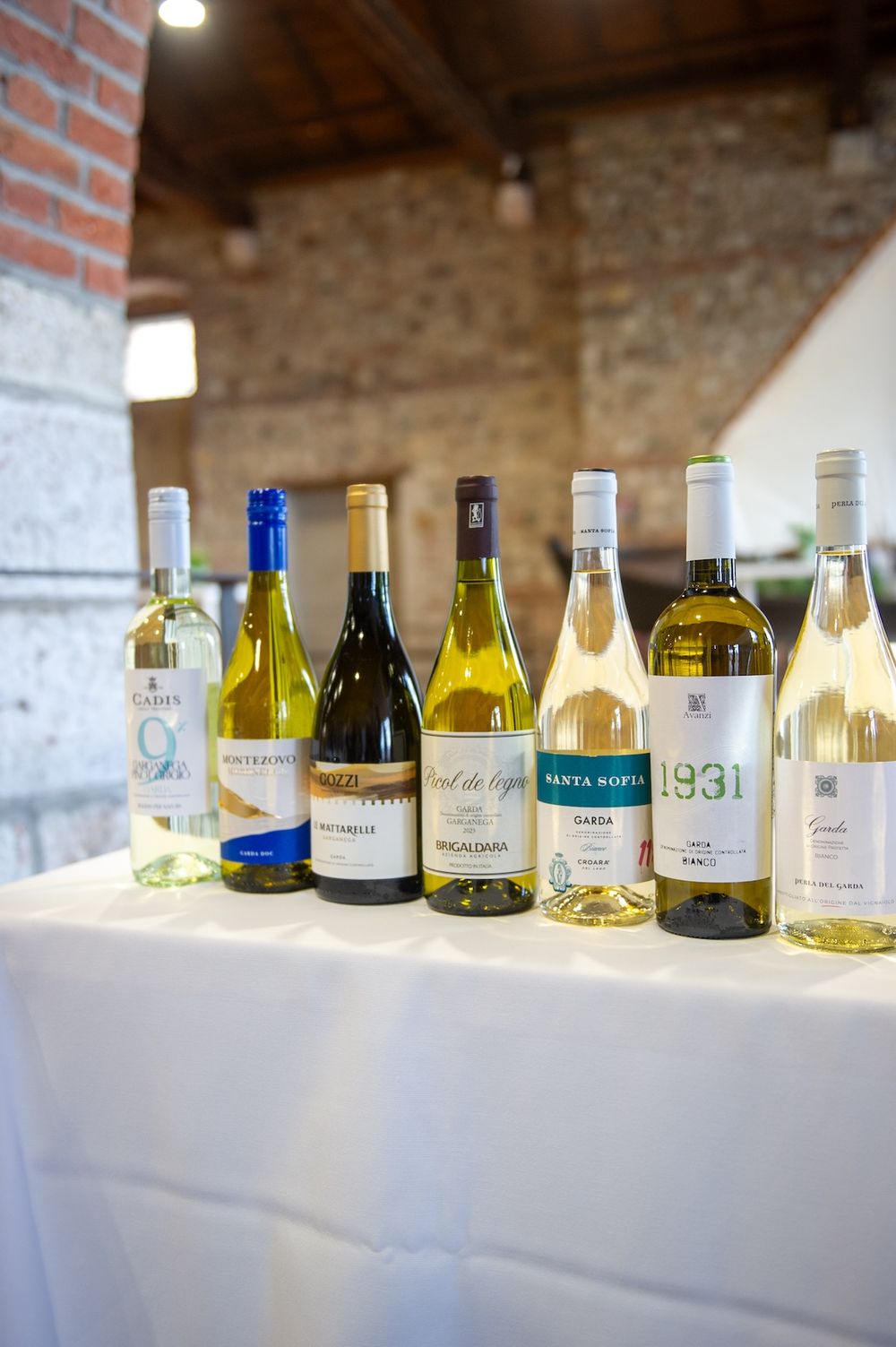
Garganega's lighter style and acidity lend themselves to early harvest when aiming for a 9% wine
This innovative regulatory approach was made easier by the benefits of global warming and primarily by the use of the indigenous Garganega grape and Garganega blends (although Pinot Grigio Rosés are also allowed). Fiorini clearly asserts that the time would not have been right to attempt this regulatory variation until now.
“Harvesting in September, 15 years ago would have resulted in low ph and extremely high acidity whereas today climate change actually makes it easier to produced balanced wine with naturally low alcohol content,” he says.
Fiorini goes onto to clarify- “with a minimum of 8% alcohol levels achievable in the first ten days of September, aromatic qualities and fruity, floral notes are preserved.” The Consorzio has monitored these alcohol levels over the last six years to ensure consistency, sustainability, and economic viability before the resulting bottles come to market.
Garganega is the sixth most widely planted grape in Italy and accounts for around 4.3 million bottles currently produced. Its lighter style and acidity lend themselves to early harvest when aiming for a 9% wine, although under the new rules, 9% to 11% is allowable. It is hand-harvested, abundant and has the oenological flexibility to be used for dried-grape passito wines or as a sparkling base.
When vineyard and cellar work are combined, this level of alcohol retains the texture that the Consorzio was looking for and, importantly, allowed it to sit mid-field in terms of duty in key markets like the UK. The duty difference for a 9% wine equates to eighty pence per bottle less than a 12.5% equivalent before the addition of a further 20% VAT. This ultimately results in a potentially more favourable retail price for both the vendor and the ever-value-driven consumer.
The use of Garganega also allows the resulting wines to retain a strong connection to the region's terroir and history, intended to give greater identity and reassurance to consumers. At present, 2025 production will be around 20,000 bottles across three producers, with the expectation that this will increase in future vintages.
The Consorzio Garda Doc has shown itself to be versatile and once more keen to develop markets for its growers and to offer choice for consumers, whilst making no sacrifice in quality. The inference is that partial dealcoholisation by natural means should be seen as ‘well governed’ innovation, preserving territorial identity, regulatory coherence and consumer trust.
With the balancing act between consumer perception, buyer, duty and textural concerns, perhaps Pomarici and his regional partners have the answer the music industry has been seeking- just how low do you want to go?
Tasting the new wines
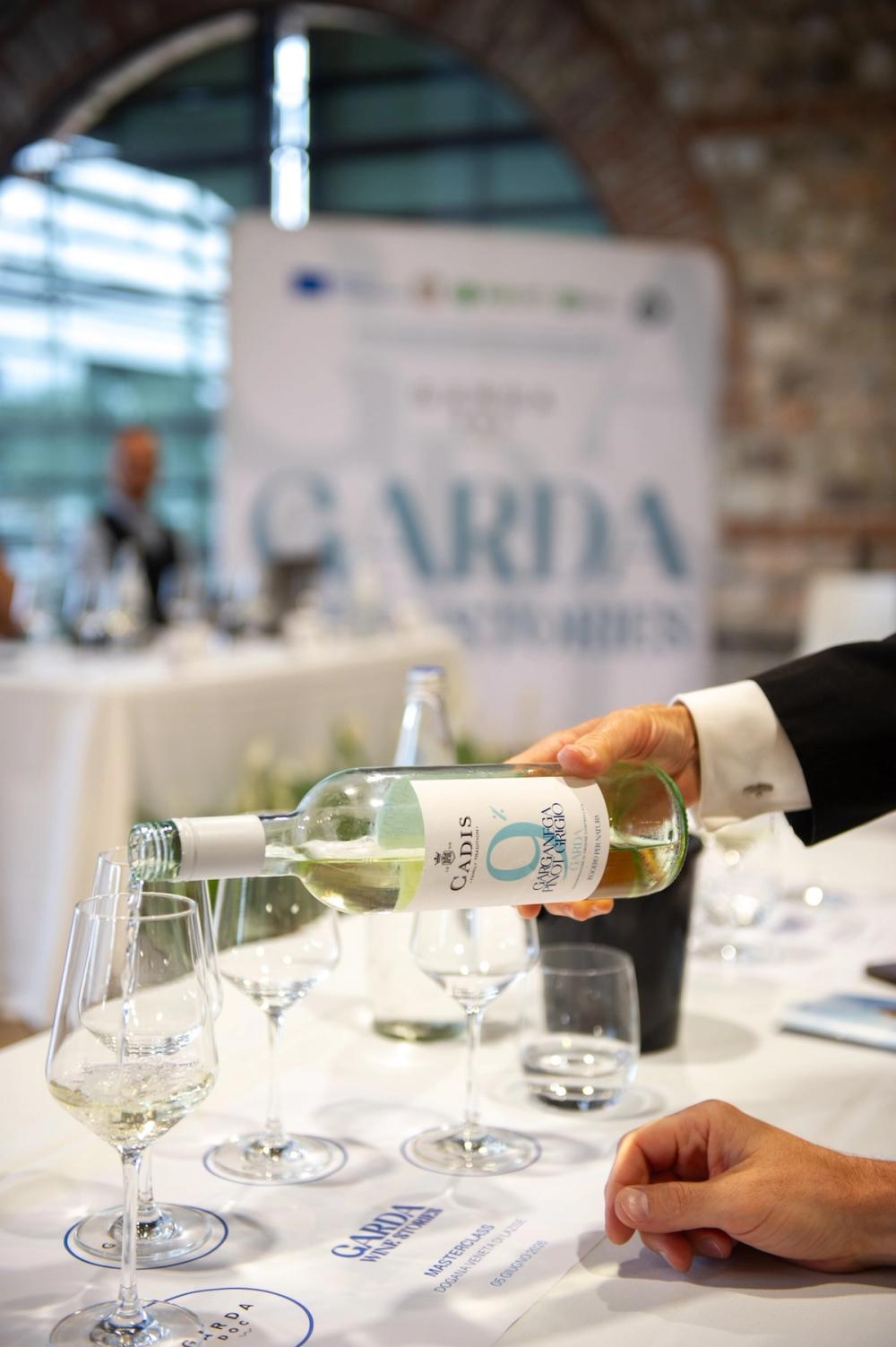
I tasted two of the wines produced in 2025, both retailing between €8 and €9 per bottle. Both wines are light, but the retention of just enough alcohol has allowed for a very pleasing, dry finish.
Cadis 1898 Garda Garganega Pinot Grigio 2025 – 9% abv
Initially on the nose, there are floral notes of white flowers – jasmin and almond blossom from this very pale blend of Garganega and Pinot Grigio. Stainless steel vinification has made the wine fresher than expected on the nose and has kept a very linear profile. On the palate, there are citrus highlights with a reassuring layer of stone fruit. The residual alcohol has undoubtedly helped preserve the texture of the classic Garganega bitter-almond finish.
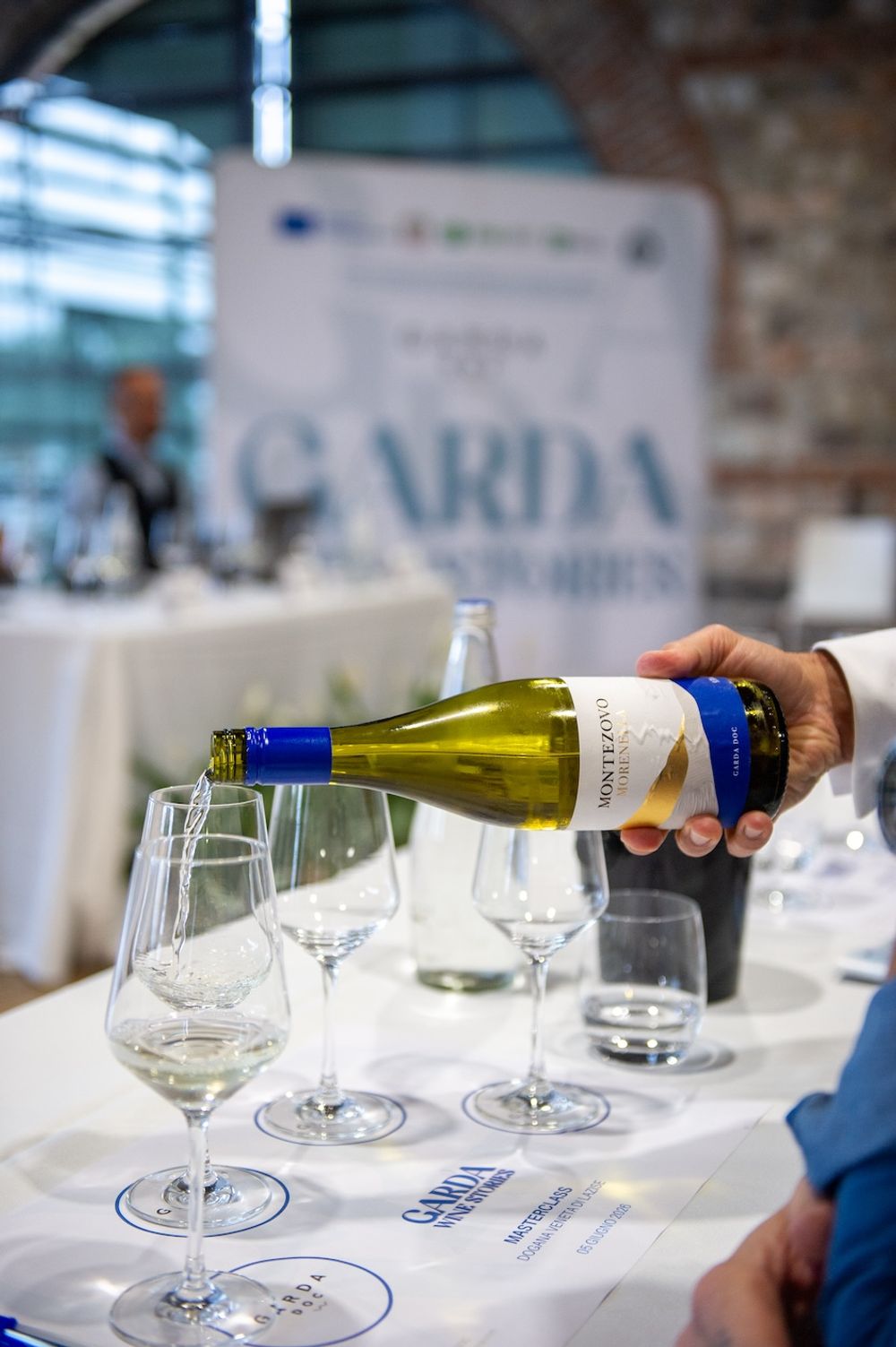
Montezovo Morenella Garda Garganega Chardonnay 2025 – 9.5% abv
More mineral on the nose than the previous wine, with enhanced citrus and white peach notes. Very fresh on the palate, with stainless steel at play here again. 75% Garganega and 25% Chardonnay bring a straw colour to the wine and are noticeably smooth, with the secondary grape bringing backbone and a more savoury finish. This sings for pairing with seafood, lake fish and summery chicken dishes.