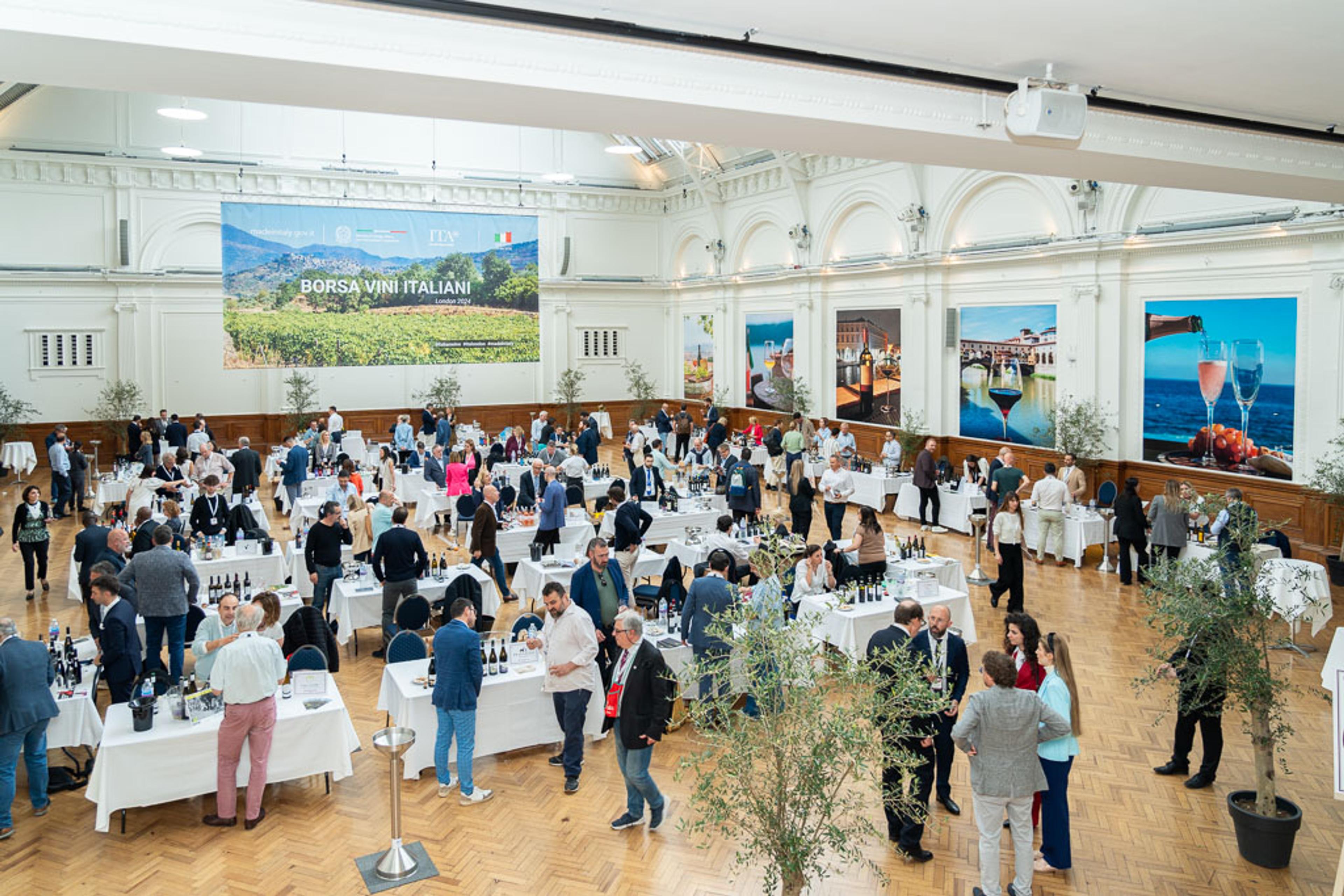
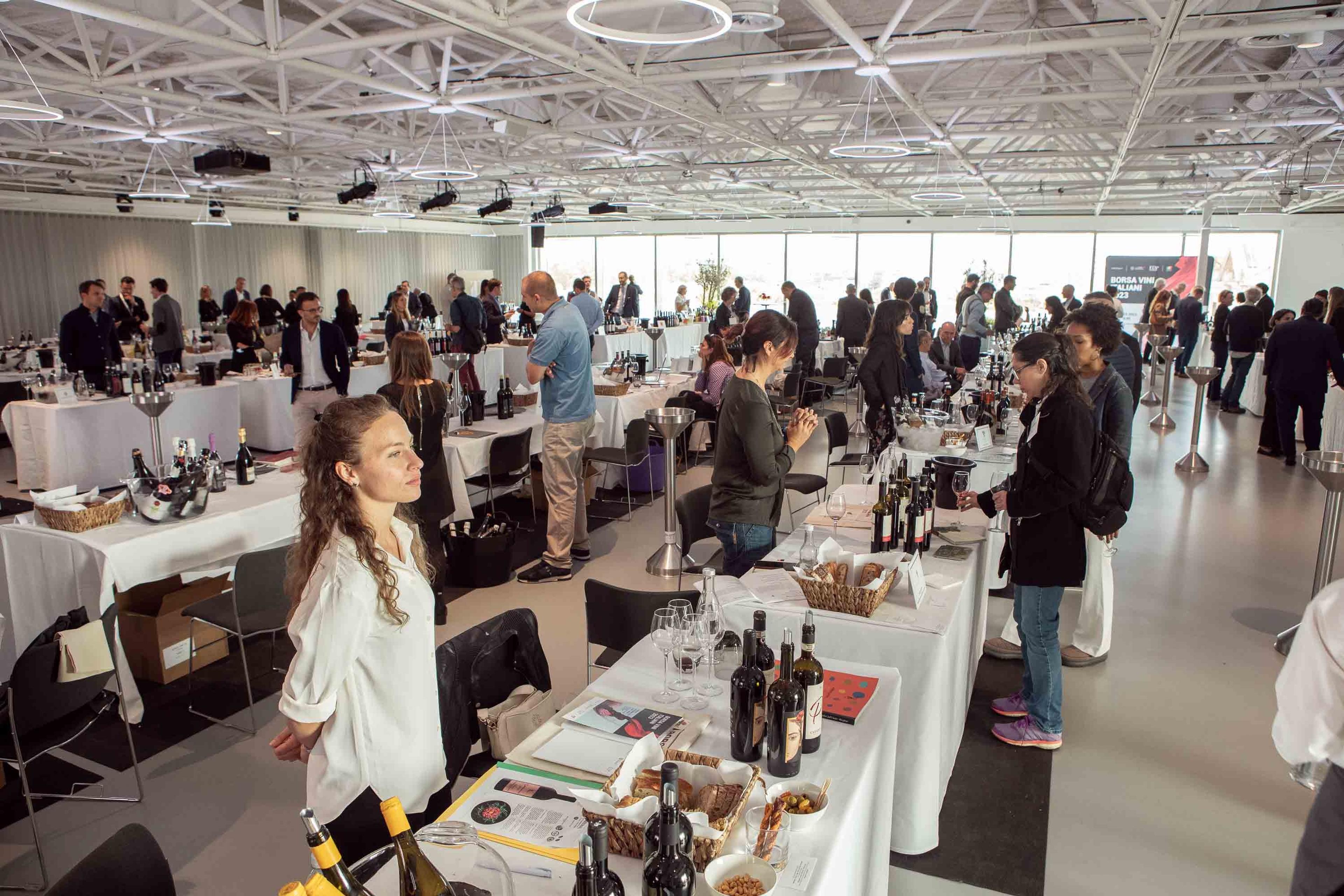
The Borsa Vini Italiani tasting returned to London in 2026, organised by the Italian Trade Association (ITA). The tasting presented a cross-section of regions and styles aimed squarely at the UK trade with 44 largely unimported producers offered for buyers.
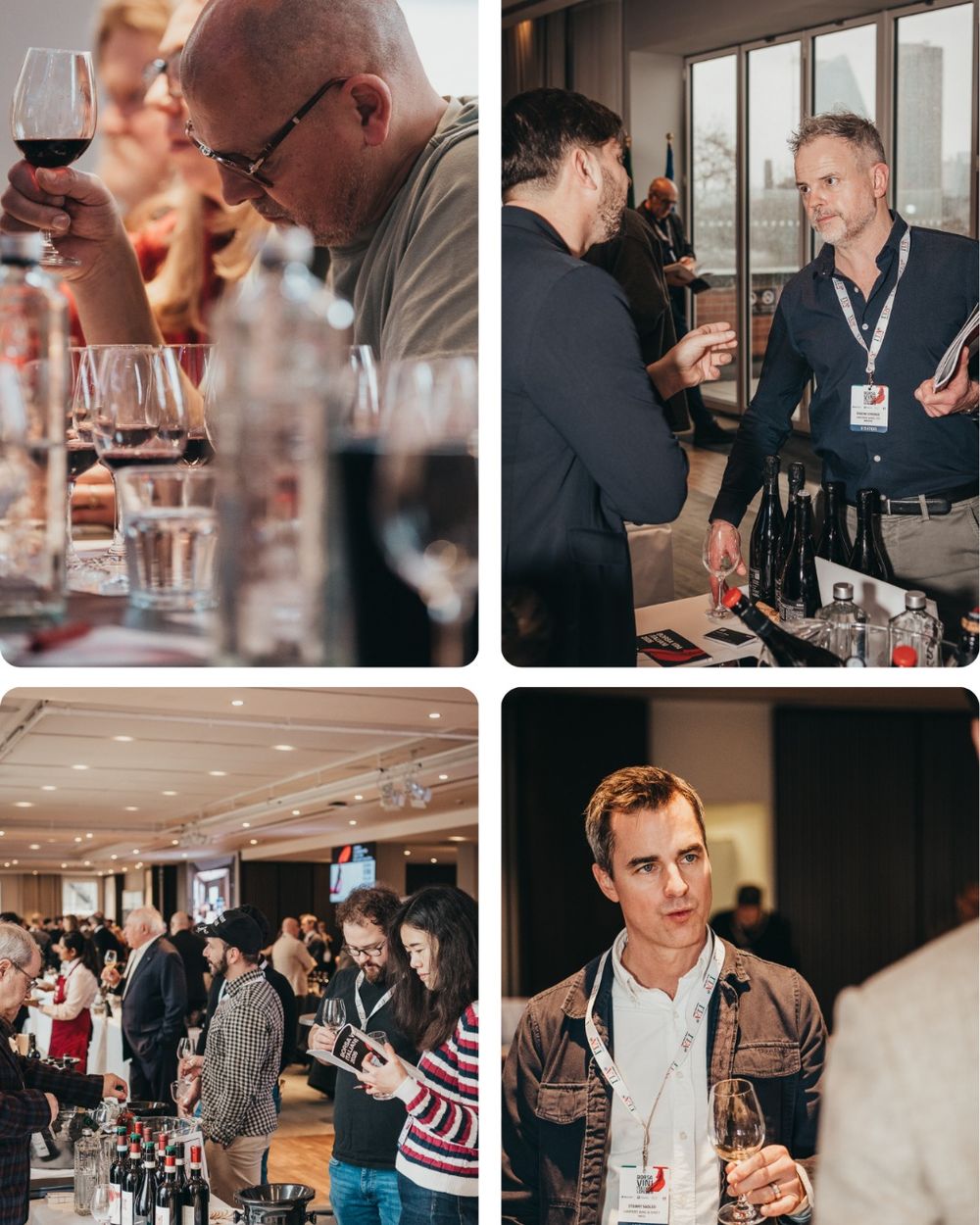
While the event showcased the breadth of Italian wine across price points, clear trends emerged from this year’s Borsa Vini catalogue. “One of the strongest is the move toward fresher, lighter and more contemporary styles, even in traditionally full-bodied regions,” the ITA notes.
This shift has been happening among certain producers and regions for many years but it is now becoming more high profile. For decades, maximum ripeness and extraction signalled ambition in Italian red wine production and success in export markets.
Now, as export momentum cools and alcohol-linked duty in the UK reshapes buying decisions, what was once a niche narrative of drinkability and restrained alcohol – in red wine in particular – has now taken on commercial urgency for both Italian producers and the trade.
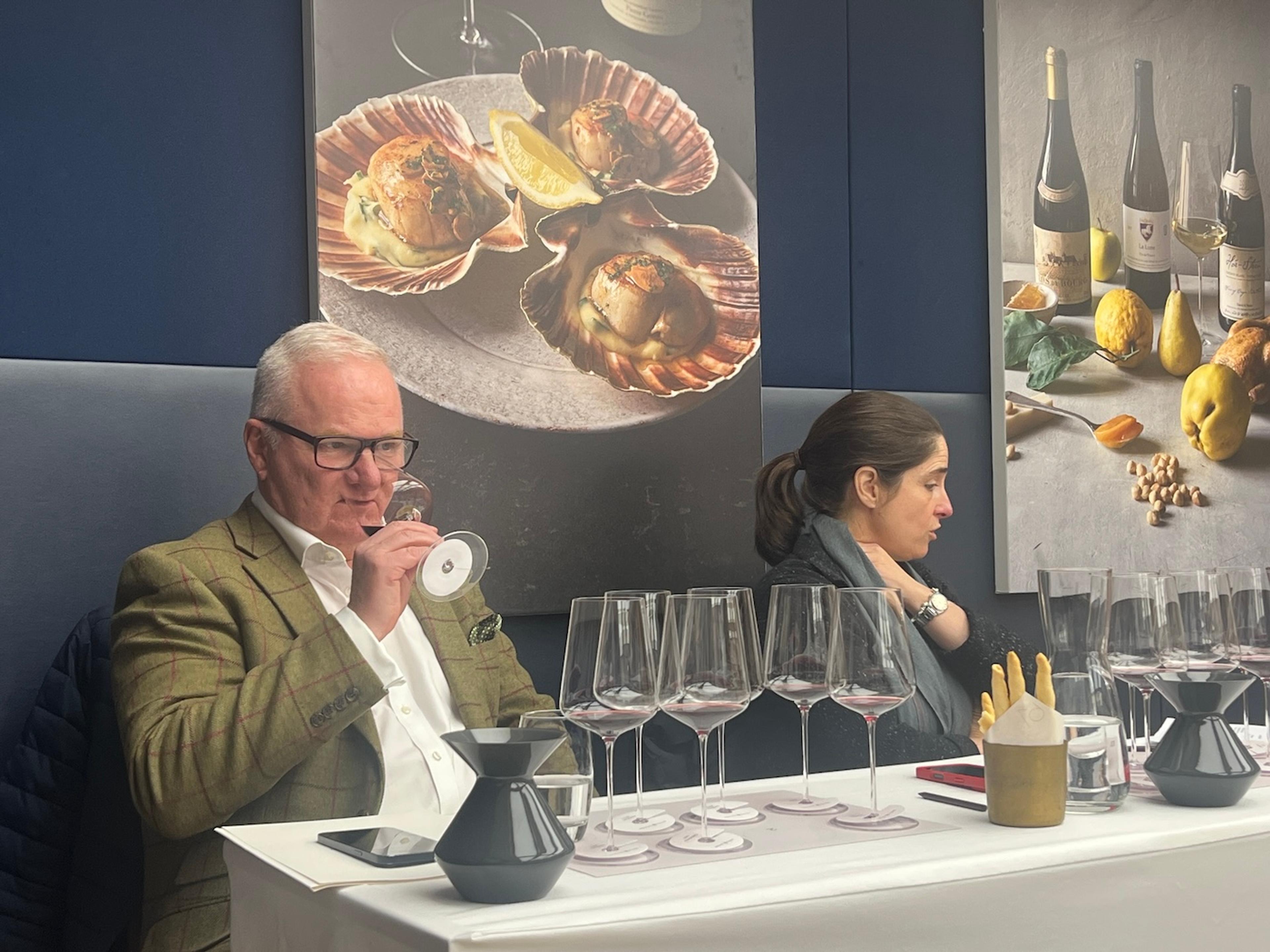
The keynote masterclass, The Lightness Revolution: Italian Reds Redefined, presented by Peter McCombie MW, set out to demonstrate that Italy has made significant strides in lighter-bodied wines even as climate change has pushed alcohol levels up.
Rosso Reimagined
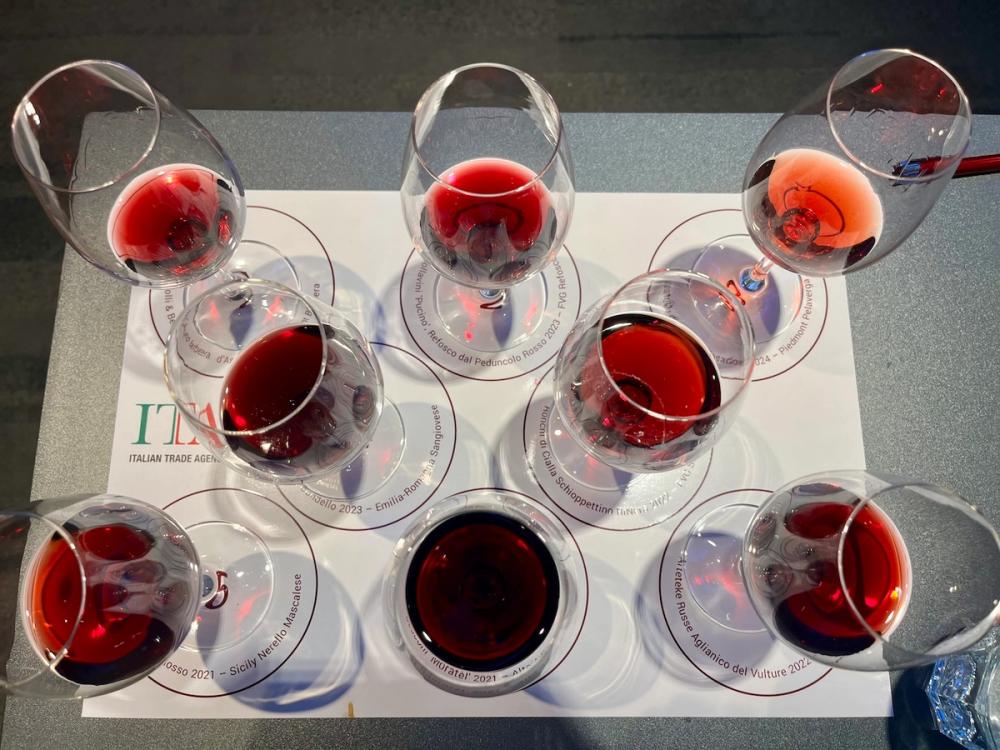
Lighter styles of Italian red wine shown at the Borsa Vini Italiani 2026 masterclass
Italy has mountains and coast in abundance, and many of its native red varieties are naturally late ripening and high in acidity – important assets for freshness in a warming climate.
In line with the rule of supply and demand, these qualities are becoming more valuable as they grow scarcer. Retaining freshness has become a priority for leading producers, influencing the nature of new plantings and helping drive a broader reappraisal of what Italy’s native varieties can contribute beyond the headline acts of Sangiovese and Nebbiolo.
In the cooler vintages of the late 20th century, the challenge in many regions was achieving full ripeness and meeting minimum DOC and DOCG alcohol levels. In warmer, more recent vintages, ripeness has been a given but the alcohol and acid balance has often been harder to manage.
Here in the UK, duty changes have given the conversation about rising ABV a hard commercial edge. Strength-based duty means alcohol is now a cost variable buyers cannot ignore. A 13.5% Primitivo at €6 ex cellar enjoys a commercial advantage of 34p per bottle in duty over a 15% neighbour at the same price.
But Italy is not making its reds lighter and fresher solely for the UK market. Public health policy, stricter enforcement of drink-driving regulations at home and shifting global attitudes to alcohol have made marketing blockbuster reds less straightforward worldwide, beyond some well-established brands.
As a result, Italy is recalibrating its image as a nation of powerful, long-aged reds, championing a new generation of wines focused on finesse rather than concentration.
The case for lightness
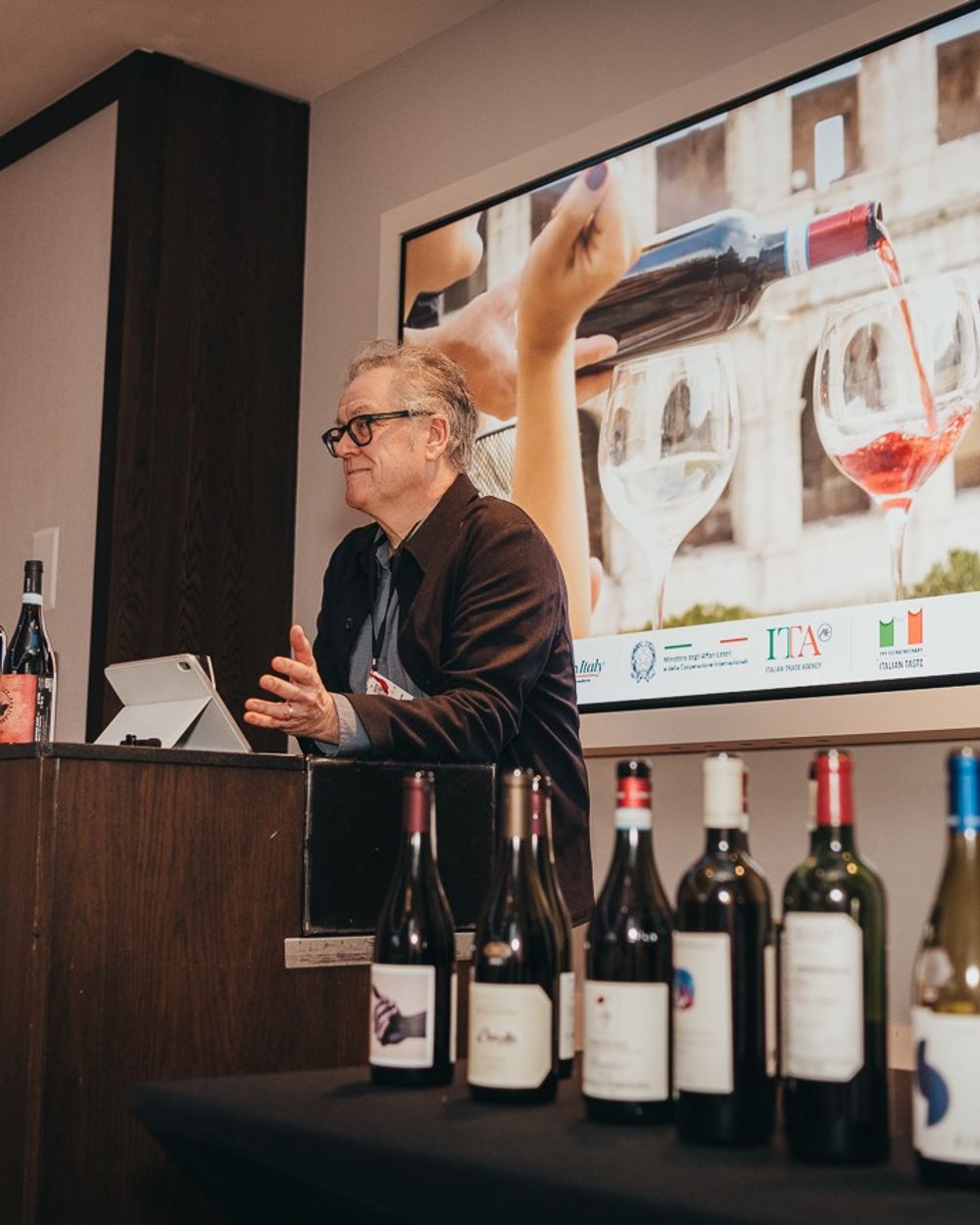
“What these wines share is not necessarily lightness, but precision,” says Peter McCombie MW
Peter McCombie MW framed this shift around four structural advantages in the masterclass.
First, native varieties. Many of Italy’s most important grapes are naturally high in acidity, structurally defined and capable of maintaining freshness in a warming climate.
Second, site diversity. Altitude, coastal exposure and diurnal range give growers options, allowing them to prioritise freshness through site selection as much as technique.
Third, modern viticulture and winemaking. Earlier picking where appropriate, more careful canopy management, gentler extraction and reduced reliance on new oak have been decisive.
Fourth, the market. Modern restaurant cooking demands reds that work with vegetables and spice, not only with meat. Lower tannins and controlled alcohols have become marks of versatility for the on-trade.
Growing confidence in native varieties, deeper understanding of vineyard expression and a desire to produce distinctive, typical wines have also driven the return to lighter – arguably more traditional – red styles that typified Italian wine until the end of the 20th century.
McCombie selected eight wines to argue the case. Folli & Benato Barbera d’Asti 2023 was a pointed opener. Barbera d’Asti has frequently been overlooked in favour of Barbera d’Alba, which carries more perceived seriousness thanks to its Barolo associations, McCombie noted. Yet Barbera from Alba often reaches 15% abv, ages in a portion of new oak and represents something quite different from the 13.5% unoaked Barbera d’Asti that McCombie selected.
That shift – from Alba-style ambition to Asti-style clarity – encapsulates a wider argument: Italy’s lighter reds are not an invention for modern markets, but a rediscovery of grapes and styles that fell out of fashion during the internationalisation of the 1980s and 1990s.
Reevaluating oak
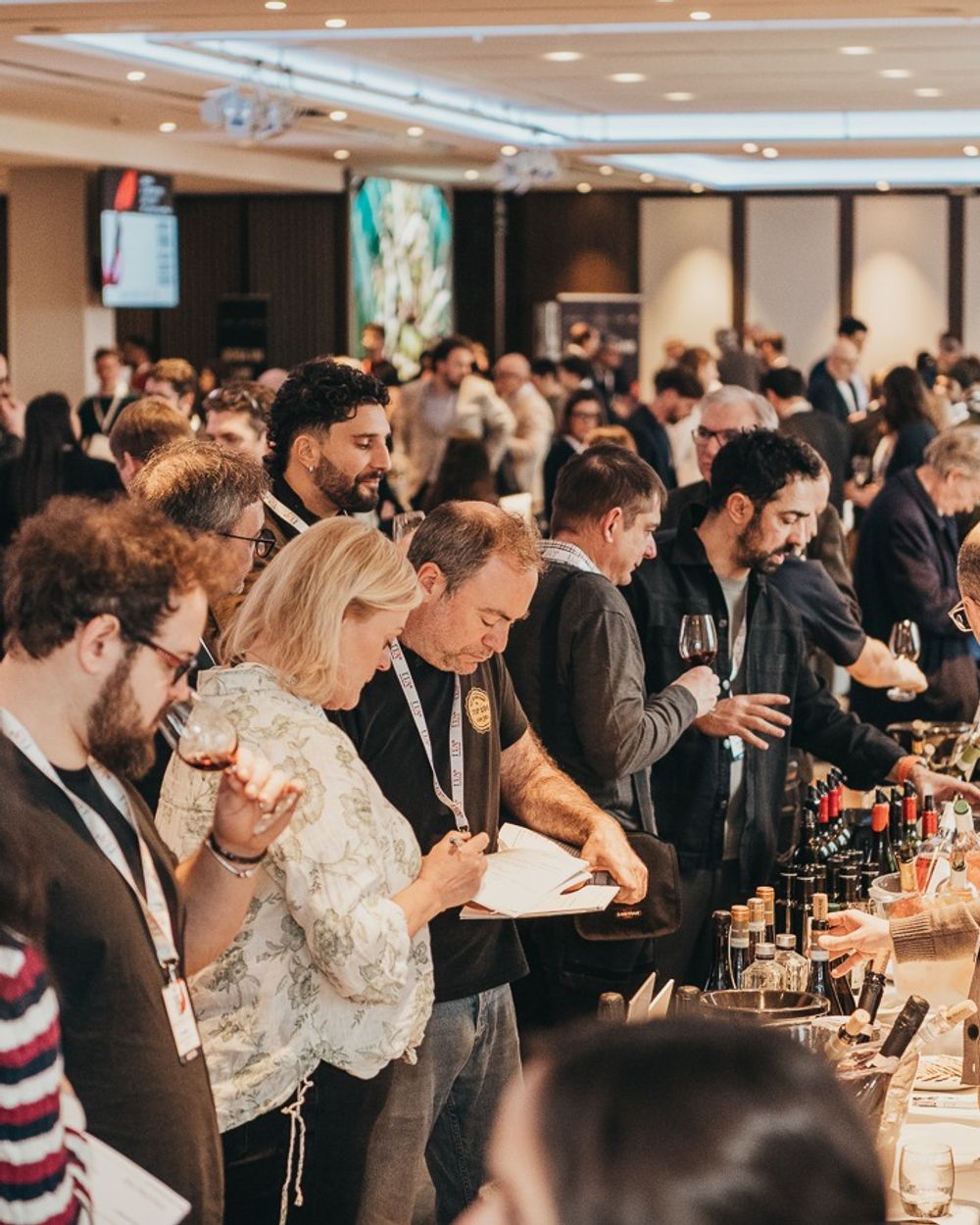
UK trade descends at Borsa Vini Italiani 2026
While alcohol offers an easy point of comparison and is often treated as an indicator of lightness, levels have generally increased over the past four decades. The more meaningful change has been the approach to oak and extraction.
Higher alcohol, milder winters and warmer cellar temperatures alter the way wine interacts chemically with oak. Ethanol acts as a solvent, increasing the extraction of compounds from the wood. At elevated alcohol levels, this process can accelerate, meaning that new oak flavours and wood tannins are drawn into the wine more quickly and more assertively. For producers without temperature-controlled wineries, the change in storage conditions, thanks to milder winters and warmer cellars, further intensifies this exchange by increasing reaction rates and oxygen ingress through the barrel staves.
For producers working with riper fruit and naturally higher alcohol levels, the risk is compounding tannin and amplifying sweetness from oak-derived aromatics. When extraction is carefully controlled, ageing periods are shortened and the proportion of new oak reduced, wines at 14% or above can feel sleeker and more defined.
In these cases, oak functions as a frame rather than a veneer, supporting fruit and acidity without layering additional wood tannins on top of those already present in the grapes.
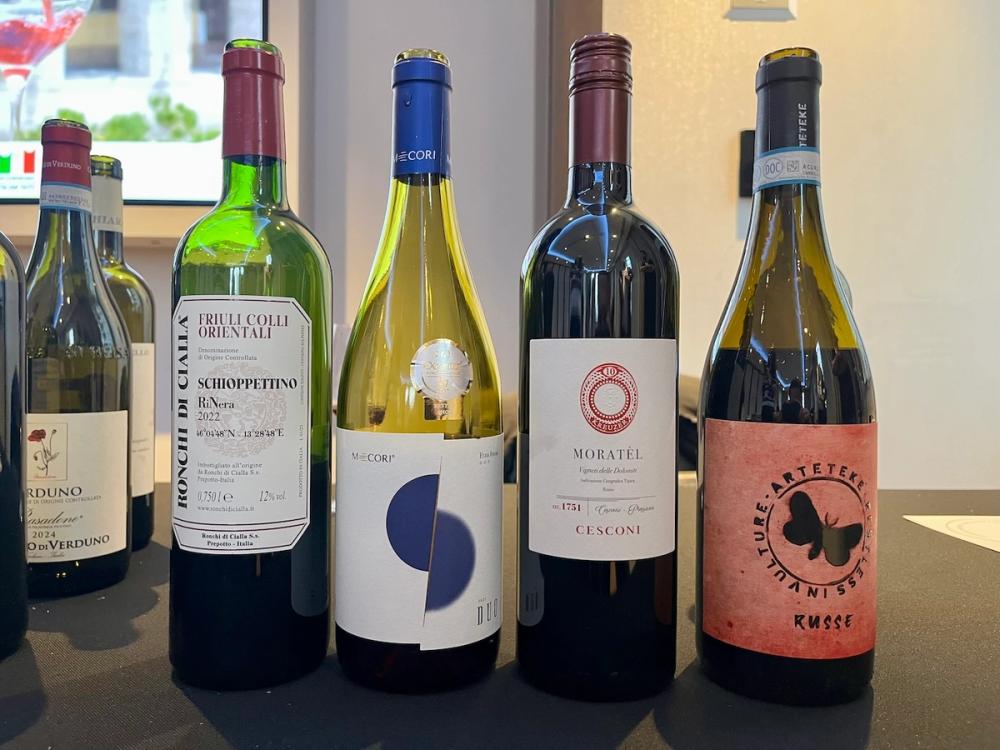
Wines that used oak, such as Chiara Condello Predappio 2023, Ronchi di Cialla Schioppettino RiNera 2022 and Cesconi Moratèl 2021 Alto Adige, did so with restraint, ensuring complexity without domination.
Most of McCombie’s selection avoided wood entirely. Mecori Duo Etna Rosso 2021 saw only stainless steel, while Arteteke’s delicious Russe Aglianico del Vulture 2022 was fermented in concrete at 14%. Not unusually low in alcohol for its region, it was the approach to oak and extraction here which retained varietal character while shedding heaviness.
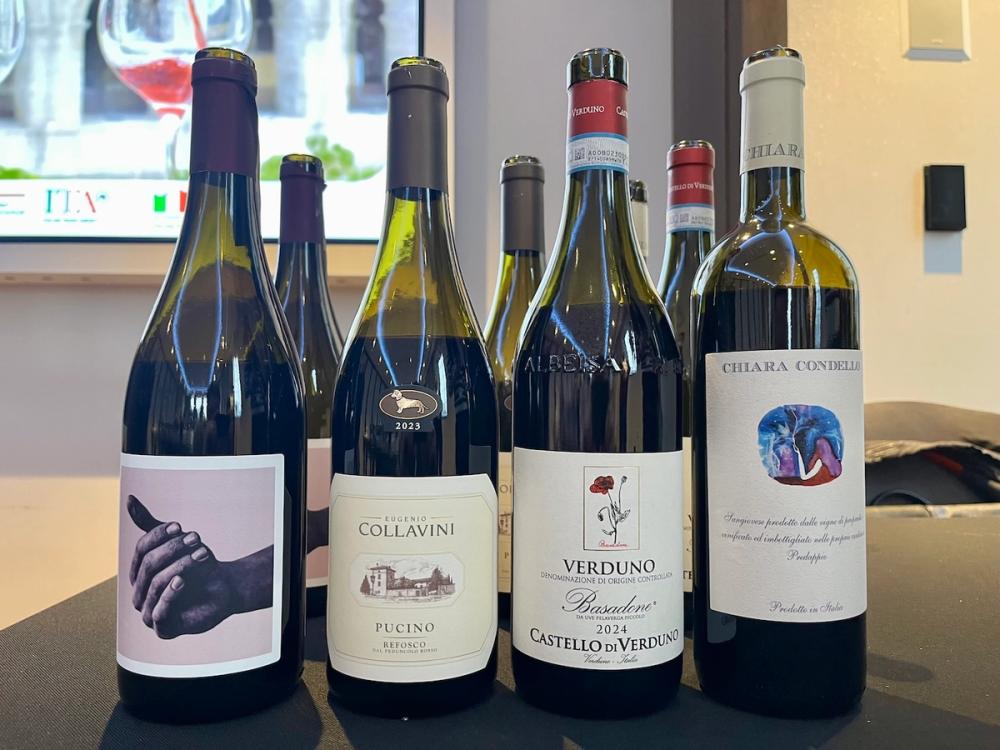
Also unoaked, Castello di Verduno’s Pelaverga Basadone 2023 and Collavini Pucino Refosco dal Peduncolo Rosso 2023 demonstrated that perfume, bitterness, peppery lift and savoury structure can deliver impact without mass. By leaning into these varieties’ natural architecture rather than masking them with oak, they taste more like themselves and less like anything else.
The trade perspective
“What these wines share is not necessarily lightness, but precision,” McCombie concluded. That was the takeaway for buyers: not lightness for its own sake, nor to fall into line with the UK’s tax regime, but a more refined approach to express the richness and diversity of Italy’s varieties and vineyards.
Italy is not abandoning power but the centre of gravity has gradually moved towards drinkability. In a crowded global market, Italy’s competitive edge will be its ability to make sure its wines taste different and unique, rather than falling into a stereotype of fine wine from another era. Precision, not power, is becoming its calling card – and that is a proposition worth taking seriously.