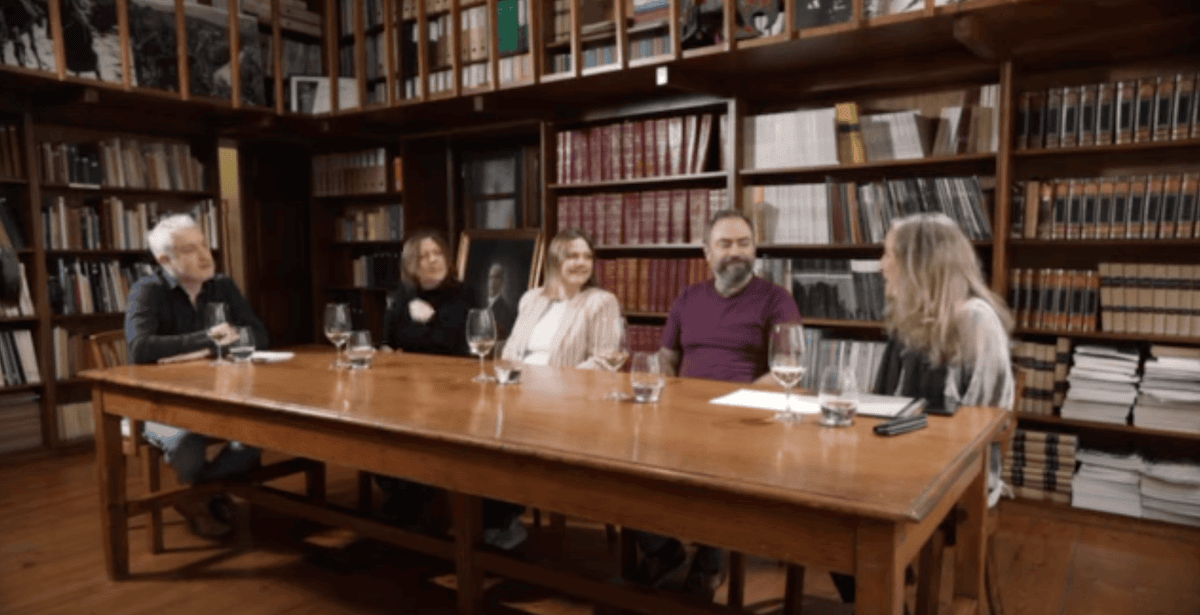
At the recent masterclass on Champagne's sustainability development that I presented for the Champagne Bureau UK, the message was clear: climate change is no longer a future risk. It is already reshaping the region, both in the vineyard and in the glass, and more profoundly than many realise. Producers are largely holding their house styles together, but the effort required to do so is growing every year.
The numbers tell the story plainly. Since 1961, temperatures have risen by 1.8°C, shifting Champagne's Huglin Index, the key measure of heat accumulation, from "fresh" to "temperate." The region now experiences what Bordeaux once did.
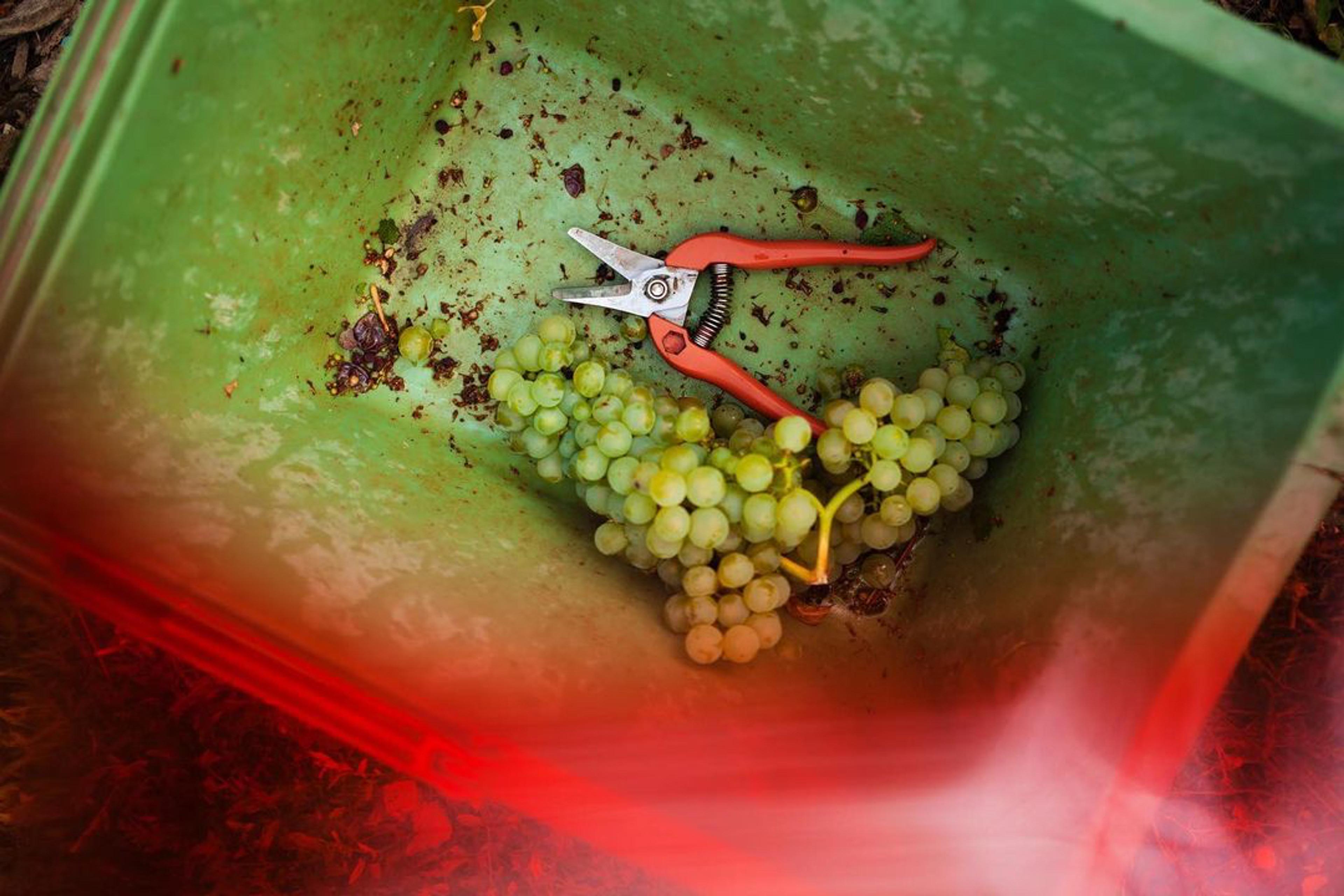
Over the past 40 years, potential alcohol has risen by around 0.8%, total acidity has dropped significantly, and harvest dates have advanced by 22 days. Champagne, long defined by lightness and delicacy, is being reshaped by warmth.
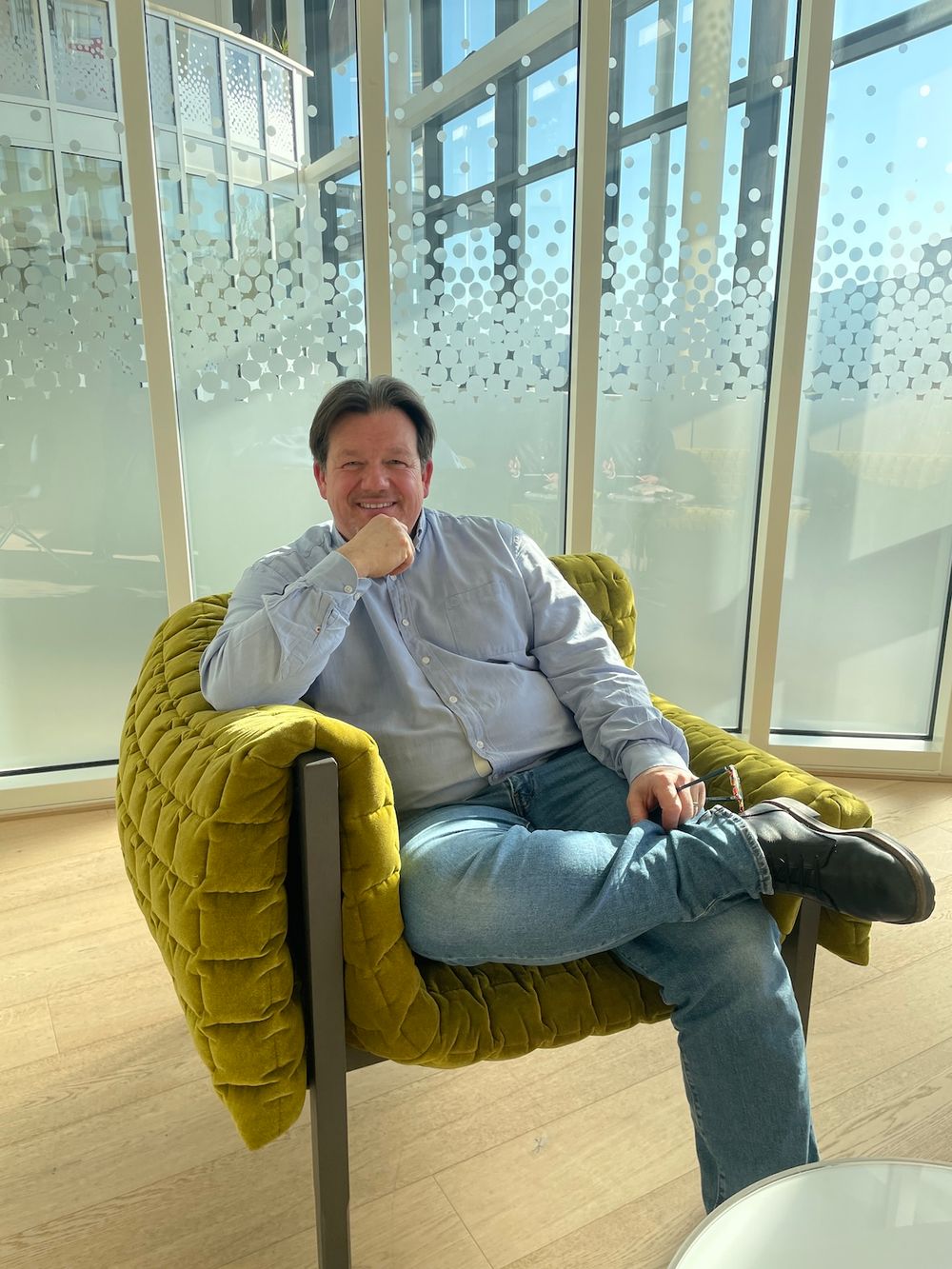
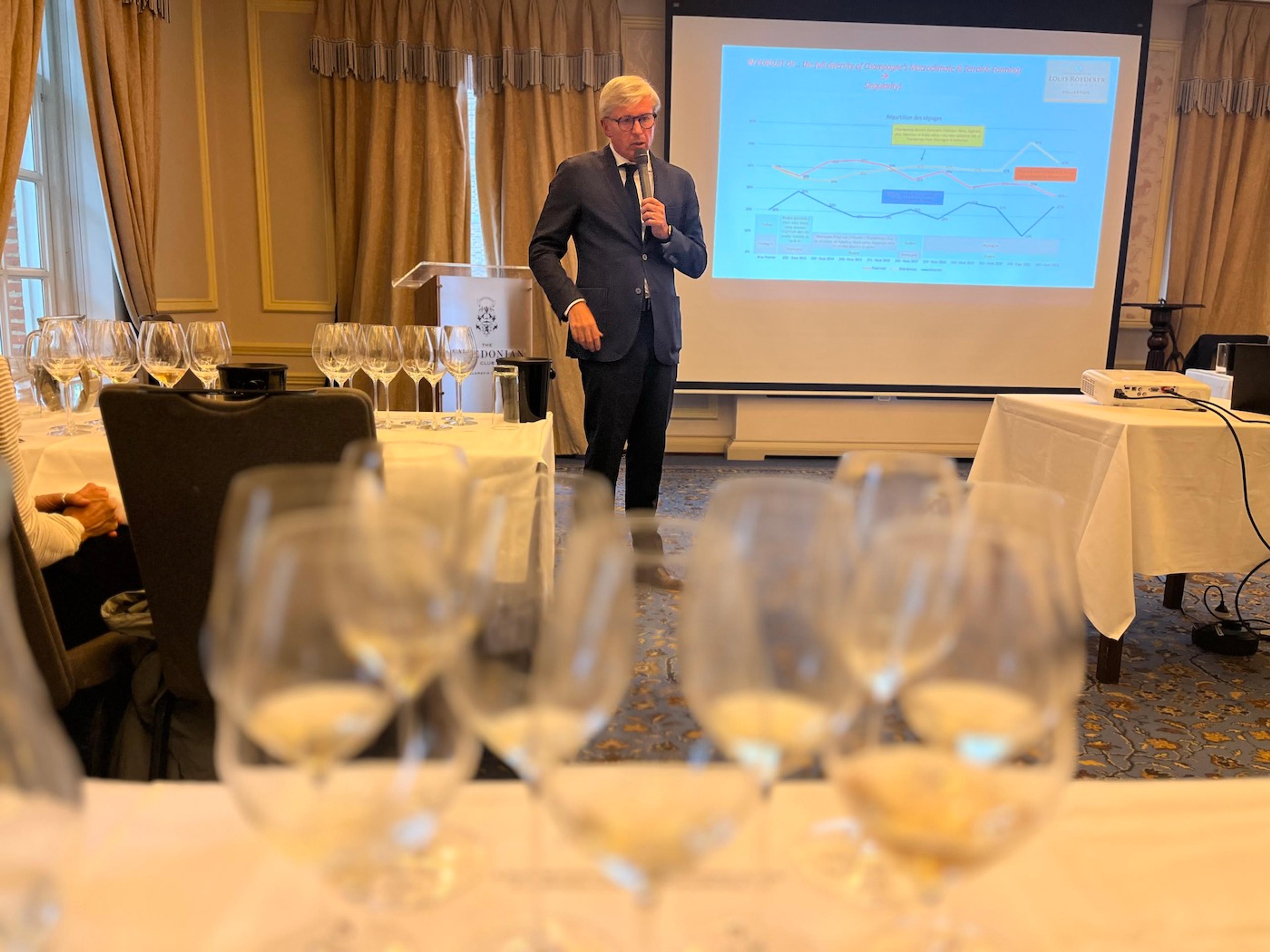
Guillaume Roffiaen, Nicolas Feuillatte's cellar master
Not all of the consequences are straightforward. Earlier budburst increases spring frost risk, while compressed ripening cycles are opening a disconnect between sugar and phenolic maturity, a gap that is proving difficult to close. As Guillaume Roffiaen, cellar master at Nicolas Feuillatte, Champagne's largest cooperative, puts it: harvesting too early to preserve acidity risks trading one problem for another, with premature picking producing unwanted green or vegetal characters in the wine.
Methods of coping
What gives Champagne an advantage that most regions lack is its collective structure. Operating as a single AOC, growers and houses work collectively under the Comité Champagne (CIVC), sharing a framework that enables coordinated, long-term adaptation rather than the fragmented responses seen elsewhere.
Central to this is the reserve wine mechanism, established in 1938, which requires producers to hold back a portion of production in good years. As Pierre Naviaux, Head of Sustainability Development at the CIVC, explains, this system in fact functions as a climate buffer, reducing the need for reactive, carbon-intensive interventions when difficult vintages arrive.
Champagne's unique terroir also helps. Chalk soils cover around 75% of the region. Acting as a natural hydraulic system, they absorb winter rainfall and release it slowly through dry summers, an advantage that is increasingly valuable.
The CIVC's longer-term response reaches into the vineyard itself. Research into clones, rootstocks, and new varieties is underway, with high-acid heritage grapes such as Arbane and Petit Meslier under active exploration alongside disease-resistant hybrids including Voltis, Serelis, and Orellis.
The Qanopée bioclimatic nursery, developed jointly with Burgundy and Beaujolais, produces virus-free planting material and acts as a barrier against flavescence dorée, a vine disease spreading faster as temperatures rise in Champagne.
Other vineyard practices, such as wider row spacing, were introduced in 2023. Taller canopies, cover crops, and regenerative techniques are increasingly adopted by producers to preserve acidity and soil health.
The region has been ahead of the curve on carbon footprint. Champagne was the first wine appellation in the world to measure the impact, in 2003. By 2025, it had cut emissions by 25%, halved phytosanitary inputs, and recycled more than 90% of industrial waste.
Reducing bottle weight is the key focus now, down from 900g to 835g over the past decade, with an 800g target under trial. Packaging accounts for roughly 35% of total emissions, making this anything but a cosmetic exercise. The goal is net zero by 2050.
A changing style of Champagne
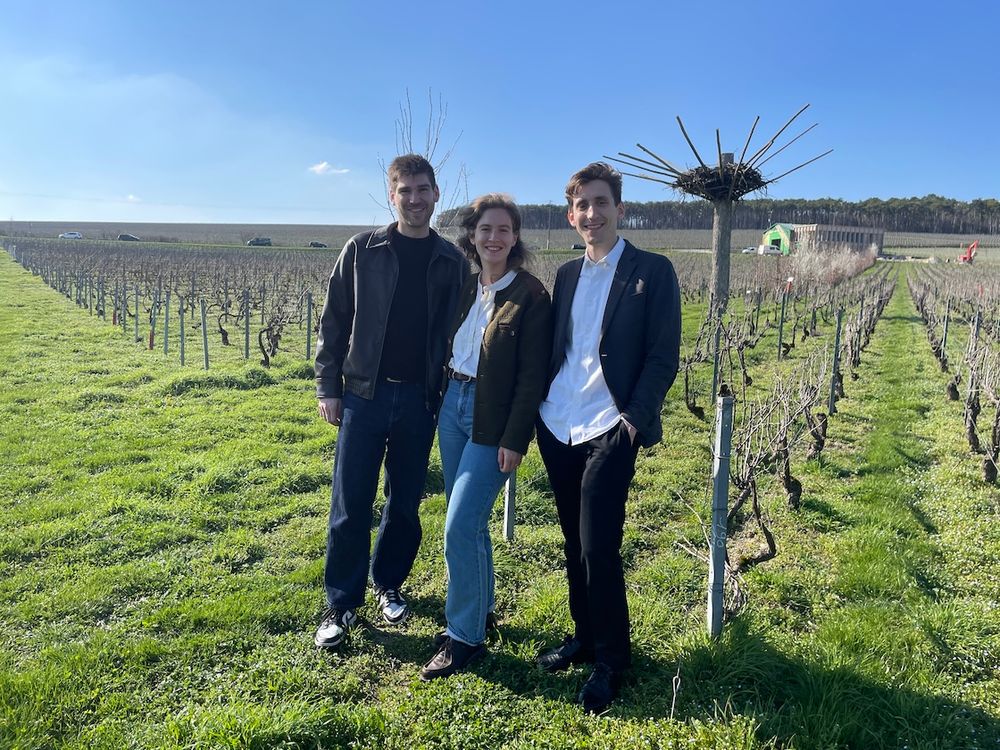
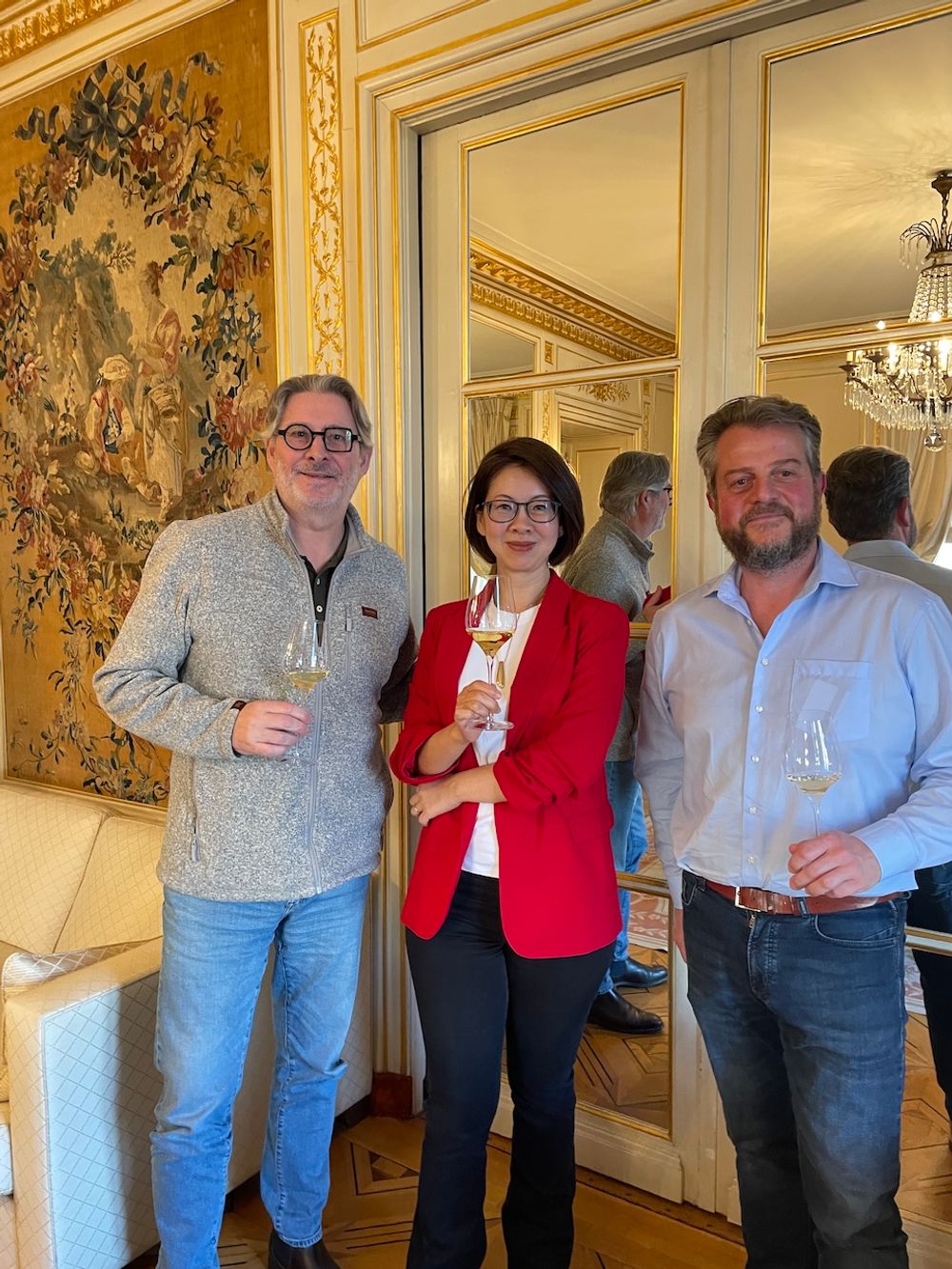
Ruinart's winemaker, Diane de Chevron Villette (M) and the PR team Sylvain Hertwig (L) and global PR Adrien Franceschi (R)
What is changing in the glass, though, perhaps matters most to the trade. Drawing on producer interviews conducted for the masterclass, a consistent pattern emerges: rising temperatures are pushing sugar levels and alcohol higher, while acidity is declining. The result is a gradual shift away from the tension-driven, linear style that has long defined Champagne, towards broader, more fruit-forward profiles.
Ruinart, the oldest Champagne house, is among those feeling the shift most acutely. Winemaker Diane de Chevron Villette notes that the house's traditional aromatic signature of citrus and white flowers is giving way to peach, mango, and pineapple, a ripeness that now develops naturally rather than being engineered. Black grapes are arriving in the cellar more deeply coloured, charged with anthocyanins, meaning the house now requires less red wine to achieve the desired hue in its rosé blends.
In the cellar, dosage has been halved since 2007, now sitting at around 6–7g/L for the Brut. Blanc Singulier Edition 19 takes that logic further still, a zero-dosage cuvée designed to let an atypical vintage like 2019 speak for itself, supported by a perpetual reserve dating from 2017 and making up 23% of the blend, adding complexity and continuity across climate-impacted vintages.
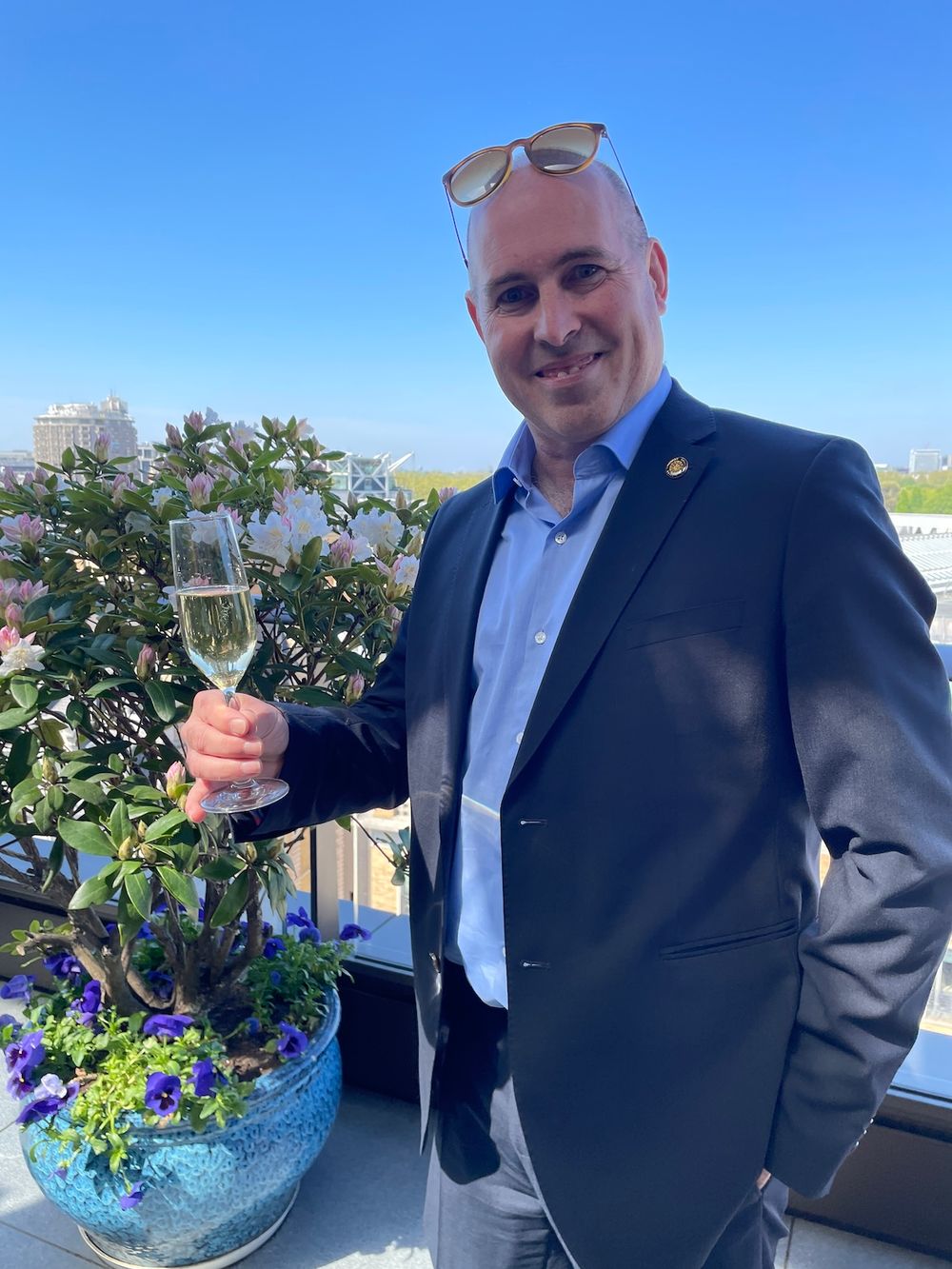
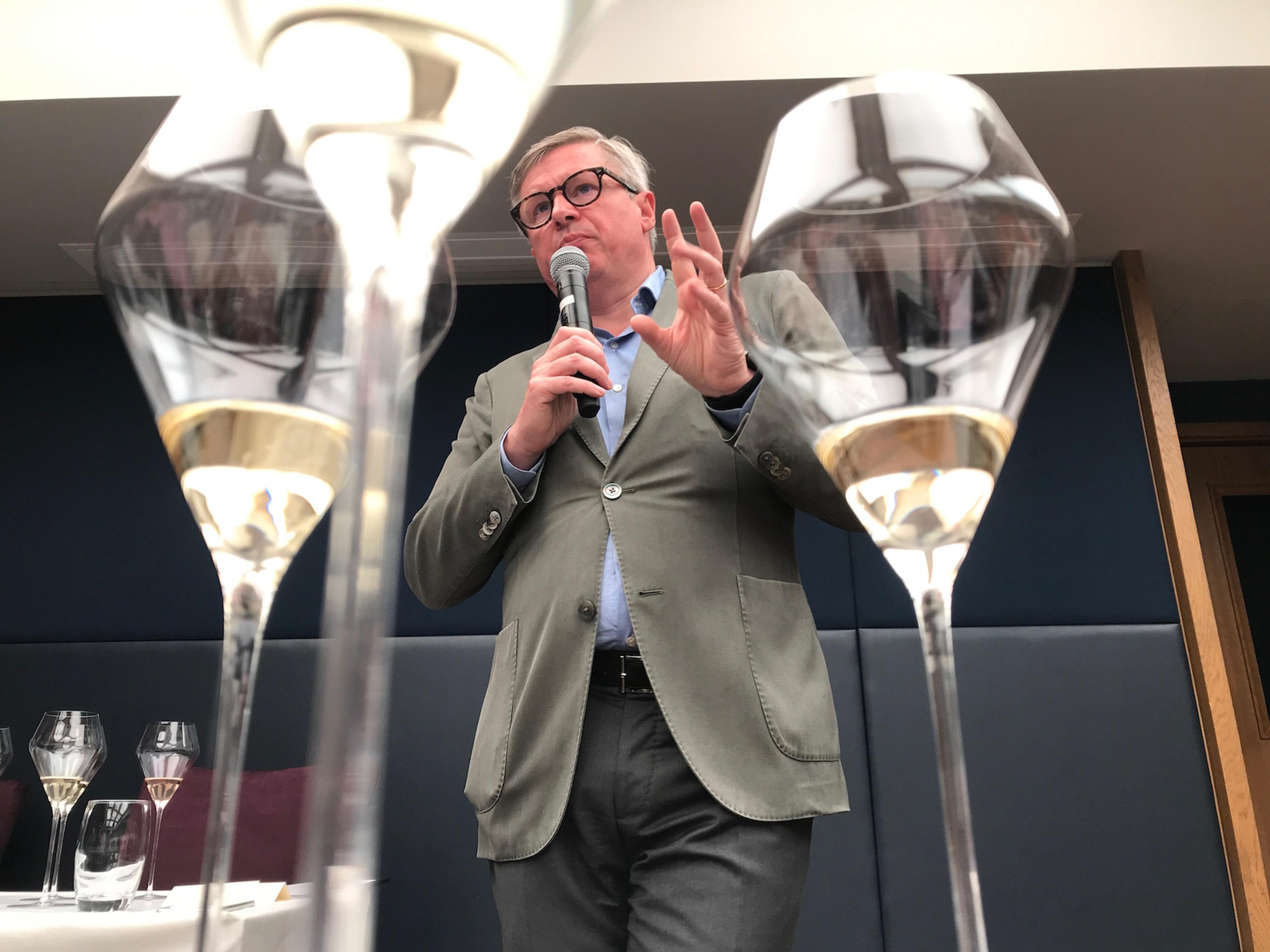
Cédric Jacopin, cellar master at De Saint-Gall
Cédric Jacopin, cellar master at De Saint-Gall, is managing this shift carefully. Where Chardonnay once reached harvest maturity at 9° or 10° of potential alcohol, the growers in this cooperative now routinely wait until 11°, not chasing ripeness for its own sake, but because that extra degree is what delivers proper fruit balance in a warmer growing season. To hold on to freshness, Jacopin blocks malolactic fermentation in a portion of his blend, typically between 10% and 30%, depending on the vintage.
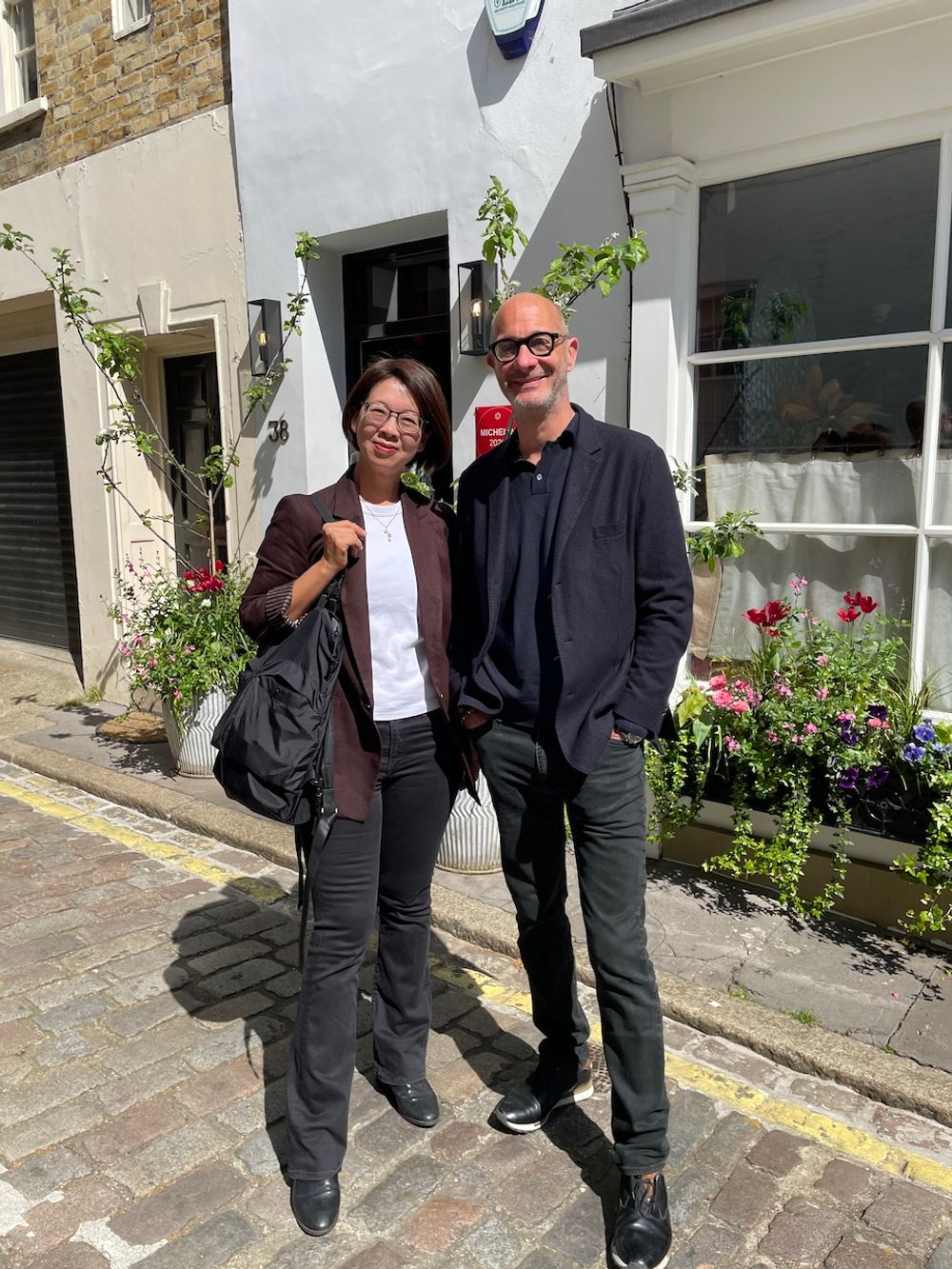
Veuve Clicquot's cellar master Didier Mariotti with Leona De Pasquale
At Veuve Clicquot, cellar master Didier Mariotti is actively managing the 'bitterness' flavour profile, not as something negative, but as a structural signature of the house's prestige cuvées. As phenolic maturity increases with warming temperatures, Mariotti observes that bitterness is becoming a more prominent feature of modern Champagne, particularly in Pinot Noir from the north-facing slopes of the Montagne de Reims.
Unlike acidity, which is perceived at the front of the palate, bitterness holds the finish, keeping the wine present long after it has been swallowed. Mariotti manages it precisely: dosage provides the immediate counterbalance, while extended ageing allows the wine's own texture to absorb it naturally over time. The result, in La Grande Dame, is a wine built for the long term: structured, serious, and complex.
In the newly launched La Grande Dame Rosé 2018, that bitterness is already embedded in the white base, which makes up 86% of the blend. The red wine, drawn from the Clos Colin plot in Bouzy and made through long cold maceration to limit tannin extraction, is chosen purely for colour and fruit, adding texture without amplifying the bitterness the white blend already carries.
Moët & Chandon's cellar master Benoît Gouez (L), estate vineyard manager Reynald Loiseau (R) and Leona De Pasquale
At Moët & Chandon, cellar master Benoît Gouez describes climate change as having fundamentally altered Champagne's balance since the late 1980s. Fruit intensity now dominates over autolytic complexity in hotter vintages, reshaping ageing dynamics and how these wines are positioned.
The house's response begins in the vineyard, with the Essentia Conservatory preserving over 1,500 individual vine selections from pre-1970s plantings, identifying clones naturally resilient to heat and hydric stress. In the cellar, systematic malolactic fermentation and adapted yeast strains maintain texture and equilibrium in warmer vintages.
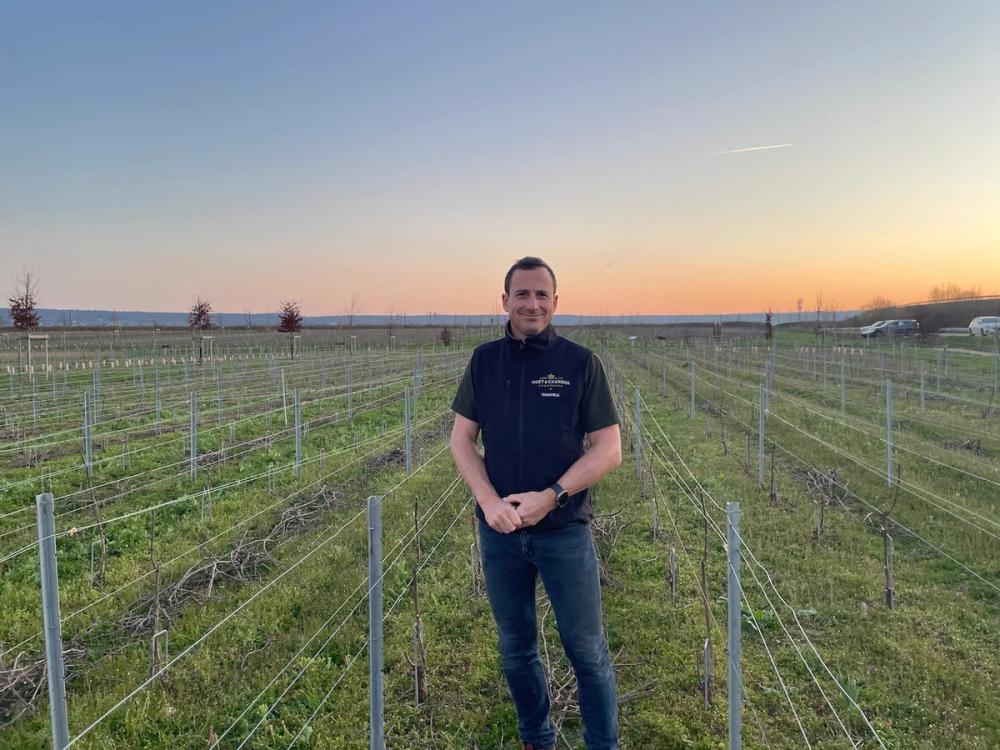
Jean-Philippe David, technical manager at Moët & Chandon's Essentia Conservertory
The lessons, Gouez acknowledges, were hard won. The 2003 vintage, the first August harvest since 1822, arrived as what he describes as a "big hit", a heatwave year that pushed the house into entirely uncharted territory.
Rather than overprotect the juices, which were browning rapidly and beginning to ferment in the press centres, the team made a counterintuitive call: lower protection and allow the musts to oxidise slightly early, stabilising them through controlled exposure rather than intervention. The resulting wine, blended without acidification, with full malolactic fermentation across 42% Meunier, 29% Pinot Noir, and 29% Chardonnay, was not classic by any measure. But disgorged in 2017, it had evolved wonderfully, proving that freshness and acidity, in an extreme vintage, can be two very different things. It became, Gouez says, the house's template for managing what he calls "global warming harvests", knowledge later applied to many warmer years including 2015.
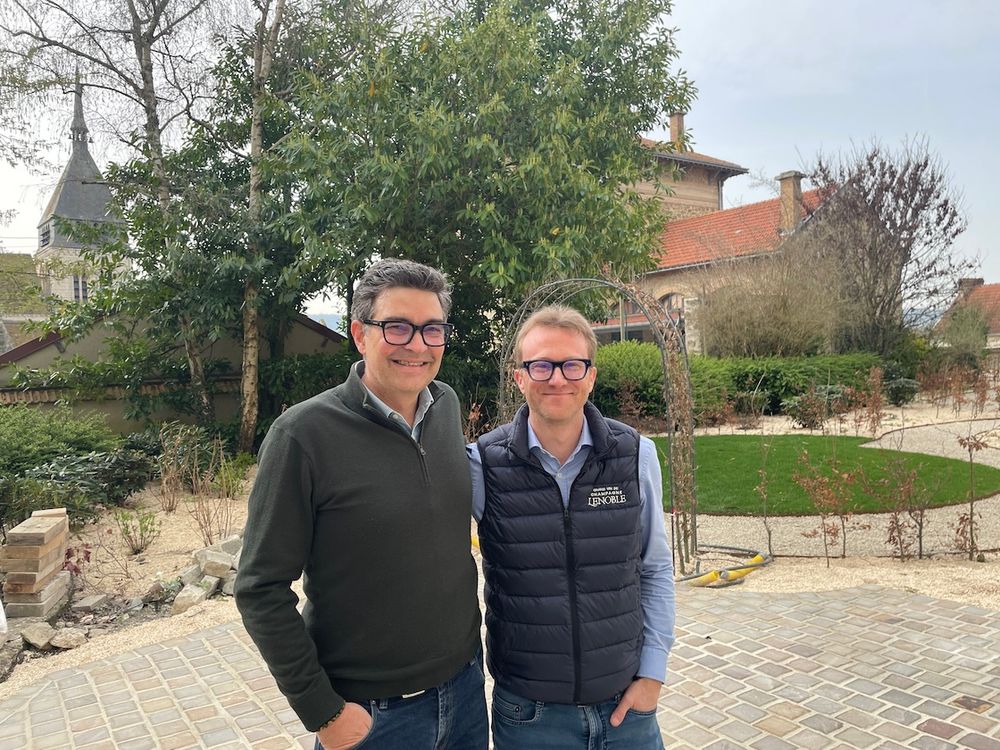
Guillaume Truchot, CEO of Champagne Lenoble and cellar master Julien Lardy (R)
Champagne Lenoble's chef de caves Julien Lardy takes a more surgical approach, with innovation running through every stage of the process. To manage rising alcohol levels, Lardy keeps individual reserve wines at lower natural maturities, around 9.5% to 10%, blending them with riper base wines of 11% or more to restore tension and balance in the final blend.
Perhaps most distinctive is Lenoble's reserve programme: wines are kept in magnums under slight pressure of 1.5 bars, where the internal CO2 acts as a natural shield against oxidation, protecting aromatic complexity for at least five years without the need for additives or heavy intervention. Bottling has also been pushed back from March or April to June or July, giving the wine nine months after harvest to develop before secondary fermentation begins. It is a radical approach, using time, pressure, and precision in place of correction.
In conclusion
Champagne's stylistic landscape is changing. Houses are now taking meaningfully different paths, and understanding those directions is becoming as commercially relevant as knowing the appellation itself.
But Champagne is not in crisis. It is in transition. The task for the trade is to help consumers understand that the Champagne in their glass today may be different; and all the better for it. It is simply the next chapter of one of wine's greatest stories.