The wine industry often prides itself on being progressive, creative and people-focused. But when it comes to neurodiversity, many workplaces are still built on narrow definitions of professionalism, productivity and communication.
For this article, I spoke to a wine professional working in operations and supply chain, who was diagnosed with ADHD later in life. Their experience highlights both the unique strengths neurodivergent people bring to wine, and the systemic barriers that still exist in many companies.
Emma Hodges says much more needs to be done in the wine and drinks industry to better understand the needs of employees with ADHD and neurodivergent condtions
Their story is not about individual conflict. It is about culture, structures, and what happens when inclusion is treated as compliance rather than care.
“I was diagnosed late. Suddenly everything made sense. I was diagnosed with ADHD as an adult. A late diagnosis explains so much of my life, the burnout, the anxiety, the feeling that I was always working twice as hard just to keep up. For a long time, I thought I was the problem. Now I understand my brain just works differently.”
The interviewee currently works in operations and supply chain, processing orders and providing sales support.
“I work behind the scenes, processing orders, managing logistics, and supporting sales. It’s not the glamorous side of wine, but it’s essential. Without operations, nothing moves.”
What drew them to wine in the first place was sensory.
“I was drawn to wine because I like to know the story of the bottle, the producer philosophy and wanted to learn more about it, I find the winemaking process fascinating. There is a social aspect to it, sharing the wine and really appreciating it with all the elements.”
“I have an enhanced sense of smell and taste. That’s actually quite common with neurodivergent people. It’s a real advantage in tasting. I’m very curious, very geeky about wine.I love learning about producers, regions, styles, I can hyperfocus for hours. I love working at wine events, talking to people about bottles, and making connections. That’s where I feel most alive in this industry. The irony is: I’m working in the part of wine I don’t really like, even though I’m good at it.”
Strengths that rarely get recognised
ADHD is often framed as a deficit. But in practice, it can bring powerful skills.
“I’m very analytical. I can spot patterns, anomalies, inefficiencies. When there’s an issue with shipments, I can immediately think of three different solutions. My thinking is non-linear. I connect things quickly. I’m creative with problem-solving. That’s actually a huge asset in operations – but it’s rarely acknowledged as such. I need clarity. Without it, everything becomes harder.”
Where they struggle is not ability, it’s environment.
“I need very clear communication. Clear instructions. Clear boundaries. I need to know what my responsibilities are and where they end. Without that structure, everything becomes harder. I don’t know what I’m accountable for, I second-guess myself, I get anxious."
Hard to communicate

“Rude or abrupt emails are incredibly hard for me. ADHD comes with something called Rejection Sensitivity Dysphoria. Passive-aggressive communication can completely dysregulate me emotionally. Once that happens, I can’t just ‘get on with my day’. I need all my energy just to get back to baseline. By the end of the day, I’m exhausted. Then there is sensory overload.
“Open-plan offices are brutal. Noise, people walking around, lights, temperature, heavy typers shaking desks – my brain goes into overload. Managing overstimulation depletes all my energy. And people don’t see that part. They just see someone who looks ‘fine’
Boredom, burnout and task paralysis
One of the least understood aspects of ADHD is boredom.
“Repetitive tasks are the worst. If I’m not learning, not growing, not stimulated, I lose motivation. Then I start making mistakes, and my performance drops. It’s not laziness. It’s neurological. ADHD brains need novelty and challenge.”
There is also task paralysis.
“Big projects are terrifying. Even when I want to do them, my brain freezes. Where do I start? It feels impossible.”
And on top of everything: insomnia.
“I’m often exhausted but expected to perform like nothing happened.”
What’s rarely discussed is how neurodivergent people even enter the wine industry in the first place.
“Recruitment isn’t neutral or ad-hoc. Neurodivergent people tend to end up in very specific roles: operations, admin, logistics, data, compliance, because those are the jobs we can initially perform very well. They’re structured, process-driven, and don’t rely as heavily on constant social performance.”
But that early success can become a trap.
“Once you’re seen as ‘the operations person’, it’s incredibly hard to move. Most roles in wine are designed around neurotypical behaviours: networking, small talk, constant meetings, self-promotion, unspoken rules. If you don’t naturally fit that, you’re filtered out before you even start.”
This creates a catch-22.
"We’re good enough to keep the industry running behind the scenes, but not ‘the right type’ to progress into other roles. So we stay stuck, not because we lack talent or ambition, but because the system isn’t built for how our brains work.”
Disclosure without real inclusion
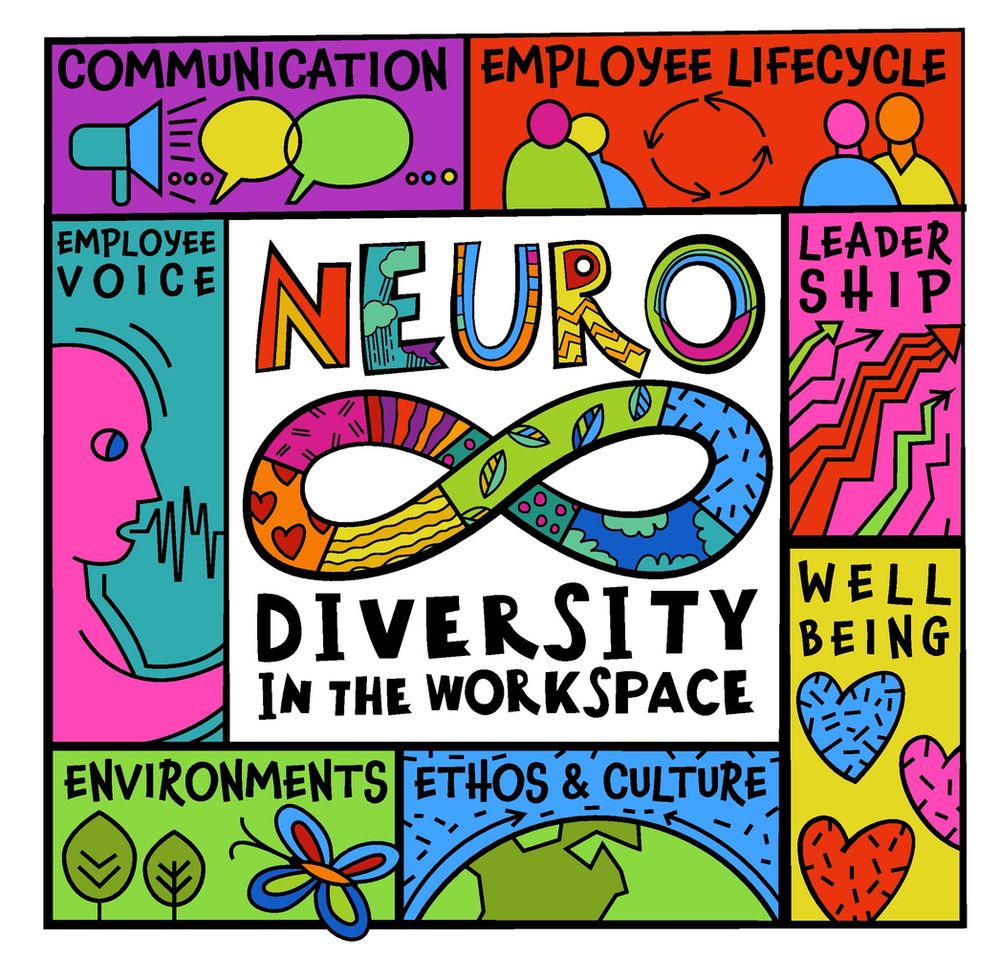
The interviewee formally disclosed their ADHD at work.
“I had occupational health assessments. I requested adjustments. I created a neurodivergent passport for colleagues. Everything was documented.”
But documentation is not the same as culture.
“Some adjustments exist on paper. Some are partially followed. But there’s no company-wide awareness. No training. No inclusive language. Most people don’t understand ADHD as a disability. That creates barriers every single day.”
Some of the most damaging moments came from misunderstanding.
“I was once told by a colleague: ‘You use your ADHD to get your way.’ I cried. It was devastating.When I talk through my thoughts out loud, it’s not because I can’t solve problems – it’s how I organise my brain. But management sees that as me needing help, when actually I’m often faster than anyone else at finding solutions.”
Other needs are seen as inconvenient.
“I asked not to be interrupted physically when I’m hyper focused – no touching my shoulder, no waving hands in my face. That can completely dysregulate me. I’ve been told I push back too much when I say something isn’t my responsibility. But for someone in constant fight-or-flight, structure is essential.”
Burnout, fear and mental health
The cost of all this is high.
“I’ve had multiple burnouts. I felt depressed, useless, with suicidal thoughts. I felt completely alone. It destroyed my confidence. I’m now scared to try new things. I’m tired of constantly facing barriers. I don’t enjoy my current situation, but I’m also scared to leave.”
When raising accessibility issues, the response felt minimal.
“Many companies do the bare minimum. I had to fight to get noise-cancelling headphones replaced. The focus was that I was physically in the office – not my wellbeing.”
Training was dismissed.
“Wider awareness can be rejected due to ‘lack of funds’, even though there are free resources everywhere. Advocating constantly is exhausting. It makes you feel like a burden. Like you’re the problem.”
Is wine culture itself part of the problem?
“Yes. Mainstream wine culture is very standardised. Everything fits in a box. Even qualifications like WSET are not inclusive. Sitting three-hour exams is torture for ADHD brains. Extra time doesn’t fix everything.”
Many succeed, but at what cost?
“A lot of people in wine are neurodivergent. They succeed, but they burn out, mask, suffer quietly. The industry benefits from their brains, but doesn’t adapt for them.”
There are exceptions.
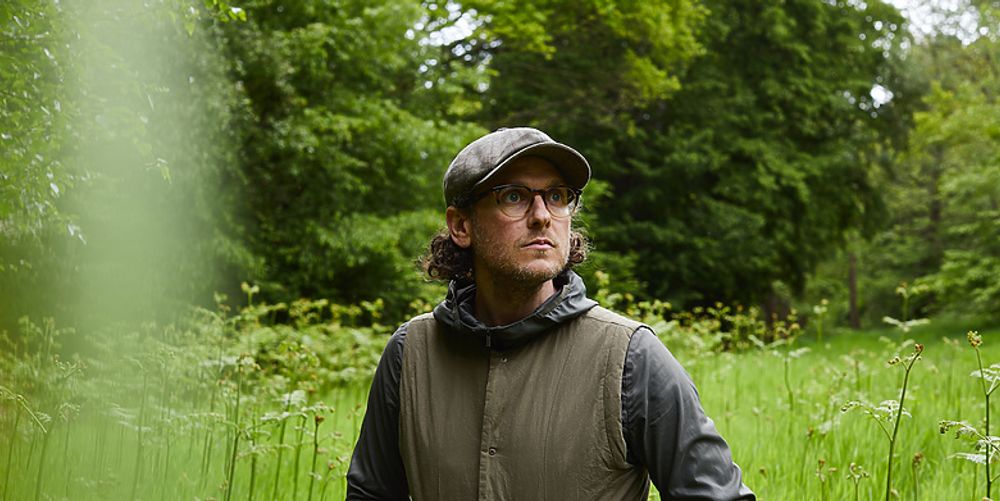
Ben Branson, founder of Seedlip, has looked to be a role model for those with ADHD and autism
“I met Ben Branson (ADHD and autistic entrepreneur and founder of Seedlip) and learned how his company works. It gave me hope, and sadness. Because it showed what’s possible. He’s neurodivergent, so he understands. He builds work around people, not people around systems.”
For the interviewee, the difference was not performative policies, but psychological safety.
“First of all, he understands what it actually means to be neurodivergent, both the strengths and the challenges. There’s an acceptance that mental capacity fluctuates. You can say: ‘I don’t have the mental space for this right now, can we regroup tomorrow?’ without being judged or penalised.”
Work is organised around energy, not constant output.
“It’s okay to have days where you do a lot, and other days where you do less. That flexibility acknowledges the inconsistency of energy levels that many neurodivergent people experience. Instead of forcing productivity, the environment adapts to it.”
Crucially, inclusion is relational, not just structural.
“There’s an encouragement of curiosity towards one another, learning how different people think, communicate and process information. That creates understanding, and ultimately, better collaboration. People aren’t expected to mask or conform. They’re expected to be human.”
What an inclusive wine company would actually look like
For this interviewee, real inclusion is practical, not performative.
“A genuinely inclusive company is flexible. People are respected, not treated as disposable resources. Communication is respectful. No mansplaining. No patronising tones. No throwing people under the bus.”
Inclusion also means rethinking development.
“Training formats should change. Evaluation should change. Career paths should adapt. Diversity should be seen as a strength, not a weakness. Leadership should include more diverse people. That’s how culture actually changes.
“In practical terms, support doesn’t have to be complicated or expensive. Small things make a massive difference: flexible working, quiet spaces, clear written instructions, predictable schedules, realistic workloads, and managers trained in neurodiversity. Not as a tick-box exercise, but real understanding.
“Career development shouldn’t be based on who networks best or talks the loudest. It should be based on skills, creativity, problem-solving and impact. Otherwise, neurodivergent people are systematically excluded from leadership.”
A message to neurodivergent people entering wine
“Don’t doubt yourself. You can succeed. But learn who you are first. Know your strengths, your struggles, what you need to thrive, find neurodivergent communities. Build a support network. You shouldn’t have to do this alone.”
A message to brands who think they’re “doing enough”.
“Look at your leadership. Are there any neurodivergent people there? If not, you probably don’t understand neurodivergent needs. And if you’re not willing to listen, you never will.”
The final message is simple and powerful.
“Being neurodivergent is not an excuse. If you think we don’t struggle, it’s because we’re masking. Inside, it’s an eternal battle. We need to work differently. That’s it. Working against our brains will never get the best out of us. Understanding that isn’t kindness. It’s just good business.”
This story is not unique. It reflects a wider pattern in the wine industry: neurodivergent people bring creativity, sensory skill, systems thinking and deep passion, yet are often placed into narrow roles, expected to adapt endlessly, and quietly burn out.
The problem is not individual resilience. It is a structural design. Until recruitment, training and leadership models move beyond neurotypical norms, the industry will continue to benefit from neurodivergent labour while failing to offer genuine belonging in return.