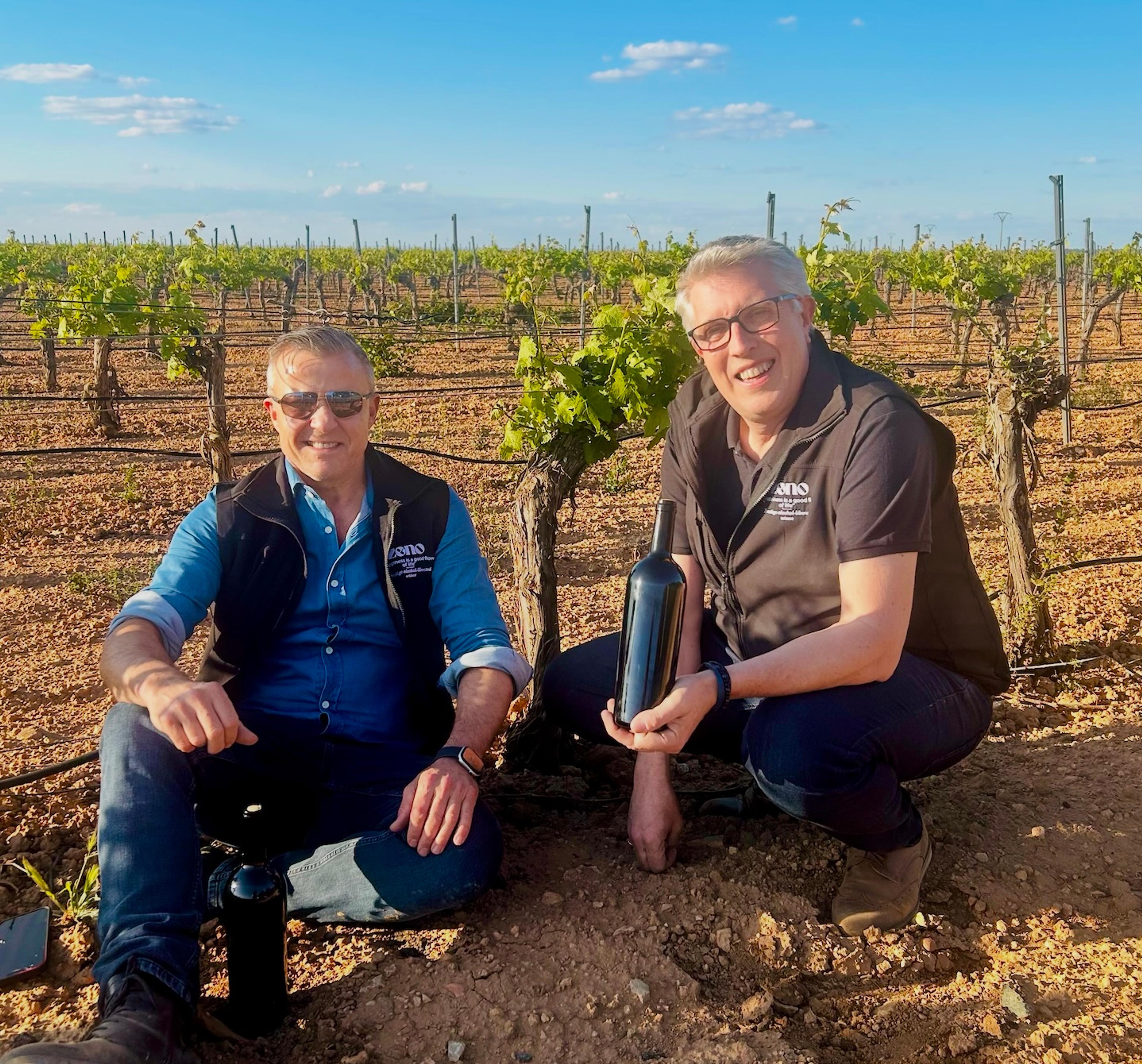

Over the last few years, people’s attitudes to drinking have changed quite significantly and I'm not sure the wine trade is paying close enough attention.
Recent YouGov Profiles data showed that a third of British adults who drink (33%) say they are drinking less alcohol than 12 months ago. Among those that have cut back, the leading reason isn’t affordability (33%) or health concerns (29%) - it’s simpler than that. Over half (51%) just want to drink less.
That distinction matters because preference is a far more durable driver of behaviour than a health kick or squeezed budget. Consumers aren’t giving up alcohol. They are choosing not to drink some of the time, because they would rather not. And that choice deserves to be taken as seriously as any other consumer preference the trade caters to.
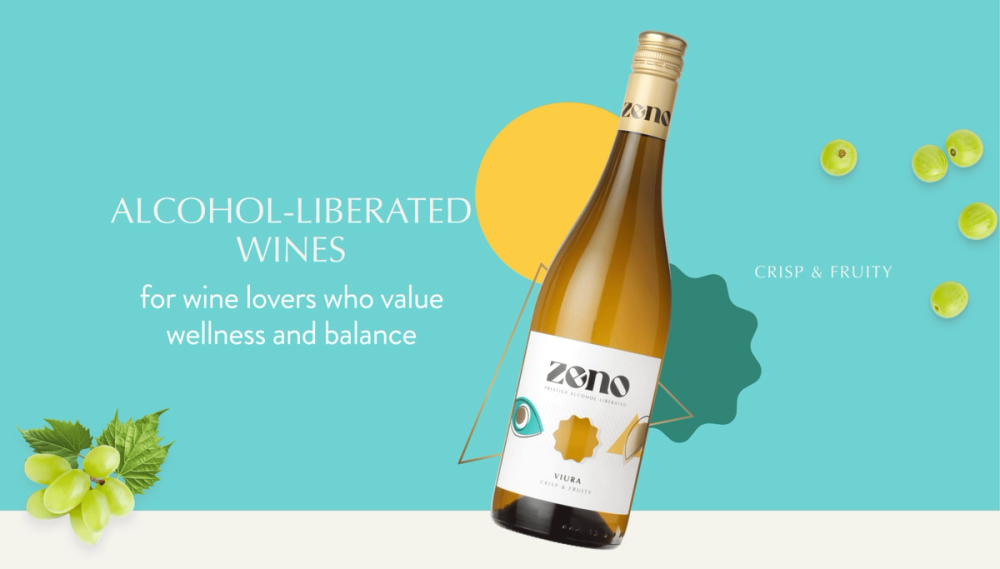
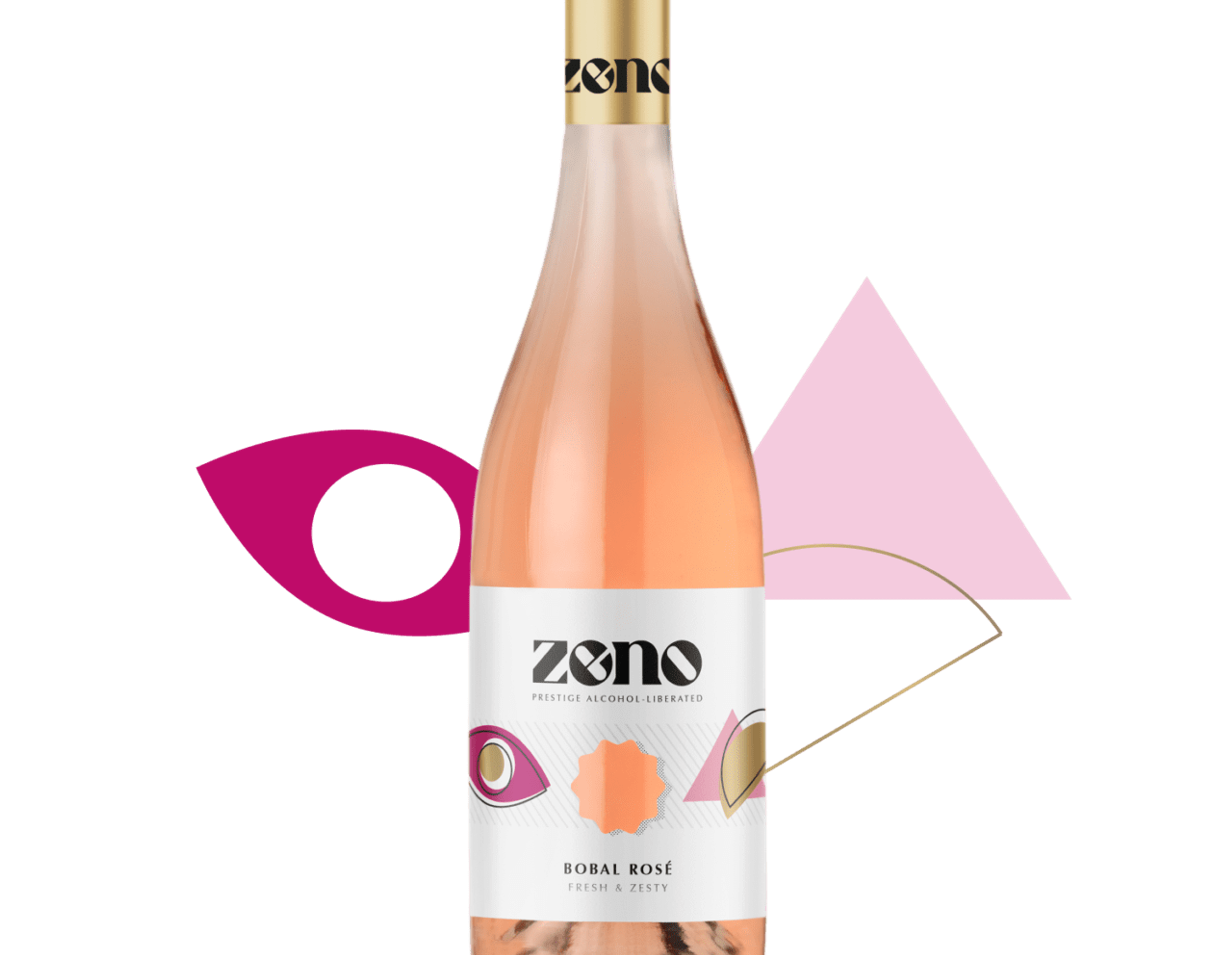
Zeno has been created to target those who want to cut down on their drinking but still want a quality wine to enjoy
Category data backs this up too. The UK alcohol-free wine market is now estimated at £147m and forecast to grow 8.4% year-on-year (KAM Research) as consumers actively seek premium alternatives that don't ask them to compromise on quality. That's not a niche anymore. That's a category asking to be built properly and one that’s growing largely without the wine trade paying full attention.
We know that beer has successfully made 0% mainstream. It is a more established market and yet it largely remains associated with the same occasions as alcoholic beer: the pub, the match, the pint and the session.
Wine has a different role to play. It has a place at the dinner table, on a date, at a celebration, at a business lunch and increasingly at events where people want to participate without drinking alcohol.
What’s interesting is that no-one has yet built an alcohol-free wine brand that owns the premium space in the way Champagne owns celebration. I believe this is coming and where the biggest opportunity in the category lies.
The challenge
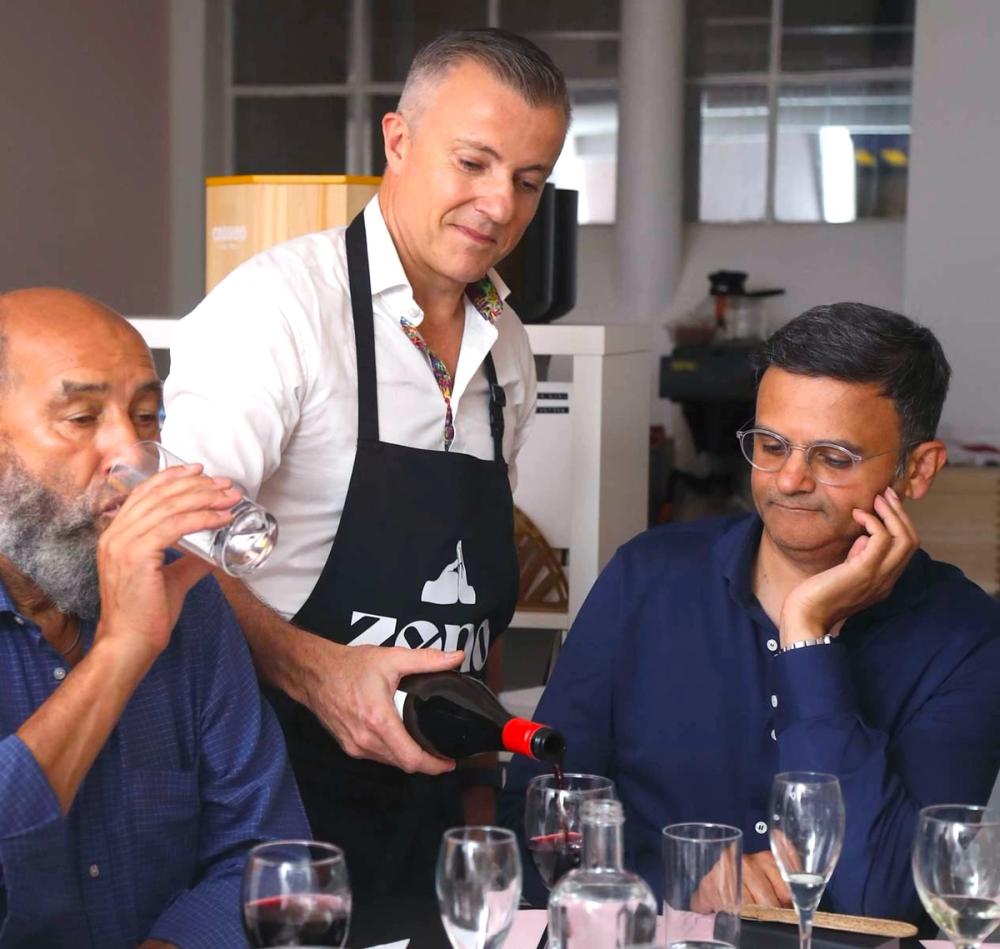
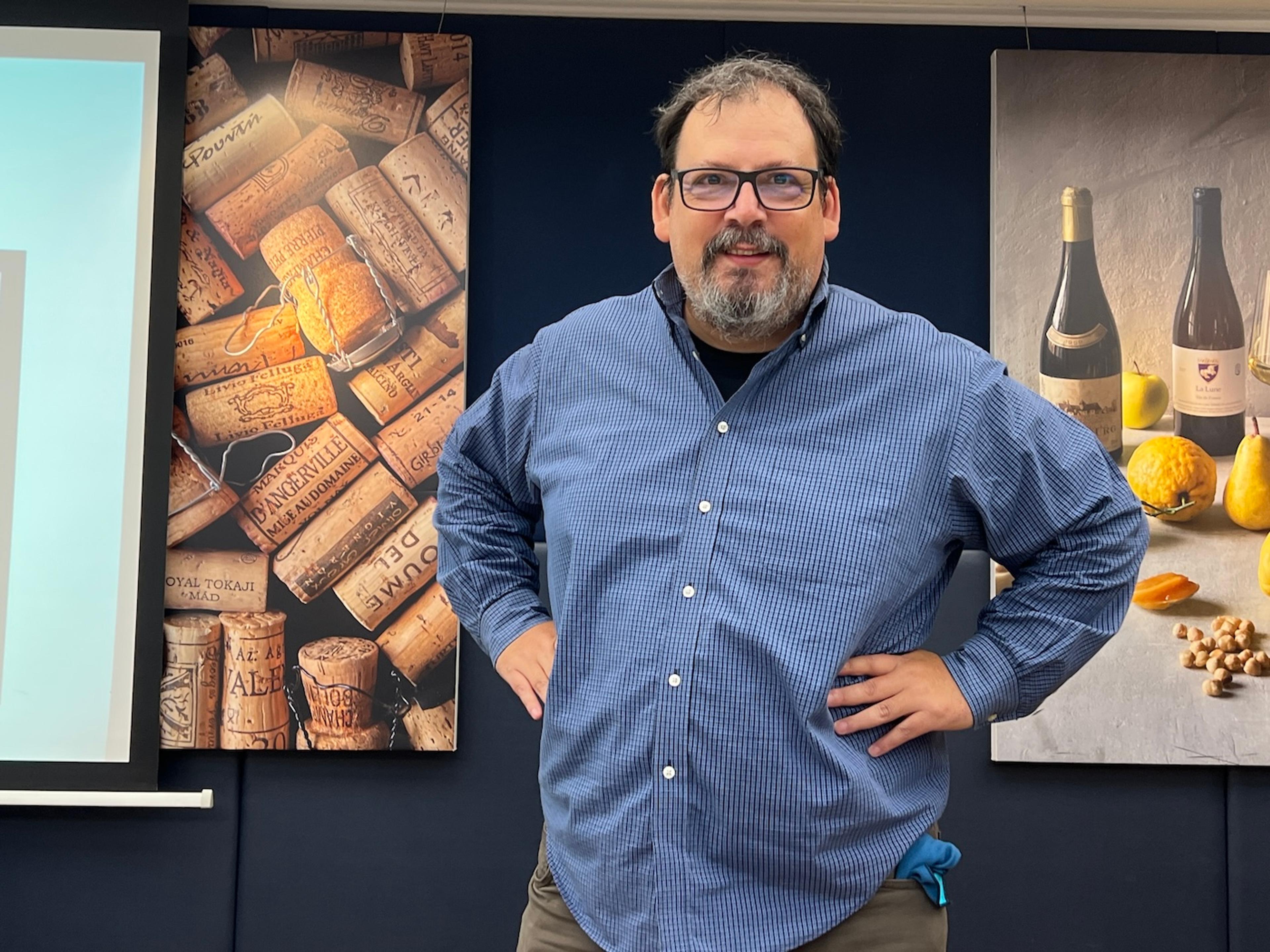
David Hodgson is calling on the wine trade to capture the imagination and the possibilities there are with alcohol-free wine
Part of the problem is that it isn’t easy to make alcohol-free wine well. Removing alcohol from a wine without stripping out everything that makes it taste like wine is a genuinely difficult technical problem.At Zeno, it took us three years to bring our first commercial wine to market. We had to understand the dealcoholisation process at a molecular level and find ways of retaining the qualities that make wine enjoyable in the first place.
Perceptions of alcohol-free wines are also still being shaped by products from five years ago: oddly sweet, simple, or clunky, and closer in character to a soft drink than a wine. And to be fair, plenty still fit that description.
But there's a widening gap between that end of the market and the producers investing properly in quality: a small amount of extra spend buys a genuinely different experience for consumers.
Winemaking first
We believe the brands that will succeed will be those that put winemaking first. At Zeno, for example, we use single-estate organic grapes and traditional winemaking before gently removing the alcohol through low-temperature vacuum distillation, and then blend and finesse the wine to create the final product. The result is a wine that retains the balance and structure you expect from a quality wine, and pairs incredibly well with a range of foods.
We are also not selling our alcohol-liberated wines as a health product or a tactical addition to a traditional wine range. We sell it on taste and occasion. And I think this is where the category needs to go next.
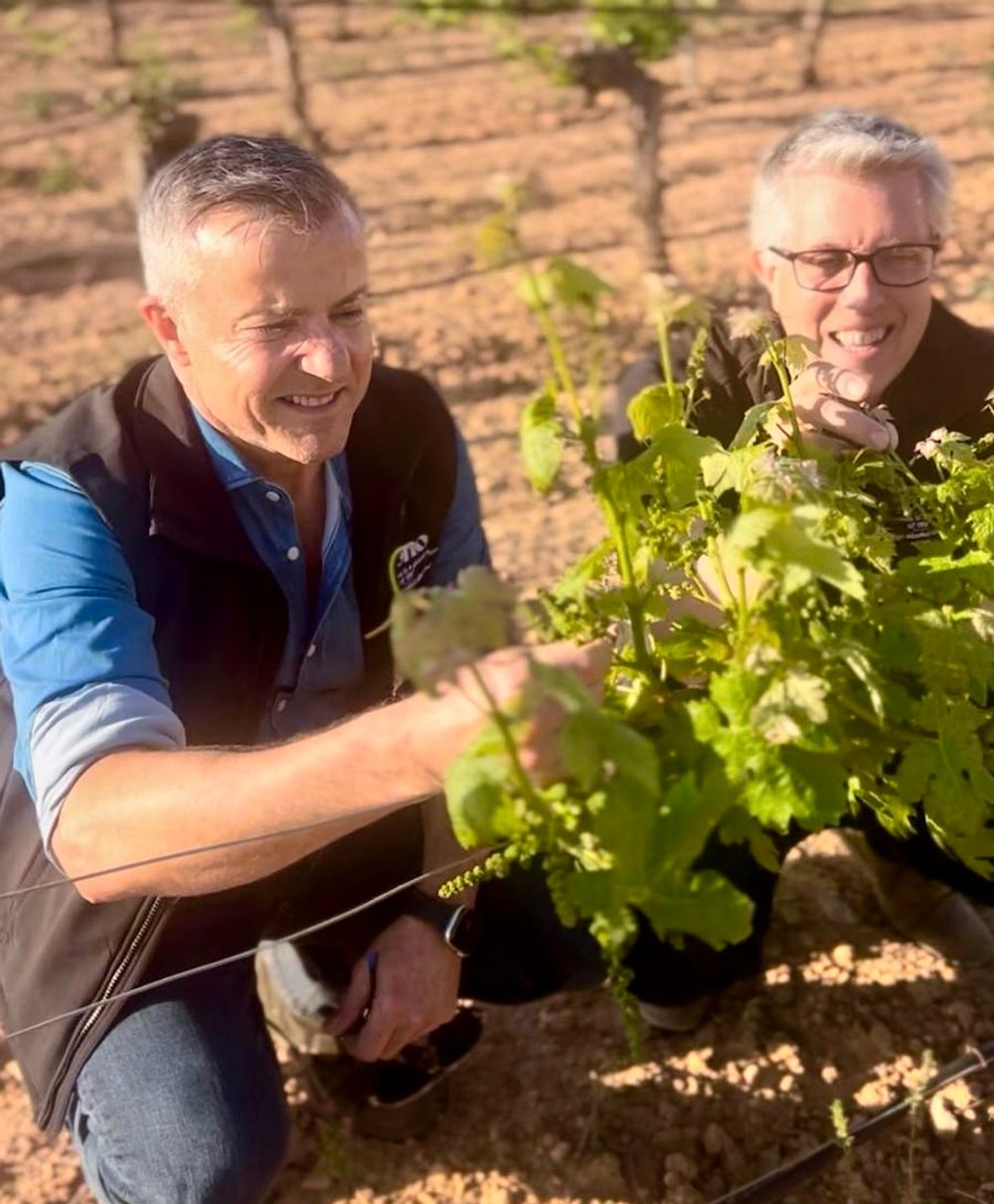
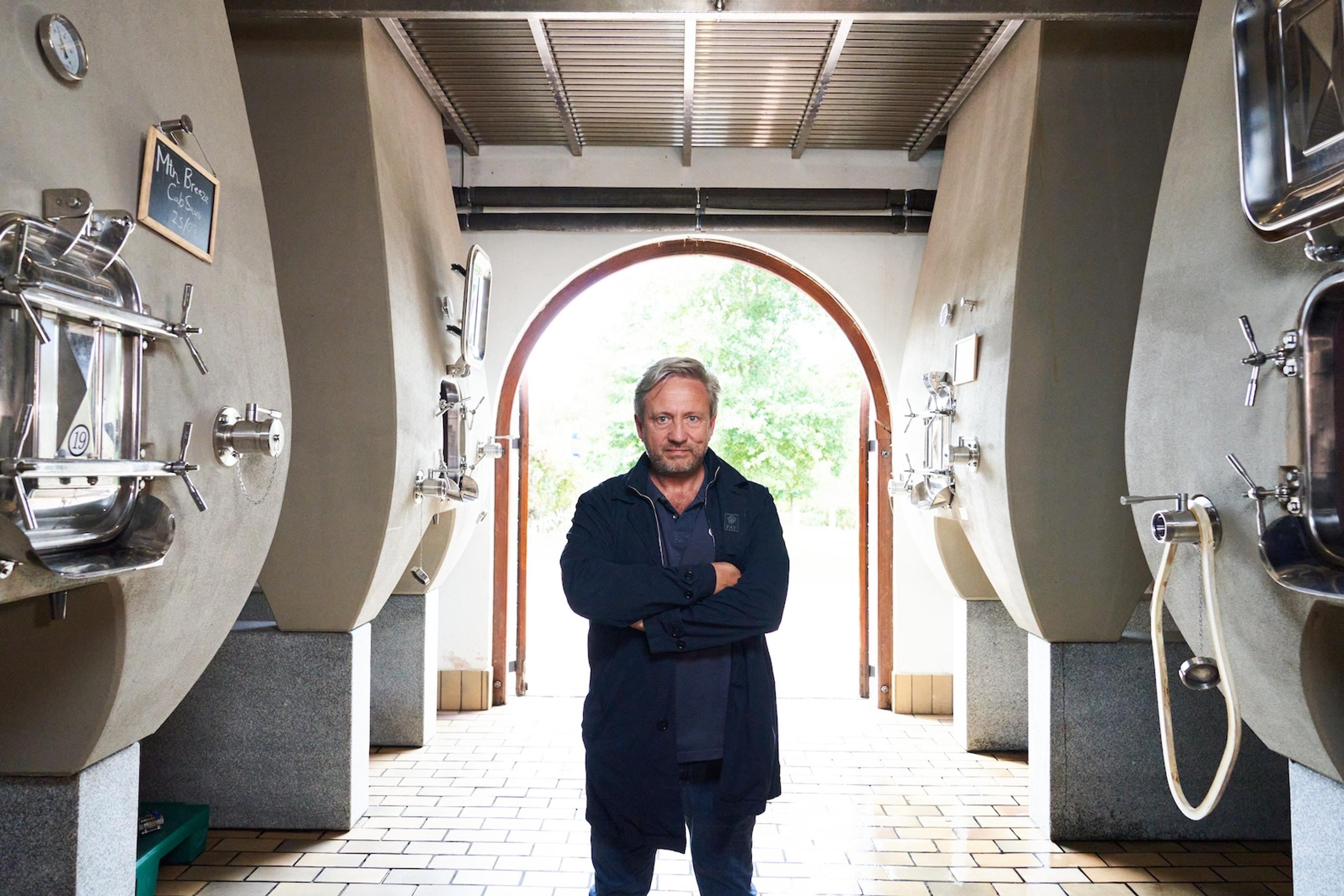
Zeno founders David Hodgson and Will Willis are proud of the fact they use single estate organic grapes in their Zeno alcohol free wines
Alcohol-free wine shouldn't be defined by what it lacks. It should be defined by what it offers: provenance, winemaking, flavour, food compatibility, occasion and, ultimately, enjoyment. Those are the same virtues we value in wine with alcohol.
That distinction is important for the trade. If we bring consumers into the category with the cheapest, sweetest products available, we risk confirming their assumption that alcohol-free wine simply isn't for them. But if we offer quality at different price points, there is an opportunity to build a genuine trading-up ladder, from accessible everyday drinking through to premium bottles for restaurants, gifting and celebration, creating a new, robust revenue stream.
The next steps
That's the trade's opportunity to fix, and it starts with visibility. Sampling and getting the product “sips to lips” does more to change minds than any amount of packaging or messaging.
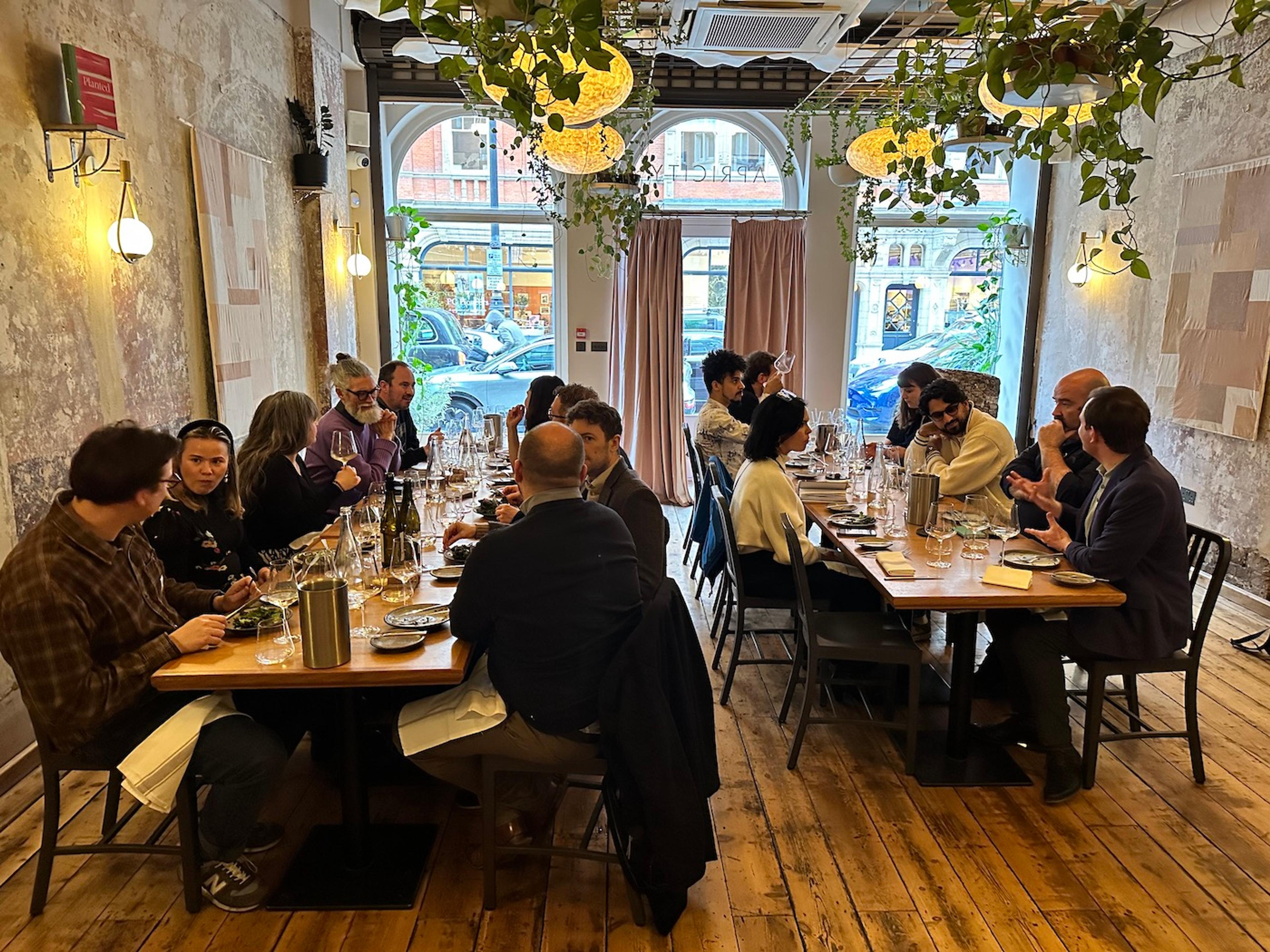
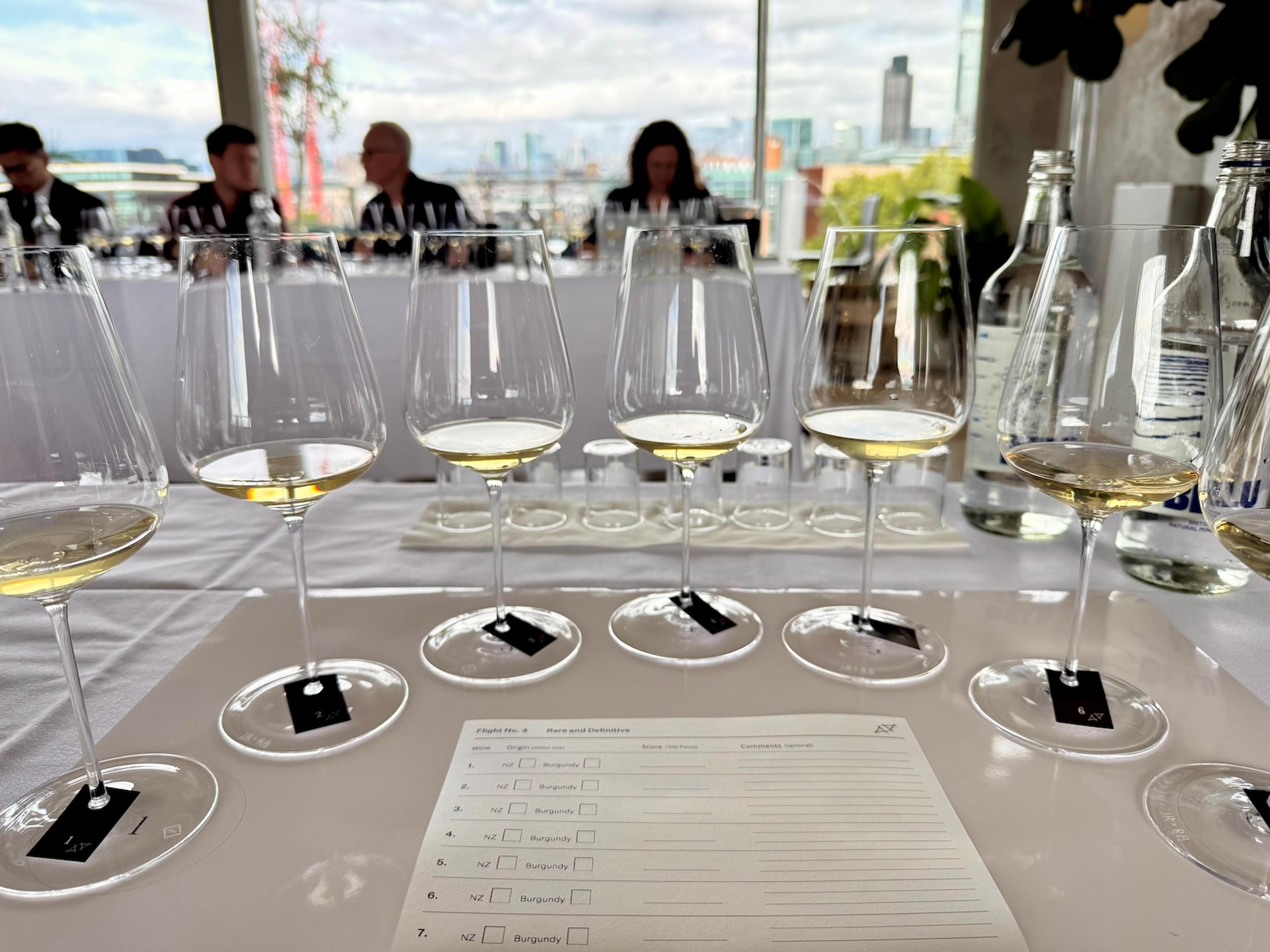
Third-party endorsement matters too: competition results, credible trade press coverage that treats the category on its own terms rather than as a footnote to protect legacy alcohol ranges, and events built specifically around it, like September's Parched event.
Most importantly, it needs to be treated as a category with its own consumers and occasions, rather than as an obligation to have "something alcohol-free" on the list.
This is a segment that responds to being taken seriously, not one that needs to be sold on health grounds or Gen Z novelty. It's becoming genuinely cool to drink well-made alcohol-free wine, across every age group that enjoys wine in the first place.
Rallying call
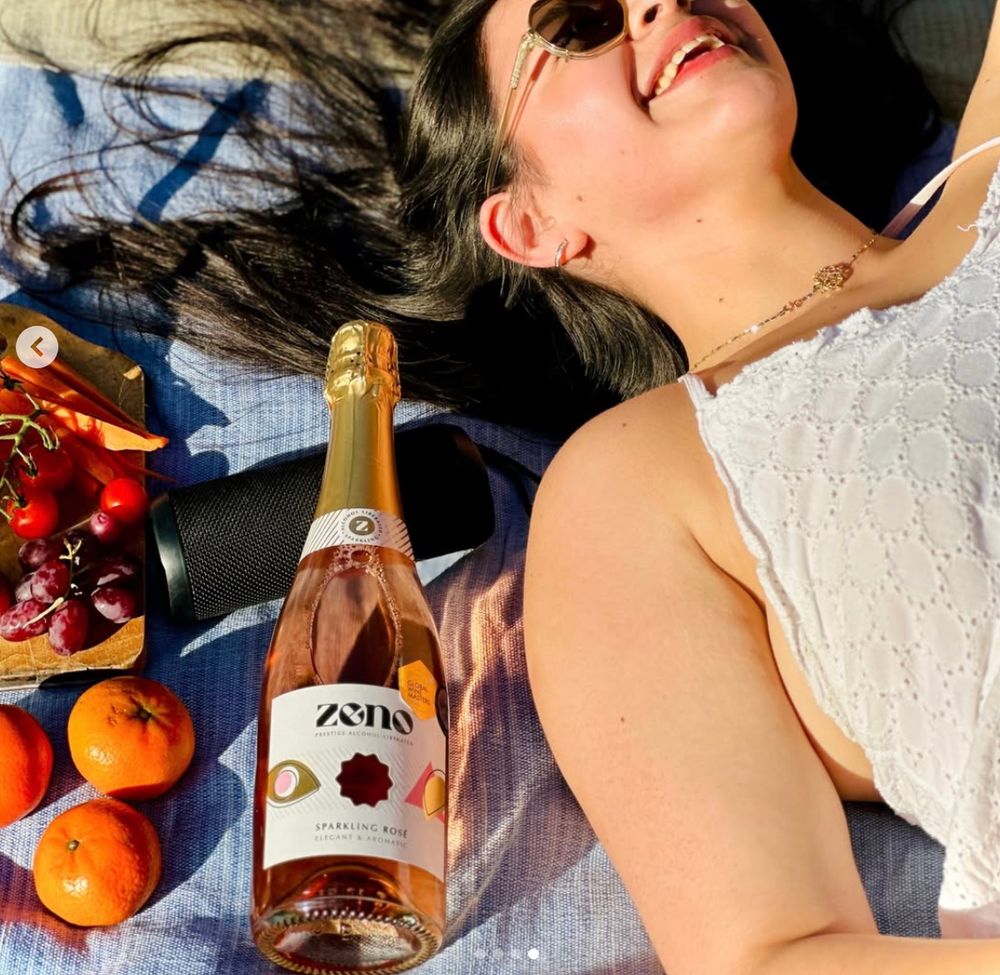
Zeno has been created for premium alcohol free drinking occasions and is calling on the wine trade to make the most of this new drinks category
So here is the rallying call to the trade.
On-trade operators: please stop treating no and low as a single token line squeezed in next to the soft drinks. Treat it as a proper wine choice, with the range and the staff knowledge to build a trading-up ladder, which, done well, is a legitimate new revenue stream, particularly around corporate dining and events.
Retailers: fix the placement of no and low wines, widen the choice and think harder about how the space itself feels. Retail environments for this category are still largely dull; they often communicate ‘restriction’ rather than ‘choice’.
There's no reason, with the digital and experiential tools now available, that they need to stay that way.
We don't yet know where the ceiling is for quality in this category, or whether one exists. We believe the growth will continue, are continuing to invest with news of an exciting new product to share shortly.
What is certain is that this trend isn't going anywhere. The consumer has already moved. The question is whether the wine trade is prepared to move with them.
The producers and retailers who commit to it properly rather than treating it as a compliance box or a bolt-on are the ones who will own it and have the opportunity to shape the category rather than simply follow it.
The research is there. The consumer appetite is there.The technology is improving. The commercial opportunity is there. Now the trade just needs to catch up.
* You can find out more about Zeno here.