
You have joined ProWein at arguably the most crucial time in its history with many question marks hanging over its future - why did you want to take on the role?
I have spent the last 25 years working in many areas of the wine industry. Change management has always been a key focus for me. I have been familiar with ProWein itself since 2000 and have experienced it from a wide variety of perspectives – initially as a visitor, then very quickly as a buyer, later as an exhibiting importer and, finally, as an organiser and producer.
As a winery manager and chairman of a DAC appellation association in Austria, I have engaged very closely with the overall development of the sector and the underlying drivers, and during my time as an exhibitor I also criticised ProWein for paying too little attention to these developments. When the opportunity arose, I seized the chance to put my words into action.
Change always means not only responsibility but also the chance to provide new impetus. I have a clear vision of how ProWein should position itself in future and look forward to implementing this vision step by step together with my fantastic team.
What is your assessment on where ProWein now is at an international show in face of the clear competition from Wine Paris?
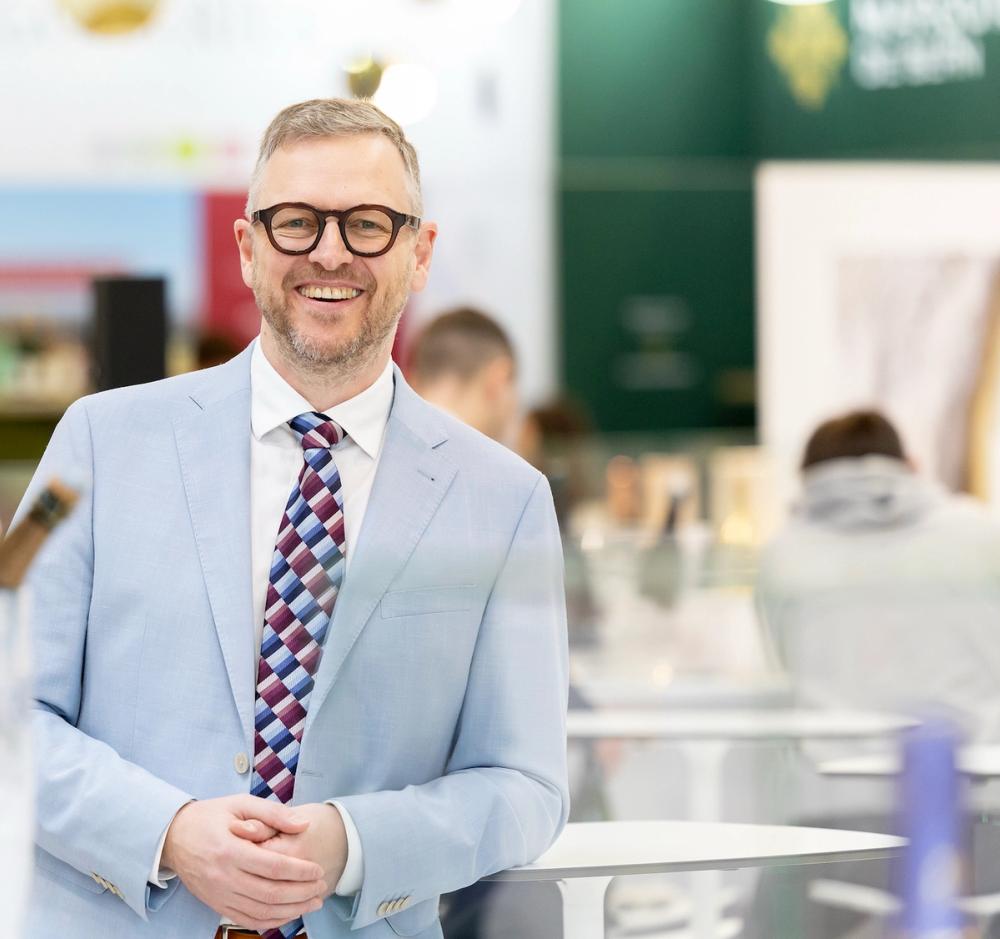
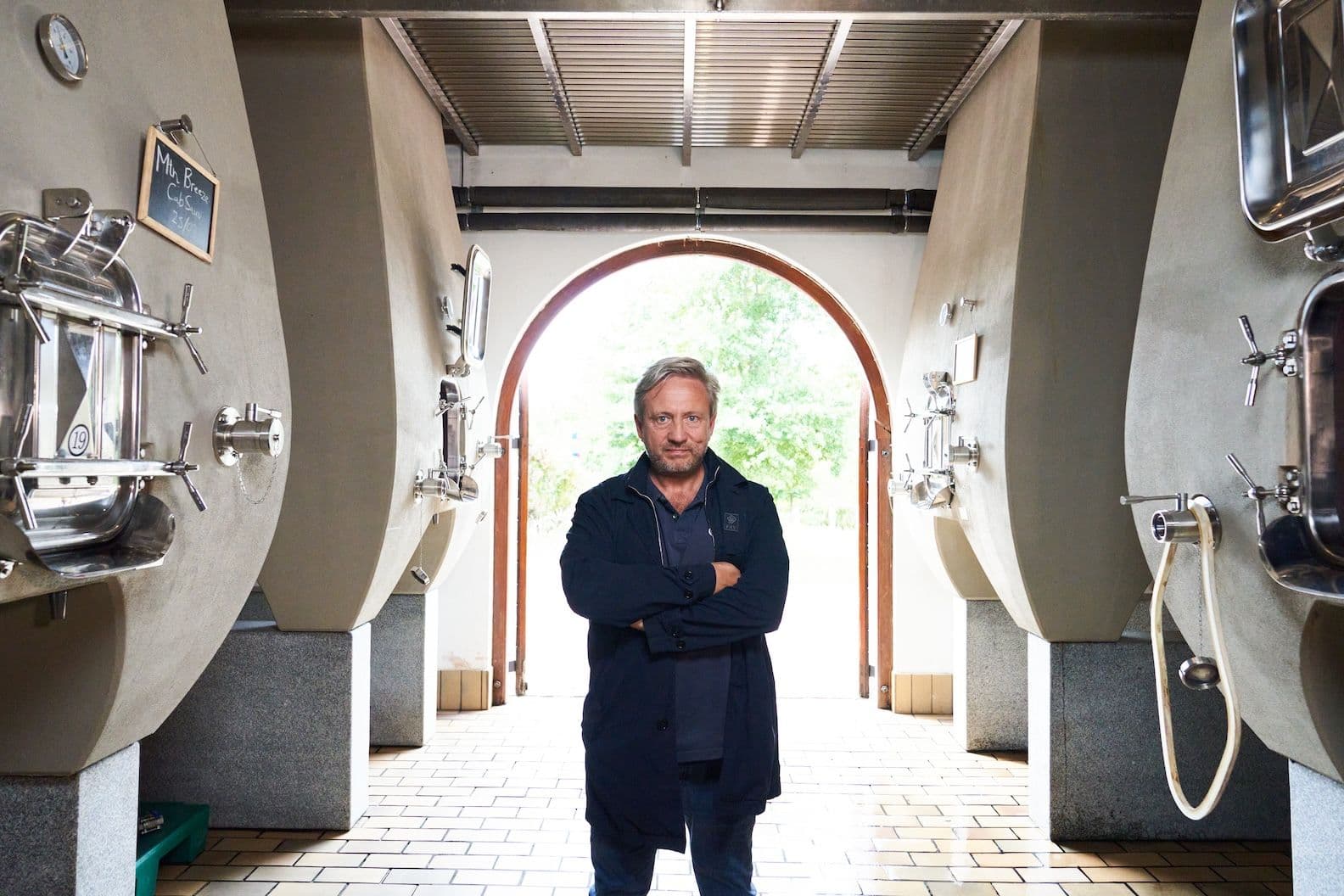
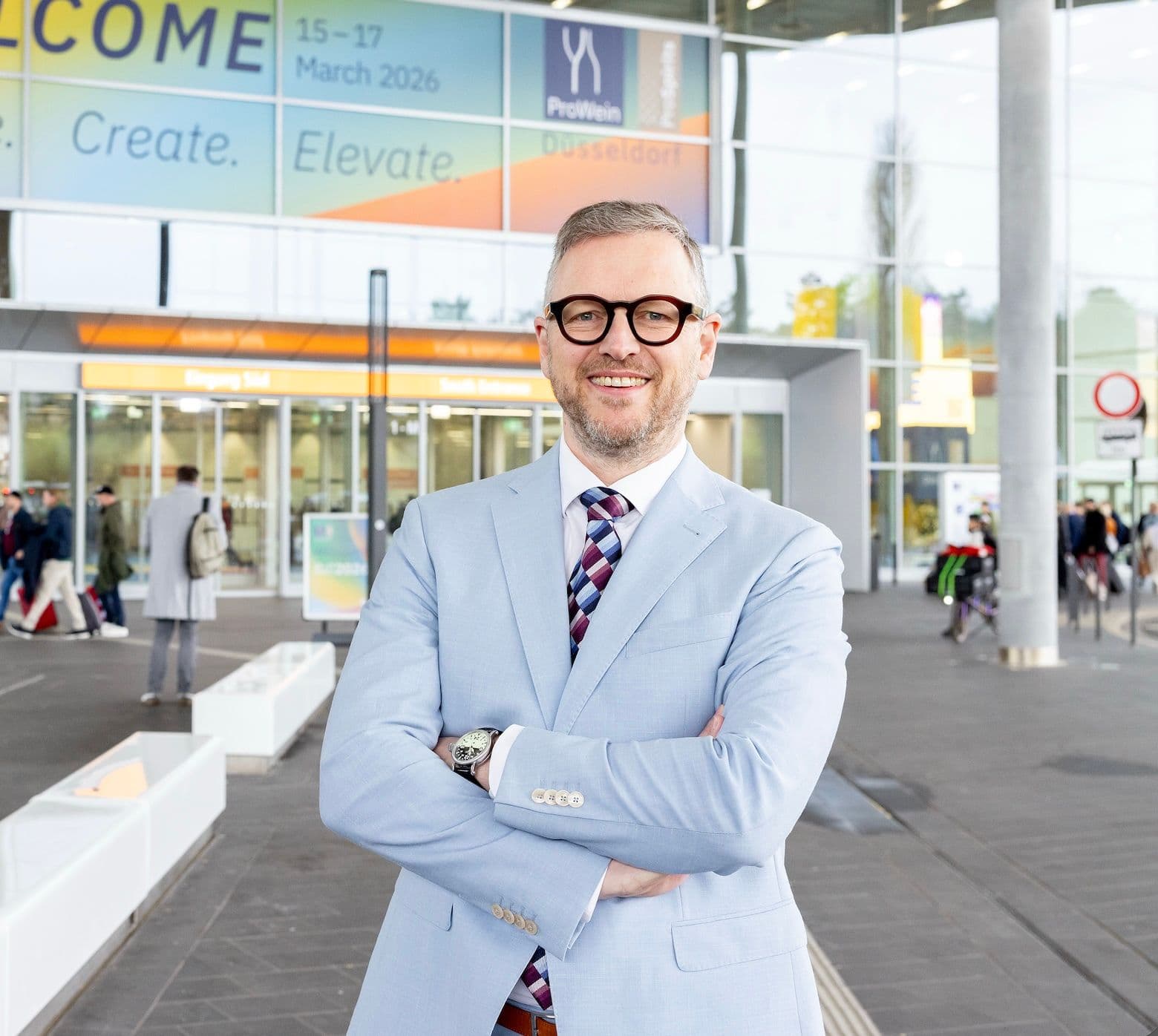
Frank Schindler has moved from a far ranging career working for producers, trade bodies and and exhibiting at ProWein to now running the show
ProWein has grown steadily over decades within a fairly stable market environment. However, since the pandemic at the very latest, the wine market has been undergoing lasting and structural change. As a cornerstone of the industry, this also means that we must adapt and change. Other trade fairs are merely one aspect of a much more comprehensive structural transformation.
It is no longer simply a matter of offering exhibition space. As a long-term partner, we want to offer our exhibitors and visitors a platform that makes a measurable contribution to their business success.
That is why we have also revised our own criteria for success and will, in future, measure our performance against our customers’ success, not against square metres sold. Rather than attracting as many exhibitors as possible, we are focusing on bringing the right buyers from the relevant markets to Düsseldorf. We are thus evolving from a provider of stand space into an international service and networking partner.
You have said: “In a disruptive environment, a wine trade fair must carefully consider and define its function and significance.” What would you say is ProWein's current “function and significance?”
The wine market is undergoing a profound transformation worldwide. Traditional structures are changing, new markets are emerging, and the demands and expectations placed on a trade fair are growing.
ProWein will therefore increasingly evolve from a three-day event into a year-round industry partner. Through market analyses, studies, digital offerings and international activities, we support our customers far beyond just the days of the fair.
No one can predict exactly today how the wine market will develop over the next 10 years. However, our aim is clear: we are monitoring these developments very closely and will continuously adapt our offering to the needs of the industry.
Do you think the days of ProWein claiming it is the biggest show in the world are now over and you need to make a new history and purpose of the show?
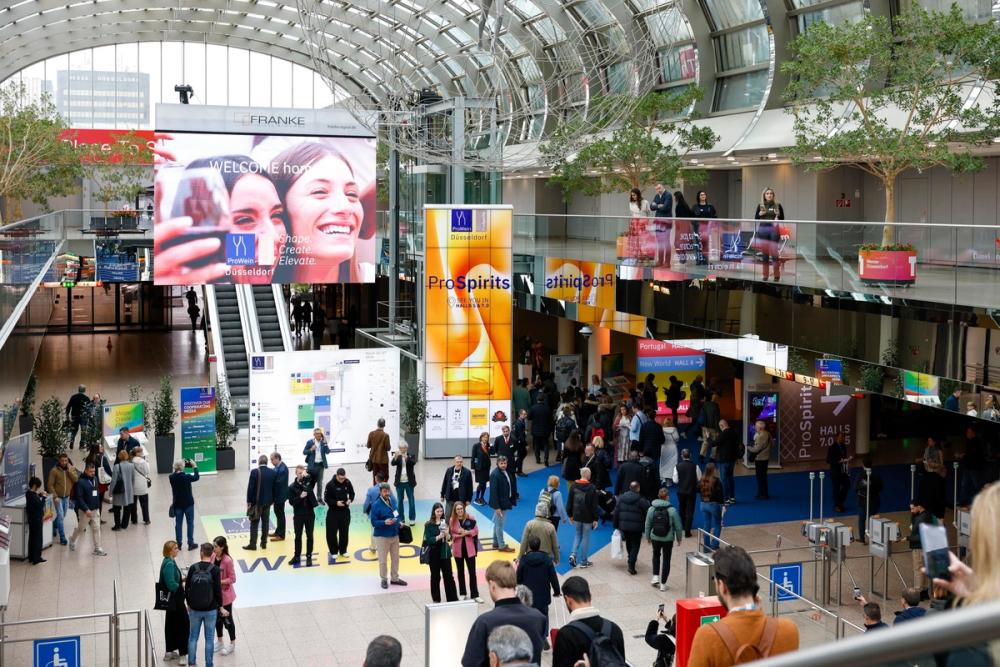
Frank Schindler says ProWein's goal has switched from trying to sell as many stands as it can to producers all over the world world to focusing on getting the most important and relevant buyers to the show from primarily Europe backed up by strategic countries around the world
Size alone has never been the decisive factor for me. ProWein was not successful because it was as big as possible, but because it was the most international wine trade fair in the world.
Around 80% of our exhibitors come from abroad – a proportion that sets it apart significantly from all other major wine fairs. This also makes ProWein a natural and neutral platform for the dynamic wine regions of Central and Eastern Europe.
Furthermore, we see ourselves as a trend-setting platform and, with the new Discovery Zone, we are once again creating a low-threshold entry point for innovative producers and bringing them together with international buyers in a targeted manner.
You have placed a lot of focus in your time in the role on re-purposing the show as a European trade event - can you explain the thinking and the strategy behind that? Is this in many ways taking Prowein back to where it was before 2010 before its years of huge success - the market conditions requires a different approach?
ProWein began in 1994 as a platform for European wines, with a focus on Germany and France with Italy, Austria and Spain following shortly afterwards. Thanks to this diversity and the professional organisation, ProWein quickly developed into the world’s leading trade fair for wine and spirits.
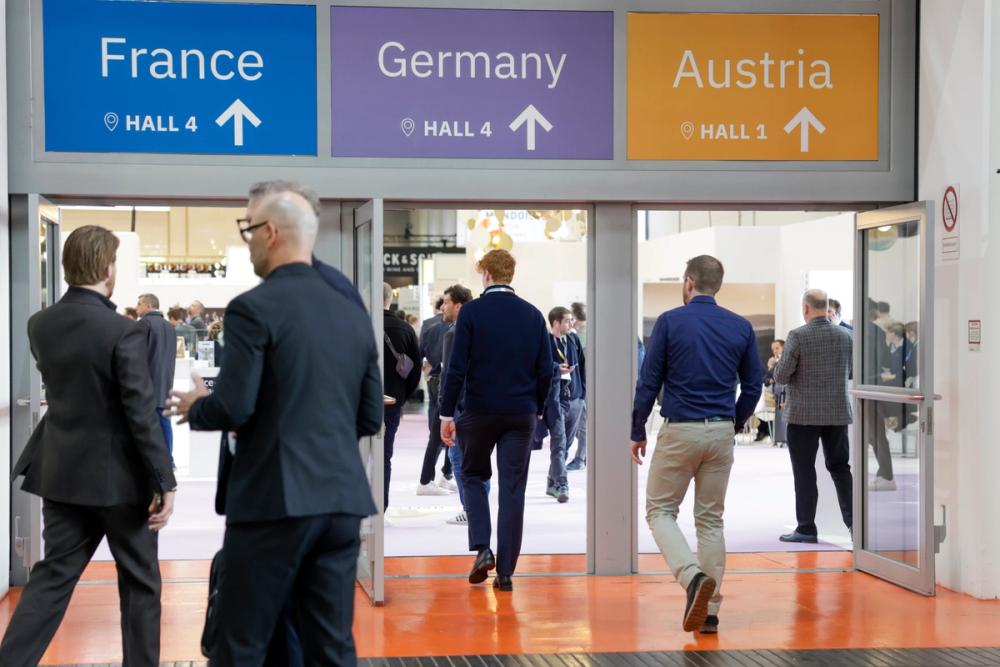
ProWein wants to be seen as the most important show to go to if you are buying wines from Europe
As part of our strategic reorientation, we have very deliberately scrutinised our actual core mission and the added value we provide for our customers.
Our answer is this: we are positioning ProWein, from the exhibitors’ perspective, as the leading European trade fair for wine and spirits – and we are doing so in the world’s largest wine import market. This positioning creates a clear profile and provides exhibitors with guidance. The internationally oriented hosted buyers programme ensures the necessary relevance.
Can you explain how your hosted buyers programme works and if a buyer wants to take advantage of it how do they get involved?
We have shifted our focus from an exhibitor-led trade fair to a visitor-led one, thereby making the hosted buyers programme a central component. We specifically invite decision-makers from the markets that are most important to our exhibitors.
These include, in particular, the DACH region (Germany/Austria/Switzerland), Benelux, Scandinavia, Eastern Europe and the UK, as well as top buyers from Asia, Africa and the Americas.
The selection process is not carried out in isolation, but in close consultation with our exhibitors, as our aim is to ensure that the contacts are as relevant as possible.
You say you are limiting exhibitors to 4,000 - is that not just clever PR to reflect the big decline in producers wanting to exhibit at ProWein? Surely if the pendulum started to switch back to ProWein from Wine Paris in the coming years you would be happy to go back to 2019 when ProWein was attracting nearly 7,000 exhibitors?
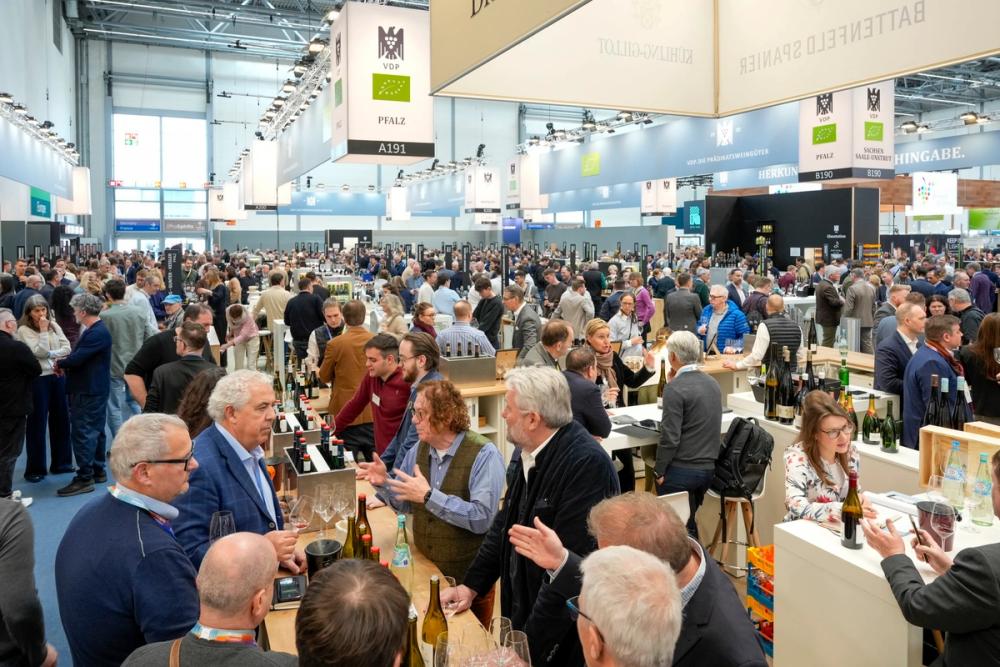
The days of navigating through 17 halls are over - the new ProWein is a smaller, focused show with less than 10 halls
No. For us, this is a strategic decision and the result of an honest analysis of recent years.
We want to create a trade fair that remains well-organised, offers high-quality content and is efficient for visitors to use. Even if market conditions change again in the future, we do not intend to return to the scale we had previously.
For us, quality clearly takes precedence over quantity.
With production levels falling the world over and wineries going out of business do you think the overall market for international trade shows is only going to get smaller in the coming years and you need to come up with a different trading model?
I am convinced that flexible and customer-focused business models are crucial, particularly in difficult times. I do not yet feel qualified to make a general statement about the trade fair industry, but the way we are currently developing ProWein is already changing its business model.
The focus on visitors and the evolution into a year-round service platform are key pillars in consistently sharpening our profile in this regard.
I also believe that trying to be a trade fair for everyone is the wrong approach today. A clear profile, a defined target audience and significant benefits for exhibitors and visitors are, in my view, key factors for success.
The ProWein Academy and Agora programme was a big success this year - what plans do you have to build on that this year?
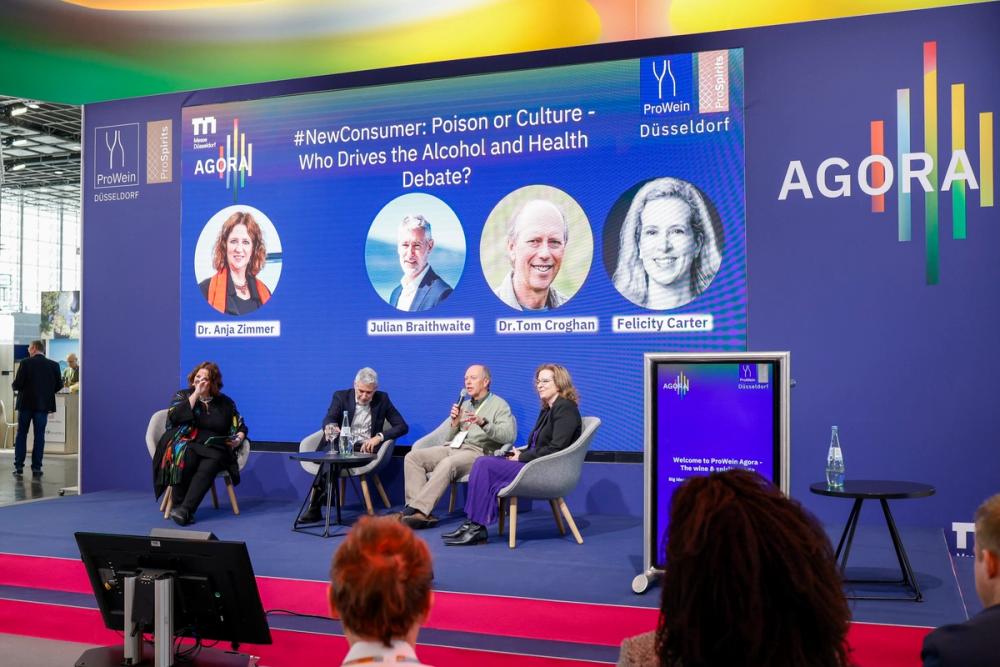
Being a smaller show will give ProWein the room to put on more debates and panels through its Agora and Academy sections and dedicated masterclass areas
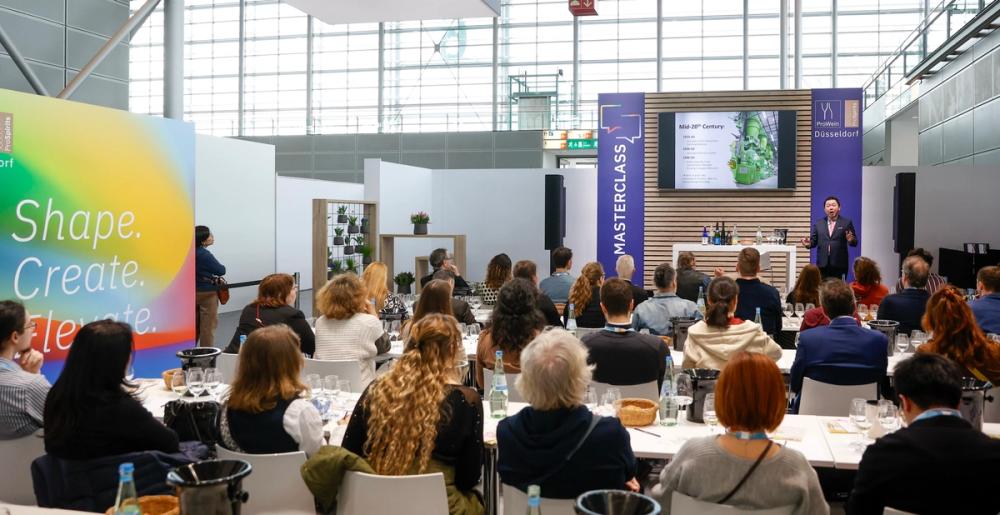
Planning is already well advanced. Many masterclass slots have already been booked, and the Agora programme is also nearing completion.
Once again, we will be welcoming leading figures from the international wine industry on the stage to discuss current trends and explore topics of interest to many trade visitors. It is also particularly important to us to look beyond our own horizons. That is why experts from other sectors will once again be sharing their perspectives on innovation, consumer behaviour and future trends.
All content will be recorded and will subsequently be available on our digital channels throughout the year.
Most producers and visitors don’t have a problem with the show itself - they find it very well organised and efficient - the issue is the host city - Dusseldorf. Now you are competing against Wine Paris and one of the world’s most popular global cities is it not time to move ProWein to Berlin or Munich where you can compete on more of a level footing with a globally respected destination?
No. I am convinced that Düsseldorf is the right location for ProWein.
North Rhine-Westphalia is the hub of the German wine import trade. A large proportion of the major importers are based here. This means that ProWein is situated right at the heart of Europe’s most important purchasing market.
Furthermore, we work very closely with the City of Düsseldorf and Düsseldorf Tourism. For 2027, for example, we have secured a block of over 400 hotel rooms at a fixed rate of 120 euros. This provides planning certainty for our visitors.
The transport infrastructure is also improving significantly. The new U81 underground line will connect the airport directly to the exhibition centre, whilst the U80 will link the airport to the city centre.
Finally, Düsseldorf boasts the highest density of restaurants in the whole of Germany and, with the Rhine playing such a prominent role, is one of Europe’s major hubs for food and wine.
But if the strategy is to stay in Dusseldorf and be organised by Messe Dusseldorf then do you not risk fewer people going to ProWein in the coming years?
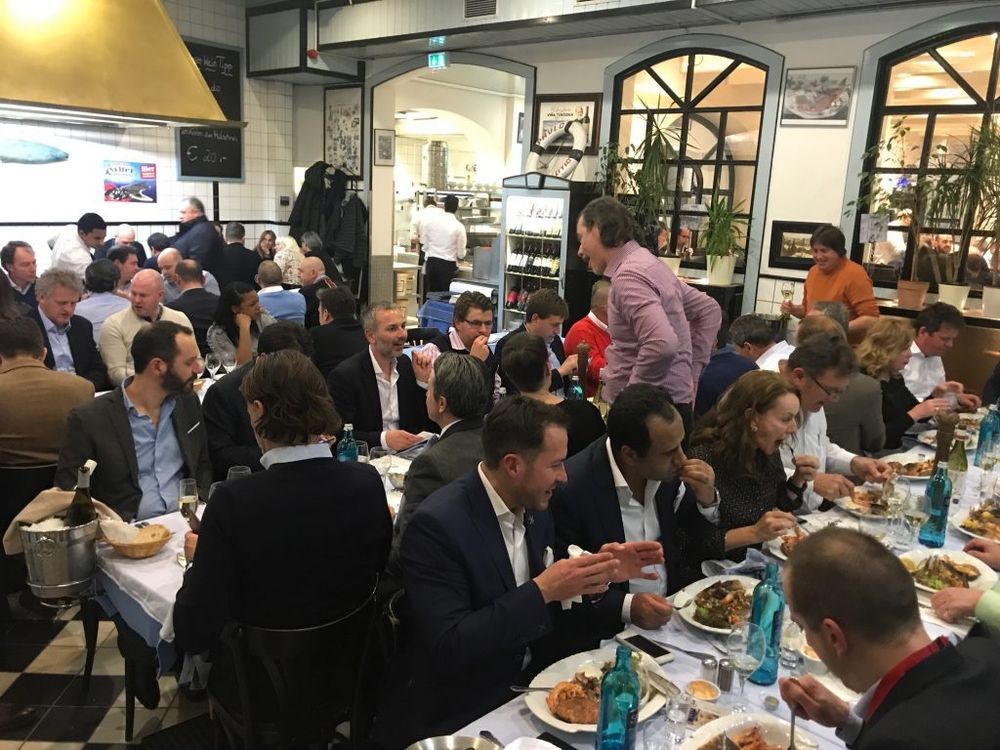
Dusseldorf's famous Fishhaus in the heart of the city is a popular destination for ProWein visitors and exhibitors
On the contrary. As the owner of the exhibition centre, the City of Düsseldorf does not pursue short-term profit targets but takes a long-term view. This is precisely in line with our understanding of a successful trade fair.
Incidentally, this long-term perspective is something we share with many wine producers, who also think in terms of generations rather than quarters. Furthermore, there are many advantages to being able to draw on an efficient structure and thus be able to act very quickly when necessary.
Can you explain your background in the wine industry?
My professional career essentially combines two perspectives that complement each other well. On the one hand, over the past few decades I have developed a profound understanding of the industry’s needs, having held senior positions in retail, wholesale, distribution, production and trade association work, whilst also having a very strong affinity for wine and spirits myself.
On the other hand, I have built up considerable expertise in project and change management, brand management and development, and have always had a deep commercial understanding.
As many of ProWein’s current development tasks lie less in the traditional trade fair business and more in areas relevant to the industry, I am well placed to put my skills to good use.
Nor should one underestimate the fact that I can rely on a very strong and experienced team which, together with Messe Düsseldorf, has my back and gives me the space to drive the new direction forward. I am very grateful for this, and without them, none of this would be possible.
What do you think in your experience are the key things you need to get right when running a successful international trade event?
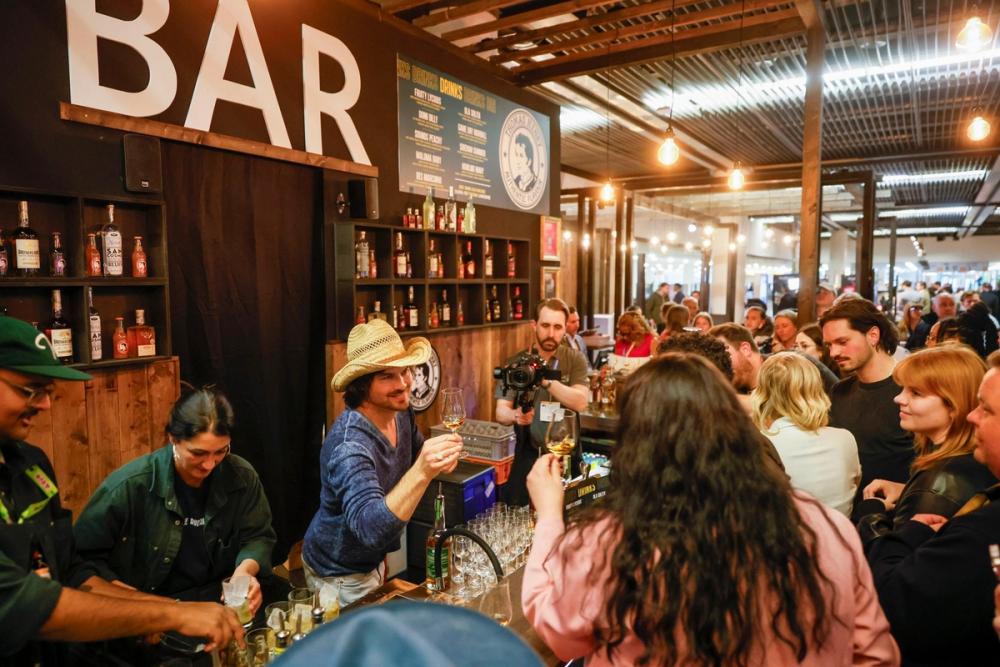
The spirits halls are a key and growing part of ProWein
The most important factor for success is relevance. A successful trade fair brings the right people together and creates measurable business value.
This includes excellent international buyers, a clearly positioned exhibitor portfolio, high-quality content, efficient matchmaking services and professional organisation.
At the same time, a modern trade fair must not only respond to changes, but also identify trends early on and give them space to develop at an early stage. With initiatives such as ProSpirits and the Zero Zone, amongst others, we have demonstrated that this is one of our strengths.
Anything else to say?
We are in a phase of social, economic and political change, the pace of which will bring about lasting changes to the wine industry – quite apart from the increasingly challenging growing conditions.
Consequently, alongside economically driven solutions, the industry is seeking guidance, dialogue and a genuine sense of community.
It is precisely within this context that I see ProWein’s future role. We will therefore continue to seek direct dialogue, listen closely and work with exhibitors and visitors to develop solutions, thereby establishing ourselves as active, reliable industry partners.
This change requires not only courage and patience, but also a solution-oriented and open-minded approach to engaging with all stakeholders on an equal footing. That is what I would like to promote here, and I am very much looking forward to it.
* You can find out more about ProWein here.