
You are about to open MA/NA - can you tell us what to expect and how you hope to stand out?
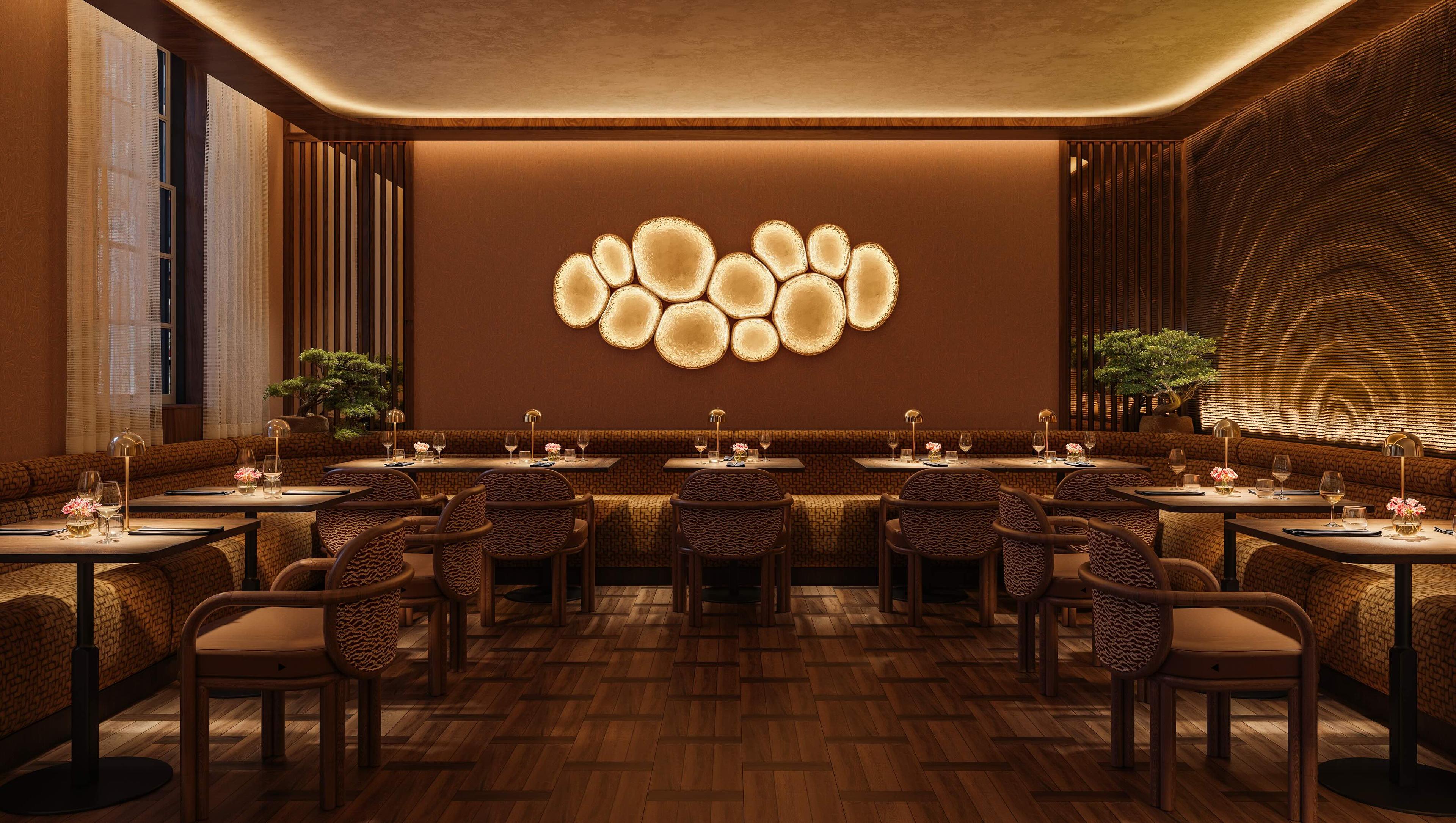
I am genuinely excited about this new project. MA/NA, which means “energy in movement” in Japanese, reflects the dynamic spirit we aim to bring to the venue. That sense of movement, of evolution and vitality, will be expressed through both the atmosphere and the drinks programme.
You are putting a big focus on sake - can you explain the approach you are taking and how you have gone about building up your sake range?
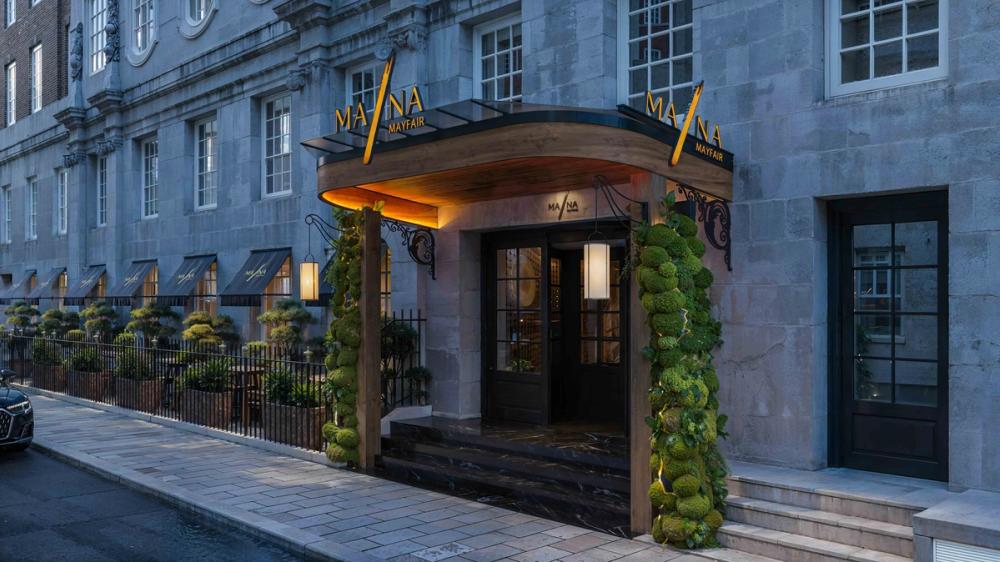
MA/NA is a new luxury Japanese restaurant from the Thesleff Group
Our sake selection will be one of the most extensive in the market, featuring between 80 to 100 labels. The range will span small, artisanal breweries to more established producers.
Rather than organising the list solely by style, we will also group sakes by curated collections to truly showcase the craftsmanship and philosophy behind each brewery. Guests can expect everything from ultra-premium, highly polished expressions to traditional styles, bold and adventurous bottlings, and even aged sakes matured for up to 24 years.
I strongly believe in sake as a category, and we are seeing that belief reflected in our sales, which continue to grow month by month. Sake is a remarkably pure and versatile beverage that complements our menu beautifully, from delicate sashimi to bold robata dishes.
The range has been built around the structure and diversity of Japanese cuisine. We begin with fuller-bodied, umami-driven Junmai and Honjozo styles, move through Ginjo expressions that balance delicacy and structure, and culminate in refined and elegant Daiginjo styles.
Each category serves a distinct purpose on the list and offers its own ideal pairing opportunities.
Do you see sake as being key to food pairings - can you explain how this works and the sort of dishes: ingredients that work particularly well with sake?
Sake is one of the most versatile alcoholic beverages available and allows for pairings that wine sometimes struggles to achieve. Its flavour spectrum ranges from rich, umami-driven profiles to lighter, fruit-forward and aromatic styles.
This diversity enables us to create highly precise pairings. Rich, savoury dishes pair beautifully with Junmai and Honjozo styles; sashimi and nigiri work exceptionally well with delicate, fruit-driven Junmai Daiginjo and Daiginjo; and spicier or more complex dishes find balance with structured Ginjo styles.
The breadth of sake styles allows us to match intensity, texture, and umami in a very refined way.
Can you explain your background in wine?
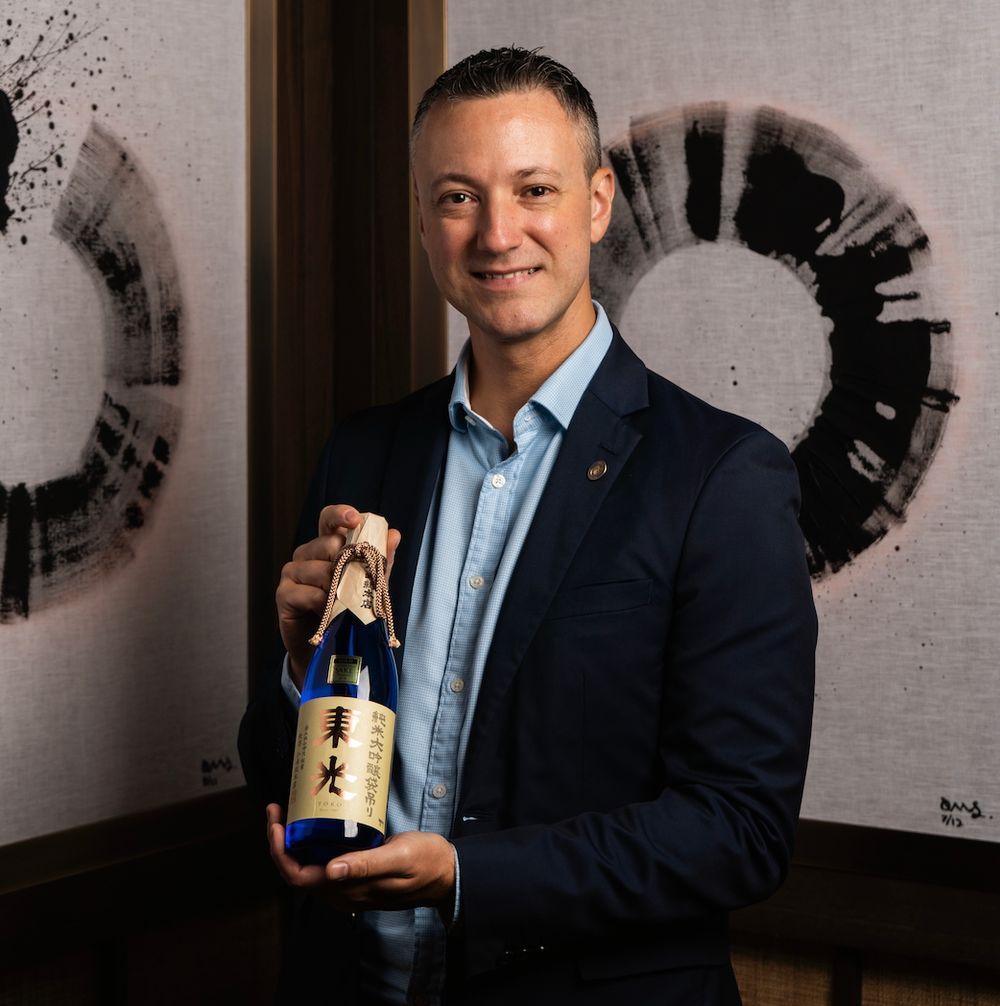
Michele Orbolatol is heading up wine and sake at MA/NA
My career in wine began years ago when I started working and studying as a sommelier. I began in small premium restaurants and boutique hotels, organising thematic events and wine fairs. I then moved to London, where I worked across a wide range of venues, from Michelin-starred restaurants to more vibrant, casual concepts.
Over time, my role evolved into buying and engineering wine and sake programmes, recruiting and developing sommelier teams, and ensuring ongoing training and mentorship across the group.
How and why did you want to be a sommelier?
It was truly love at first sight. I attended a major wine fair with friends and had the opportunity to taste extraordinary wines and meet inspiring producers. That day, I realised wine was far more than simply “red” or “white”, it was culture, geography, craftsmanship, and storytelling. Within a month, I had enrolled in sommelier school, and I have never looked back since.
Why have you taken such an interest in sake - what do you think it offers a sommelier vs wine and other drinks?
My interest in sake developed after my foundation in wine. It began during a training session at a restaurant where I was working. I discovered new flavour dimensions and pairing possibilities that wine alone could not offer. Sake introduces an additional layer of umami and texture that expands pairing opportunities. It works exceptionally well with ingredients such as caviar, mushrooms, and fattier fish like tuna and salmon.
For a sommelier, it opens a new field of creativity and complexity.
How have you educated and trained yourself in sake?
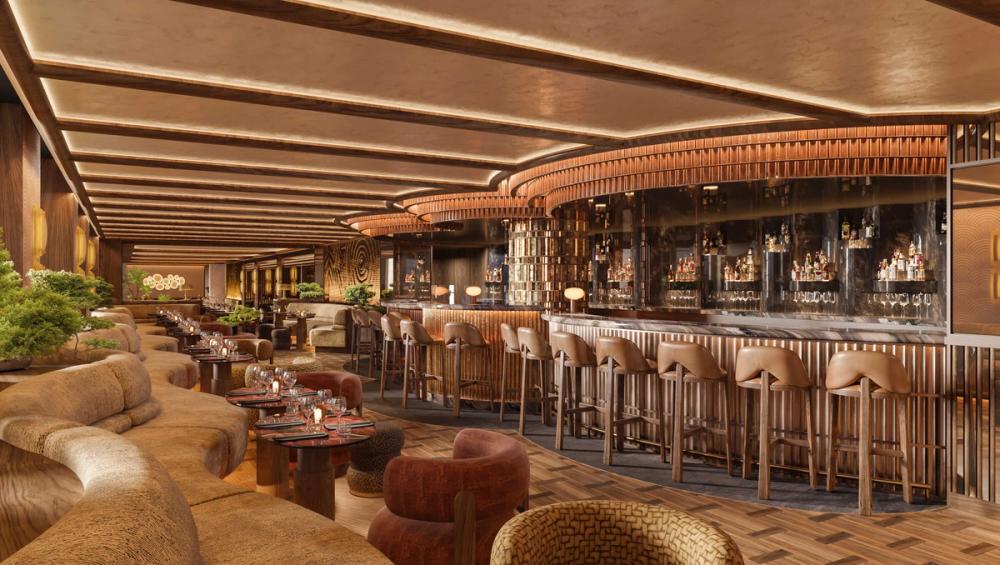
MA/NA chefs and the wine team have worked hard to pair dishes with the right sakes and wine
My deeper engagement with sake began after moving to London. Initially, my education came through tastings and masterclasses with suppliers. Later, I pursued formal certifications to strengthen my technical understanding and build a more structured foundation.
What perception and understanding do you think there is of sake in premium fine dining?
I would say it is still developing. In Europe especially, wine has a long-standing cultural proximity, so sake naturally comes second in terms of familiarity. However, in recent years I have seen a growing interest, including the emergence of high-quality sake produced in the UK. The trajectory is very positive.
Do you hope MA/NA can have a big part to play in improving this and putting the focus on sake in a new way?
Absolutely. We will offer curated sake pairings, immersive tasting experiences, sake-based cocktails, and dedicated masterclasses. Our goal is to bring guests closer to the category and make sake both accessible and aspirational.
Would you like to see other sommeliers and fine dining restaurants-particularly non Japanese - making sake part of their lists?
Yes, very much so. In fact, we are already introducing sake into our newly launched Sale e Pepe Mare at The Langham Hotel. Sake is incredibly versatile and can pair successfully with many different cuisines. It should not be limited to Japanese restaurants.
What would you recommend for sommeliers as being a key core range of sakes to have on a list to start with?
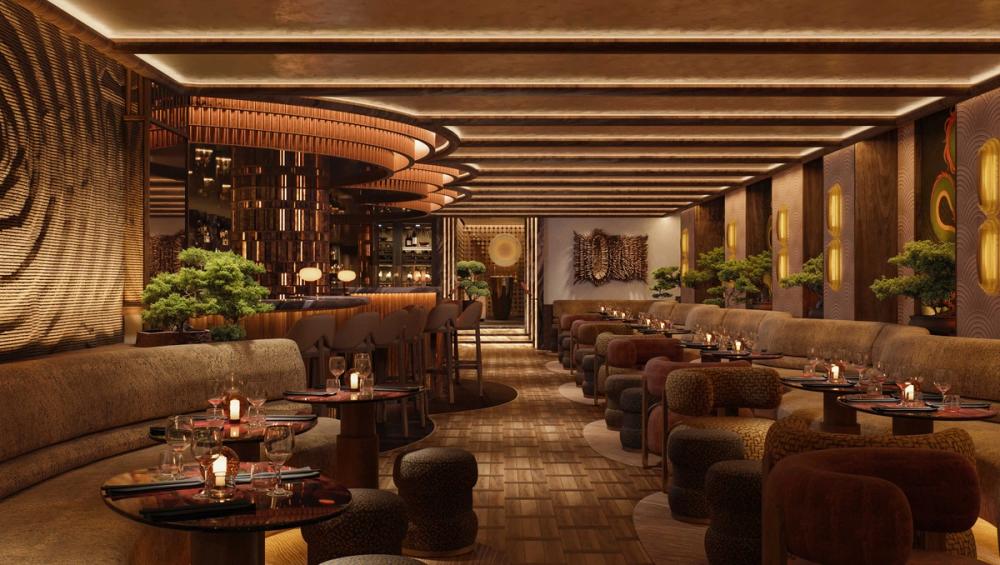
MA/NA wil offer fine dining and also a lounge area and private dining
There is no need to begin with an extensive or overly ambitious selection. A focused range of five to six carefully chosen bottles is sufficient to start. Ideally, this would include a Junmai (which can also be served warm), a Junmai Ginjo or Ginjo, and a Junmai Daiginjo or Daiginjo. Representing these core styles allows sommeliers to build a structured and holistic offering while educating guests progressively.
Who are the key wine suppliers you are working with for your list?
I work closely with Liberty Wines for their strong premium portfolio, and Hallgarten, whose offering continues to improve year after year. For more niche selections, I value suppliers such as Les Caves de Pyrène, particularly for their focus on small producers and natural wines.
How did you choose the suppliers you want to work with - what criteria do you choose?
The first criteria is always the strength and relevance of the portfolio. As I manage lists for premium and luxury venues, working with high-quality producers is essential. Equally important is customer service, responsiveness, reliability, and the ability to resolve operational challenges efficiently.
Finally, commercial structure matters: fair pricing, discount policies, and group-level agreements all play a role in building long-term partnerships.
* You can find out more about MA/NA here.