
How did Austrian wines perform overall internationally in 2025 - any key themes and markets that worked particularly well?
I would say: surprisingly well. We have to take into consideration that our 2024 harvest volume was a full 20% below the average, so we knew we had to expect sale losses. In addition, the strained economic situation in many EU markets and the tariffs in the US – which is our second most important export market – make our exports even more challenging.
Despite these unfavourable conditions, our forecasts point to a decline in exports of only around 5%. While we experienced a decline in volume-oriented markets such as Germany due to our shortage of 2024 wines, several markets continued to record very dynamic growth, led by Canada, but also the Scandinavian countries, Japan and China.
Why do you think that was?
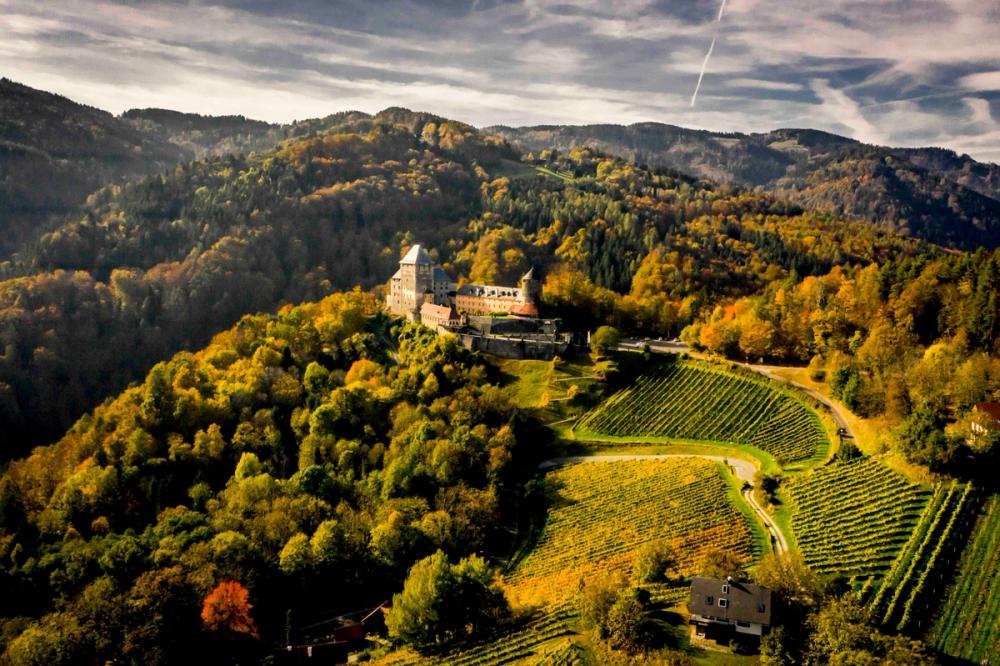
Burg Deutschlandsberg, Weststeiermark, Steiermark. Picture Robert Herbst
For several years now, we have seen a sharp rise in demand for Austrian wine in these markets. There is generally high demand for fresh, environmentally conscious wines and often also for alternative wines – and Austrian wine is very well placed to meet this demand.
Where do you see Austrian wines now sitting versus its peers in the international wine market?
I think we occupy an increasingly exciting sweet spot in the international wine scene. Our wines strike a chord with the spirit of the times in many ways: they are high quality, at the same time fresh and easy to drink, and they are produced in a more environmentally conscious manner than in any other country.
Up to 25% of our area under vine are certified organic (number one worldwide), 28% are cultivated according to the “Sustainable Austria” certification, and we could rightly claim to be the home of biodynamics, as it is based on the work of Rudolf Steiner, who in fact was Austrian.
And to top it all off, our wines offer great value for money, which is becoming increasingly interesting for many consumers in times like these.
What were the key achievements in 2025 that you were most pleased with?
Last year, we organised 140 export activities, including more initiatives with winery participation than ever before.This is something we are really proud of.
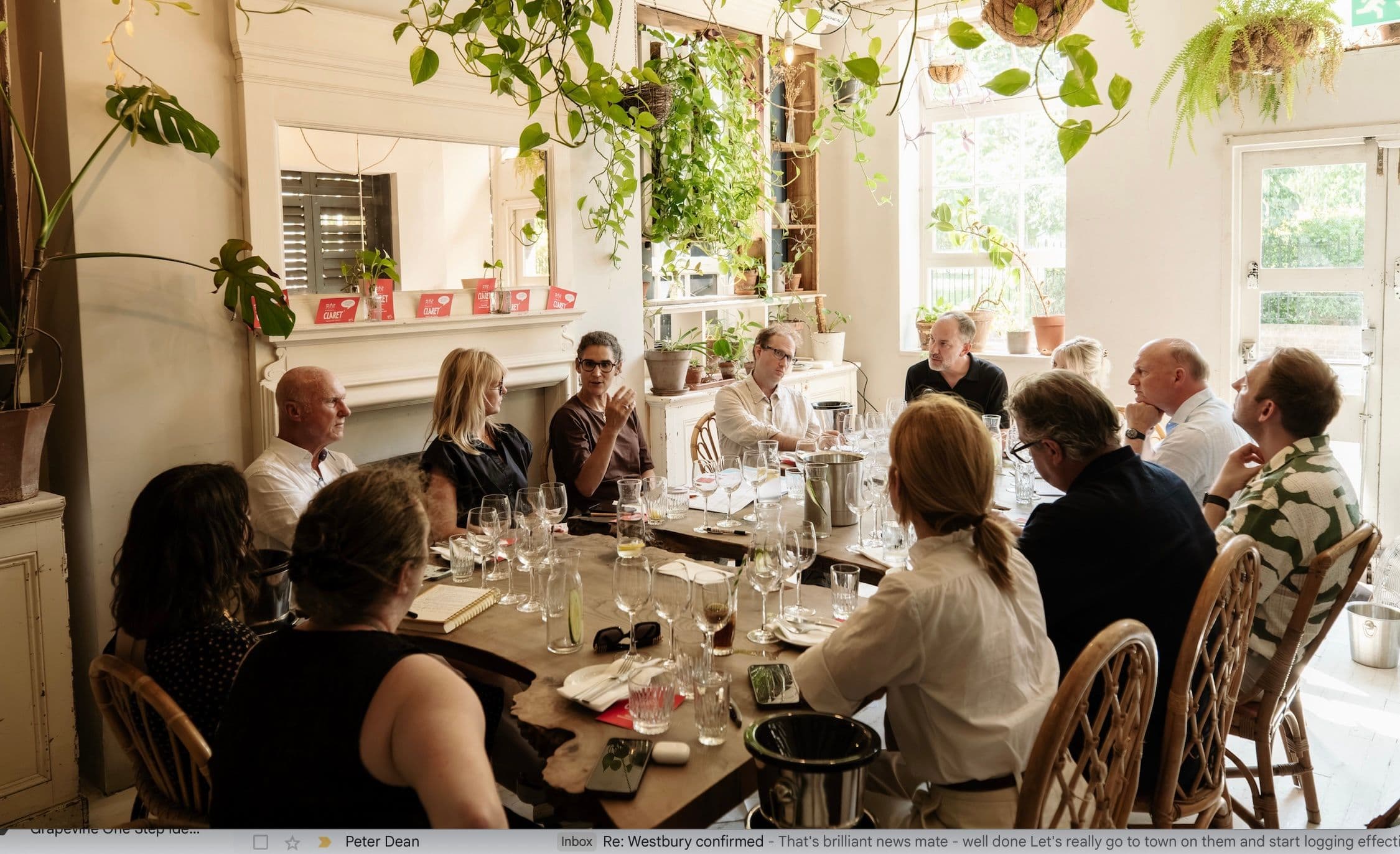
Activities ranged from major international trade fairs such as ProWein Düsseldorf and Wine Paris to numerous tastings - such as our Austrian Tasting in London – as well as promotions and media, trade and sommelier collaborations, including in Germany, the UK, Scandinavia, Canada, Japan, Switzerland, the Netherlands and the US.
At the same time, we have placed a strong focus on consumer campaigns in our domestic market to defend our exceptionally high market share. Following a major restaurant campaign in 2024, we supported sales of Austrian red wines last year with the campaign 'Rot kann auch cool' (“Red can be cool too”).
Then there is our new brand "rot weiss rosé" (“red white rosé”) that we launched in autumn 2025. It specifically addresses consumers aged between 20 and 35, i.e. the generation that will shape the future of the wine sector and at the same time has a reputation for not being interested in wine. Well, we’ve learned otherwise: the question is how to present wine to them.
With "rot weiss rosé", we are trying to do it in a much more approachable and exciting way – and we are breaking new ground: as far as I know we are world leaders in targeting this age group at a national level.
What were the key trends and overall performance of sales in the UK and why do you think that was?
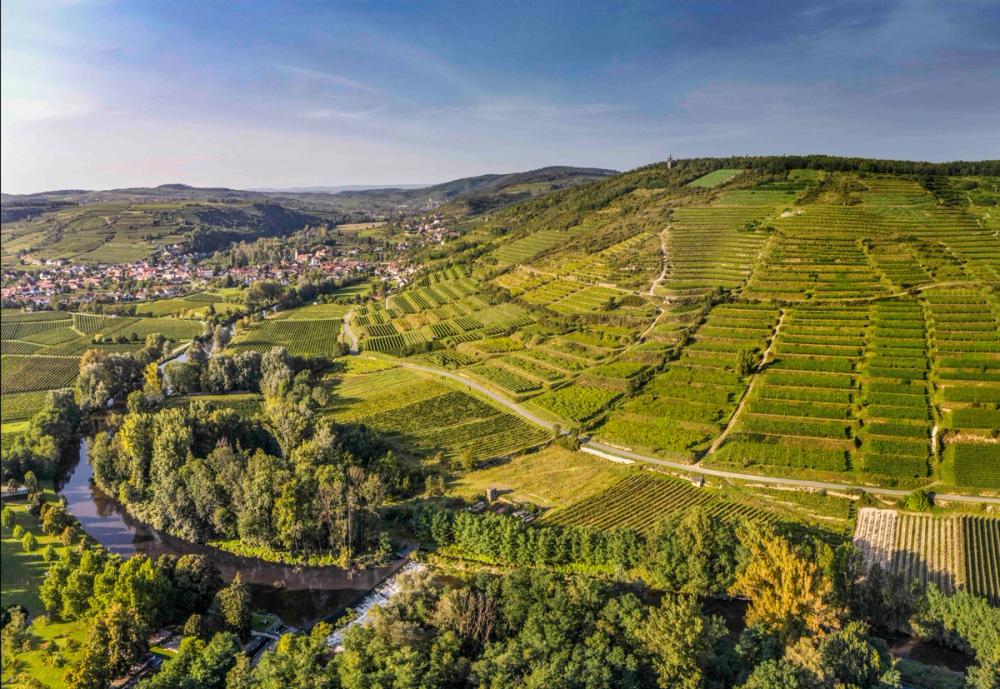
Austria has had to work against a difficult 2024 harvest and the impact of US tariffs - its biggest export market
We do not yet have the export figures for the whole of 2025, but performance up to September was very promising. Volume and value both increased by 20%, which is an important platformfor us after several difficult years. The growth is fairly evenly distributed between white and red quality wines, with white wines still accounting for more than three-quarters of our exports.
There was also good growth – at a lower level – in low-intervention wines, which are in greater demand, particularly in urban areas and among younger target groups.
I think the development is a result of our continued efforts over the last years. Despite Brexit, we never stopped being active and present in the UK – on the contrary, we continued our support and cooperations with importers, retailers, media and other important partners like the Institute of Masters of Wine.
Looking ahead to this year what are the key strategic goals of the year?
In short: continue to grow. We know that this is not easy, but we are confident that we will achieve good results with our high-quality, environmentally conscious and fair priced wines.
On the domestic market, our goal is to protect the high market share of Austrian wine and engage consumer groups between 20 and 35. However, the high market share also mean that our biggest potential for growth lies abroad – that’s why we will continue to push our exports as well.
What steps are you putting in place to achieve them?
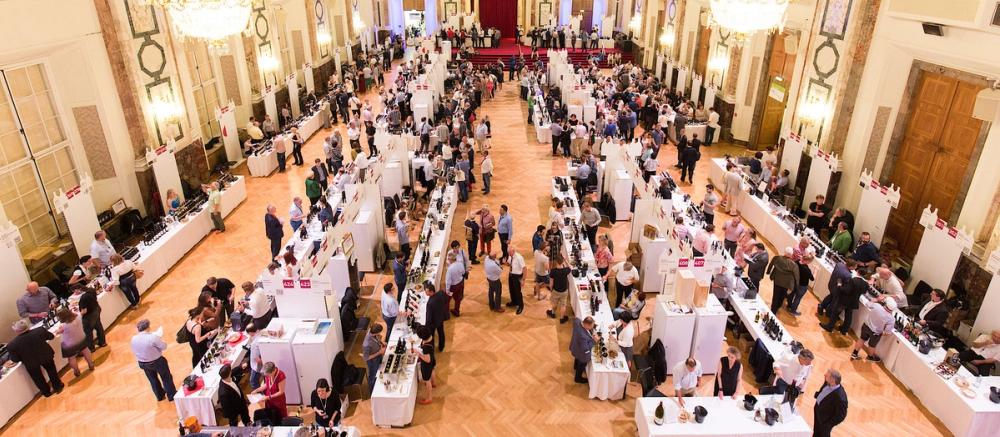
This year's VieVinum will be a great opportunity for Austira to get on the front foot and bring its producers together with key export partners
On the domestic market, we are launching a large-scale national campaign in spring to promote our wines and the red-white-red quality banderole. With this campaign and the rot weiss rosé brand, we will promote Austrian wines across all consumer segments.
Regarding exports, our main focus is on the VieVinum in mid-May, the largest wine fair for Austrian wine. We will invite around 1,000 international top trade visitors to Vienna so that they can establish contacts and do business with our wineries.
Overall we are quite confident to achieve our strategic goals. This is also linked to our new 2025 vintage which is proving to be a classic, lovely Austrian vintage: fresh, fruit-driven and easy-drinking in style. This makes it a perfect fit for the current strong global demand for lighter wine styles.
What are the biggest challenges you face and how do you hope to address them?
There are several: the anti-alcohol lobby, the unstable global economic situation, the muted consumer sentiment, to name just a few of the major ones. This makes it all the more important for us to identify those markets and target groups around the world that are of interest to our wines. We do this through targeted international market development and long lasting, intensive cooperation with partners in the respective markets.
In any case, I fundamentally believe that situations like the current one can also be an opportunity: we need to work even harder to play to our strengths. As already mentioned, I think that the unique traits of Austrian wine are very much in line with the current zeitgeist: quality, freshness, lightness, environmental consciousness. What we have to do is to communicate this even more clearly.
Where do you see as the biggest untapped opportunities and how do you hope to maximise them?
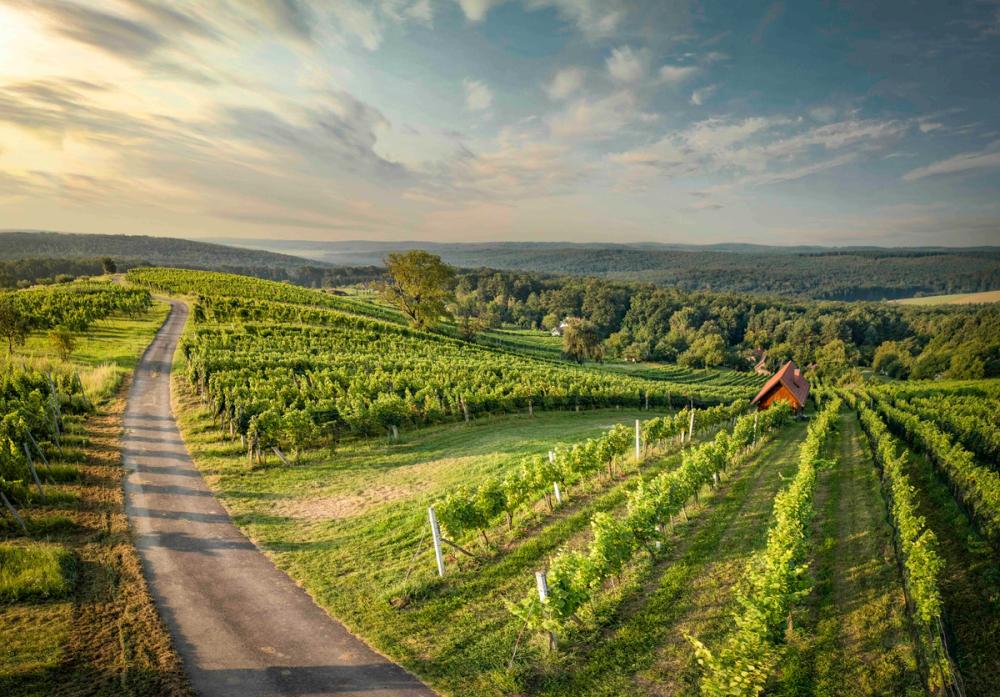
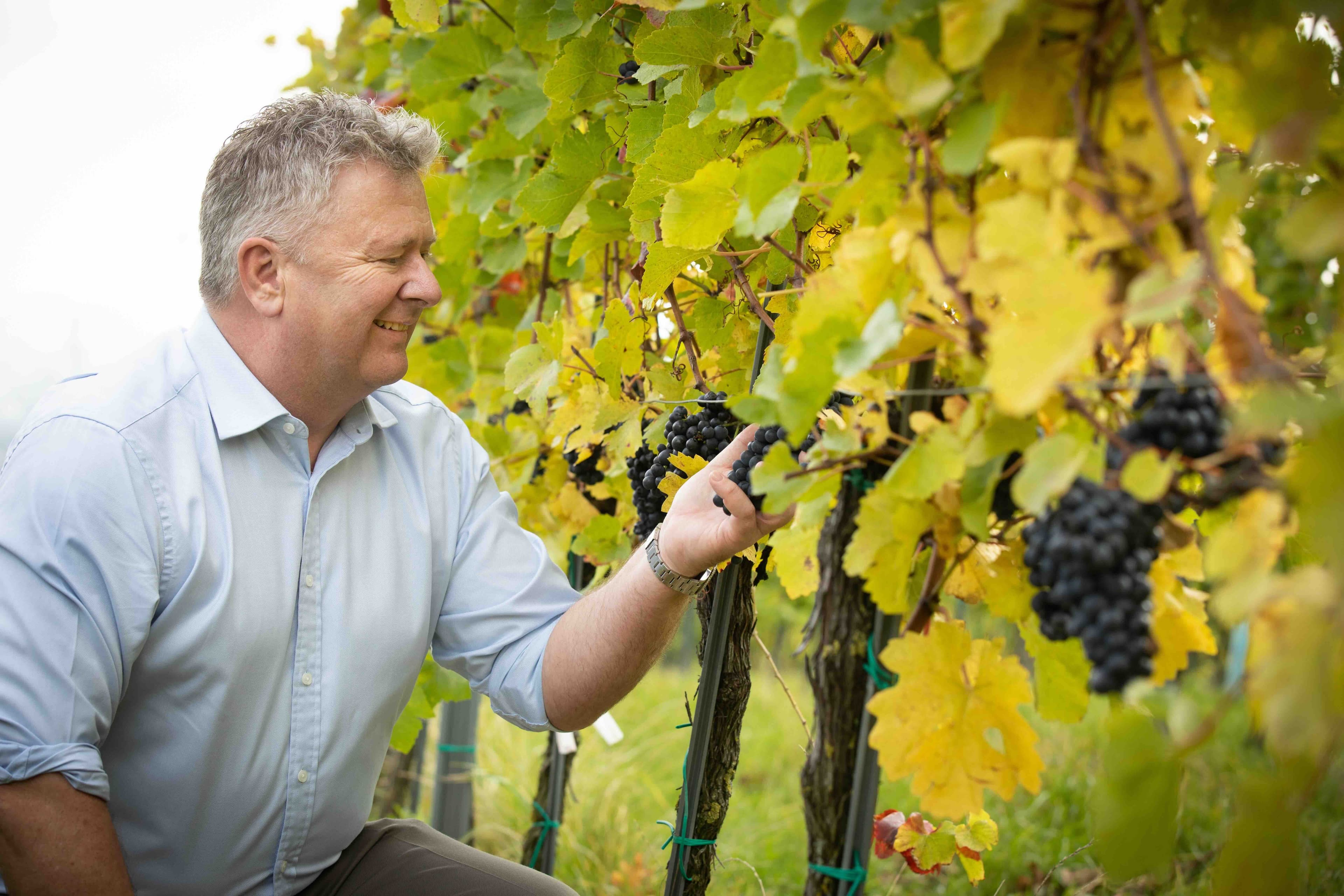
Chris Yorke says it is actively looking to open up new markets for Austrian wine and maximise opportunities in emerging markets
I think we still have opportunities for growth in almost all of our markets. The pie isn't getting any bigger overall, but there are consumers everywhere who are looking for new, fresh wine experiences and are therefore potentially very interested in our wines – once they've tried them. These are the ‘golden pockets’ that we need to find and tap into.
And then, of course, there is the big issue of the younger generation, who are said to no longer consume wine or alcoholic beverages. As I said, we have learned that young consumers are definitely interested in wine, but that we have to present it to them differently – in an accessible, experience-oriented way. That's exactly what we've been doing since last autumn in our home market with the new rot weiss rosé brand. There is a lot of potential there that we can still tap into.
How was the 2025 harvest in terms of quality and volume and what impact will that have on Austrian wines in the market in terms of pricing and availability?
As already mentioned, we are very pleased with the 2025 vintage. Both the white and red wines are fresh, elegant and fruit-driven, with moderate alcohol content – exactly what most people are looking for at the moment. You can look forward to beautiful, crisp and lively Grüner
Veltliners, Rieslings and Sauvignon Blancs, fruity and juicy Zweigelt wines, and some excellent Blaufränkisch wines. And for those with a sweet tooth: 2025 is expected to be an excellent vintage for sweet wines – including ice wines.
After the very low yields of the 2024 vintage, we are pleased that the 2025 harvest is expected to exceed 2.5 million hectolitres – slightly above average. This also means that our wines will be available in good quantities and at a fair price.
Anything else to say?
See you in Vienna from 16 to 18 May. There you can expect a once-in-a-lifetime experience: the Eurovision Song Contest and the world’s most beautiful wine fair, the VieVinum, are taking place on the same weekend.
* You can find out more about Austrian wine at Austrian Wine Marketing Board website here.