
Could you explain why you are celebrating 200 years of Clos Des Ursules?
Thibault Gagey: It was the very first vineyard within Maison Louis Jadot’s environment, before the founding of the House and today is our flagship wine.
A 200-year anniversary does not happen often, so it is a great opportunity to put on the map this very special vineyard for Maison Louis Jadot
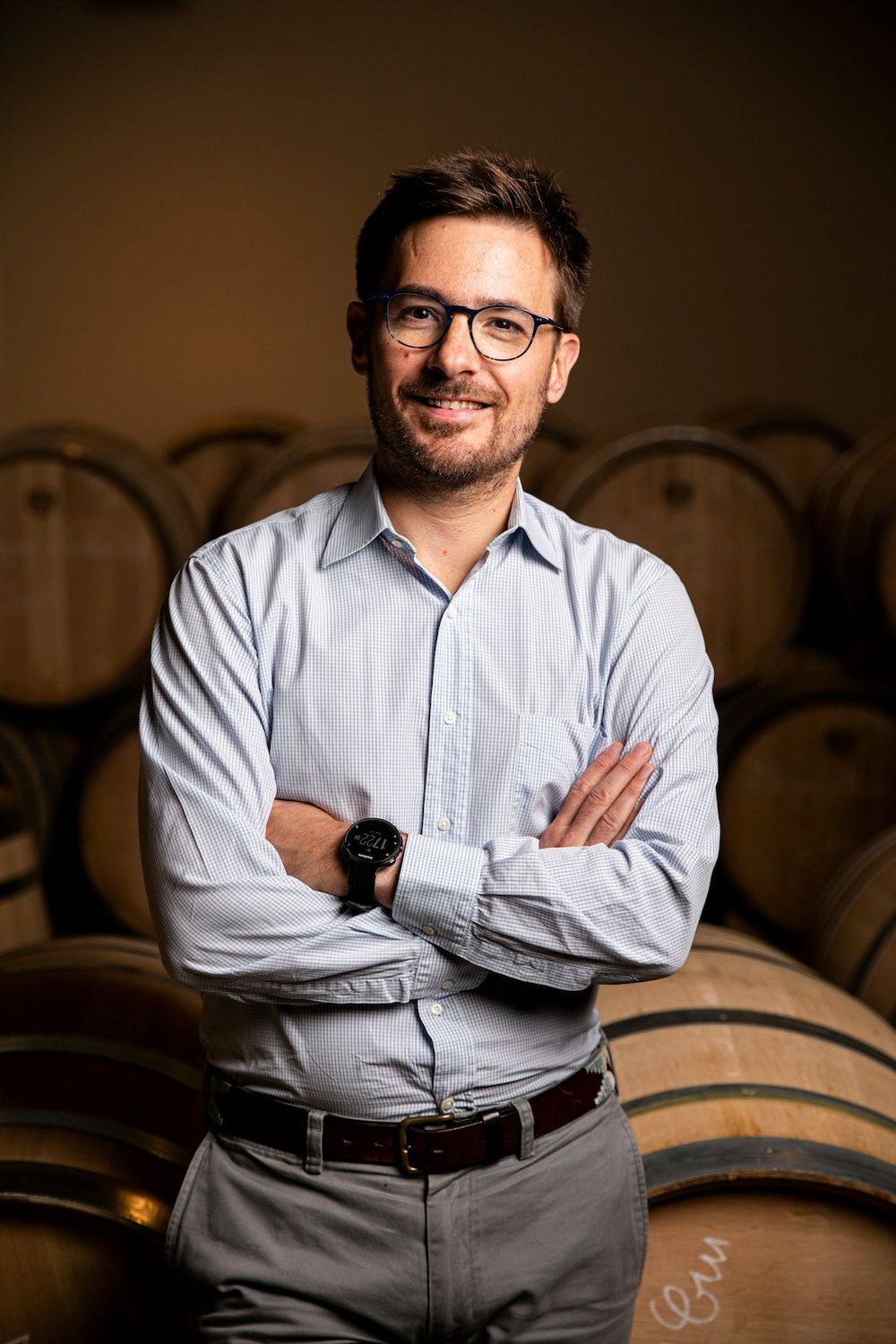
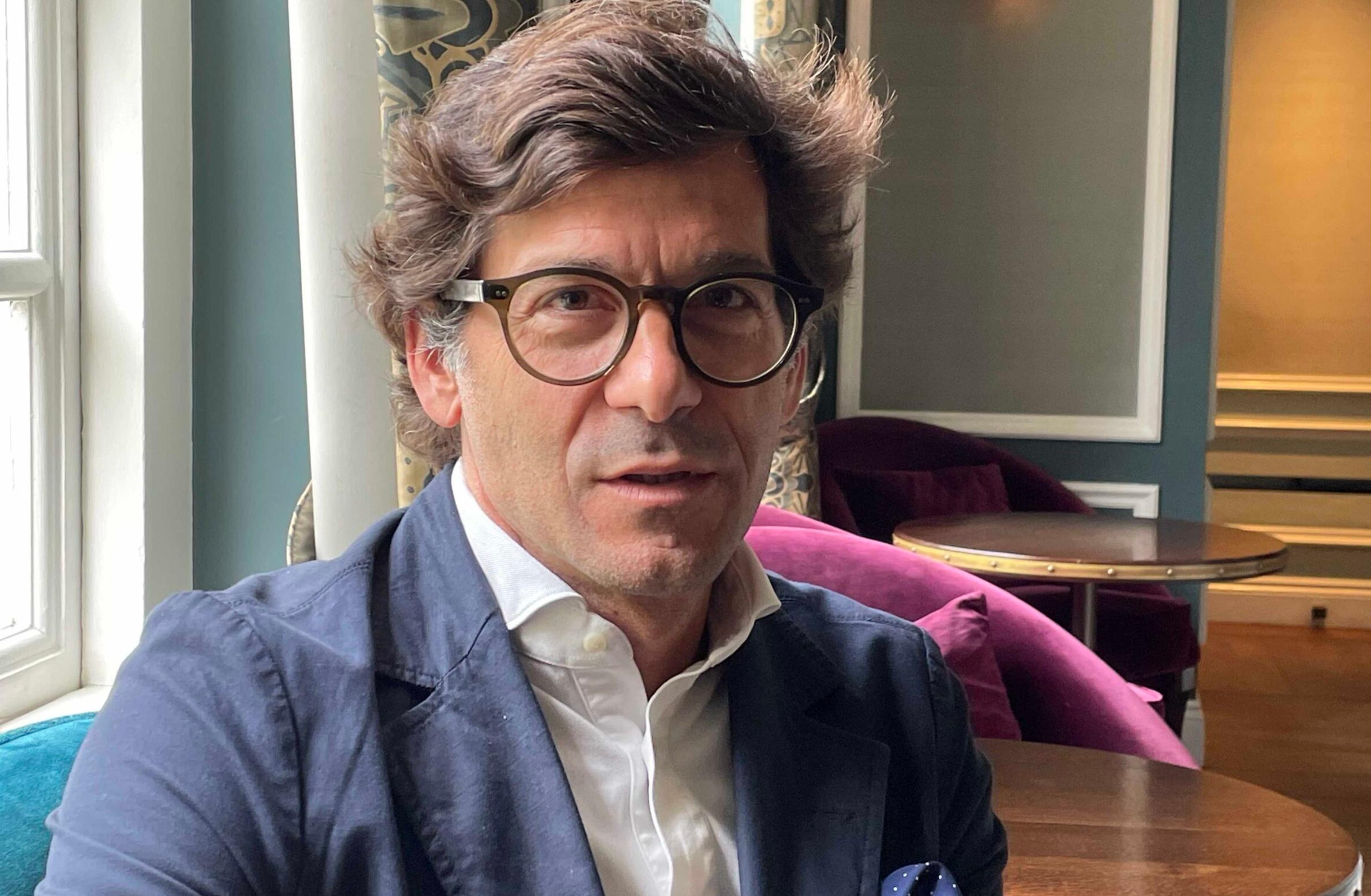
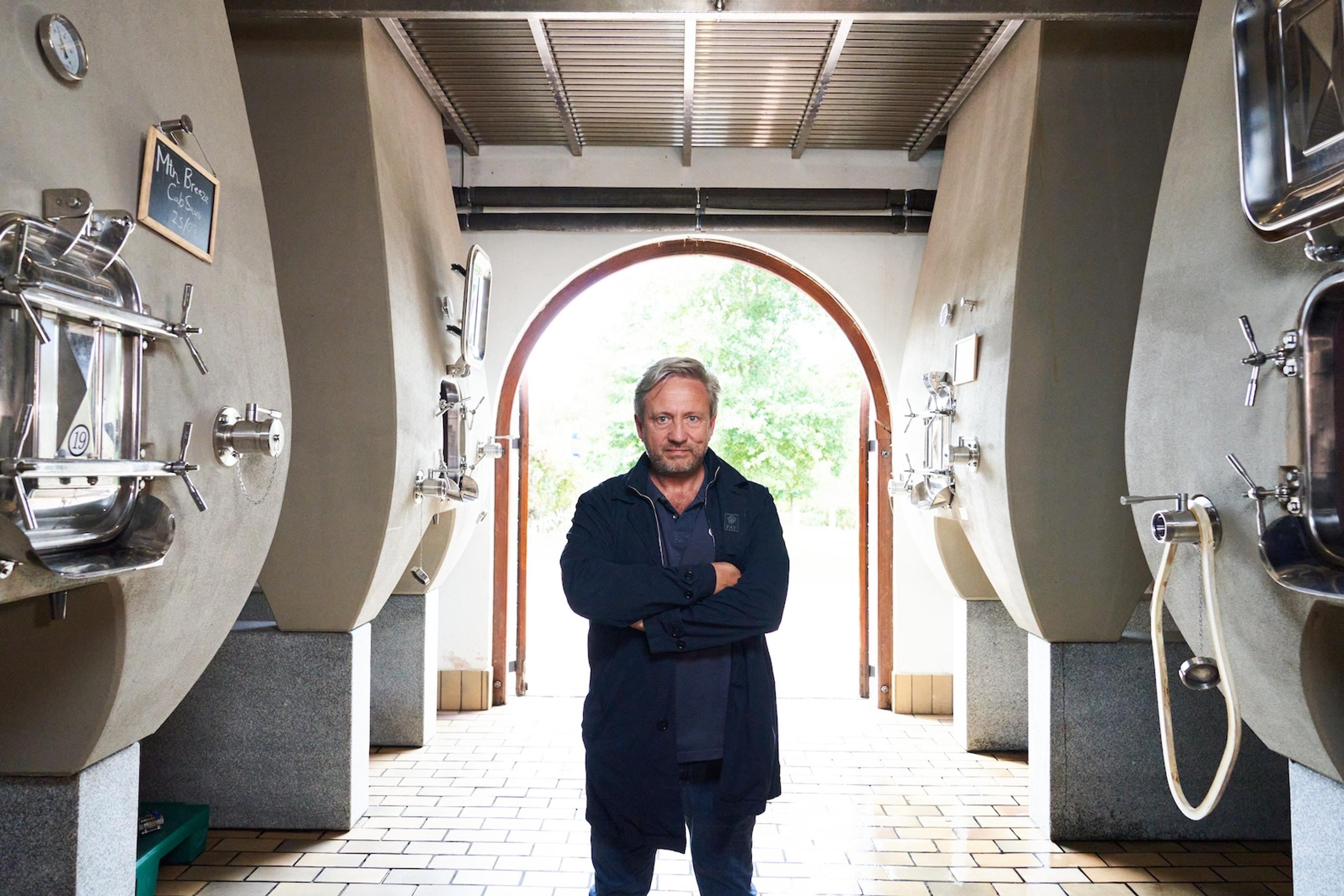
"Beaune is probably one of the best (if it is not the best) value in Côte d’Or," says Thibault Gagey
What prompted Louis Henry Denis Jadot to buy the vineyards? Was he a winemaker?
The vineyard actually came from the family of Louis Jadot’s wife who were from Burgundy, her father acquired it in 1826. Louis Jadot took over the Clos des Ursules the same year as founding the estate in 1859 and was responsible for the winery and in charge of winemaking.
And what happened in the 33 years between their purchase and the founding of Louis Jadot in 1859?
Clos des Ursules was managed by Louis Jadot’s wife’s family before Louis Jadot founded Maison Louis Jadot.
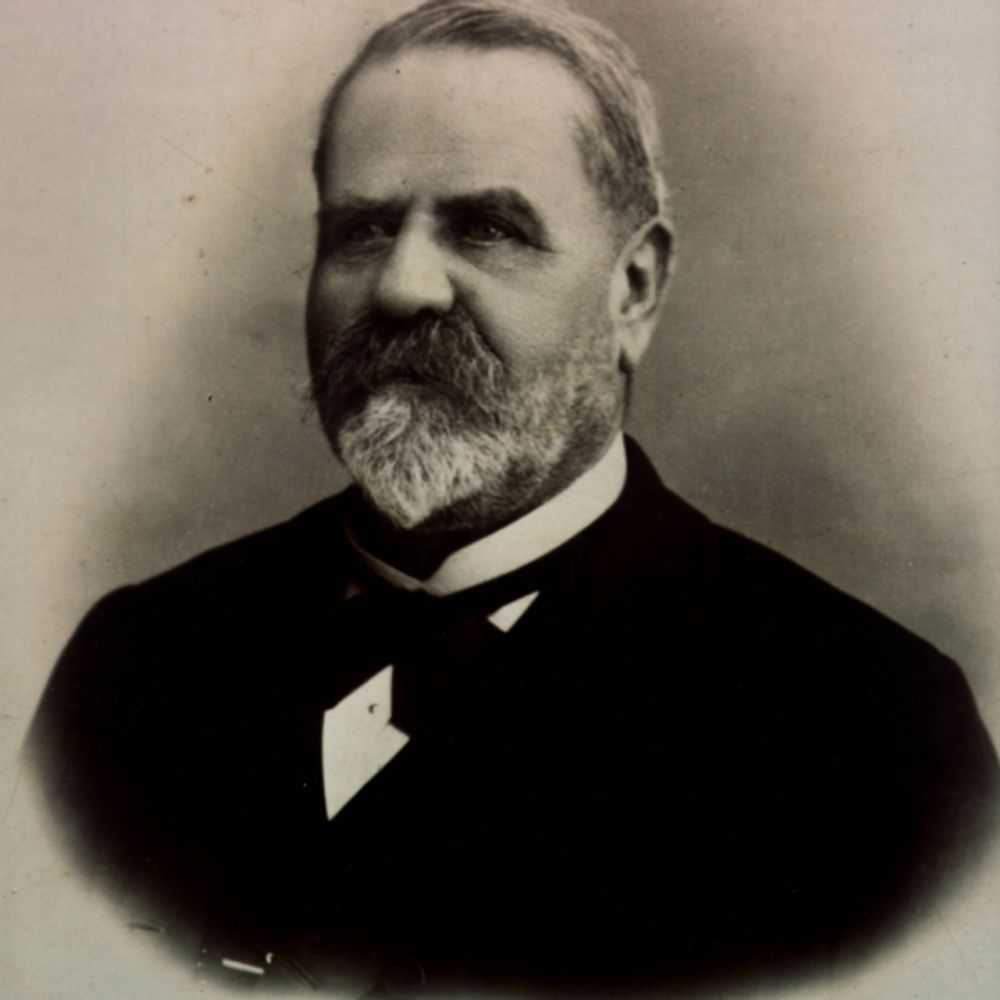
Future vision: Louis Henry Denis Jadot
To those not familiar with the wine can you explain what drinkers can expect?
The wine is very serious, has a profound structure and a very complex bouquet. It has an amazing ageing capacity.
Regarding the Clos Des Ursules itself – what makes it so special as a plot for growing grapes?
Clos des Ursules is located in the heart and the very prime area of the Beaune appellation. The plot covers 1.25 hectares on a mid-slope, enclosed by walls and enjoying an eastern exposure. Its oldest vines date back to the 1950s and represent more than half of the current vineyard, with the last replanting taking place in the 1970s.
It features a multi-sloped terrain with shallow soils, as the limestone bedrock lies only about sixty centimeters below the surface. The vines develop a deep root system that penetrates the rock to extract water and minerals. This unique geology gives the wine a profound structure and a bouquet of rare complexity.
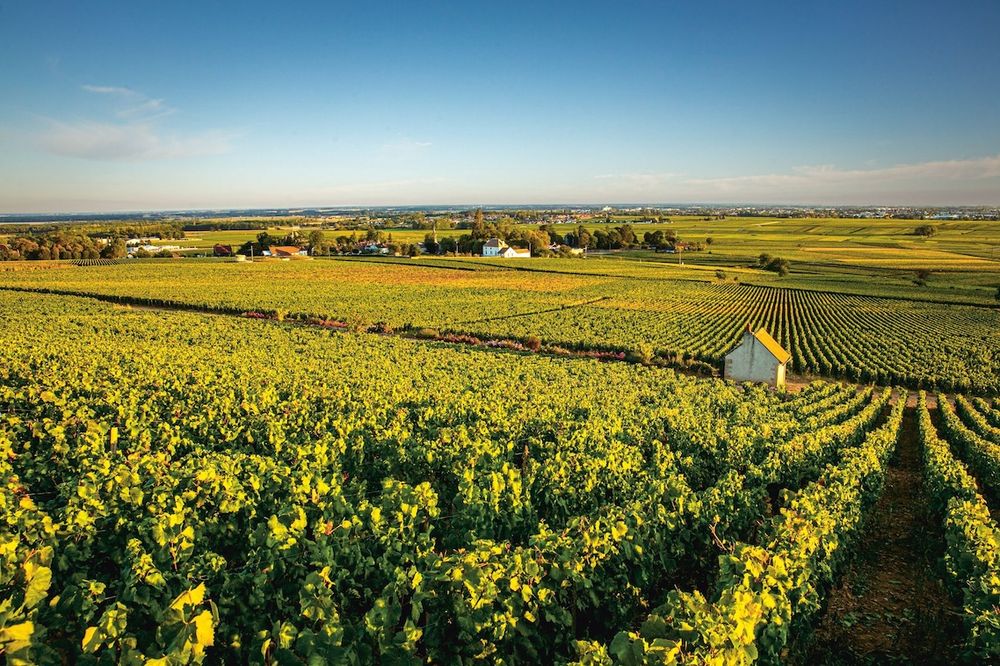
A very special terroir: Clos Des Ursules
Is this why the appellation of Vignes-Franches is downplayed on the label?
Vignes Franches is a monopole with a sole owner, the Héritiers Louis Jadot. The wine has always been highlighted as the “Clos des Ursules” within the 1er cru climat Vignes Franches but since 2011, the “Clos des Ursules” has officially been one of the 42 1er crus in Beaune in its own right. So the Vignes Franches is no longer downplayed on the label since 2011.
The Hautes part of the vineyard was planted in 1963 and the Bas section in 1975. Given your replanting programme, what is the average age of the vines? And what clones are you planting? The same or ones better suited to changing climate?
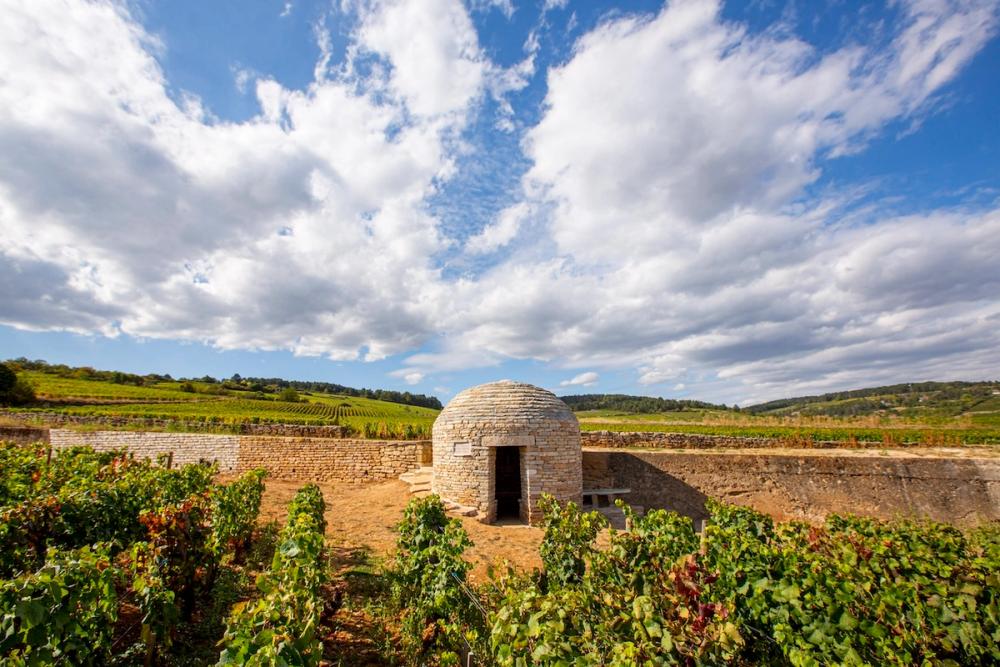
The restored cabotte in Clos Des Ursules
The last plantation is from the mid-seventies. The average age of plantation from Clos des Ursules is almost 55 years old, with the oldest part from mid-fifties. We will probably think about partial replanting in the next decade. Our strategy today is to mix massal selections, clones and to use two or three different rootstock. We don’t have a clear idea about what will be the best in the next 40 years so introducing diversity is key.
Could you explain how the wine is made?
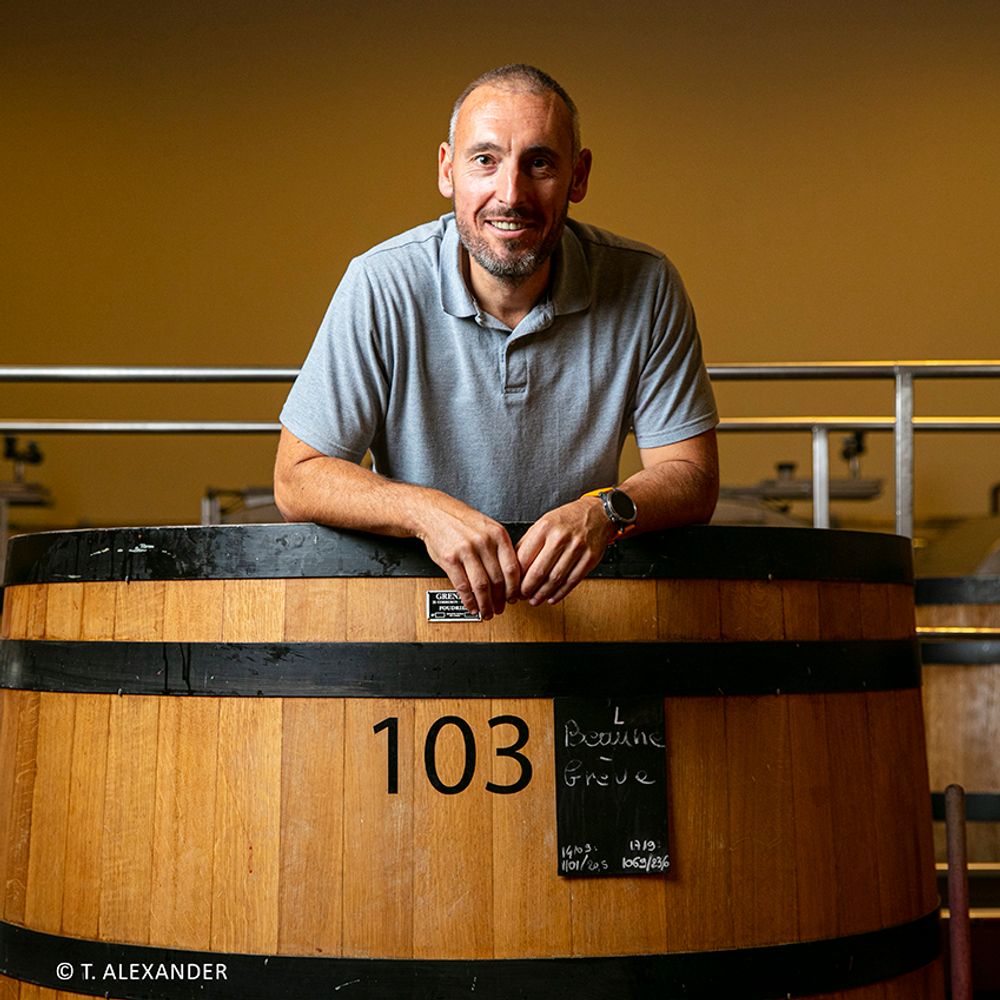
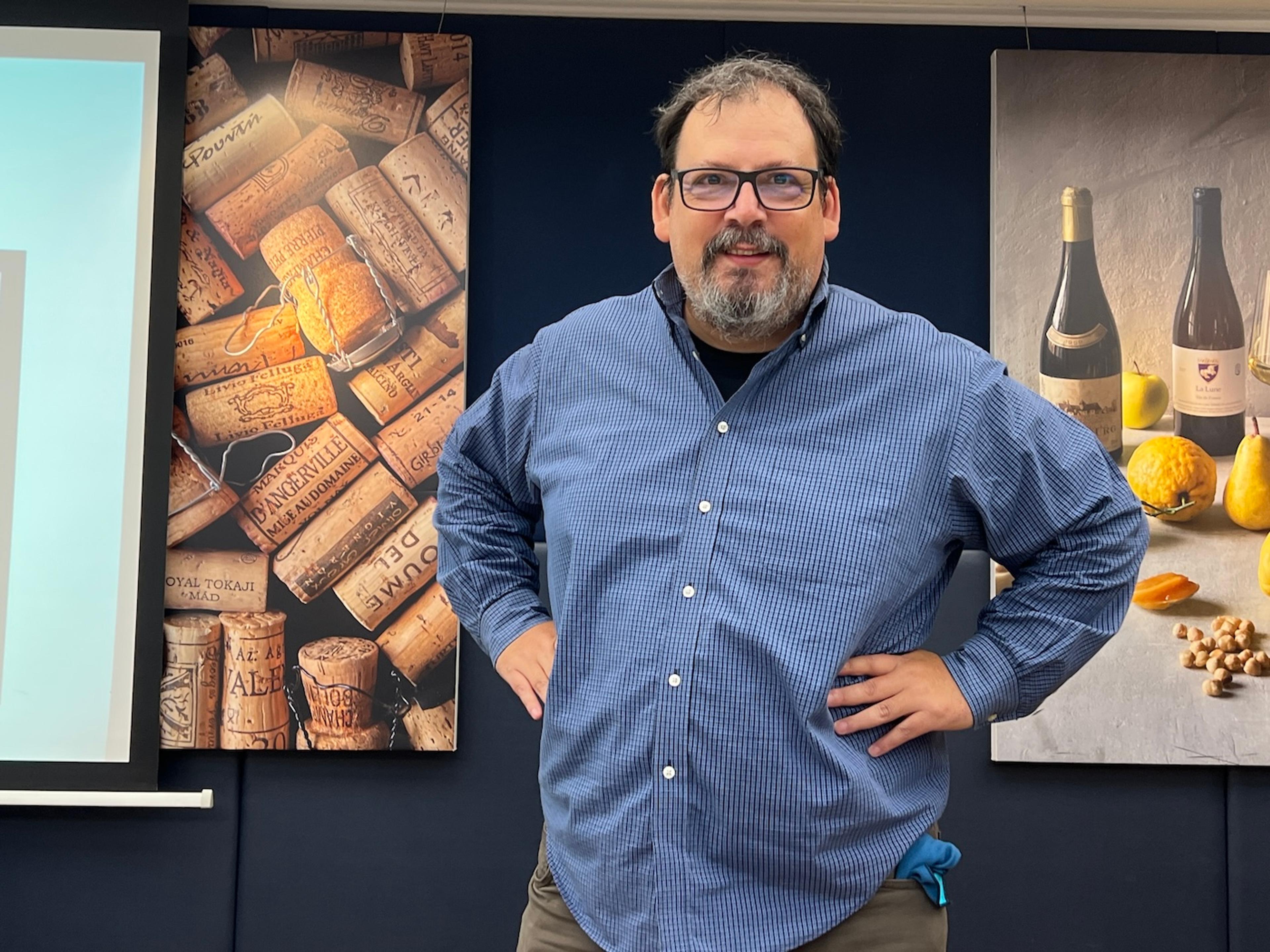
Frédéric Barnier: exploring the use of whole bunch
Frédéric Barnier: The wine is made in the classic way all Louis Jadot red wines are. We use destemmed fruits, with a long maceration of three weeks minimum, pigeage (twice a day) during fermentation, first part of ageing in cask (30% new) until malolactic with one racking after 8/9 months and a last part of ageing in foudre so a total ageing of 18/20 months.
Has this changed significantly over the wine’s history? And how/ why?
FB: In 200 years of history there has been some evolution in the winemaking but a lot has remained consistent. One thing which has been key since the mid 1980s is the possibility to choose what we put in our tank thanks to the sorting table. It has allowed us to adapt to challenging vintage and making better wine. It’s probably the fruit which has changed more due to the climate change.
Why do you feel that this wine is not suitable for inclusion of whole bunch?
FB: I’m not sure I think that! Jadot is using traditionally destemmed fruit but we are exploring the use of more whole bunches (max 40%) for some of our wines and for some specific vintage when maturity could be very high - Ursules could be one of it.
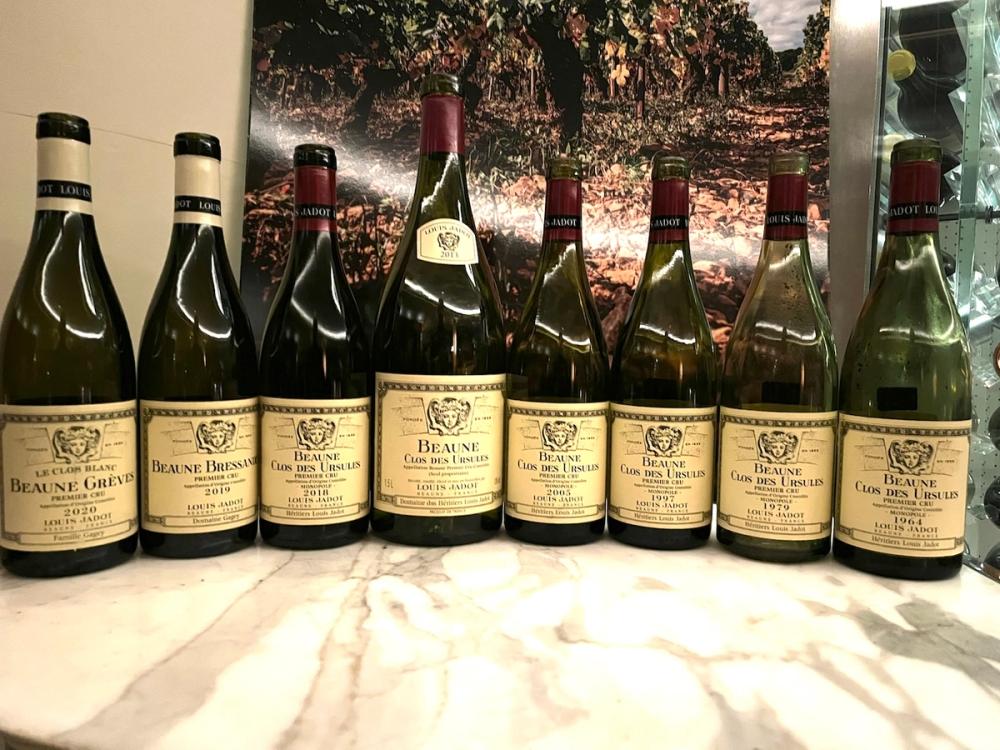
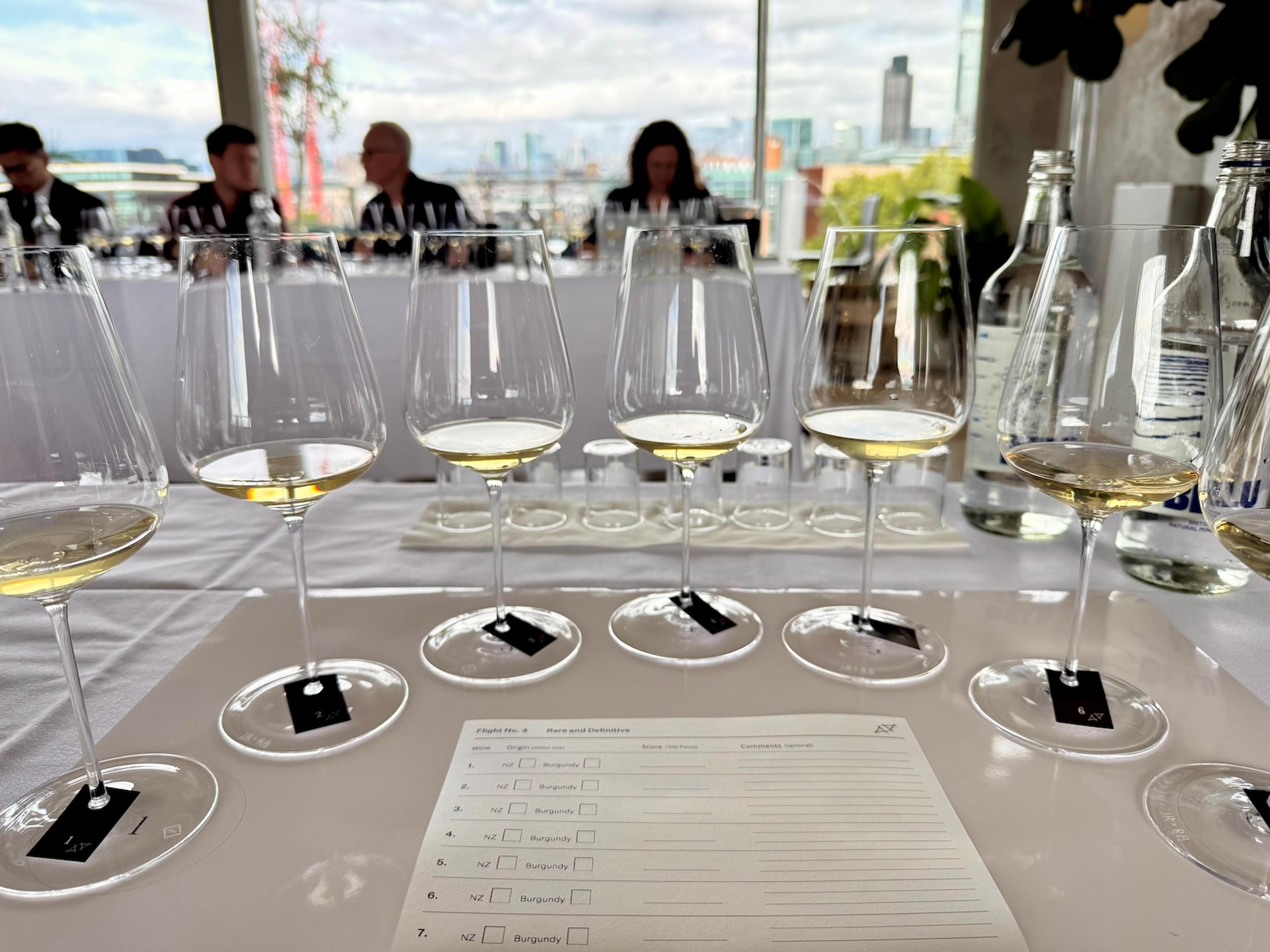
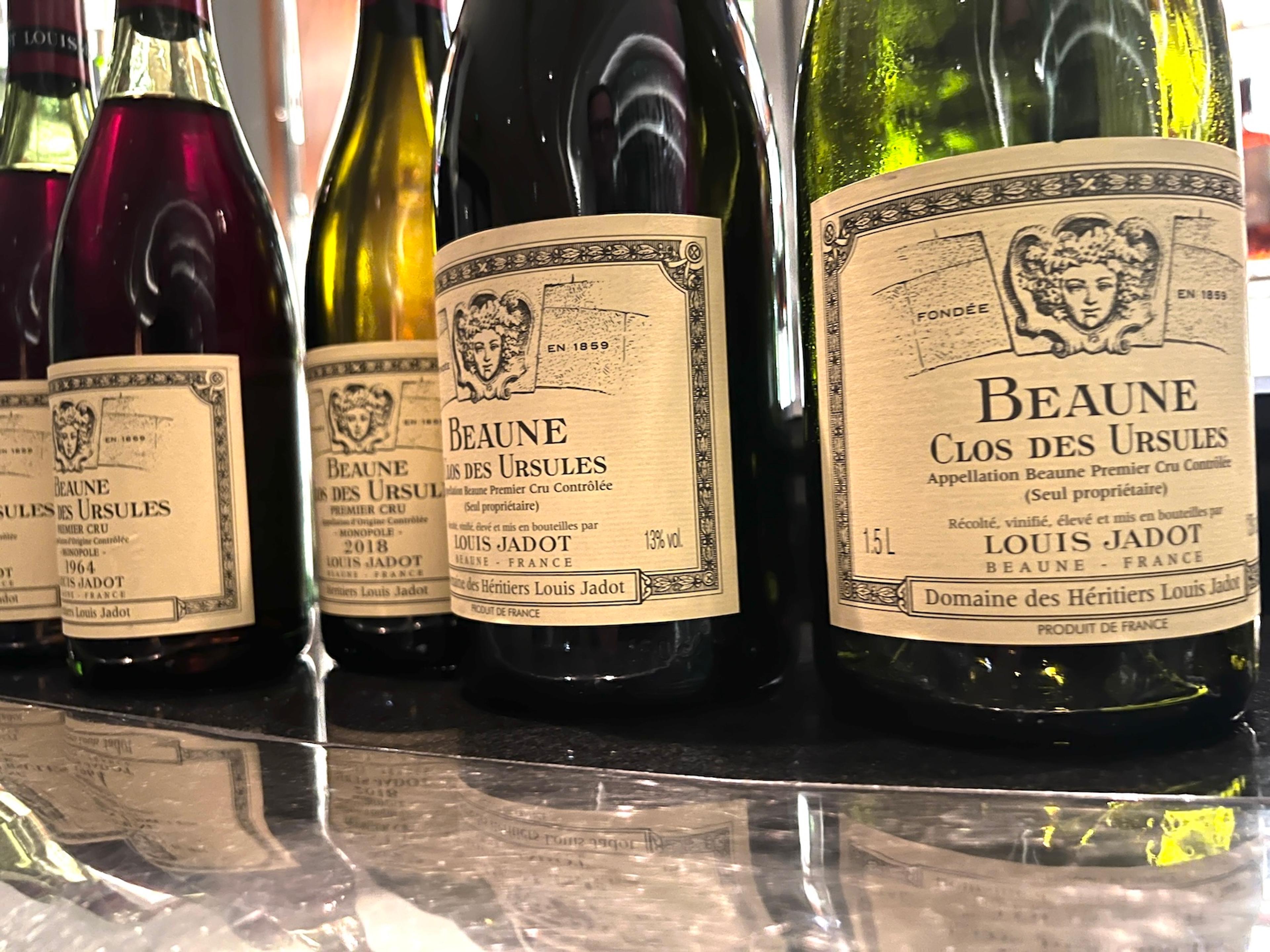
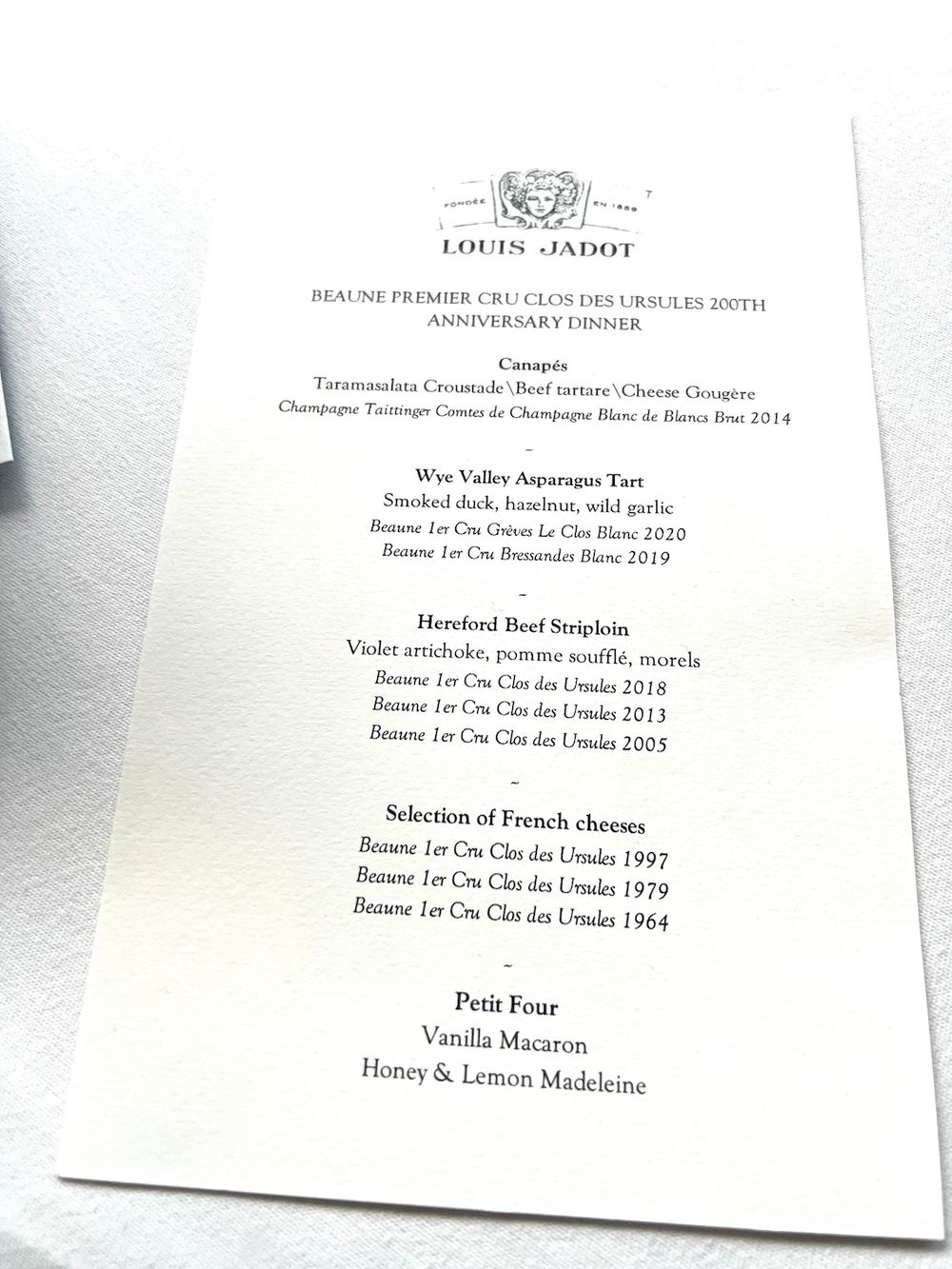
The line-up of Clos Des Ursules vintages at the London celebration
The name Ursules is derived from the Convent of St Ursula – what do you know about the clos’ former owners? And was this typical of the time for vines to have religious ownership?
Thibault Gagey: It used to belong to the Ursulines nuns that had a convent in Beaune (the actual City Hall) and it was very typical of the time for vines to have religious ownership.
Speaking of ownership, Clos Des Ursules bears the ownership of ‘Domaine des Héritiers Louis Jadot’. How is this different from Domaine Louis Jadot and Famille Gagey? Could you briefly explain the structure please?
Héritiers Louis Jadot wines are made from the vineyards that are owned today by the Jadot family.
Domaine Louis Jadot wines are made from the vineyards that are owned today by Maison Louis Jadot (which the Jadot family sold to the Kopf family in 1985).
Famille Gagey wines are made from the vineyards that are owned today by the Gagey family.
Then finally for Maison Louis Jadot, the grapes are purchased from Héritiers Louis Jadot vineyards and from Gagey family vineyards.
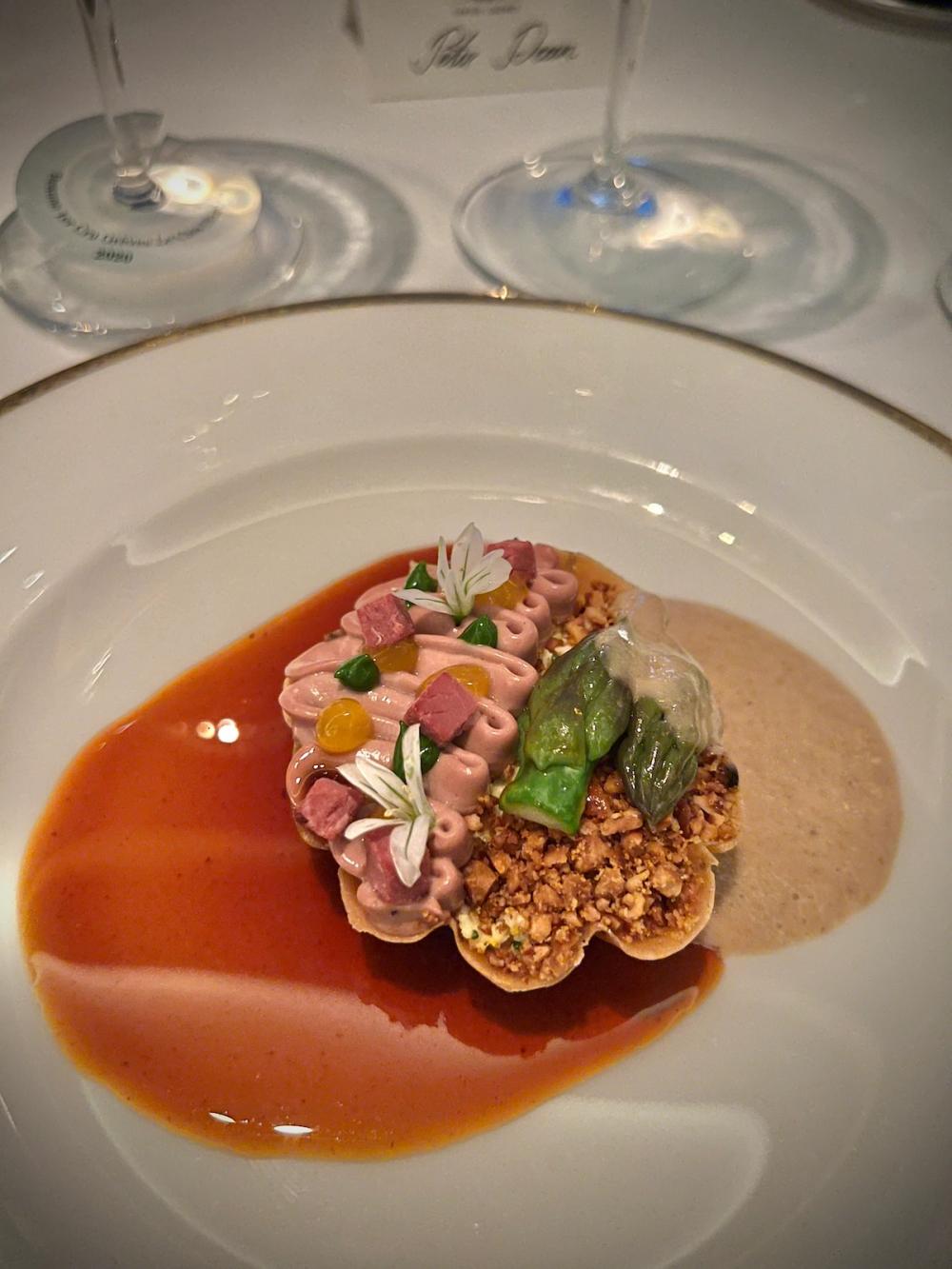
Wye Valley Asparagus Tart: paired with two of Jadot's white Beaune
You say that the wine’s drinking window is 10 years and that it may last 15-20 years. What are the oldest bottles Jadot owns and how are they holding up?
We have Clos des Ursules wines in our cellar that are more than 100 years old.
It seems, given the price of many 1er Cru Burgundies, that Ursules is good value for money (especially given its historical significance to the company) is that the case? And if so why is that?
It is indeed a great value for money compared to other top Grand crus and Premier crus reds from Cote d’Or. And in general, Beaune is probably one of the best (if it is not the best) value in Côte d’Or with a large diversity of great terroirs and more and more whites.
How many bottles of Ursules do you produce each year? And what percentage are export?
6000 bottles in a good year, it can be less in a small vintage. Around 85% is exported.
Will there be a special bottling in 2026?
Stay tuned !
Clos des Ursules and the rest of the Louis Jadot portfolio is imported and sold in the UK through Hatch Mansfield which is a commercial partner of The Buyer. To discover more about them click here.