
There is a strong connection with New Zealand Maori heritage and the brand - can you explain what that is?
Te Pā’s history goes back to the earliest arrivals of indigenous Māori to this country, some 800 years ago, so the connection is unique and authentic. I directly trace my ancestry to those first people who arrived here in the Lower Wairau Valley of Marlborough and made it home all those centuries ago.
The landing spot, the Wairau Bar, is flanked by the Wairau River on one side, and the waters of Cloudy Bay to the front, so it’s abundant in seafood and birdlife, and would have been an ideal place for the early people to make home.
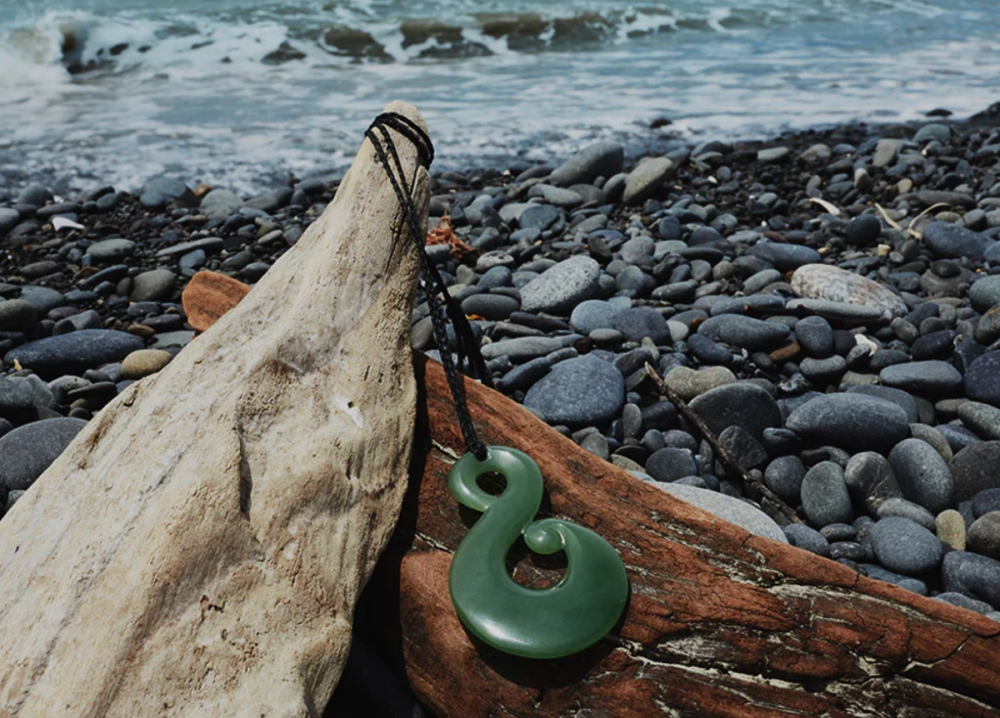
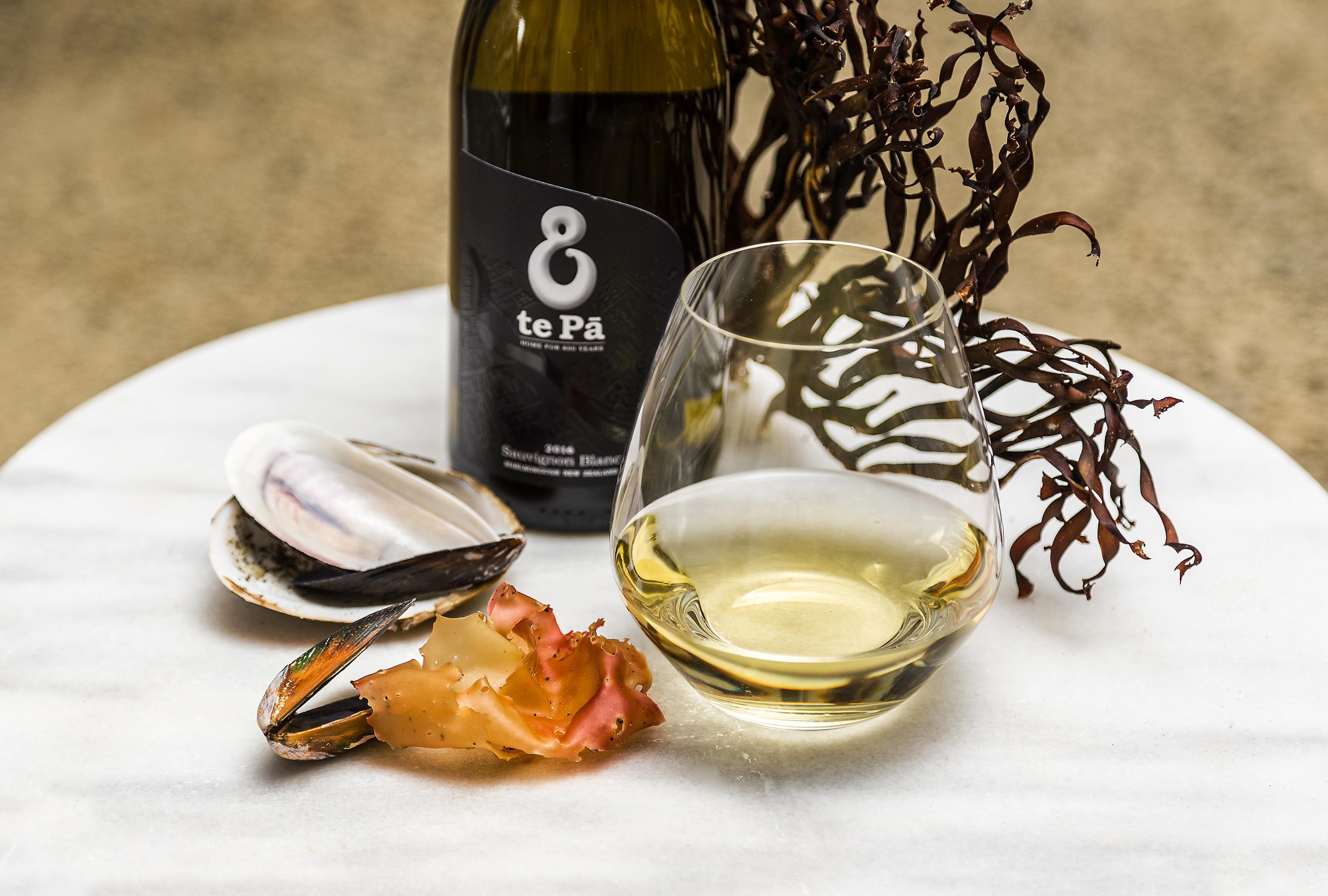
te Pā's logo is 'hei matau' - the traditional Māori fishhook which is considered sacred - a revered symbol of life source and strength
Our logo is a traditional Māori fishing hook (called ‘hei matau’) which symbolises my ancestral connection to the water, and to seafood (kaimoana) as a life sustaining source of food. To this day, I’m a keen diver, fisherman and hunter and it’s now awesome to be teaching some of my kids the same skills to make sure they are passed down from generation to generation.
The logo is also ‘waru’ (the number eight) in te reo Māori, which symbolises our 800 years of history on the land here.
You are also making wine from vineyards that go back to Māori heritage?
As mentioned the land has been in my family for generations, and the historic Wairau Bar where the early arrivals to Aotearoa New Zealand occurred, is located very close by. My family had been using the land for traditional farming (dairy and cattle) and were growing potatoes in the 1990s.
Later we started processing the raw product into fresh French fries and had a successful business distributing the product around the top of the South Island. The first vineyards were planted in 2003 after I convinced my dad to go into grape growing.
How important is that connection with how the brand and its imagery and messaging has developed?
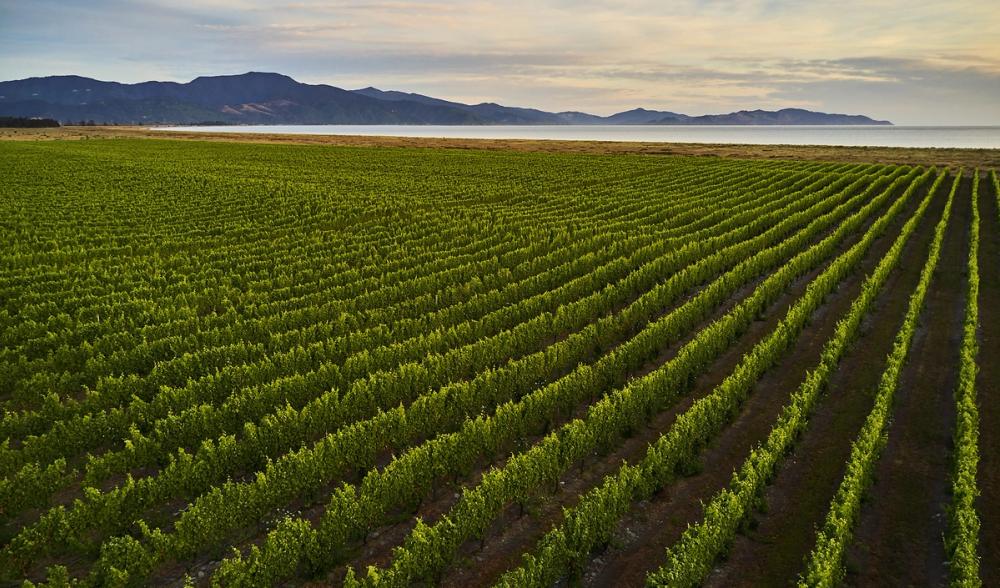
te Pā both owns its own vineyards and contracts out others from growers
The indigenous heritage, and connection to the land, is at the heart of the te Pā brand.
At a time when there are so many imitation wine labels, especially in the UK, using Māori names and icons, it is so crucial that we advocate for protecting authentic Māori heritage and image.
We’ve been a passionate and vocal advocate for this over the years, including giving input to the British High Commission on the NZ-UK FTA a few years ago. We are also a founding member of the TUKU Māori Winemakers Collective, a world first, and through the collective we have led the way in discussions in the wine world around culture, connection to land, and protecting the signs, names and symbols of the Māori culture.
Does it help differentiate the wine and the company from the competitive New Zealand Sauvignon Blanc category?
Absolutely this helps to differentiate our wines and company within the competitive New Zealand Sauvignon Blanc category. Wine drinkers (and consumers at large) increasingly want to know who is behind the products they buy and consume. When the supermarket shelves are awash with ‘Kiwi’ styled wine labels with no connection to the Māori culture, or even to New Zealand, our brand stands out - and it stands for something.
te Pā is also one of the few independent, medium sized wineries in New Zealand that is still family and locally owned. When such a huge portion of our industry is foreign-owned by large multinationals, we are proud of that fact, and know that it matters to our customers too.
We genuinely care about what we do, and reckon that care is evident when people try our wines.
You switched from potato farming to making wine - why did you do that?
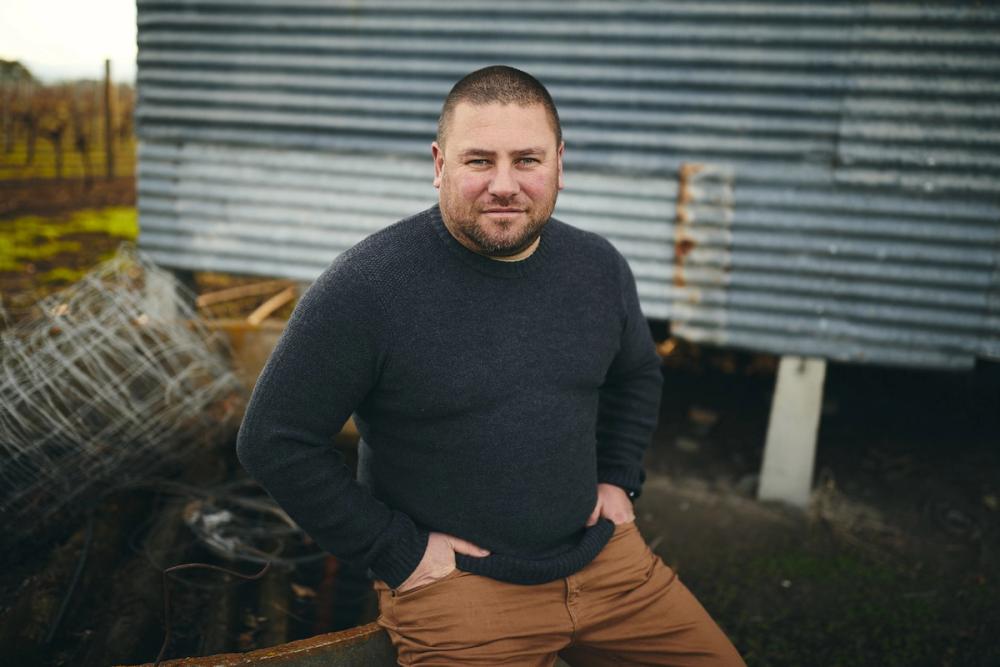
Haysley Macdonald convinced his father to switch from potato farming to making wine
I had been working as a truck driver and travelling around the US in my early twenties, and my dad called me after a few years to get me to come home and back on the family farm.
I knew how much the Marlborough landscape was changing and could see how many farmers were converting to Sauvignon Blanc vineyards, as the world started to wake up to just how distinctive and special Marlborough Sauvignon Blanc is, so I convinced my dad that we should give it a go. We’ve been growing in hectares, and as a business, ever since.
Initially we were growing grapes for other companies, and I was also importing specialised harvesting machinery from Europe as I built up a successful grape harvest contracting business. This took me all around the region and I got a good appreciation of what was growing well in different areas.
It also made me see just how unique the fruit that I was growing at our home block in the Lower Wairau Valley was, so when the great financial crash hit in 2008 I started processing fruit into wine, and then in 2011 launched te Pā as my first branded project.
Today I’ve got over 400 hectares planted across prime spots in the Marlborough region, and we’re also working with some fantastic growers as well for an additional 100 hectares of fruit supply. We’re exporting to more than 25 countries, and have four brands as well as some private label business that helps to keep us diverse.
What have been the key milestones and achievements for the business over the last 20 plus years?
This year will mark 15 years since our first te Pā harvest in 2011, which is an exciting milestone for the team.
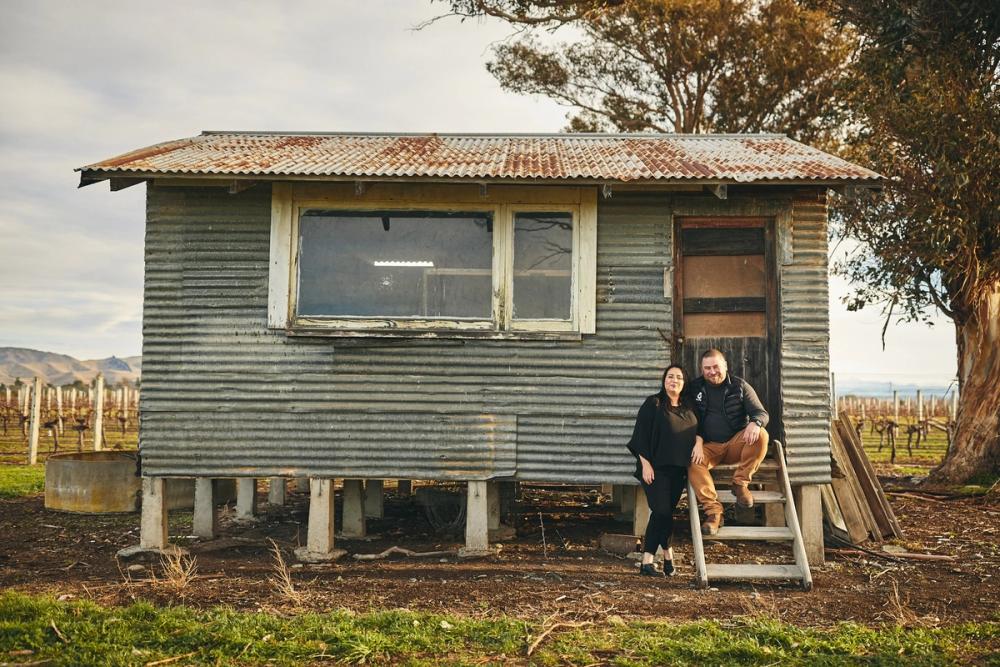
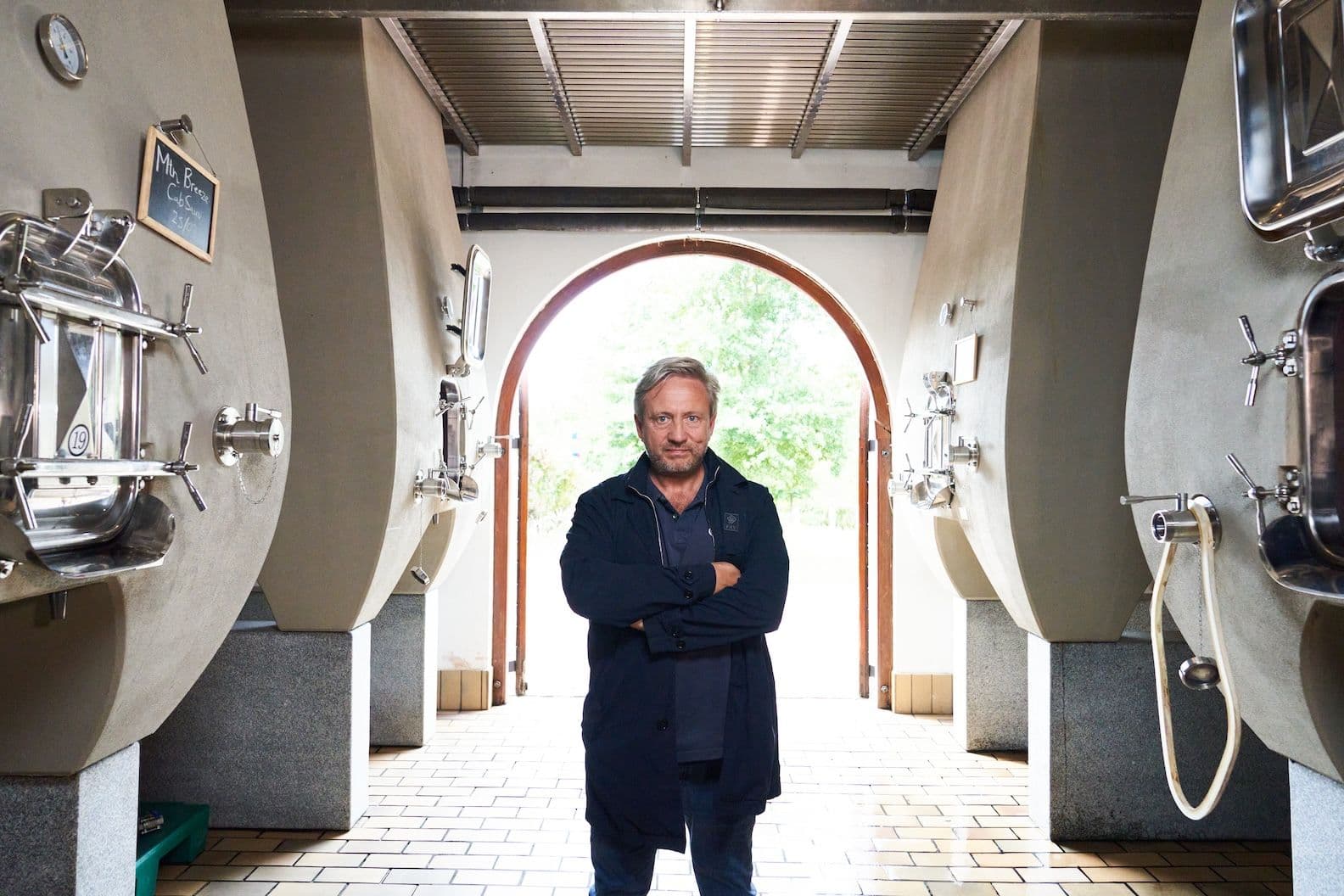
Haysley Macdonald and his wife Julie are proud to be one of the leading independent family producers in Marlborough
Last year featured some major achievements of which we are all really proud; we were part of a huge feature in the New York Times which centred on indigenous Māori wine producers. That was a massive moment for the company, and we received such positive feedback and support from customers and friends of the business from all over the world.
We were also the proud recipient of the trophy for Māori Excellence in Export, at the New Zealand International Business Awards, supported by New Zealand Trade and Enterprise. We were also a finalist in the Best Medium Size Business category, so that was another great achievement and reflection of the hard mahi (work) our whole team puts in.
Here in the UK, we were delighted to launch two new wines with the Co-op (a Pinot Noir Rosé and a barrel fermented Sauvignon Blanc), which both deepens the New Zealand wine category from the standard Marlborough Sauvignon Blanc, and makes the category more premium as well.
And then in the final weeks of 2025, we got the news that our flagship wine, te Pā Sauvignon Blanc, was on the Wine Spectator Top 100 for 2025, for the first time. It had been a goal of ours for a while so this was a biggie. We sold out of the remaining 2024 vintage stock of the wine to our US importer immediately.
What have been the biggest challenges and how have you overcome them?
There are tough trading conditions for everyone in the wine industry, as we all know.
During the 2008 financial crash, as a contract grape grower we lost a lot of income when the bottom fell out of the market and the grape price paid to the grower dropped by around 70%, even up to 80% in some instances.
When that happened we decided to produce wine to generate new income, which we then sold back to local wineries as bulk wine. This was a natural segway into being a fully-fledged wine producer so we moved into branded product, launching te Pā to critical acclaim in New Zealand and Australian wine competitions in 2011.
The big challenges we face today are red tape, tariffs, lifts in duties and taxes around the world, none of which flow on to the shelf price of wine so the onus is usually on us as the producer, and sometimes shared with our importers depending on the market.
Global wine consumption is down of course, but we are in a good position given Marlborough Sauvignon Blanc continues to grow as a category.
Describe the wines you make and how you make them?
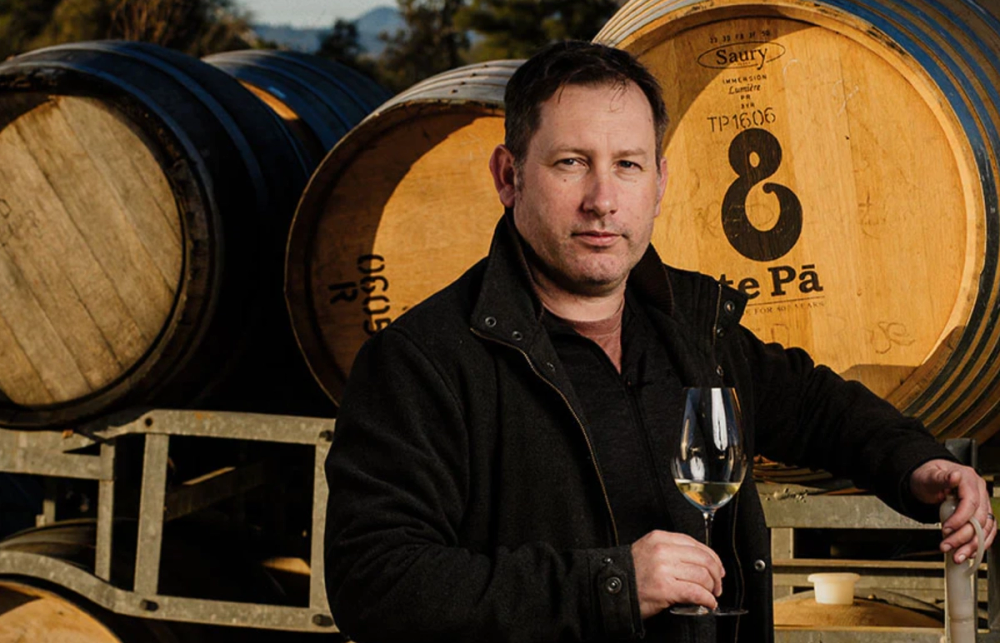
Sam Bennett is te Pā's head winemaker
We like to produce dry, crisp, refreshing wines, and that style is resonating with customers around the world.
Given our main vineyard’s location between two bodies of water, it’s a unique growing environment for Sauvignon Blanc. Stylistically our wine leans more towards a tropical expression with passionfruit notes, and less of that aggressive, green acidity that is sometimes seen in Marlborough Sauvignon Blanc. Being so close to the ocean (150m at the closest point) there is an interesting touch of salinity in the wines that makes them distinctive.
It also means our wines are ideally paired with fresh seafood.
Another element of our winemaking approach is the use and influence of barrels. We have an acclaimed 100% French oak barrel fermented Sauvignon Blanc (called te Pā Sauvignon Blanc Oke, which is the indigenous word for oak), and more recently we launched a similar style into Co-op, with our te Pā Signature Series Reserve Barrel Fermented Sauvignon Blanc.
How do you stand out vs your peers and others in your category?
We bring authenticity, heritage, quality, and a fresh approach to how we share the wines. We focus on overdelivering for the price point, and take real pride in producing wines that people are delighted to drink, and proud to share with family and friends.
Being independent, we care about what we’re producing, and we pay attention to nailing the style and quality year after year - in other words, we actually give a shit.
How have you been impacted by New Zealand’s turbulent harvests over the last five years which has seen major over supply issues - and impact on pricing?
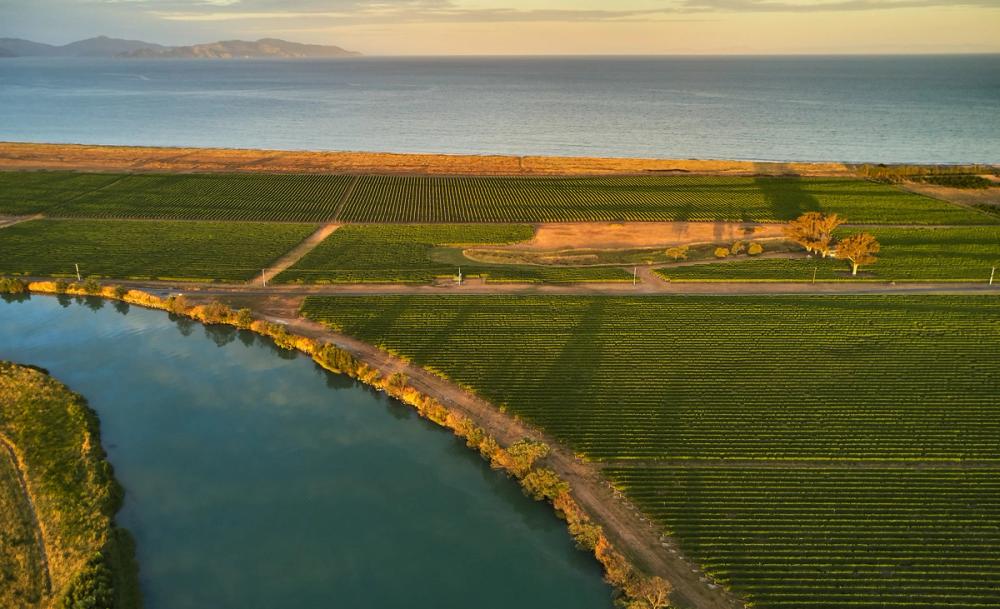
Having vineyards in different sites has protected te Pā from the ups and downs of New Zealand's recent harvest
As a business we’re very happy with our position, and we are quite balanced on our supply side to our sales side.
However, there are some large producers with oversupply who have basically miscalculated their inventory, have produced inferior wines, and are now flooding the market with low quality, cheap wine, and unfortunately they still get to put the good name of Marlborough Sauvignon Blanc on that wine.
This hurts the good players - like ourselves, and those in the Appellation Marlborough Wine community with us - who are staying true to the quality and premium nature of Marlborough Sauvignon Blanc.
This means having high quality vineyards and people, not trying to outgrow our sales, and just generally being a good producer with a focus on quality and on our customers.
How have you managed the business through these times?
Through focusing on quality, working in close partnership with our distributors and customers, looking for efficiencies in production, and being hungry for growth in new and emerging markets, as well as increasing our investment in existing major markets like the UK and the US.
What are your key export markets and how are they doing?
Our key export markets are the UK and the USA. We’ve also got strong and long term partners in Ireland and Western Australia, where our brands are thriving in the on-premise.
We’re actually really strong domestically as well; our Pā Road Sauvignon Blanc is a top 10 supermarket wine brand and has been for several years now.
Our home market represents about 30% of our total branded sales, which is significant given about 90% of total New Zealand wine is exported. We’ve got a great distributor here who is very strong in grocery, so to have what is essentially now a ‘household name’ wine brand is something we’re pretty proud of.
What emerging markets around the world are you focusing on and why?
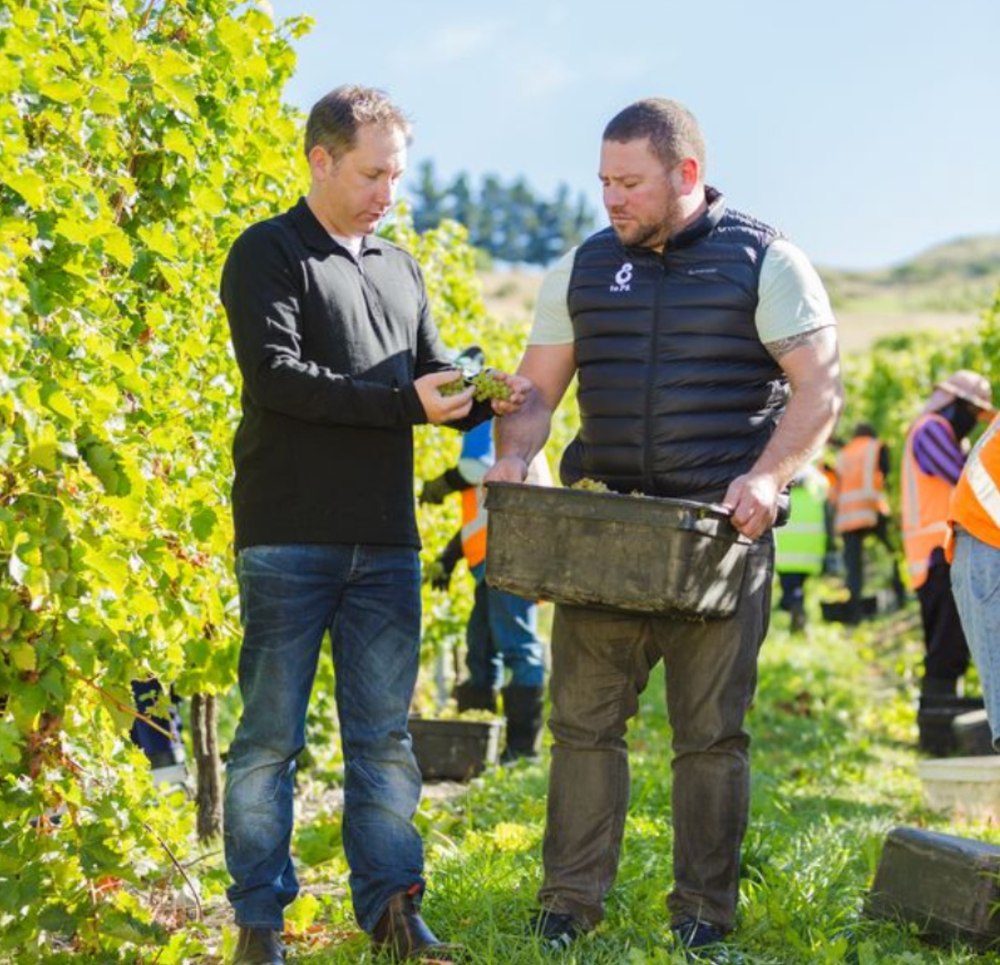
Sam Bennett and Haysley Macdonald look to make fresh, crisp wines that work well with food
We have cultivated incredible growth in Asia and South East Asia in the last five years. We have sought out good partners in these markets, and have approached several markets with a multi-channel strategy which helps to keep our route to market diverse. Korea and Thailand are both driving the growth here, with Japan and Vietnam also growing in volume.
Spending time in these relatively new markets has been important; getting to know our distributors well, spending time with their customers and understanding the nuances of local markets, and seeing the emerging wine culture first hand, has been incredibly valuable.
How important is the UK to the business and has it been challenging with duty and ABV changes?
The UK has been a big part of our business for a long time and it always will be. We’ve got good partners in the UK, all of whom are growing.
The challenge is the duty increases. These increases not being passed on to the end consumer is a challenge in and of itself as we have to essentially absorb those extra costs ourselves, which is a hard pill for any company to swallow. Unless we see shelf prices lift across the whole wine category, it does make it extremely challenging to maintain profitability in the longer term.
In terms of the ABV changes and the impact on our wine production approach; we are consumer-centric and we always listen to our distribution and retail partners for guidance on changes to wine. We appreciate the need to have lower alcohol levels for the UK but we don’t want to sacrifice on the quality and flavour of the wine, so we carefully manage that balancing act.
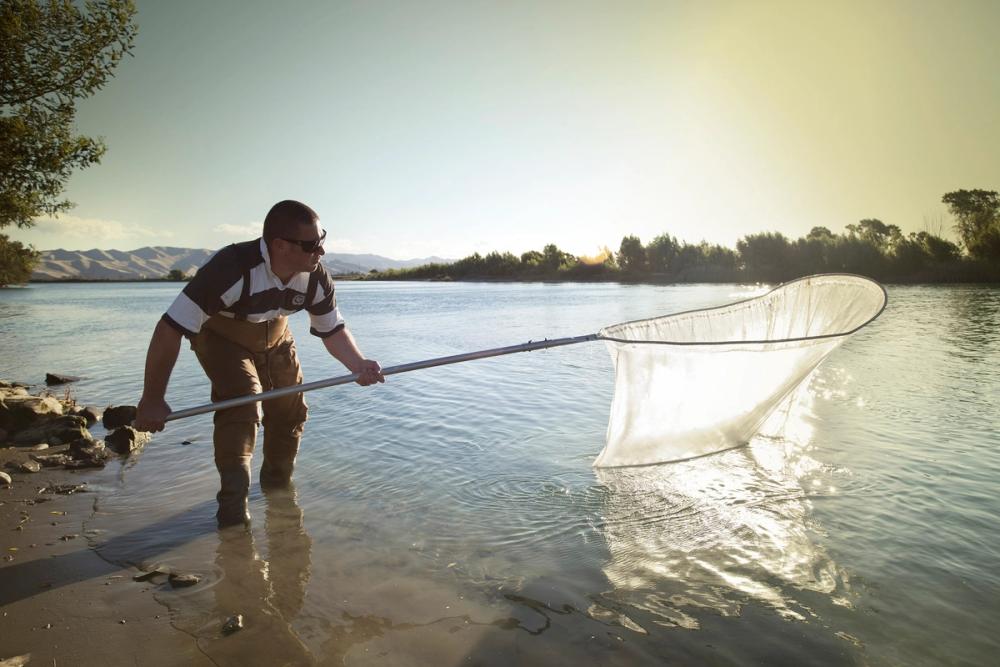
Haysley Macdonald is a keen fisherman
We remain totally committed to the UK, with increased investment in our branded products here this year and several new wines launched to both supermarket and independents in the last few months. Like everyone in the industry, we just hope the duty situation is resolved sooner rather than later.
What do you see as the big outstanding opportunities for the brand and your wines in the next five years?
We will continue to invest in and grow our footprint in the UK and the US where we know there’s an engaged, and educated wine audience. We still see lots of opportunity to grow our presence in Australia, which is New Zealand’s third largest export market.
Asia and India will continue to be exciting markets in which we need to focus growth efforts, amidst a backdrop of developing wine cultures and younger consumers.
In general terms, we want to stay true to our authenticity as a company. Strong, authentic brands, real people behind them, a real story that people resonate with, and a relentless focus on quality and overdelivering on value.
What do you need to get right to achieve them?
We’re already achieving it because we’re executing in that way now. It’s a way of operating that comes naturally to us, and everyone who works with us feels that energy, enthusiasm and passion for our wines and our partnerships. We like to work with people that we can have fun with and enjoy the journey and partnership together – what’s the point in it otherwise?
We will continue to invest in our partners and relationships, keep spending valuable time on the ground in market, and continuing to build our brand through authentic storytelling, being where our customers are, and by taking a refreshing approach to how we talk about and promote our wines.
Anything else to say?
Drop the duties.
* You can find out more about te Pā at its website here.