
What are the overall wine industry trends that are impacting the most on González Byass?
The biggest trends affecting González Byass include the shift toward premium products, growing sustainability expectations, and changing consumer habits as the dial shifts toward healthier lifestyles.
Globally we’re seeing a pressure on producers to compete on quality rather than volume and this opens up a great opportunity for us to focus on our premium brands such as Tío Pepe and Beronia. Global travel retail is a particular area of growth for the wines and spirits industry.
Sustainability has also become a huge priority within the drinks industry, which is driving brands to invest in environmentally friendly production methods. At González Byass we have a roadmap to 2030 including achieving 100% sustainable vineyard management, continuing CO2 reductions and continuing to enhance biodiversity across our vineyards.
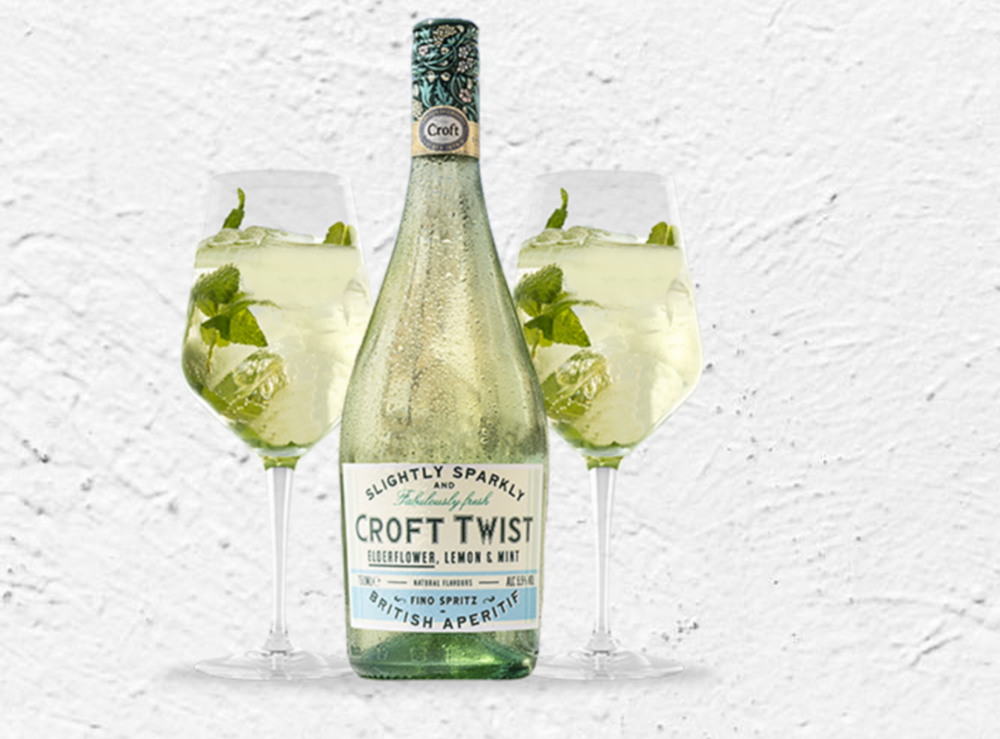
González Byass is adapting to consumer demand for lower alcohol products with the launch of new products like Croft Twist
Finally, as a family company, we’ve always valued staying close to our consumers and seeing where trends are going. Traditionally we were a sherry house, but we’ve innovated and grown our portfolio. Now with the rise of low and no alcohol trends in Europe and North America our low and no ABV products like Croft Twist (5.5% sparkling RTD) and Vilarnau 0.0% have experienced rapid growth.
What do you see as the biggest challenges for the group and how do you hope to overcome them?
Some of our biggest challenges include changing consumer drinking habits. The entire drinks industry has witnessed a decline in consumption and a shift towards healthier lifestyles.
Our response to this has been innovation with the development of products like Croft Twist and Vilarnau 0.0%. However, we need to continue monitoring where these trends are heading and be quick to respond. That’s the advantage of being family-owned; we can evolve quickly while staying true to our identity.
Economic uncertainty has also impacted the industry, but we are continuing to lean into our premium brands, diversifying beyond wine into growth areas such as spirits and low- and no-alcohol liquids, expanding internationally, and reinforcing our long-term “People + Planet” sustainability commitments to safeguard the business for the future.
We believe that each of our brands must tell a story and serve a defined audience, so the strategic positioning of each brand is key to overcoming economic headwinds.
What do you see as the biggest opportunities to grow?
González Byass’ main growth areas are expanding sherry’s global appeal, entering fast-growing spirits categories like mezcal, strengthening premium spirits like Nomad whisky and responding to consumer demand for low- and no-alcohol products, such as Croft Twist and Vilarnau 0.0%.
We also want to remain globally ambitious whilst remaining locally authentic. There is huge growth potential in emerging markets like China, Japan, Brazil and Colombia. We’re investing in consumer education across these markets from promoting sherry’s authenticity to highlighting Nomad whisky’s premium appeal to discerning consumers.
Which brands and products are performing the best and why is that?
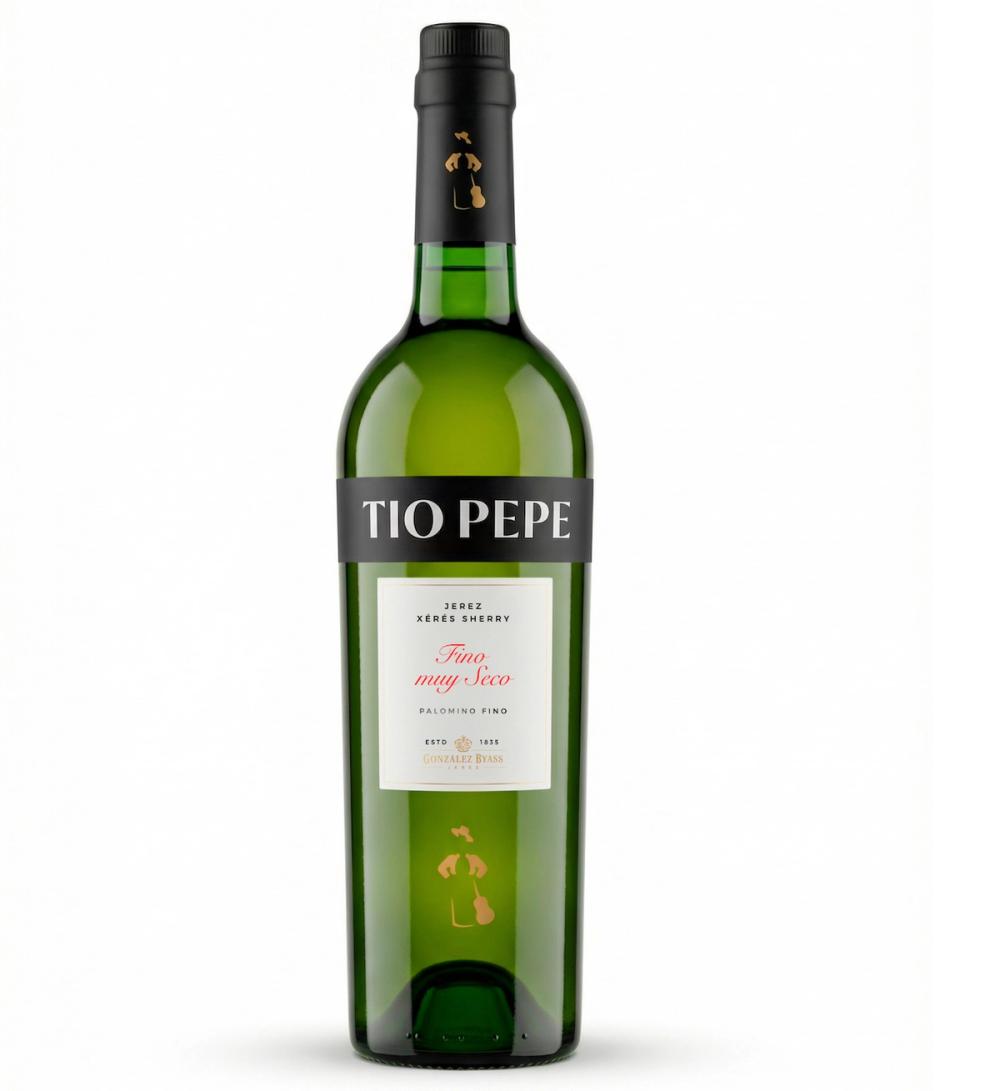
Tio Pepe remains one of González Byass' hero brands
Our best performing brands are Tío Pepe, Beronia, Vilarnau, and premium spirits like Nomad Whisky. Tío Pepe and Beronia drive sales, Vilarnau taps into the sparkling and organic trends, while the spirits stand out for quality and innovation.
How do you see the fortified and sherry market and what needs to be done more to stabilise sales and drive demand?
Sherry is enjoying a comeback, especially the premium dry styles. The key now is helping people see how versatile it is, whether with food, on its own, or in a cocktail. We will continue to focus on educating consumers and the trade.
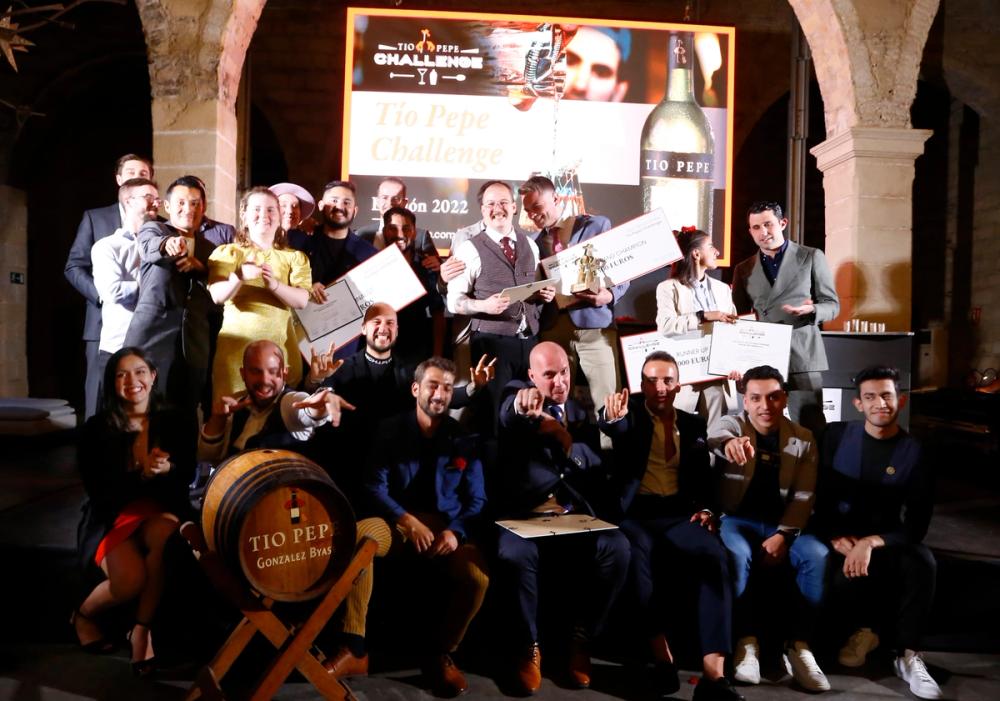
The Tio Pepe Challenge has helped González Byass keep a strong connection with the premium bar community around the world
The Tío Pepe Challenge brings together mixologists from 15 countries to Jerez to craft sherry cocktails, whilst Copa Jerez is a gastronomic competition focused on pairing Sherry wines with fine dining. It’s also important that we showcase the diversity in the category within our own range including our annual release of rare, aged and unfiltered sherries Las Palmas and innovation with Croft products.
What are González Byass’ main export markets that are in growth and why?
We are growing in the US, Europe, and parts of Asia and Latin America. Consumers in these markets are discovering sherry’s versatility, premium quality, and suitability for both food and cocktails.
Are you looking at emerging markets for growth - if so which countries: regions?
We have activity in parts of Asia, including with NOMAD, and we continue to explore opportunities in Africa.
How are geopolitics and trading tariffs effecting the business and how is it responding to them?
Geopolitics and trading tariffs are increasingly significant in the drinks industry. In the US market, fluctuating tariffs on European products have impacted González Byass sales, while in other markets duty regimes have been recalibrated to prioritise healthy outcomes or local producers, once again impacting demand for products in the González Byass portfolio.
To navigate these challenges we are diversifying our market focus and adapting our portfolio to include a wider spectrum of drink styles and incorporating lower ABV options. We’re also continuing to collaborate closely with importers and distributors to ensure pricing structures and duty bank dynamics are well managed across markets.
How is the UK market in light of the duty changes and ABV duty system? What impact has it had on sales and what is it doing with customers to stabilise sales?
The UK remains one of the most important export markets for European wine, and duty changes there in the past two years have been one of the biggest structural shifts González Byass has seen.
Under the new system, wines with higher alcohol strength now attract higher duty, which has increased duty on bottles above 12.5% ABV. This has made many Spanish and other Mediterranean wines less competitive, because they naturally fall above this threshold, and it has forced importers and retailers to rethink pricing to maintain margins and consumer demand.
In terms of González Byass’ response, we have innovated in the lower alcohol drinks category, incorporating and promoting lower-ABV wines and formats in our portfolio, helping to capitalise on duty bands that are more favourable without compromising on quality or brand.
* You can find out more about González Byass here.