We have just had English wine week - how did it go and what were the highlights?
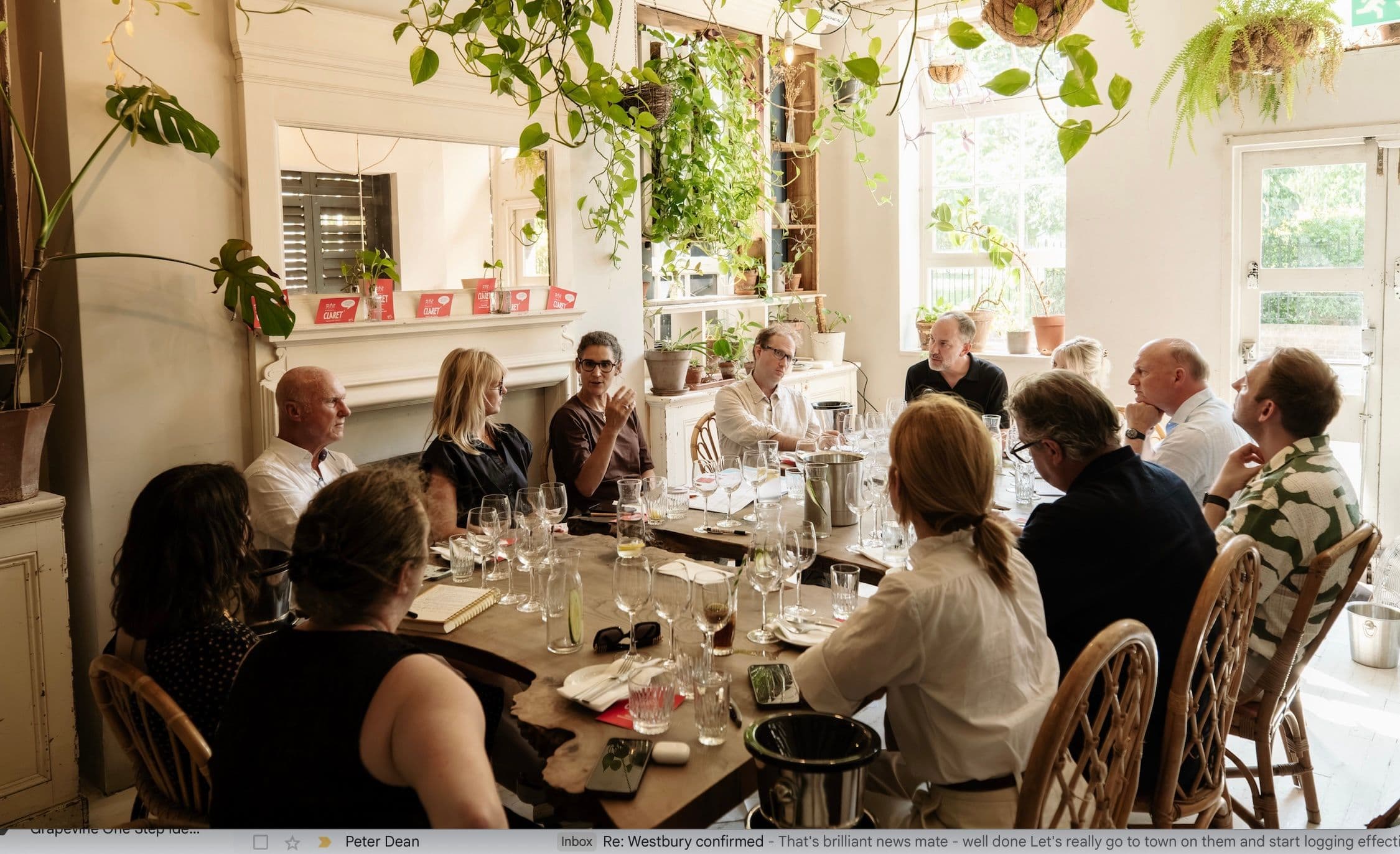
English Wine Week this year was a tremendous success. What stood out most was the sheer breadth of participation: from independent retailers and restaurants to major national groups, everyone leaned in. We saw what I would imagine are record levels of consumer engagement, with events selling out across the country.
This year's campaign was linked to our broader campaign, Create New Traditions, inspiring consumers to enjoy English wine and build new rituals around local products.
The highlight for me was the energy. There’s a growing sense that English and Welsh wine has moved from being a curiosity to a category with real momentum. The trade tastings were exceptionally well attended, and the storytelling around provenance, sustainability and quality resonated strongly. It felt like a step-change in how confidently the industry is presenting itself.
What were the objectives from this year’s English wine week vs previous years and how did you achieve them?
Our focus this year was to be sharper and more strategic. Historically, English Wine Week has been about awareness; this year, it was about activation. We wanted to convert interest into trial, and trial into repeat purchase.
To achieve that, we worked closely with our partners, such as London Heathrow Airport and Coravin to give it a platform targeting broader audiences, as well as working with the trade to create promotional window stickers with a simple call to action ‘buy English wine here’, clearer messaging, and stronger storytelling through digital amplification.
Producers collaborated more than ever, and we rolled out our unified branding that helped consumers instantly recognise the campaign. The result was a more cohesive national moment that genuinely moved the dial.
Does it have a direct impact on sales and if so what do you hope from this year’s week of events?
Yes, English Wine Week absolutely drives sales. We consistently see a spike in both direct to consumer and retail purchases during the campaign, and early indications are looking promising.
What I hope to see is sustained momentum: increased listings, stronger handsells, and more consumers adding English and Welsh wine to their regular buying repertoire. The category is still young, so every year of growth compounds the long-term opportunity.
How is the overall picture for English wine going into the 2026 harvest in terms of production: sales and growth?
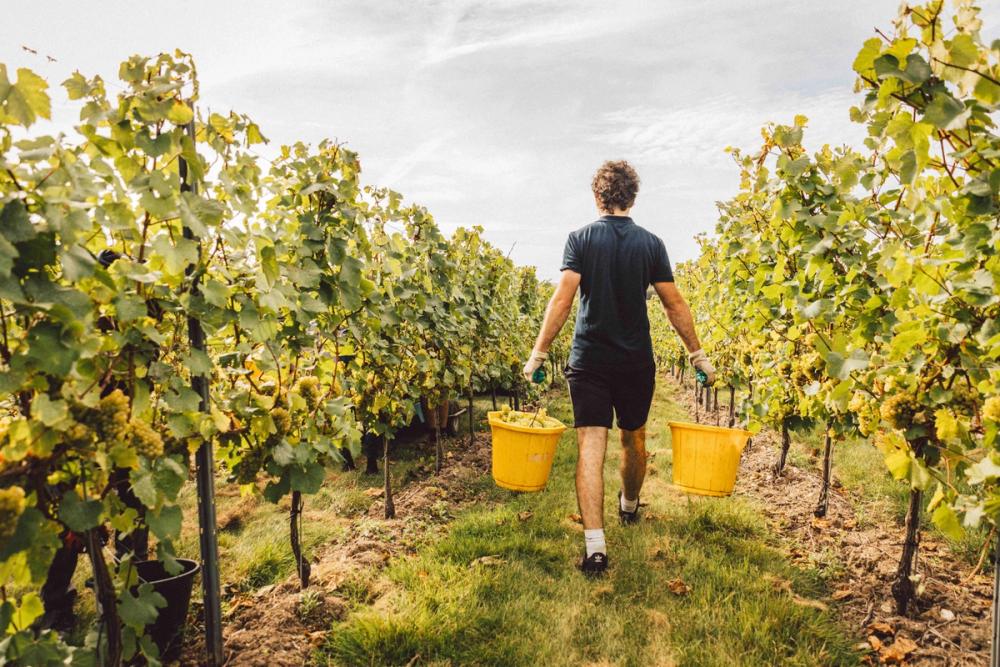
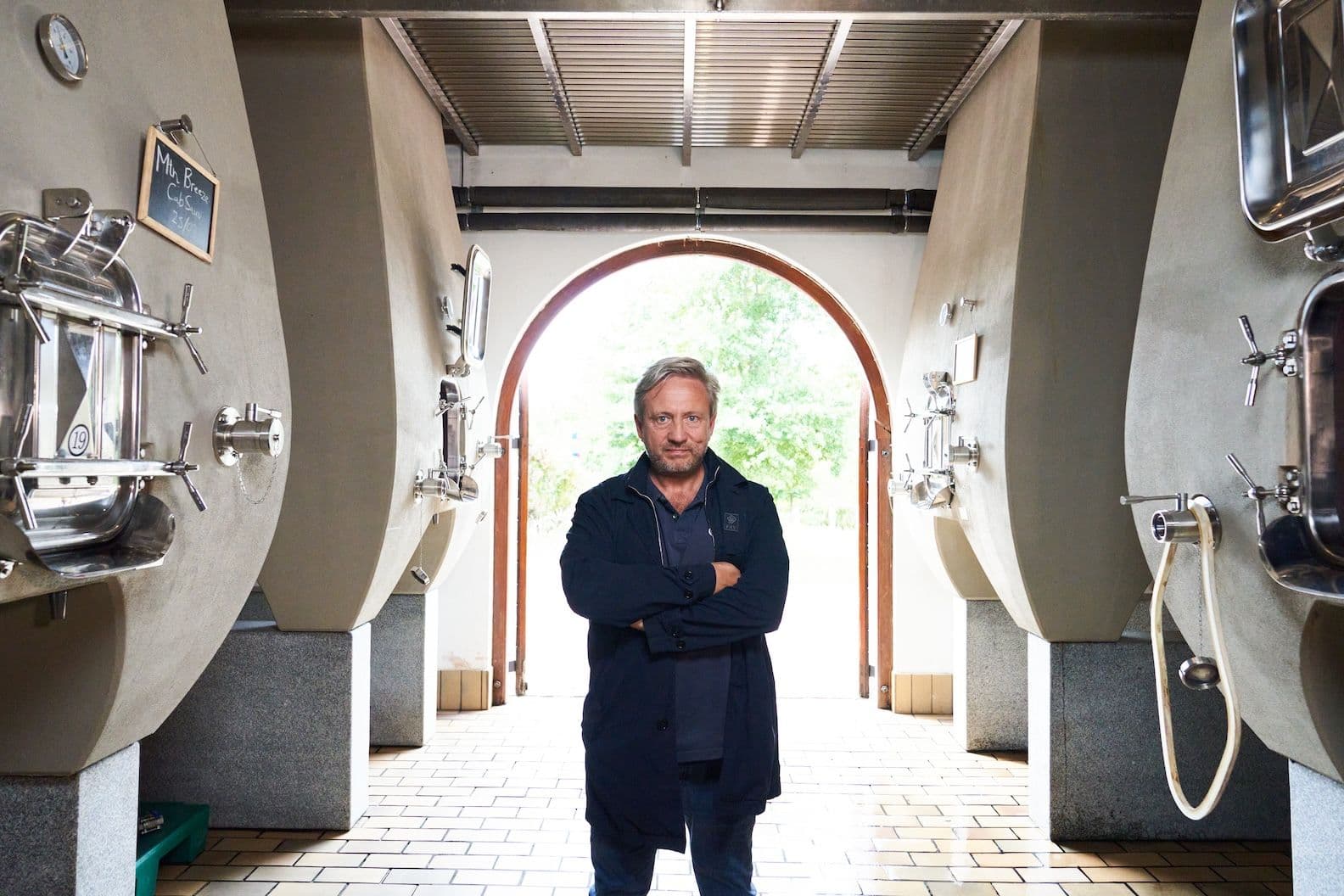
Nicola Bates is confident about the 2026 English and Wales wine harvest and it will be the first time that many of the plantings over the last 10 years will produce fruit to turn into wine
Whilst it’s too early to say what the harvest will look, we are entering with real confidence and optimism. Plantings over the past decade are now reaching maturity and the quality is increasing.
Sales continue to rise year-on-year, and growth is being driven not only by sparkling wine, but increasingly by still wines, which are gaining recognition for their precision, freshness and distinctiveness.
The industry is scaling, professionalising, and investing in long-term capability. It’s a very healthy picture and exciting opportunity.
Still vs sparkling? What is the balance now in terms of production and sales and do you see that gap closing in coming years?
Sparkling wine still accounts for the majority of production, roughly 70%, but still wine sales experienced a 10% growth in 2024, and now represent a meaningful and fast-growing part of the market, particularly Bacchus, Chardonnay and Pinot Noir.
Do I see the gap closing? Yes, gradually. Warmer growing seasons and improved viticulture are enabling producers to experiment with different grapes and craft still wines with greater consistency and character.
Interestingly enough this is the second year of our awards where we have seen more still applications than sparkling, reflecting the appetite to innovate and the quality of the grapes. There are many amazing wines and some exceptional Chardonnays in the mix.
Where do you see the biggest untapped potential for English wine in the next two to threes years?
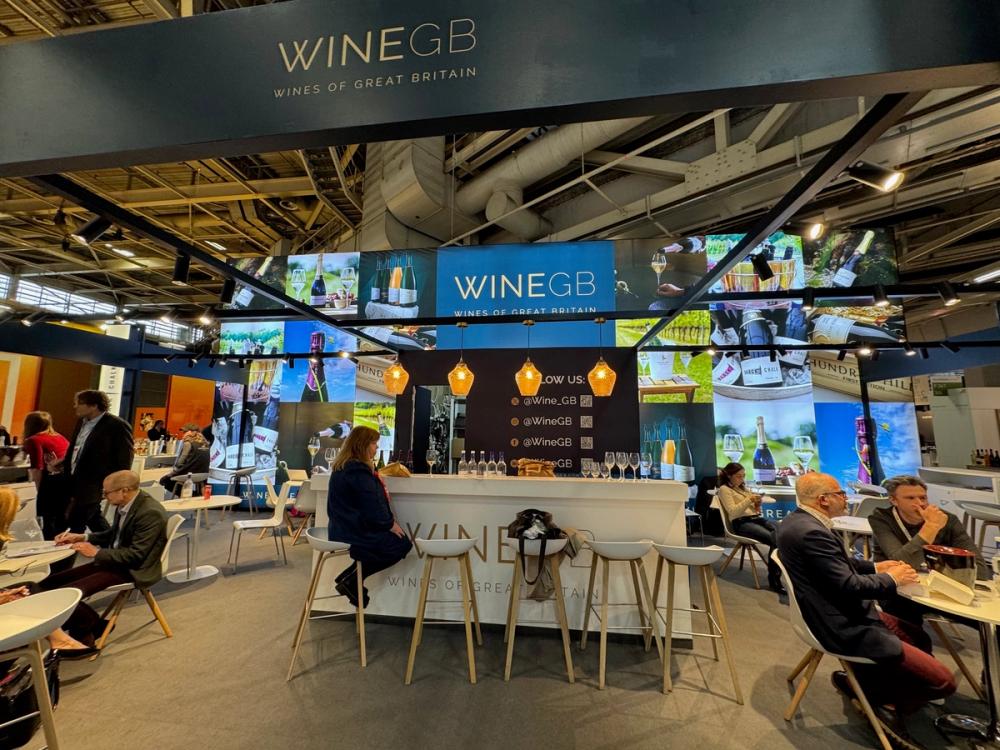
WineGB will continue to push its presence at major trade shows like Wine Paris and look to target its 10 key export markets
The most exciting opportunity lies in domestic market penetration. Even with rising visibility, English and Welsh wine still represents a small share of UK wine consumption. The quality is increasing and our wines are winning international medals, so increasing distribution in the on-trade, expanding regional retail presence, and strengthening DTC channels will unlock significant growth.
Beyond that, our focus is on our core 10 export markets. In particular, Scandinavia, North America and parts of Asia, are showing strong appetite for cool-climate wines with authentic provenance. Exports volumes grew 35% in 2024, to now account for 9% of total sales and it's an area that is a fundamental pillar of our growth strategy.
What are the challenges you have to over come to achieve that?
Our biggest challenges as mentioned are increasing domestic sales. We need to continue educating both trade and consumers, because whilst awareness for the category is rising, understanding on the quality and what our producers have to offer, still lags behind.
And of course, climate variability remains a constant factor requiring innovation, so building long-term climate resilience plans is essential for protecting our vineyards and to future proof English and Welsh wine.
In the past month we have had vineyards face late frost, hail and a heatwave – a challenge for the best viticulturists. We help our members navigate climate challenges by promoting sustainable, regenerative viticulture through our knowledge hub and webinar series.
During your time at WineGB what have been the biggest step changes you have made that you are most pleased with?
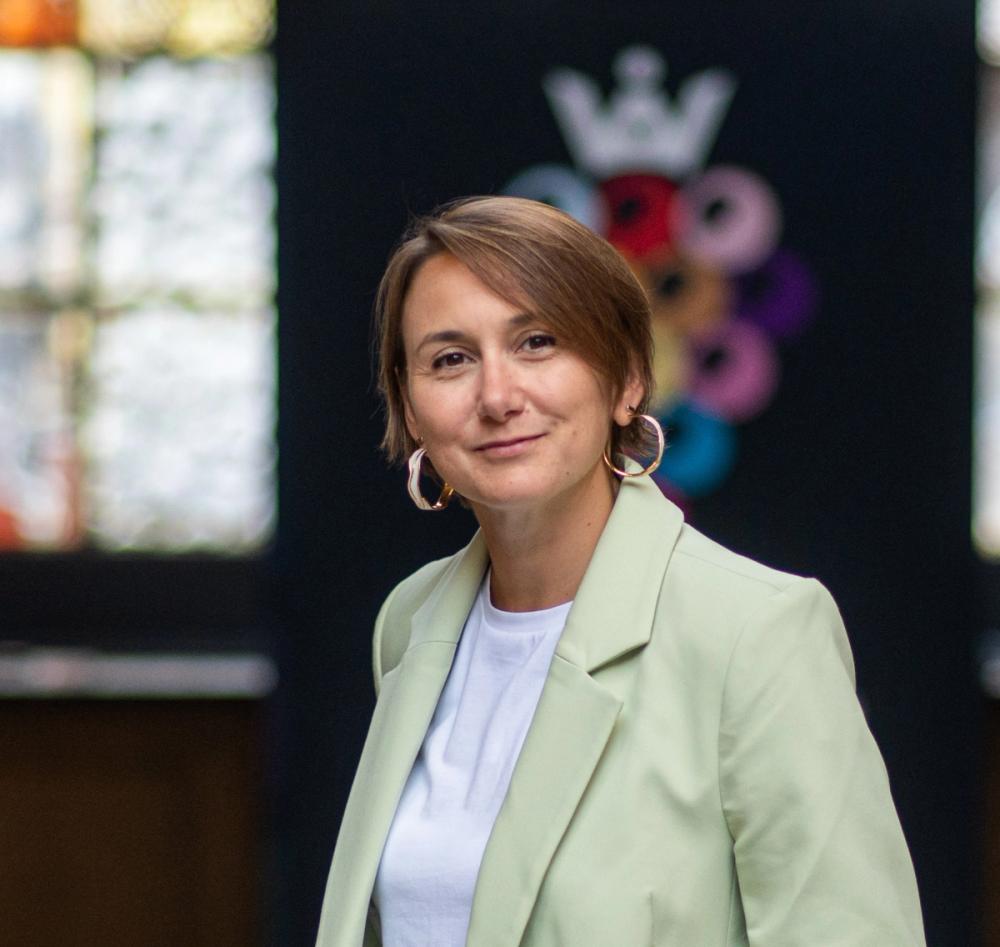
Nicola Bates is proud of the impact she has been able to make in the three years she has been WineGB's chief executive
Two things. First crafting our three-year strategy with members. The first year was spent actively listening to members in different forums and approaches taking the time to explore with them exactly what they needed from WineGB. It was a chance to evaluate our core role and where others are best placed to act, and then to deliver. This has been honed as a message so that we help our members to make wine, market wine and tell the story – all of which will ensure that we are placed to address the challenges which all sectors face, and growing insurgent ones in particular.
The second is seeing this programme systematically delivered by the existing team, who have shown such a willingness to bring their expertise and knowledge of the sector to an adapted remit.
However, forgive a brag but as a former headhunter I can’t help but be delighted at the people I have brought into WineGB – absolute specialists in their fields with a passion to deliver for members and a love of wine. As we grow roots as a team, we will only get stronger.
What are your next personal targets and why?
UK and world domination... for our wines. The fundamentals are excellent, superb wines proven by the number and range of our wines getting gold and overall trophies at all of the big national and international awards (which we capture in our Golden 50 Wine List) the people who drive the sector are committed and have the broadest range of experience to take forward, and if we can increase our percentage of sale in our market by less than 0.1% the difference will be profound.
What is needed to ensure long-term resilience and growth?
I would hero three things, which are linked to our strategy of how we help our members to make their wine, market their wine and tell their story:
- Investment: from and with the government in skills, technology and sustainable practices.
- Collaboration: across producers, distributors and trade partners to build a unified category.
- Market development: ensuring we grow both at home and abroad in a balanced, strategic way.
We also need to continue championing sustainability as a core operational principle. Long-term resilience will come from environmental stewardship and thoughtful expansion and we can help make it easier for our members to adopt sustainability practices, through our Sustainable Wines of Great Britain (SWGB) scheme.
You have your conference next week - what are you looking to address?
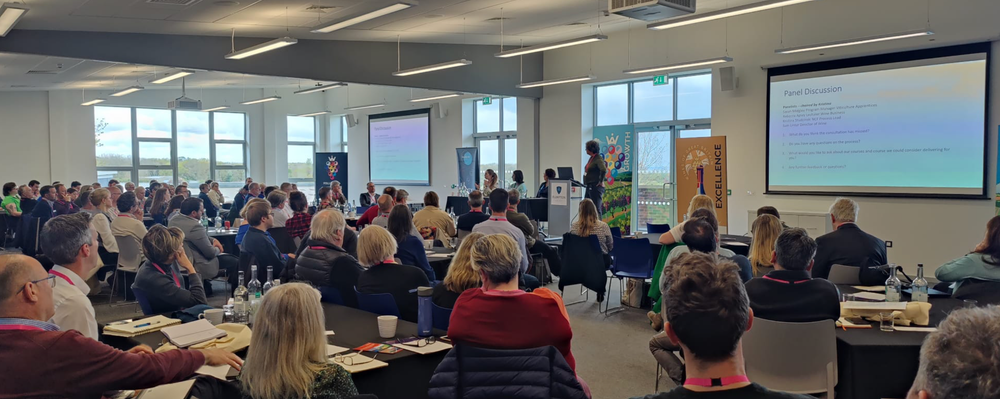
WineGB's annual conference takes place on July 16 in central London - tickets are still available
It is taking place on July 16 at 10 Union Street in London, and there are still tickets remaining for those who haven’t already registered.
It's the flagship event that brings together the English and Welsh wine community for a day of insight, collaboration, and celebration and this year our theme is ‘Resilience’ to reflect both the challenges and the remarkable progress of our industry.
We’ve got a brilliant line up of speakers, including Terry Jones, former director general of the National Farmers’ Union (NFU) and Alan Mahon, founder of B Corp beer brand, Brewgooder.
In addition there are really insightful breakouts planned to provide guidance on sustainability, viticulture and winemaking, as well as how to really capitalise on the export opportunity.
It’s the first time we’ve brought our conference and awards into one day, so in the afternoon, guests get to try the medal wines from our recent WineGB Awards and see who takes home the trophies.
You also have your awards results - what are the key trends to emerge from that?
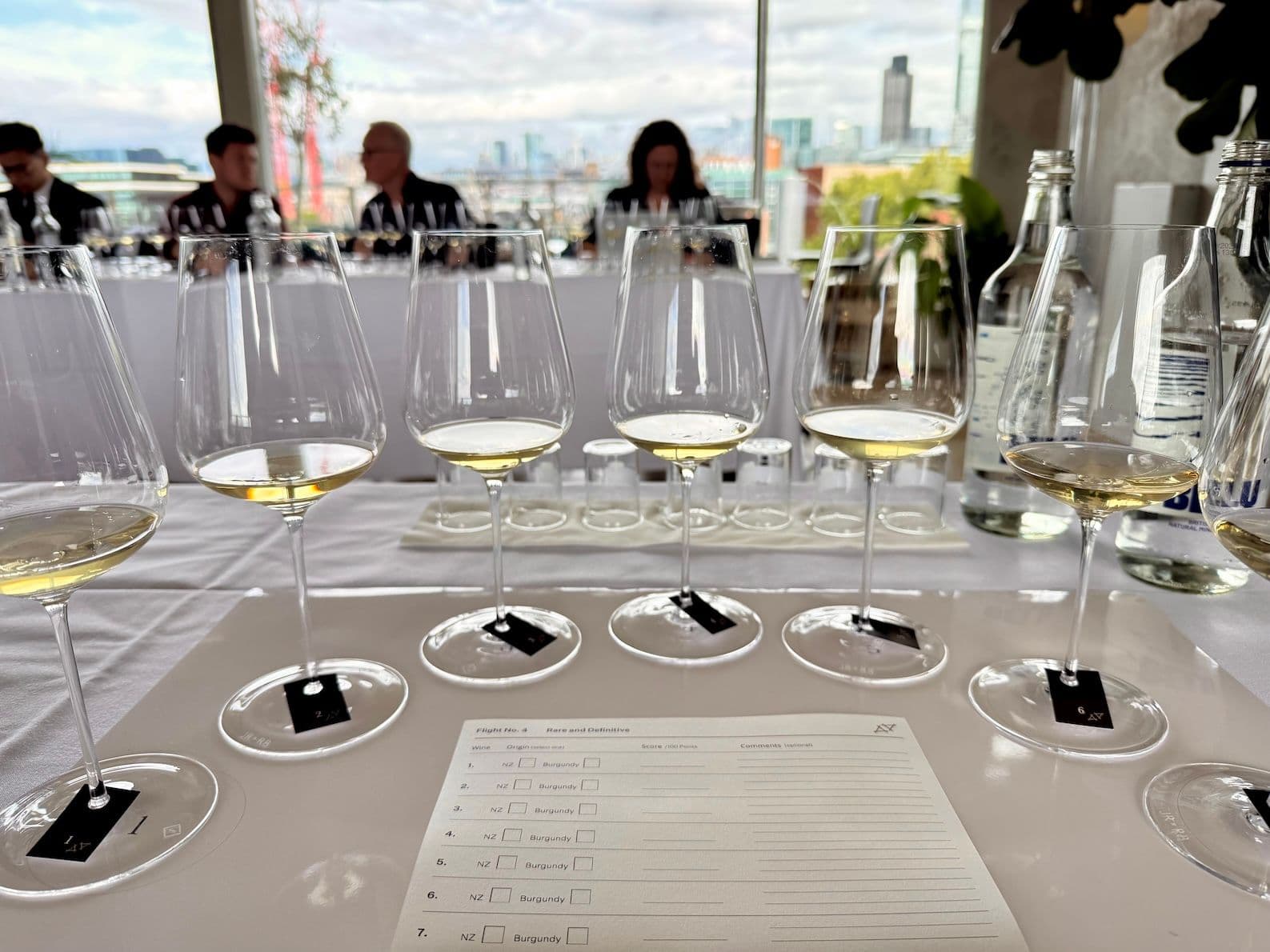
Our awards judging this year brought together some of the UK’s most respected wine experts, with co-head Judges Susie Barrie MW and Peter Richards MW, to assess 372 wines from producers across England and Wales.
For the second year running still wines surpassed sparkling wine both in terms of entries and medals won. A 99-point score was also awarded for the second time in the 10-year history of the awards.
What was really interesting and another brilliant USP for our sector, wines made from 24 different grape varieties were awarded medals, including rarer varieties planted in the UK, such as Cabaret Jura, Cabaret Cortis, Gamay, Riesling and Sauvignon Blanc, again, showing the diversity of what our producers are able to make.
What export plans do you have for the next couple of years?
Export really is a strategic growth lever for the next decade and beyond. As a category, English wine is gaining traction particularly in the Nordics, US, Japan, and beyond and premium English sparkling continues to outperform global averages, whilst still wines are carving out niches.
Exporting is not just possible, it’s profitable, proven, and supported. The global market is ready for English and Welsh wine. And we’re ready to support those that want to join the success story. WineGB members have access to a full programme of tools and support available to navigate this opportunity.
Anything else to add?
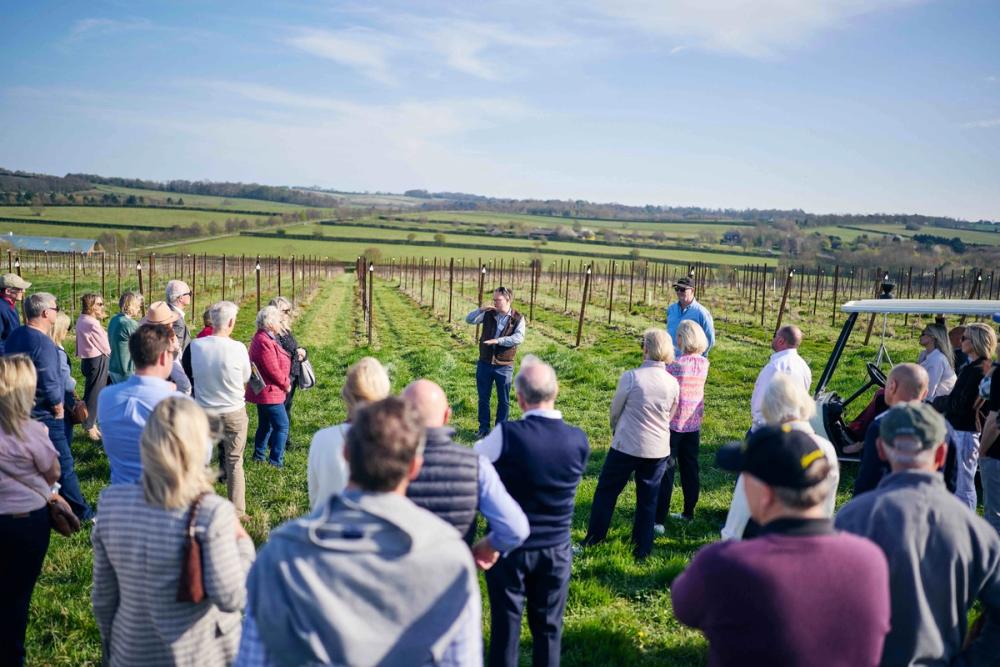
WineGB is keen to do what it can to help its producers promote and push wine tourism across the country
Another important piece that’s upcoming up for WineGB is our Backing British Vineyards campaign, where we’re calling for policymakers, industry partners, and the public to deliver the Wine Tourism Relief – a targeted duty relief saving to allow for investment only for on sales through the cellar door. It would deliver £6m in savings to UK vineyards, to be reinvested in rural jobs, infrastructure and visitor facilities.
Tourism is a big part of the English & Welsh sector and accounts for nearly a quarter of the income for 300+ English & Welsh vineyards. Not only that, it is a major driver of local employment, hospitality, and year round visitor activity, but requires continued consumer, trade and policy support to help futureproof and grow.
So, we’re asking the nation to get behind our producers, support our campaign and write to their local MP. It’ll be launched at our upcoming conference, and a targeted campaign will flow out from here over the summer and beyond.
- To find out more about WineGB click here.
- To find out more about the WineGB conference on July 16 click here.