
Tell us about how you got into wine and why you wanted to follow a career in wine?
I’m originally from Korea, and my interest in wine began around 2010 while I was working at the Ritz-Carlton Seoul. I joined an internal wine class led by the hotel’s head sommelier, where we tasted the house wines and learned how to introduce them to guests. The first wine that really caught my attention was Chianti Classico. I had served it many times as our house pour, but learning how to describe it properly made me realise how expressive and meaningful wine can be. That moment motivated me to study wine more seriously as part of my growth in hospitality and F&B.
A truly unforgettable experience came in 2011 when I tasted the 2001 Domaine d’Auvenay Meursault Narvaux. At the time, I didn’t know how rare it was, but the wine completely amazed me. It felt magical and made me fall deeply in love with wine. From everyday bottles to the rarest labels, I began to appreciate how each wine creates its own story, especially when shared with others.
Celine Jung spent hours watching international sommeliler competitions on YouTube as part of her prepartion to take part in such events
My curiosity kept growing, even though the early days were tough. I was working as a receptionist in a Japanese restaurant, so I had very few chances to serve or taste wine. Studying on my own wasn’t easy, but the more I learned, the more passionate I became.
Wine became endlessly exciting - discovering new regions, vintages, and producers - and tasting and studying slowly became part of my daily life. Over time, I also learned how much responsibility a sommelier carries: paying attention to details, understanding guests' preferences, and making them feel comfortable and welcomed.
The sommelier communities in both Korea and Singapore played a big role in my journey. Their guidance shaped the way I respect and approach wine, and today, I hope to support younger sommeliers in the same way. Choosing this career means committing to lifelong learning, staying humble, being professional, and connecting people through wine. Those qualities are what first drew me into this path, and they continue to inspire me every day.
What attracted you to being a sommelier specifically?
All my early experiences naturally led me to realise what truly attracts me to being a sommelier: the balance between expertise and hospitality. A sommelier isn’t just a wine specialist, even though the knowledge of regions, producers, and vintages runs incredibly deep.
We are also hospitality professionals. Guiding guests, understanding their preferences, and creating meaningful experiences for them. This combination of technical skill and emotional intelligence is what inspires me the most.
I appreciate the discipline behind proper wine service: recommending wines based on a guest’s taste, handling bottles correctly, and paying attention to every detail. It’s a profession that requires precision, humility, and lifelong learning.
Most importantly, being a sommelier allows me to connect people through wine and act as a bridge between wineries and guests. That sense of purpose is what keeps me motivated and proud to continue growing in this career.
What has been your career to date as a sommelier - key steps along the way?
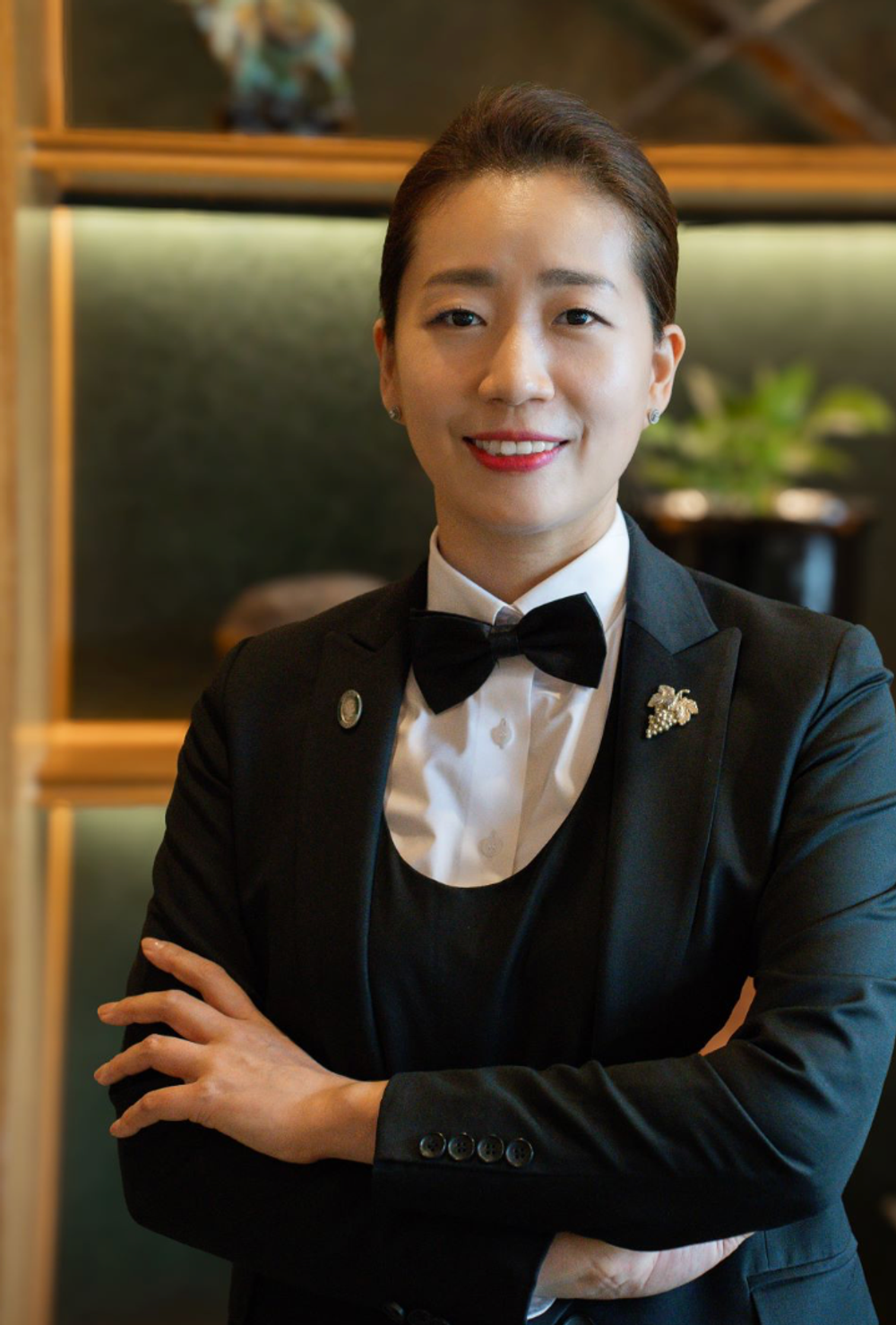
Celine Jung was the first female sommelier to win the Singapore National Sommelier Competition in 2023
My sommelier career has developed step by step, shaped by study, competitions, and hands-on experience.
I began by focusing on French wines - especially the classic regions, producers, and vintages - to build a strong foundation. During my first five years in Korea, I also trained for the Sopexa competition, and later won Best Sommelier in Singapore in 2020. These experiences helped me develop strong technical skills and confidence. I also competed in the Singapore National Sommelier Competition and became the first female winner in 2023.
Throughout my journey, the principles that guide me are a passion for learning, curiosity, continuous improvement, and humility - always recognising that there is more to discover.
I keep detailed tasting notes, explore both classic and emerging regions, follow GuildSomm and CMS resources, and study together with my colleagues.
Watching international sommelier competitions also inspired me in the early days, motivating me to push myself further. Over time, I learned that being a sommelier is not only about studying wine; it’s also about thoughtful service, mentoring others, and managing a wine programme that fits your venue’s identity.
Most importantly, it’s about inspiring guests and helping them enjoy wine in a meaningful way.
What was your initial training to be a sommelier?
When I first became interested in wine, I honestly didn’t know where to begin. My workplace schedule made it difficult to take days off, so I couldn’t attend WSET courses - which is where many people usually start. I also didn’t have many opportunities to taste different wines, and I wasn’t sure how to study properly.
My real starting point became Jancis Robinson MW’s The World Atlas of Wine. I was fascinated by the maps and explanations, and it helped me build a strong foundation in regions, grapes, and classic styles.
I also attended as many public tastings as I could, searching online for supplier events so I could gain practical experience.
A major turning point came when I met my mentors, Mr. Sang Hwang Lee and Mrs. Hae Jung Bae. They were incredibly supportive, always willing to answer my questions about producers, regions, and winemaking styles. From them, I learned not only wine knowledge but also the connection between food, culture, and the joy of wine.
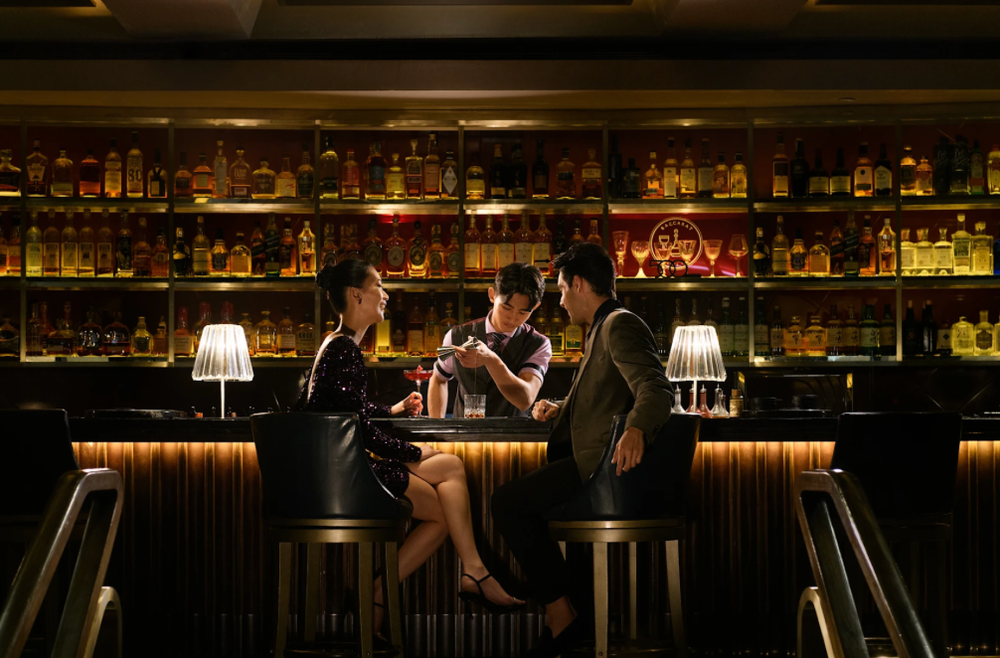
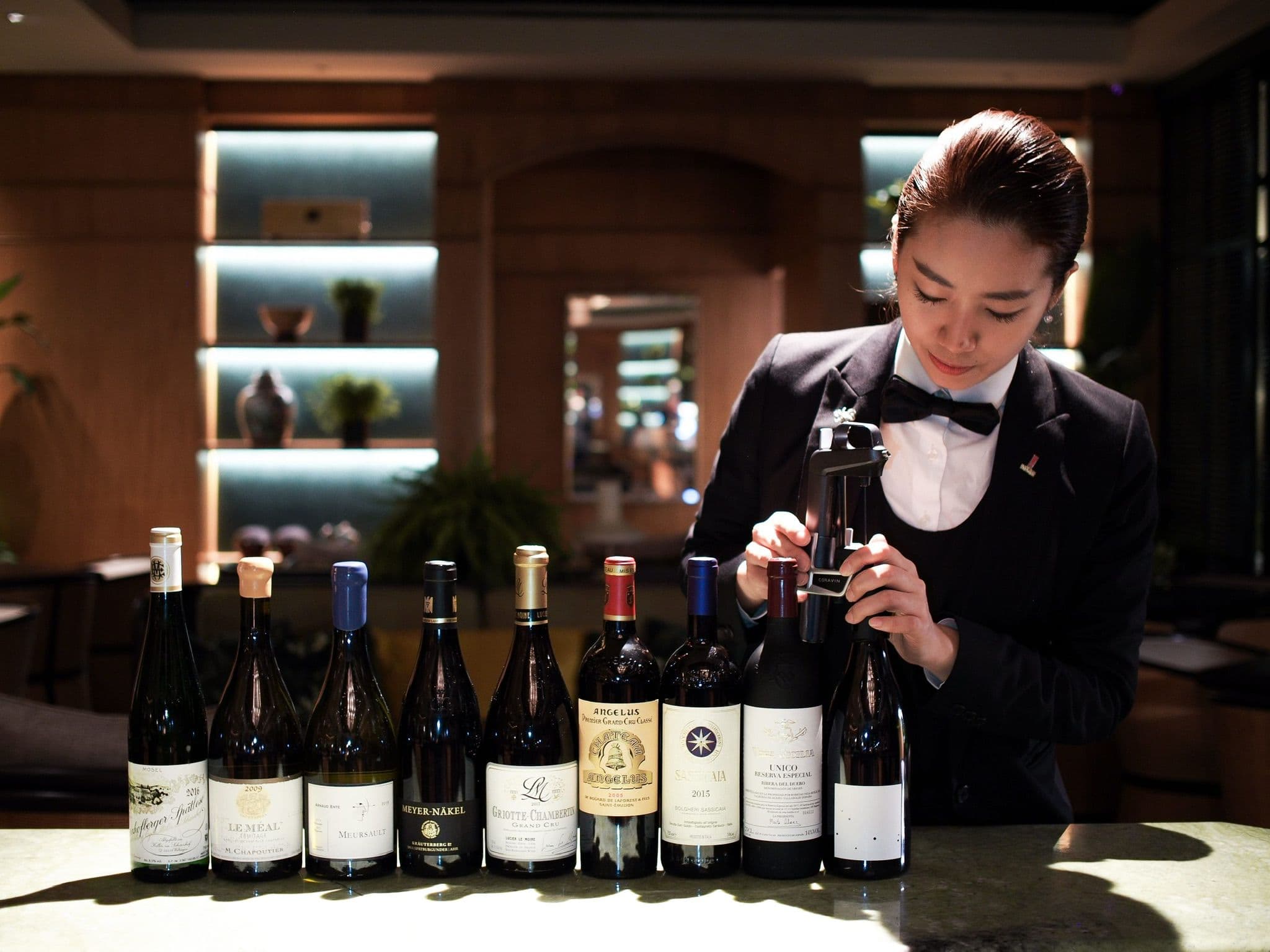
Celine Jung has been able to play a key role in developing the wine list and offer at Park90 in Singapore
I also spent a lot of time watching world sommelier competitions on YouTube, studying how competitors describe wines, communicate with guests, and structure their service. I continued attending tastings and trade events to train my palate, but I feel my true sommelier journey began when I moved to Singapore and joined Park90.
Singapore’s wine culture is very open, diverse, and dynamic, and I’ve been fortunate to work with talented sommeliers like Mason Ng and Lucas Liu, who continue to inspire me. Before Park90, most of my roles were in hotel beverage management, so I didn’t always have the chance to focus completely on being a sommelier.
But at Park90 - with over 2,000 SKUs and the opportunity to open and taste so many wines - I finally experienced the sommelier life I had always dreamed of. Working on the floor, meeting guests, sharing beautiful bottles, and creating memorable experiences has been incredibly motivating. It’s what keeps me excited to keep learning and growing every day.
What do you enjoy most about being a sommelier?
What I enjoy most about being a sommelier is discovering new wines and sharing them with guests in a way that feels personal and meaningful. It’s incredibly rewarding to see someone light up when they find a wine they love or when they discover something new for the first time. Moments like these remind me why I love this profession.
I also really value being a connection between winemakers and guests. When winemakers ask for a sommelier’s opinion or trust us to present their wines, it feels like a privilege. Being able to share their stories, their philosophy, and their craft with guests gives a deeper purpose to what I do.
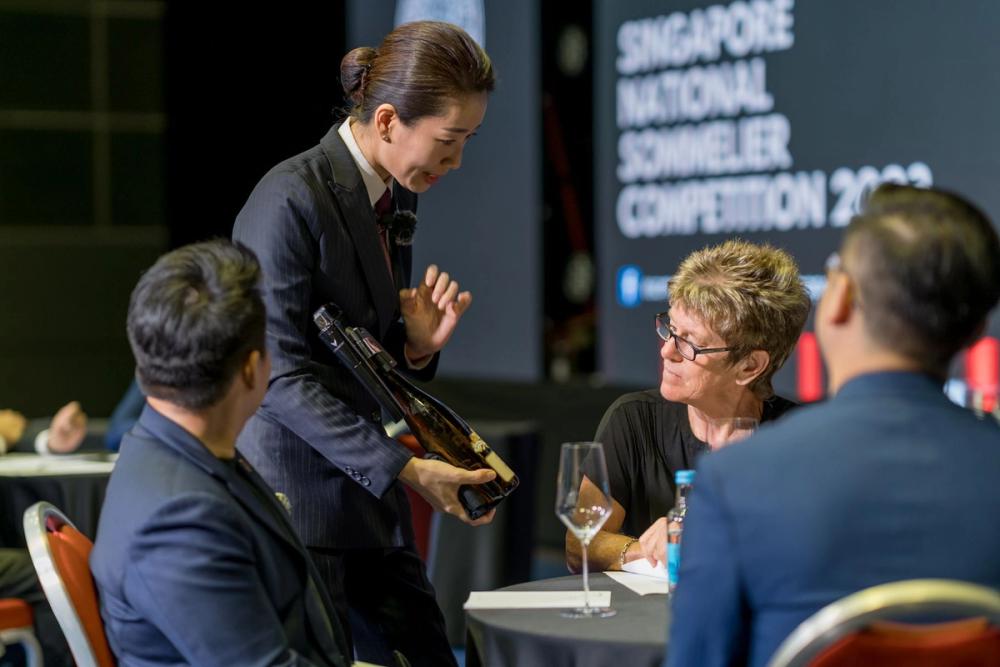
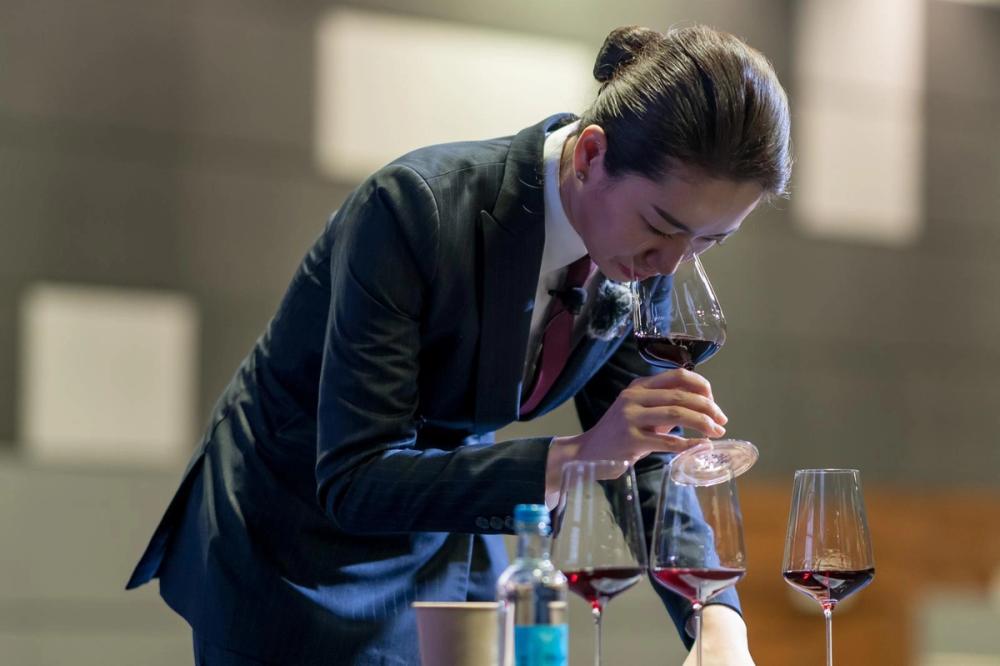
Celine Jung competing in the Singapore National Sommelier Competition in 2023
Another part I truly enjoy is the social and educational side of the role — from sharing wine knowledge and creating memorable experiences, to mentoring junior sommeliers and learning from colleagues. For me, being a sommelier is not only about wine, but about people, hospitality, and building a community around great experiences.
What do you find the most challenging and difficult and how do you get around that?
One of the biggest challenges as a sommelier is managing guests’ expectations - especially when guests have strong opinions or try to test a sommelier’s knowledge during service. With so much information available online today, this has become even more common. Over the years, I’ve learned that the most important approach is to stay polite and honest. Being transparent builds trust and shows genuine respect for the guest.
These experiences have strengthened my resilience and communication skills, and they have taught me the importance of staying calm, respectful, and approachable in every situation.
I’ve also come to understand that every sommelier’s career path evolves differently - even those who start with great passion. Some leave to study or pursue other careers, while others move into wine education, distribution, or winemaking. Many step away because the role can be mentally demanding and physically tiring due to long working hours.
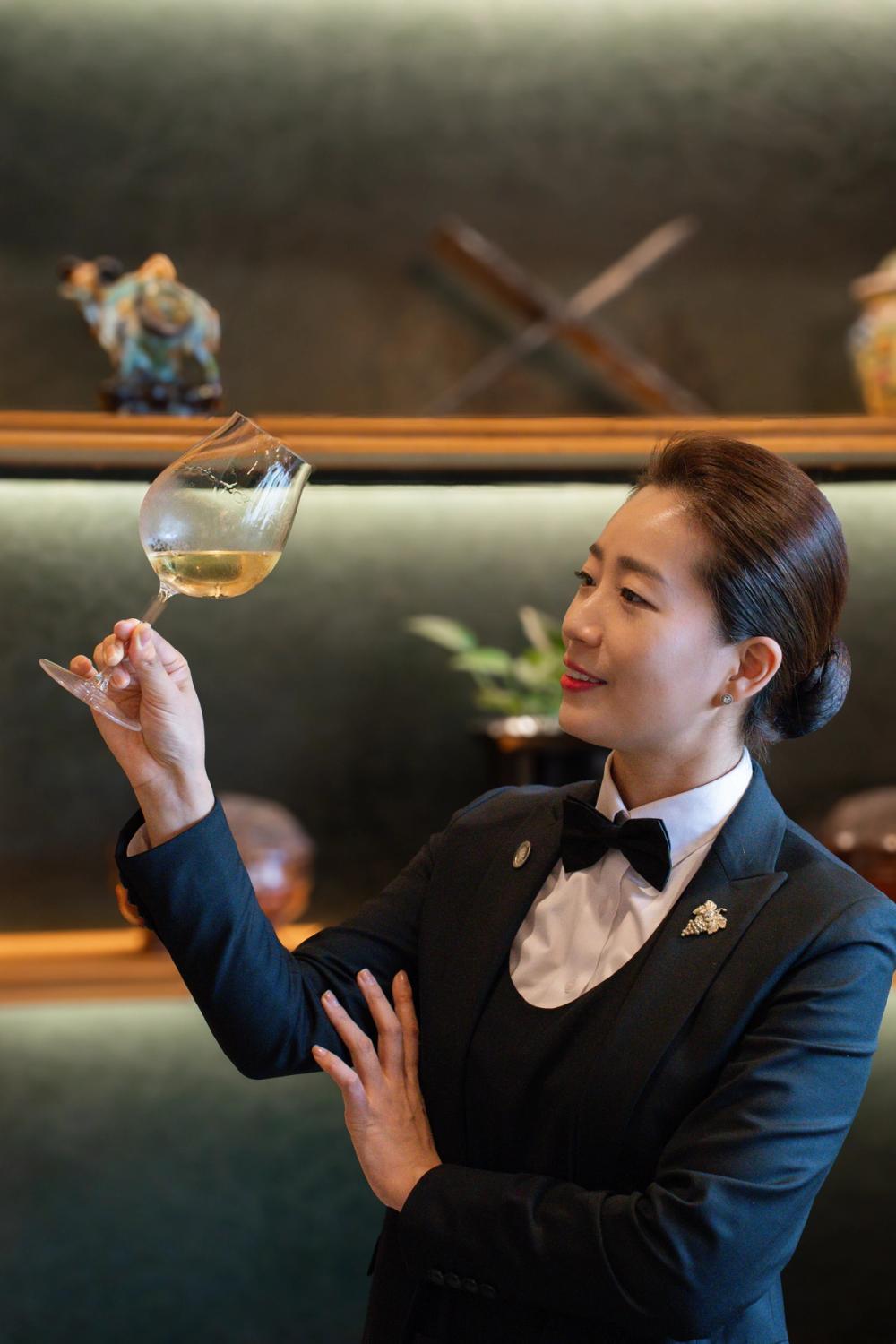
Celine Jung says she has been fortunate to have such strong support from the Singapore sommelier community and the Singapre Sommelier Association
For me, these challenges have only reinforced my determination to remain a female sommelier on the floor, meeting and inspiring as many people as possible.
To stay committed and enthusiastic, I remind myself why I chose this path: sharing wines, creating meaningful experiences, and constantly improving. Most importantly, I never stop learning. Staying updated on new producers, regions, and trends is essential for leading a wine programme that truly understands and anticipates guests’ needs.
Why do you want to train to be a Master Sommelier?
Becoming a Master Sommelier has been my dream for many years. It is one of the reasons I chose to work overseas - to push myself out of my comfort zone, improve my language skills, and create the environment necessary to grow toward the MS level.
I am deeply inspired by Master Sommeliers and the discipline, focus, and passion they bring to their craft. Watching their journeys - the effort, perseverance, and resilience required - has always filled me with admiration.
I am also motivated by the legacy of the Master Sommelier community. They guide, inspire, and mentor younger sommeliers, helping many of us find our path and reach higher standards. I hope to follow that tradition one day - not only to challenge myself but also to support and mentor the next generation in the same way others have supported me.
The MS journey is long, demanding, and requires strong tasting skills, deep theory knowledge, and mental resilience. I respect the high standards the programme sets, and I am committed to putting in the work needed to grow, learn, and mature through this process. For me, pursuing the Master Sommelier title is not just about earning a certification - it is about becoming the best version of myself as a professional and contributing meaningfully to the wine community.
What is the process like in terms of the difficulty and the time and dedication you need to put into the programme?
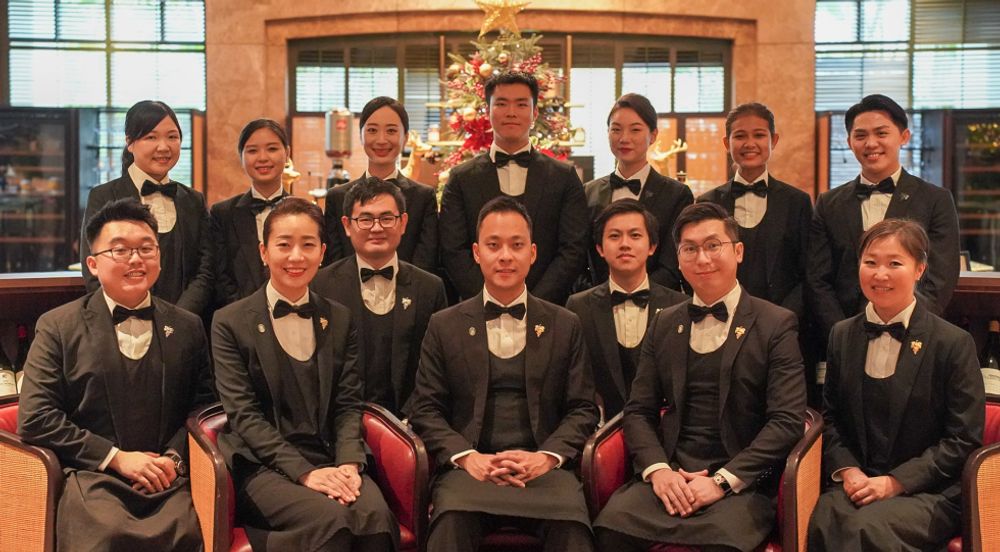
Celine Jung and the wine team at Park90
The Master Sommelier preparation requires a very careful balance between work, study, and personal life. Everyone preparing for it has to manage stress, pressure, and long hours of study on top of their daily responsibilities. For me, this has been especially challenging because English is not my first language, so I need extra time to fully understand theory questions and to communicate clearly during tasting.
To prepare effectively, I use most of my off days for focused study, because it is very difficult to find enough time during busy working days. I also participate in regular tasting sessions with colleagues and friends who are preparing for the exam as well. In addition, I pay close attention to pronunciation, listening skills, and clear verbal explanations to ensure accuracy and confidence in both theory and tasting.
This process requires strong discipline, resilience, and patience, and I know it will be a long journey to reach the MS level one day. I am aware that I may need to put in more effort than others to overcome language and cultural barriers, but I am fully committed. Staying calm, focused, and consistent has been essential in navigating the challenges of this path.
What have you enjoyed the most about the training and education side of studying to be MS?
What I enjoy most about the training is the opportunity to keep learning and growing. GuildSomm resources show just how deeply Master Sommeliers study, using a wide range of books and constant practice. This has inspired me to create my own study materials and continuously improve. The Certified and Advanced programs provide structured lessons that challenge me and expand my knowledge.
I especially value learning directly from Master Sommeliers about blind tasting and theory. Their guidance has helped me refine my skills, deepen my understanding of wine, and reflect on areas I had previously overlooked or approached incorrectly.
The training is incredibly rewarding - every lesson, tasting, and discussion helps me grow as a sommelier and prepares me to share my knowledge and mentor others in the future
What have you found the most difficult?
The most difficult challenges for me have been language barriers, finding enough time to study while working, and maintaining a strong mindset while balancing both work and exam preparation. The Master Sommelier exams demand intense focus, consistent tasting practice, and disciplined study, which can be very demanding alongside professional responsibilities.
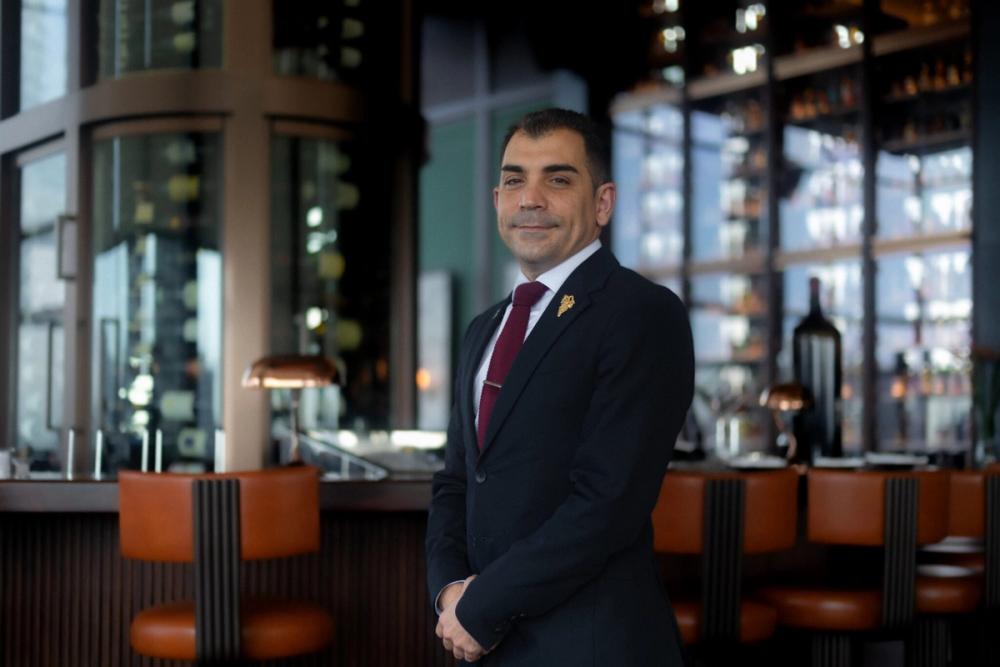
Roberto Duran MS has been an important mentor figure for Celine Jung
To manage these challenges, I focus on staying persistent and disciplined. Roberto Durand MS has been a great inspiration to me, showing just how much preparation is required for the exams. I repeat tastings to reinforce my memory and practice verbal theory, which is an additional challenge for me. I remind myself that progress happens step by step, even if it is slow, and I always keep in mind why I chose this path and what I want to achieve. Full focus and dedication is key, even when it feels overwhelming.
Acknowledging my weaknesses and working to improve continuously has helped me stay motivated and resilient.
What advice would you give to other sommeliers who want to train to be a MS - what are the key things they need to consider?
Based on my experience, the key things to focus on are time management, discipline, and humility. Preparing for the Master Sommelier exams requires consistent daily study, tasting, and reflection, all while managing a full-time job. Careful planning and dedicating regular time for preparation are essential.
I also recommend being open-minded and learning from everyone - seeking guidance from Master Sommeliers, colleagues, and mentors whenever possible. Don’t be afraid to ask questions or admit what you don’t know; facing challenges openly will help you grow faster. Studying and tasting with others is especially valuable, as it allows you to share insights, experiences, and strategies.
Finally, remain humble and patient. Progress comes step by step. Celebrate small victories, learn from mistakes, and stay focused on this ultimate goal. I hope that one day I can overcome all these difficulties and achieve the Master Sommelier title, having grown through the process and developed the knowledge, skills, and resilience it requires.
What would it meant to you personally to become a MS?
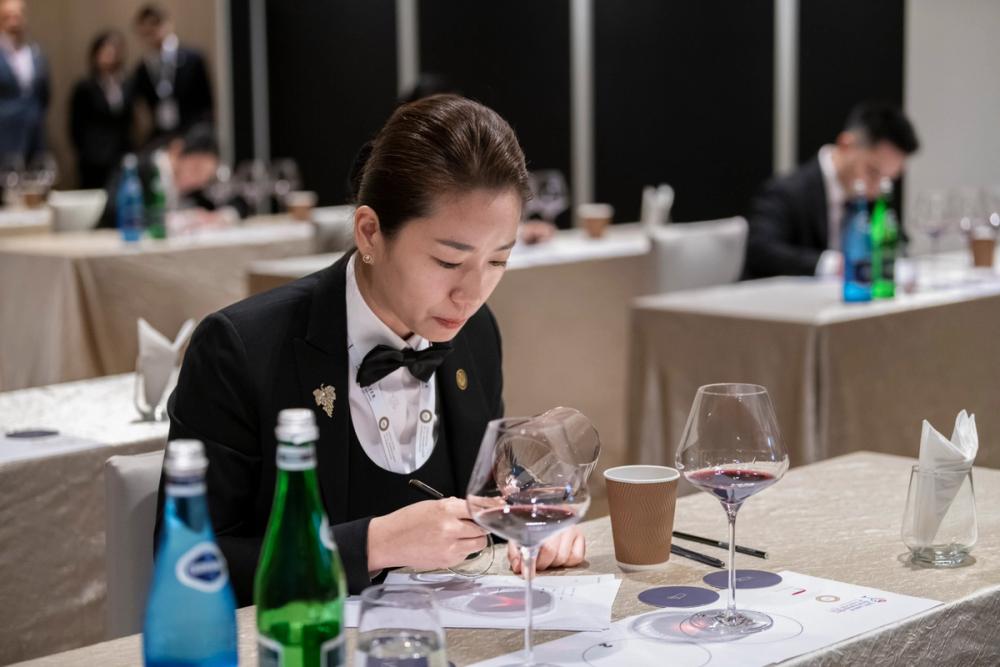
Celine Jung says it would be the pinnacle of her career to reach Master Sommelier status
Becoming a Master Sommelier would be an incredibly meaningful achievement for me - something that goes beyond words. When I first dreamed of becoming a sommelier, I didn’t even know about the CMS program. Discovering it and pursuing it after moving to Singapore gave me inspiration and motivation to push myself further.
This journey has been both a personal challenge and a way to honour the support and guidance I’ve received from mentors and peers. Achieving this milestone would make me especially proud as I aim to become the first Korean female Master Sommelier.
It also comes with a sense of responsibility - to inspire and guide others, especially young or aspiring sommeliers. I want to show that with dedication, discipline, and resilience, it’s possible to overcome challenges like language barriers or the physical and mental demands of this profession. For me, becoming a Master Sommelier represents personal pride, professional growth, and the chance to contribute to the legacy of our craft.
Would it also help with your career and your job opportunities?
Achieving Master Sommelier status would be a major milestone for my career and professional growth. It recognises years of study, hands-on experience, and especially the development of my tasting skills and deep knowledge, giving me the confidence to take on leadership roles.
I’ve already seen how mentorship and teamwork drive development. Working at Park90 with such an inspiring team has shown me the value of sharing knowledge and guiding junior sommeliers. This experience has been invaluable, and earning the MS title will further equip me to lead, educate, and support others in their journeys. It has always been my wish and dream to reach this level, and I hope to achieve it one day - not just for myself, but also to inspire others to pursue their passions in wine.
Being recognised as a Master Sommelier also opens doors to collaborations, speaking engagements, and opportunities to represent winemakers and brands at the highest level. Ultimately, it allows me to share my passion for wine more widely while nurturing the next generation of sommeliers. I truly hope to use this achievement one day as a way to give back to the community that has guided and inspired me.
What are your ambitions now as a sommelier and where you want to work?
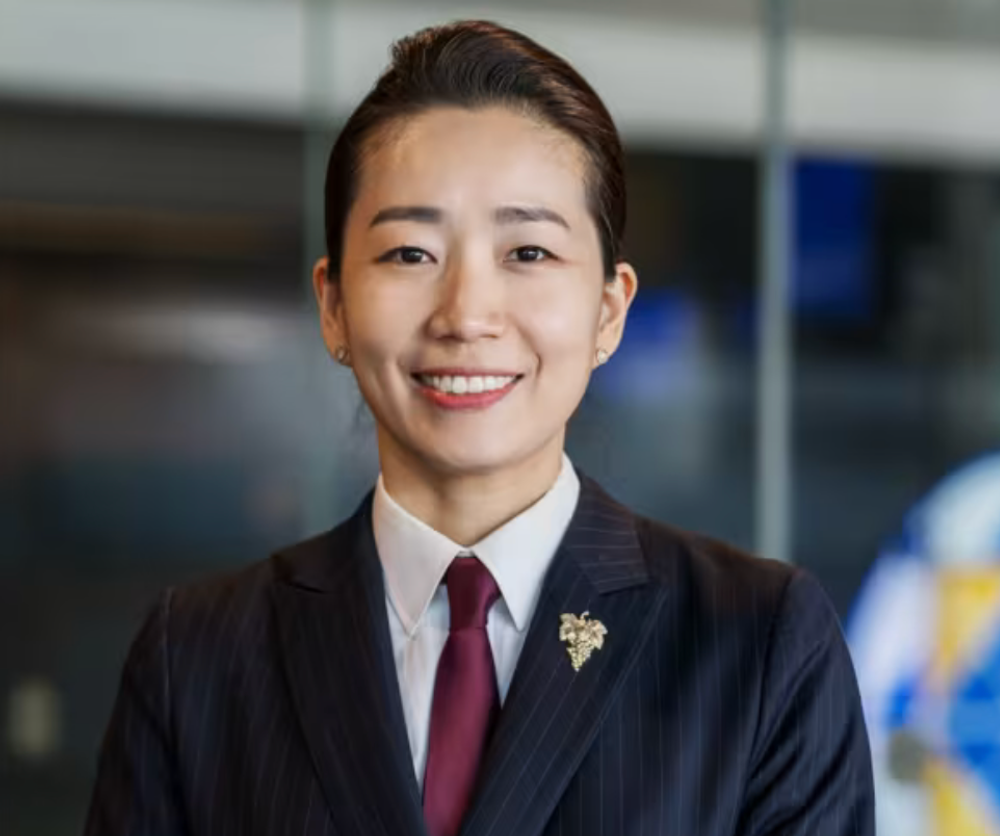
Celine Jung says it might be challenging but studying for the Master Sommelier exam means you are constantly learning and testing yourself
My ambition is to continue growing as a sommelier while working within a passionate, collaborative team. I thrive in environments where teamwork is strong because it allows for shared learning, mentorship, and collective creativity.
I am committed to continually updating and curating wine lists that reflect both quality and innovation. Since joining Park90 in 2019, we have refreshed our wine list monthly, balancing classic favourites with new discoveries. I take pride in this work, as the wine list reflects my expertise and shapes the experiences we offer our guests.
Beyond maintaining an exceptional wine programme, I want to guide our junior sommeliers, guide them in their career development, and contribute to building a lasting sommelier legacy. I aim to keep learning, attend tastings even on busy days, and share knowledge with colleagues and customers alike. My ultimate goal is to elevate both the wine programme and the team, ensuring every guest experience is memorable, inspiring, and leaves a lasting impression.
Wine trends and tastes are different all over the world - what trends are you seeing in Singapore in terms of what people are looking to drink and what they are prepared to pay for?
In Singapore, the wine market is open, dynamic, and fast-moving. Wine enthusiasts here are highly connected with suppliers, professionals, and each other, which keeps the community very aware of trends and new releases. This creates a competitive environment where wine lists need to be regularly updated, and promotions carefully planned to attract guests.
Consumer preferences are very diverse due to Singapore’s multicultural population, which means there is strong interest in new labels and lesser-known regions. While classic wines remain popular, price and value are increasingly important to customers.
I’ve also noticed a trend where wine bars launched retail-wine bar concepts, allowing guests to enjoy fine wines on-site with a small corkage fee. Membership-focused clubs, like Batard in Hong Kong, are particularly successful, offering access to high-quality fine wines at retail prices. This reflects both the sophistication and evolving expectations of Singapore’s wine community. Also very important for food as well with varied cuisine in Asia.
What challenges have you faced personally and professionally in pursuing a career in wine and as a sommelier?
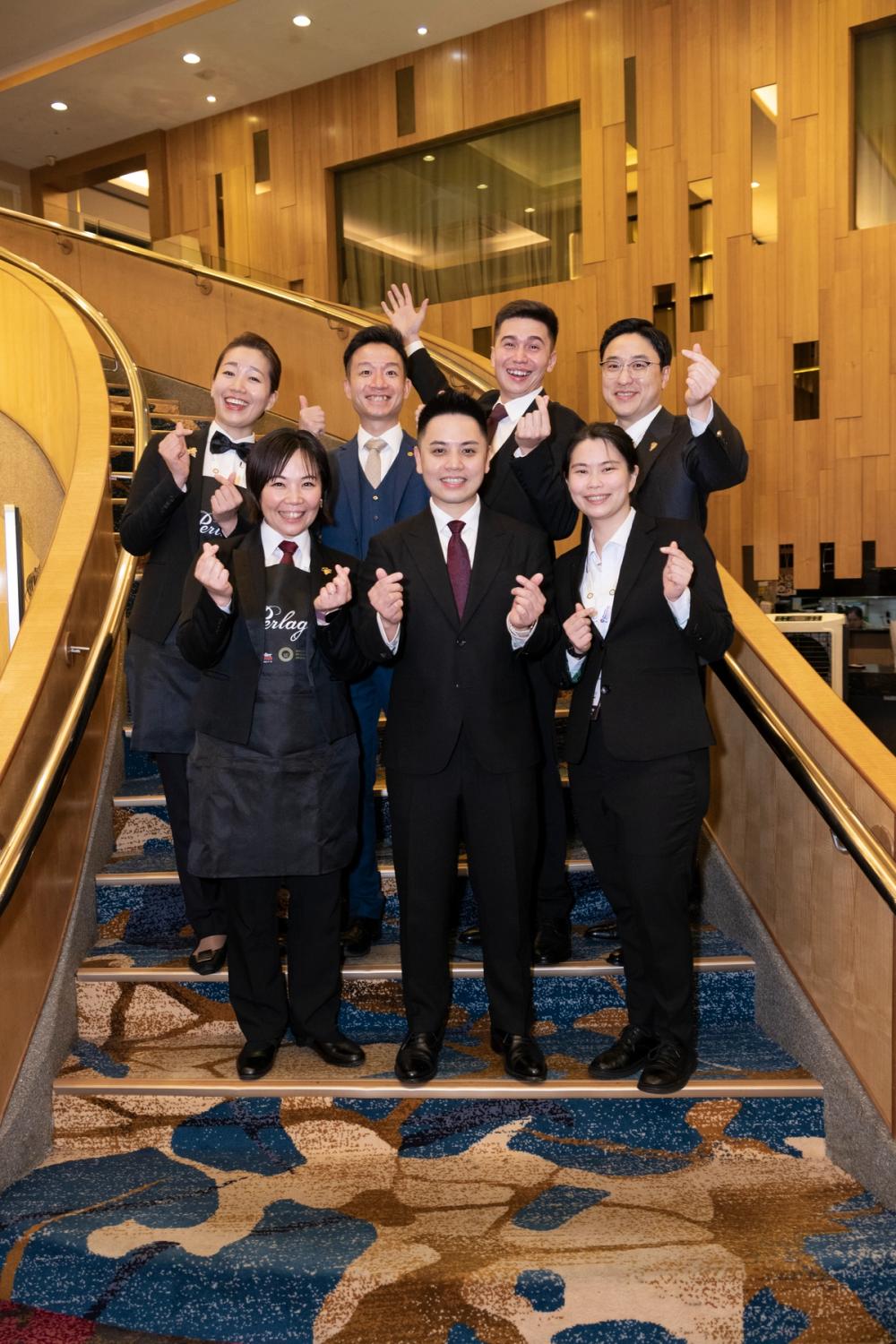
Celine Jung says the comaraderie and support of her fellow sommeliers is a key part of training for major sommelier exams and competitions
I’ve been lucky to be part of the Singapore Sommelier Association, which is a very supportive and welcoming community. We get plenty of guidance, study resources, and opportunities to share knowledge.
Across Asia, language can be a challenge since English is not the first language in many countries, and that has been true for me as well. Also, in much of Asia, consumers tend to focus on well-known and popular labels, so smaller wine regions are still gaining recognition. Singapore is different — with so many labels imported through various distributors, I really enjoy having access to such a wide variety of wines and the chance to broaden my experience.
Sommeliers in Asia are passionate and hardworking. I’ve seen many talented colleagues across the region achieve AS status and prepare for MS, which is very inspiring, especially in the post-Covid era. The regional sommelier community is growing stronger and more connected through competitions and events, and it’s exciting to be part of that progress.
How important is the quality of customer service working as a sommelier in Singapore and is that an area you put a particular focus on?
Customer service is extremely important in Asia. Guests expect not only professional wine knowledge but also polished, attentive, and approachable service. Many restaurants and wine bars pay close attention to details like proper glassware and elegant service, which help create a memorable dining experience.
For me, it’s essential to combine professionalism with warmth and sincerity. I focus on being attentive to what guests want and tailoring recommendations to their preferences. My goal is always to provide service that feels personal and thoughtful, creating a genuine connection with each guest while delivering an enjoyable wine experience - one that encourages them to return and remember both the wine and the sommelier.
Have you had to adapt your service style to cater for different cultures with different service expectations?
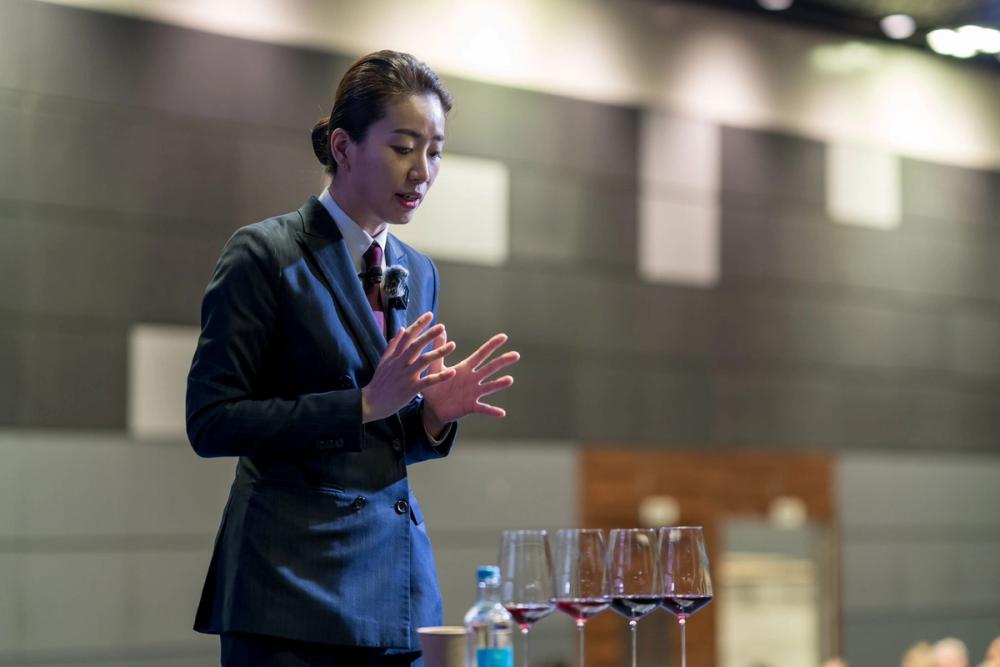
Yes, I have. Coming from Korea, I first had to adjust to both language differences and different guest expectations. Even though communication was challenging at the beginning, I found that guests were very friendly and open, which helped me connect with them more easily.
Working at Park90 in Singapore - where the wine culture is very open and diverse - also exposed me to guests with strong wine knowledge and very detailed questions. This pushed me to keep improving my own knowledge and the way I communicate.
Another part of adapting was learning local flavours so I could make better wine-pairing recommendations. At first, unfamiliar dishes made this challenging, but over time I learned to understand the cuisine and adjust my approach.
Overall, these experiences taught me how important it is to be flexible and culturally aware. By staying warm, sincere, and professional, I’ve been able to tailor my service to guests from many different backgrounds and provide a more meaningful experience for each of them.
* If you want to find out more about how to be a Master Sommelier and the other sommelier levels go to the Court of Master Sommelier website.