
Minas Kotoulas, head of bars at The Wolseley Hospitality Group

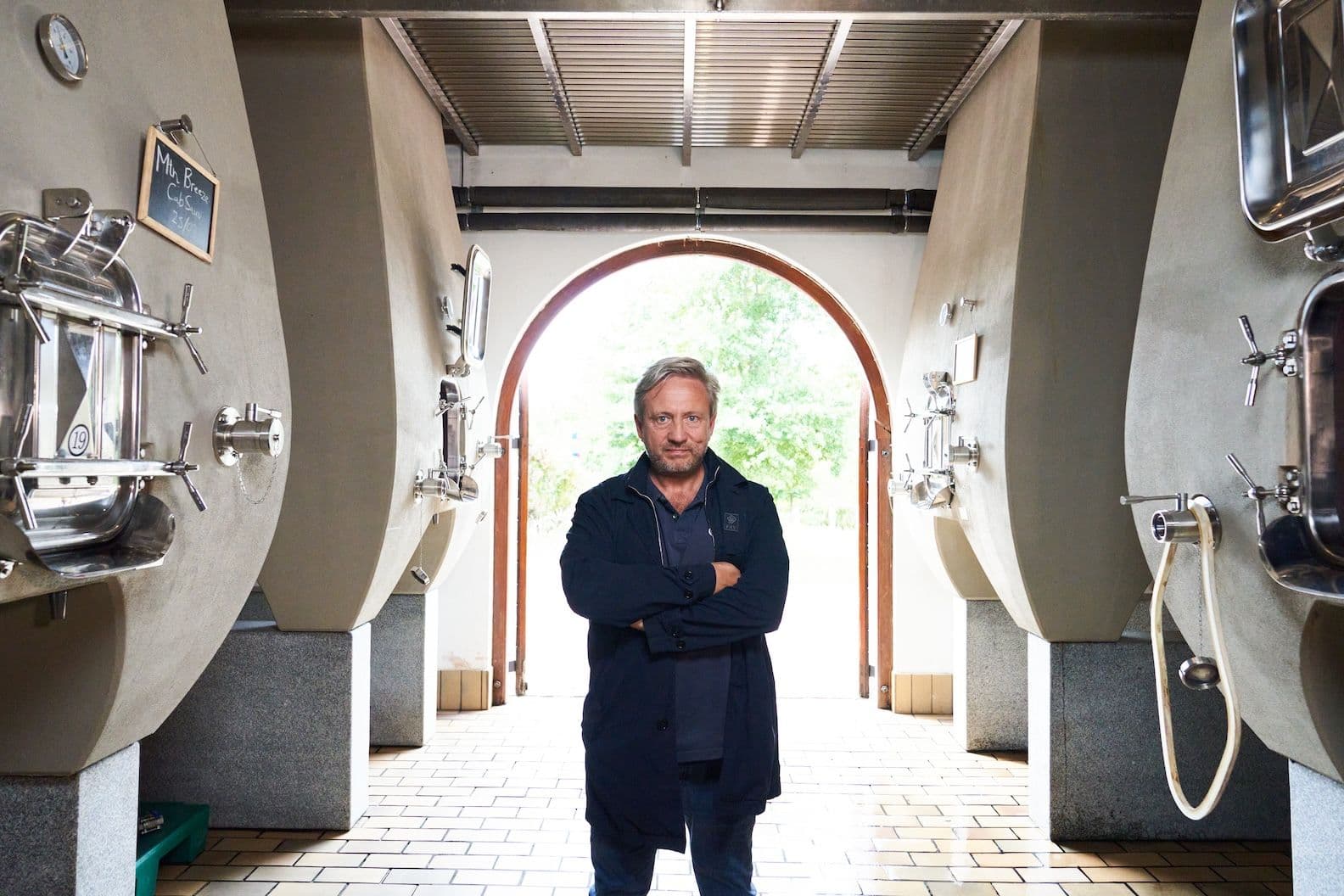
Minas Kotoulas is responsible for managing the drinks lists and experiences across all nine restaurants in the Wolseley estate including the Wolseley Piccadilly and Wolseley Brasserie Zédel, The Delaunay, Colbert, Fischer’s, Bar Américan, Maison Soutine, Bellanger, and Manzi’s.
How do you see the current state of play in the premium on-trade?
Cost of living pressures are real, and everyone feels them - going out has become a more deliberate decision than it once was. And yet spend hasn't fallen away, it’s simply become more considered.
Guests are choosing with more intention than they were a few years ago, and prestige on its own no longer does the convincing. What matters now is whether a list feels like an invitation rather than a test.
That's really the difference between a restaurant that's thriving and one that isn't.
What are the particular challenges and pressure points that on-trade buyers are having to deal with?
Energy, staffing, logistics, duty. They are all moving against us at once, and none are showing signs of easing. The old habit of marking everything up and hoping volume carries it no longer holds. What works instead is a smaller, harder-working list - fewer wines, fewer suppliers, each one earning its place.
Currency and supply-chain instability have added their own quiet pressure, which is why a supplier's reliability now matters as much as the wine itself.
What is working in terms of driving premium wines sales vs a few years ago?
A few things, quietly. By-the-glass remains the most generous way to invite discovery. It takes the risk away from the guest, and preservation systems like Coravin have made premium pours by the glass a genuine possibility rather than an indulgence. Mid-priced wines carry more of the sales than the trophy bottles do.
Story and prestige matter in equal measure. The skill is simply knowing which one a particular guest is listening for. And nothing outsells a team that believes in what it's pouring.
Does there need to be a greater emphasis on creating experiences, moments and occasions?
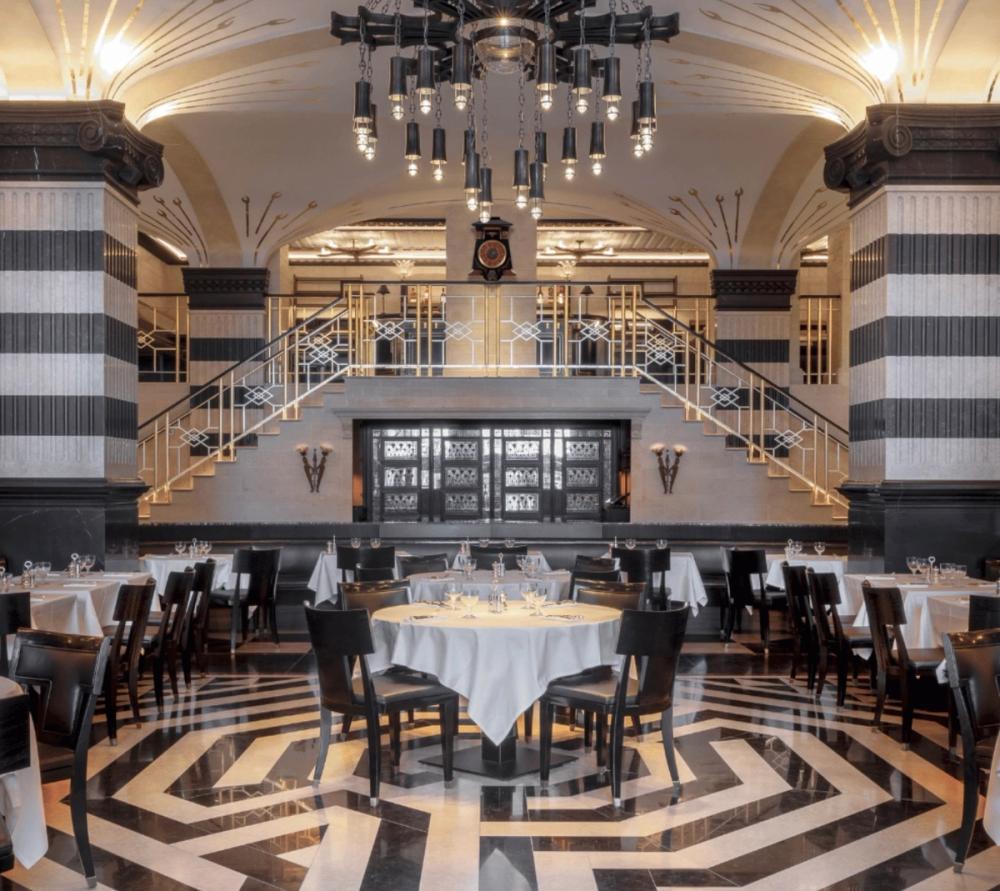
Minas Kotoulas says the suppliers that stand out now are the ones he can trust and are reliable rather than necessarily having the best wines to order
Yes. Guests are choosing an occasion as much as a bottle now. A list should feel welcoming, not like a test. If it needs translating, the moment's already lost.
Tastings, flights, and thoughtful pairings should feel like a natural extension of the list, not a separate occasion bolted on beside it - even where they are run as proper events in their own right.
Smaller pours and by-the-glass remain the gentlest way into the grander or more classic regions. A Coravin measure asks far less of a guest than a full bottle. And the aim is never to swap one guest for another, but to open more doors onto the same list.
What trends are you seeing in terms of wine styles and what is in demand?
Moderation continues quietly. Good alcohol-free wine has become a real category rather than a courtesy. Freshness and drinkability are what people reach for now, more than weight or power. Sustainability has become an expectation rather than a point of pride.
Low-intervention and orange wines have widened curiosity well beyond those who'd call themselves adventurous. And the smaller, lesser-known regions are finding their own quiet visibility, often ahead of the grander names.
Is that changing how you are sourcing and what suppliers you want to work with?
It is. We are looking well beyond the famous appellations, and guests, more often than not, are ready to follow. Portugal, Sicily, Greece, South Africa, and the quieter corners near the southern Rhône are where some of the most interesting buying is happening at present - precisely because they sit outside fashion.
What we look for in a supplier has shifted with it: relationship and reliability matter more now than a recognisable name on the list.
What makes a wine supplier stand out from the competition - what do you most want from them?
Reliability, first and foremost. A wine that doesn't arrive consistently isn't truly available, however fine it is.
Beyond that, a genuine relationship rather than a price sheet. We are looking for suppliers who understand what we're trying to do and bring ideas forward themselves. The ability, for example, to bring something we haven't already seen - quality from a region that hasn't yet been discovered by everyone else.
We also want honesty about logistics and sustainability.
How are classic and traditional wines sales doing and what can buyers and sommeliers be doing to keep classic wine styles and regions relevant to younger drinkers?
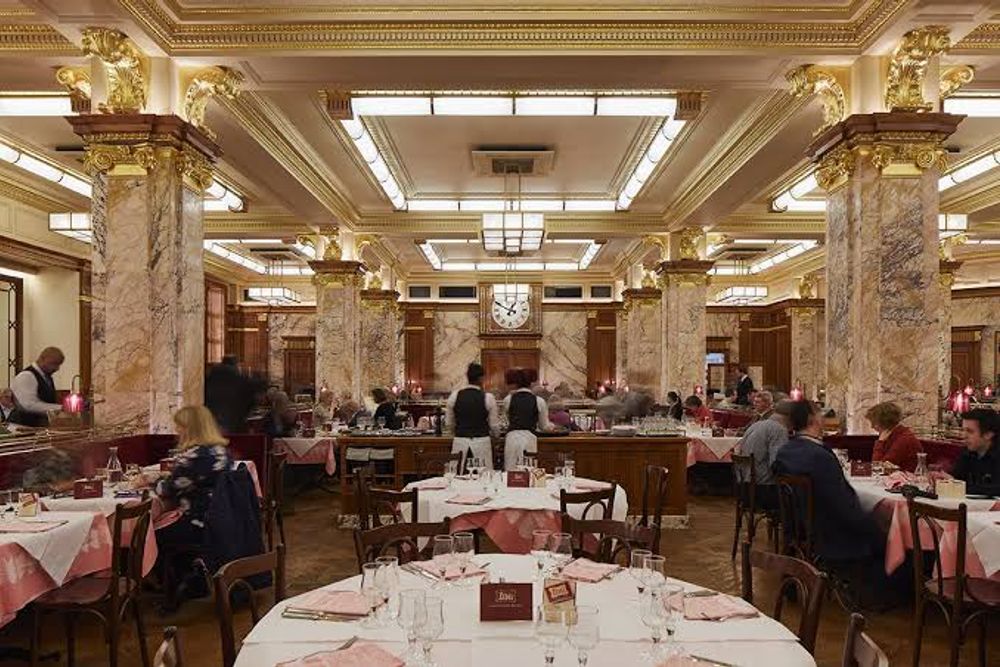
Minas Kotoulas says running a number of restaurants across the Wolseley group - including Brasserie Zedel - means you have to work with suppliers that can identify opportunities in each venue rather than offer a one size fits all type of service
Classic wines remain in fine health. They offer trust, and a benchmark everything else is quietly measured against. The difficulty is rarely the wine; it's how it's presented. Younger guests keep their distance from "classic regions" not for the taste, but for what the label seems to promise — expense, complexity, formality.
The answer is to lead with character rather than pedigree, to let by-the-glass do the introducing, and to place classics alongside more contemporary food so they feel present rather than preserved.
Younger drinkers don't turn away from wine, they turn away from feeling shut out of it. The task isn't to replace one generation of drinker with another, but to make room for both on the same list.
What are the key elements that are driving your wine buying decision making?
Reliability comes first, always. After that: genuine value, versatility by the glass and at the table, a margin that makes sense without dictating the choice, a team who believe in what they're selling, a story worth telling, and - increasingly - the honesty of what sits behind the bottle, in terms of both logistics and sustainability.
How important is ABV now in your wine buying decision making
Considerably more than it once was, and still growing. Moderation isn't a passing preference any longer, it’s a genuine shift in how people choose to drink.
Premium alcohol-free and lower-ABV wines have earned their place as proper categories, not additions made out of courtesy, and with duty now calculated on strength rather than a flat rate, ABV has a direct bearing on cost too.
It sits alongside style, region and price as one of the questions we ask from the outset.
Anything else to say?
If I'm honest, the industry sometimes spends too much energy chasing the next trend and not enough time getting the fundamentals right. Running beverages across nine different restaurants has taught me there's no single formula for that. What works at The Wolseley won't work at Zédel, and it shouldn't.
The real job is making sure every guest, at every one of those restaurants, feels like the room was built around them - that's what genuine hospitality actually looks like.
Clara Rubin, former head of wine at Hawksmoor and now Ocado wine buyer
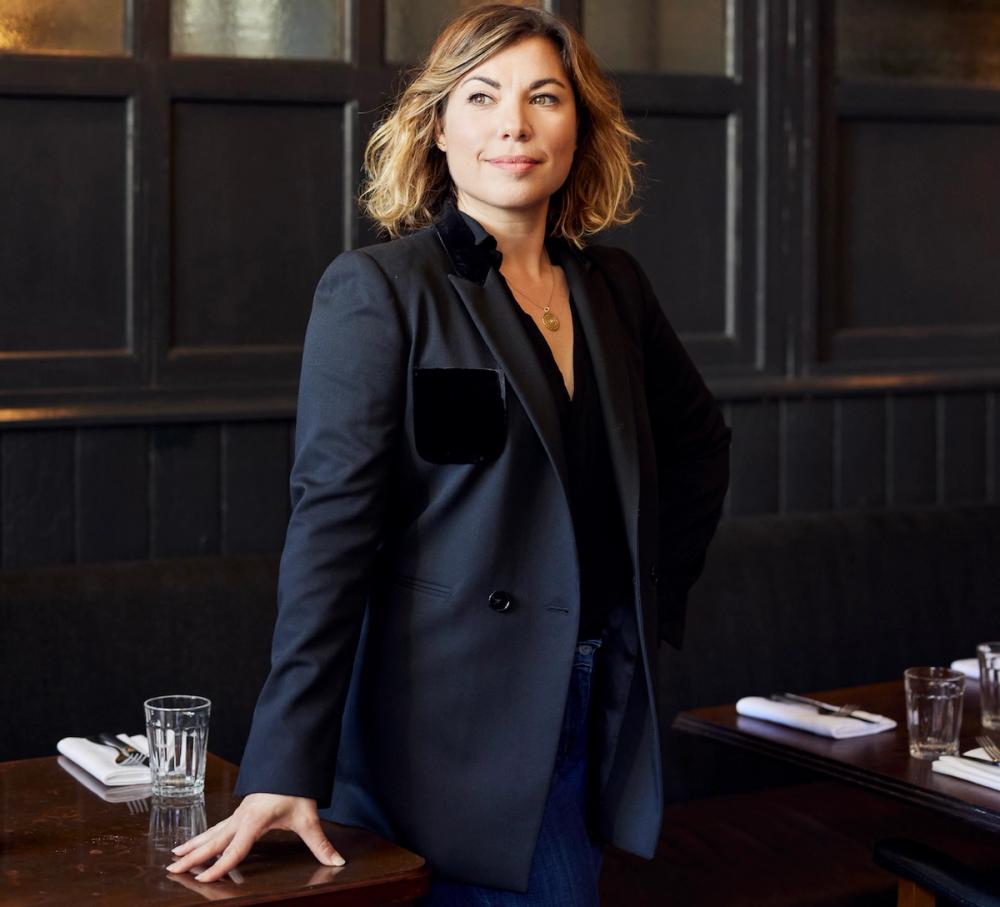
Clara Rubin is able to share her experiences heading up the wine department across the Hawksmoor estate of restaurants and now in her new role as one of the Ocado wine buying team.
What is working in terms of driving premium wine sales vs a few years ago?
Wine sales are down year on year across most categories and the on-trade is at risk of largely ignoring it. Sommeliers tend to dismiss retail and supermarket data as irrelevant to their world. That’s a mistake.
The two categories bucking the trend are sparkling and rosé, and there’s something worth learning there. Prosecco and Provence rosé didn’t succeed only because sommeliers championed them. They succeeded because they stood for something instantly legible and producers of those styles worked hard to sell an occasion, a mood, a moment. They made the decision easy for the consumer.
That’s the lesson. Not to stock more Prosecco, but to stop trying to please everyone. Pick a narrative, package your wines around occasion, and sell an experience.
Don’t drop a tome of a wine list on the table and expect the average guest to navigate it alone, no matter how evocative or imaginative the signposting is. Lists need to be shorter and listings work harder. If the same wines have appeared on six consecutive end-of-month stock takes, ask yourself why.
Does there need to be a greater emphasis on creating experiences, moments and occasions? If so, what advice do you give?
Specificity beats comprehensiveness every time. A shorter list a venue can speak to with real conviction will always outperform a longer one that exists to be a library of wine.
The events that work are built around genuine tension, a list that has comparative and narrative within it for example; a short vertical that surprises, a side-by-side that challenges assumptions about value or region.
It takes work and thinking on your feet to grab opportunities to list wines that will work months ahead of when you’ll need them.
What trends are you seeing in terms of wine styles and what is in demand?
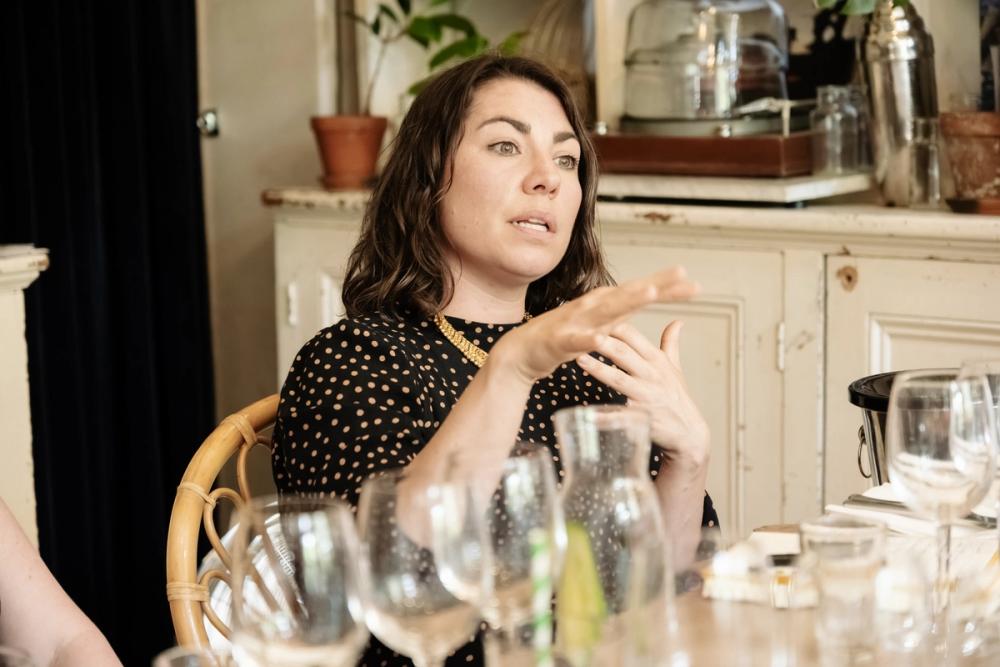
Clara Rubin says the onus is also on the sommelier and on-trade buyer give their suppliers a comprehensive brief in order to get the level of service they require
The headline is that people are drinking less but better. We've been banging the same drum for years but this should be recognised as an opportunity, not a threat.
Yes, styles are shifting towards lighter, fresher, lower intervention and, yes, that is reflected in ABV, but it’s also about body and texture.
People want to work less when they are choosing. Reduce friction at every point; in how the list is written, how it’s presented, how staff talk about it. Buy leaner rather than broader. Think about agility.
And give your suppliers a proper brief. Look at your data first. Start with what’s selling, what isn’t, what your guests are actually drinking and then go to your supplier with something specific; a tight brief.
A tight, well-reasoned brief is one of the most useful things a buyer can offer. Suppliers will thank you for it.
How important is ABV in your wine buying decision making?
ABV matters to consumers and it matters to producers, but for a sommelier it’s a clue, not a diagnosis. It tells you something about how a wine was farmed and fermented. It doesn’t tell you whether it’s balanced, or whether it will make your guest happy.
In a hospitality setting a 15% ABV wine with genuine tension and integration will always outperform a 12% ABV wine that tastes like a concession - the off-trade is never as forgiving.
I am far more interested in freshness and how something was grown than in chasing a number on a label.
What this means for suppliers
Lucie Parker, sales director, Jeroboams Trade
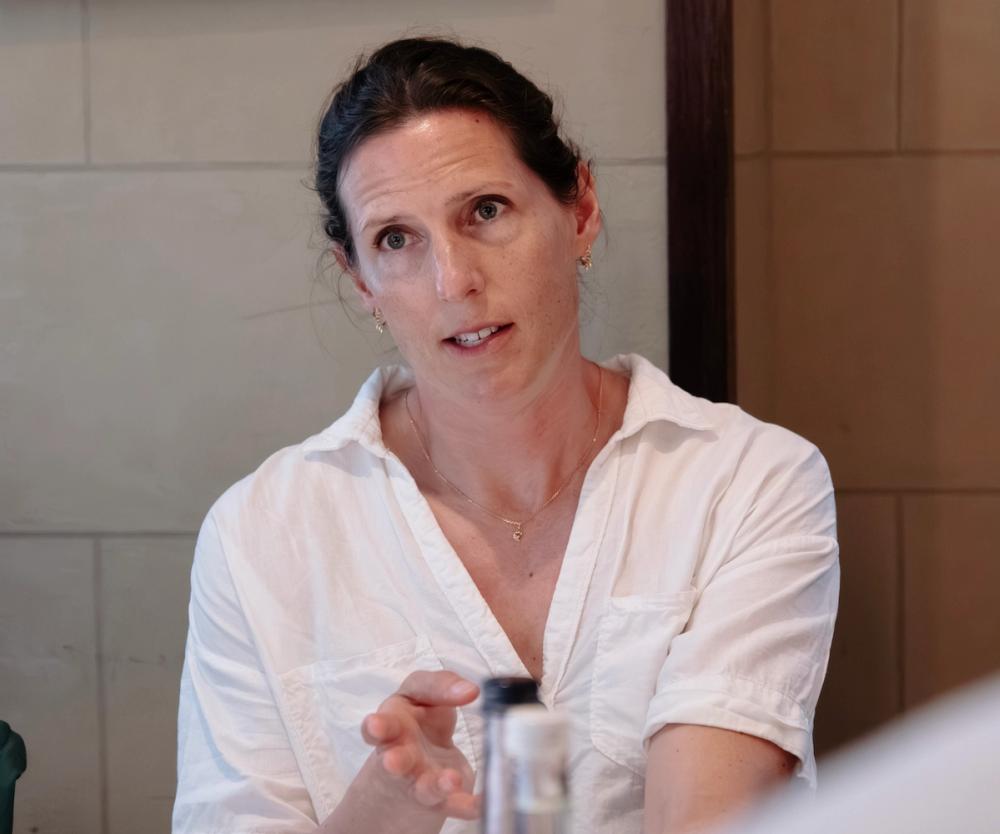
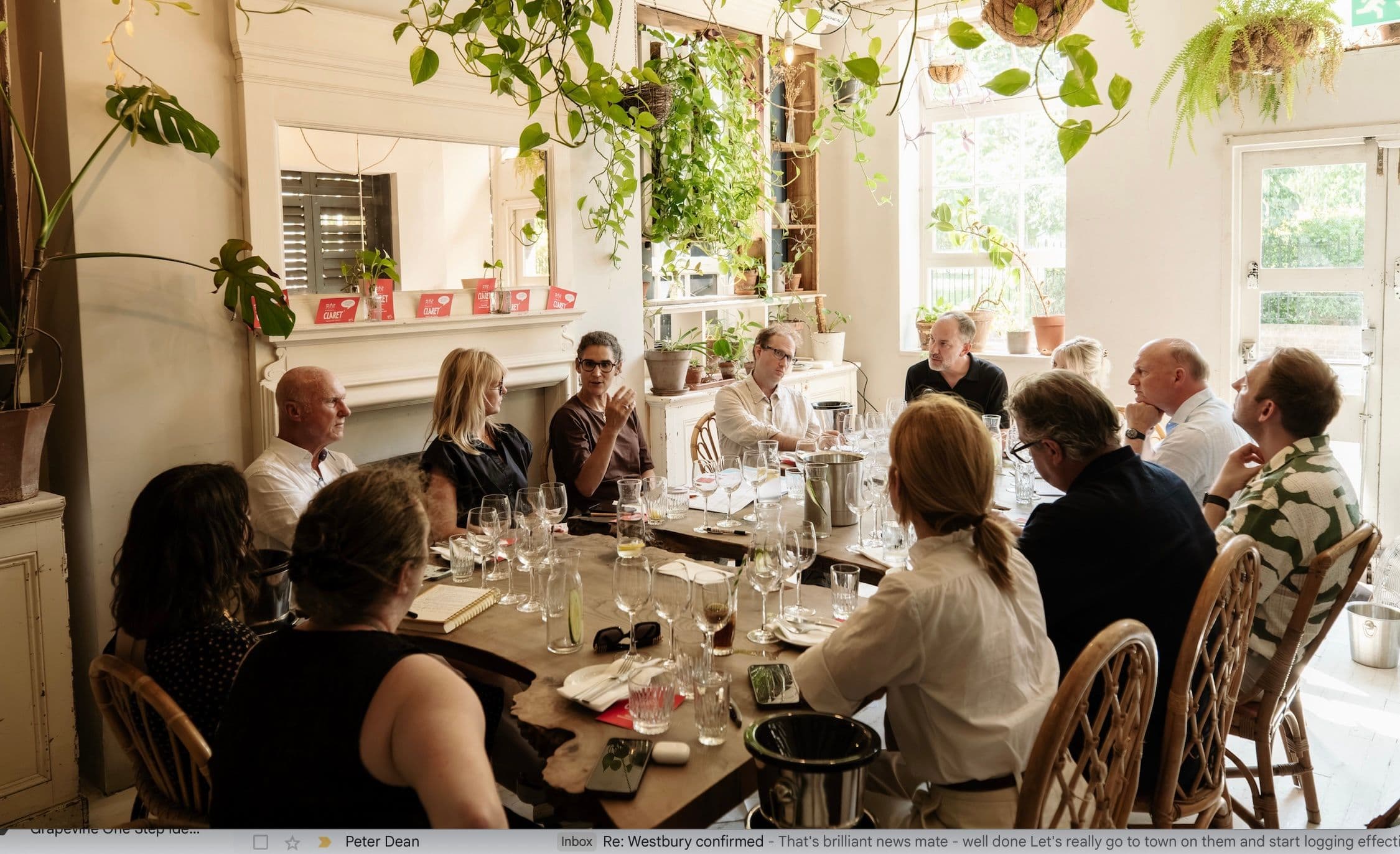
Having hosted the discussion and worked closely with premium on-trade operators across the UK, Parker says many of the themes raised by Kotoulas and Rubin are consistent with what Jeroboams Trade is hearing from customers.
“What's striking is that customers are demanding both reassurance and discovery at the same time. They still want the classics and recognisable regions, but they are also far more willing to explore if the quality, value and story are there. That's why portfolio curation is so important. The merchant’s role is to offer the breadth customers expect while continually identifying producers, regions and styles that have the potential to become tomorrow's success stories.
“The expectations of suppliers have also evolved significantly. Reliability remains fundamental, but customers increasingly want insight, market intelligence and genuine partnership.
"Buyers are under enormous pressure to make every listing work harder, so understanding their business and helping them make informed decisions has become just as important as the wines themselves.
“What comes through clearly from these conversations is that success today is not about chasing every trend. It's about understanding your customer, building a relevant and differentiated offer, and creating memorable experiences around wine.
"Suppliers have an important role to play in helping operators achieve that.”
- You can read the two part in-depth report from the recent Jeroboams Trade debate with The Buyer that featured leading hospitality figures, sommeliers and on-trade buyers.
- Click here to read part one of the on-trade debate where the panel shared some of the challenges, pressures and also opportunities they are individually and collectively seeing on the front line of the premium on-trade.
- Part two of the debate can be found here in which the buyers analyse the ins and outs of running a good by-the-glass programme, the demand for different sized formats, the opportunity for wines on tap, the future of classic wines and what they see are the wine trends that are going to grow their sales in the year ahead.
- You can find out more about Jeroboams Trade here.