
When you have such a fast moving category as alcohol-free drinks it stands to reason that for all the big success stories there are an awful lot of products that will come and go in the coming months and years. If they have not already disappeared already.
Picking which brands have the most chance of success is very much the basis on which Sam Cooklin-Smith and Ben Jones have based their start up drinks agency - Kore Drinks - on.
Their whole business plan rests, as their website proudly states, on taking “category-defining alcohol-free brands from start-up to scale-up, across on-trade, retail and catering”.
Just how they determine what a “category-defining” brand is we will come to a bit later, but the duo certainly have the credentials and drinks industry experience to be able to identify a potential success story when they come across one.
Jones’s career has taken him from running successful bars and pubs in the 2000s to helping build and sell brands during his time holding senior management roles with Coe Vintners, Enotria (E&C sic) and Matthew Clark & Bibendum. Picking up a management and leadership MBA (at Enotria) along the way.
It was at Enotria where the two met, with Cooklin-Smith coming from a commercial development background having also spent time at Bibendum, before most recently heading up the commercial and sales side at the IWSC.
So they are well placed to set up what they believe is the UK’s first alcohol-free drinks agency.
As start-ups go they are also going about things the hard way with no financial backing or investor support to set them on their way. Or as Jones puts it “we have done this on a shoestring”.
Industry know-how
But what they might lack in terms of seed finance, they more than make up for in industry knowledge on what you need to do to seed and get drinks brands into the market. With Cooklin-Smith bringing the wine expertise, and Jones the spirits and hospitality know-how.
Jones, in particular, is able to look back on his time at Coe Vintners where between 2008 and 2014 he was part of a team that helped introduce many of the independent spirits brands that sit on back bars today - including Ketel One and Buffalo Trace.
“You get a really good knowledge over time on how to build a brand and how that develops into a skills set which is taking brands into premium off-trade as well as premium on-trade,” he explains.
It’s that industry insight that makes them so confident about the future of the alcohol-free category. So good in fact they based their business on it.
Jones explains: “Where alc-free is at the moment in the on-trade is almost where the gin boom was and where the craft lager market was [when it started]. If venues get their alc-free offering right they sell more booze.”
That’s because, he adds, “there is a much higher percentage of people who are moderating than there are those who are abstaining”.
So if venues can get their alc-free range right and it is “presented properly and in the right place on the drinks menu” then the potential is enormous as customers feel like they are having an “adult” experience, stresses Jones.
Business model for our times
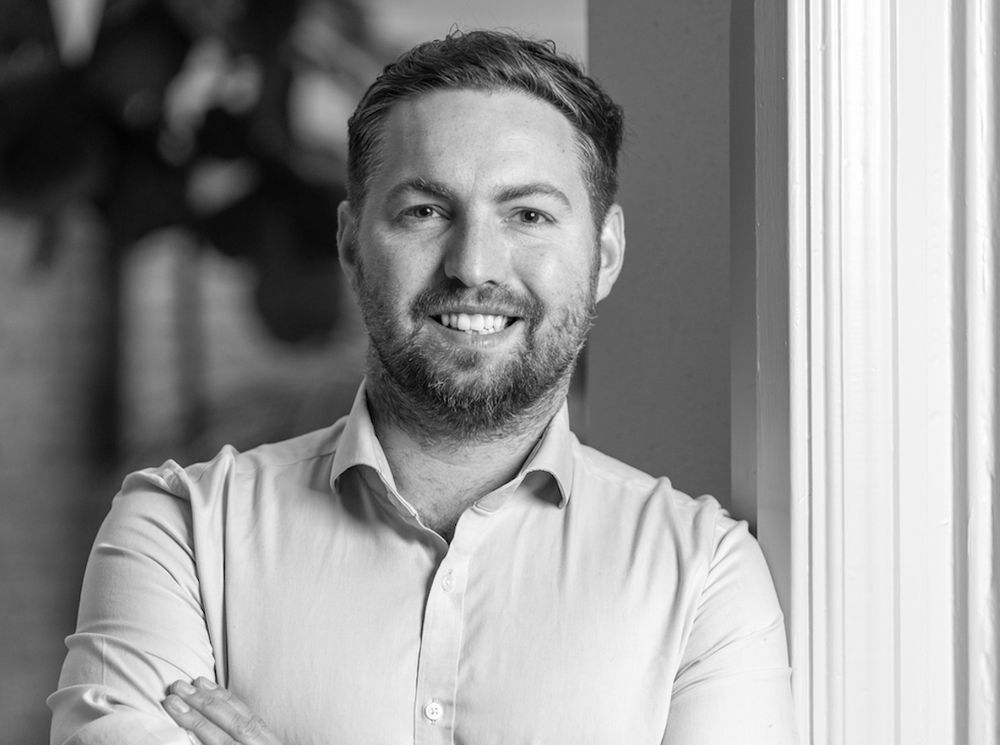
Sam Cooklin-Smith says his and Ben Jones experience working for major drinks wholesalers has given the platform to set up their own business
They believe businesses like Kore Drinks are going to have a growing influence on the trade as the major drinks distributors, in particular, are having to make serious cut backs and rationalise how they operate in face of growing costs, and an increasingly shrinking market.
“Our model sits in-between what a spirits distributor does and what an importer does. An agency based model is becoming more popular, it’s more sustainable,” claims Cooklin-Smith. “We don’t buy and then sell our stock, we manage the business for them, the brands pay us as a long term partner. We are the only ones doing this on a big scale in the UK [for alcohol-free].”
For Cooklin-Smith it is all about building and maintaining what he calls “route to market relationships” for the brands it looks after. Be it acting as an independent sales force directly into customers, or working with and supporting the national and regional distributors that those brands are also working with.
The key for any drinks distributor is to make sure they work with the right products that match their values, and their capabilities. It is even more important for a business like Kore Drinks that has been set up to only work with a small core number of drinks brands.
Jones admits it has been one of the biggest lessons they have learnt since settling up Kore Drinks.
As he explains: “When we started three years ago we did not know if we had a business, we had an idea.”
If it was to succeed they learned pretty quickly they had to have “some very clear values across our brands”. Which is they have to be founder led, they have to be within the top two or three value-for-money for liquid-in-bottle in the marketplace, clear sustainable values and they have to have strong distributor and venue appeal.
The last point has become even more important in such a troubled market where time and resource is paramount. Kore Drinks knows the brands it is working with are not big enough for a major distributor to want to take on completely.
But they are more than happy to work with an agency, like Kore Drinks, that they can trust and have personal relationships with at a senior business level from sales through to buying.
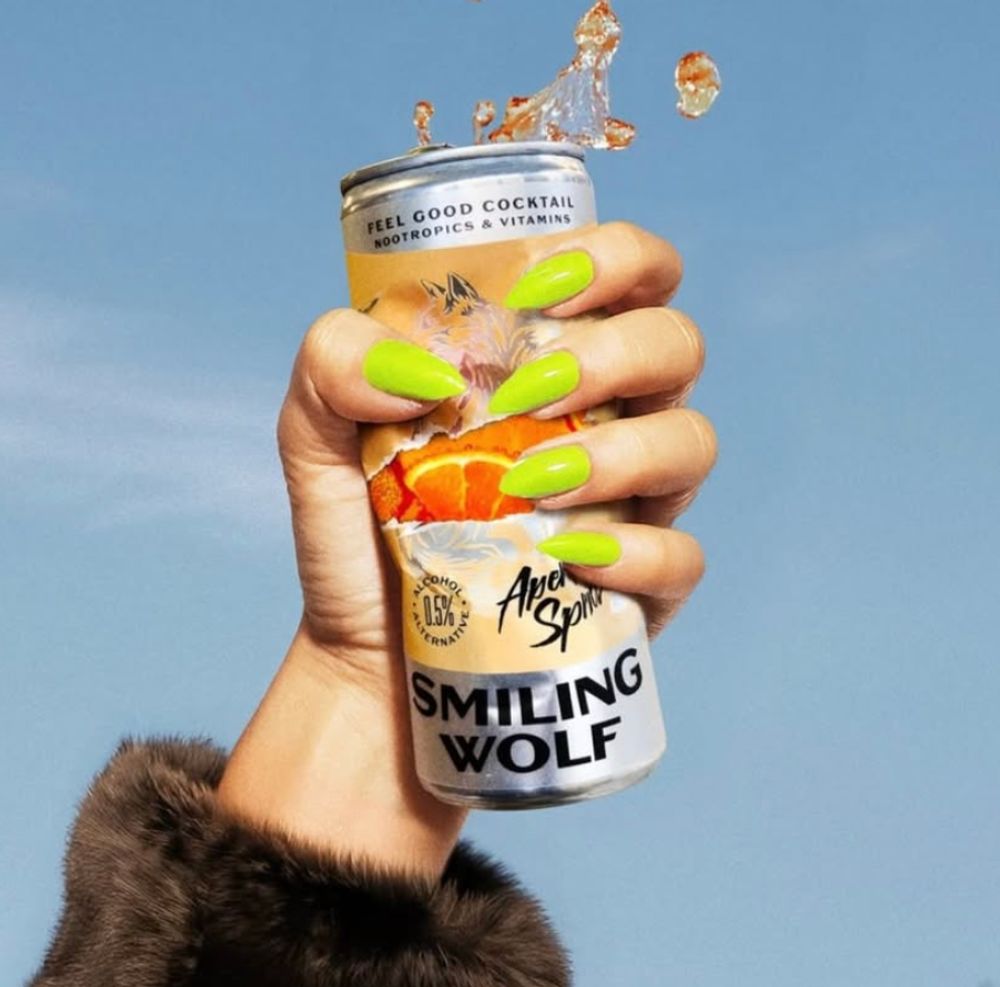
Kore Drinks is ideally placed to work with alcohol-free brands that are looking to scale and build their distribution network
“The whole point of our business model is how do we build a brand from zero or very low customer numbers for the wholesalers to be interested, to generating turnover and enagement and growth in order to then get all stakeholders at the wholesaler to have confidnece in the brand values - be that from new sales and incremental growth for the sales teams via supply chain communication and flexibility to rotation and profitbility levels and SKU at buyer level,” explains Jones.
To do that means knowing the type and level of support that a major distributor like Enotria might need on the ground to help them achieve the sales they are looking for, adds Cooklin-Smith.
On the ground support
“It’s all about sales reps,” he stresses. “If Enotria has 40 reps we know 80% of them.”
The role it can play is to work with those reps to give them the information and knowledge they need about the alcohol-free brands in their range to then go out and effectively sell them. Once a listing is made the Kore team can then work with those venues and the wholesaler’s sales reps to maximise on-going sales, exchange leads and further relationships.
“A listing is meaningless unless you get the pull through,” he adds.
Jones is keen to highlight the work it has been doing with The Drinks Club where the “rate of sale has increased exponentially” for each of the alcohol-free brands that have gone into its portfolio.
“So from a buying level we help the buyers make their KPIs and give them enough accounts to meet minimum order quantities and then we get their repeat orders, rate of sale up and their new business up,” he says.
“From a sales point of view we generate incremental income from their exiting accounts, and we bring them new business.”
It is also working well with Wanderlust Wine as they are able to open doors for each other. If Kore can get a listing with a venue for some of its drinks it can then introduce Wanderlust’s wine offer on the back of that - and vice versa.
“It’s the magpie effect. What’s the new shiny thing? Well that new shiny thing is alcohol-free. Wanderlust is letting us open the door for its sales team to then go in and sell its wines along with the NON listings we are getting,” explains Jones.
Cooklin-Smith says it is all about understanding “what their needs and KPIs are” and then working hard to get them new business and open up new accounts. “That’s gold for them.”
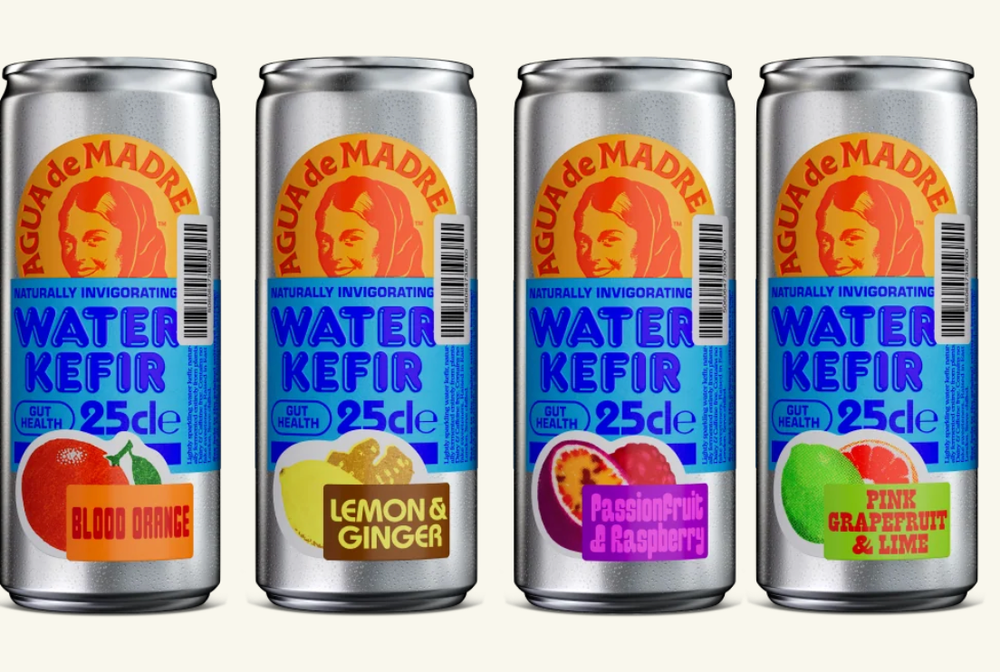
Kore Drinks works with soft drinks, beers, wines and spirits in the alcohol-free category
This type of wholesaler, brand, agency relationship works so well in the alcohol-free space as there is not the volume of trade to justify a wholesaler having exclusivity over any particular brand, he adds.
“There is not enough rate of sale and distribution points from one wholesaler. You need multi-channels and multi-wholesalers.”
“We have to be omni channel. We need retail, we need catering and we need on-trade and the routes to market bit sits in the middle and connects all of it together,” he explains.
Then there is the direct to consumer opportunity as well which works so well with alcohol free as these are brands that are finding their way into the market in so many unconventional ways.
Like Mother Root which built up such a strong DTC community that it was able to go from selling online directly into major listings with Sainsbury’s, Waitrose and Ocado thanks to the strength of its online customer database, says Cooklin-Smith.
Fully committed
What also gives Kore Drinks the edge is it is fully invested in making alcohol-free a success. Particularly at a time when the jury is clearly still out for many in the drinks industry to make a similar commitment, with plenty of negative press and commentators highlighting the fact that for all the noise about alcohol-free it only makes up around 2% of the overall drinks market.
The industry’s overall scepticism over alcohol-free is a position Kore Drinks is keen to exploit, says Cooklin-Smith.
He believes one of the biggest opportunities for alcohol-free drinks is the fact they are suitable for so many more drinking occasions than straight wines, spirits or beer. These are drinks that can be enjoyed at any time of the day and can work just as well in a cafe, or in the workplace and are not just restricted to licensing hours, or when you are out in the evening for something to eat.
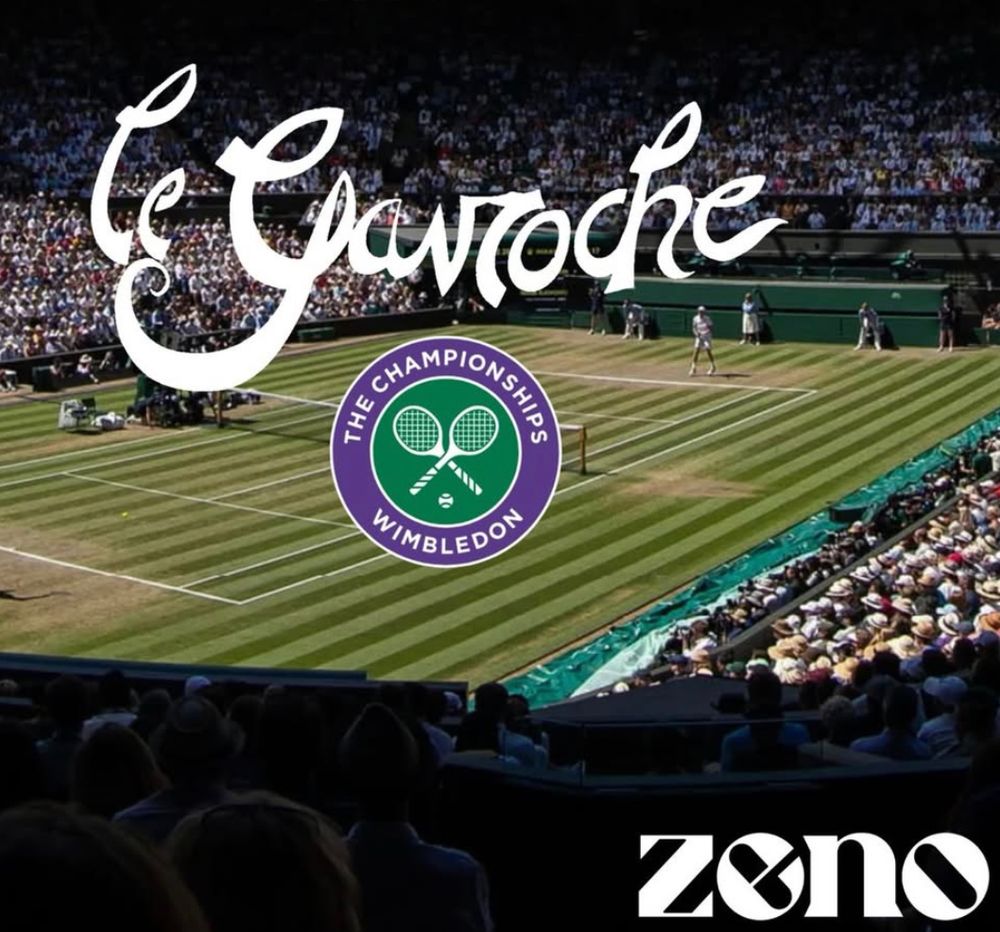
Kore Drinks has been able to work with its brands to get listings at major sporting events like with Zeno at Wimbledon and Le Gavroche restaurant
“We don’t have any limit. So every football stadium, any sporting occasion, tennis, Wimbledon add other occasions here - brunch, lunch, early mid week dining, in-room - we are at them all,” he says.
“Breakfast is about coffee, it certainly isn’t about white Burgundy, but it is relevant for a non-alcoholic sparkling wine, or a cocktail or a functional drink.”
It’s why drinks menus and how they are designed and presented is going to become increasingly crucial in how alcohol-free products are promoted for any drinking occasion at any time of the day.
“The macro data shows that pubs are closing, but for every pub that closes there are five coffee shops that open up. That’s a new opportunity that a traditional wholesaler does not have, but we still do. There is just no limit with alcohol-free,” stresses Cooklin-Smith. “People have to get their head around that it is all changing, but there are only about 10% of menus that have alcohol-free drinks on them.”
Jones adds: “If you get the offering right then you can sell alc-free all day long.”
There is also a growing role and demand for what you might call functional soft drinks that opens up a whole new area of potential business, says Cooklin-Smith.
Better quality
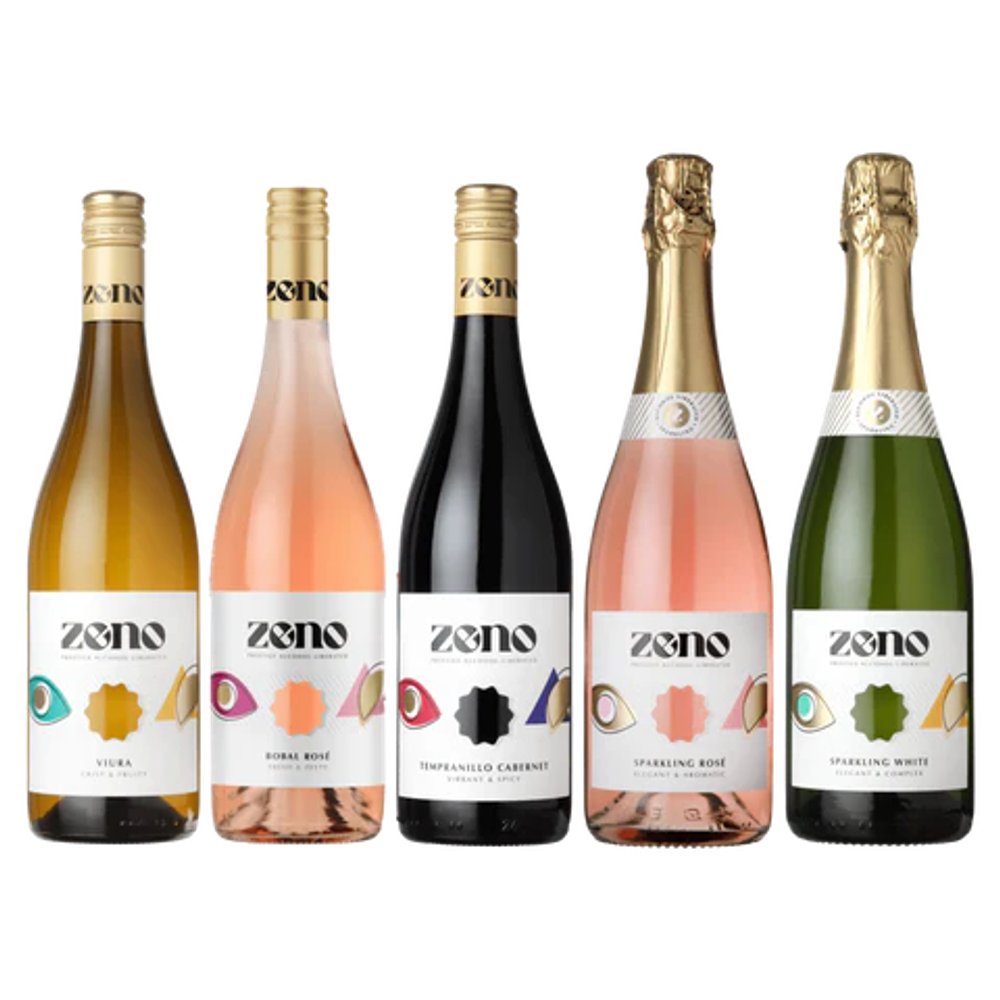
The premium Zeno alcohol-free range is helping to take the category to another level - and recently received huge publicity by being featured on BBC’s Dragon’s Den
Jones is confident that if the technology available to make even better, higher quality alcohol-free products continues to improve then the beer category in urban areas of the UK could be 50/50 in terms of alcoholic and non-alcoholic by 2035.
“The technology is there now if the producer and founder is diligent enough to use,” he stresses.
He points to the levels that Zeno, one of its partner brands, goes to in order to make what he believes is the best alcohol-free wines in the market.
“Will [Willis] and David [Hodgson - Zeno founders] go every year to the harvest to hand pick their parcels of grapes to then de-alcoholism. That is behaving like a wine brand and they are very sensitive to the pH levels and ethanol levels in order to produce the best liquid.”
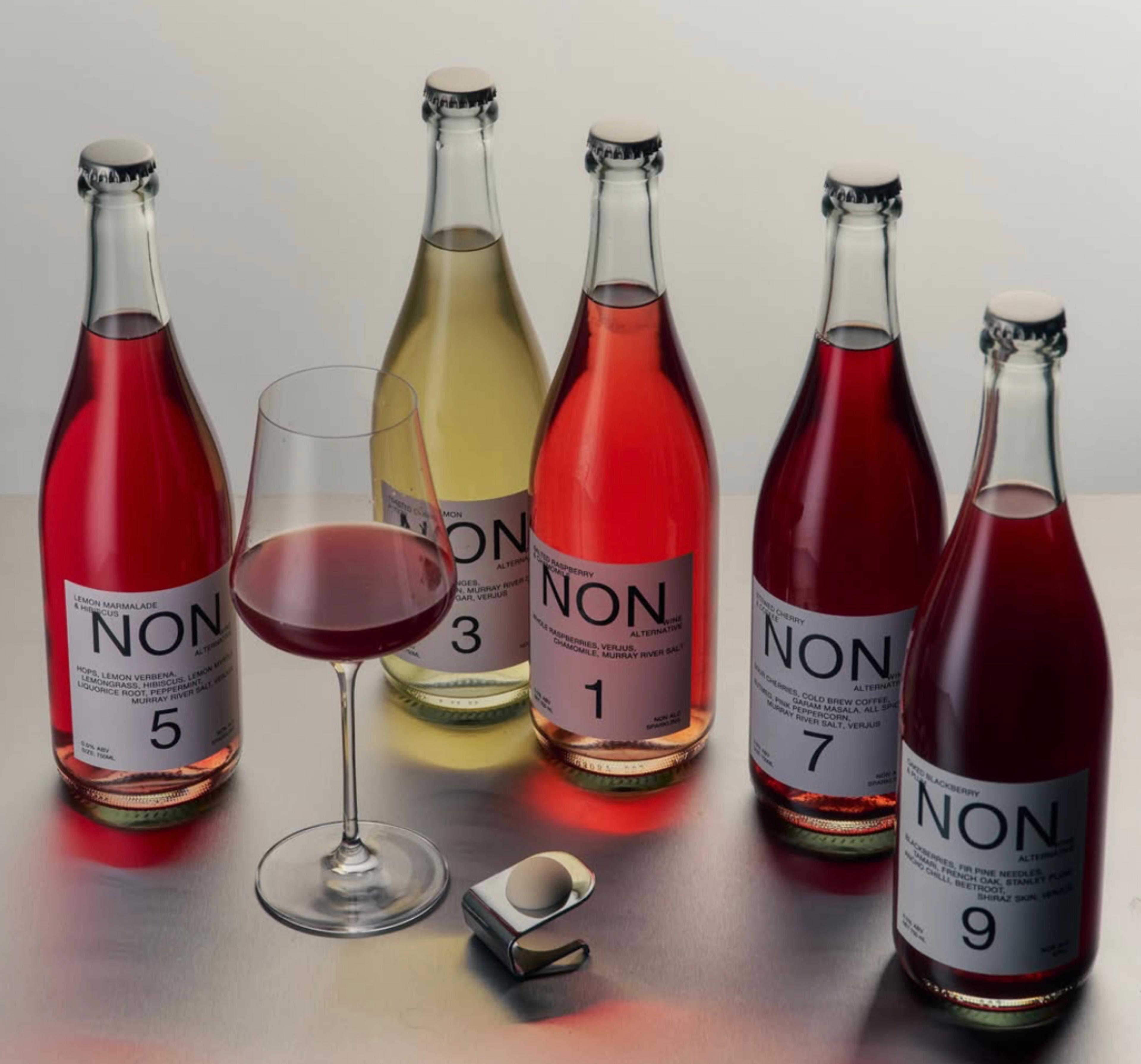
He adds: “Talk to Aaron [Trotman] founder of Non and he is his chef’s kitchen and winery looking at the pH levels on a daily basis and the seasonal variations he gets from the fruit and herbs he extracts, where he says one camomile crop is completely different to another crop and how that impacts the flavour.
“We have the founders in our business that are wed to their liquid and our job is to show that liquid to the trade that allows for cumulative growth.”
Managing growth
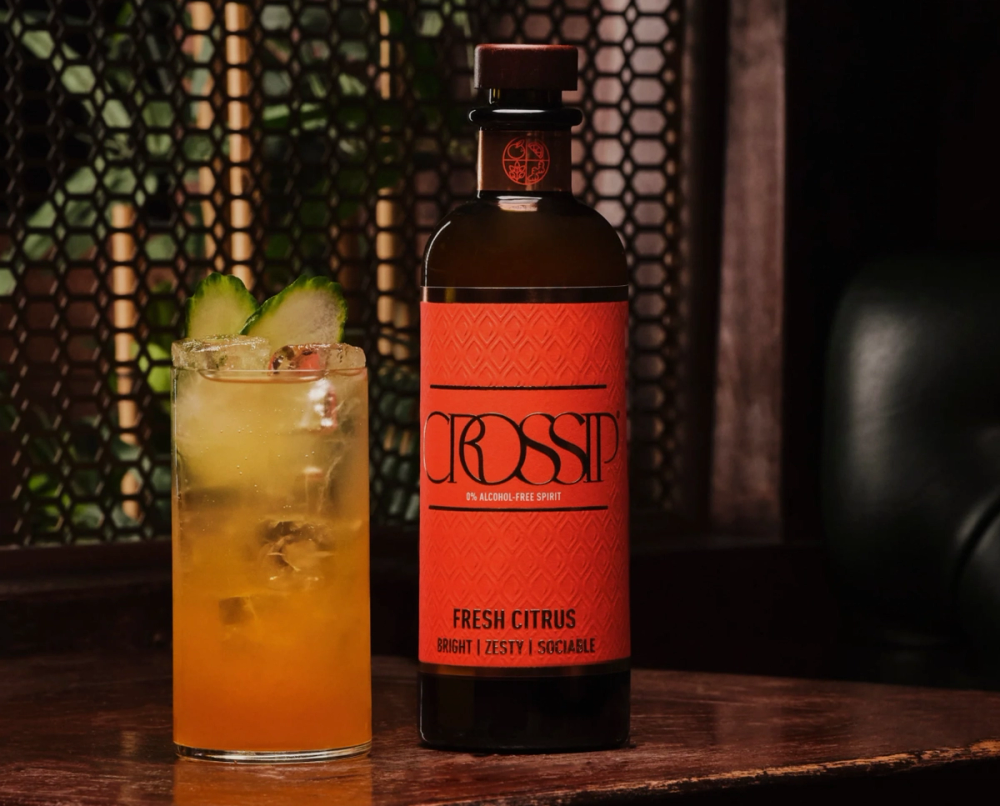
One of the biggest challenges that Jones and Cooklin-Smith has in managing its own growth and not taking on too many brands that then push and pull them into different directions.
Instead it is focused on working with and driving growth for a set core group of brands that it believes have the most potential working across each of the separate alcohol-free categories.
At the moment it is working with seven brands and believes it has the capacity to take on another three to five with its current size of business, but with the flexibility of taking on more people if required.
But then if you are three year old business and one of the biggest issues you have is actually managing the rate of growth you have then that’s not a bad place to be.
* You can find out more about Kore Drinks at its website here.