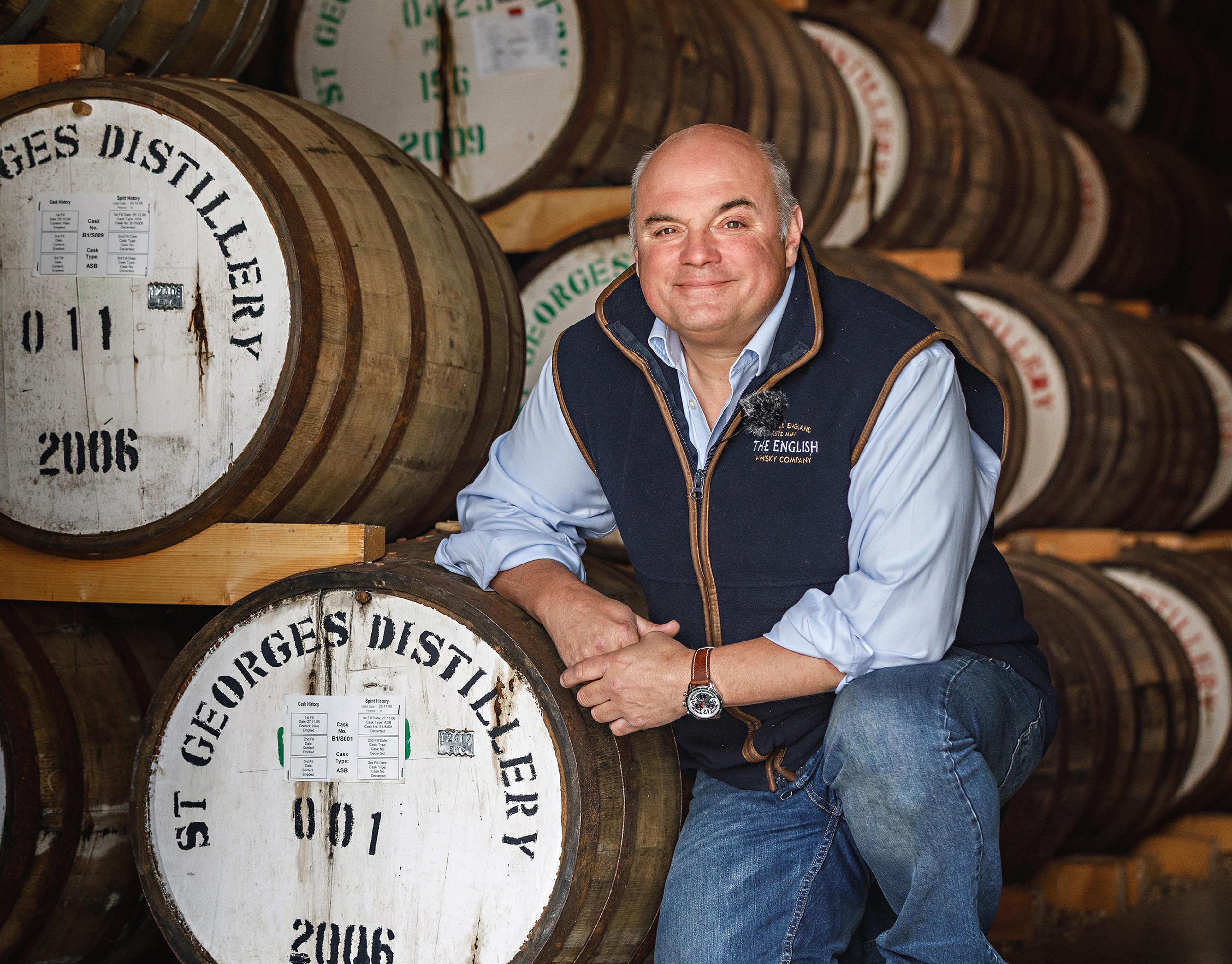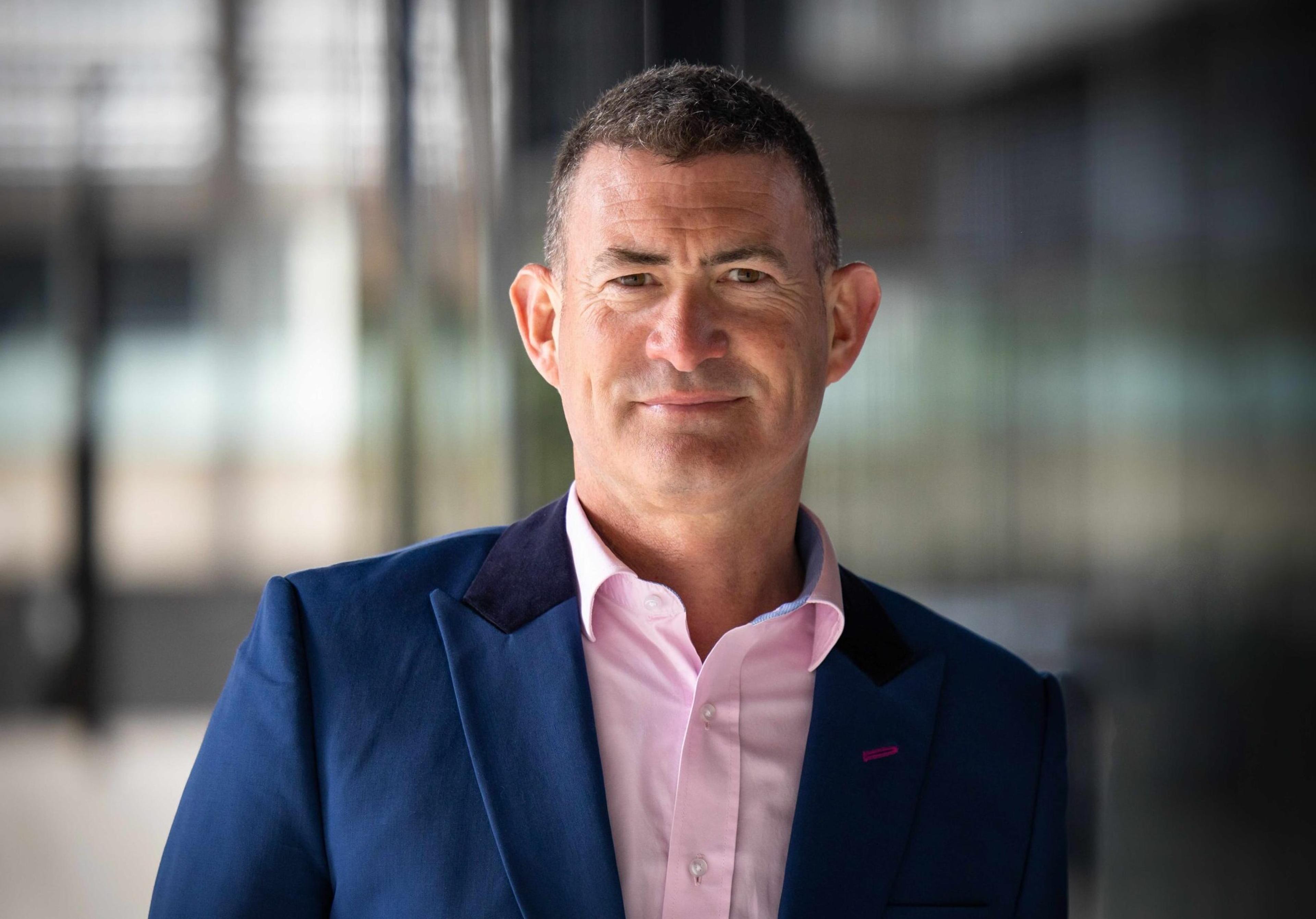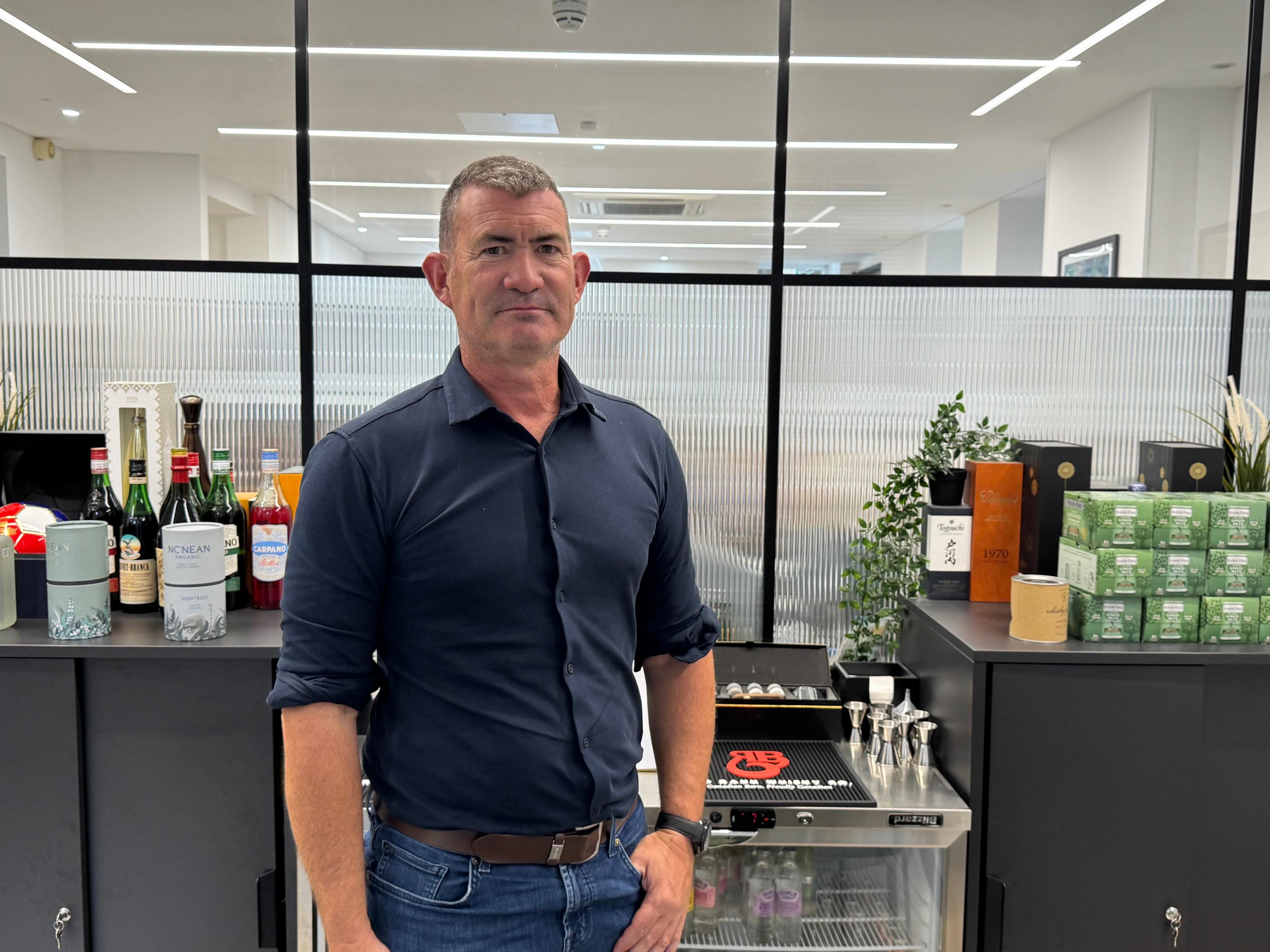

Nick Gillett arrives for our interview in a flurry, sweating and apologising profusely for being over half an hour late. It seems someone on the Tube had been taken seriously ill and he had helped them get the medical help and support they needed before he could continue his journey.
But, in a way, it very much sums up his character. You only have to read what he writes, the business actions he takes and the fact he regularly spends his time on social media and Linked-in congratulating and supporting others in the industry for their achievements to get an appreciation of his personal as well as business values.
It’s an approach to life and work that makes Gillett such a fascinating and important figure in the drinks industry. He might not have the clout and profile of the big industry chiefs behind the major drinks multinationals, but he is arguably just as influential.
Particularly when you consider what he has been able to achieve over the last 13 years withMangrove Global - growing it to £20 million a year turnover business, handling over 300,000 nine litre cases of spirits and positioning it as one of the most influential premium drinks suppliers in the UK.
An achievement that saw it bought in 2023 by the multinational GBH Group and has its own fine spirits arm, Spiribam.
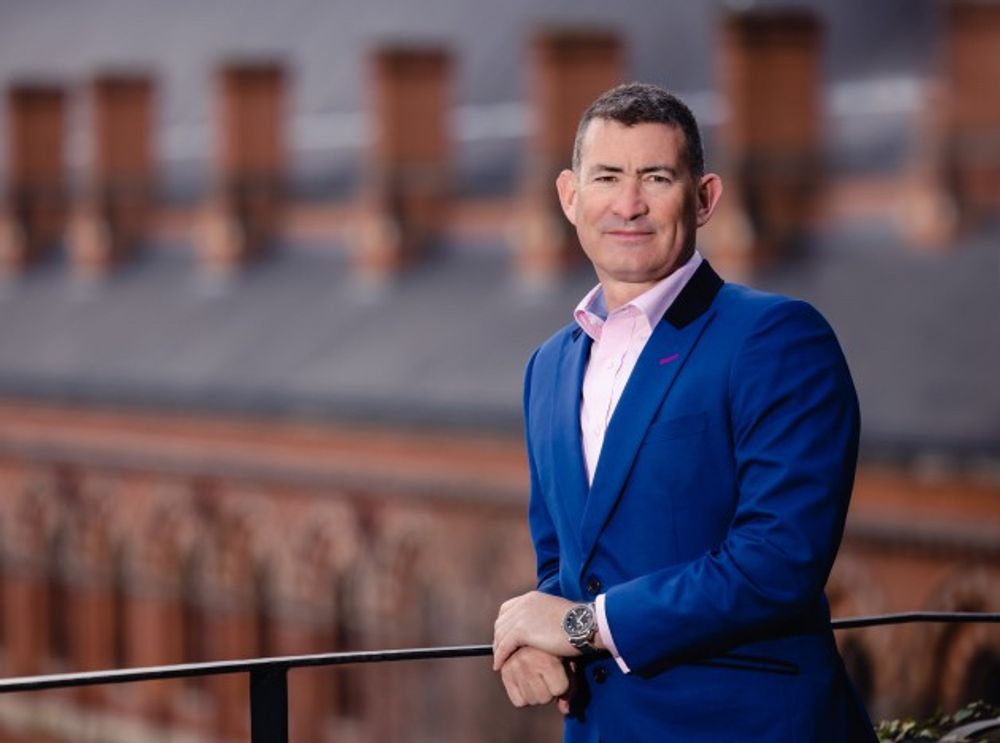
Nick Gillett has helped Mangrove become one of the UK's most influential and important premium spirits suppliers
It’s a move that, Gillett admits, has taken Mangrove to another level and provides the financial support and security that, well, money can buy.
But crucially the deal was also very much predicated on Gillett - who by his own admission is “the DNA of Mangrove - staying with the business and the fact he remains at the head of the company three years later shows how passionate and committed he is to its long term future.
As he said at the time of the acquisition: “I am convinced that Mangrove’s best years lie ahead.”
Which thanks to thebacking of GBH it is well on its way to achieving thanks, he stresses, to the fact it has lived up to its promise to leave the day-to-day handling of the business to Gillett and his team, whilst providing the support it needs to maximise “its full potential”.
He says he was confident the “culture, fit and ambition” of the GBH Group was the right company to sell to and he has been proven right.
“They said you have a blank piece of paper to choose the brands that you want to put together that you believe best represent Mangrove and they have been true to that,” he adds.
UK strategy
The deal has also helped him to live up to the strapline on his Linked-in profile which says: “Disrupting both the UK and global spirits markets with the very best in spirits and liqueurs for import and distribution.”
Which is essentially what Gillett and Mangrove are all about. The GBH Group acquisition means they can now do that on a larger scale with Mangrove acting as the UK distribution arm of a business that already has significant positions in France and the US and plans to look at other distribution and wholesale opportunities in key target countries around the world.
It is also, claims Gillett, out to “buy brands that have the potential to be global brands” that are also already “significant regional players in any of our operational markets”.
In terms of Mangrove’s own position and significance in the UK Gillett says it “wants to be on the shortlist for any brands looking for distribution in the UK - that’s our number one aim”.
But he also appreciates it will only be able to do that “if we are successful with our current brand partners”.
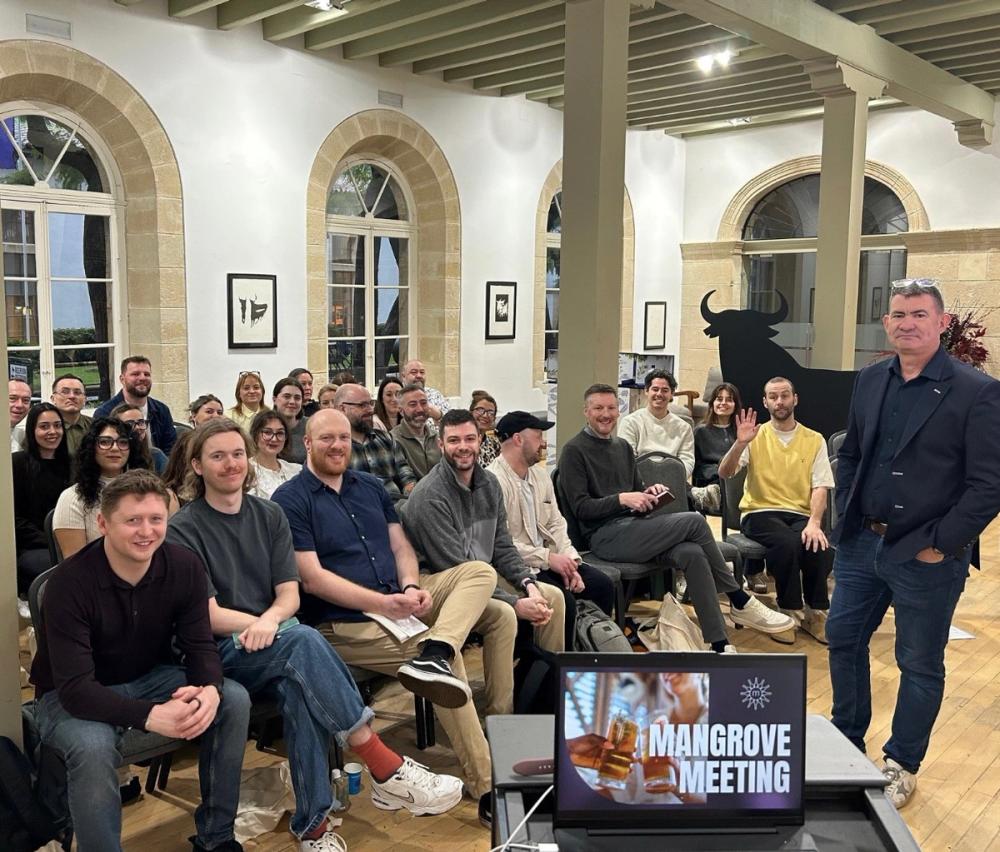
Nick Gillett with members of Mangrove's sales and marketing team at a company conference earlier this year hosted in El Puerto de Santa Maria in Spain by its brand's partner Osborne
To help put it in the best position possible to grow distribution and sales Mangrove has doubled the size of its team since the GBH deal and he says it “continues to invest in order to expand and give us the capacity to handle bigger brands”.
Whether that means being the “UK solution” for a major global spirits brand, or working exclusively with independent brands, Mangrove wants to be in the mix with the big multinationals, whilst recognising it “won’t ever be the biggest”, but wants to be seen as the “next tier down”.
Gillett is also clear about what Mangrove does not want to be. It does not want to be handling production in the UK for brands it does not own, and it does not “want to deal in tertiary and own brand stuff”.
“The advantage I have over some of our competitor set is we can invest slightly ahead of the curve because we have the group funding,” he explains. “It means we can take on more people, we can add capacity, we can acquire another distributor in the UK to add scale, or to add some capability we don’t have. All those things are always in play but there is no timescale to that. It’s about consistent, affordable growth measured over a number of years.”
Choosing brand partners
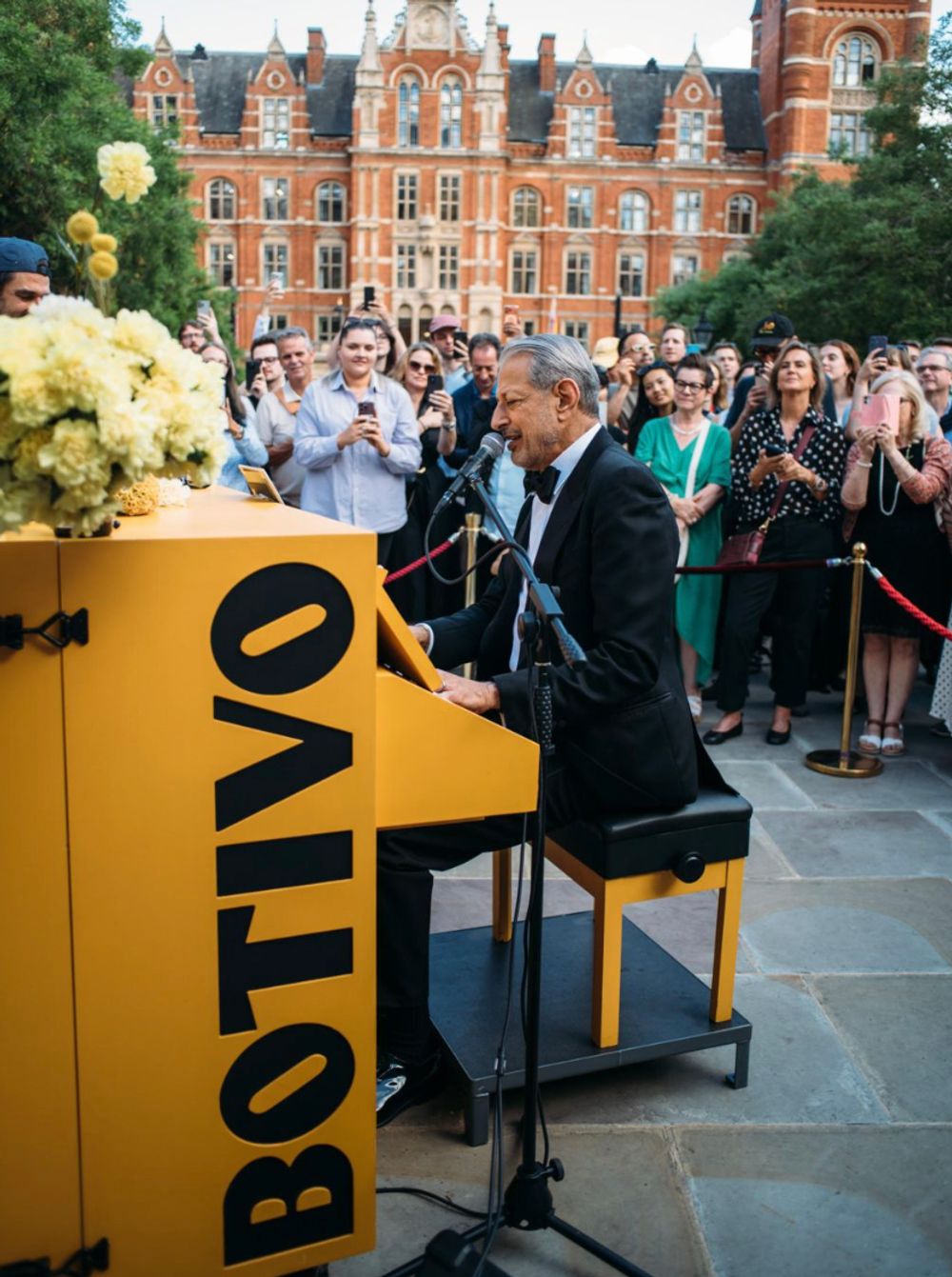
Mangrove looks to promote and work with brands it believes can offer something genuinely new and different to the trade - like the breakthrough no and low brand Botivo
When it comes to choosing which brands it wants to work with, or bring into the business, it is usually looking for independent, family or entrepreneurially-owned companies as we “talk the same language”.
He also appreciates that for a brand owner giving responsibility to a business like Mangrove to look after the product you have brought into the world and love dearly is like “sending your kids to school”.
“It is your life and soul you are entrusting to somebody else,” he says.
Which is why he feels “personally responsible” for their brands in the UK market and why he has worked so hard to build a portfolio of brands that are genuinely highly respected by its peers and “respected industry people”.
“We spend a lot of time doing our due diligence and we probably turn down five to 10 brands a month that we get offered,” he says.
They might be “too small and not ready” or they might be better placed to work with another distributor. It is vital, says Gillett, that it is clear and fully focused on what are the right brands for its trading model, because ultimately “we need to earn money” from them.
“When you are trying to scale and want to take the next step then we are a good choice,” he adds.
The challenge is when it comes across a brand that “fits and is commercially attractive” but is in a category where it already has a brand, or a number of brands, in place. Which is why categories that allow for brands at a different price tiers are becoming more attractive and relevant to a business like Mangrove.
The first priority when deciding which brands to work with is the quality of the liquid and how well it “benchmarks” against “its competitive set”.
“I can’t think of another portfolio that has such consistency of branded liquids in the UK,” he claims.
But only if the liquid is right from a quality and technical perspective will it then go on to assess its commercial possibilities.
“The challenge for us with our brands is none of them are likely to be the cheapest in any category,” he admits, but that is because of the high standards it sets when it comes to the brand’s ingredients and how much, for example, sugar and natural fruit and flavours are in it.
“We have to explain that to a buyer as price can be misleading. We don’t have products that are more expensive just for the sake of it.”
He also fully understands the brand decisions he and Mangrove make will be ultimately judged both by the GBH Group and each of the individual brands owners and, like a football manager, you are only as good as your last season in charge.
Or as he puts it: “We are only as good as our brands and that is probably the number one job that I do.”
Unfair fight
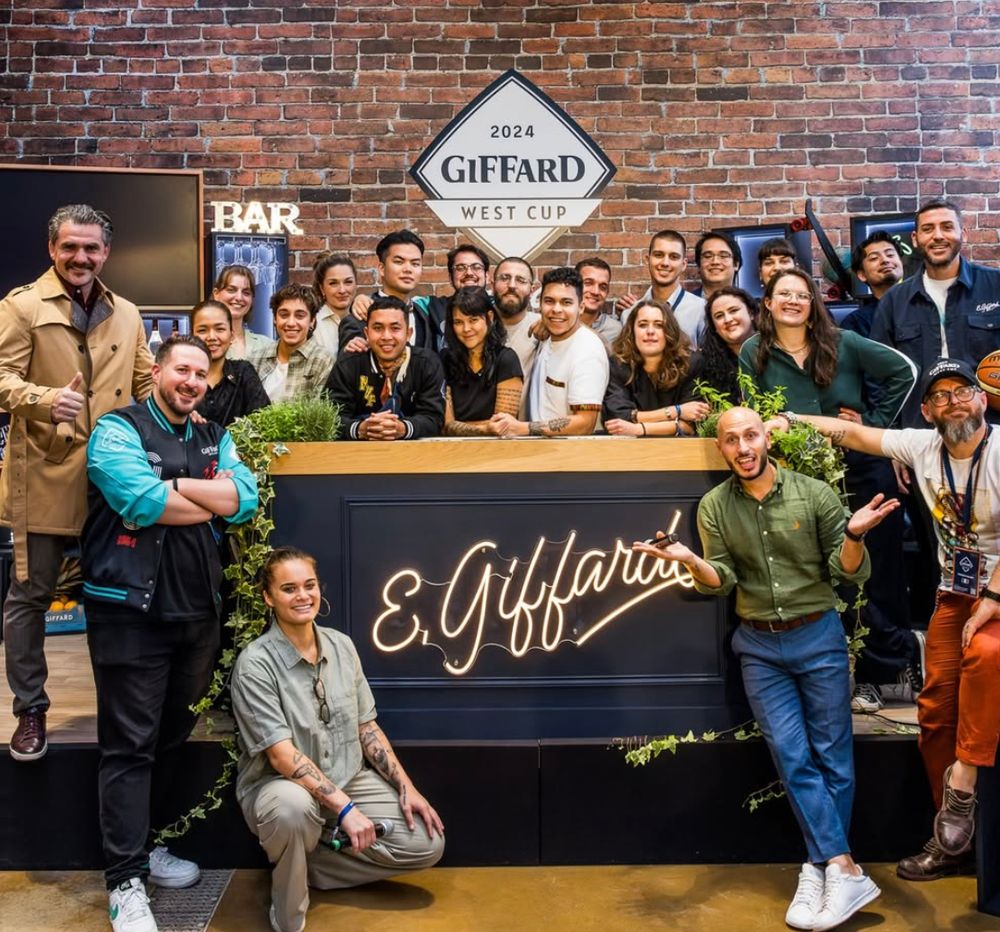
Mangrove works with its brand partners to find innovative and memorable ways in which they can connect with their target bars and bartenders - like runnning the UK awards for Giffard West Cup
But overall Mangrove is looking for operators with whom it can build “long term partnerships” with and he does worry about venues that are choosing inferior products to list because “money talks” and “there are a lot of accountants choosing products”.
“One of the biggest things we come up against is ‘your product came top in the taste test and we really love it but can you make it the price of product x’. And the answer is no,” he says.
Not that he puts the blame for that purely on the operators.
“As the trade has come under commercial pressure through government taxation there has been a rush to take money in from any source and ‘the ask’ is incredible, but if you are one of the big [restaurant] groups and your business is expanding then you can see why people do it,” he says.
But he adds: “I would like that to be legislated against in the same way that has been in places like New York. Otherwise, if we use a football analogy, every which way you turn everything is being set up for the Big Six to be successful.”
The issue for a business like Mangrove, that has to turn an annual profit, is it is competing against global drinks giants that can pick and choose the countries where it looks to pump money in behind its brands regardless of what impact it has on its bottom line.
“It’s sometimes difficult for venues to understand,” adds Gillett why a business like Mangrove is not supporting them with the same kind of marketing money they get from their other major drinks suppliers.
“Diageo can bring in money from another market. We can’t do that. So that is an unfair fight for sure. But there are still reasons to be successful and other smart ways of working,” he adds.
He also wants to make clear that until the “silly money” comes into it Mangrove, and others like it, “can actually stand toe to toe with the global guys on a number of occasions and we can be quite competitive”. Which can be a surprise to some operators, he adds.
“If you give us a go, let’s see what can be done,” is Mangrove’s message to the trade.
If a venue, for example, wants Mangrove to be its sole supplier then it “can do almost everything”.
Being brave to say no
Gillett, though, is quick to stress that it will also be honest and open enough to say to an operator, or brand owner, that it might be better off working in some circumstances with another supplier as it knows they are not quite the right fit.
“It’s part reputation, part integrity thing, but it’s also a long term sales pitch to say we are not right for that, but we are right for this,” he explains. “We don’t want you to be with us for a year, we want to be your partner for 20 years.”
It’s a business lesson he learnt from his mentor and former colleague John Coe.
“He had a saying which stuck with me: it’s what you say no to that defines your business,” he says.
It’s also a very small industry where people move around and your reputation and trust as a business moves with them.
“One of our stated aims, in terms of what we want from our venues, is we want to be given the first opportunity and we want to be given the last refusal. If we have that then we are doing something right,” he explains. “That only comes from trust and having a good relationship. That is our starting point of what we try to get to with venues.”
It’s also a way of doing business that he wishes more venues would follow rather than just signing up with one of the biggest players.
Mangrove’s DNA

Mangrove likes to do business with a sense of fun and runs an on-going series of events to promote its brands with key customers - like here and its "Get on Track with Almave" race day that brought 50 venues together in London to compete in a go karting competition
“We can support people in ways that the big guys can’t,” stresses Gillet. “We can be a lot more flexible. You don’t have to have the same umbrellas, or marketing plan that your 10 neighbours on the same high street have. We can do different stuff. It’s why we work with a lot of venues that are quite creative,” he explains. “We can be bespoke.”
“We can also do stuff with a sense of fun as well and we are quite nice to work with. Whilst that sounds like a cliche and a bit twee it makes a massive difference.”
He adds: “We do a lot with bartenders where we don’t ask for anything, but will take them on a really interesting walk out to East London to have a whisky in the middle of nowhere just for a bit of mental well-being. Or we will buy you for a burger in Hawksmoor just to say thanks.”
It is all those little touches that can go a long way in what is such a current difficult market to trade in, says Gillett. It’s what he believes makes Mangrove stand out.
"It’s in our DNA. Our people come from the industry. So our understanding of the industry is there. All of our sales people can talk to the bar about GP. We understand the business to business - which is also unusual.”
Assessing potential
He says the ideal brand for Mangrove is one that is capable of selling 50,000 cases a year.
“I think beyond that you are into the business of logistics. Our sweet sport at the moment is a 10,000 to 25,000 case brand,” he says.
But there also some categories where you might have brands that only do 1,000 to 2,000 cases a year.
“What we are trying to do is position ourselves to take brands through the whole journey. It is about trying to be fair to all your brand partners."
If it got to the position where it wanted to manage brands that can sell 50,000 to 100,000 cases a year it “would need to go on a hiring spree or acquire another business”.
Gillett also foresees a time, say by 2030, when Mangrove may well have taken on another company or set up business units to “complement what we do” which might mean having a specialist team to manage the zero to 1,000 case brands and dedicated staff that look after certain growth brands.
Pushing the positive
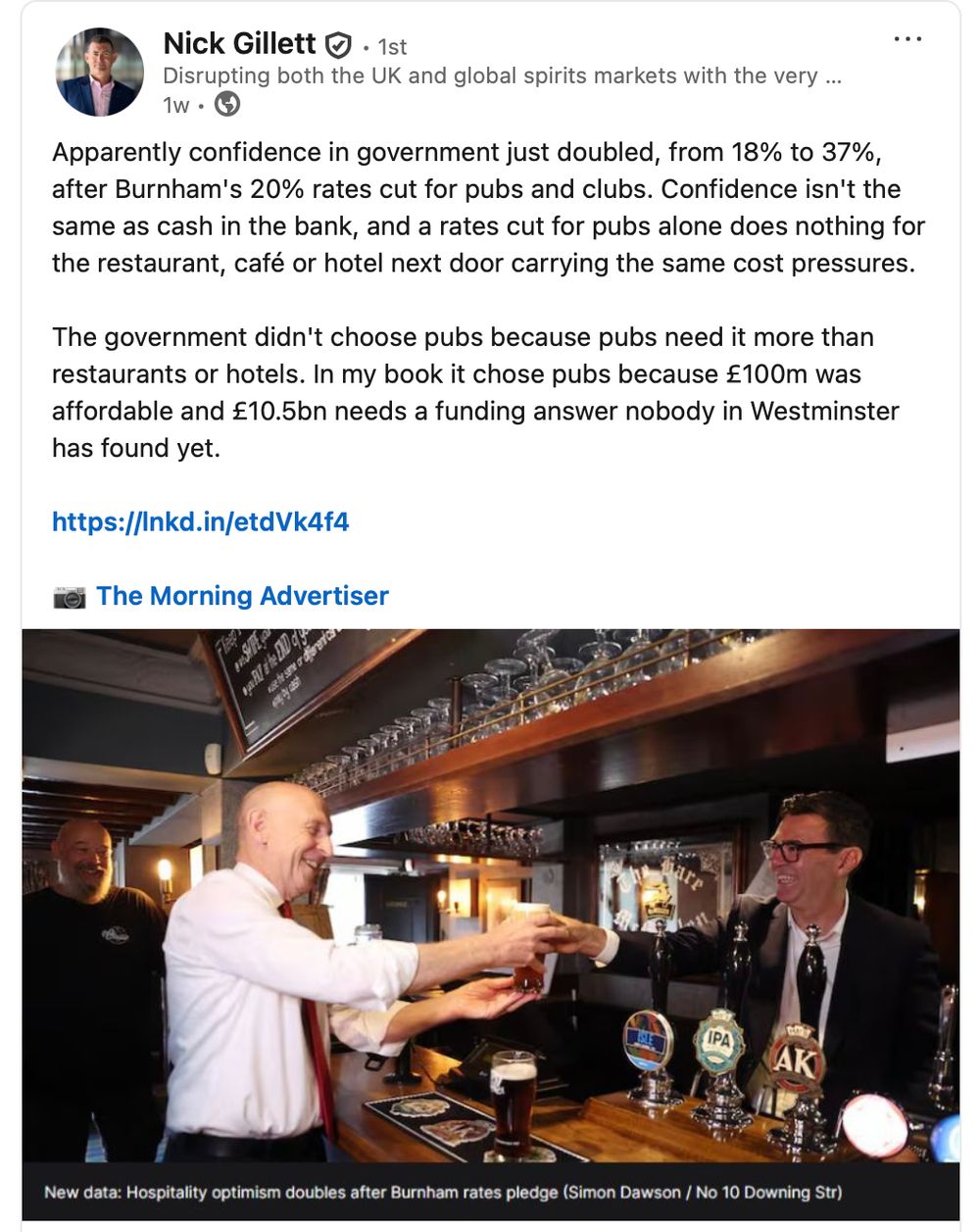
Nick Gillett regularly uses his Linked-in page to speak out on industry issues and explain what the situation is really like on the trading floor and at the sharp end of drinks distribution in the UK
Gillett’s “love” for the drinks industry is why he so passionately believes in talking the trade up and taking the trouble - and arguably the risk - to do so.
The hospitality and drinks industries, he argues, are disproportionately affected by consumer confidence and whilst the issues of taxation, business rates, employment costs and declining drinking rates are all real we also have to understand the impact the “constant narrative” that is created by that negativity then has on the banks and credit agencies when it comes to investing in the sector.
It’s not surprising, he says, that “people from the outside” become cautious and there is that “tightening of appetite for risk”.
That said he is also encouraged, particularly in the on-trade, by the amount of what he calls “smart money coming in” from “people who know what they are doing coming back into the market” and we are seeing good growth from well run groups and individuals opening up new venues and rolling out different concepts.
“That feels a bit healthier that we have seen before,” he adds.
His main reason for wanting to speak out is simple: “I love the industry. If you don’t speak up and you don’t voice a solution and an opinion, you lose the right afterwards to complain.”
He fears that over the years the industry has “miscommunicated with the government” to the point that despite generating millions of pounds in revenue, and creating thousands of jobs the message about the overall positive impact the sector is having has failed to get across.
Whilst he congratulates the main trade bodies for what he calls “minimising rises” they have failed to “shape the debate” and that the current lobbying efforts are not cutting through.
“They have been banging the same drum for a long period of time and that hasn’t yielded success, therefore I think the industry should be a little more in your face,” he argues.
He points to the success that other sectors have had with a more bullish approach and that too often the drinks industry has been too “accepting” about what is being thrown at it, particularly in areas such as packaging, EPR and the deposit return scheme where the legislation is not fit for purpose. But does concede “that’s on all of us”.
Whilst it’s good, he adds, to see some hospitality and retail leaders starting to speak out he does not think “we are loud enough and co-ordinated enough” to really make a difference. Particularly when taking the fight direct to the public and letting our customers know just how difficult it has become for pubs, bars and restaurants to be in business full stop.
We need to “call out” what he describes as the government’s “double talk” when a supposed benefit - like reducing business rates for pubs - comes on the back of previous big rises in the same business rates, which means any reduction is not really a reduction at all.
“If you are raising legitimate questions and providing solutions then I think everybody’s voice is relevant,” he stresses.
He points to Steve Perez founder of Global Brands as an employer and entrepreneur who “calmly talks a lot of sense” and is the exact business leader in drinks and hospitality that the government should be listening to about how we get more growth into the economy.
Too often, though, the drinks industry is having to bear the brunt of badly thought through legislation that “smacks” of government departments working in “silos” with no practical understanding of what impact their decisions are going to have on business.
Not all in it together
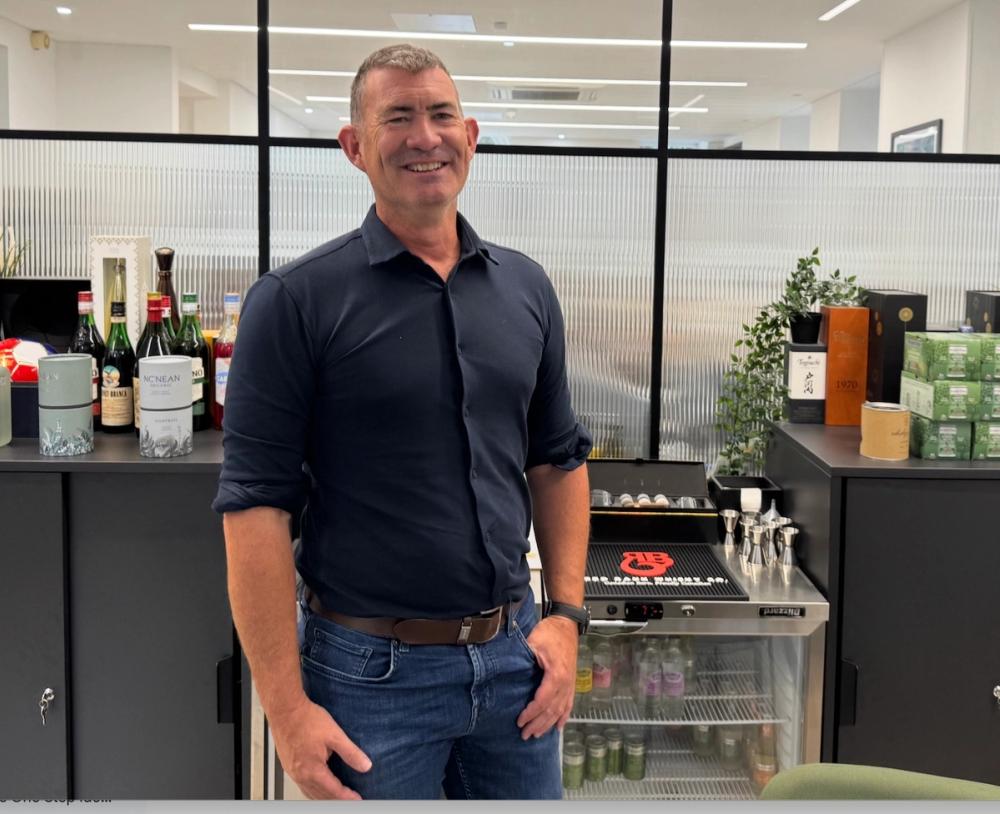
Nick Gillett says the reason he is willing to speak out on key issues is that he loves the industry so much that he wants to do his bit to protect and promote it
Gillett is also a strong believer in an industry working together for the benefit of both the biggest and the smallest in the sector and worries that too often the major drinks mulitnationals and big retailers “have their own agenda” and work tirelessly to back their own corner.
“Collectively we need to grow the pie and we need to grow the industry. For the big guys a healthy, premium independent sector is good for all,” he says.
He is also fully aware that, in football terms as a “mid table club” it is regularly training and educating bright, young members of its team who then get the hands on experience they need to move to one of the “bigger clubs” in the drinks industry’s league.
Which although that might be personally disappointing for Gillett, he also recognises the role that Mangrove plays within the wider sector and the opportunities it can give to young people making their way in the sector.
For all Gillett’s clear business and management skills it is his complete passion for the drinks industry that really shines through throughout our interview.
As he says: “If the drinks industry paid the money you could earn in the City, no-one would do anything else. Why would you sit in front of a computer screen when you can meet distillers, or brilliant bar tenders, or chefs. You walk into a wine shop and find someone who is passionate about talking about wine. It is the most interesting experience out there. I marvel, genuinely, everyday still at the creativity and knowledge of people [in the industry].”
The feeling is very much mutual for anyone who has the opportunity to sit down with Nick Gillett for a couple of hours and share his unbridled enthusiasm, knowledge and insights for a sector he has very much made his own.
* In part two of our in-depth interview Nick Gillett explains how and why Mangrove takes on new brands, managing a brand’s expectations, the relationships it looks to build with its wholesaler and distributor partners, and what are the new spirits and bar trends that Mangrove is putting its bets on.
* You can find out more about Mangrove at its website here.