
WSET has just refreshed its brand – can you explain what’s changed and why?
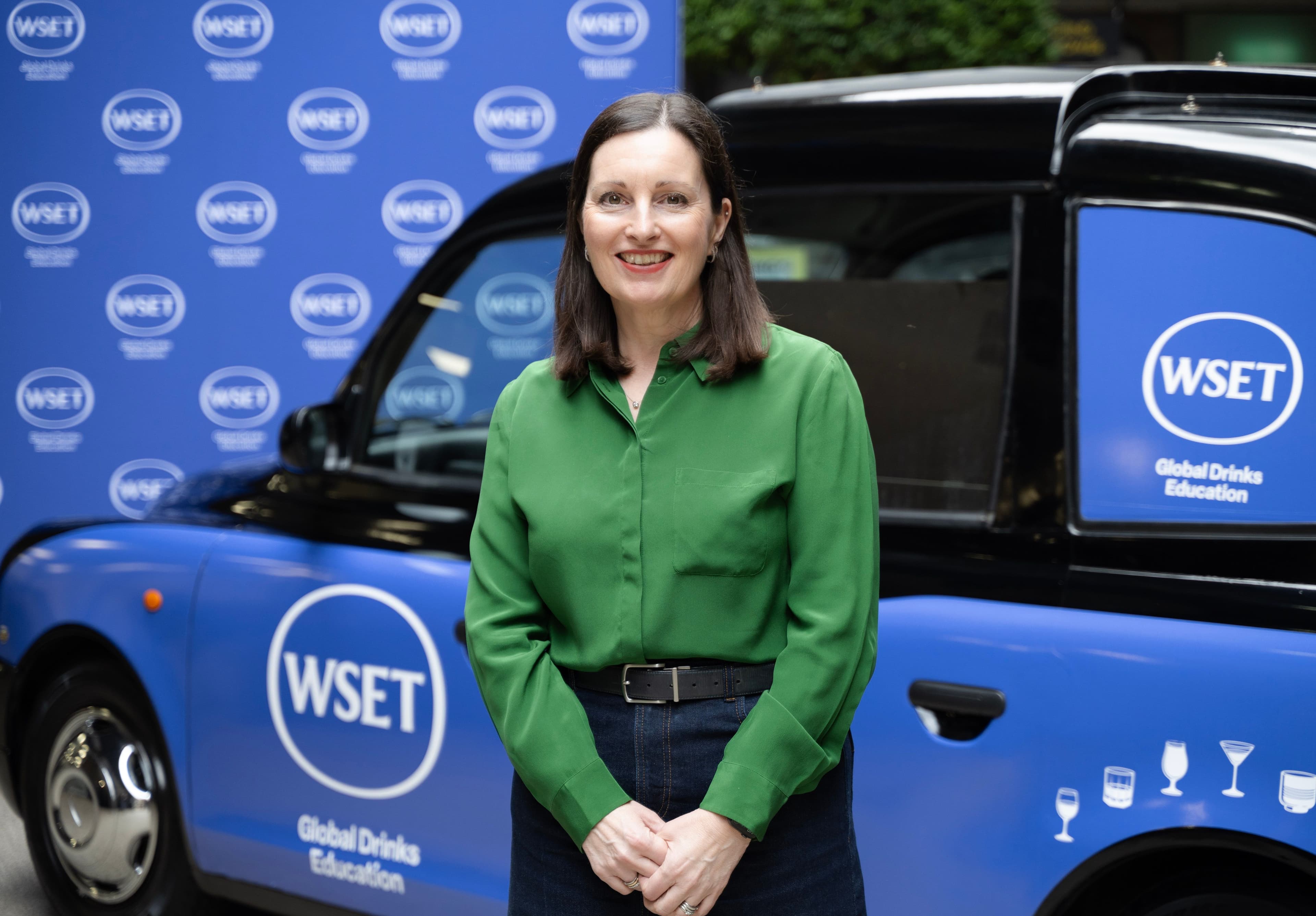
The brand refresh reflects who we are today and where we're heading. Research told us that the previous brand was trusted, which is important to maintain, but that it felt wine-focused, overly academic and formal. It wasn't always seen as empowering or inclusive, and that's important to us too.
So we've honoured our heritage while updating for the future. The name is simplified to WSET. The logo is modern and digital-friendly, but retains the oval shape that people recognise and reverts back to our heritage blue.
Our new strapline, ‘Global Drinks Education’, does exactly what it says – it reflects our global reach and the breadth of our offering across wine, sprits, sake and beer. And our pin badges have been redesigned in sustainable materials with new colours – bronze, silver, gold and black – to clearly distinguish levels and categories.
What is the overarching vision behind this refresh?
It positions WSET as a future-focused, globally recognised leader in drinks education, empowering individuals and supporting the drinks industry. It also reflects the internal changes we've been making for over four years as an organisation.
The refresh is more than cosmetic. The brand evolution is designed to support future growth, making WSET more accessible, recognisable and relevant to a global audience, regardless of geography, language or drinks category. It also reinforces WSET’s mission to provide inspiring learning experiences and deliver globally trusted qualifications.
What I want people to feel when they encounter WSET is that this is an organisation that inspires, connects and champions inclusion, sustainability and innovation. We want to empower students and support the global drinks industry from producer to consumer.
Simply put: WSET is evolving and this refresh makes that visible.
Why now for a brand refresh, and what does it signal for the future?
The drinks world is changing. Digital culture, new technologies and a more globally connected audience are reshaping how people learn, build careers and engage with the industry. We have been changing and we needed a brand that could keep up with that, one that feels relevant, accessible and forward-looking while building on our heritage.
It positions WSET to support the industry and empower the next generation of drinks professionals and enthusiasts worldwide.
(Here is WSET's brand relaunch video)
For students and course providers, the changes are designed to feel modern and aspirational while maintaining the trust and expertise WSET is known for. They will notice a simplified logo that works across all categories and digital channels, and a strapline that makes our global, multi-category identity much clearer. The refreshed pin badges, made from sustainable materials and clearly distinguishable by category and level.
But the changes go beyond the visual. We're investing in greater use of technology, including digital resources, online exams and remote invigilation, so students can engage with WSET in ways that suit them wherever they are in the world.
Our tone and language are evolving too, we want everyone, whether a trade professional or an enthusiast, to feel they belong. As the new look rolls out across materials, teaching resources and certificates, the aim is for the whole experience to feel consistently inspiring, wherever people encounter us.
This is clearly a major step during your time as WSET chief executive. What have you been most proud of since you came on board?
One of the biggest changes has been cultural. When I joined four years ago, I was conscious that WSET had real strengths – deep expertise, global reach, genuine respect in the industry – but that we needed to work together internally and externally with a stronger shared sense of purpose.
We've done a lot of listening: to employees, to course providers and to students. We've built feedback groups and networks, and brought in new people while empowering the talented ones already here. The result is a team and a culture I'm genuinely proud of, one that’s more values-based, more collaborative and more inclusive.
On a personal level, the chief executive role is an honour and a challenge. Sitting between the leadership team and the board could be a lonely spot, but building the right team around me, and seeing people grow into their potential, has made an enormous difference.
That's probably what I'm most proud of: creating an environment where people feel seen, supported and able to do their best work.
What have been the biggest challenges and how have you overcome those?
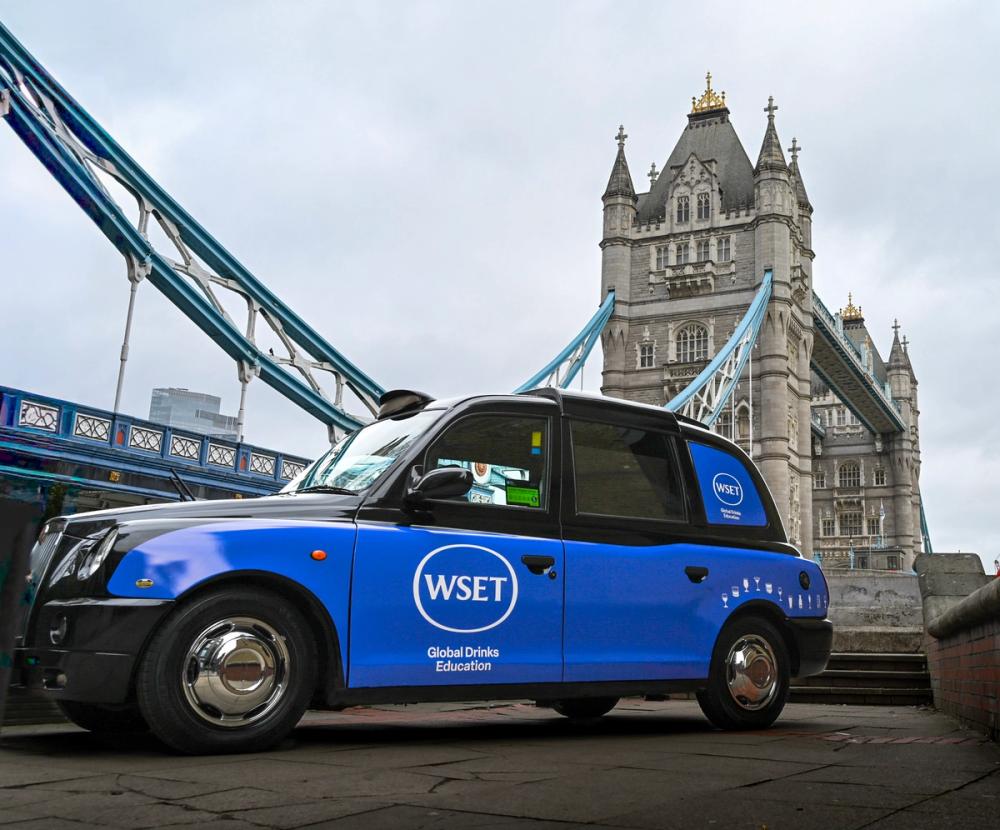
WSET's rebranding is the culmination of four years work that puts the business at the centre of drinks education around the world
Balancing commercial, educational and social impact goals across different cultures and time zones is genuinely complex. It also continues to be a challenging time for our industry and economies in general. What helps is having a clear strategy, strong governance and a culture where people are genuinely driven by our purpose and mission. When those things are in place, you can navigate a lot.
How would you describe your leadership style and approach?
I’ve always been people-centred – inclusivity and collaboration are fundamental. Galvanising teams around a shared purpose and plan. I trained as a coach, which is really about listening and asking questions – both of which I think are valuable in leadership. I'm naturally curious so that helps.
I sometimes describe the chief executive role as a combination of conducting and shepherding. Sometimes you're leading from the front, sometimes you're alongside people, and sometimes you're bringing up the rear.
What matters is understanding what each person brings and creating the environment for great work. Recognising talent and helping people see strengths they might not see themselves builds confidence and motivation.
How have you gone about fostering the right culture at WSET?
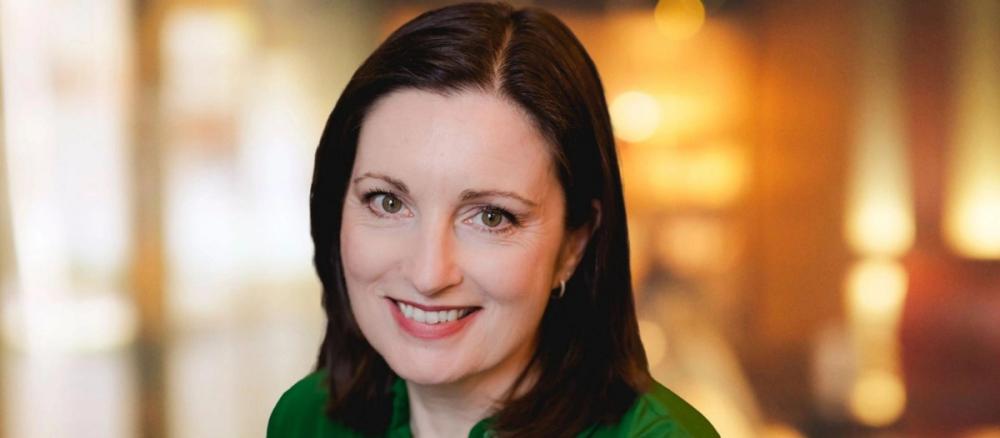
Michelle Brampton trained as a coach and hopes her management style is about listening to colleagues and giving them the space and opportunity to grow and achieve their ambitions
Culture is about what everyone does every day. At WSET we focus on curiosity, striving for better and leading with empathy – with colleagues, course providers and students alike.
Practically, that's meant establishing employee networks, listening to employees and setting up working groups that drive real action based on what people tell us. It's also meant being deliberate about inclusion, so that people feel they belong and can bring their whole selves to work. When that happens people are able to do their best work, collaborate more easily and innovate.
How does your leadership support WSET’s new purpose?
For me, empowerment isn't just something we talk about with regard to our courses, it has to start inside the organisation. My own career was shaped by people who could see strengths in me that I couldn't always see in myself or didn’t believe in. That experience made me the leader I am, and it's something I try to bring to WSET every day: creating space for people to grow, encouraging them to back themselves, and making sure talent gets recognised.
The same approach drives our wider work, whether that's working closely with our partners or our social impact work. Our purpose is to empower people and support the drinks industry from producer to consumer, and that means removing barriers, not just providing qualifications.
Leadership, to me, is about making that real – not just as a statement of intent, but in the everyday decisions we make about how we work and who we work with.
How is WSET addressing sustainability in the drinks industry?

WSET's hopes its rebranding will help give it the platform to inspire and drive its global education strategy
Sustainability in its broadest sense sits at the heart of who we are and underpins our strategic commitments across the organisation. As a charity, it's fundamental to how we deliver our purpose, ensuring that the value we create is reinvested in widening access to drinks education.
We recently published our second ESG report, and the first we've shared publicly, which sets out the progress we've made and holds us accountable for the commitments we've made.
On the environmental side, we've introduced digital certificates, switched our London offices to renewable energy suppliers and cut our carbon emissions by 10% over the last year. We've also used our global reach to connect people through our Sustainability Industry Talk series, which has reached over 3,000 people live and on demand worldwide.
How does WSET help students and professionals make more sustainable choices?
Our courses teach students not just about drinks, but about the broader industry. This includes the environmental and social impact of production, packaging and transport. By embedding sustainability in our learning content, we give students the knowledge and confidence to make informed, responsible choices, both in their careers and as consumers. We want sustainability to feel like a natural part of how they think about the industry, not an add-on.
Can you give examples of WSET’s initiatives promoting sustainability and social impact?
Through our Social Impact Initiatives programme over the last two years, we've supported over 1,000 people across 14 countries through 36 initiatives, delivered in collaboration with 33 organisations.
Partnerships include the Women in Beer Mentorship Programme, The Roots Fund in the US, BLACC in South Africa and The Future Sommeliers of Brazil programme.
Each of these combines skills development, mentorship and industry access with a genuine focus on inclusivity.
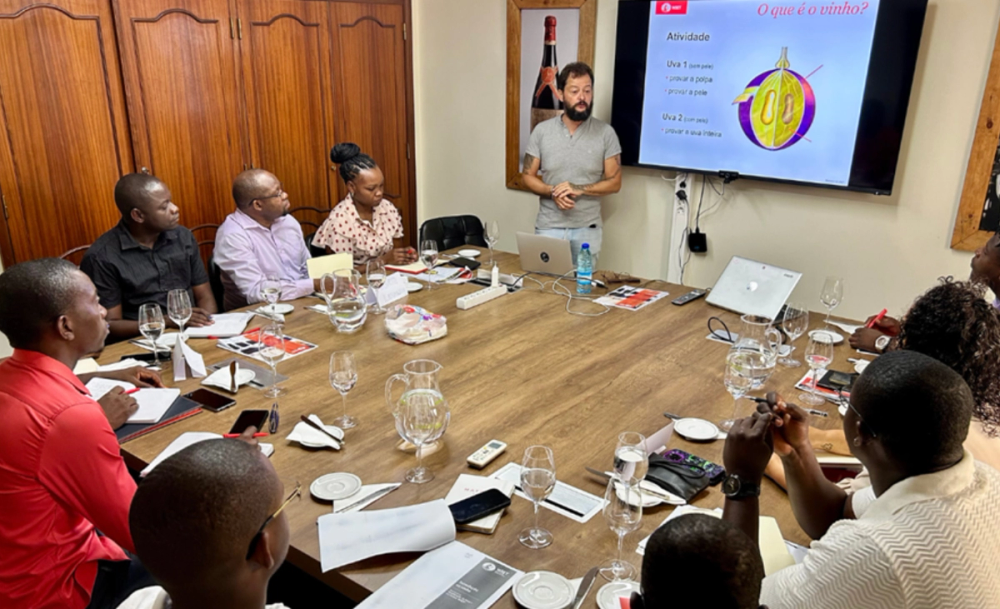
WSET has worked with the Gerard Basset Foundation and Sogrape Wine Academy to fund scholarship programmes in Angola in Africa
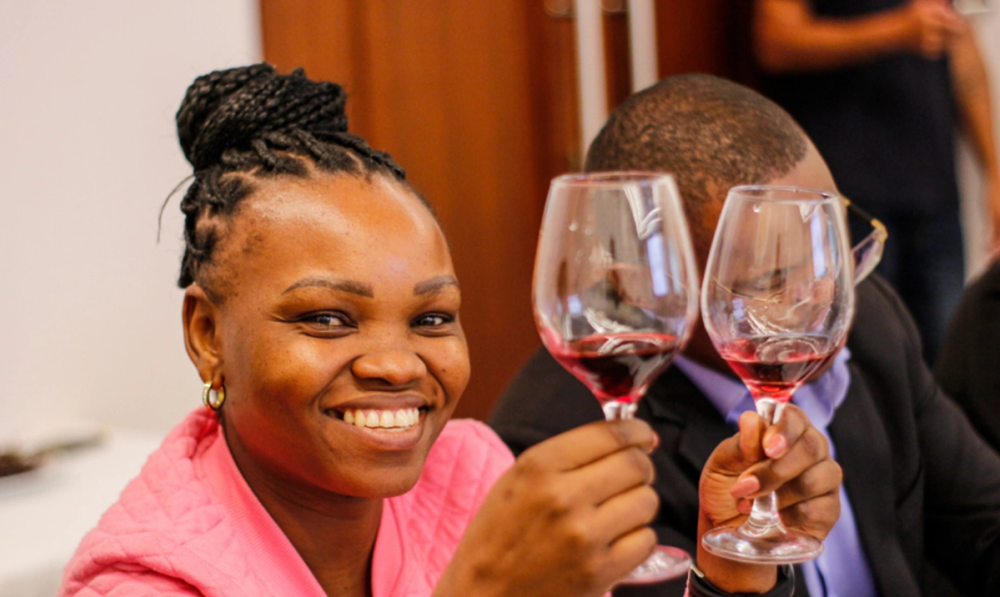
One project that particularly stays with me is our partnership with Sogrape and the Gerard Basset Foundation to deliver our first scholarships for hospitality professionals in Luanda, Angola. Over three days, 14 scholars took part in training tailored to the Angolan wine sector, combining preparation led by the Sogrape Wine Academy with our WSET Level 1 Award in Wines. The ripple effect of something like that, on individuals and their communities, is really powerful and it's a reminder of why this work matters.
If there was one thing you think each of us – whether we’re educators, students or just passionate about drinks – could do to help make the industry more inclusive and diverse, what would it be?
Stay curious and stay open. It sounds simple, but it makes a real difference. That might mean inviting new voices into the conversation, supporting someone who's just starting out, or quietly challenging your own assumptions about who belongs in the drinks industry.
And listen. There is so much to learn from other people's experiences, and inclusion isn't built on big statements alone, it's often the small, thoughtful actions that make someone feel genuinely welcome. Those moments matter more than people realise.