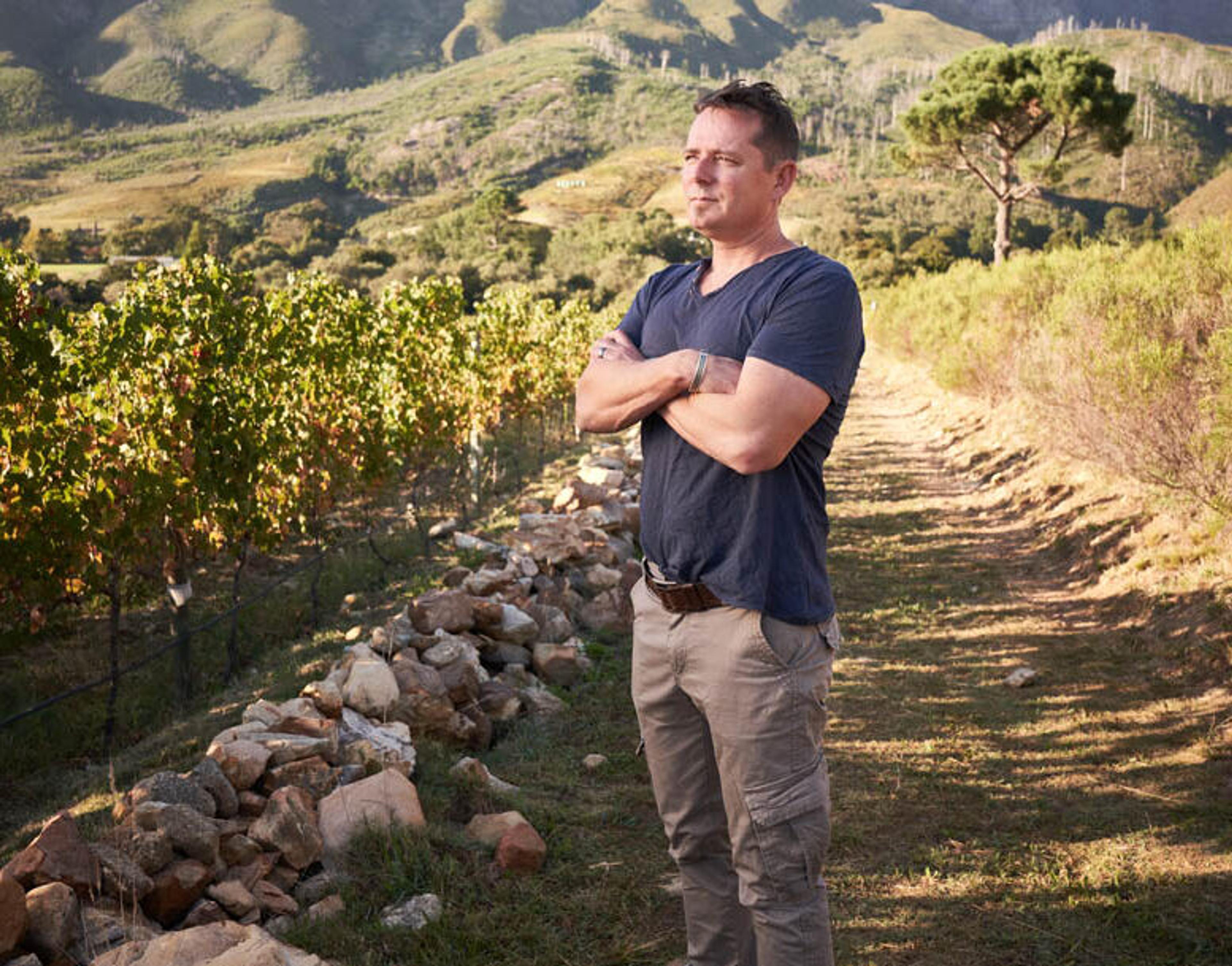
Lots of people talk about ‘firefighting’ when it comes to business, and indeed daily life, but for the most part what they really mean is ‘problem-solving’. In Marc Kent’s case – and that of many other wine producers in the Franschhoek region of the Cape winelands – when he says he’s exhausted because he’s been firefighting, that’s exactly what he means.
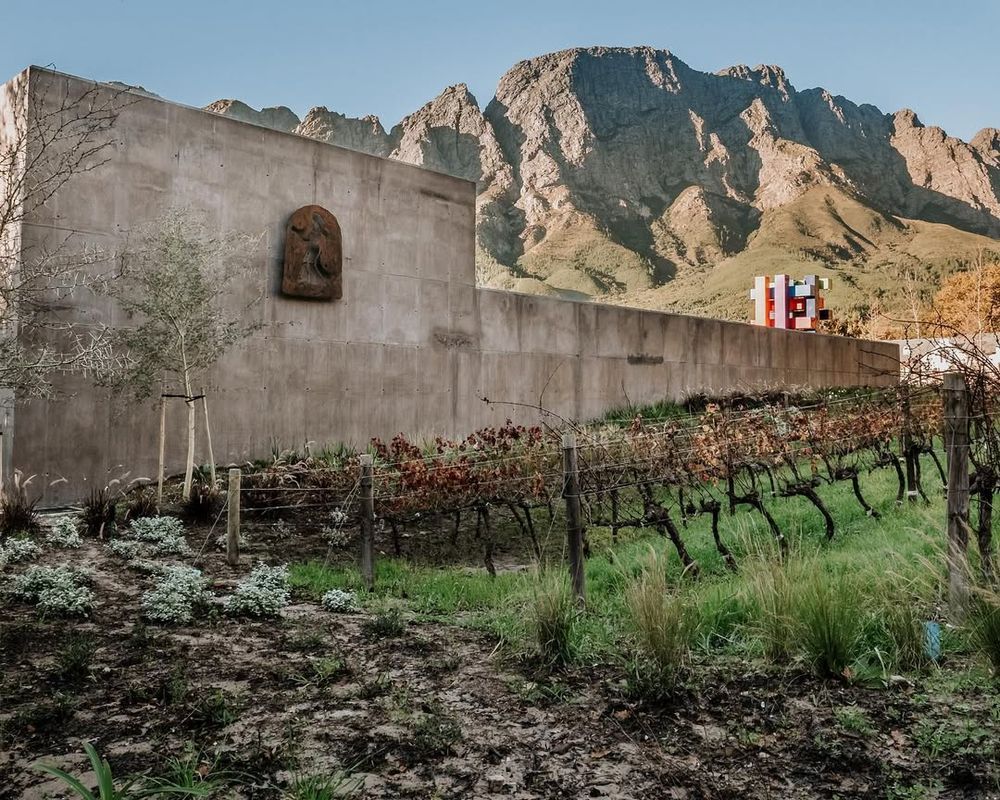
Kent arrives in the UK off the back of serious wildfires in the Franschhoek area which began on 8th January and raged for almost three weeks, threatening property and vineyards. Some 23,500 hectares of land was torched, and while the local Winelands fire service aims to save buildings from fire, the protection of vineyards is up to the landowners and their employees, which is the case of Boekenhoutskloof was Kent and his team.
“It’s going to be a really challenging vintage,” says Kent, who is understandably worried about the risk of smoke taint. “It’s still too early to tell… we need to get a few rows in as we can only really pick up the taint in the must.”
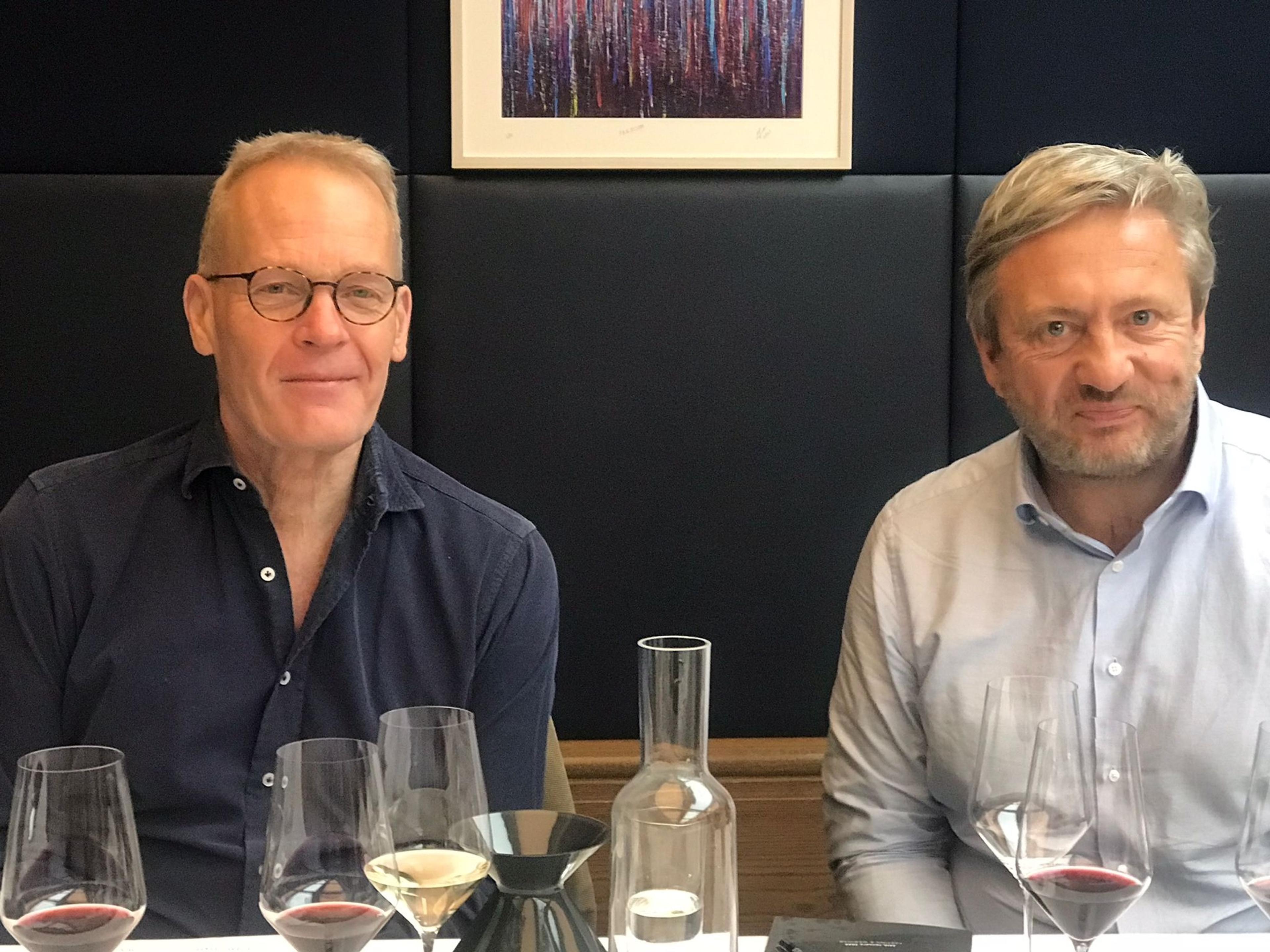
“Anyway, it's all in the day's work,” he adds wryly, before getting down to the matter at hand which is the UK launch of the 2023 vintage of the Boekenhoutskloof wines, preceded by a deep dive into the estate’s iconic Semillon looking back at several older vintages.
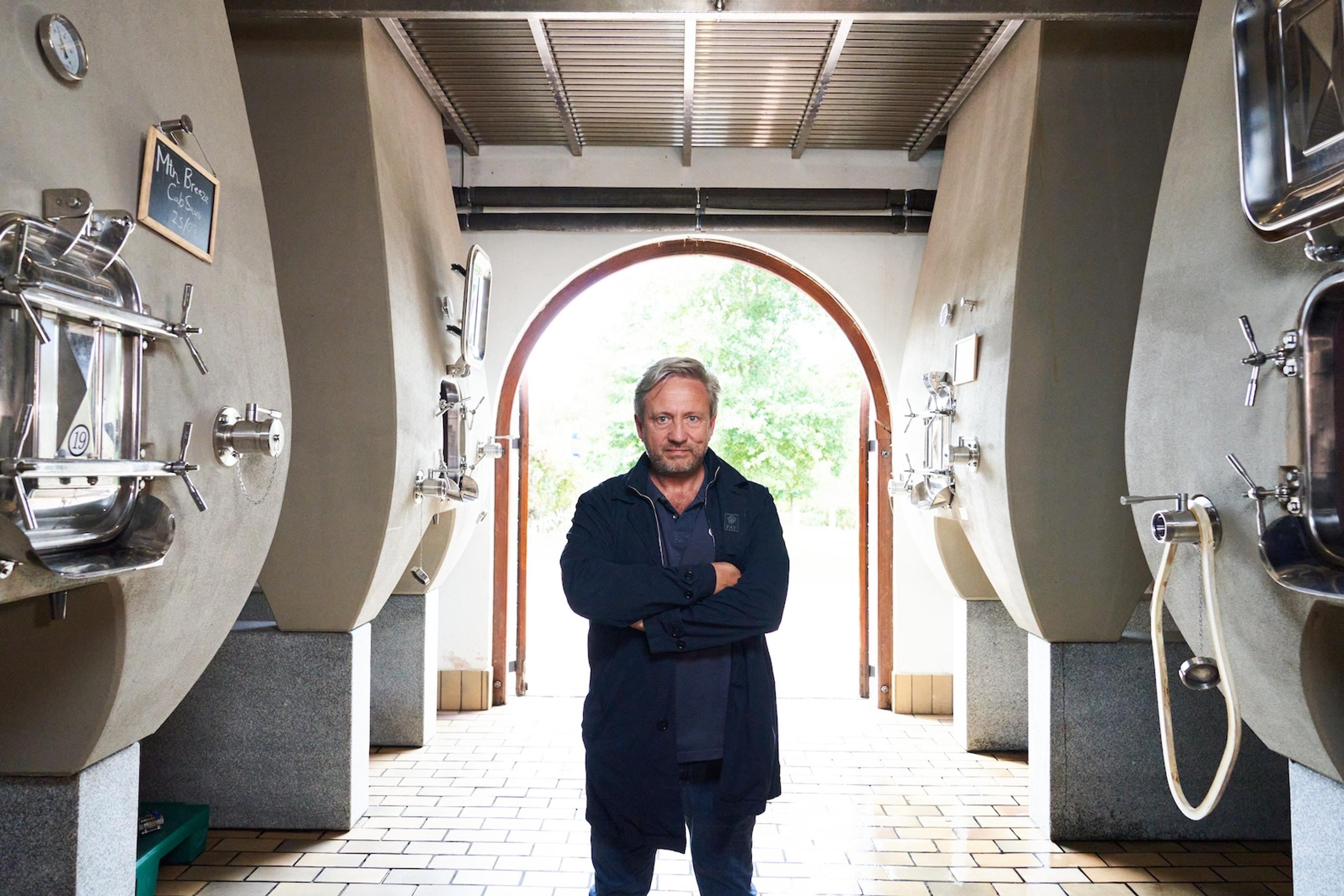
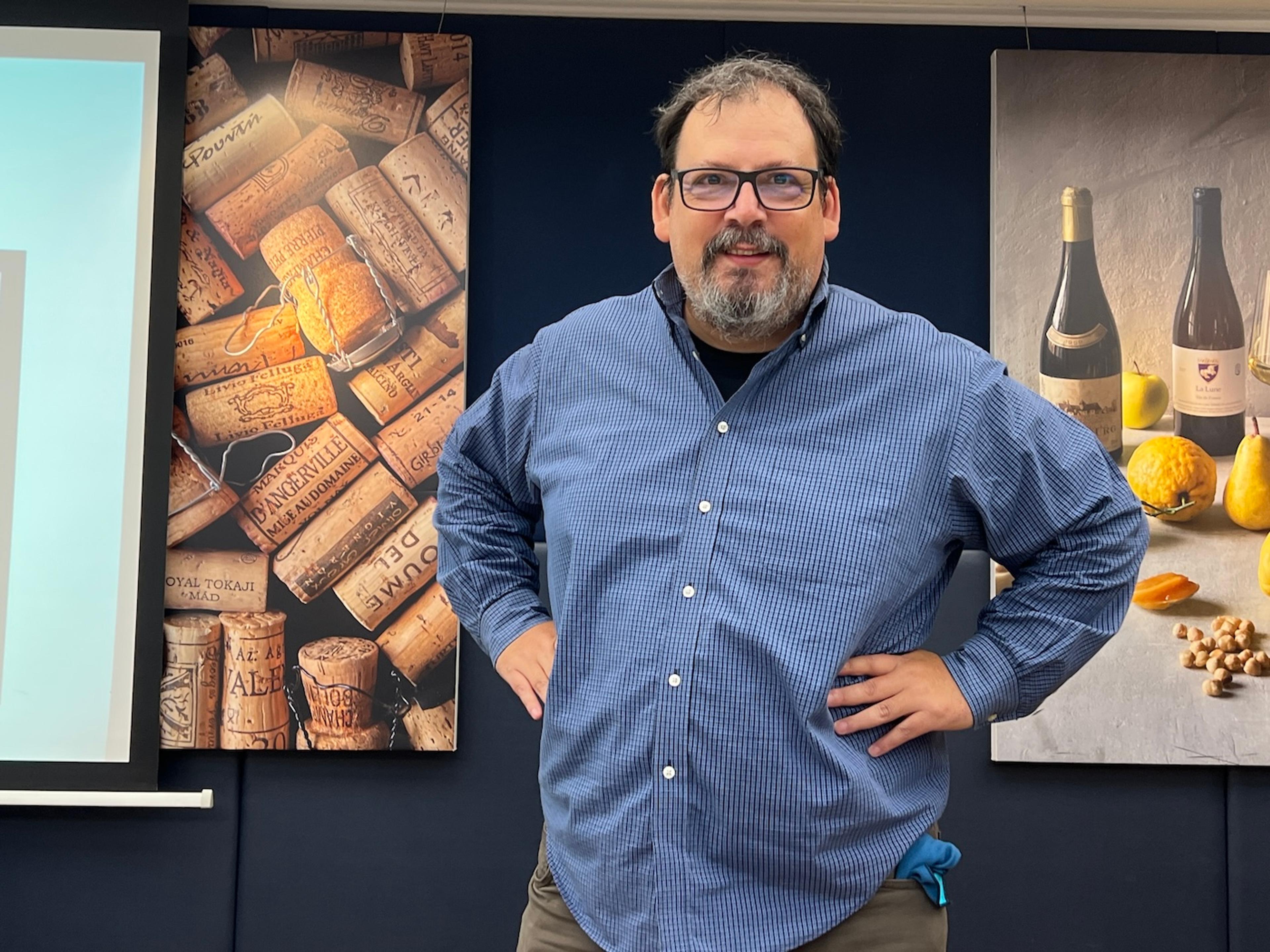
Kent, who is now the technical director and managing partner at Boekenhoutskloof, used to make all the estate’s wine and begins by telling us that it’s 30 years ago this month that he started making wine there. The inaugural vintage comprised eight tonnes of Cabernet Sauvignon, some 6,000 bottles. Total production now sits around the 1.5m bottles mark, and this isn’t a one man band anymore, there’s a whole winemaking team on hand, led by Marc and winemaker Gottfried Mocke.
A huge chunk of this production is made up of the insanely popular Chocolate Block Rhône-style red blend and the Porcupine Ridge and Wolftrap brands. Today, however, we are here to taste the top tier Boekenhoutskloof range, which includes Syrah, Cabernet Sauvignon and Semillon.
The Semillon retrospective
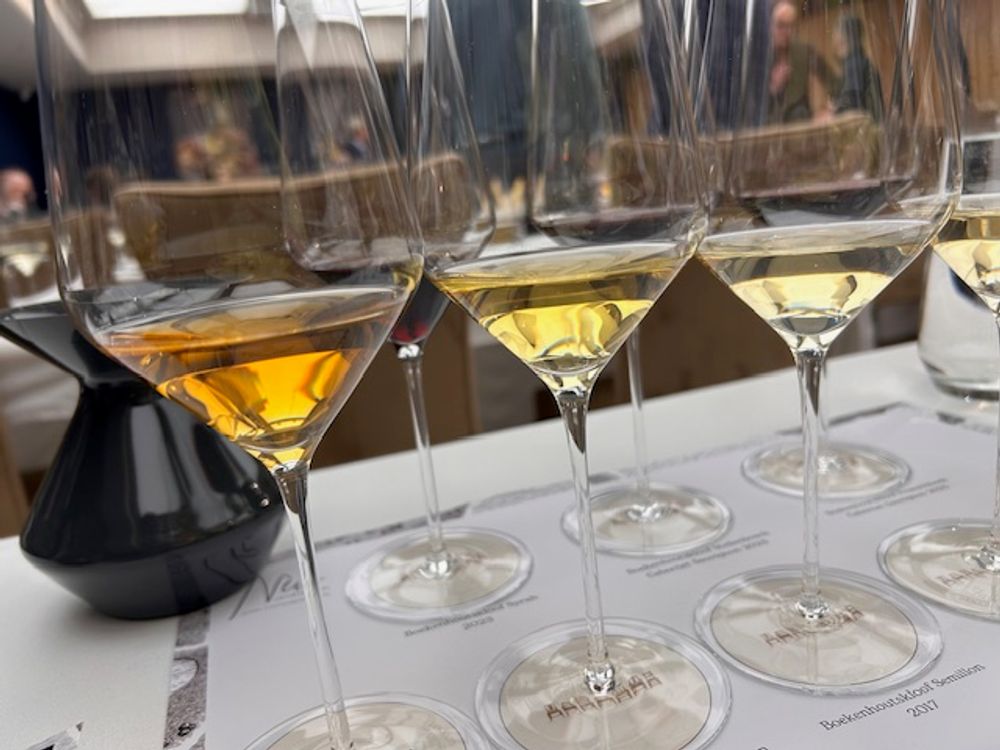
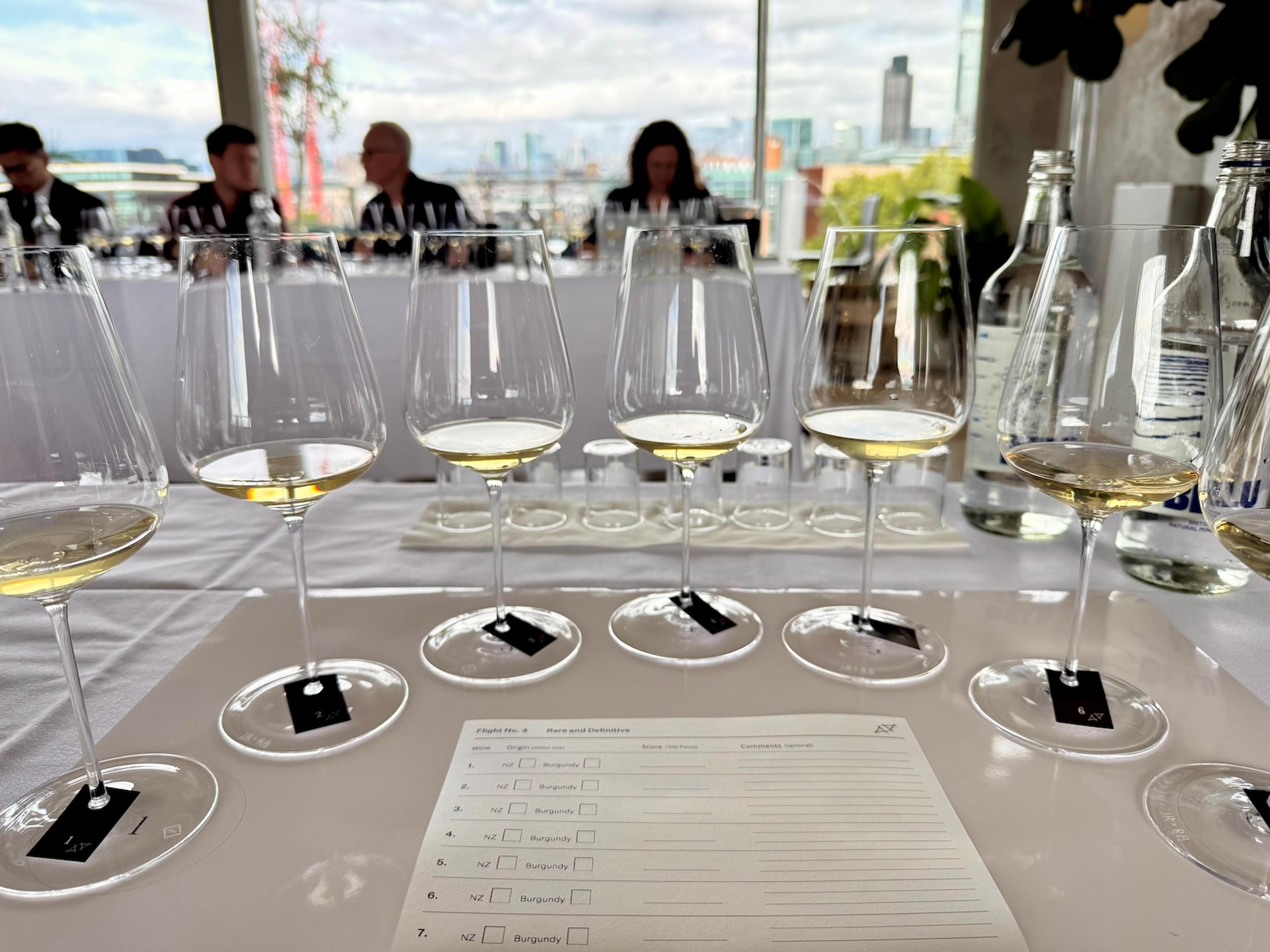
We kick off with a Semillon retrospective, offering a rare opportunity to explore the evolution, complexity, and enduring elegance of one of South Africa’s most celebrated white wines.
Kent says that the second wine that he made after that Cabernet in 1996 was a Semillon in 1997, with grapes from the 1902 block of vines that he is still working with today. “Semillon at the time certainly wasn't fashionable,” he says, “and it was more a personal one for me, the reference for me was the white wines from Pessac and Graves. These were my white wines as benchmarks and wines of choice.”
As well as being a fan of the white wines from Bordeaux, Kent chose to make Semillon a flagship at Boekenhoutskloof as Franschhoek is historically the home of Semillon in South Africa, and there are a host of old Semillon vineyards in the valley. In a sense then, it chose him.
“My approach with Semillon is very, very different to, let's say, what they would do with an Antipodean style in Hunter Valley” he says. Kent built a cold room at the winery ahead of the 1997 vintage so that he could chill the pressed juice and ferment at low temperatures, working in an oxidative style.
“After clarifying, the wine was always fermented in 100% new oak in this cold facility,” says Kent. “Once the fermentation was complete, I would drop the temperature to about five degrees, tighten the bung, and leave it for a year.”
“Semillon inherently is very low in acidity, so I wanted to inhibit malo [malolactic fermentation], and also with 100% new wood, I wanted to limit those primary lactones, and at five or six degrees, it did both. Also, there’s no battonage as I didn't want to get any of that diacetyl richness, again, because of the low acidity,” he adds.
Early vintages had a splash of Sauvignon Blanc added from the same property as the Semillon, just to lift the acidity but not to add any varietal Sauvignon Blanc character. “It gives the wine a bit more life,” says Kent. Since 2018 Muscat d’Alexandrie – from a block also planted in 1902 – has replaced the Sauvignon for the same reasons, adding acid but not aromatics. The Muscat is hand-destemmed and fermented in amphora. “I’m certainly no hipster, but the amphora really adds an interesting dimension to our winemaking,” he says.
As you'll see from the notes below these are wines with intrigue, balance and tremendous length. Each vintage offers something different while being pinned to the same key flavour notes of beeswax, ripe stone fruit and spice. “We probably have more demand for the Semillon than any other wine in our portfolio,” says Kent, and with wines like these, it's easy to see why.
Boekenhoutskloof 2023 - understanding the vintage
“What I really like about the two Cabernets from this vintage is that we managed to ferment them really nice and dry," says Kent.
Before tasting the trio of reds from 2023 Kent briefly runs us through the vintage, which he says was not a celebrated year in the Cape with rain throughout the second half of the harvest, but he stands by the results. “Boekenhoutskloof really comes into its own in these so-called lesser vintages,” he says.
The Syrah, which came off before the rains, was perfect; harvested in mid-February, he was astonished by the quality of the fruit. This quality comes through immediately in the glass, it’s sumptuous and rich, no rough edges at all.
The Cabernets, however, were trickier to make after 84 mm of rain in March at the estate’s Helderberg vineyards in Stellenbosch, as well as rain in their Franschhoek sites. “We had to be careful to pick before rot set in but we also wanted to avoid any fruit with green-notes, and that’s where the mechanical sorting table really came into play,” says Kent.
The wines, now three years on from harvest, are impressive, and very different from one another. The Stellenbosch Cabernet is butch and jammy, big… the Franschhoek more chiselled and austere, savoury with a hidden freshness. “What I really like about the two Cabernets from this vintage is that we managed to ferment them really nice and dry, there’s a really nice dry finish and integrated tannins,” says Kent.
As the tasting wraps up Kent signs off with a quote from 1980s American TV cop show Hill Street Blues. “Let’s be careful out there,” he says, a reassuring warning to the room of largely trade buyers of the troubles in the wine industry at the moment. “These are very difficult, challenging times but Boekenhoutskloof is in a really nice place and that’s thanks to the support we are getting over here. This is the time for South Africa, I really feel that,” says Kent. “In difficult times like these, more than ever, it's nice to see that South Africa’s resonating with the consumer as a reliable, consistent producer of quality wine, where there's some good value to be found.”
Hear hear.
Tasting the 2023 and library wines
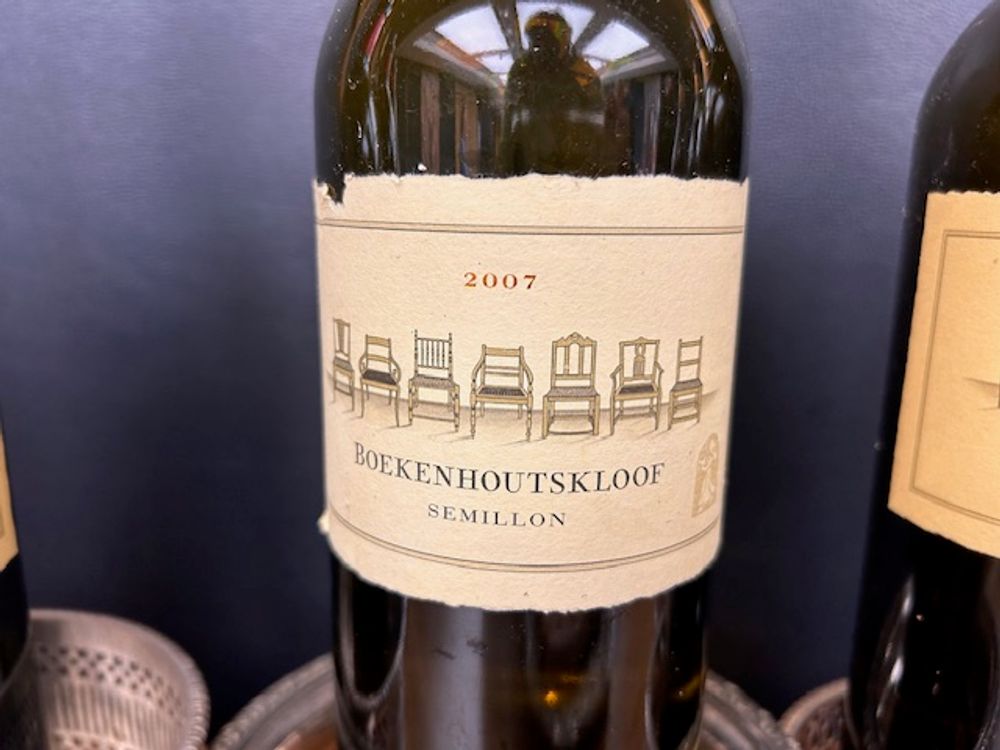
Boekenhoutskloof Semillon 2007
Deep yellow colour, with abundant hazelnut and candle wax on the nose as well as a mineral note. More hazelnut on the palate, alongside ripe melon and toffee. Integrated oxidative characteristics too. Light-footed. This is poised and long with a crystal clean finish and just enough acidity left to pin it all together. It goes on and on.
Boekenhoutskloof Semillon 2009
Lemon yellow. Bright nose of nectarine and dried apricots. Hints of lanolin. Much leaner than the 2007, and bigger too with chewy stone fruit, spice, white pepper and candied lemon. Bright acidity and a bite on the finish add vigour and freshness. Some developed notes hint at long aging but the higher acidity is a lovely foil.
Boekenhoutskloof Semillon 2017
Waxy nose with bright tropical-leaning fruit. What a tremendous aroma from the glass. Blossom, melon and fresh pineapple on the palate, which is delicate rather than bold, but powerful with it. A lovely lick of beeswax and ginger biscuit elevates this nicely. There’s something very Pessac-y about this. Finishes with a delicious lime-flecked acidity.
Boekenhoutskloof Semillon 2019
Paler in the glass than the older vintages, and much fresher on the nose. Bold nose of set honey. Smoky and fresh in the mouth with some spice and green tea notes, alongside clementine and rosemary. Weighty but still tastes young, needs further time to fully open up. Some salinity on the finish alongside lemon zest.
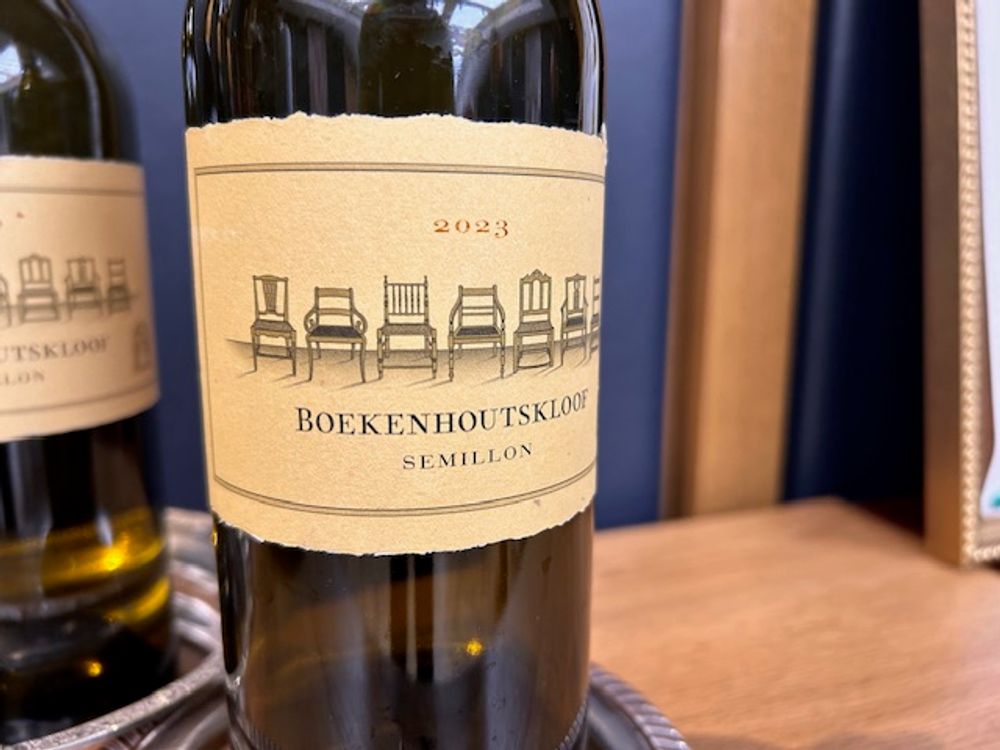
Boekenhoutskloof Semillon 2023
The current vintage is a pale lemon yellow with notes of lime cordial and grapefruit on the nose. Clean and fresh in the mouth with a fresh, salty edge. Peach tea, matcha, ginger and honey all play around in the background, atop them granny smith apple, pear and fresh pineapple. Elegant and abundant with a freshness and verve, but young. This will flesh out further under cork, one to watch.
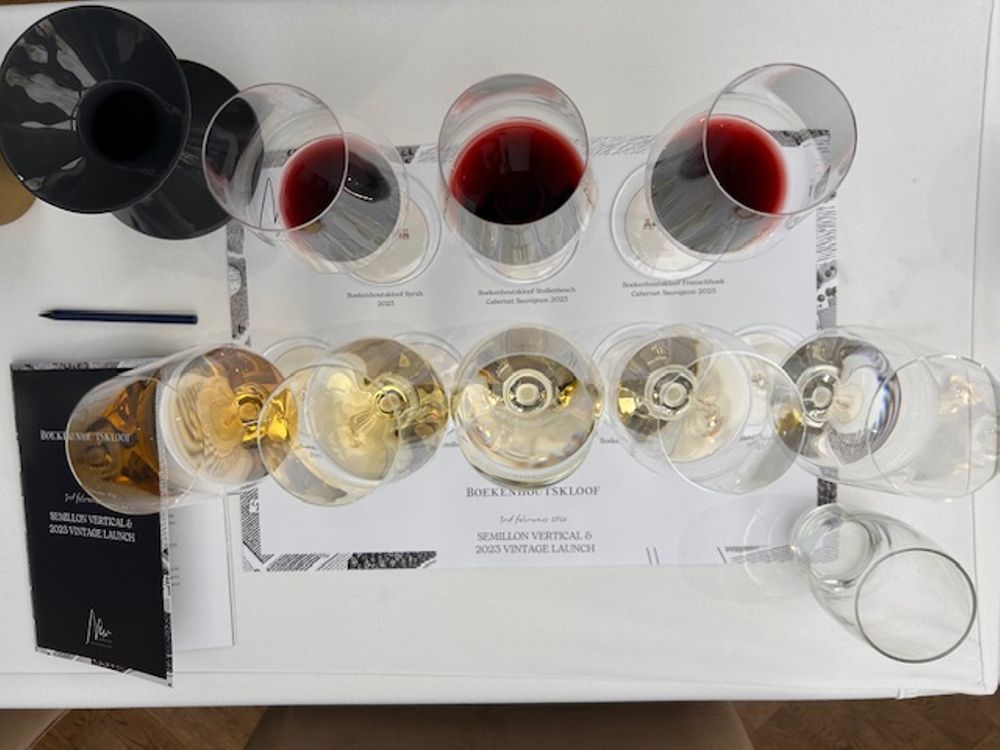
Boekenhoutskloof Syrah 2023
Cherry red, bold and promising in the glass. Lip-smacking ripe red fruit on the nose with raspberry at the fore, but also spice, plasticine and delicate floral aromatics. On the palate this is lush and plush, and remains fruit-forward with no rough edges and more of that raspberry and red cherry fruit. Balanced with good length and refreshing acidity. Some spice and seamless tannins offer a generous, rewarding finish.
Boekenhoutskloof Stellenbosch Cabernet Sauvignon 2023
A very rich nose, you can almost ‘smell’ the tannins. There’s black fruit here; brooding, concentrated. Blackcurrant and black plum alongside cherry jam, dark chocolate and black liquorice. Butch but gentle with it; this will age beautifully as it fills out with all that concentration (from up to 30% saignée at the press) offering wave upon wave of fruit as the tannins soften. Super-charged.
Boekenhoutskloof Franschhoek Cabernet Sauvignon 2023
14% Cabernet Franc in the blend pushes the fruit and flavour profile towards red/blue rather than black fruit and adds an austere, mineral edge. This is focussed with red fruit on the nose as well as dust and spice. On the palate there’s plum, cherry, blueberry and graphite with leather and dried rosemary in the distance, and a hint of savoury bacon fat. Seems more serious than the Stellenbosch Cabernet, needs more thought when tasting perhaps, and time. Finishes on a high with a lovely minty, eucalyptus close.
The wines of Boekenhoutskloof are imported and sold in the UK by New Generation Wines which is a commercial partner of The Buyer. To discover more about them click here.