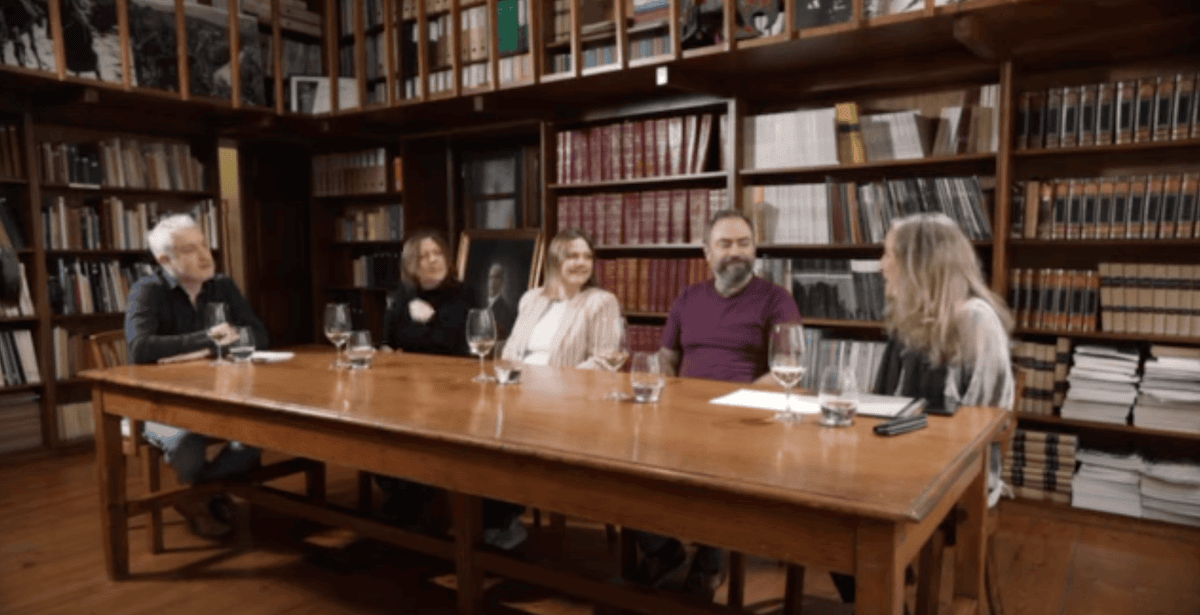
We start the masterclass with the Dom Pérignon 2017 vintage – the trademark tradition is for the champagne to spend a lengthy 7-10 years on the lees. It’s a fine vintage (more on that later), but the excitement builds for the P2 2008 which dials up the beauty and precision to another level. The best is saved until last, however, with the soon-to-be-released 2010 rosé which is an absolute stunner – one of the best rosés in a crowded field.
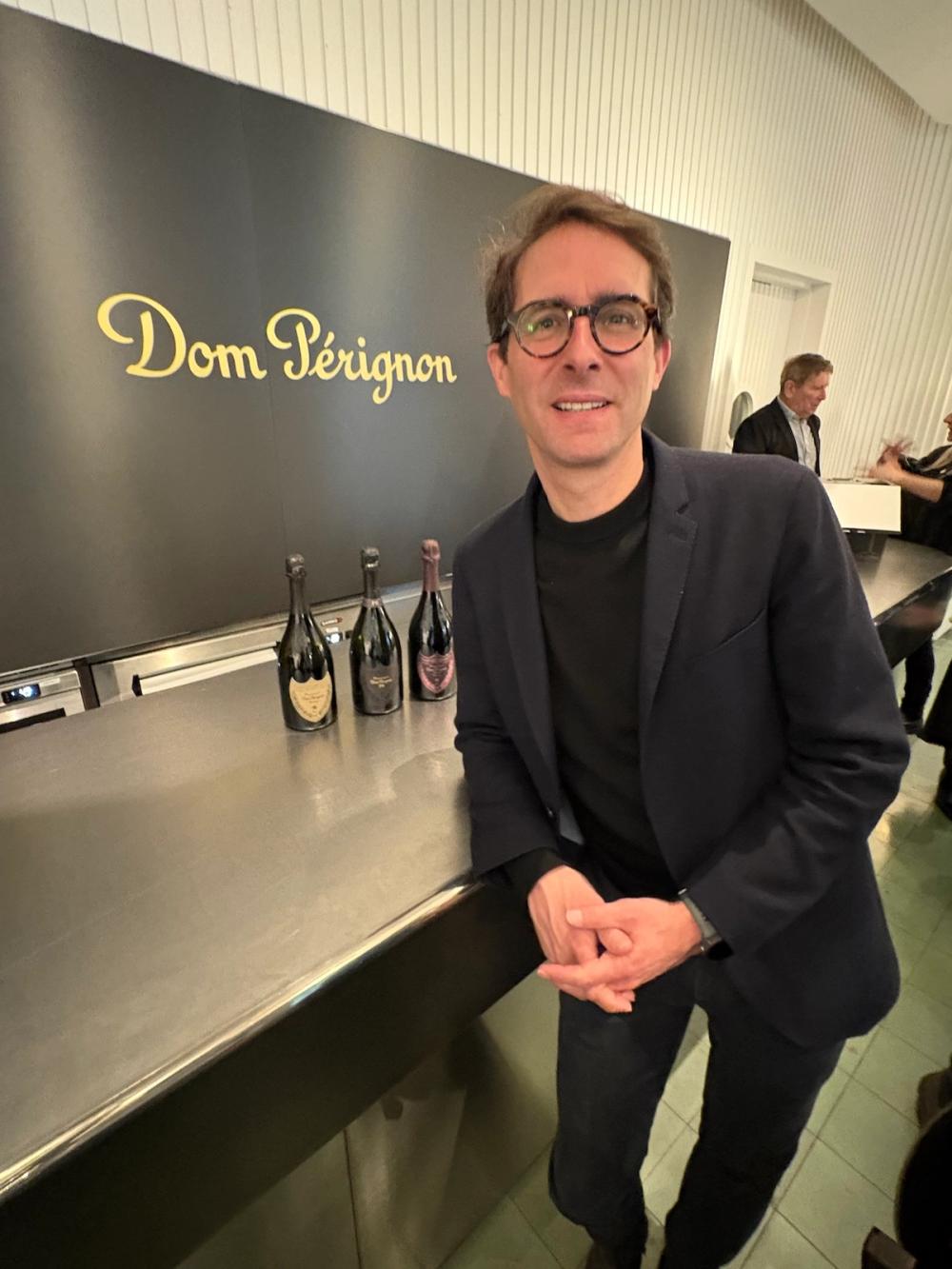
“We used to admire the way vineyards looked like highways but now I want to take a different direction.” Vincent Chaperon.
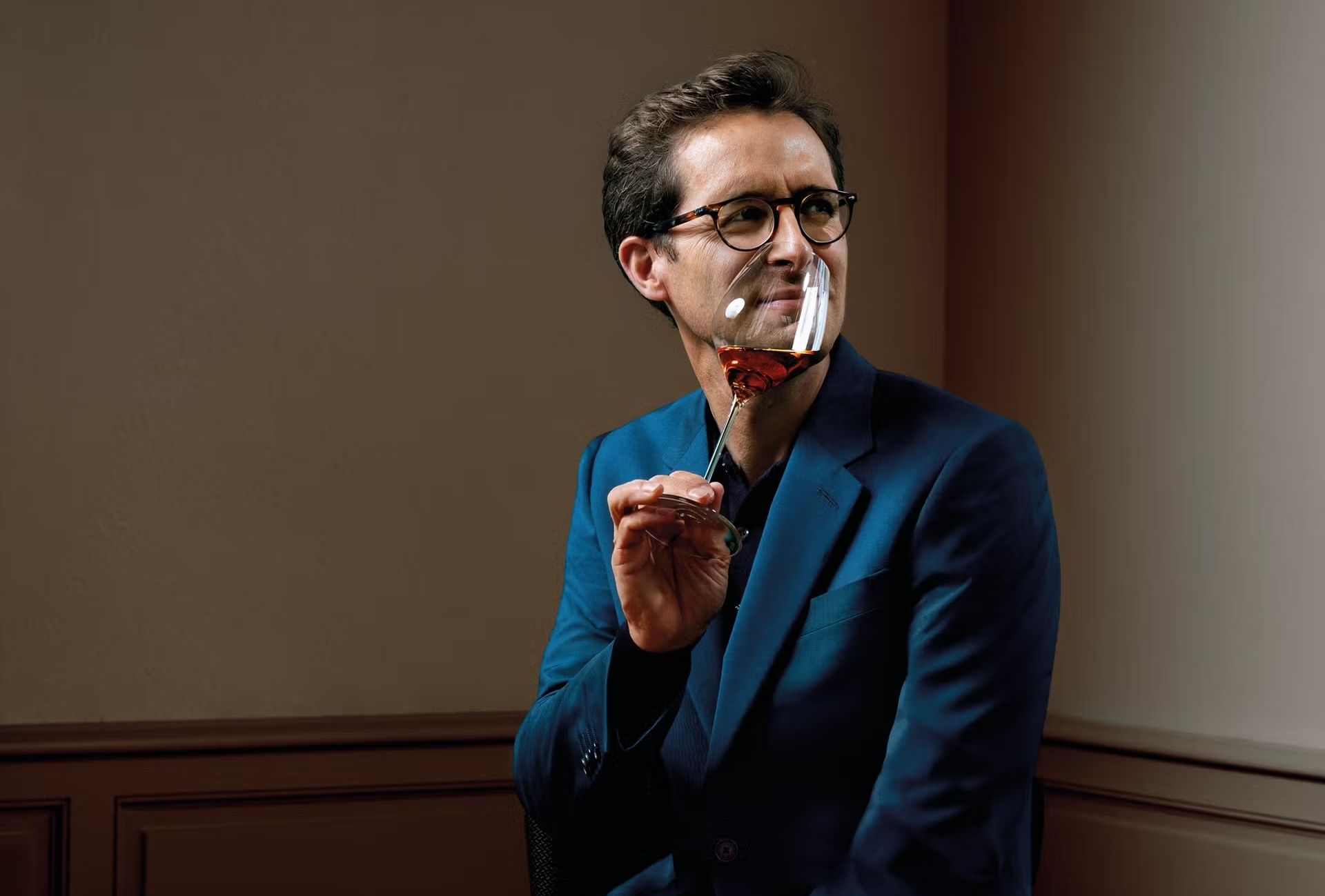
Cellar master, Vincent Chaperon, leads the masterclass. He joined Dom Pérignon in 2005 and took over as Chef de Caves from Richard Geoffroy who retired in 2018. The maison’s next release, the 2018 vintage, which will be unveiled towards the end of the year, will be Chaperon’s first complete vintage.
“I was first set to work by Richard on the red wine for rosé given my experience in Bordeaux,” and at the tasting you can see his particular love for pink sparklers and the new 2010 vintage.
For Chaperon, it is evident that winemaking is both a cerebral and artistic pursuit. Poetic and philosophical in his approach, he believes wine should appeal as much to the heart as the mind. “The analytics and science of blending are important, but it’s really about the harmony and an aesthetic ideal. I want to taste in an absolute way.”
Chaperon comes to the London masterclass having just finished the 2025 blend and the rosé. “The 2025 harvest was exceptional … marked by excellent, resilient fruit which didn’t over-ripen.”
2017 vintage
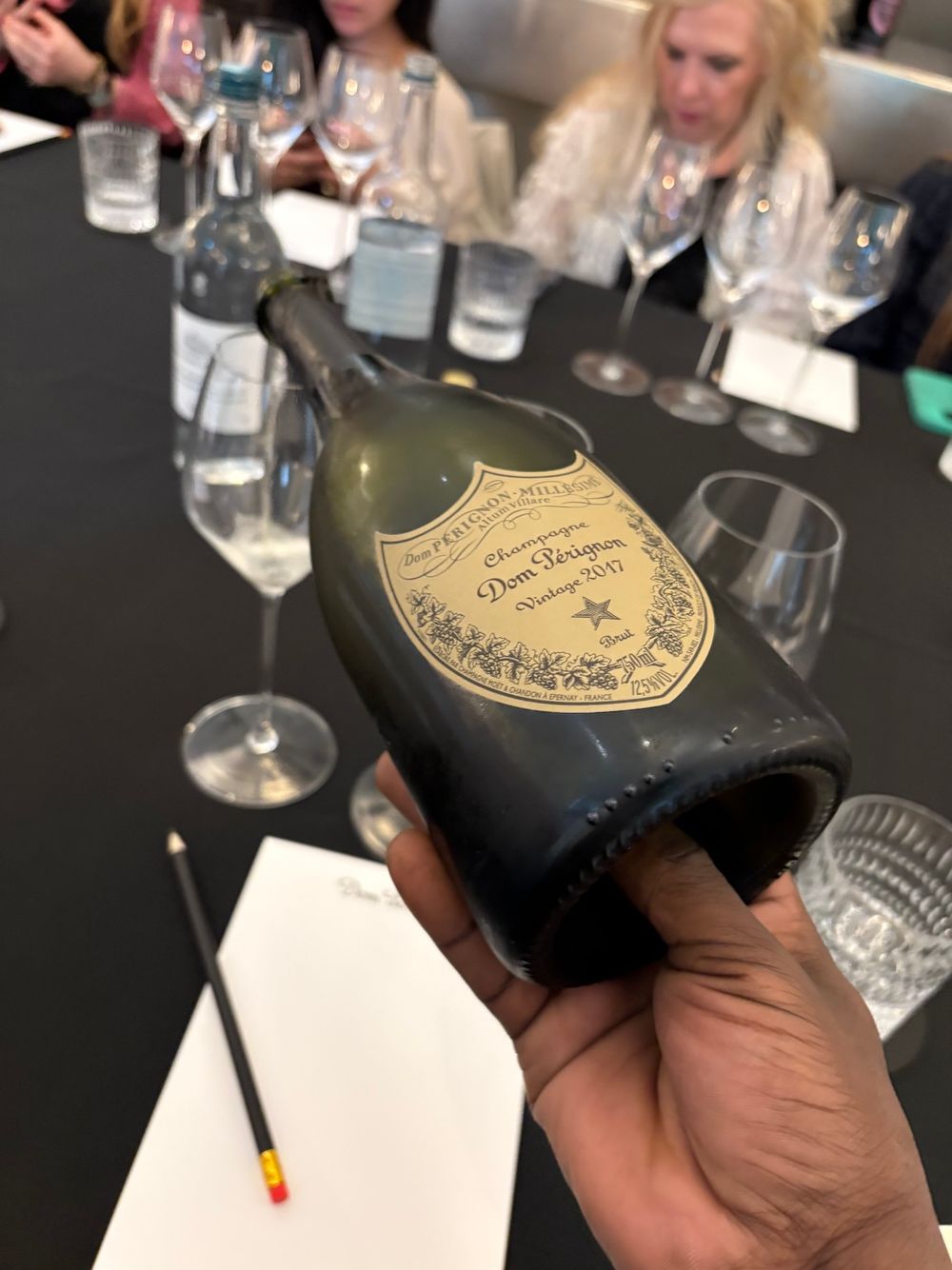
The 2017 vintage is perhaps not a classic Dom Pérignon, Chaperon admits. It was a warm year and challenged by a wet, early harvest in August. Yields were small. You can feel the tension between softness and structure. It has soft-fruits ripeness from the very ripe year and umami on one side and on the other side acidity and bitters – it’s not usual to have both. On the nose, it is a bit like a day with both sun and cloud, with an interplay between fruit and reductivity. It has one of the highest proportions of Chardonnay at 61% to balance the intensity of the Pinot Noir that year. The backstory to the 2017 vintage is that the tough decision was taken not to have a 2016 vintage (or 2014 and 2011) hence 2017 was under pressure with the cellar running relatively dry.
Identity and soul
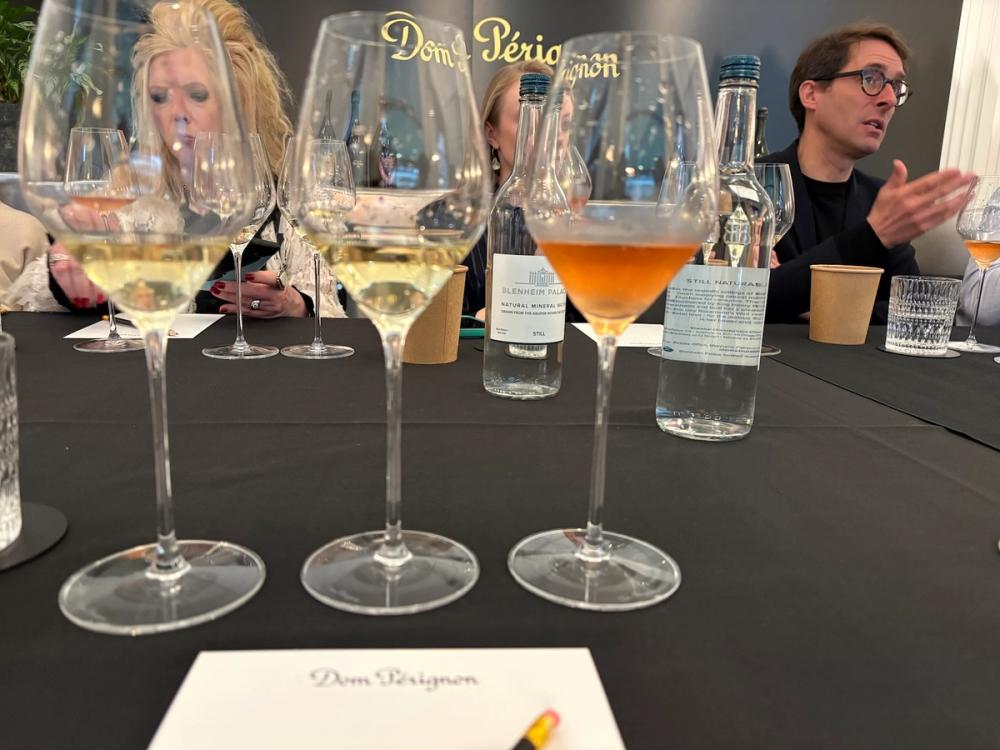
“I like innovation – I don’t like routine. I like to push, I’m ambitious, so every year we are ‘dancing’ and changing things,” Chaperon says about his approach. “I want to give the consumer a deeper sense of place and elevate identity and soul through the act of assemblage – our approach to blending is moving a lot.”
In 2025, Chaperon explains, mother nature gave “a fantastic playground” and he has been working on the identification and separation of all the terroirs.
“Each of our individual plots adds something to the final blend and I want the consumer to feel that – that is my dream, though it’s not easy. I have been working with wine growers to identify the best plots and to find the core vineyards within our 900 hectares.”
There are, Chaperon reveals, around 300-350 hectares that are ‘best of the best’ and his aim is to create a stronger relationship between winemakers, growers and the plots.
“Every year we start with no preconception, we want to be free, with no recipe. I want a signature which is true to the place, which transmits emotion. We need to value wine growers in the blend and in the landscape.” He wants to do “tasting in an absolute way” with blends that are more emotional than technical. He even tries to sketch wine profiles doodling with a pencil on paper to free his senses up.
Aesthetic and biodiversity of the landscape
Chaperon is turning his attention as well to the physical state of the landscape. “We used to admire the way vineyards looked like highways but now I want to take a different direction.” Starting with the historic lieu-dit La Cave Thomas, he is working with landscape designers to plant trees and hedges around the parcels so the vineyards have their own aesthetic appeal. He is also looking at the flow of water on slopes throughout the vineyards which have in time become blocked.
P2 2008
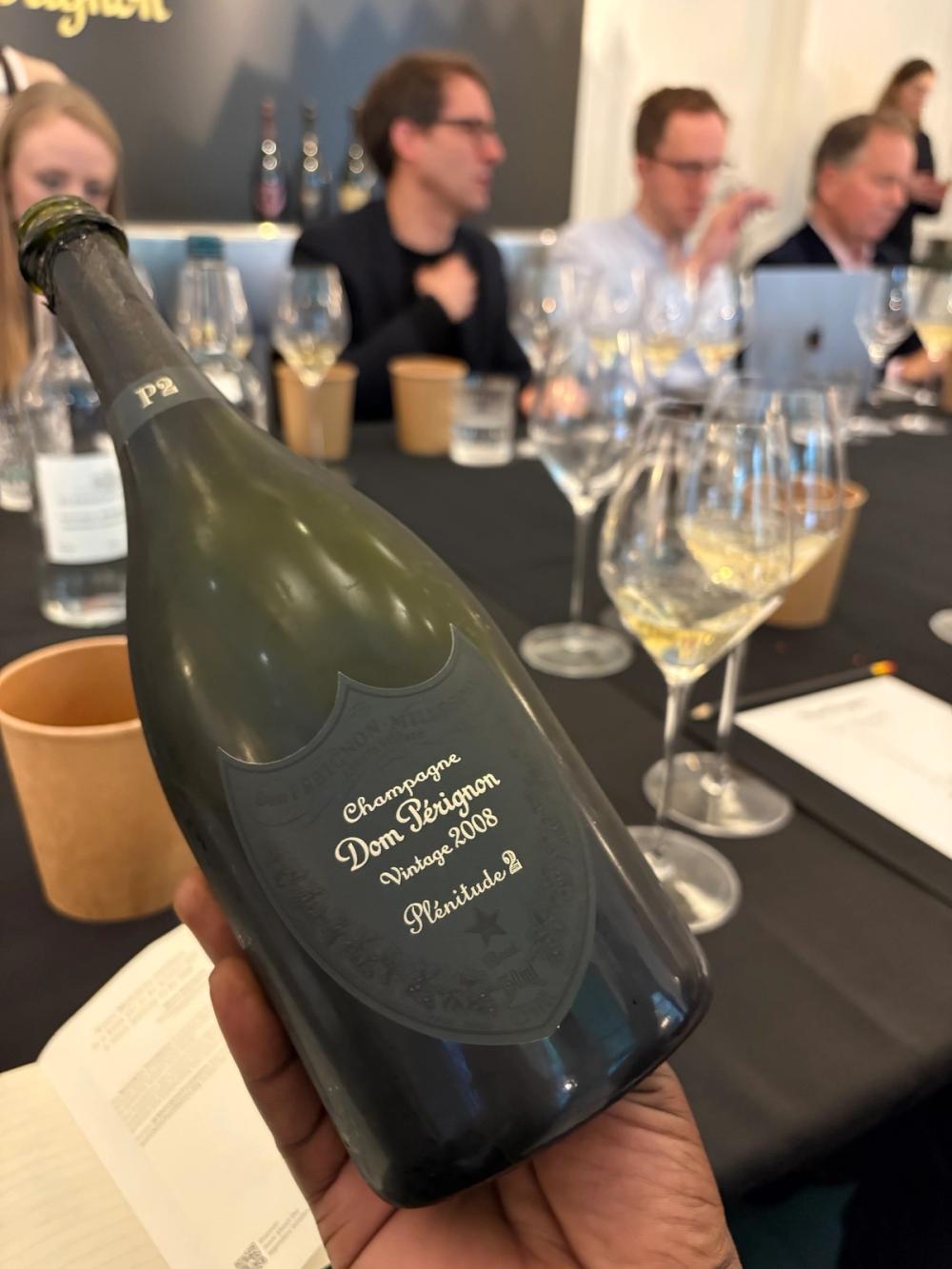
Dom Pérignon P2 is technically a re-release of specific vintages that have undergone extended lees ageing (typically 15-20 years) and was introduced to replace the former ‘Oenotheque’ designation for late-disgorged vintages (beginning around 2014-15). Specific P2 vintages have been launched every year since 1998 (released in 2015) with just a few exceptions:1999, 2001, 2005 and 2007.
The P2 2008 Is described by Chaperon as a ‘lighthouse’ thanks to its striking energy. By contrast to the 2017 vintage, it was a late pick harvest in the second half of September. It is citrusy, toasty and mineral with precision and a sensation of lively energy. The P2 disgorged in 2024 is adding a lot to the personality of the vintage (back in in 2008, critics apparently considered it a little thin). Chaperon explains, “The challenge with Geoffroy was to bring back some of the amplitude, flesh and umami and we’ve succeeded”. The P2 is delightfully embracing.
He continues: “We are always restraining the wine – we don’t want it to give everything at the first glance, rather to give it extra time as we want the maturity and complexity to appear.”
Rosé Brut 2010 – perfect gastronomic wine
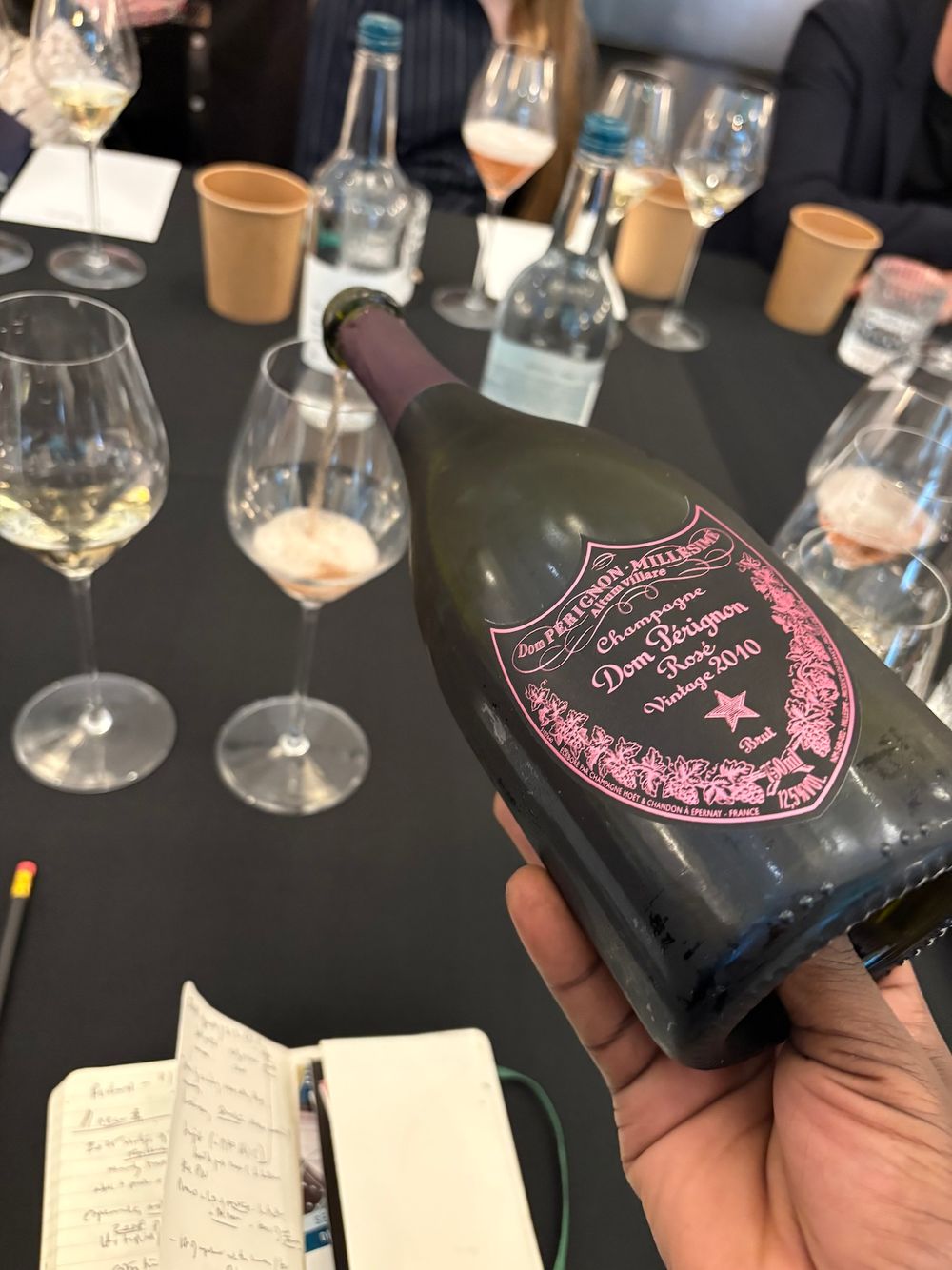
The fact that Dom Pérignon produces a rosé at all is something that is not so well known, Chaperon says, and the challenge is to achieve balance in the blending. The 2010 is the result of much research with a project to re-select the red wines to identify the best plots.
The shortly-to-be-released Rosé Brut 2010 has certainly achieved much in 15 years. Among us tasters, there was a palpable excitement at its sheer quality. Several were floored by this embodiment of generosity and focus. Chaperon is delighted and believes it is the perfect gastronomic wine.
The 2010 reflects in part Geoffroy’s wish since the turn of the century to push and integrate more Pinot Noir expression into the rosé (in the 2000s the proportion went as high as 28% red wine, but has now come back down to just 11%). At the tasting, we find the 2010 (44% Chardonnay, 56% Pinot Noir) is the perfect balance, very sophisticated with Pinot Noir present, but delicate. There are almond notes, great structure and a long savoury finish.
The rosé seems to confirm just how important the emotion and shape of wines are. Of recent years, some critics say that maybe Dom Pérignon became too driven by the pursuit of perfection. With Chaperon at the helm now for seven years, the direction of Möet & Chandon’s prestige cuvée is certainly changing. It’s the soul and sense of place that will be taking the lead. And bets are already rashly being taken that 2025 may become the vintage of the century!