Now more than ever, Languedoc-Roussillon needs hero wines: ambitious blends that can stand out against global competition and help reshape perceptions of the region. In June 2026, at the western edge of Languedoc, Domaine Gayda hosted an event that offered an optimistic glimpse of how the future might look.
The evening marked the 20th anniversary of the estate’s flagship red, Chemin de Moscou, with a tasting of older vintages led by winemaker Vincent Chansault, followed by an al fresco asado feast.
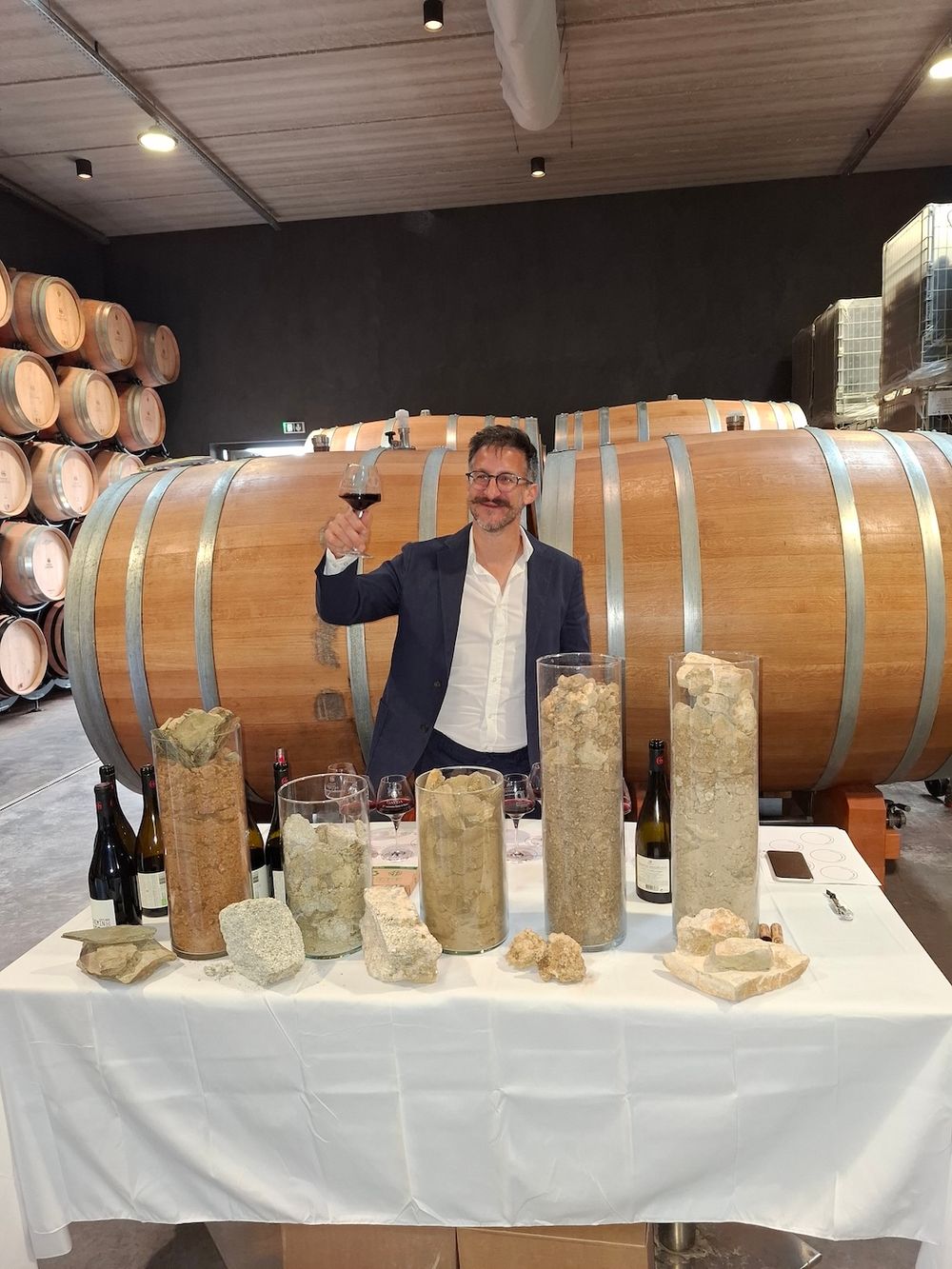
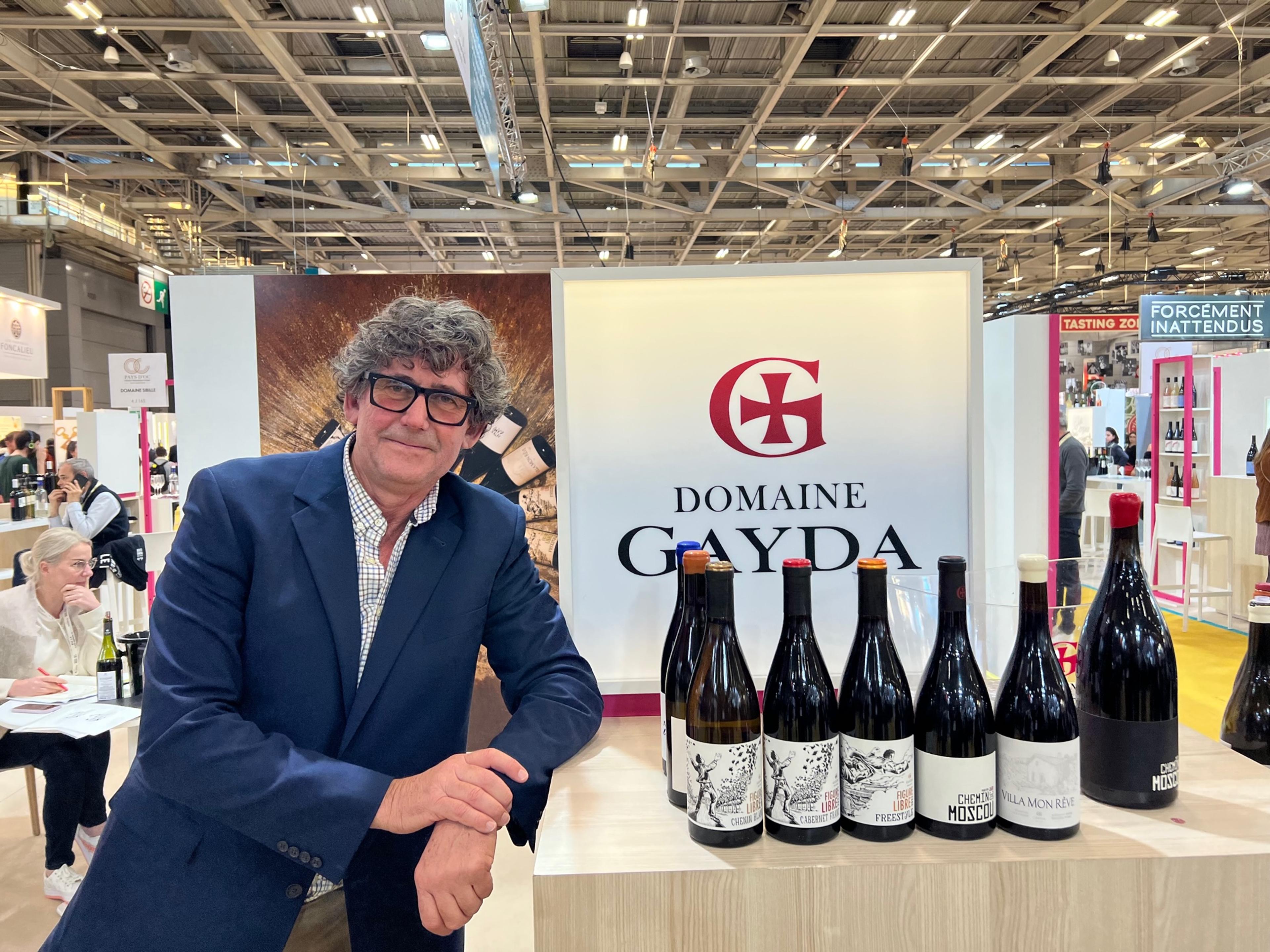
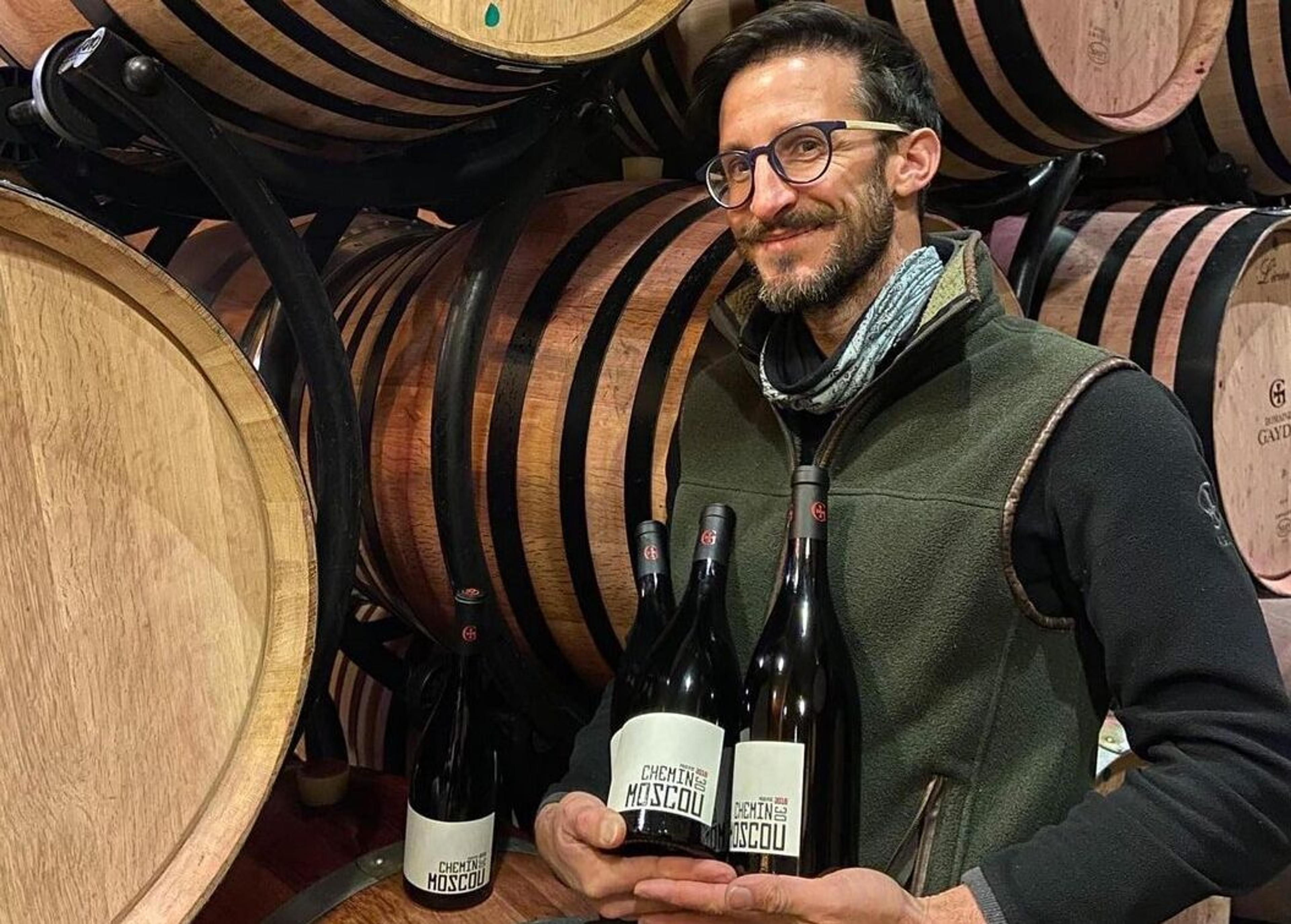
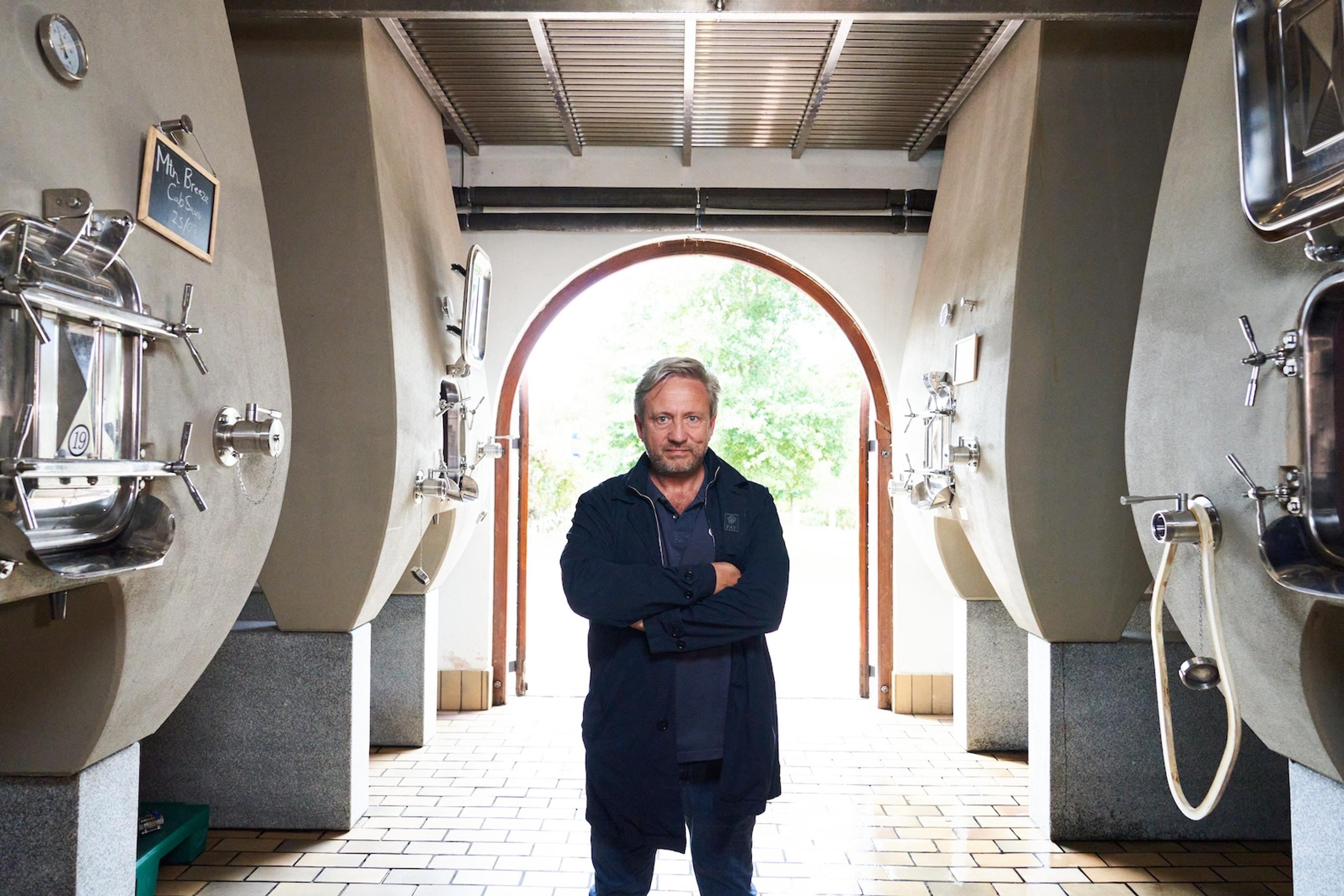
"The wine has evolved into a more elegant and fruit-focussed wine; a style more similar to a vin de Bourgogne." Domaine Gayda winemaker, Vincent Chansault.
The wine itself is built around Syrah, supported by between a quarter and a third of Grenache, depending on the vintage, with Cinsault also playing an increasingly important role. Retailing in France at €24, it sits in that crucial space where Pays d’Oc has to prove it can deliver not just value, but genuine premium appeal.
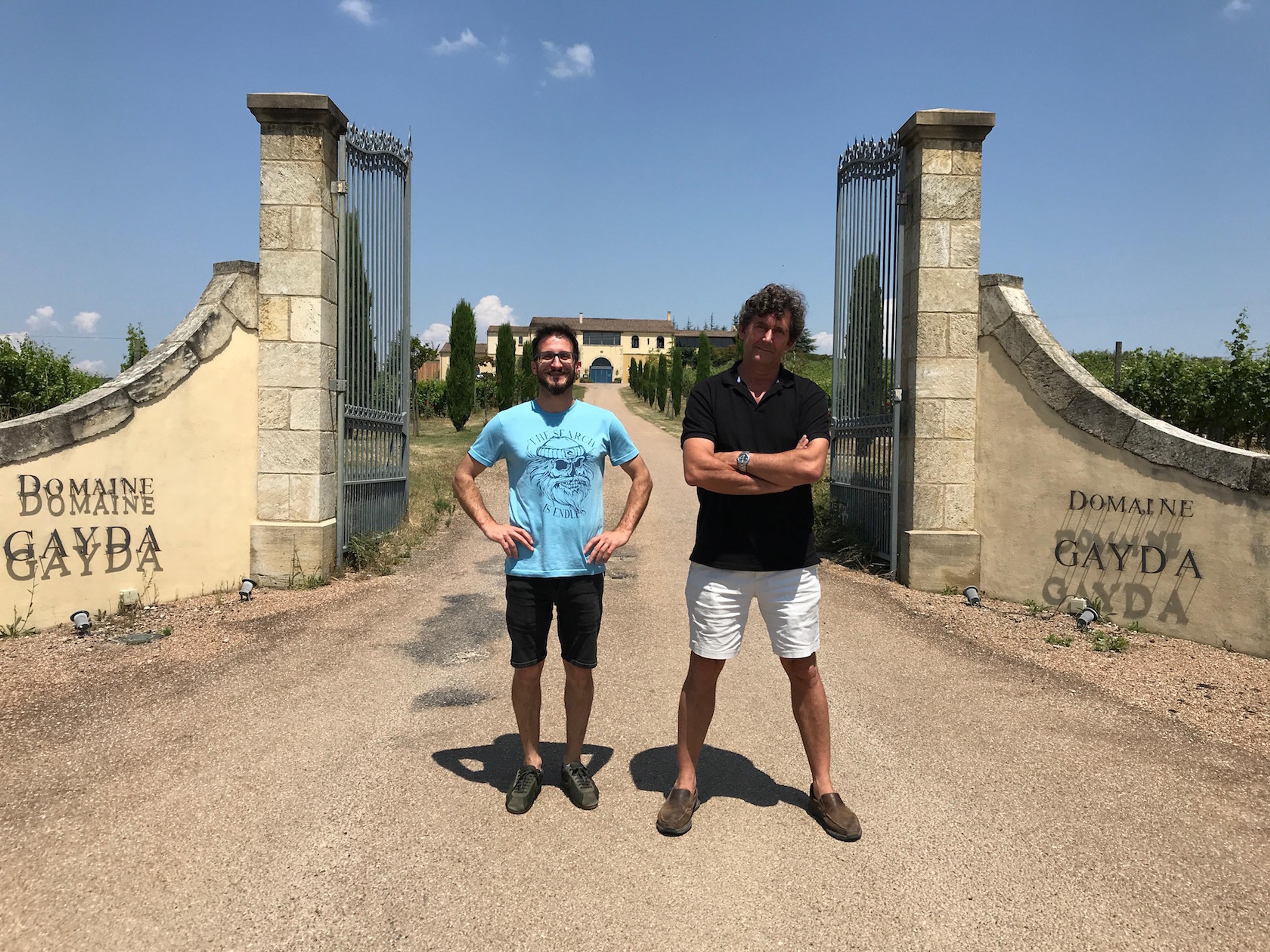
Chemin de Moscou is very much the passion project of Chansault, who was discovered while still in his early twenties by Domaine Gayda’s now managing director, Tim Ford. At the time, the young Frenchman was working in South Africa and came recommended by Boekenhoutskloof's Marc Kent, creator of top South African wine brand brand, Chocolate Block
“I was a horticulturalist in Africa at the time,” recalls Ford. “Anthony Record (now Domaine Gayda’s majority stakeholder) and I met Marc and Vincent while visiting Boekenhoutskloof. That’s where it all started.”
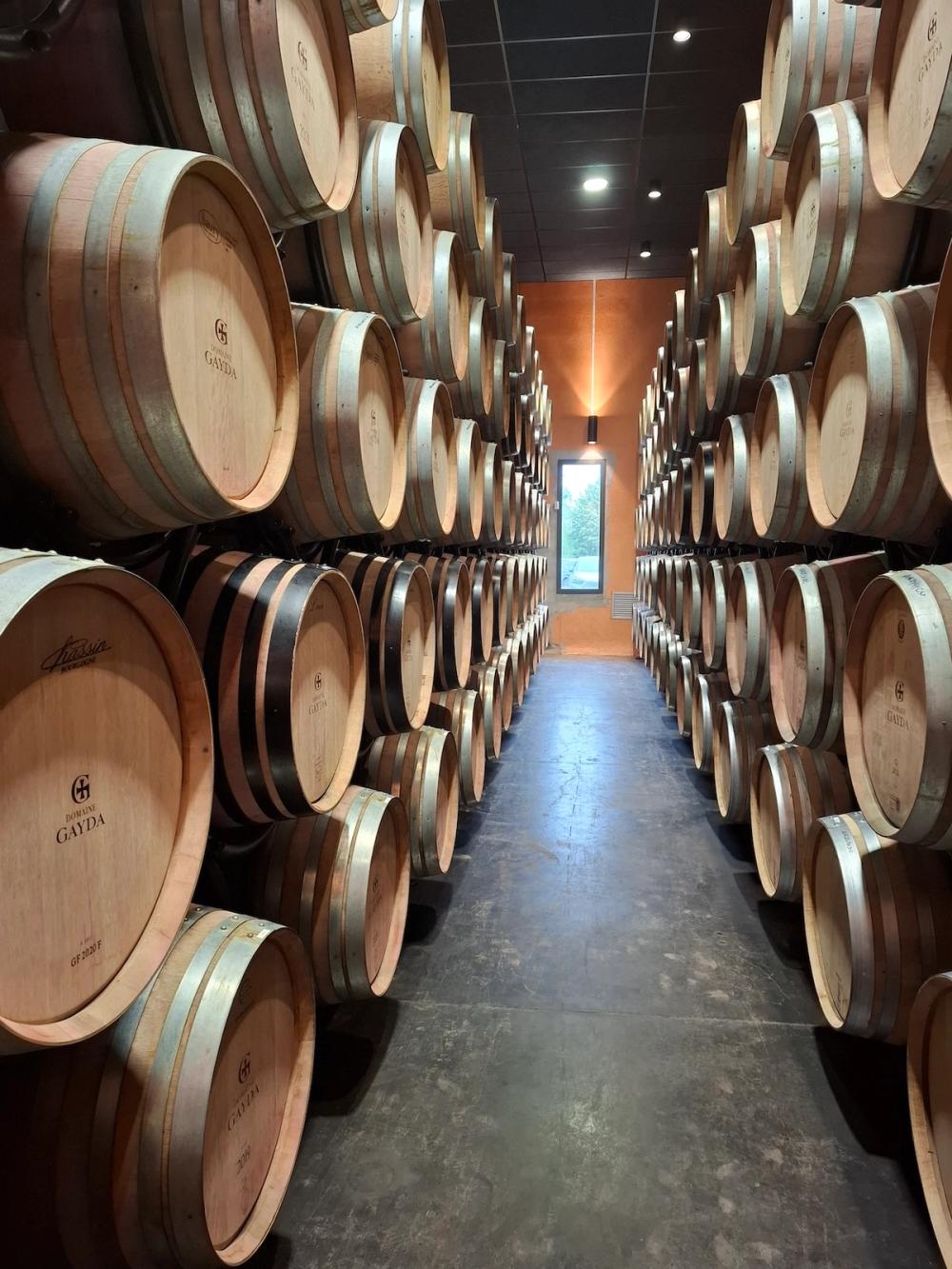
Chemin de Moscou is the most selected wine ever for the IGP's own Grand Ambassador Collection of signature wines.
Building the blend
Ford and Record established Domaine Gayda in 2003 and persuaded Kent to bring some of his New World flair to the project’s early years.
“Boekenhoutskloof’s Chocolate Block is probably the most successful wine brand in South Africa,” says Ford, “so we were fortunate to have Marc's help in our first ten years.”
Chansault and Kent set about scouring Languedoc-Roussillon for the best Syrah from which to build what would become the estate's premium Chemin de Moscou blend, a name taken from the lane leading to the estate and the local “Moscow tree”, long used as a landmark by aviators navigating the Malepère area.
The estate’s own vineyard at Brugairolles, planted on calcareous sandstone and influenced by the Atlantic, provides soft, floral-scented fruit. But the search soon pushed east to La Livinière, in the foothills of the Montagne Noire, where limestone-rich sites such as Bellevue and L’Enfer contribute the more structured, elegant Syrah that has become central to the wine.
“We began with our own vineyards in La Livinière,” Ford explains, “then we started buying grapes from Roussillon, from a beautiful parcel of Syrah grown on schist soils called Col de la Done. When the owner retired 10 years ago, we bought the vineyard from him.”
The Syrah component of the blend is completed by fruit from partner growers on a high-altitude gneiss plateau in Latour-de-France, also in Roussillon, which brings riper fruit intensity and firmer tannic structure.
Ford is clear about the influence of Kent’s no-compromise approach to sourcing.
“Marc has always said, it’s pretty normal to buy other people’s grapes. If your neighbour is producing better fruit than you, buy those grapes and throw your own away. Or just buy another vineyard. Forget your ego!”
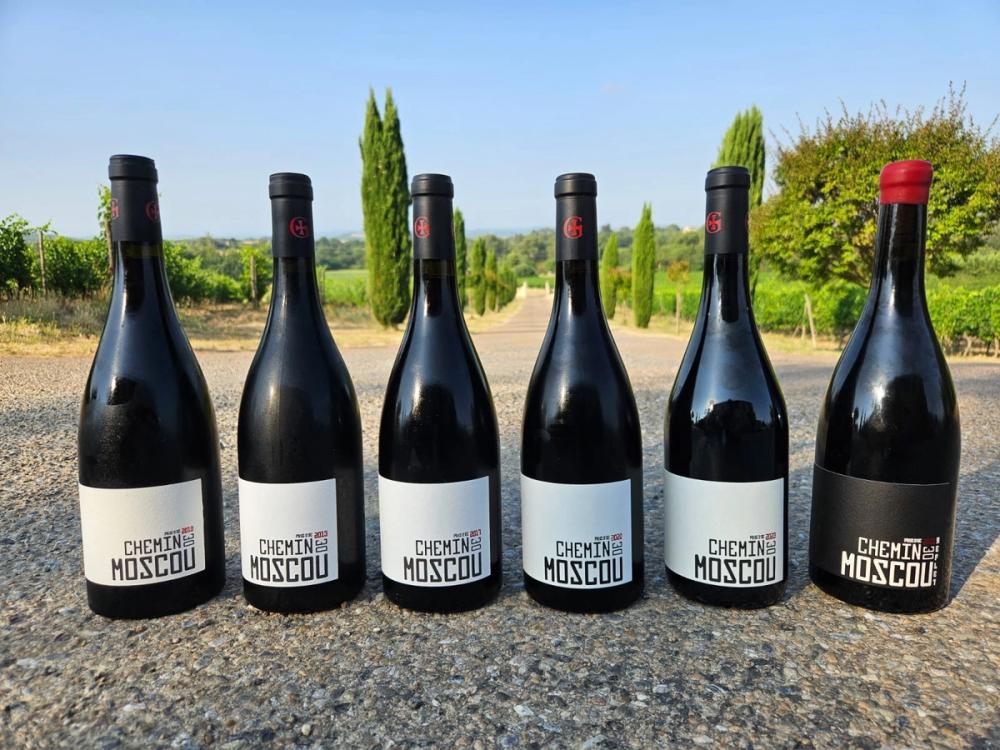
"Chemin de Moscou shows what is possible when creative latitude is matched by rigorous sourcing, inspired branding and the confidence to listen to the market without being ruled by it."
From power to poise
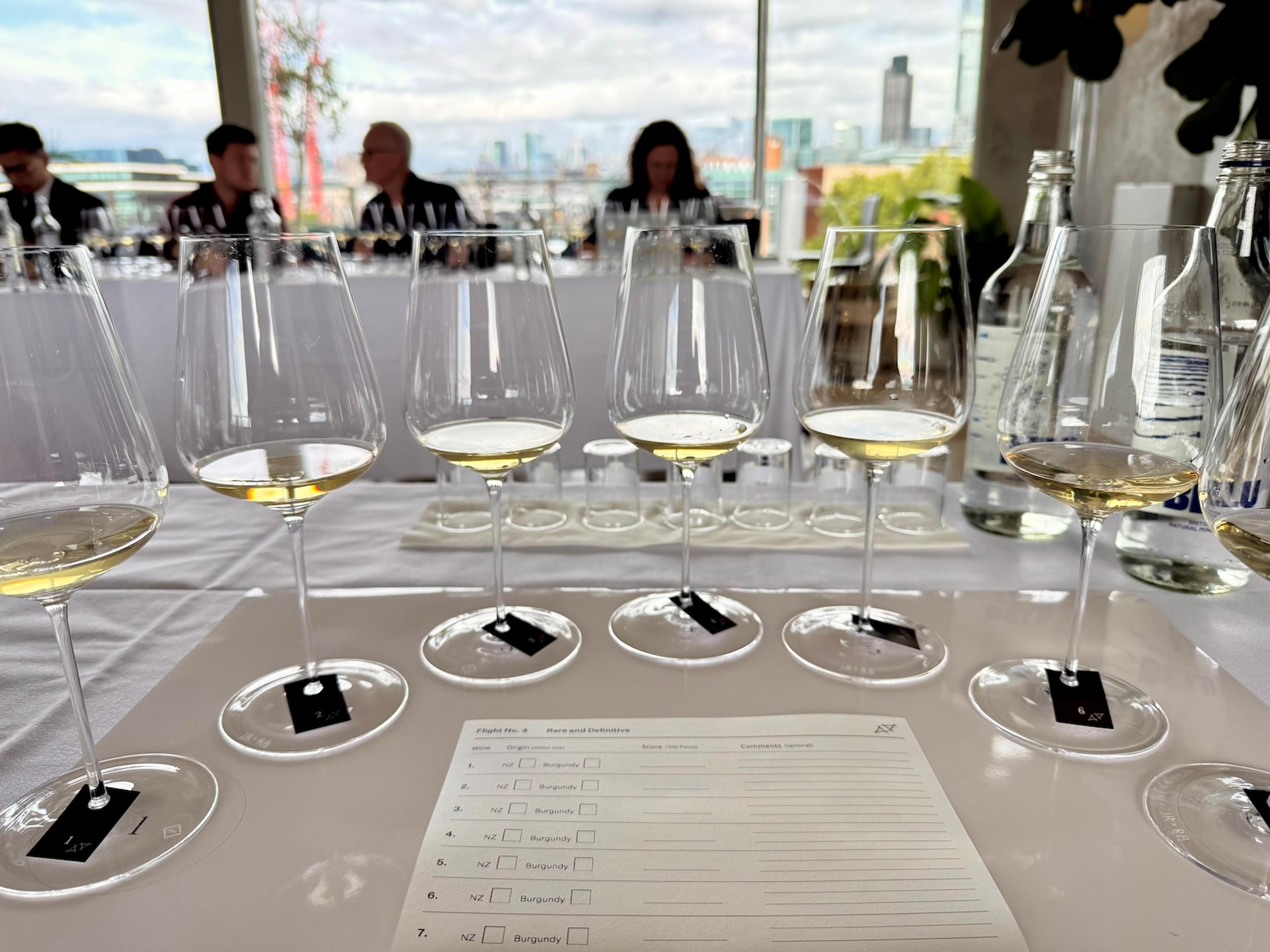
Vertical tastings may be routine in Burgundy or Bordeaux, but they remain a rarity in Languedoc-Roussillon. Chansault’s presentation of his chosen vintages of Chemin de Moscou from the past 20 years was therefore both a fascinating account of the wine’s evolution and a statement of confidence in its ageing potential.
The 2010 presented like a snapshot of the estate’s early approach. Beneath the undergrowth and oloroso notes of bottle age, the wine remained unapologetically bold, clearly marked by 100% new oak. Yet even at full maturity it retained freshness, precision and drinkability. The blend was 63% Syrah, 35% Grenache and just 2% Cinsault.
“Cinsault,” Chansault told us, “is becoming more important for the wine’s freshness, especially from sites like Col de la Done.” In recent vintages it has moved closer to 7% of the blend and may rise further.
The 2013, from a relatively late harvest, was cooler in profile, still marked by oak but carried by good acidity and with a few years of development ahead of it. The real stylistic shift was visible in the 2017: a sunny, early-ripening year that produced a beautifully pure wine and a clear marker of Chemin de Moscou’s transformation. Syrah’s varietal character shone through, with plum and exotic spice on the nose and firm, grainy tannins on the palate.
“Most of the wine still ages in barrel, but we have gradually reduced the proportion of new oak,” Chansault explained. “In the early years, we needed more wood to soften the tannins, but changes in the climate mean that today we have no problem achieving full ripeness. Now the wine receives a maximum of 10% new oak.”
The 2023 felt like a vivid testimony to Chansault’s winemaking journey so far: a deeply coloured, concentrated blend of 73% Syrah, 20% Grenache and 7% Cinsault, with pure primary fruit on the nose – morello cherry and blackberry, with juicy, explosive flavours; firm but already approachable. The freshness that has been a hallmark of the wine since its inception was joined here by a new level of delicacy and poise.
“We do much cooler fermentations these days,” Chansault added, “with longer macerations but less punching down and pumping over, for a gentler extraction.”
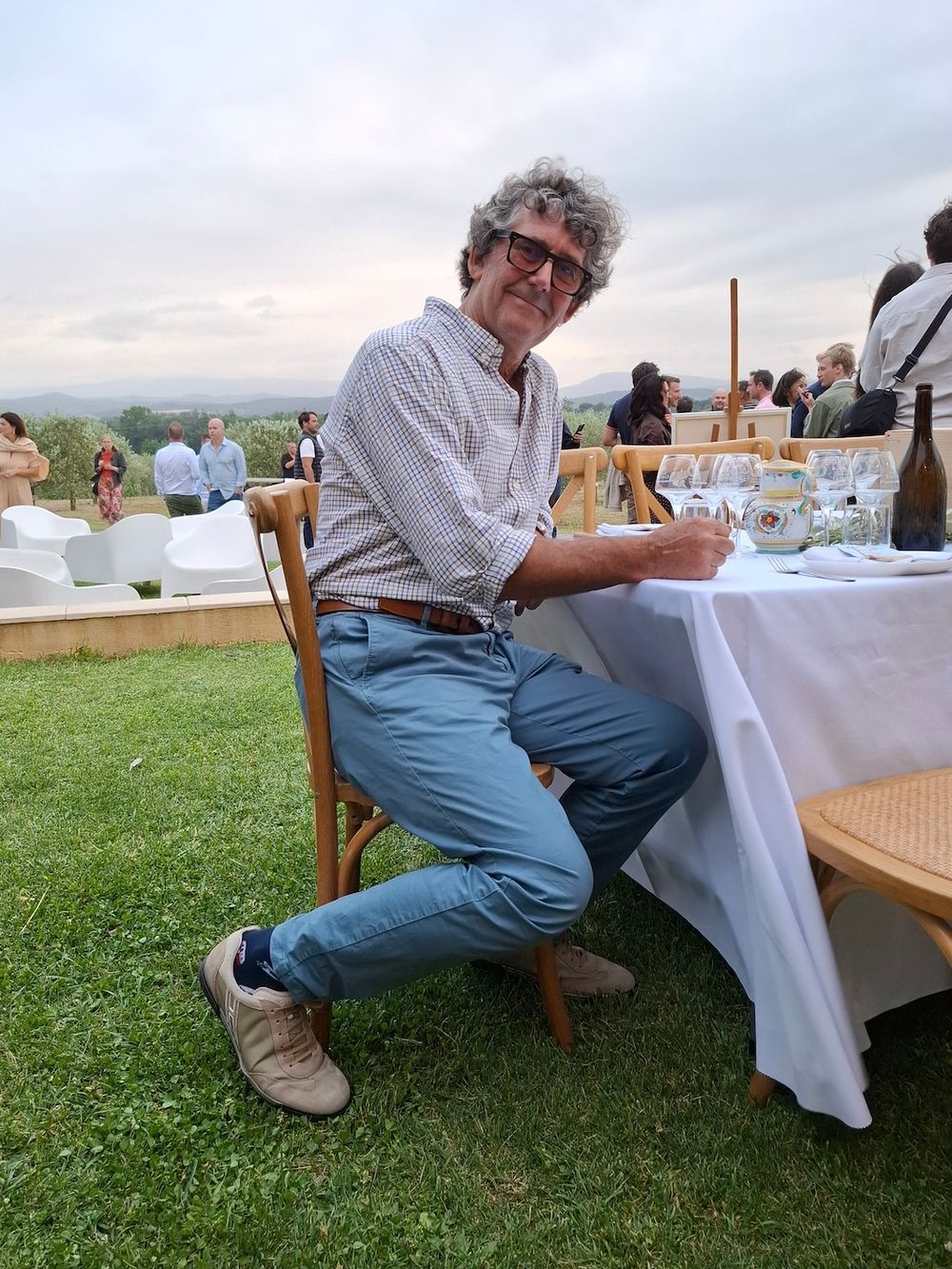
"The wine is served in over 30 Michelin-starred restaurants across France, as well as the Elysée Palace," says MD Tim Ford. "The French just seem to get it."
Turning freedom into a brand
If the wine in the bottle has been on a journey, Chemin de Moscou's label has remained unchanged, a continuity Chansault says is unlikely to be disturbed.
“The label was designed 23 years ago, when it was cutting edge,” says Ford. “Now lots of people are doing it, but back then we were the first to do that kind of minimalist black and white label in France.”
The estate chose to label the wine as IGP Pays d'Oc not so much as a branding decision, but to secure the creative freedom needed to create the blend. With 58 different grape varieties and 120 000 hectares of vineyard across Languedoc-Roussillon to choose from, the decision to opt out of France's appellation d'origine system was never in doubt. And although a prestige blend might seem intuitively at odds with a Pays d’Oc philosophy, in which grape variety often appears front and centre, Chemin de Moscou has grown to become the most selected wine ever for the IGP's own Grand Ambassador Collection of signature wines.
Indeed, Florence Barthès, director general of IGP Pays d'Oc, has commented that "although Chemin de Moscou is not a single-varietal wine, it reflects what can be expressed in Pays d’Oc that cannot be expressed within an appellation."
A 20th anniversary celebration can easily look like the culmination of a carefully executed plan. Yet Ford, at his most honest, admits something more surprising about Chemin de Moscou's success:
“If I'd known 23 years ago what I know now, I would never have dared to start Chemin de Moscou. It would have been way too scary. We started with all the naivety and passion for the project, but with no sense of where we were going.”
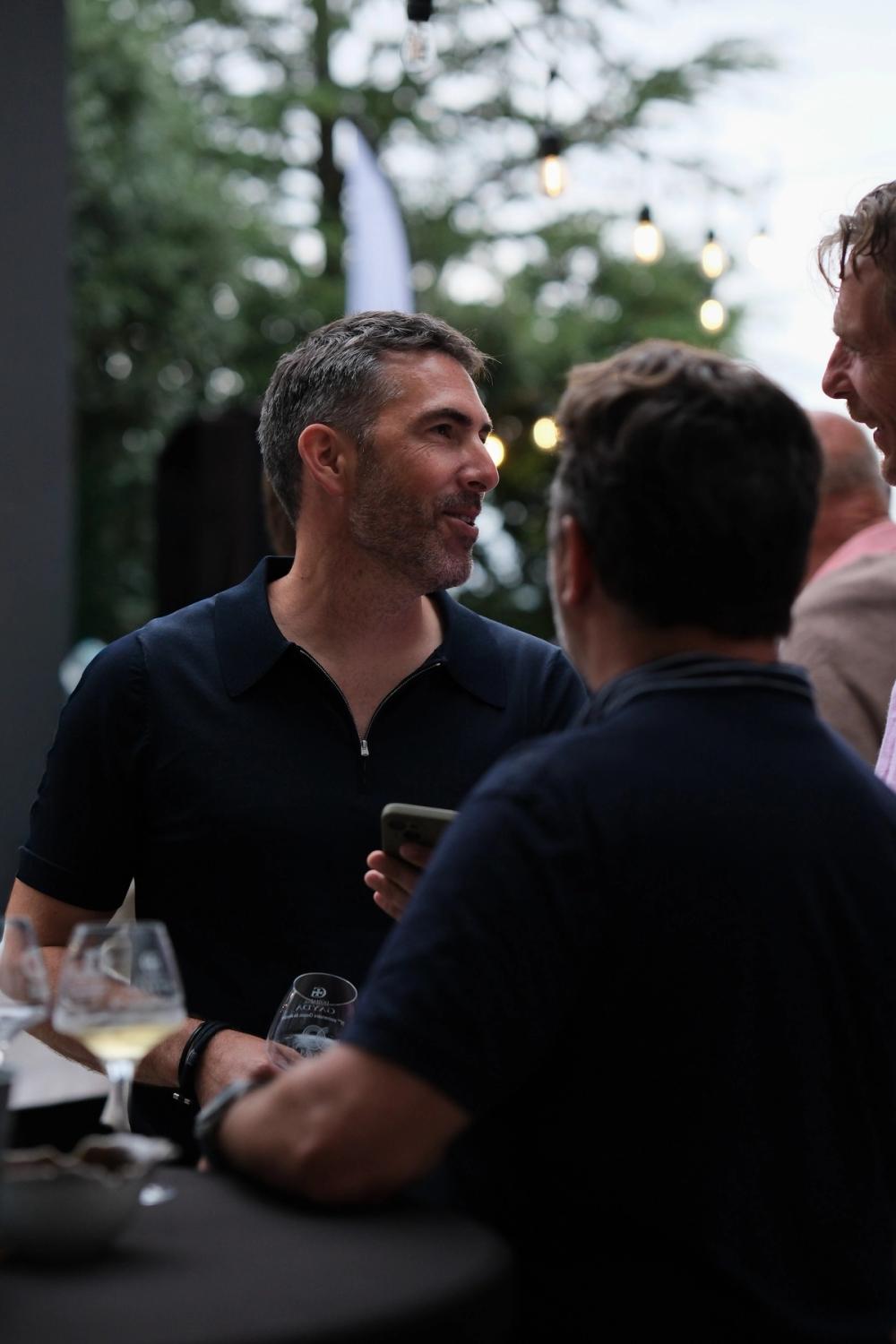
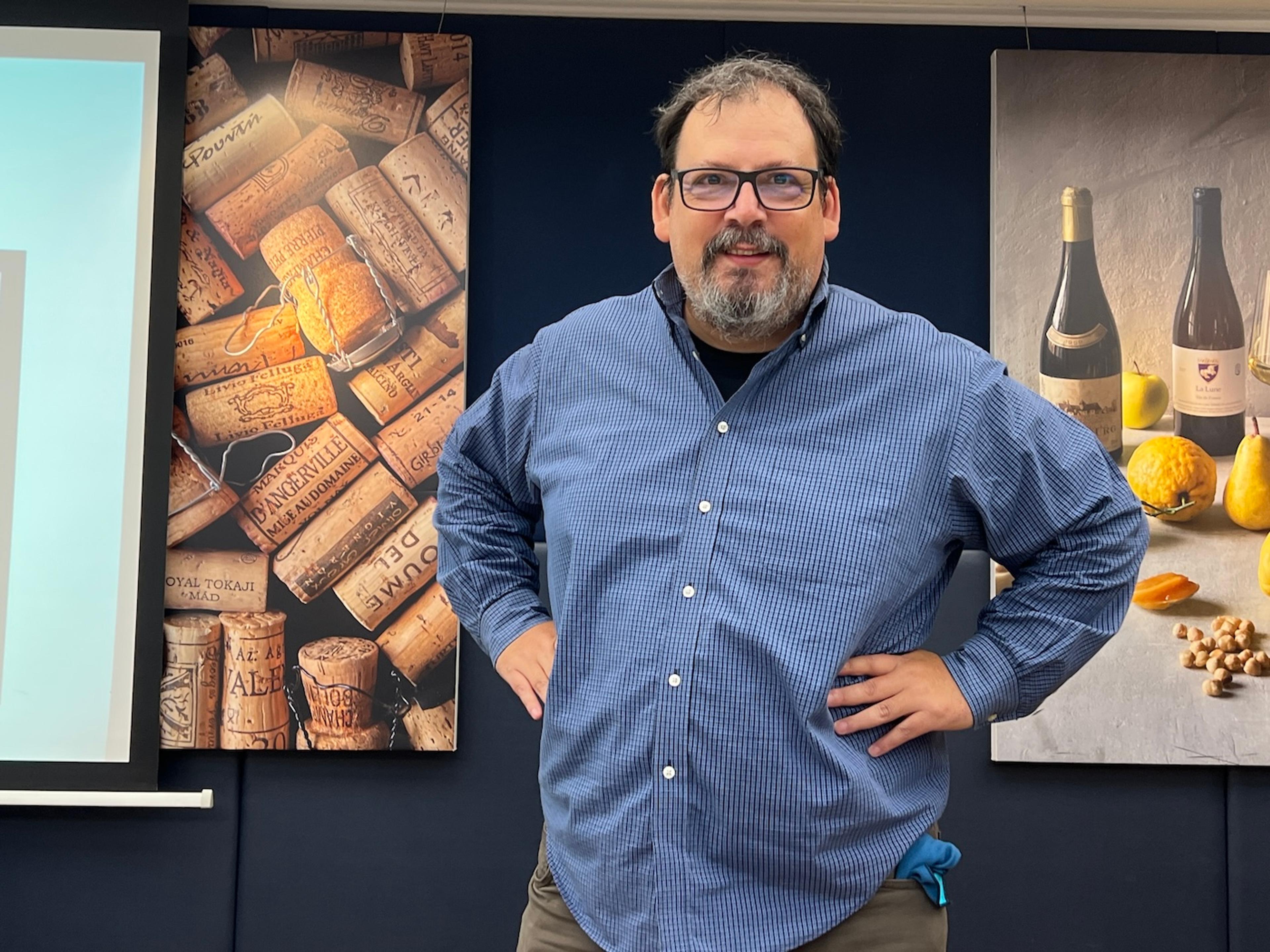
“The feedback from clients is that Chemin de Moscou simply moves off the shelves, so they keep ordering." David Chardron, sales director.
Domaine Gayda's sales director, David Chardron, echoes the view that some of the wine's success remains hard to pin down: “The feedback from clients is that it simply moves off the shelves, so they keep ordering; simple as that. Why? Well if we knew that, all our wines would be equally successful!”
More generally, however, Ford's view of what makes a successful brand is razor sharp: "You need the three Ps: product, packaging and price point. Unless all three are there, you have no chance. Maybe if Chemin de Moscou had been a Euro more expensive, for example, it wouldn't have succeeded."
A keen eye on the dynamics of supply and demand has been key to the wine's sustainable growth. Initially released as a niche curiosity, with 5000 bottles produced in early vintages, today around 120,000 bottles are absorbed annually by buyers all over the world, without any obvious dilution of the brand.
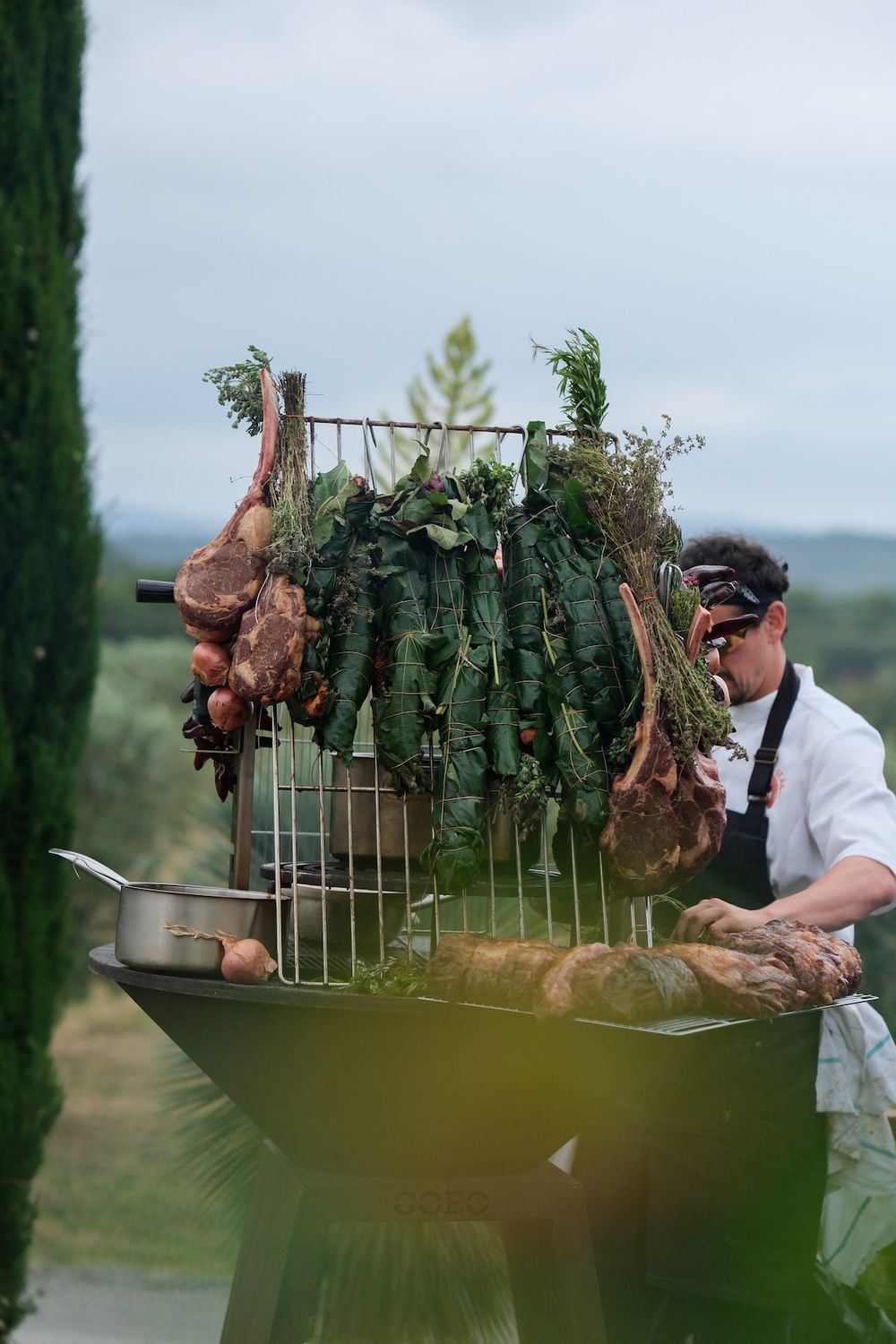
An al fresco asado feast was a focal point of the 20 year celebration.
Reading the market
Although Chemin de Moscou is a globally successful brand, it shines brightest on home turf: around 80% is sold in France, with a 60:40 off/on-trade split.
"The wine is served in over 30 Michelin-starred restaurants across France, as well as the Elysée Palace," says Ford. "The French just seem to get it."
Chardron confirms, "The brand certainly has great respect in France; we have to work in other markets to gain the same recognition."
But in February 2022, with Russia's invasion of Ukraine, Chemin de Moscou suffered an inevitable wobble in sales numbers, as French cavistes in particular withdrew bottles from sale. The reaction only lasted a few months, but it was a reminder of how quickly external events can unsettle even a well-anchored brand. For newer entrants, Ford’s relief at Chemin de Moscou’s hard-won market position carries a sobering warning:
"We're pleased that we are where we are. I just don't know how we could have done it now with the current headwinds."
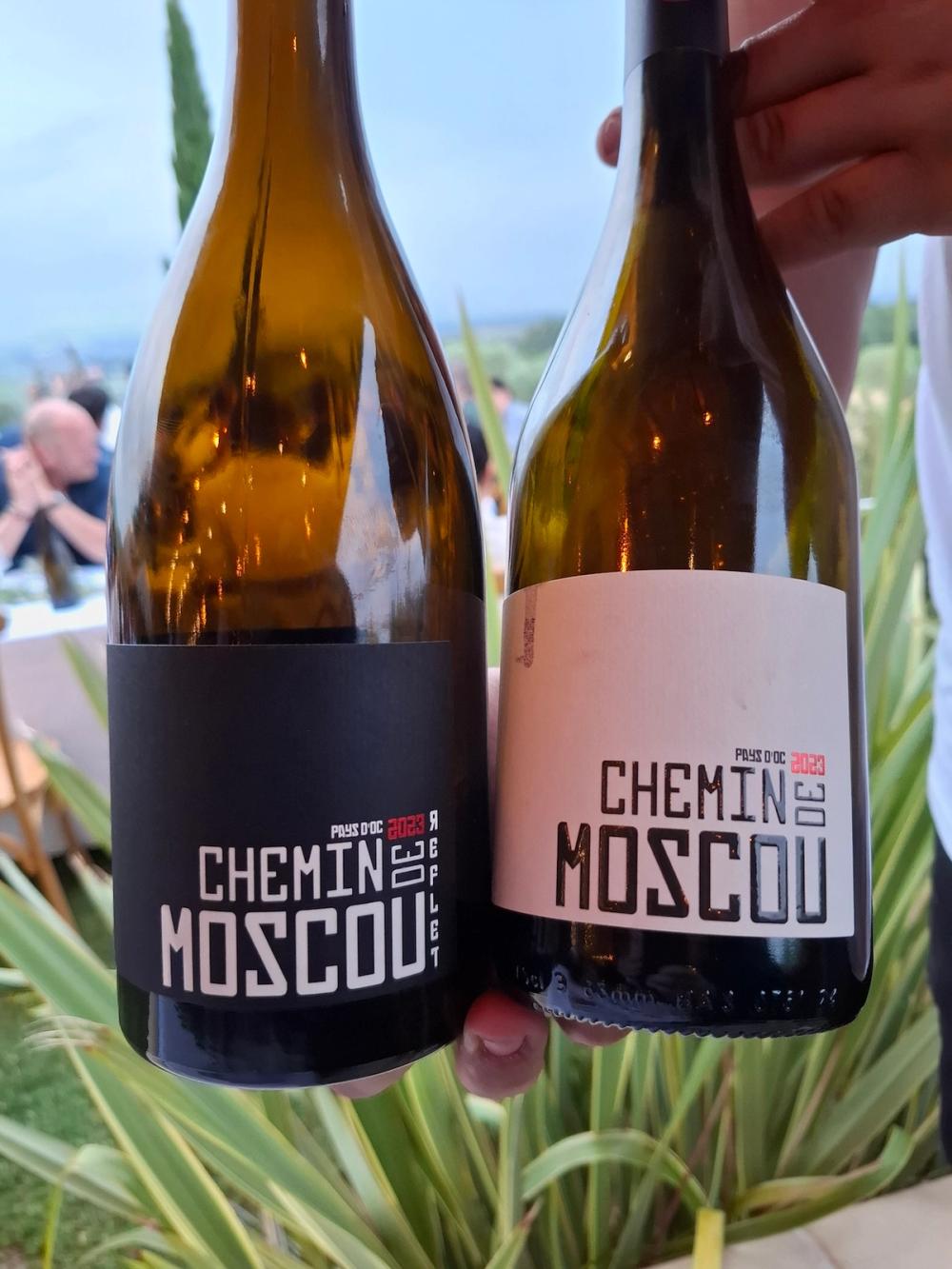
Continuing to innovate - Chemin de Moscou and the 'inverted' Reflet
Far from resting on its laurels, however, Domaine Gayda continues to innovate. Ford admits that the estate's mid-range will probably require some consolidation, but as its premium brand continues to deliver, the estate leaned into its success by releasing a new version of the wine in 2019, named "Reflet."
"The idea," according to Chansault, "was to create a mirror image blend to Chemin de Moscou, but with Grenache replacing Syrah as the dominant variety. It was originally a request for an exclusive bottling from a Swiss importer."
Reflet is now available on allocation, with only 2000-3000 bottles produced annually, retailing for €30 in France. Strikingly different in style from the Syrah-based blend, this wine really allows the Grenache to shine: sourced from high altitude limestone vineyards in Tautavel, in Roussillon, it spends nearly two years in clay amphorae, preserving the purity of its fruit flavours. The 2023 vintage shows vivid red fruit aromas, garrigue herbs and liquorice, with a silky mouthfeel packed with wild berry fruit and exotic spices.
The idea is neither to replace the original blend nor to pinch the best fruit from it, but to gently diversify a successful brand without cannibalising its own market. It is a sign that, even with significant market challenges, innovation is possible at the top end, provided producers listen carefully to their customers.
In Chansault's view, "Chemin de Moscou's customer profile hasn't really changed over the years, but those customers' tastes have." So the New World boldness that made the wine an early hit has evolved alongside changing preferences, into what the winemaker describes as "a more elegant and fruit-focussed wine; a style more similar to a vin de Bourgogne."
This may be Chemin de Moscou’s broader lesson, not just for France’s Pays d’Oc, but for winemakers the world over: freedom is only as valuable as the discipline behind it. In a region being forced to rethink what it grows, what it can sell and what may ultimately need to be pulled out, the wine shows what is possible when creative latitude is matched by rigorous sourcing, inspired branding and the confidence to listen to the market without being ruled by it.