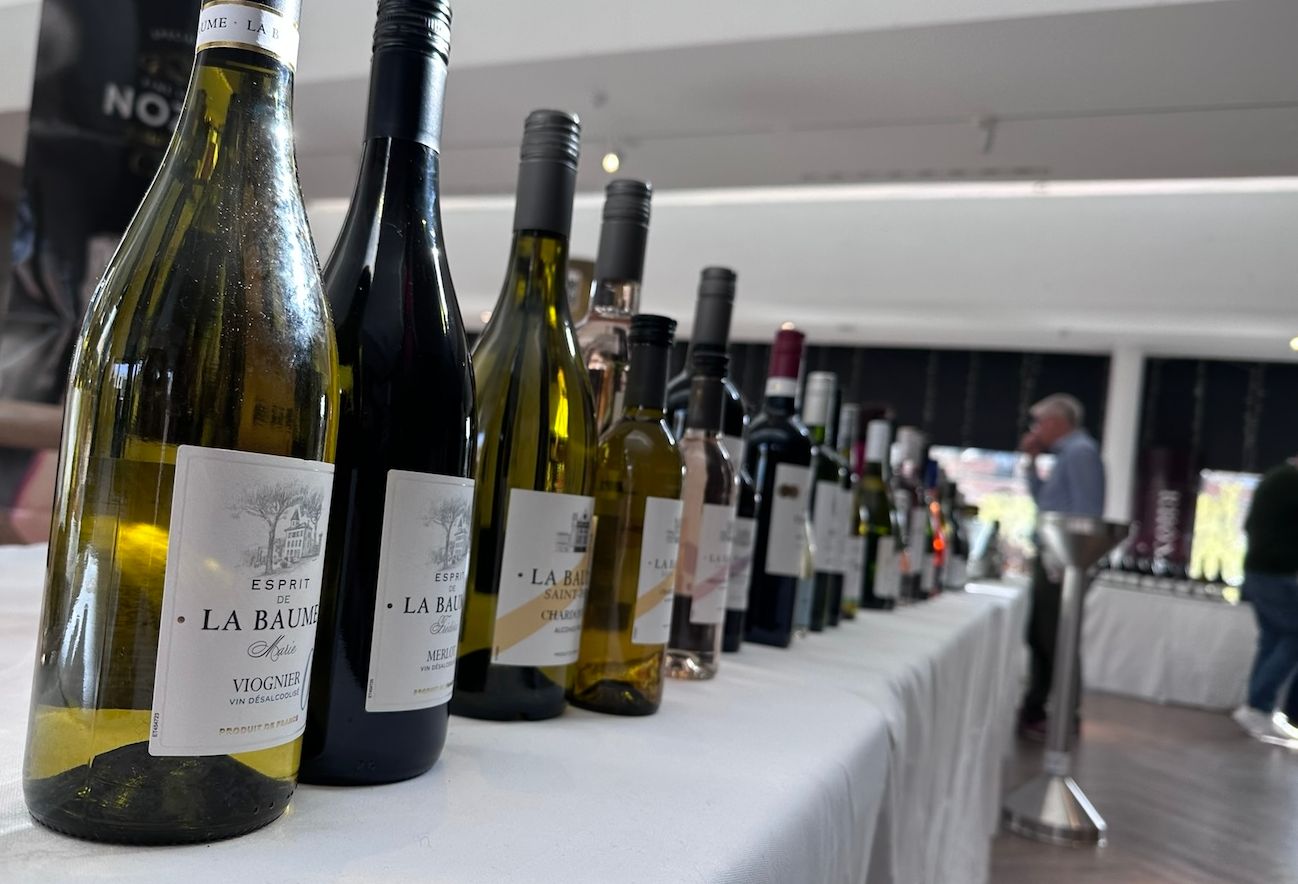
“This year marks a major milestone for our tastings,” says Chris Davies in the booklet’s words of greeting at the event.
Les Grands Chais de France's national account controller and channel controller on-trade adds: “What originally began as an idea to present our Top 100 Wines quickly proved impossible."
“Even after several attempts, we could only narrow our extensive wine and spirits portfolio down to 250 wines – and so GCF Top 250 was born."
“A significant increase from last year's 150, these wines represent the very best of what we do. GCF has evolved enormously. The Top 250 is designed to show the trade that we aren’t just about French classics; we are a global powerhouse providing the innovation and value that today’s margins require.”
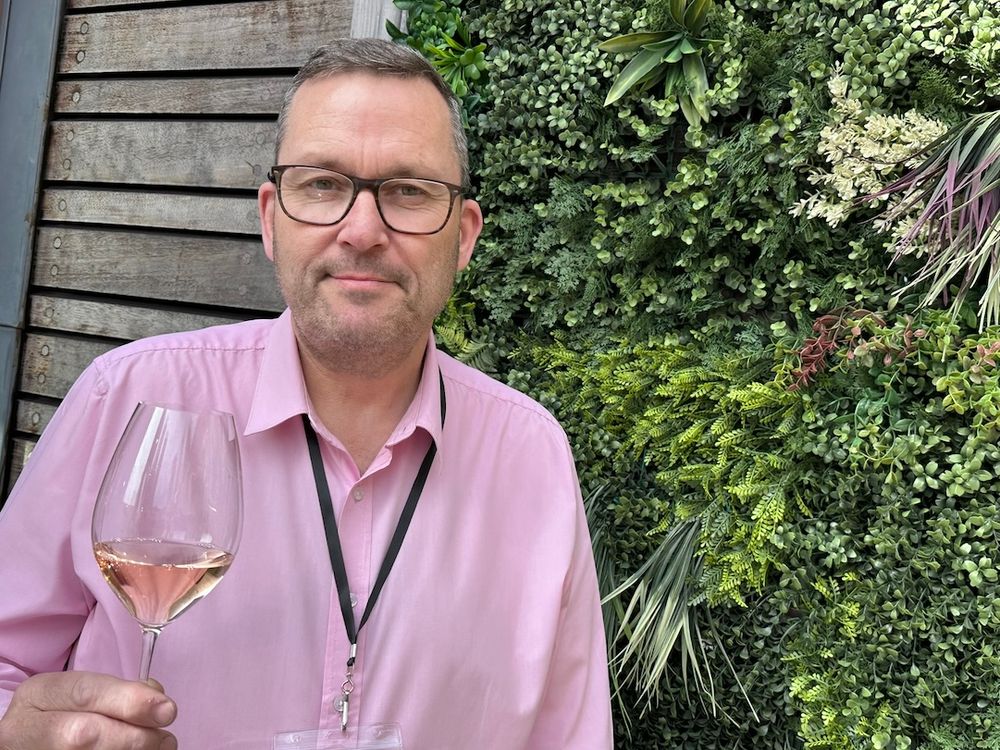
GCF's Chris Davies: "Especially proud of our ever-expanding Low and No range."
Ahead of the tasting, I grabbed a quick call with Davies, who told me: “When people say ‘from grape to glass’, that literally is the journey that we have in place.
“Perhaps it’s an unusual business model. I don't think other companies get it sometimes, or even customers don’t understand it. They think that we’re working with other producers. They’re not producers, they’re part of us. They have their own identity but are still within the group.”
“Winemakers are under our umbrella; but we are creating a situation where they can learn from each other. I can talk about the styles that we need in the UK. Producers can slightly alter a wine to make sure that that happens. Obviously, there needs to be a commercial conversation, but we are in total control from the whole process.”
Back to the tasting, and Davies says of the 250 wines showing: “Each wine has been meticulously selected to showcase character, provenance and value – criteria that are becoming increasingly important for today's consumers.”
“From timeless classics that have become benchmarks in their categories, to exciting new additions that push the boundaries of modern winemaking.”
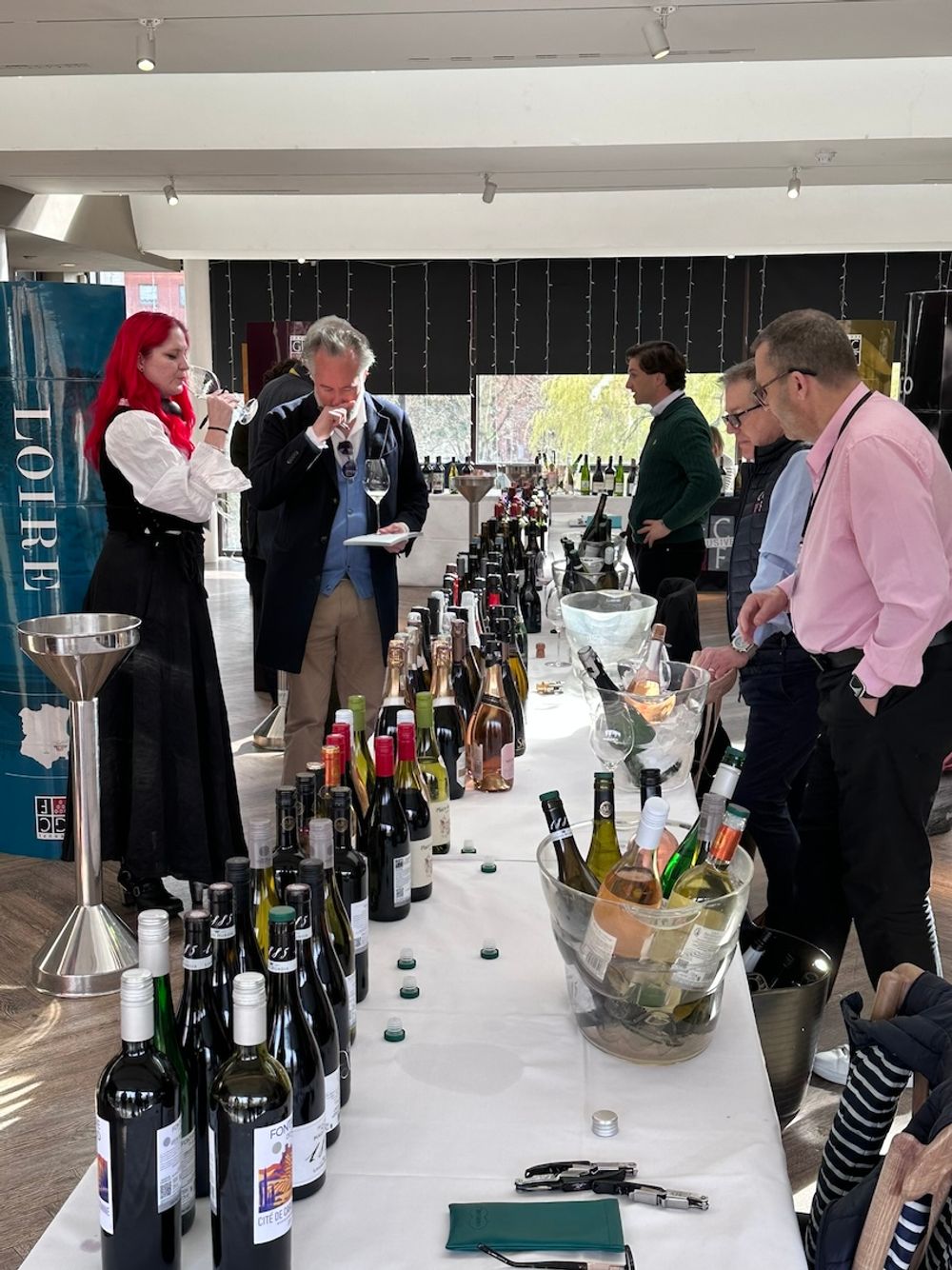
Private Wine Days tasting, Castlefield Rooms, Manchester
Of the 250 wines, France was keenly represented with selections from Alsace, Jura, Bourgogne, Rhône, the Loire and Bordeaux. Then Germany, Hungary and Spain had a look-in; as too did the New World with Chile, Argentina, New Zealand, Australia and South Africa.
Davies said: “We are especially proud of our ever-expanding Low and No range. These wines will play a crucial role in the rapidly evolving on-trade landscape.”
He told me that no-low is now GCF’s “biggest focus” so much so, that there is now a no-low expert within the team; and the process has switched to specialised vacuum distillation “which has given us a head start in the market.”.
And so, with that focus on no-low, I made it my first table stop at the tasting.
Some of my picks from GCF’s Private Wine Days tasting in Manchester
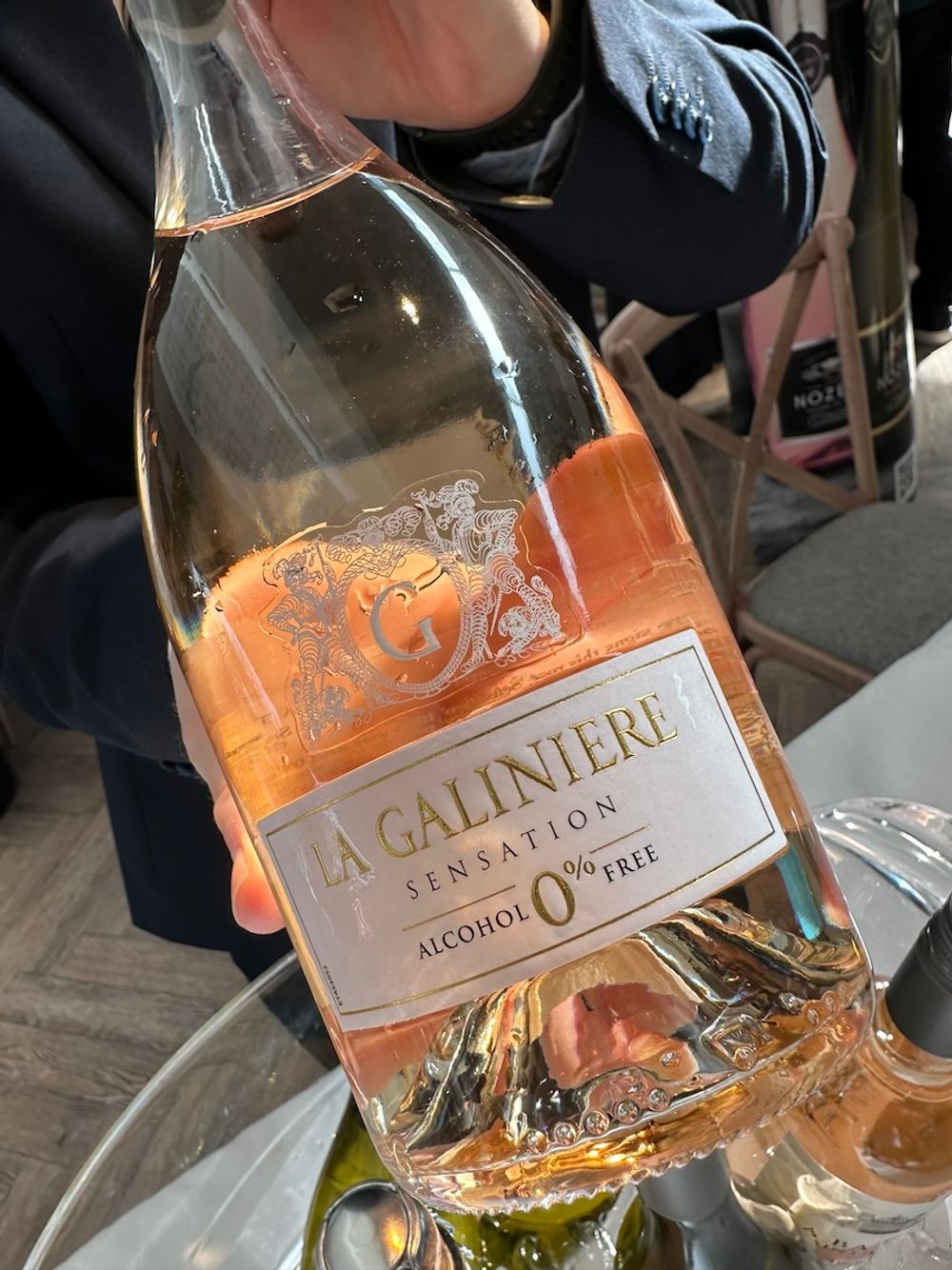
La Galiniere Rosé Sensation Alcohol Free (and others)
Into the room then, and I went straight to the no-lows which Davies had particularly highlighted for their increasing role in the business.
La Galiniere is crafted from Grenache, Syrah and Rolle – traditional grapes for this sipper from Provence.
The plots are especially chosen to grow grapes which will be destined for no alcohol wines, as they need to have an intensity of flavour which will stand up to the state-of-the-art vacuum distillation process which removes the alcohol further down the line. No mistaking, it’s a pretty sip.
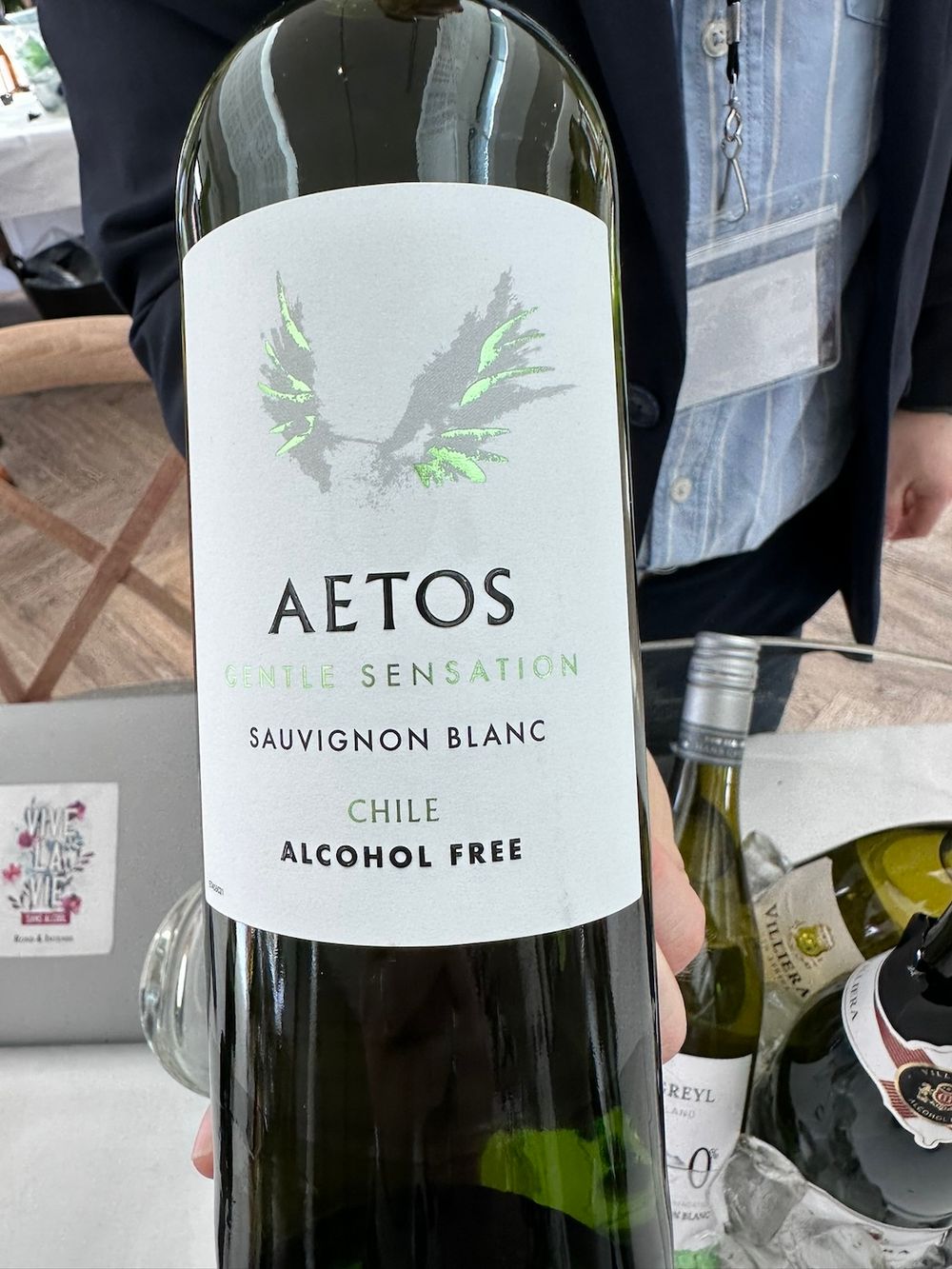
Of the no-alcohol whites, I most preferred Aetos Gentle Sensation Sauvignon Blanc from Chile which, after the de-alcholisation process, keeps a zesty seam of characterful citrus and green pepper flavours.
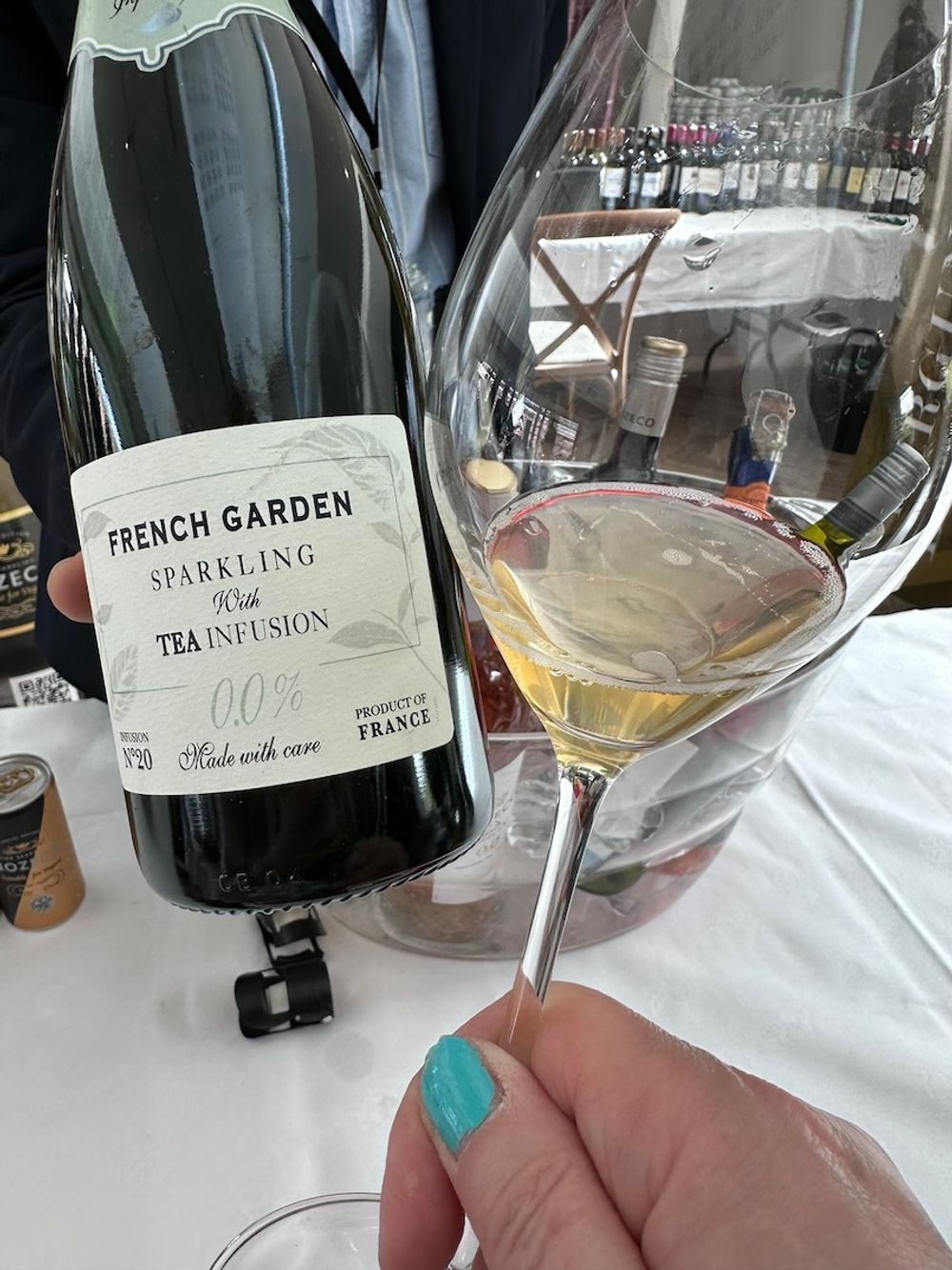
I was late to the party discovering sparkling teas; the tannic, savoury character of the tea is a perfect foil to the missing “weight” of alcohol. French Garden Sparkling with Tea Infusion 0% was a delight, and a new development from the team.
The base is a Chardonnay from the south of France, heightened with green tea infusions; and it had aromas of jasmine and apples. A very nice no-alcohol fizz option.Now to ‘wine wine’ …
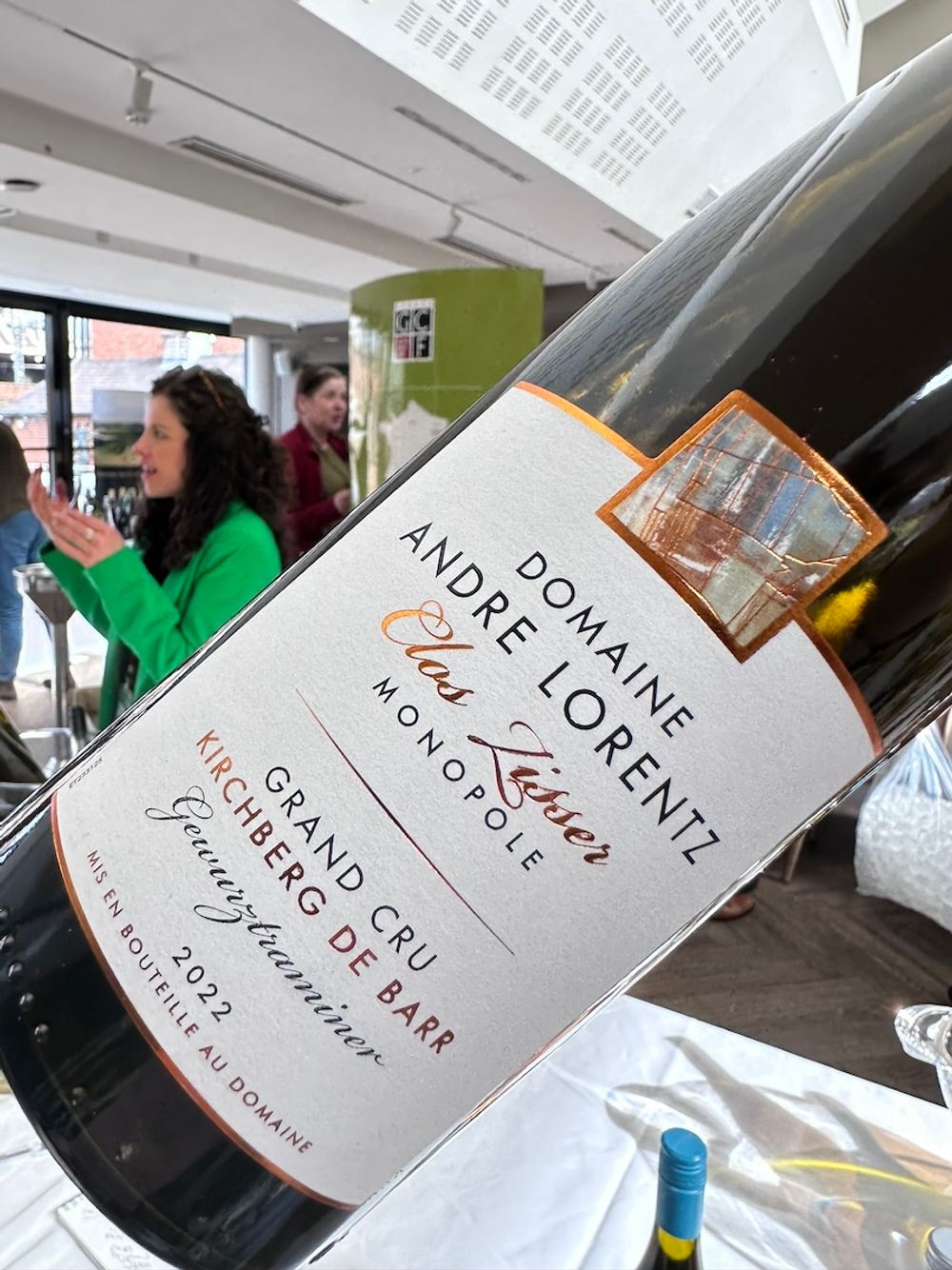
Domaine Andre Lorentz Gewurztraminer Clos Zisser Monopole 2022, Kirchberg de Barr, AOP Alsace Grand Cru
The grand cru site Kirchberg de Barr, north of the village of Barr,sees Gewurztraminer play the leading role with 53% of plantings. The wine is, as expected, full-bodied with a punchy spike of spice and tickles of ginger, with some rose petals, honey and tropical inflections. Andre Lorentz had married in to the Maison Klipfel; and an AOP Alsace Pinot Gris Cuvée Louis Klipfel on the neighbouring table was giving with quince, peach and apricot.
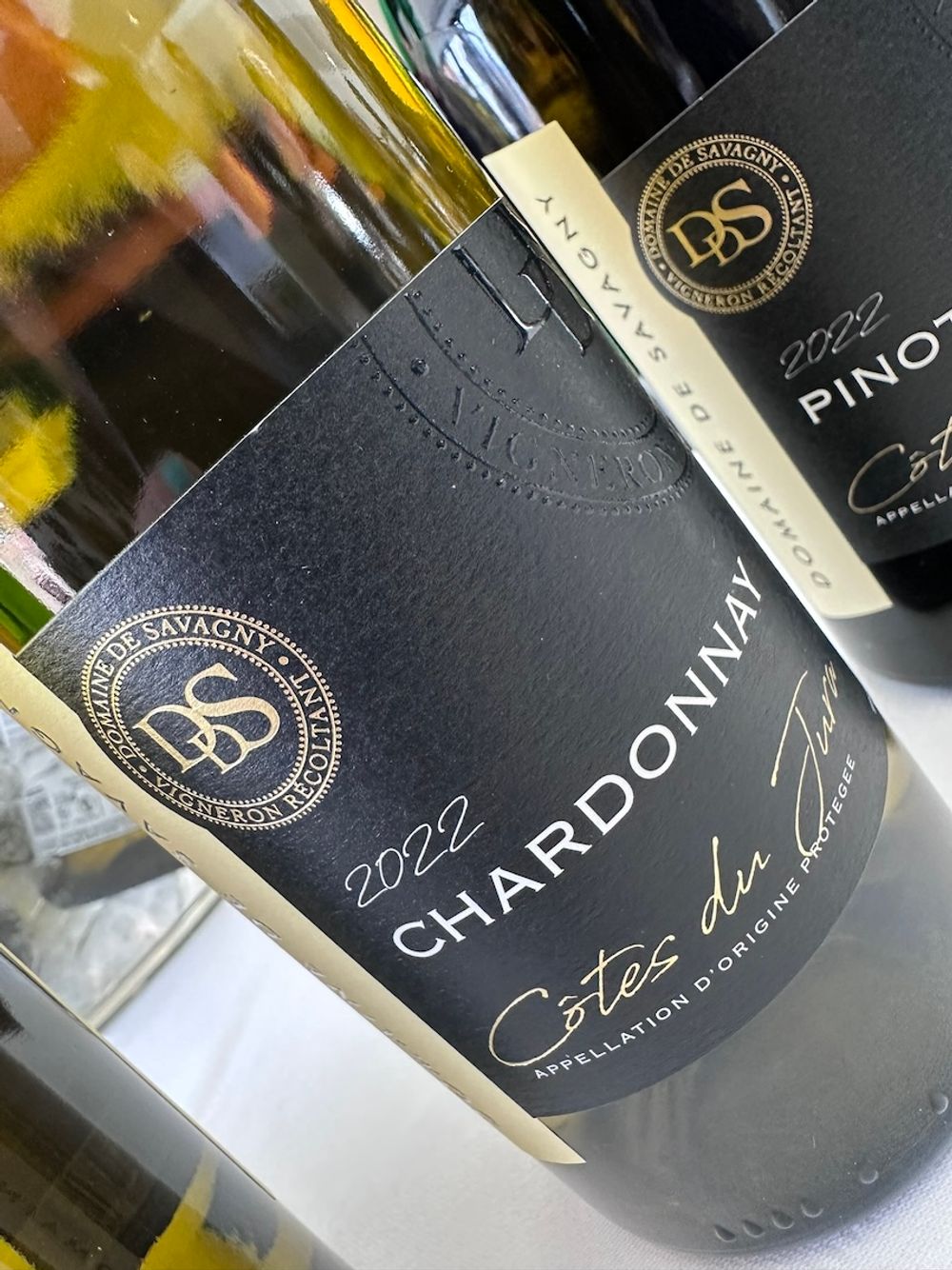
Domaine de Savagny Côtes du Jura Chardonnay 2022
Well, yes, of course, I wasn’t able to resist the Domaine’s vin jaune from AOC Château-Chalon; and it was everything to be expected from a wine with six years under le voile – the yeasty veil. And yet the Côtes du Jura Chardonnay (which is the most planted variety in the region (mainly for Crémant du Jura) also gave me a “pause to think” moment with pithy zests of lemon peel, quince and nuts.
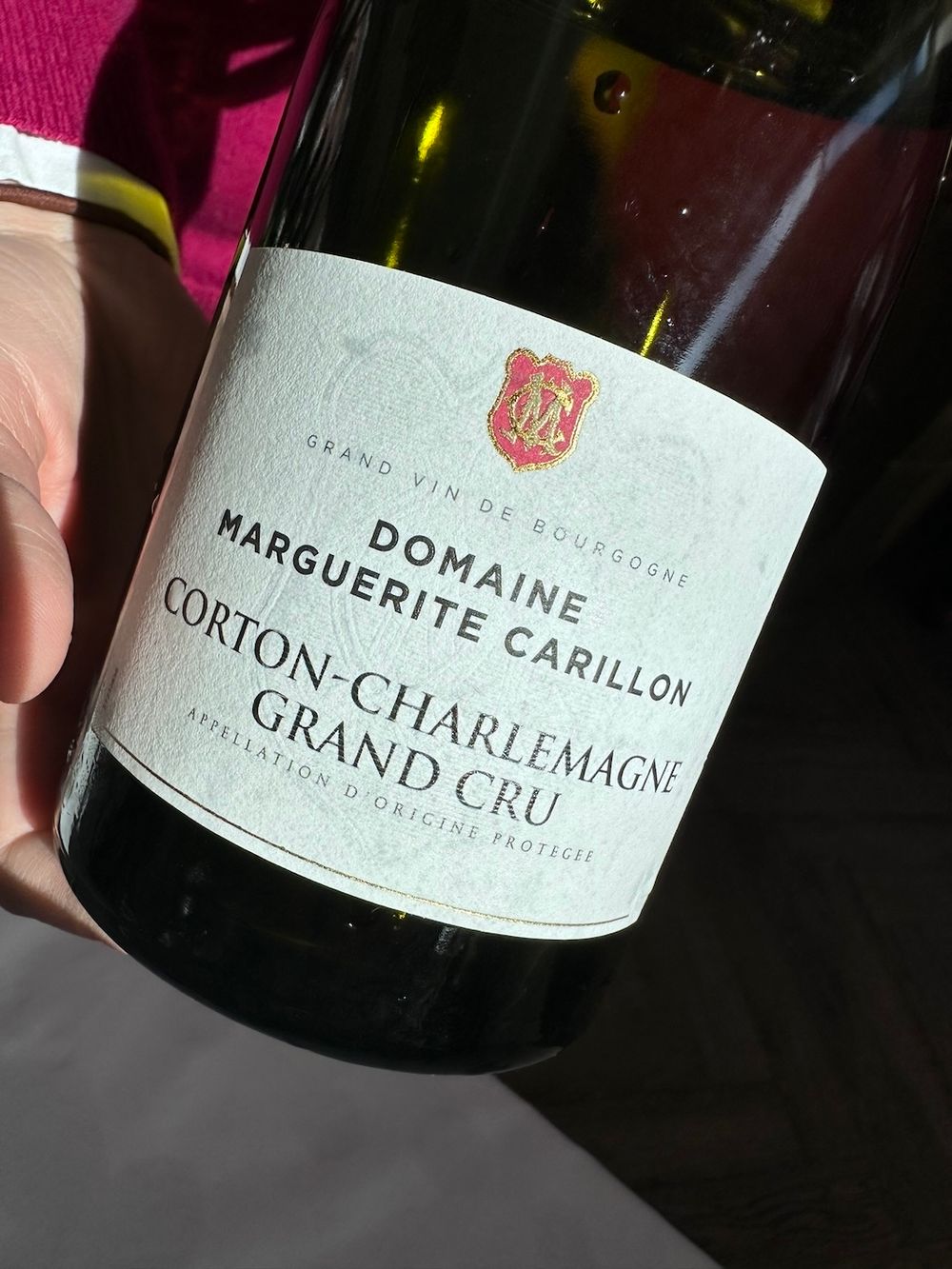
Domaine Marguerite Carillon Corton-Charlemagne Grand Cru
There was a delicious range of Bourgogne wines being showcased from within the GCF stable. I was drawn to this one with grapes from the north of the Côte de Beaune on the slopes of the Montagne de Corton. It is fermented in 50% new oak and is aged for 8 to 15 months in oak barrels, with regular bâtonnage. The wine was under-stated and had a supreme confidence – a subtle mix of peach, hazelnuts, butter and preserved lemons –and the flavours stayed on, and then on some more.
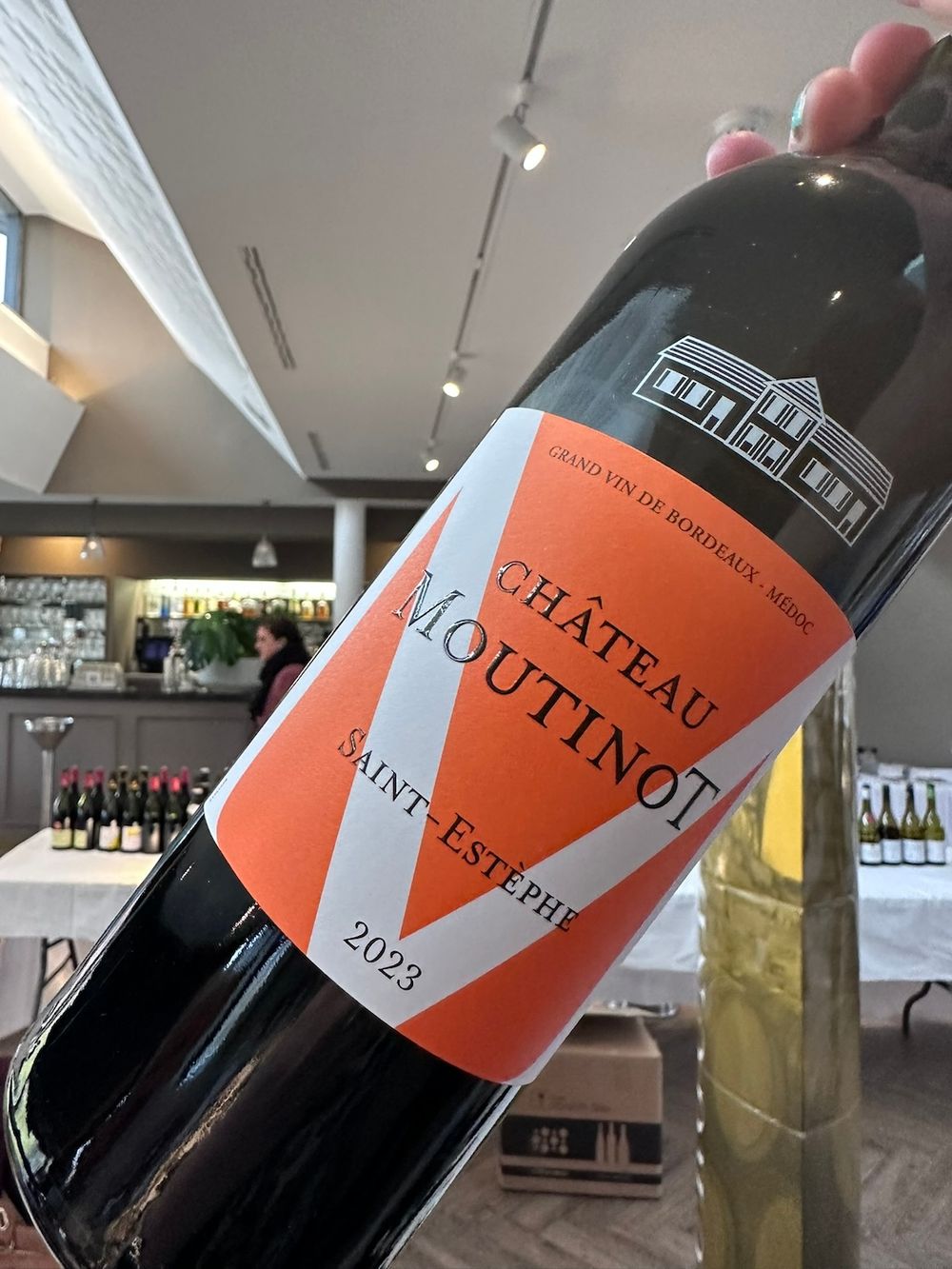
Château Moutinot Saint-Estéphe
This was one of the more popular Bordeaux wines (of which there was a great choice); and for a Left Bank, GCF has noted in the past that the Château’s wines often have more Merlot in the blend. Cabernet Sauvignon and Cabernet Franc are also playing roles in this vinous partnership.It has black cherries, blackcurrants, red cherries and plums and the palate also plays with cedar.
Carod Pétillant Naturel, L’Artisanal and crémants
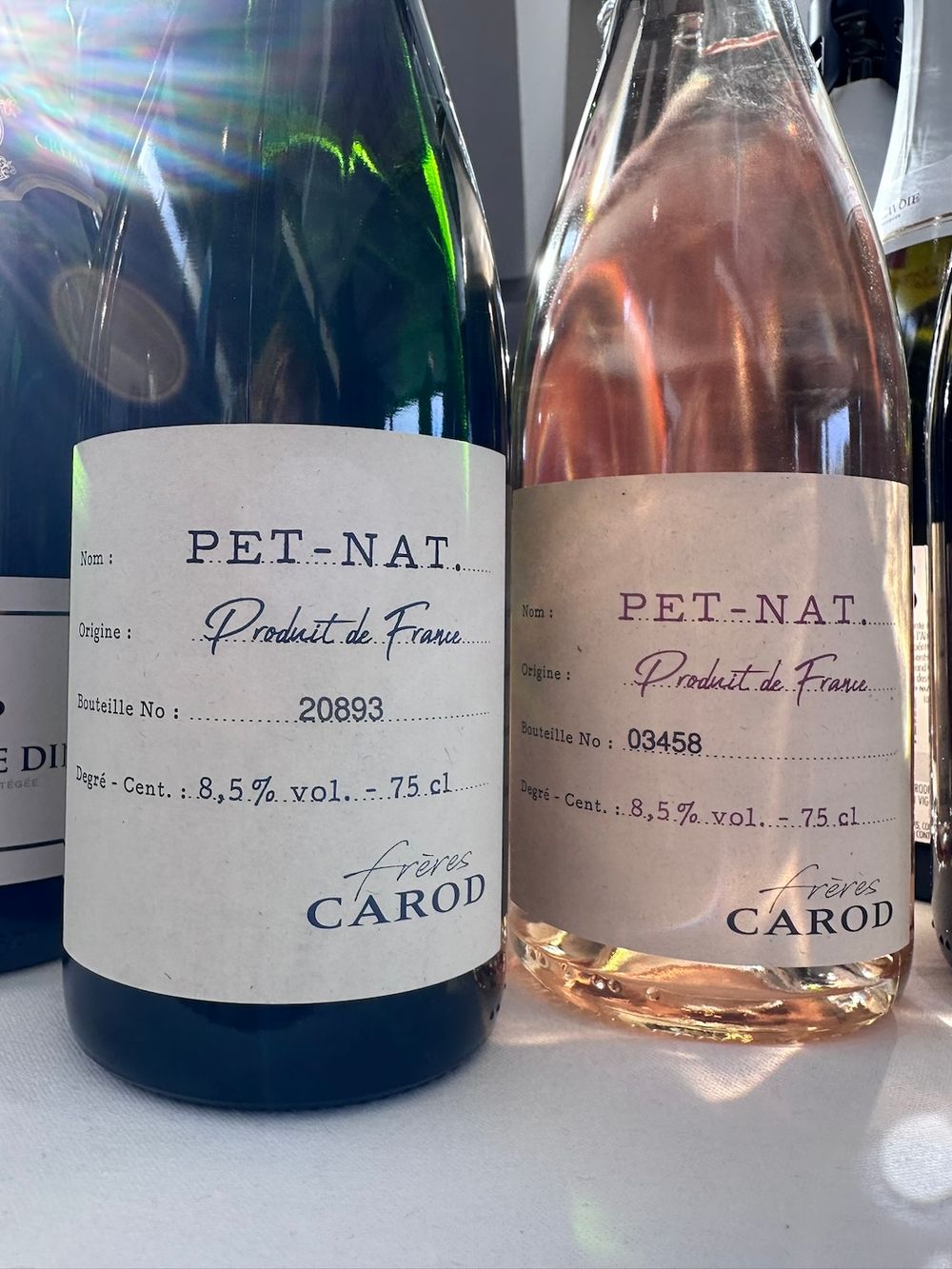
It was interesting to contrast a full range of crémant plus some other sparkling styles here. GCF’s portfolio means that it can offer “a rare opportunity to taste crémant from every producing region in France under one roof”. The gauntlet was thrown down in my direction and duly caught.
But first I was drawn to the white Carod Pétillant Naturel, L’Artisanal and its sister pink, Carod Pétillant Naturel, L’Artisanal Rosé. The white (pear, blossom with a biscuit base) and the pink (summery Muscat-ty orange blossom) were both 8.5% abv. I’d happily spend time in a garden/ outdoor wine bar/ with one of these.
And then a run across the crémants and there’s room for three of them: From the vibrant, minerality and burnt butter of Arthur Metz AOP Crémant D’Alsace Cuvee 110;to Maison du Vigneron and its Crémant de Savoie Cuvée 8 with quince and ripe apple and a little salinity; and Domaine de Savagny’s Crémant du Jura with lemon curd (and several ticks in my book). There was much to enjoy on this run of sparkling wines.
Domaine Clavel, Claire de Lune
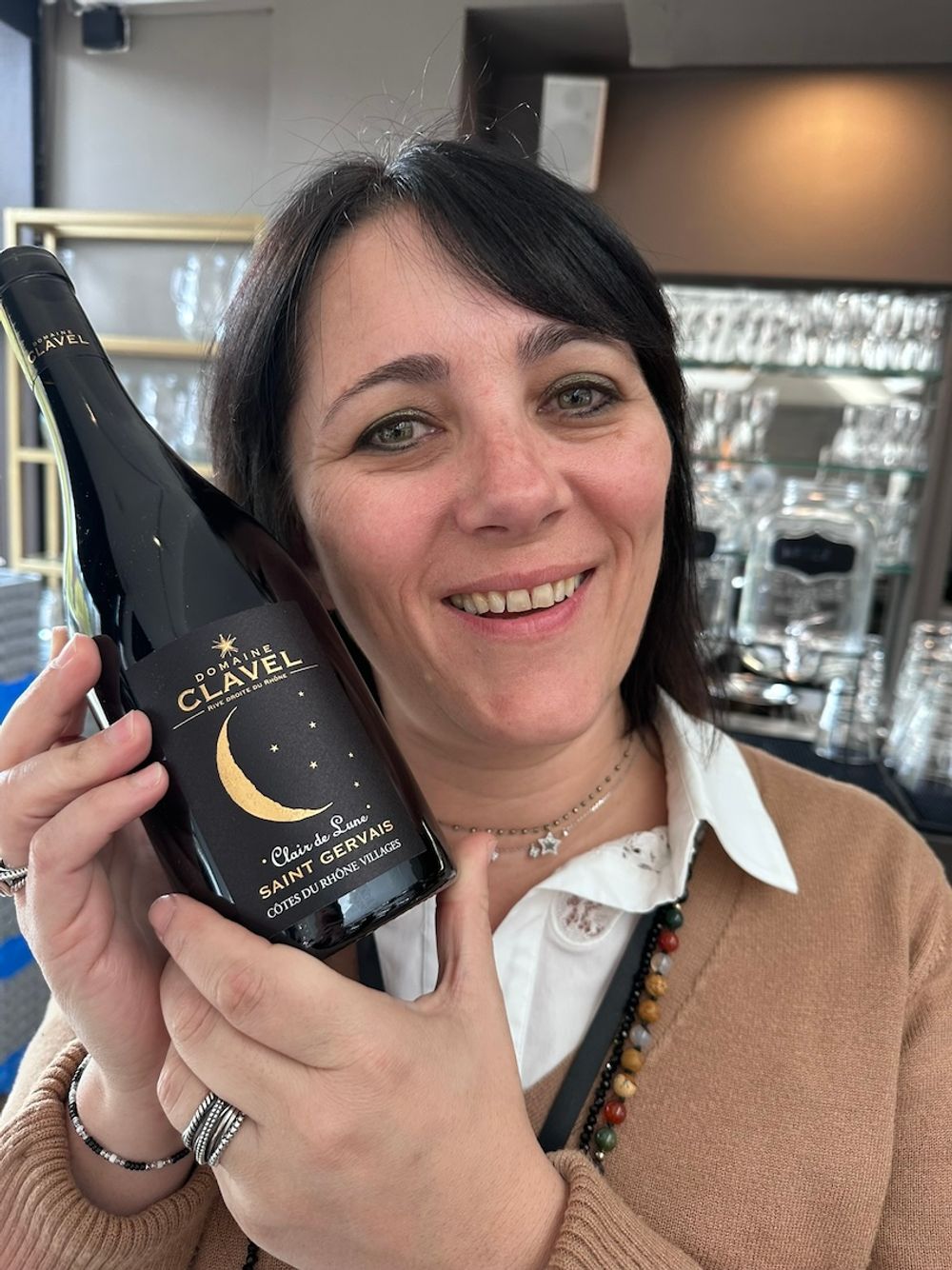
Winemaker Claire Clavel
When someone suggests “come over here and try this” then you do as you’re told. Winemaker Claire Clavel was on hand to pour and explain this white from Côtes du Rhône Villages St Gervais (which I’d been encouraged to taste by a fellow visitor). It’s 30% Viognier and 70% Roussanne both varieties bringing sunshine aromatics and some weight.The wine has been fermented in barrels and then aged on its fine lees for around eight months.
Las Niñas Mapuche
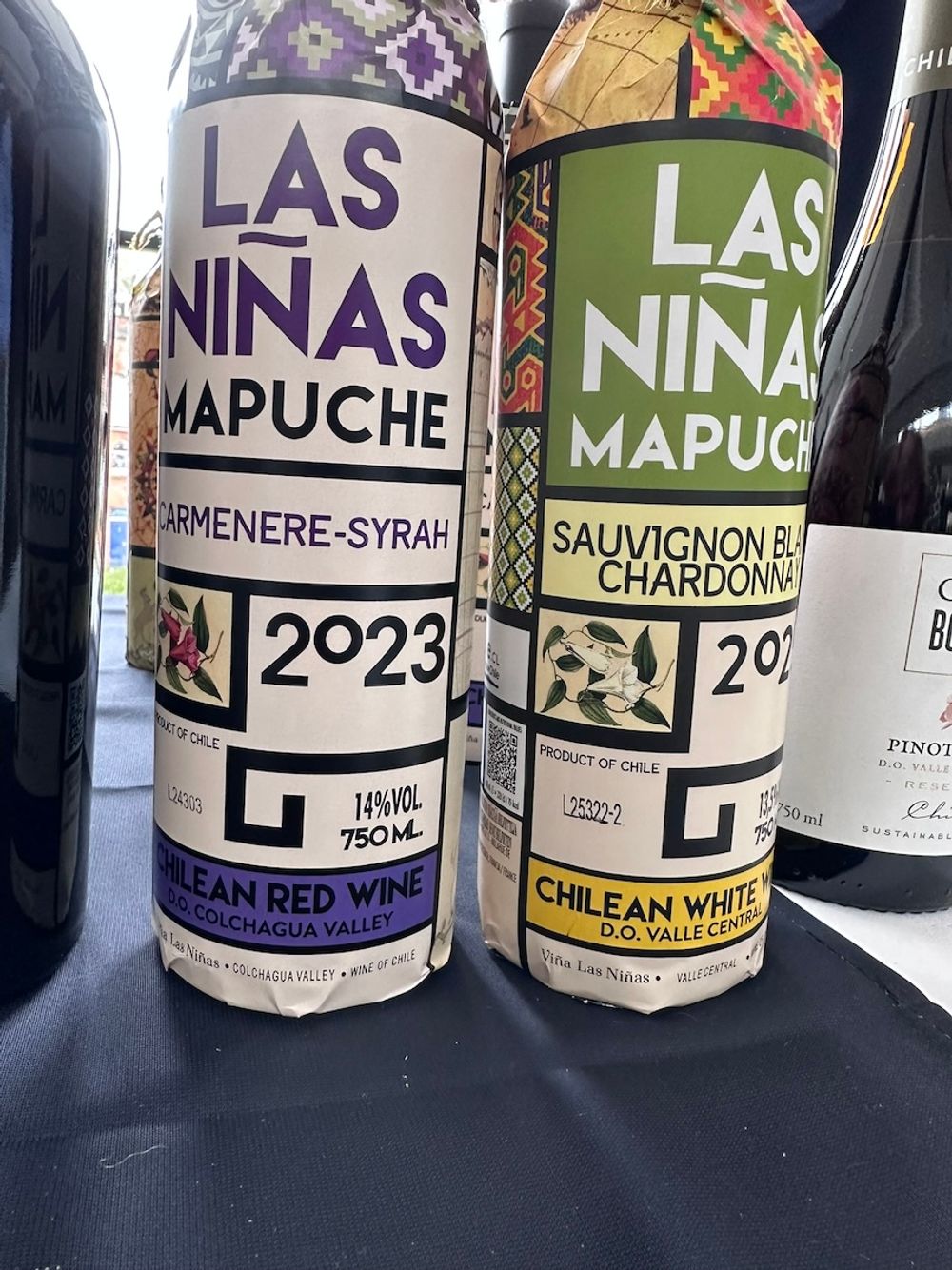
A duo of Chilean wines here, under the umbrella of Viña Las Niñas which had an enjoyable line-up on the day. And if ever there was a pair of labels to draw the eye, these are they. Mapuche Sauvignon Chardonnay is 70% Sauvignon Blanc and 30% of Chardonnay from the Central Valley and does what it is meant to do; refreshes and pleases. Its sister wine Mapuche Carmenère Syrah (from Colchagua) gives a hug of red fruits and vanilla. Both are very approachable wines, which are intended to be a tribute to the native people and their cultural heritage.
Two from the Leyda Valley
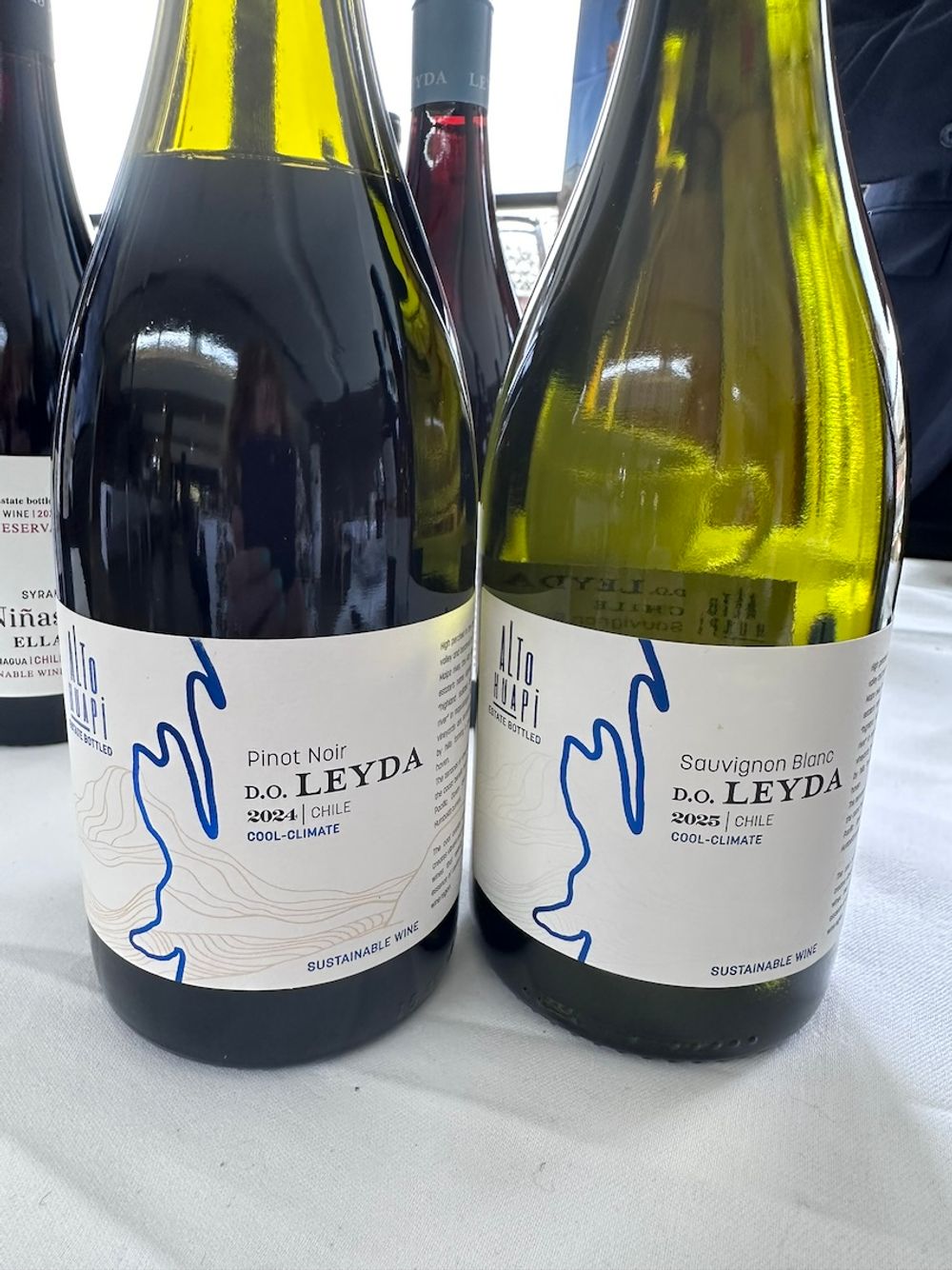
Alto Huapi Sauvignon Blanc from DO Leyda is as crisp as can be; with zests of lime, crunches of freshly cut green pepper, then dried herbs and grass. And again, this is another wine which was appearing with its stablemate; Alto Huapi Pinot Noir which was piquant yet dusty with dried raspberry and ethereal violets.
Lomo Alto
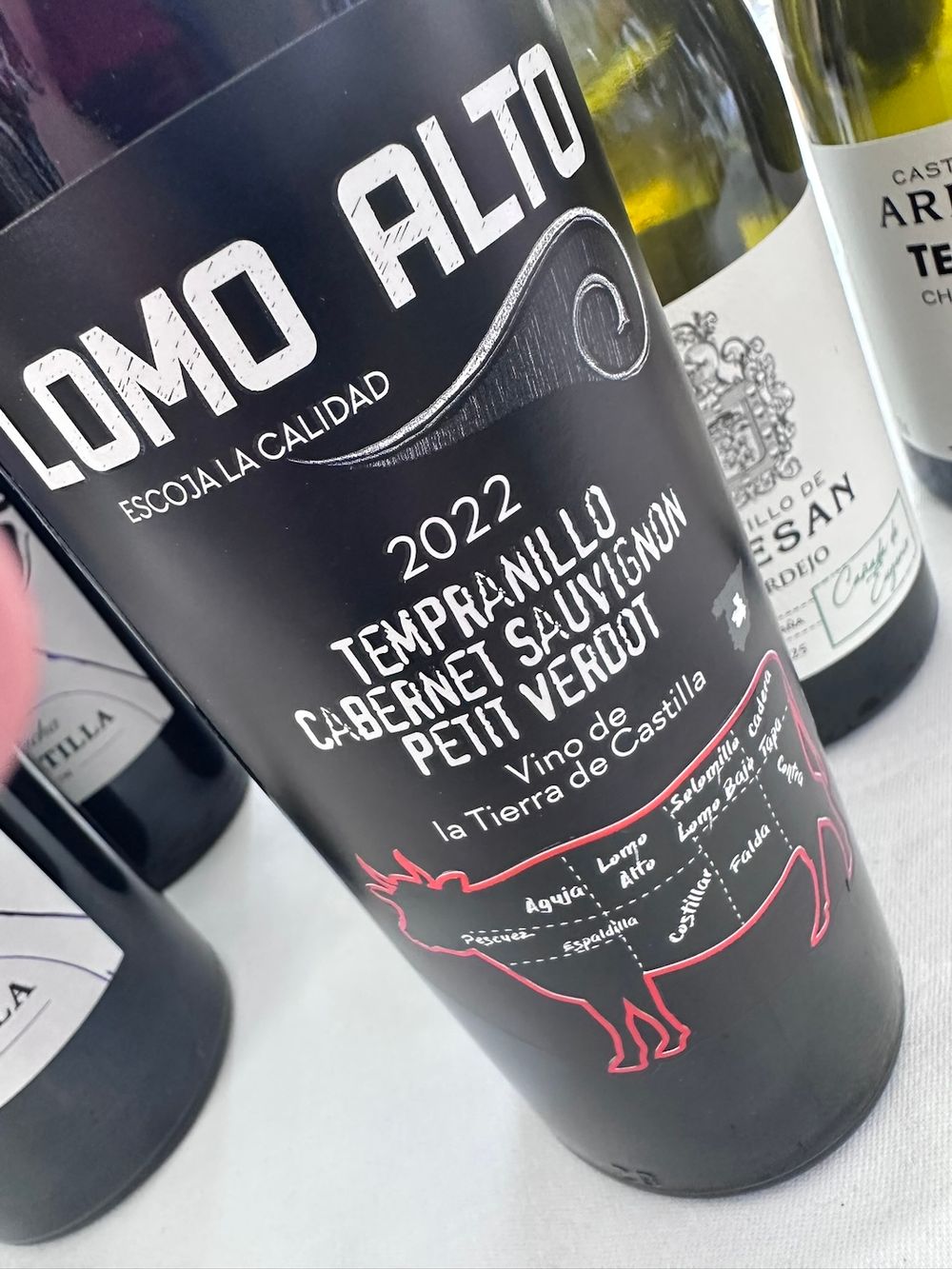
Well, hello. Lomo Alto is a blend of Tempranillo, Cabernet Sauvignon and Petit Verdot which grow in La Mancha, with the wine being IGT Vino de la Tierra de Castilla. I’m not the hugest fan of big bold reds yet I kept coming back to this; it makes a statement with dried fruit, figs, ripe red fruits, vanilla, toast crumbs and red liquorice.
* Les Grand Chais de France is a commercial partner to The Buyer. You can find out more about its portfolio of wines here.
Jane Clare DipWSET, the founder of One Foot in the Grapes, is a former regional newspaper editor, freelance journalist, WSET educator, and member of the Circle of Wine Writers and the Association of Wine Educators.