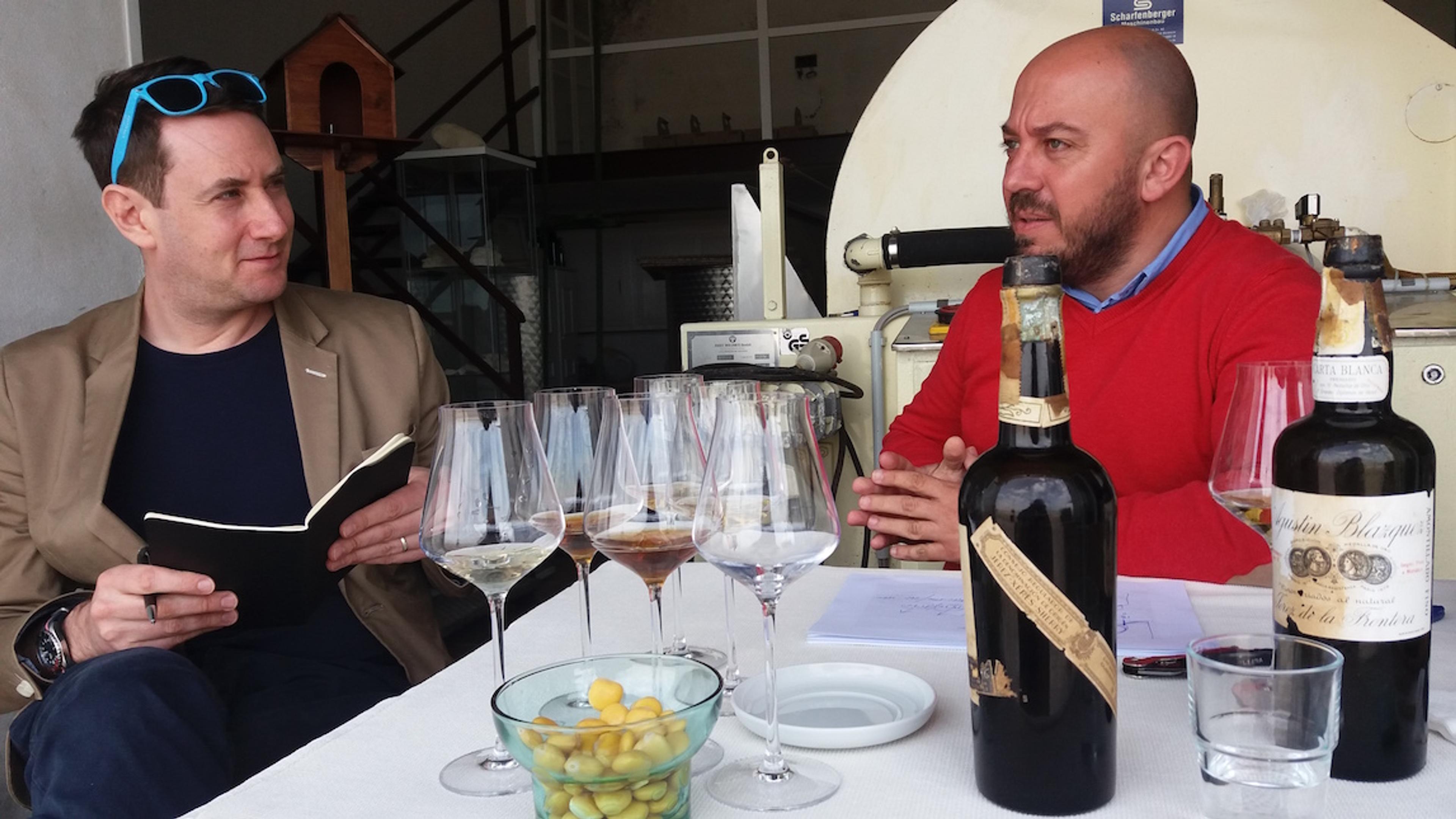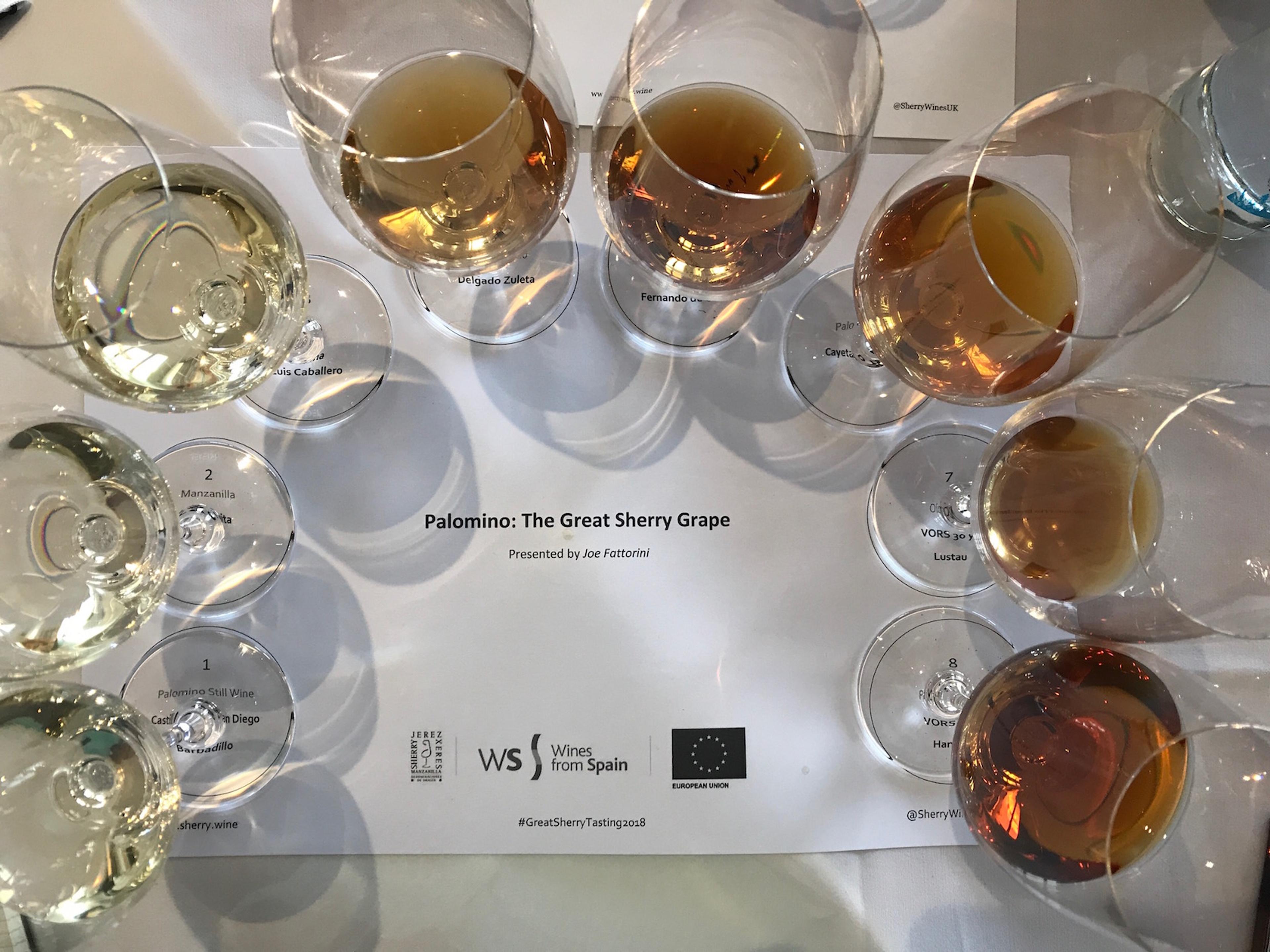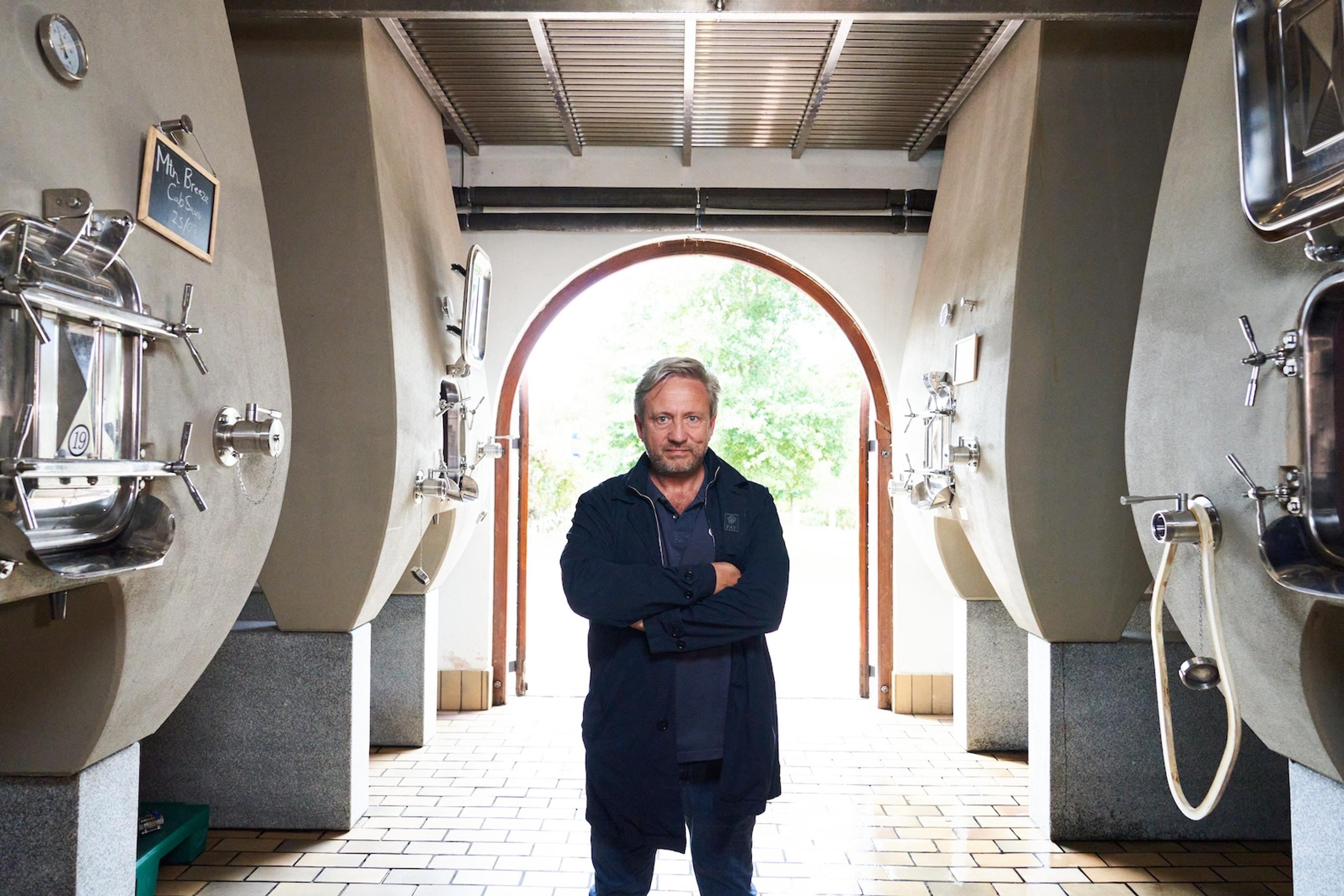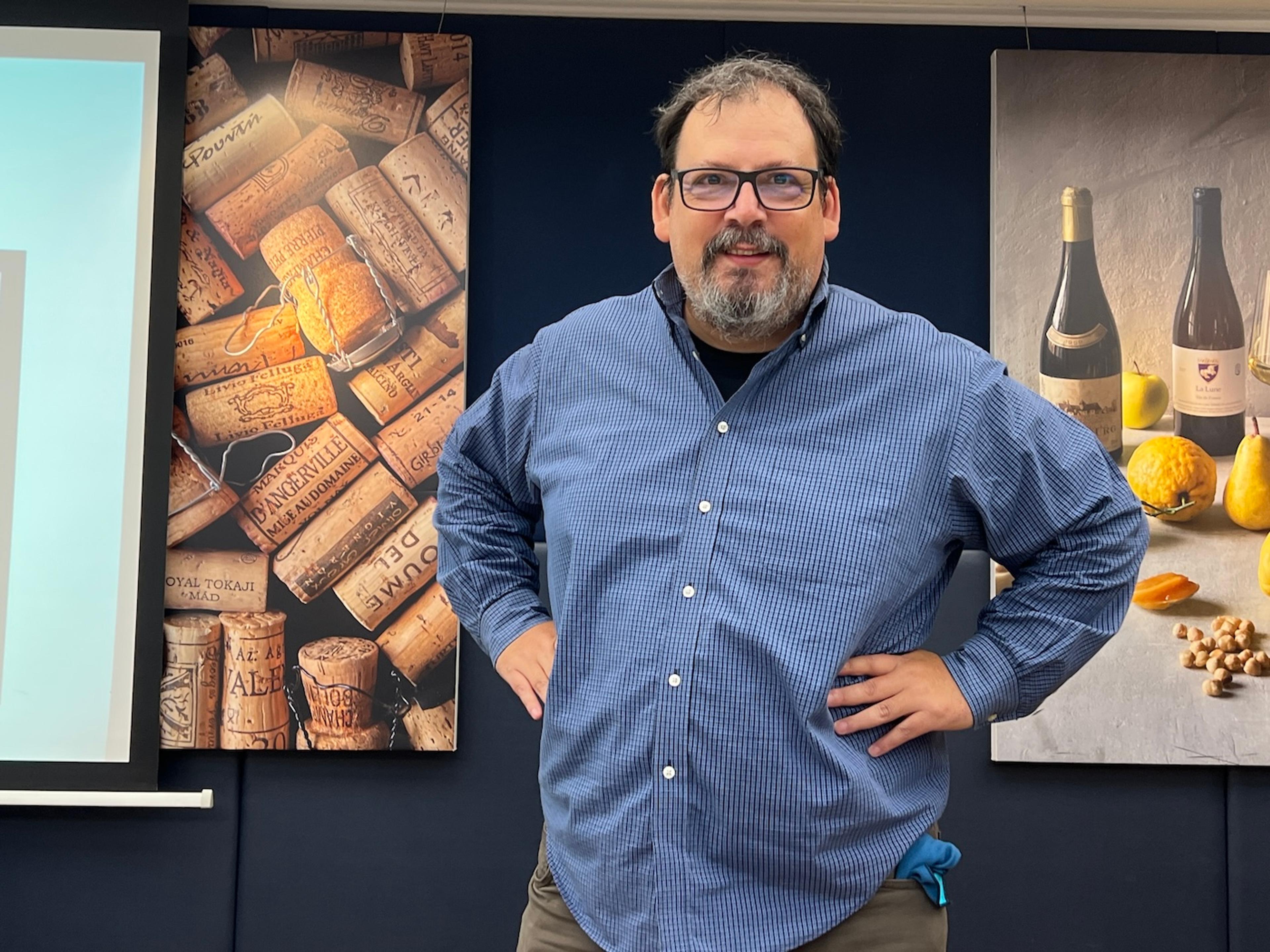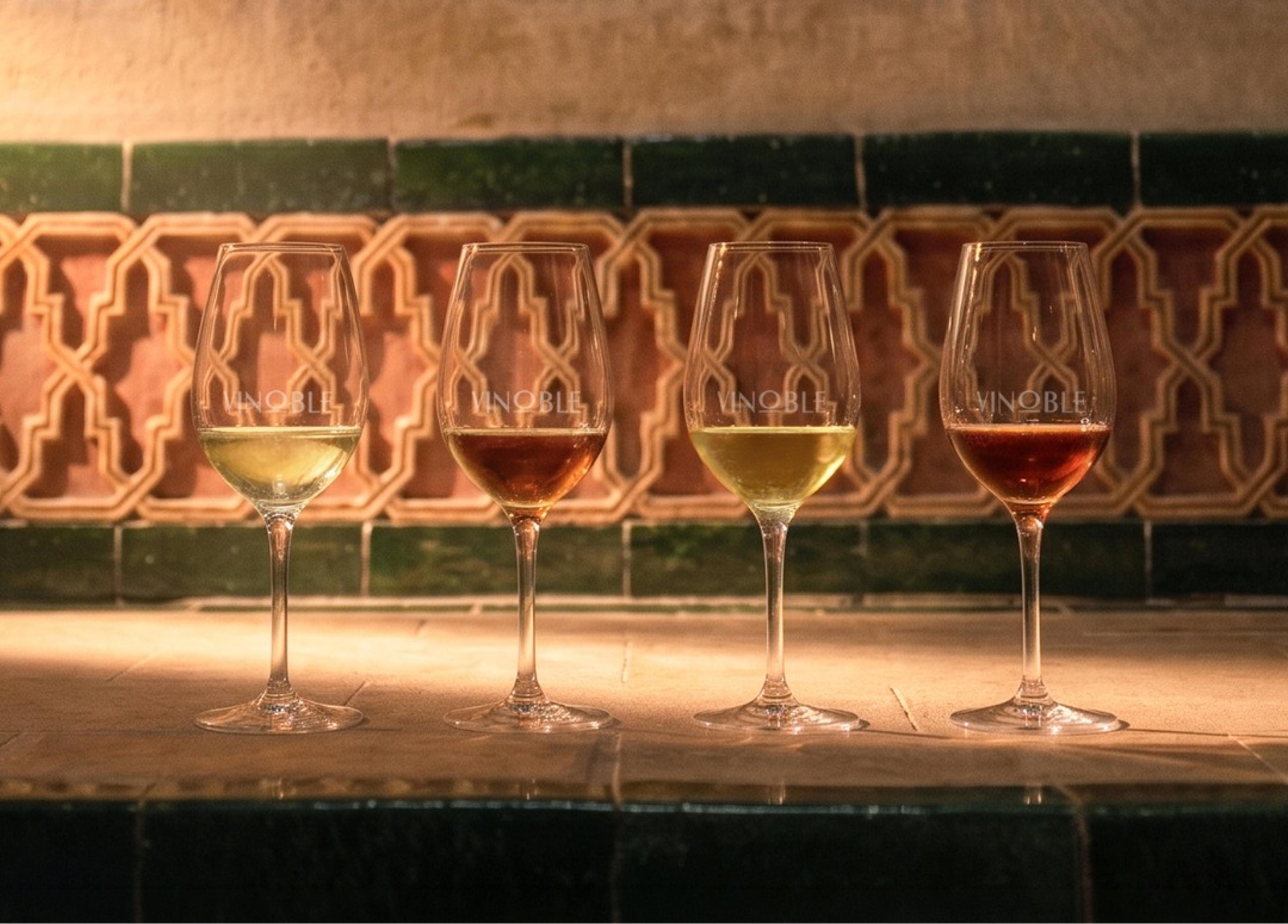

At Stansted airport, amongst the tracksuit-wearing holidaymakers, I spotted a dapper young man in a panama hat and tie. I bet he's off to Jerez, I thought. And so it proved when the flight landed and there he was at passport control. We were there for the biennial Vinoble, a three-day celebration of 'noble wines'. Temperatures were well up into the mid-30s but the Jerezanos were immaculately turned out in jackets and ties or long elegant dresses for the ladies. They dress to impress in Jerez.
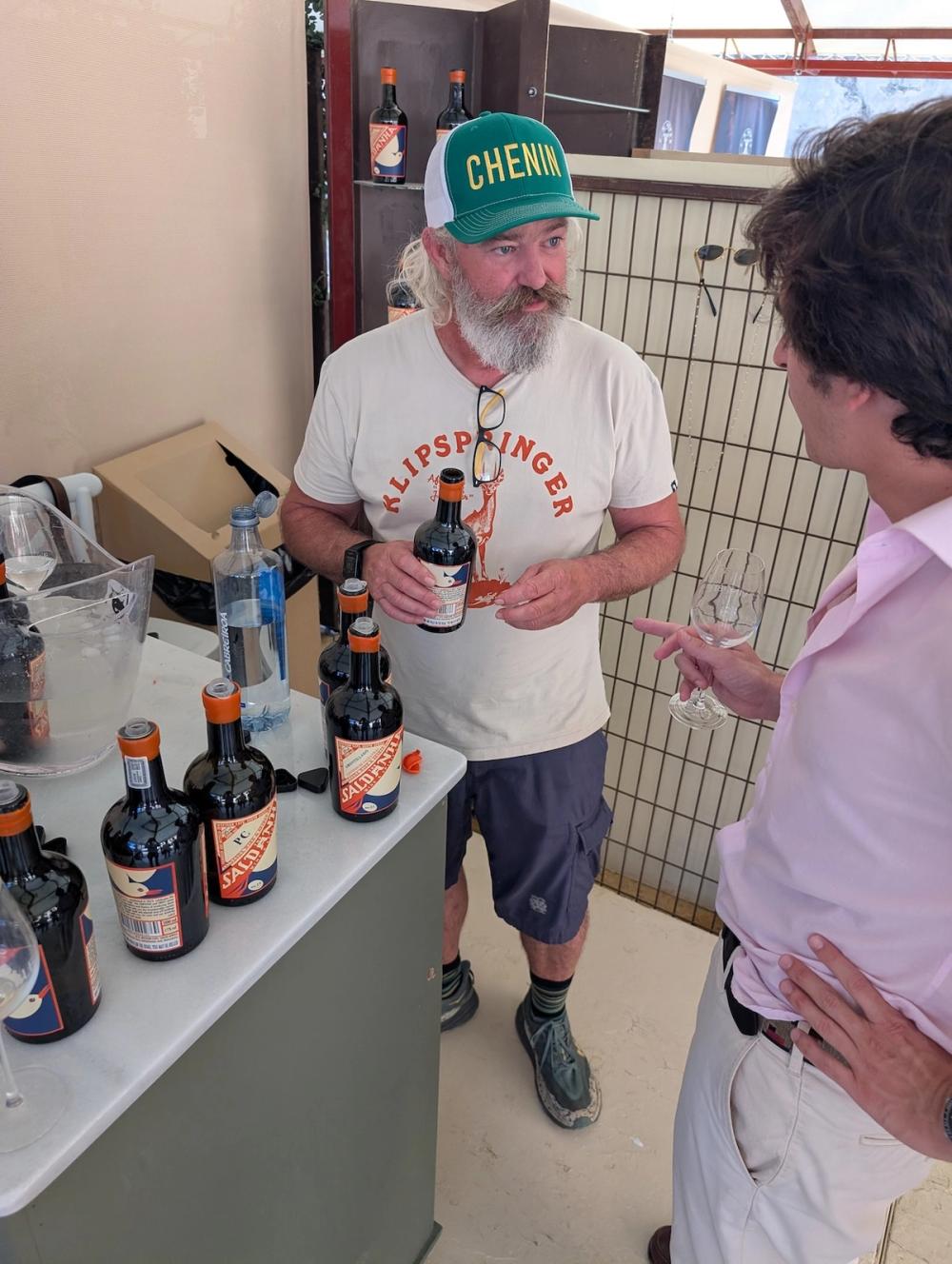
Taste of the unexpected - South African Adi Badenhorst pouring Cape Fino
As you would expect, sherry dominated but other fortifieds were represented. It was a joy to see South Africans Adi Badenhorst and a shoeless Selma Willemse with barely a word of Spanish between them pouring Cape Fino to baffled but curious Spaniards. On the first evening we were treated to a masterclass in fortified wines from France, Spain, Italy and Portugal held in a 1,000-year-old former mosque – only in Jerez!
It was the best of times, it was the worst of times
As always with sherry, there's a best of times and worst of times type message to take away from such events. Sherry is still in long-term decline in volume terms, though premium wines are growing by double digits according to Jan Petterson from Fernando de Castilla. These are not problems unique to sherry anymore. In fact, what sherry is doing to turn things around may provide lessons for the rest of the wine industry.

I was there as a guest of the Consejo Regulador, working with Chelsea Anthon, an ebullient Australian based in Barcelona. Her Sherry Week campaign won the Drinks Business Best Trade Campaign this year. The group was a varied bunch consisting of wine merchants including Clarence Tan from Jeroboams, the dapper chap from the airport, influencers, and former MasterChef winner Ping Coombes, all with differing levels of knowledge about sherry.
Vinos de Albariza
The busiest tent at the fair contained unfortified (confusingly referred to as ‘still’ wines as if proper sherry was sparkling) wines from producers like Luis Perez and Cota 45 (which I have written about before). It required sharp elbows to even get to their tables. These come from some of the great pagos (a word roughly equivalent to a cru in Burgundy) like Macharnudo and Miraflores. They're made from Palomino Fino (on the whole) but with no spirit added. From 2022, Fino and Manzanilla no longer need to be fortified so long as they achieve 15% natural alcohol. There were also table wines from famous vineyards with lower alcohol and little or no flor-ageing which aren’t, strictly speaking, sherry.
While you would never confuse Palomino with Riesling, these wines demonstrate that in the right hands, distinctive, complex wines can be made in the sherry region without long ageing. It's not just the young Turks like Ramiro Ibáñez from Cota 45, traditional bodega Barbadillo has taken to table wines in a big way. You could taste the family resemblance in the unfortified Mirabrás 2024 next to a 2021 vintage (yes vintage) Manzanilla from the same vineyard.
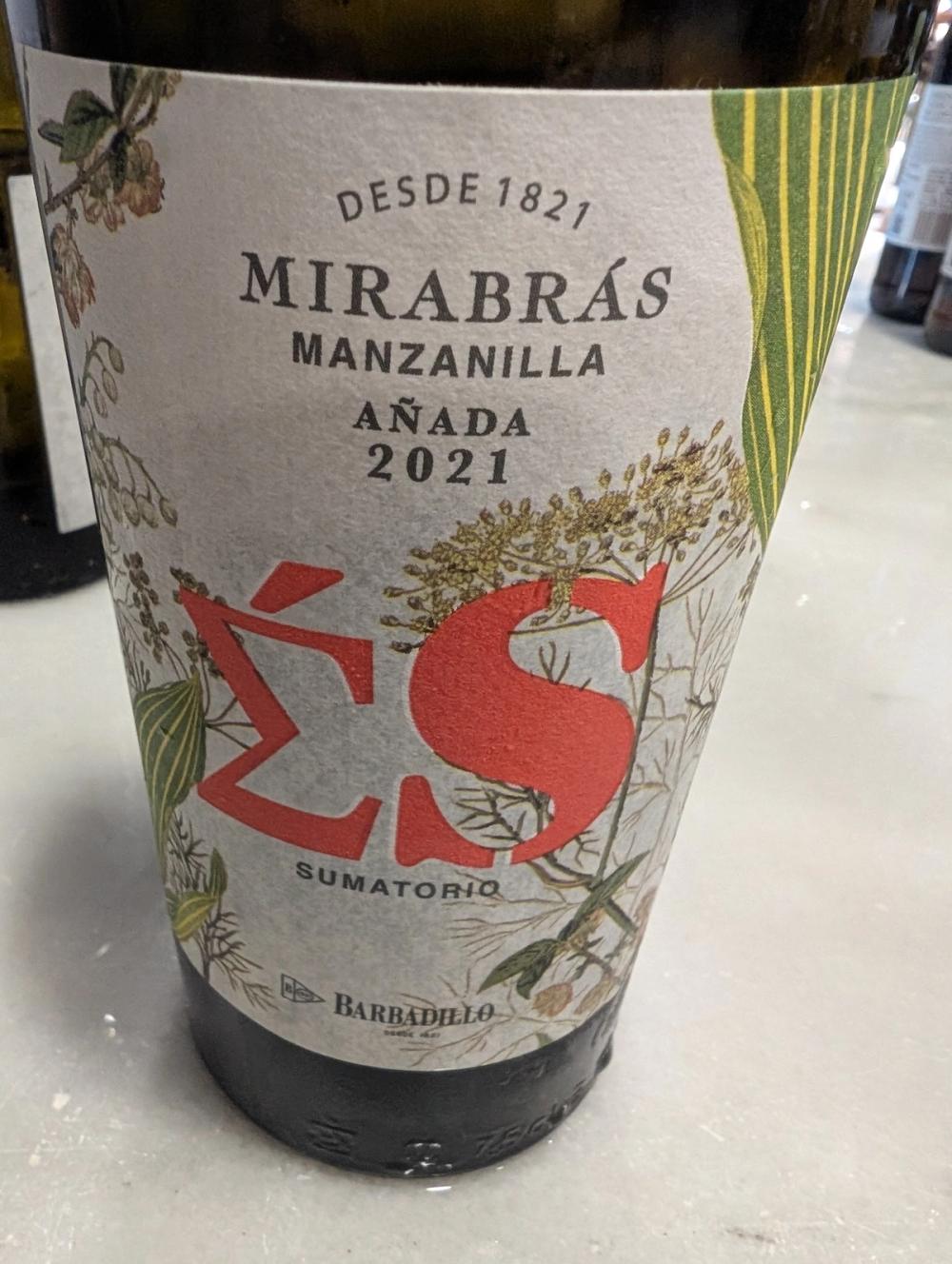
At the moment, these lower alcohol wines are designated Vino de la Tierra de Cádiz, a lowly IGP (Indicación Geográfica Protegida), with some producers adopting the name Vino de Pasto, a term that means table wine. But now a new DO which has been agreed and just needs ratification from the EU called Vino de Albariza, named after the region's famous chalky soil, which will be strictly a high-quality wine. According to Tim Holt from Barbadillo (one of the main drivers) the new DO will apply to “just the white varietals and pago specific – so 85% of grapes need to come from a particular pago.”
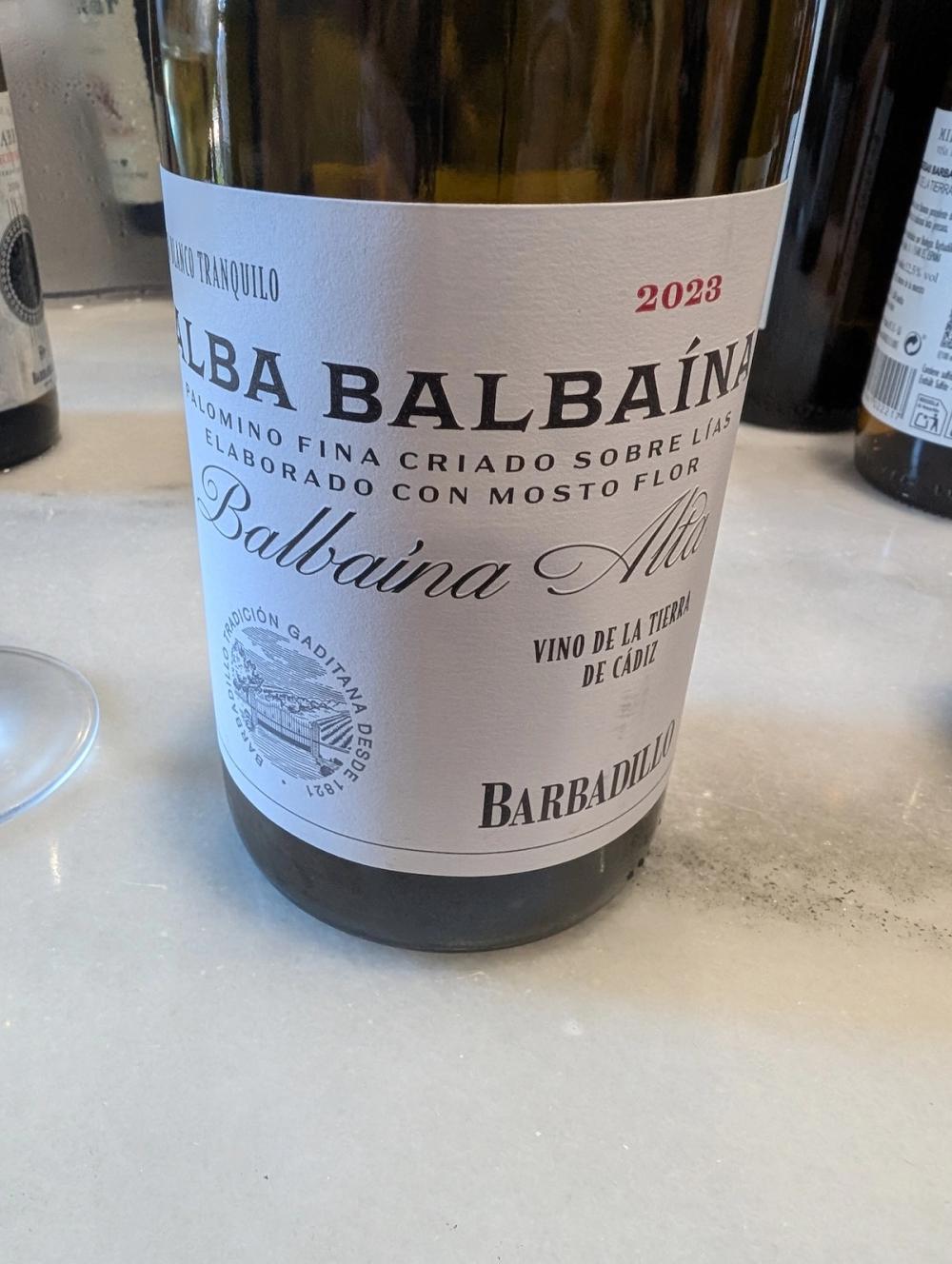
While it will be overseen by the Consejo Regulador, Vino de Albariza, which could come in as early as next year according to César Saldaña, president of the Consejo Regulador, will be separate from the sherry DO, which I think might be a missed opportunity to build a ladder of sherry appreciation from fruity complex table wines up to VORS Amontillado. But one can appreciate why they thought it simpler to keep the two styles separate so as not to confuse people… any more.
What is sherry?
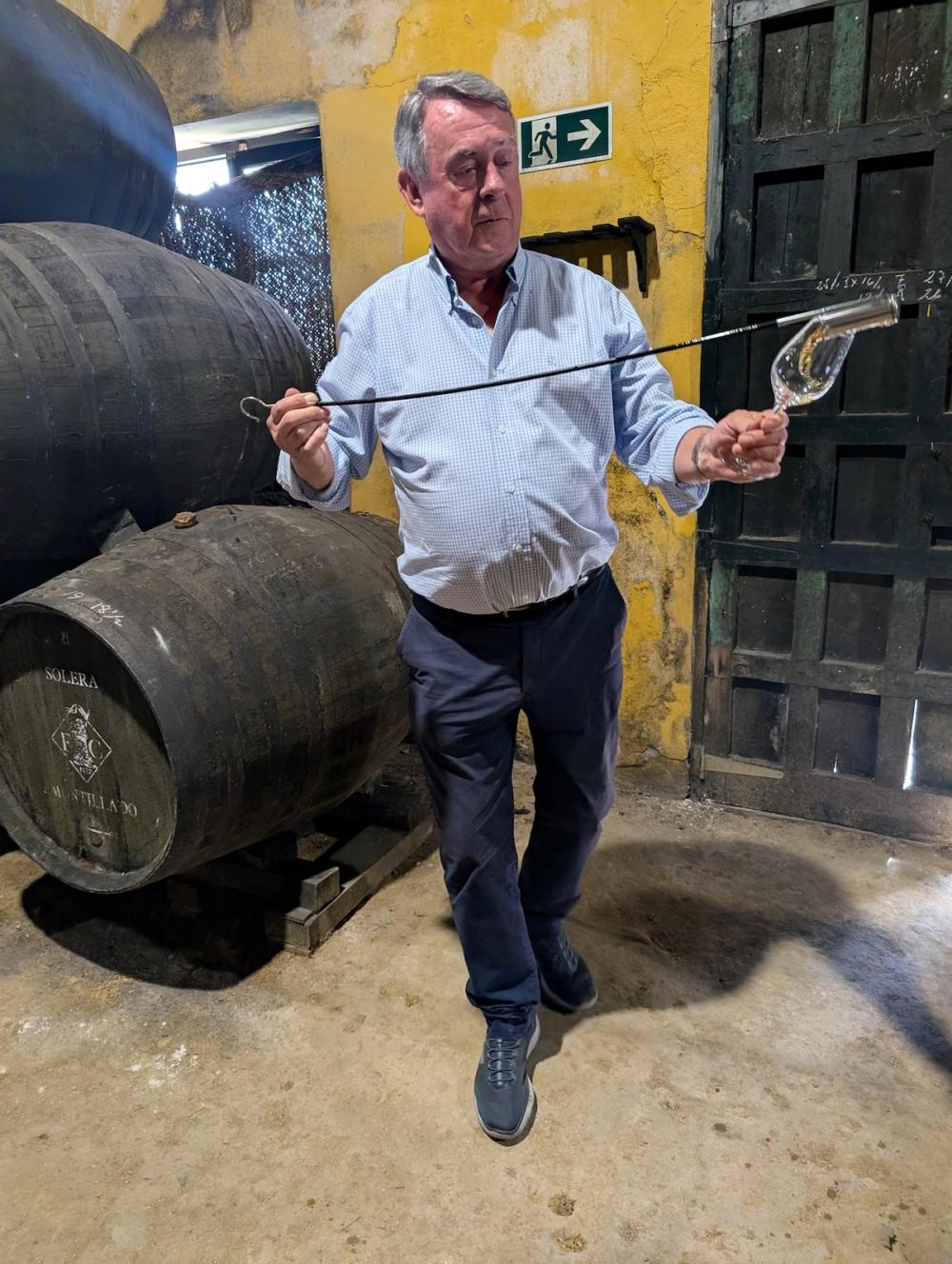
Too many wines were aimed at "old ladies with blue hair from Huddersfield." Jan Petterson at Fernando de Castilla
All this needs explaining to the customer. The answer to 'what is sherry?' is 'how long have you got?' There are so many different styles and you can no longer say that it is always a fortified or a solera wine. Just to confuse matters further, Fermin Hidalgo from Hidalgo La Gitana told us when we visited his bodega in Sanlúcar de Barrameda that there's talk of bringing minimum alcohol levels for Fino and Manzanilla down to 14% abv.
There's no reason why sherry can't change. The region was once at the cutting edge of technology. One of the first railways in Spain was built in Jerez to transport wine to the port. Fino and Manzanilla are creations of the 19th century. Solera ageing didn’t become normal until the 1850s. Before phylloxera there were dozens of grape varieties. The routine addition of alcohol for lighter styles only happened in the 1970s when sherry became something made in the cellar rather than the vineyard. Hidalgo said: "people have forgotten about vineyards since the 1970s."
Jan Petterson from Fernando de Castilla also dates most of the problems back to that period. There was a big boom in wines aimed at "old ladies with blue hair from Huddersfield." Too many vineyards were planted and he said, "the image changed from one of the most highly regarded wines in the world." Previously Macharnudo was as prestigious as Montrachet. The new wave wines represent a rediscovery of sherry's heritage. The problem is explaining that all these wines are in some ways sherry, even the ones that aren't.
Education, education, education and food
With wine education, there’s always a danger of boring your customers with talk about chalk or schist, but events like Sherry Week are vital in getting people to try the wines. They require handselling but make perfect sense when served with food. Jan Petterson from Fernando de Castilla has a rule of thumb: "If it swims, Fino; if it flies, Amontillado; if it runs, Oloroso." It was fascinating being with Ping Coombes, a sherry neophyte, who was always coming up with mouth-watering ideas, like serving an Oloroso with Chinese duck. Japan is the fourth biggest export market for La Gitana because the food suits the wine "they love the umami," Hidalgo explained.
Tourist potential
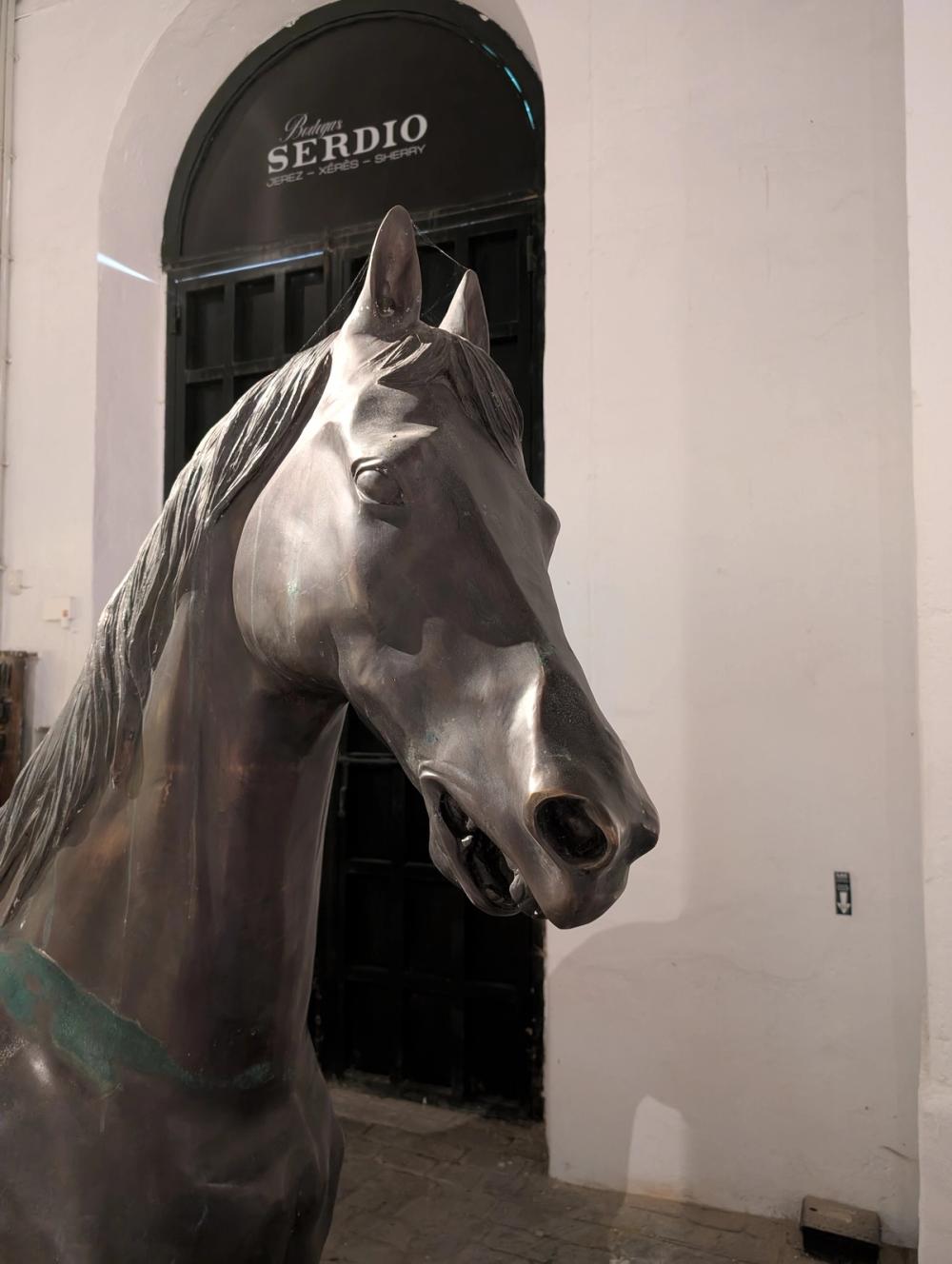
The bars and restaurants of Jerez are wonderful and absurdly cheap by British standards and yet tourism is remarkably undeveloped compared with Porto, for example. A new name, Bodegas Serdio, is looking to change that. It's managed by Lorenzo García-Iglesias Soto, formerly of Tradición. We were shown around the day before the official opening.
The cellars and soleras used to belong to Urium but they have been transformed with a gallery of bronze sculptures depicting horses and bulls and a vast museum of 19th-century carriages, the bodega's logo. They are currently converting a palace into a 40-room luxury hotel. They haven't stinted on the viticultural side, acquiring vineyards in two of the best-known grand crus: Macharnudo in Jerez and Maina in Sanlúcar.
At Hidalgo La Gitana in Sanlúcar, the family has added a bar and restaurant since I last visited in 2018. The old warehouse has been reconfigured so there's an events area. They now welcome around 15,000 visitors a year. Tourism has huge potential as do the lighter wines. Fermin Hidalgo commented: "I think lower-alcohol wines will bring people in. They are an introduction to sherry."
Vino de Albariza represents an opportunity for sherry. While they are not technically sherry, they are recognisable as part of the sherry family and make a great stepping-stone for palates raised on Chardonnay. They also represent a problem to be solved for all the educators, communicators and marketers out there. As my old boss at Oddbins used to say, it’s not a problem, it’s a challenge.
Five wines to try, sherry and nearly sherry
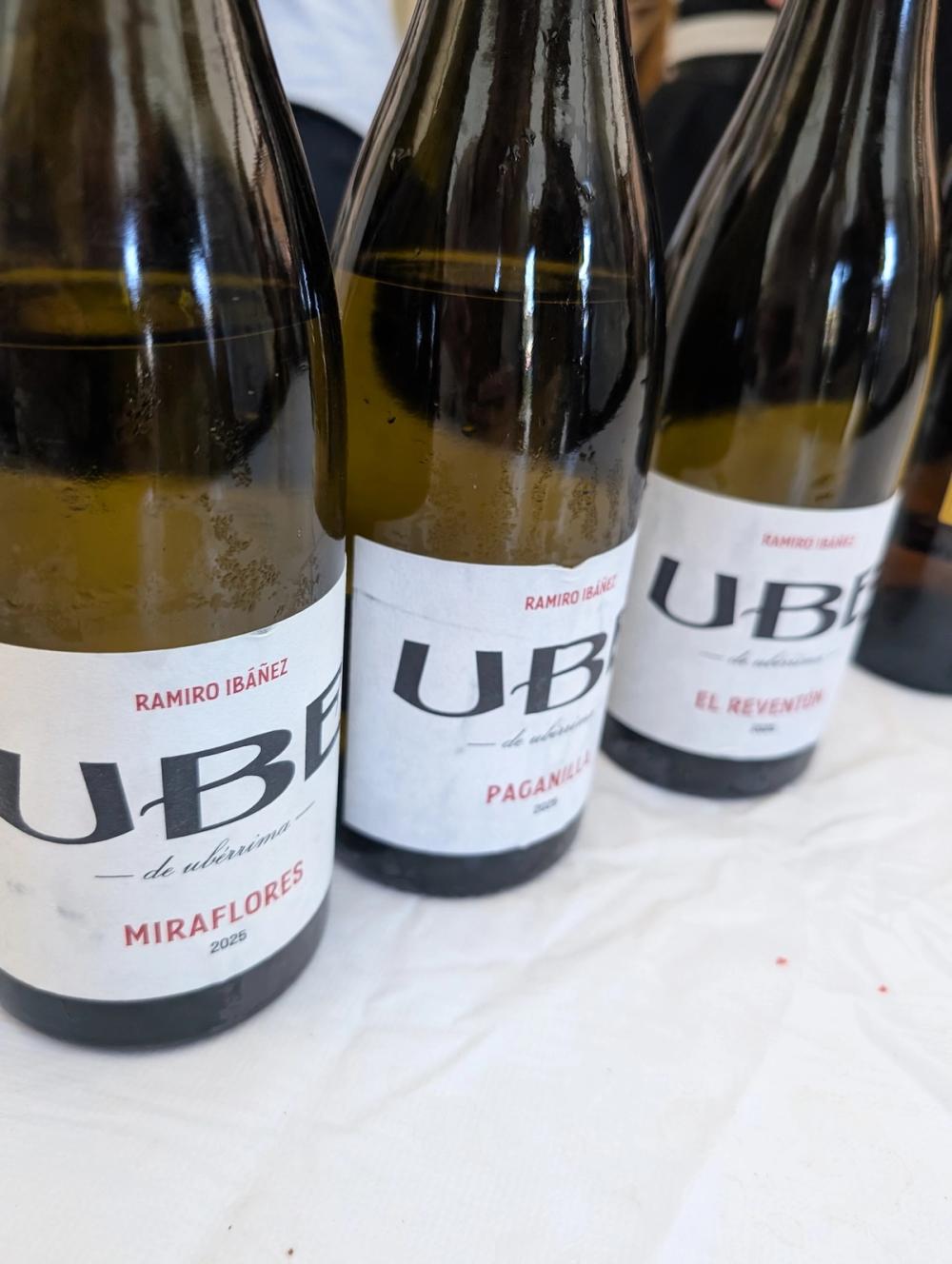
Bodegas Cota 45 Ube de Ubérrima Paganilla Vino de la Tierra de Cádiz2024
100% Palomino from Pago Paganilla in the Sanlúcar de Barrameda. Aged in old barrels with some flor influence. RRP: £25
Delicate green apple, white peach and a touch of toffee on the nose. While some table wines can be a bit lacking in fruit this has a distinctive character and a crispness with a creamy almond finish. A great introduction to new wave (nearly) sherry.
Barbadillo Mirabrás Vino de la Tierra de Cádiz 2024
From Mirabrás vineyard in Sanlúcar. Aged in ex-Manzanilla cask with some flor ageing. RRP: £20
Distinctive green apple on the nose with some nutty oxidative notes. Almonds, toasted bread and citrus on the palate. Quite a lot of Manzanilla character. Henry Lloyd from Fortnum & Mason described it as “like champagne gone flat,” in a good way!
Hidalgo La Gitana Manzanilla En Rama 2026 bottling
Tasted straight out of the cask in Sanlúcar but similar to the ‘En Rama’ 2026 bottling. RRP: £20
Very fresh on the palate, tangy, salty, lively and youthful. Long finish with bready nutty notes. It’s like the standard bottling with all the flavours intensified. Sanlúcar in a bottle.
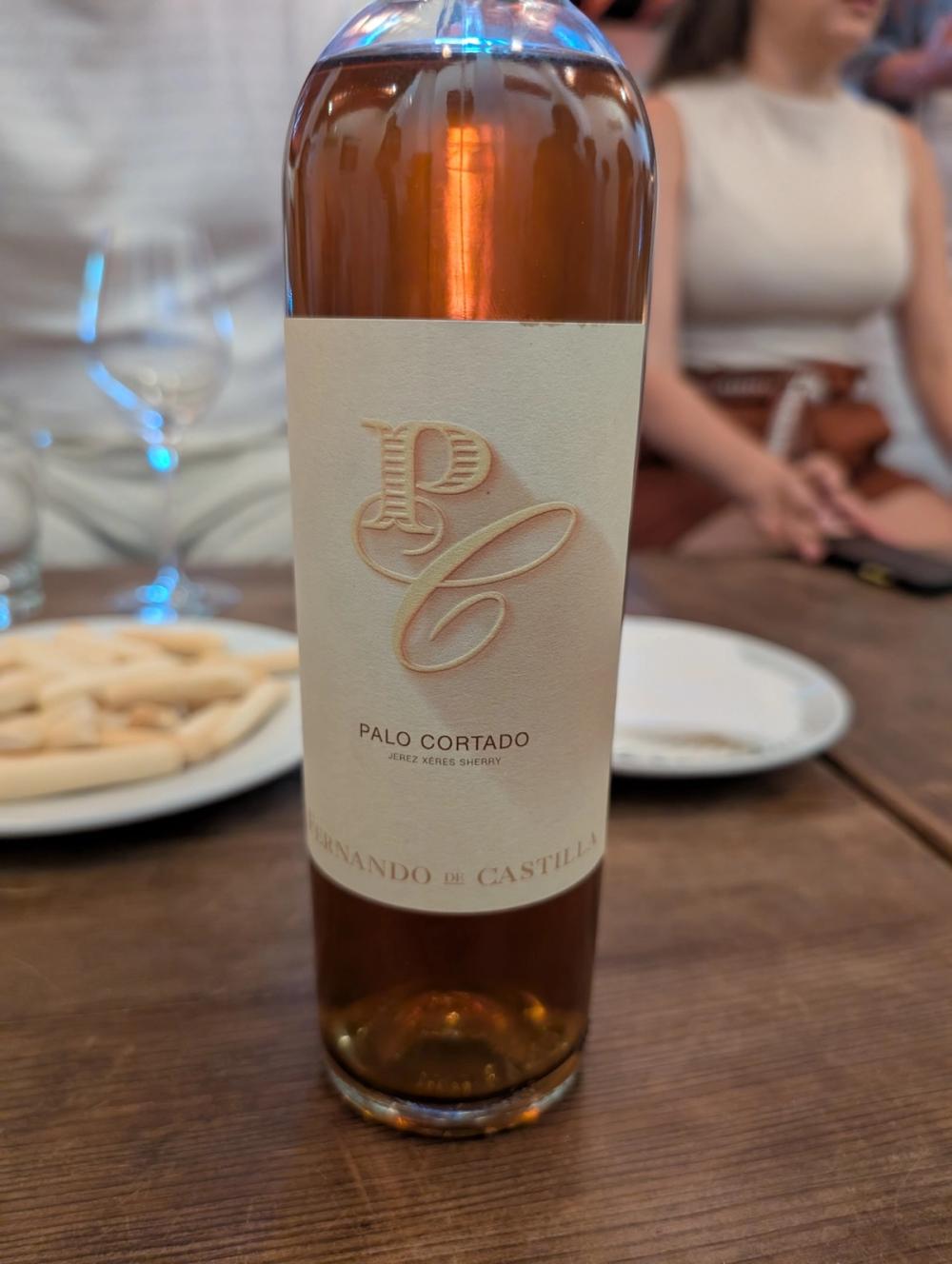
Rey Fernando de Castilla Palo Cortado "Antique" Jerez-Xérès-Sherry
Average age of 30 years. RRP: £42
The wine is a deep gold colour. The nose is heady with orange peel, ginger biscuits and toasted almonds. Intensely dry on the palate, definitely at the more Amontillado end of Palo Cortado spectrum with off the scale levels of nuttiness. Very, very long. You can taste this 15 minutes later.
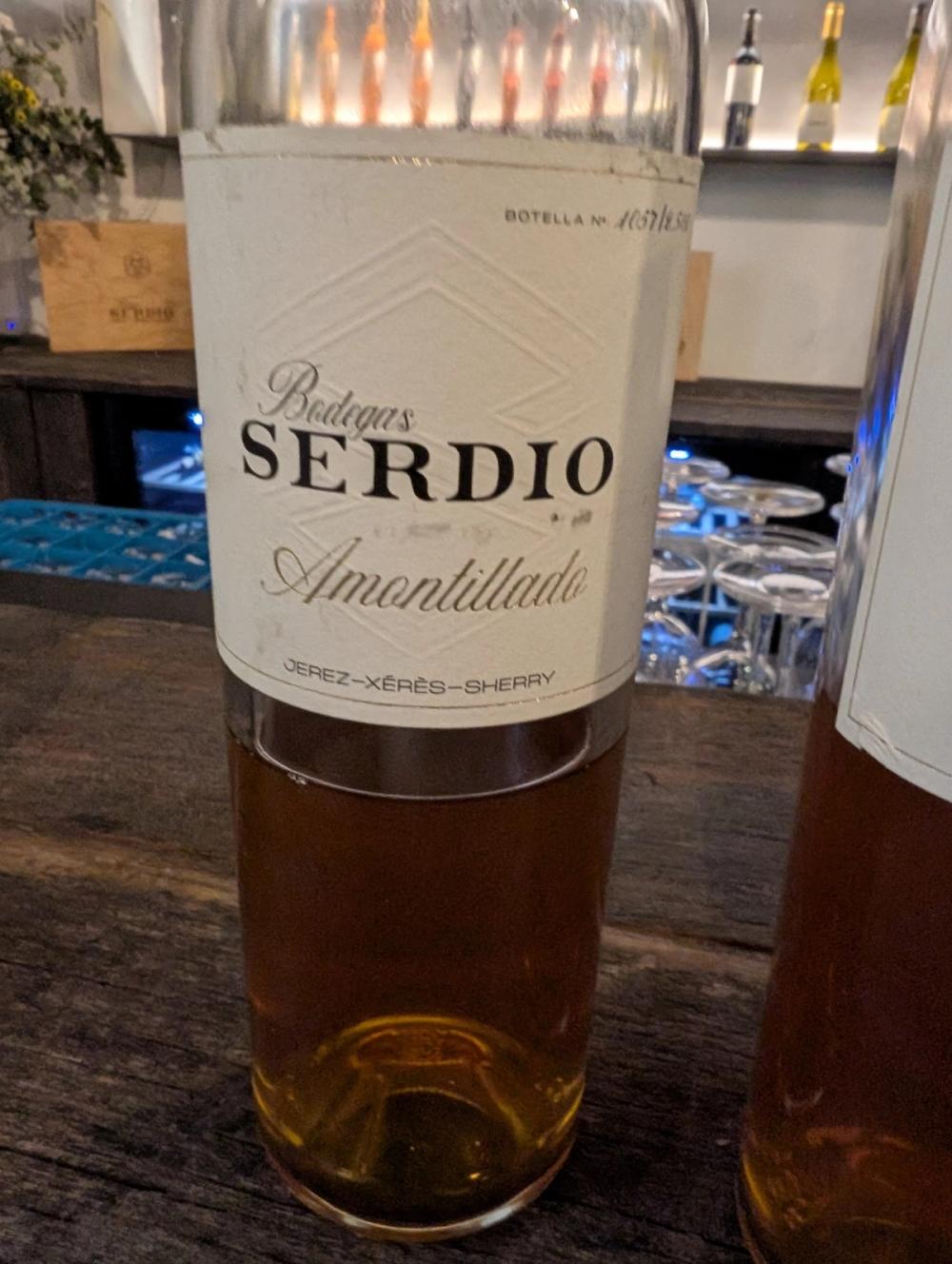
Bodegas Serdio Amontillado VORS Jerez-Xérès-Sherry
An Amontillado with an average age of 50 years. RRP: £60
Quite a magnificent nose, like an old Cognac, think roasted pineapple, orange peel, and nuts. Incredibly perfumed. The palate is salty and powerful with roasted almonds. Intense but highly drinkable as well. Amazing length. Sensational.

Sherry Week 2026 - November 2nd-8th
Following the outstanding success of Sherry Week 2025 which saw 4,209 registered events across 27 countries, registration is now open for taking part in Sherry Week 2026.
Registration is now open – and it’s free!
Whether you're a Michelin-starred restaurant or a neighbourhood wine shop, a local bar or educator, you can register your tastings, pop-ups and masterclasses free of charge and get much more information by clicking here.