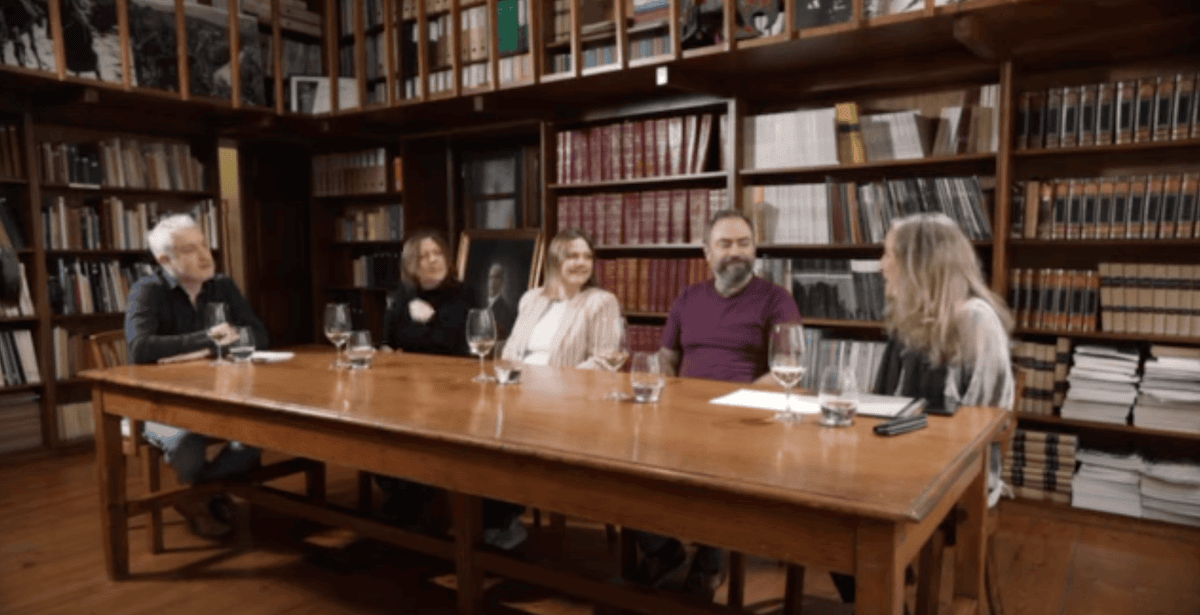
There are many experiences purported to be ‘once in a lifetime’ by wineries around the world. But amongst these, I did not expect to find myself at Maison Bollinger ‘throwing shapes’ to Champagne Supernova in its new 5,000+ barrel, eight thousand square metres, state-of-the-art, glass fronted ‘cellier’.
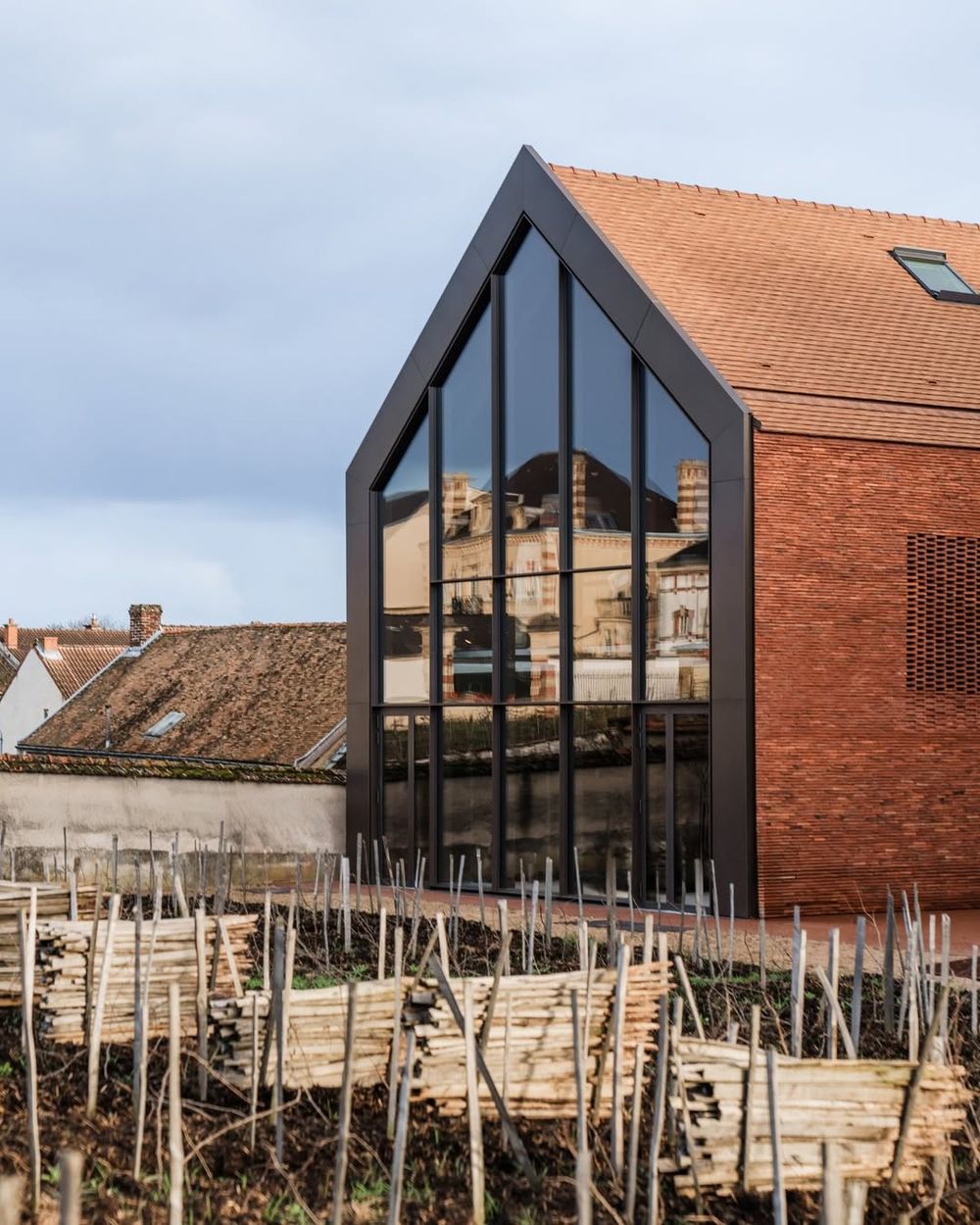
Bollinger's new cellier will house at least 5,000 barrels
As you read this, the existing 3,000 barrels, which make it the largest owner in Champagne, will have begun to take up their ‘residency,’ making a return to the dance floor an impossibility. Such is the beauty of the new building that, whilst retaining its functionality, it overlooks the hallowed Clos St-Jacques, the site of Bollinger’s most precious vines.
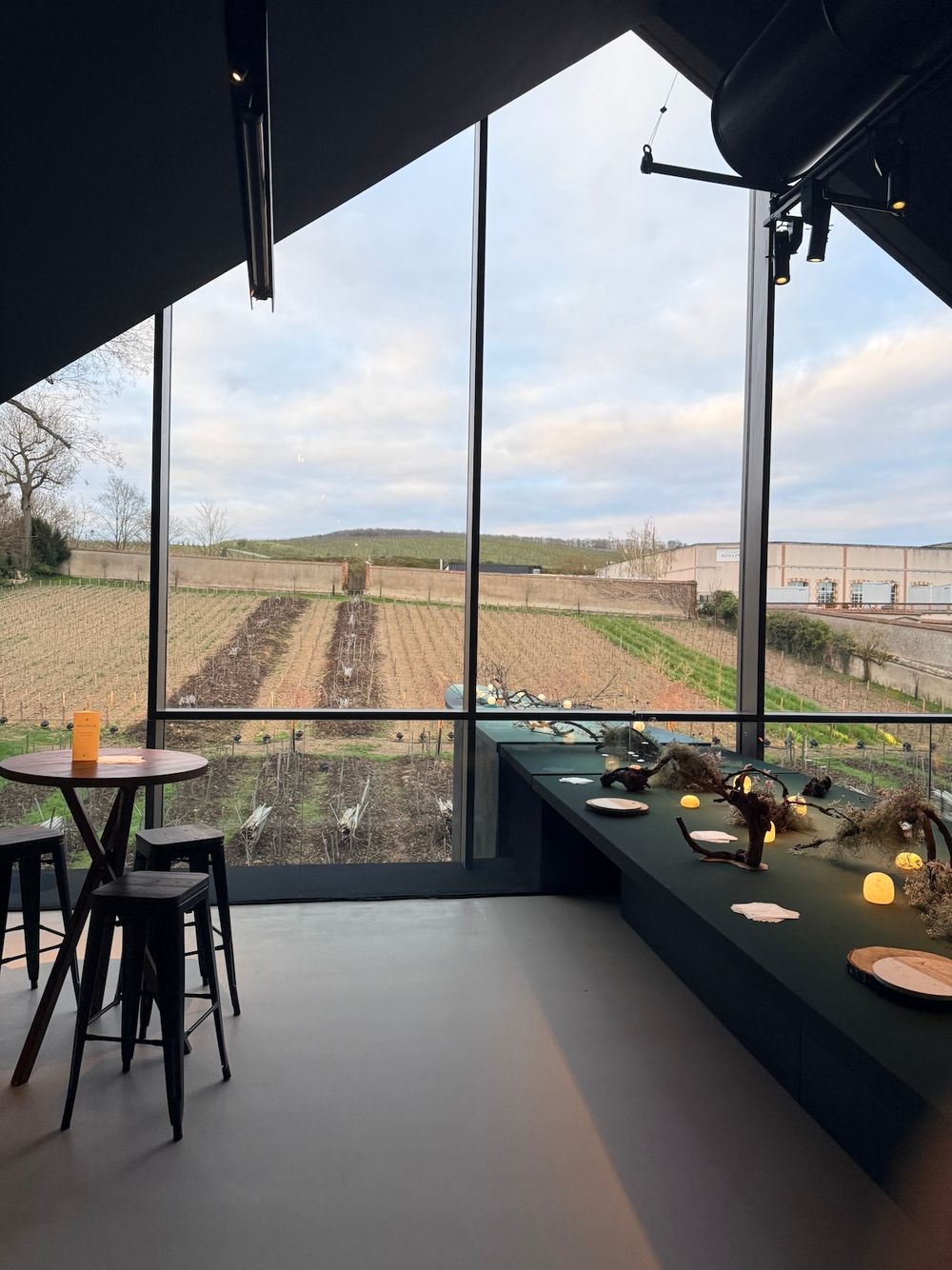
The new cellier overlooks the hallowed Clos St-Jacques
These iconic old vines in selected years make ‘Vielles Vignes Francaise’. They are still subject to pre-phylloxera viticulture practices, with ultra-strict selection and very low yields. The barrel room adjoining the Clos is the first step towards the celebration of Bollinger’s Bicentenary in 2029.
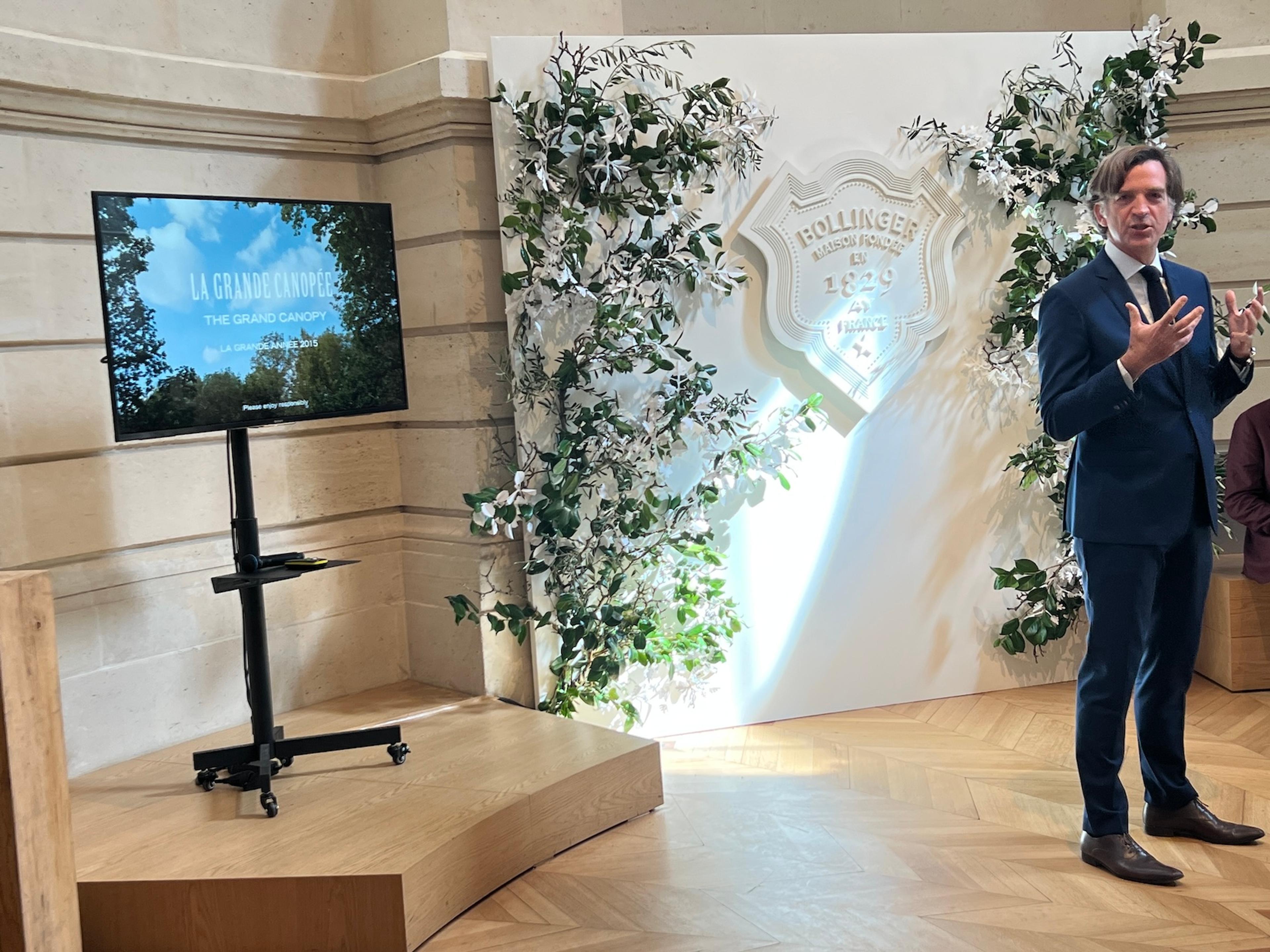
La Grande Année 2018 Brut
At the time of conception of this architectural marvel, then Chef de Cave Gilles Descôtes had just laid down his 2018 vintage. The harvest having been judged good enough to become La Grande Année 2018 in both Brut and Rosé form.
The weather in 2018 had a rainy winter with twenty per cent more rain than the normal mean average falling. There was a great pressure of mildew on which a careful eye was kept in the vineyards. Flowering was very early around the 1st of June. Then from mid-June to September, no rain occurred, and the mildew risk abated. Eighty-three days after flowering, on the 23rd August, harvest began, with the grapes showing high quality and quantity. Gilles went on to describe 2018 as “one of the best harvests, characterised by excellent, healthy grapes with high phenolic maturity.”
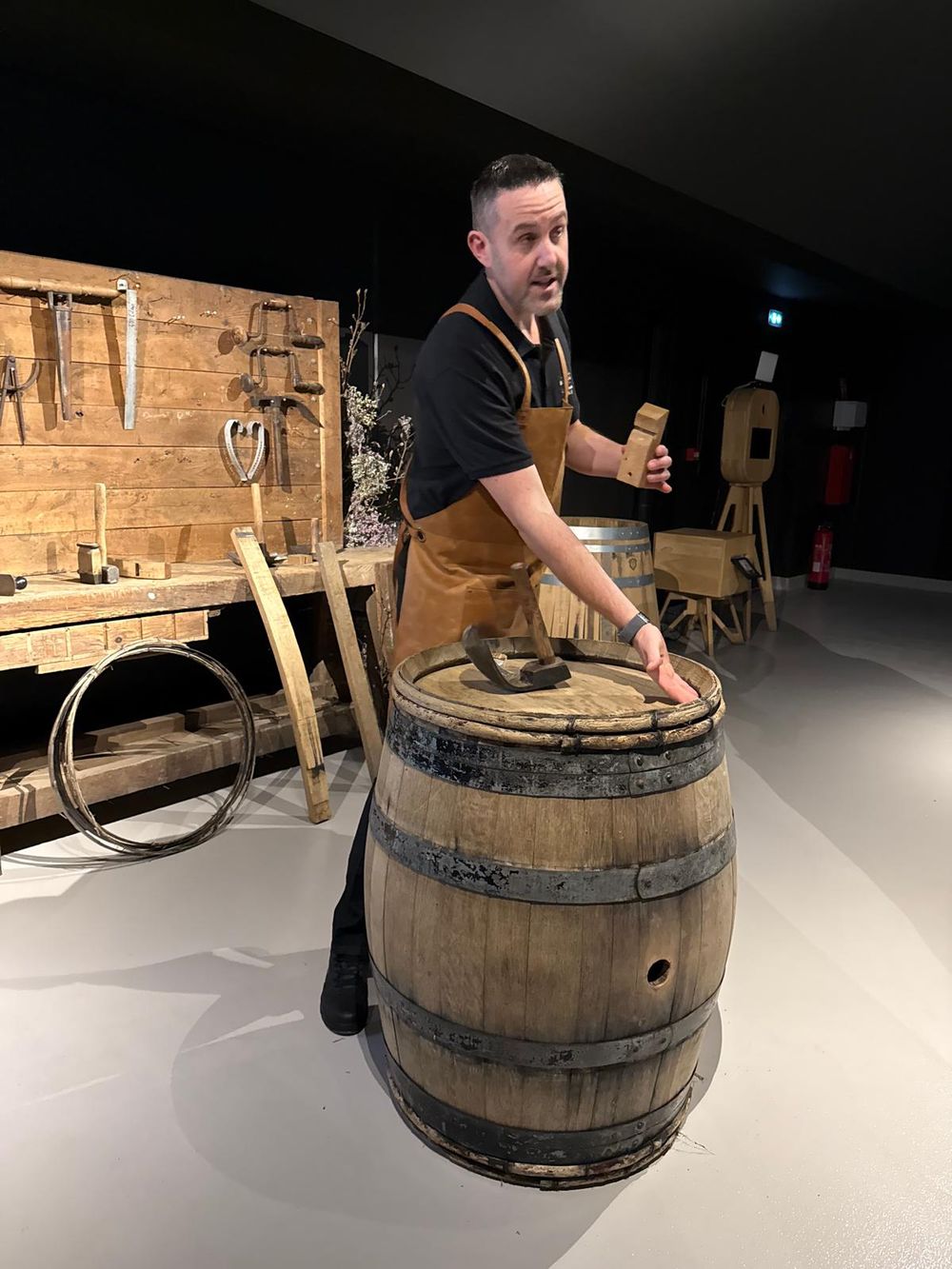
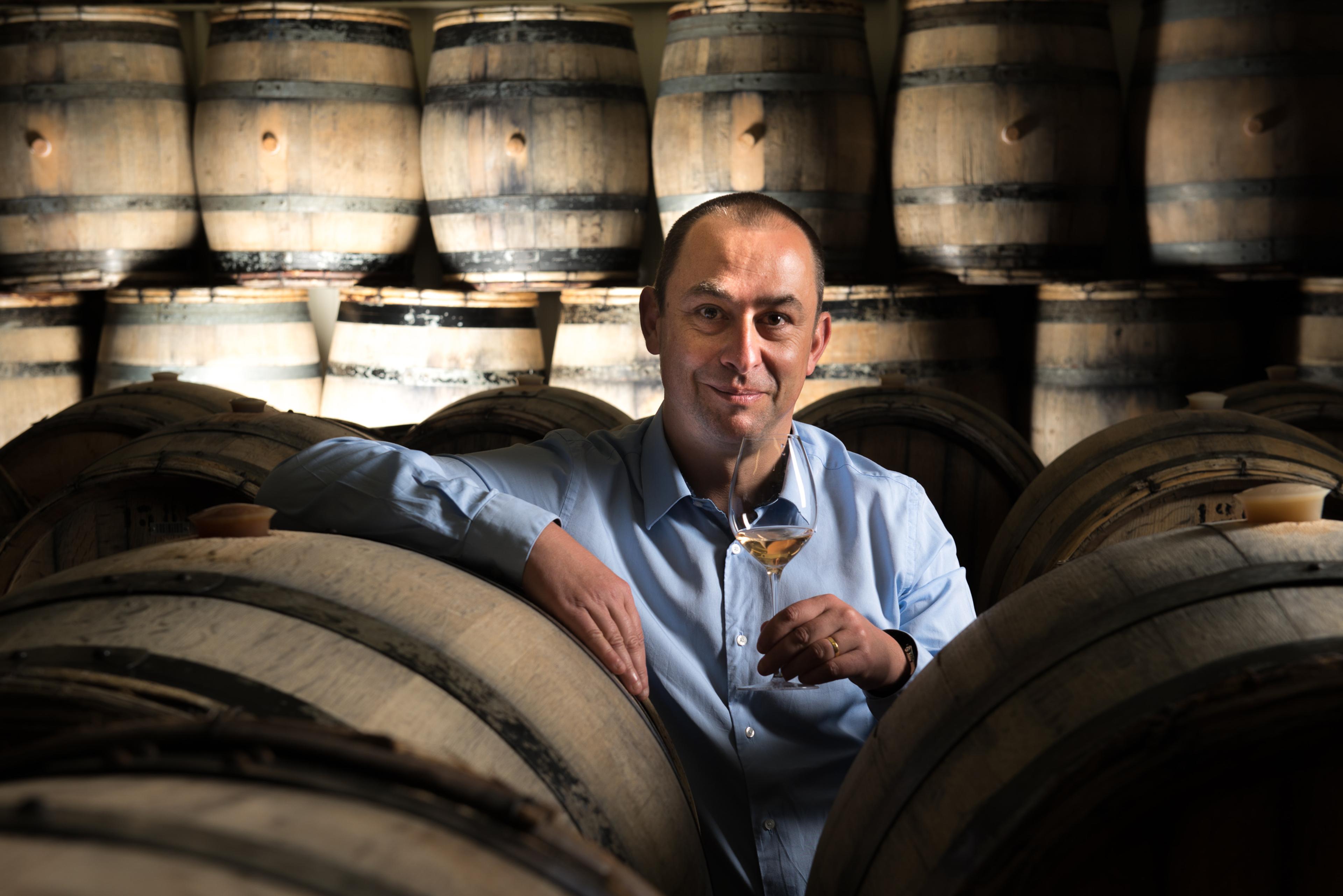
The use of barrels and Pinot Noir are two of Bollinger's signature characteristics
Meteorology is only half the story; the amount of human skill deployed to produce La Grande Année is on a scale like no other. This begins at the still wine stage when all hand-harvested grapes potentially destined for the cuvée are vinified in small oak ‘foudres’ averaging 20 years of age. This is done whilst keeping Grand and Premier Cru, grape variety and parcel of grapes separate for ultimate flexibility in future blending, whilst the resulting micro-oxygenisation adds unique character to the wines.
In a clever move, Bollinger, during our evening with them, fielded three of these single village/cru wines to illustrate their characteristic nuances in the resulting wines of La Grande Année.
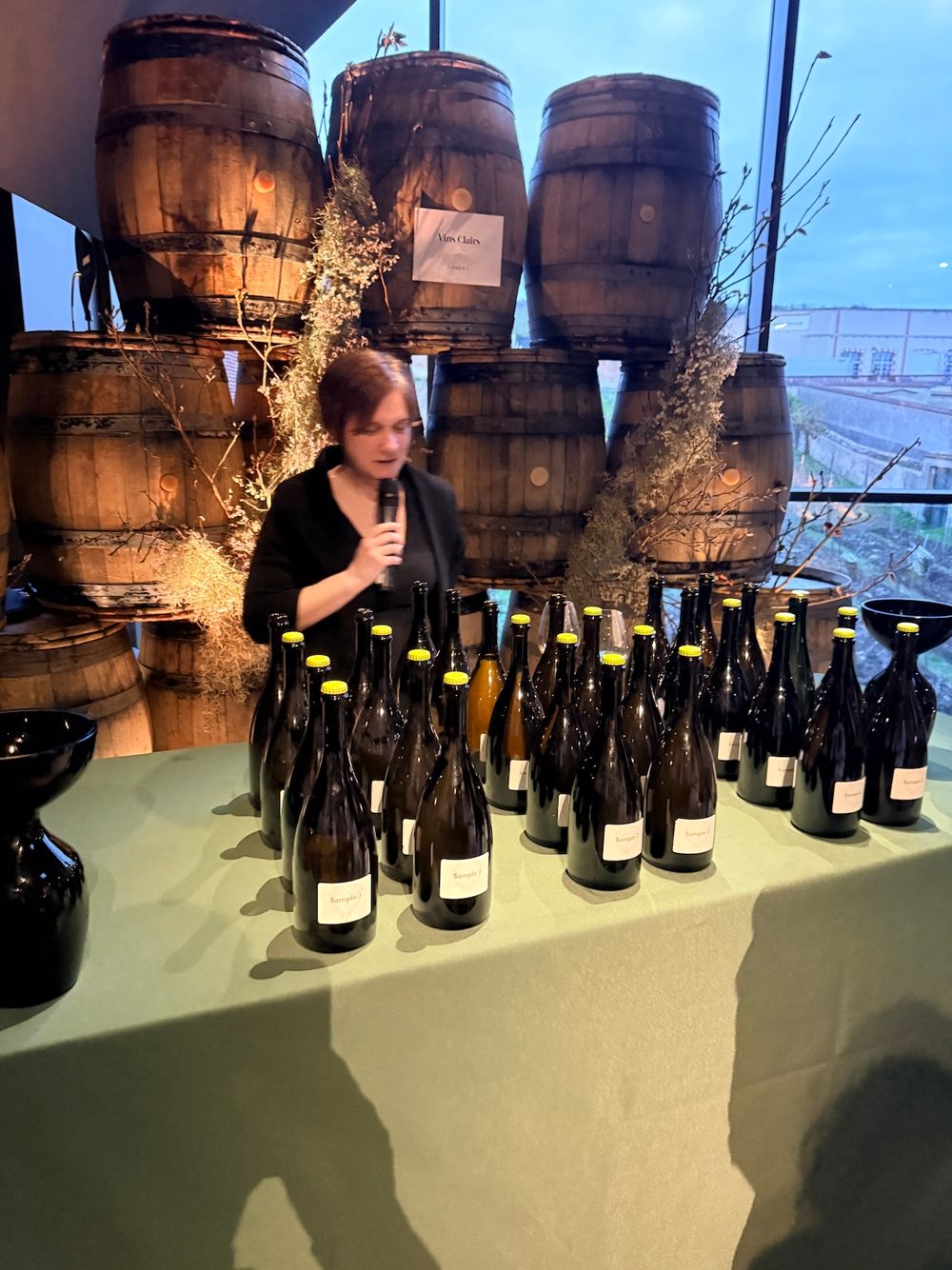
Tasting three single village/cru wines to discover how they work in La Grande Année 2018
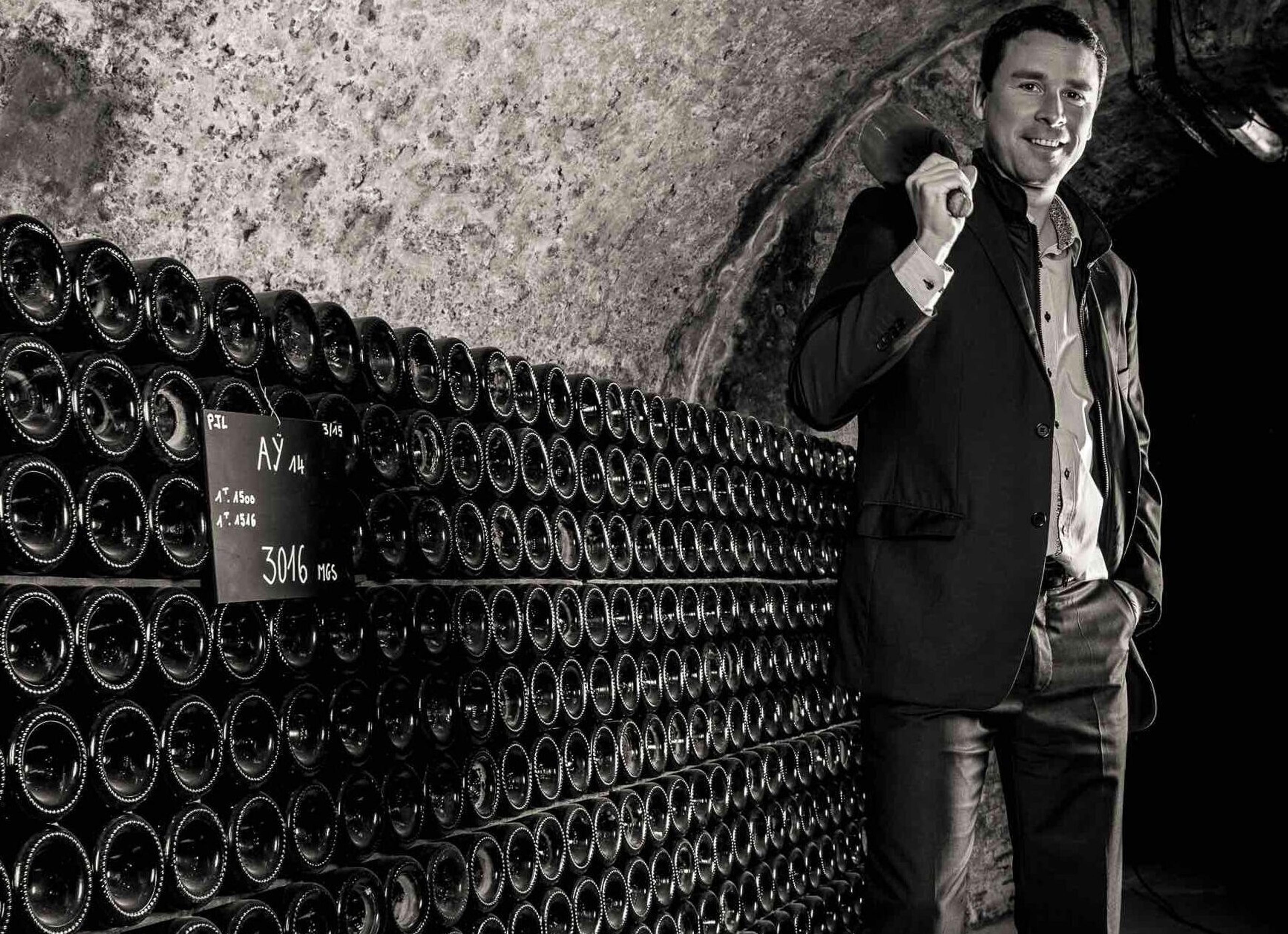
We began with the Chardonnay from Cuis in the Côtes des Blancs, which is the balancing factor to the opulence of the Pinot Noir. Brightness and crisp lemon notes prevailed. The richness of Ay, with its early-ripening Southern slopes, illustrated the generosity of Pinot Noir, with ripe fruit and cherry compote. Lively and viscous its tertiary notes of almond and blood orange were pronounced.
Then, over to the North Side of the Montagne de Reims at Verzenay, as this is the counterpart in the blend to the wines of Cuis. Pinot Noir showed stone fruit, pear, peach and apricot, with a subtle, moreish, very mineral, saline edge characteristic of latter vintages of La Grande Année.
The ‘hands-on’ approach continues during blending and subsequently to the bottle, where an average of seven years (twice the appellation requirement) is spent maturing on cork. The bottles are manually transferred to racks and hand-riddled after a long period on the lease. A good riddler can quarter-turn 40-60,000 bottles a day, moving the dead yeast to the neck of the bottle where it is removed by disgorgement. This too is done by hand. The barrel approach and manual disgorgement are now noted on the front label by Messrs Bollinger, as they are key to the house’s artisan approach and as the only producer to employ a full-time cooper to maintain its barrels.
For the 2018 vintage, these elements have been brought together to produce a Brut that, for me, is overall fresh and intense, with perhaps less oaky vanilla tones, yet retaining the characteristic creaminess of the House.
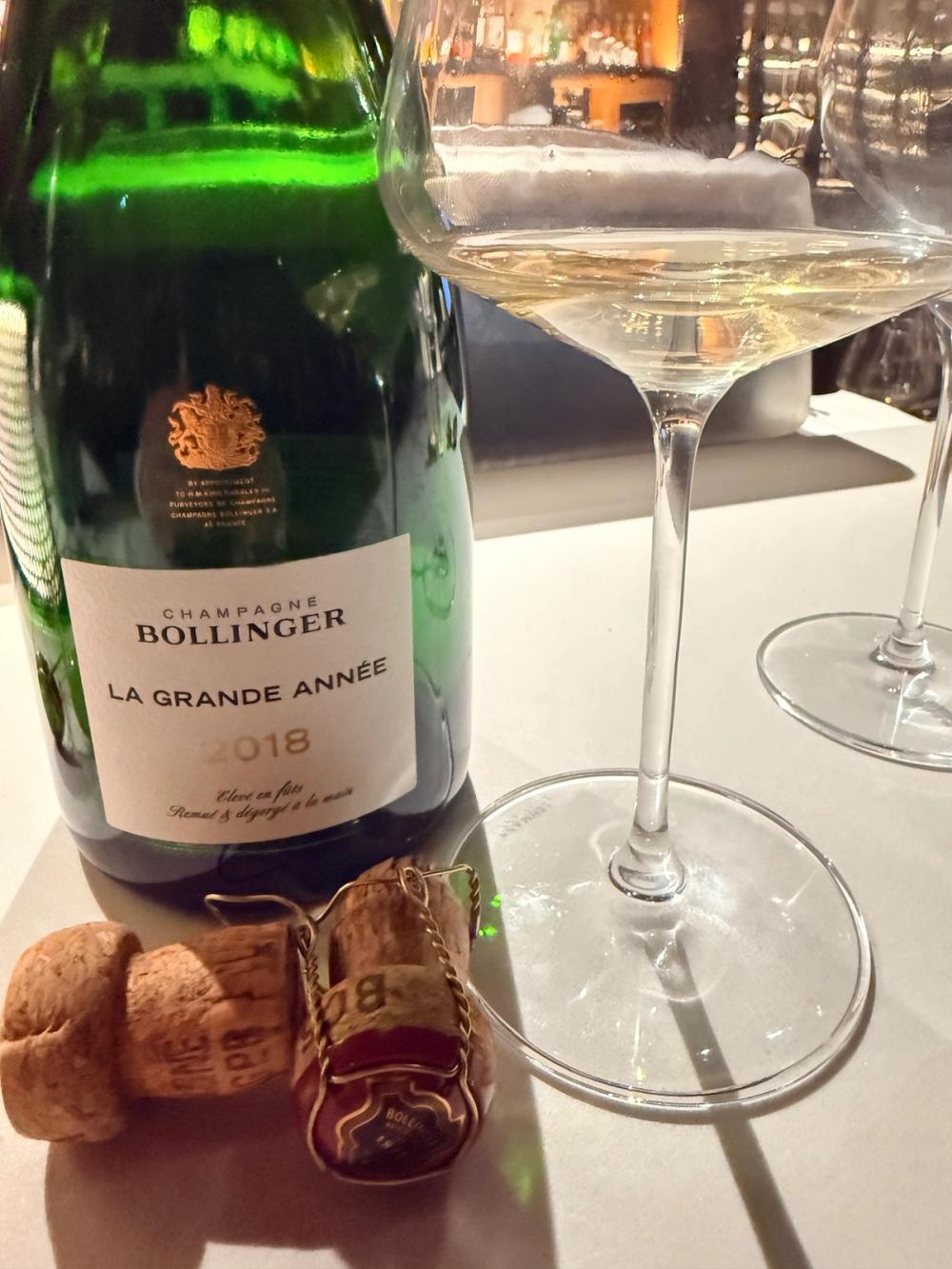
La Grande Année 2018 Brut is yellow gold on the eye but paler and brighter than any other vintage to date, to my mind. Fresh citrus joins juicy white peach and Canopy apple crispness. Acacia and delicate white jasmine flowers are present along with a wonderful, bright, honeyed, breadcrumby, toasted almond character. This release is closest to the 1995 vintage at the outset, in terms of its characteristics. The tension and structure will ensure this release will go long, if required. This is wholehearted salinity with vitality – so one to reach for with seafood lacking the obvious ozone flavours and step up to celebrating its flexibility. Think sea bass or tuna ceviche, veal or perhaps a simple finger of 24-month-old Comté cheese.
For La Grande Année Rosé, there is only an adjustment of one per cent upwards in Pinot Noir compared with the Brut, the rosé having 67% Pinot Noir and 33% Chardonnay. There is also an increase in dosage over the Brut from 6 g/L to 7 g/L. In the glass, it is a sparkling, delicate, red-pigmented, soft rose pink. The colour comes from the five per cent red wine blended from the La Côte Aux Enfants vineyard, which Jacques Bollinger purchased in 1934. This always-impressive still wine provides the underpinning and framework for the end result. Fresh redcurrant, garigutte strawberry and blood orange on the nose join citrus peel in the mouth. It is pleasantly astringent and crunchy for a rosé, with just the right amount of bitterness, often sought but difficult to achieve with this precision in a cuvée. I’m pleased to say that both LGA Brut and Rosé continue to share the classic, creamy, smooth mouthfeel characteristic of Bollinger.
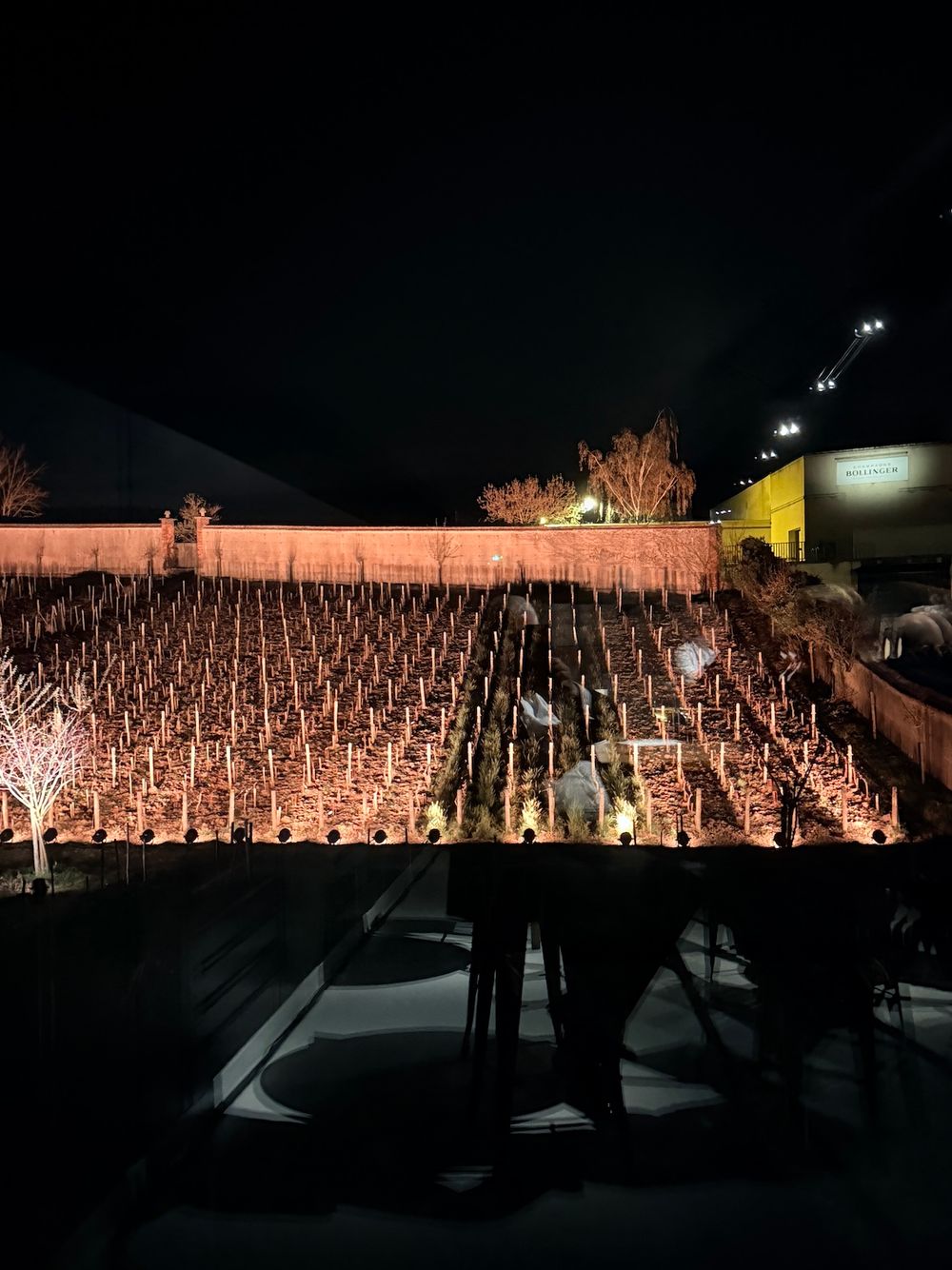
Overlooking the vines - photos of Rob Bellinger 'throwing shapes' not supplied
At a time when the buzzword in Champagne is ‘freshness’ as a foil to global warming, these are two commendable cuvées conceived some eight years ago with all the ‘savoir-faire’ of Bollinger. They do, however, raise the question of whether Gilles, in 2018, was already seeing the future? Only the next Vintage will tell…
The wines of Bollinger are distributed in the UK through Mentzendorff which is a commercial partner of The Buyer. To discover more about them click here.