While Pinot Noir is often held up as the world's most demanding variety, it is the ninth most planted grape globally, with approximately 115,000 hectares under vine according to the International Organisation of Vine and Wine (OIV) – a footprint that suggests rather more adaptability than the textbooks give it credit for.
Nebbiolo, on the other hand, has remained defiantly local, with just 6,000 hectares worldwide, of which roughly 5,500 are in Piemonte and Lombardy’s Valtellina. Yet despite that limited footprint, the fourth edition of Nebbiolo Day, held this March in London, was a demonstration of the variety's diversity and depth, its nuanced ability to reflect site conditions and, at the same time, its common thread of fine tannins, neat acidity, restrained fruit and distinctive aromatics. Producers ranged from the obscure to the celebrated, from big names to those who had never shown their wines in the UK before.
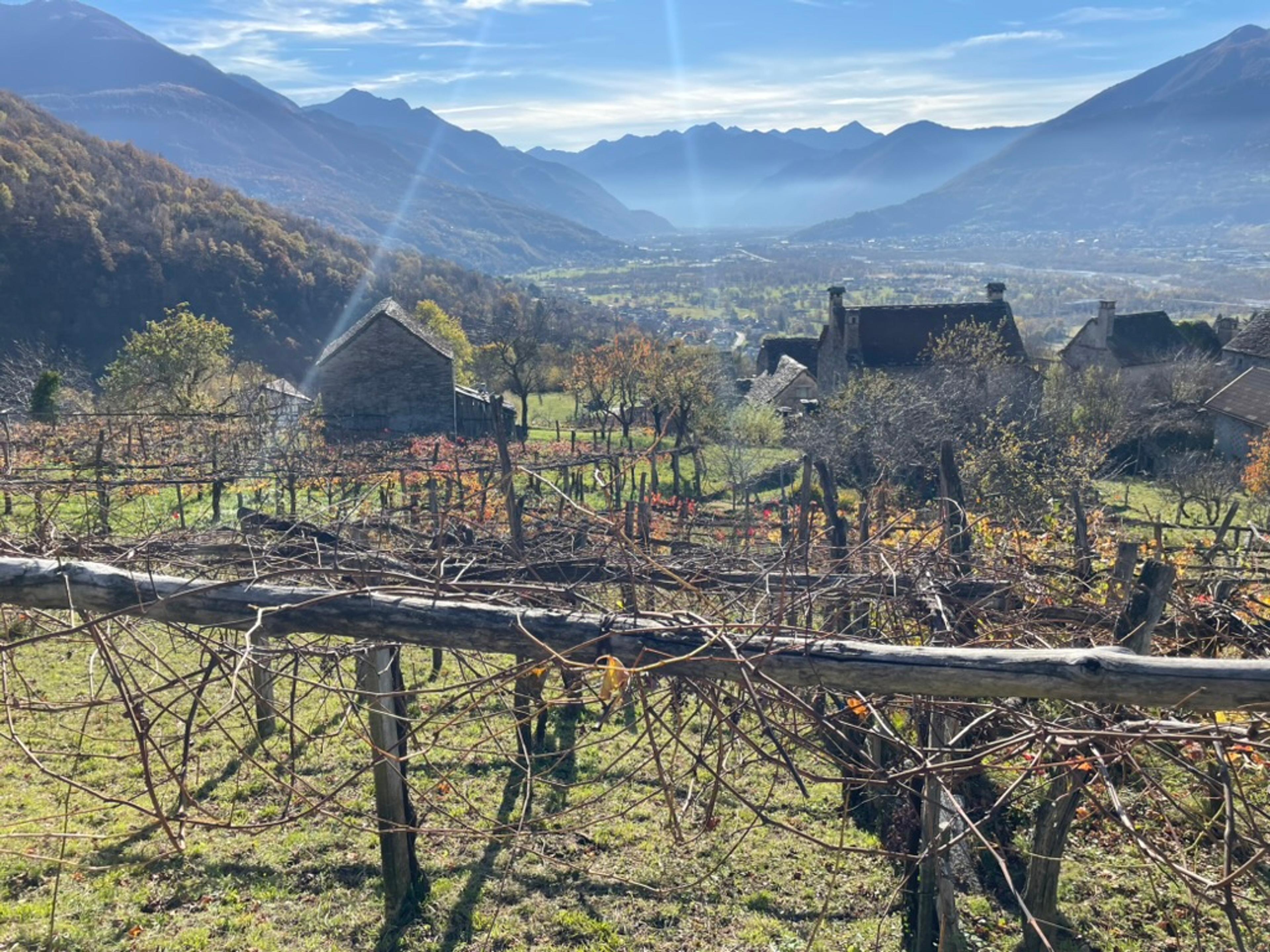
Seminars were arranged throughout the day, focussing on Barbaresco, Barolo, Roero and Valli Ossolane. Alessandro Masnaghetti, the dynamic mind behind the Enogea MGA mapping project, hosted presentations on Barolo and Barbaresco, while Walter Speller led sessions on Valli Ossolane in Alto Piemonte and a new generation trying to draw attention to Roero.
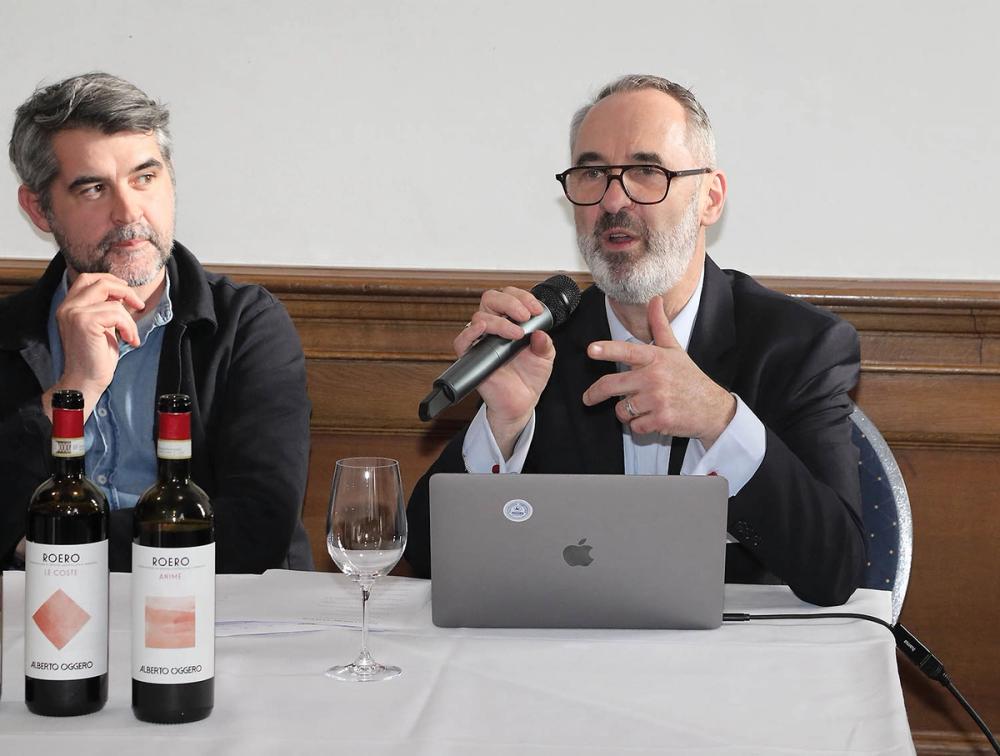
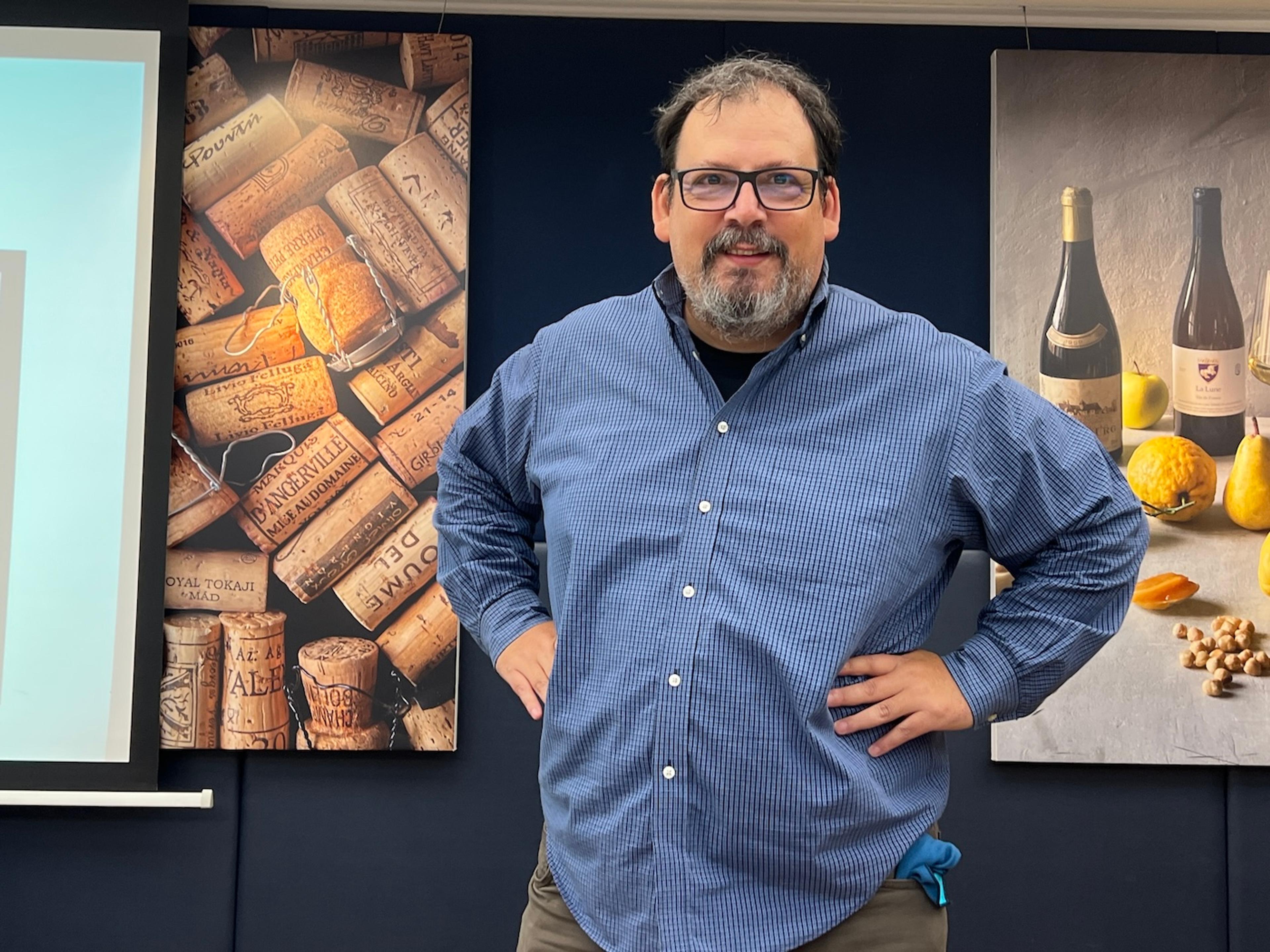
Walter Speller introduces the masterclass on Roero
Piercing the Nebbia
Barolo dominated the room, with producers mainly showing a mix across the 2021 and 2022 vintages. Yet the market has changed dramatically since the last Nebbiolo Day in 2022 and sales of Barolo in particular have slowed: punishing on-trade markups and a well-stocked secondary market mean that both trade and private buyers are well served with back vintages, and collectors are realising that en primeur is no longer necessary to secure great wines outside a handful of celebrated names.
Ongoing success in the UK for Nebbiolo of any kind now depends on a broader offering, built around Barolo and Barbaresco, but also other designations that can work across a wider price range and engage wine drinkers at lower price points that, a decade ago, Barolo itself was able to attain.
The upshot is that Langhe Nebbiolo and, to a lesser extent, Nebbiolo d'Alba have become smart buys among insiders with both plantings and sales growing. Langhe Nebbiolo is establishing a solid regional identity in export markets, despite the wide variances in style that are endorsed by the designation.
Roero has often acted as a 'dark kitchen' for the famous wineries of the Langhe.
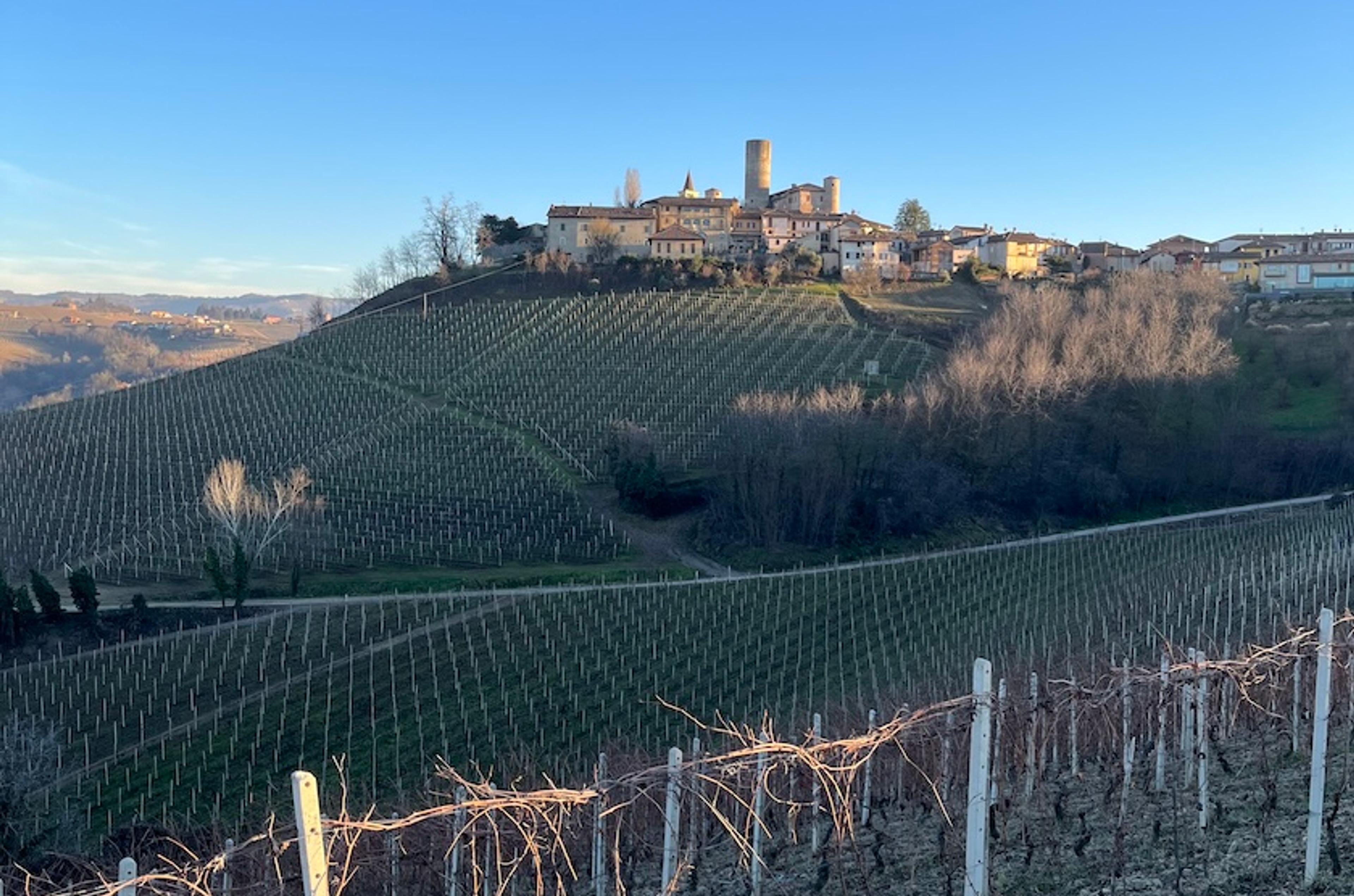
Although some Langhe Nebbiolo is made using declassified estate fruit from Barolo or Barbaresco, this is a minority in overall production. Gian Luca Colombo – producer under his own label and consultant to leading names including Scarzello – points out the strong commercial demand for contracted Langhe Nebbiolo-grade fruit. That demand has long been silently met by Roero, the region north of the Tanaro that has often acted as a dark kitchen for the famous wineries of the Langhe just across the river.
”Roero can be bottled as Roero, declassified to Nebbiolo d'Alba, and in some cases end up as Langhe Nebbiolo,” Colombo notes – meaning its fruit has routinely ended up in Barolo and Barbaresco producers' entry-level bottlings without the origin ever being acknowledged.
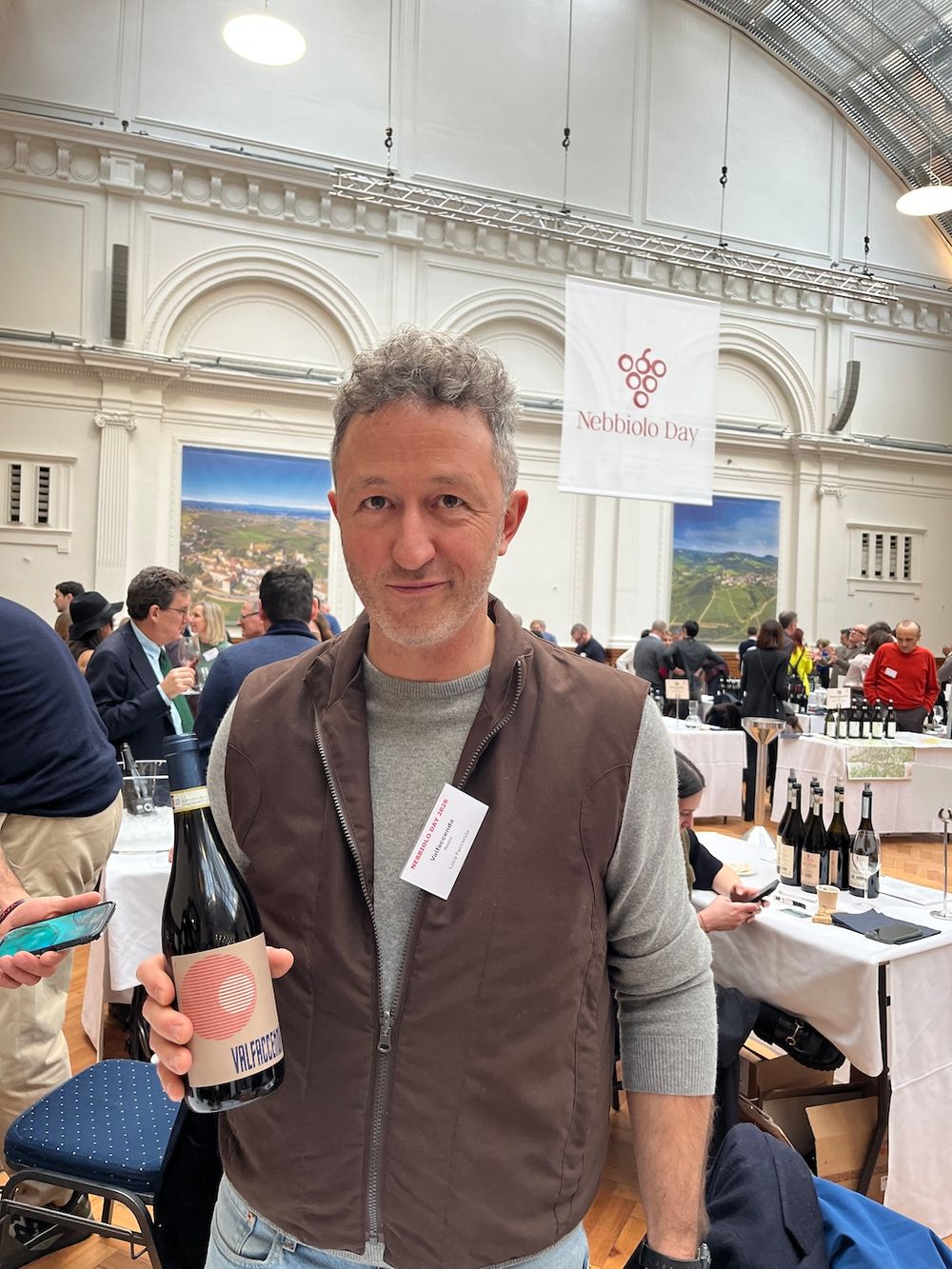
"Truffle dogs and grape-crates don't talk," Luca Valfacenda
As a result of taking the easy path of selling to already-established names rather than establishing its own, Roero has been forgotten, and producers based in the Langhe have nothing to gain from uplifting a DOCG where they don't own land.
"Truffle dogs and grape crates don't talk,” adds Roero-based producer Luca Valfaccenda wryly.
SoloRoero, a first generation producer organisation established in 2017 by Cascina Fornace, Valfaccenda and Alberto Oggero aims to encourage producers to abandon the Nebbiolo d'Alba designation widely employed in the area and assert Roero's own identity.
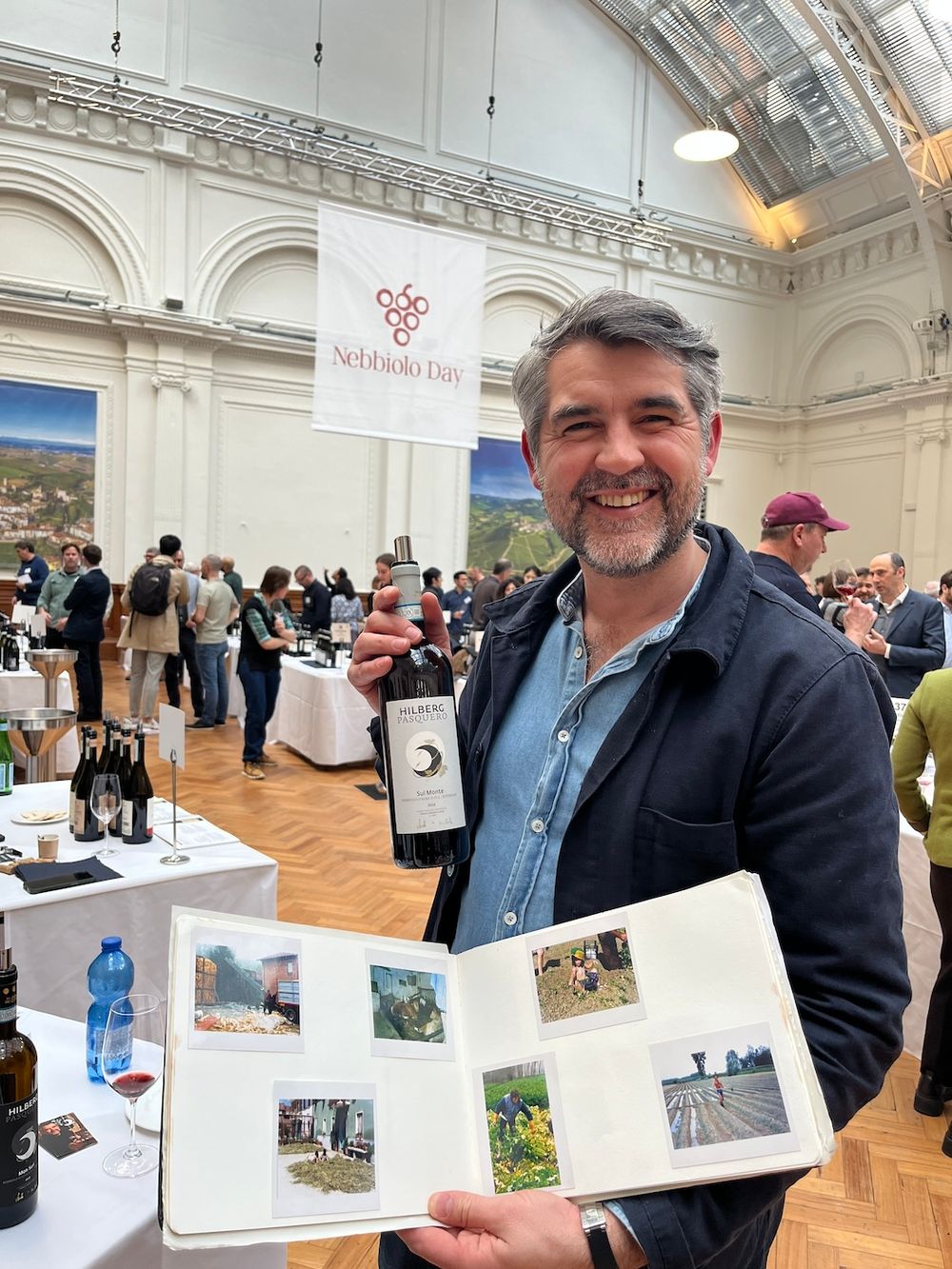
"It would make much more sense to present Roero as closely connected to Barolo and Barbaresco," Nicola Pasquero.
Putting Roero back on the map
Since returning to his family estate, Nicola Pasquero of Hilberg-Pasquero has been a key voice in the campaign to change Roero's perception.
”Communication around Roero has often positioned it as something separate from, or even opposed to, Barolo and Barbaresco. In reality, it would make much more sense to present it as closely connected to them – geographically it's very nearby and, in many ways, shares a lot of common ground in terms of terroir,” Pasquero says.
To that end, he has undertaken a project with Masnaghetti — in collaboration with Giampiero Romana and Edmondo Bonelli — to literally put Roero back on the map, resulting in the Geoviticola Langa e Roero map pictured below, and published by Masnaghetti’s Enogea imprint in 2025.
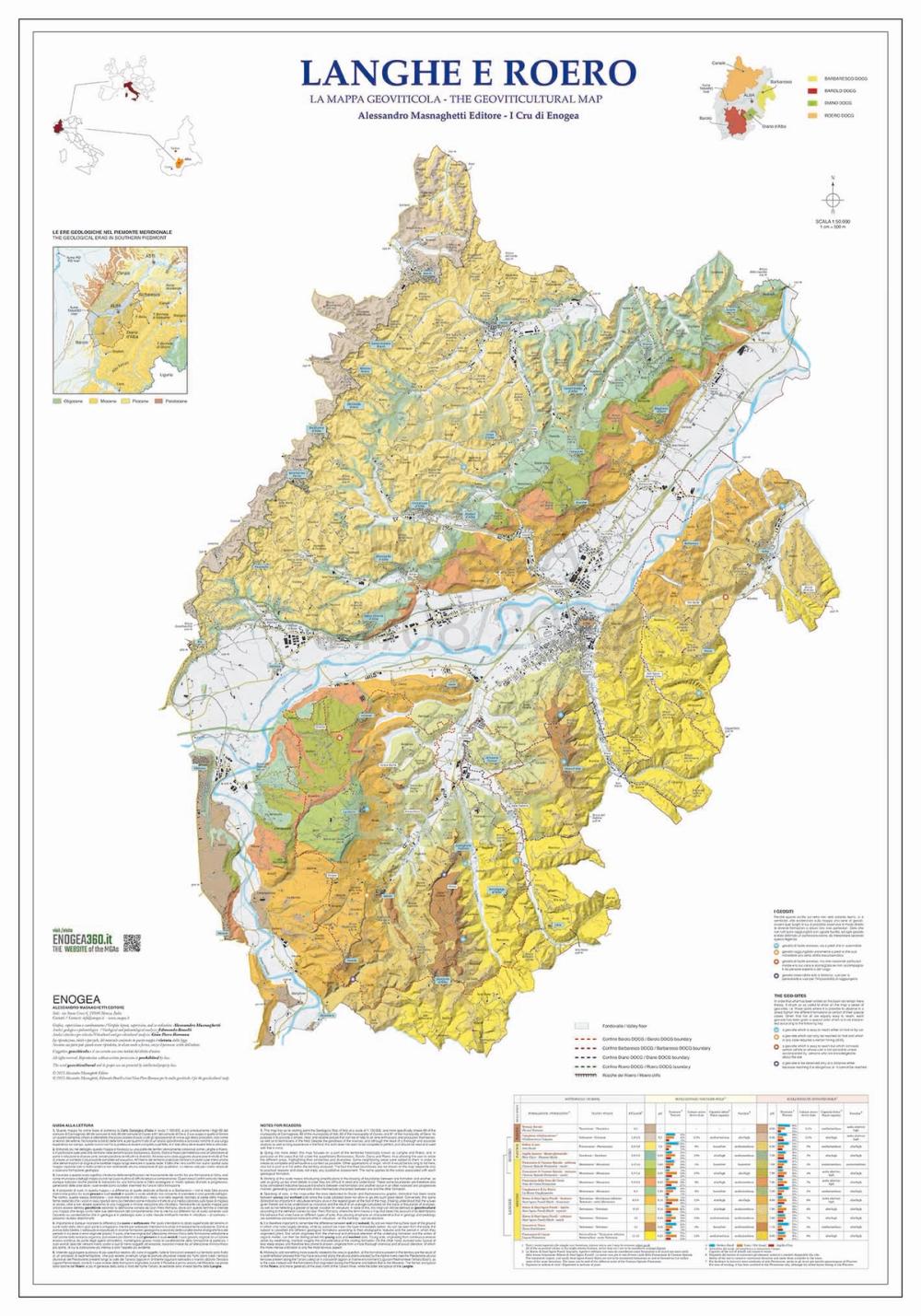
The goal was to put the three regions of the Langhe in dialogue again: Barolo in the south west, Barbaresco in the north east, Roero in the north. Roero only achieved full DOCG status in 2004, yet it was historically part of Alba and served on the tables of the House of Savoy in the 16th century. By simply zooming out and restoring Roero to the larger picture alongside Barolo and Barbaresco, the map reinstates the trinity of DOCG wine production that revolves around the town of Alba in the centre.
With Roero literally back on the map, Rotaria, a separate, larger communications initiative was launched in November 2025, led by Nicola Pasquero as spokesperson. Where SoloRoero is a tight collective of three, Rotaria is the broader communications platform, an 18-producer organisation whose members include Hilberg-Pasquero, Valfaccenda, Oggero, Sandrone, Malvirà, Matteo Correggia, Deltetto, Giovanni Almondo, Marco Porello, Gabriele Cordero and others.
A video, Landscape in a Glass, was created in 2025 to help communicate the goals of the group. Rotaria ”allows (and wants) producers from the Langhe to participate – even those bottling Langhe Nebbiolo, Nebbiolo d’Alba, or other wines – as long as the grapes come from Roero,” according to Pasquero.
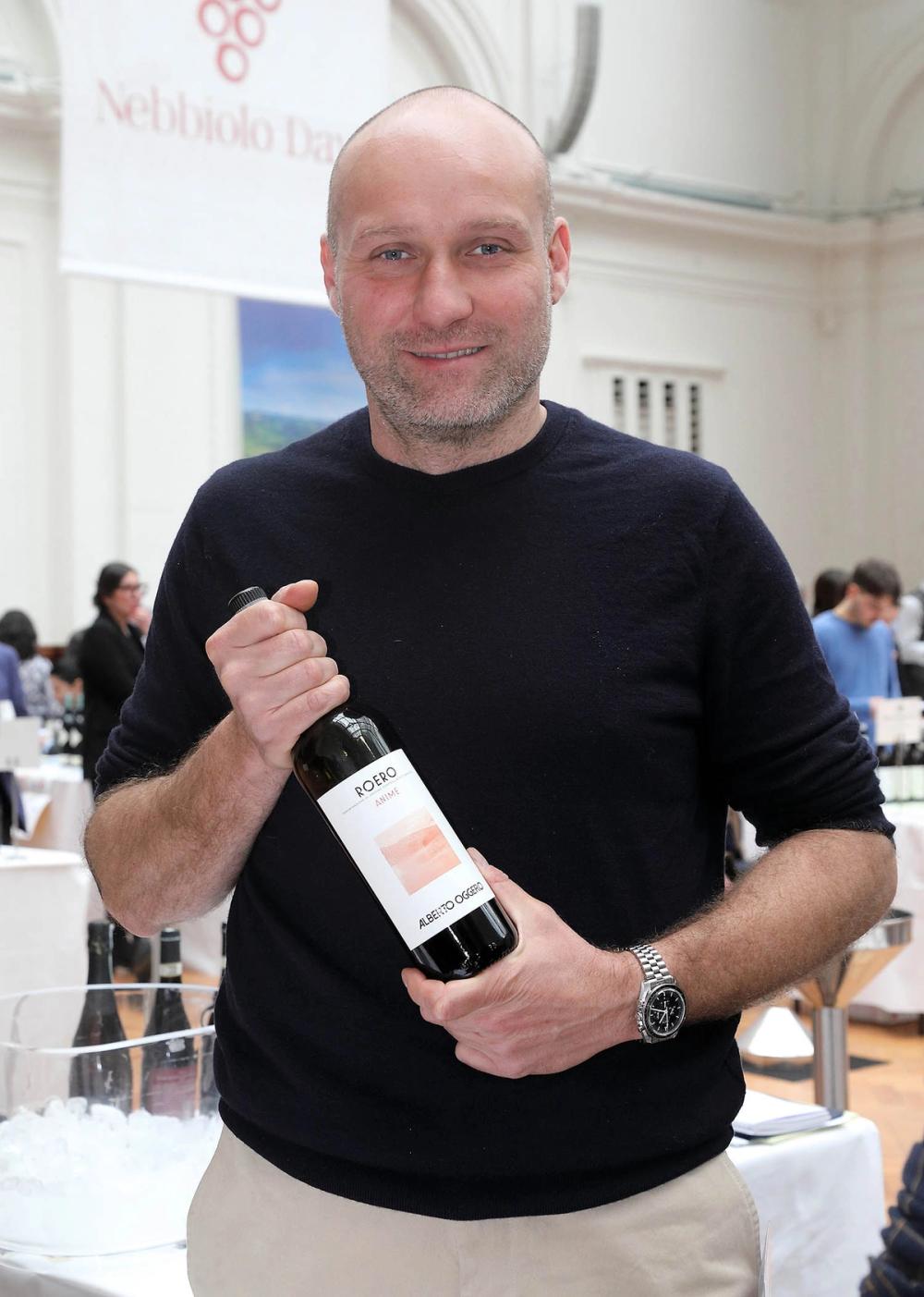
"You might not always want the tannins of Serralunga. That's where Roero comes in.” Alberto Oggero
Roero's point of difference
With just 194 hectares of Nebbiolo, against Barolo's 2,167 ha and Barbaresco's 733 ha, Roero is a far smaller player, and has historically focussed on the white Arneis variety to achieve a regional identity, which has perhaps underplayed the quality of its red wines.
Much has been made of Barolo's structural parallels with Burgundy, but the Nebbiolo that has the most in common with the flavour profile of Pinot Noir is surely that of Roero. Unlike its neighbours, Roero features considerably more sand, a geological quirk that shapes the character of its wines. Wines from these soils have an immediate perfume and ripe strawberry fruit, with lighter tannins and a gentle purity.
Alberto Oggero emphasises Roero’s relative approachability in youth. ”If you are a customer and you come off the street, you might not always want the tannins of Serralunga. That's where Roero comes in.” With the current fashionability for earlier drinking, more perfumed, whole bunch-led styles of Barolo, such as GB Burlotto’s Monvigliero or GD Vajra’s Ravera and Bricco del Viole, Roero’s wines seem to be an obvious cross-sell, but they haven’t quite broken through with UK buyers.
”It’s often better to drink a top Nebbiolo from Roero than a basic one from Barolo,” Pasquero maintains. For a buyer, he argues, it offers a better by-the-glass price, faster list rotation and stronger cash flow. If that doesn't sound like the typical commentary of a Langhetto, it's because Pasquero spent years in the marketing department of LVMH – a distinct advantage for a DOCG whose challenge isn't quality or suitability for the market, but communication.
Roero’s identity is still being articulated. For now, the irony is that consumers in the UK are most likely to be introduced to Nebbiolo thanks to Roero, but bottled as Langhe Nebbiolo or Nebbiolo d’Alba and sold by a Barolo or Barbaresco producer. Yet the success of those categories, at least, demonstrates that the appetite is there for Roero DOCG and its striking, seductive and equally valuable expression of the noble Nebbiolo.
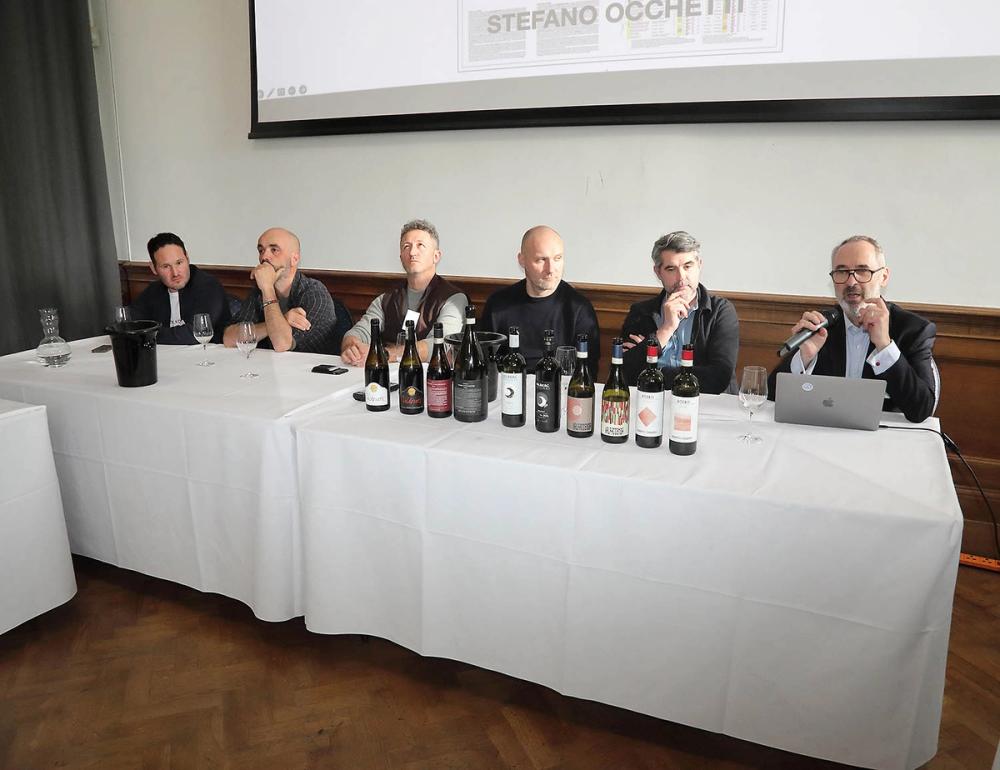
Roero masterclass
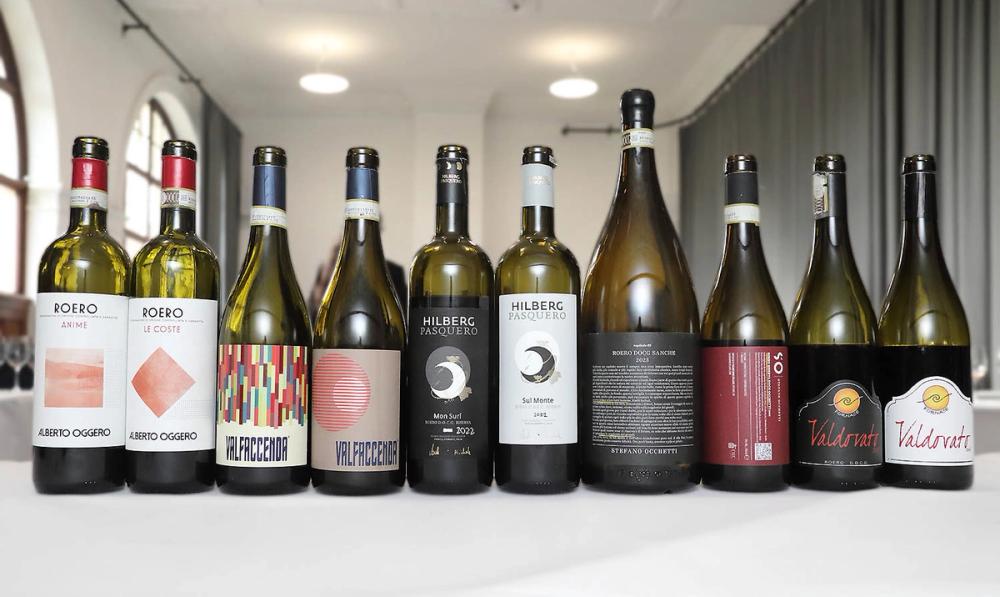
The Roero producers showing their wines at Nebbiolo Day 2026 were: Valfaccenda (Tutto Wines), Alberto Oggero (PassioneVino), Cascina Fornace (Dogma Wines), Stefano Occhetti (Vin de Vie / Caroline Brange) and Hilberg-Pasquero (looking for representation in the UK).