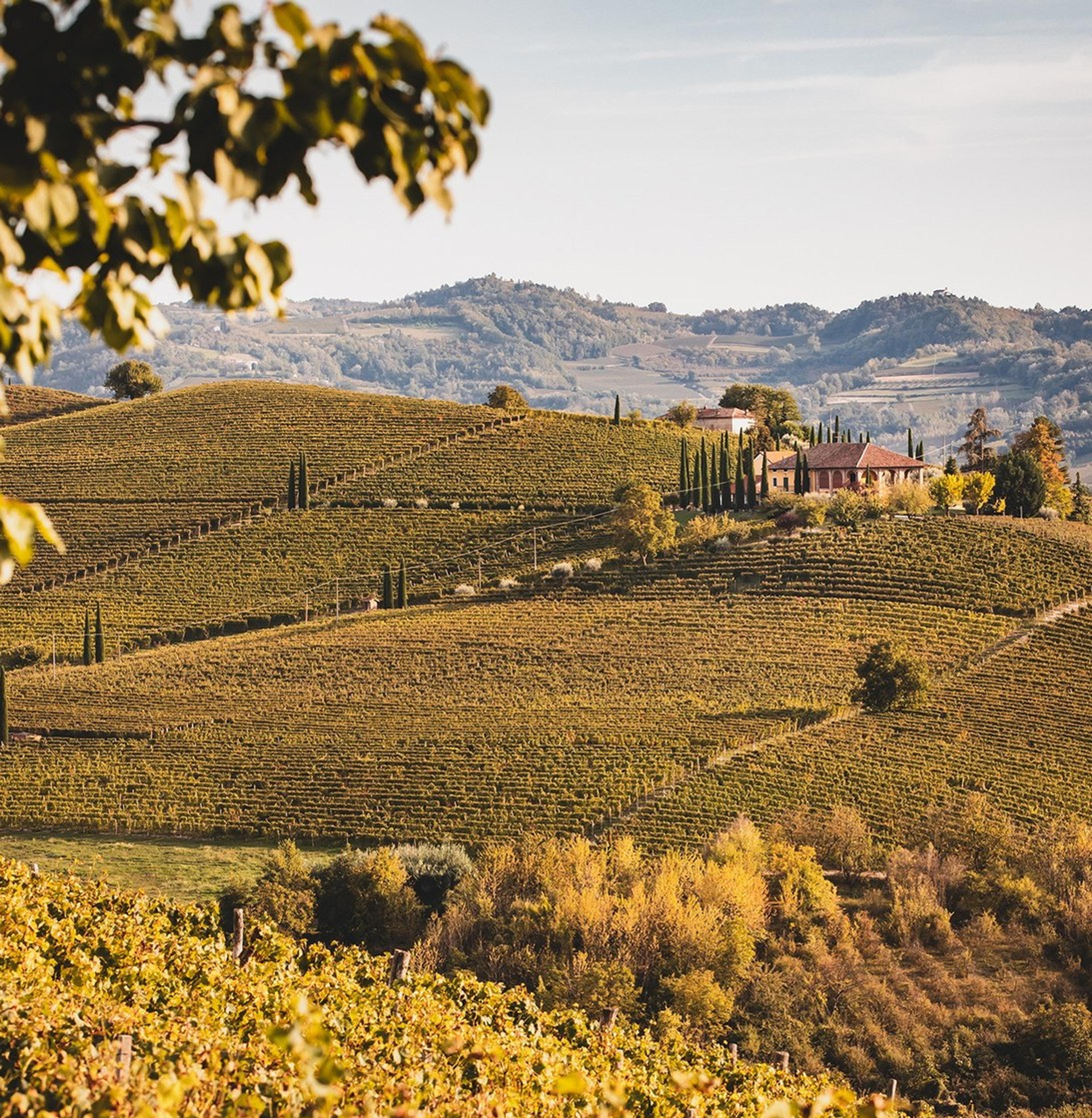

If you had asked me, at any time over the last few years, to name my least favourite Italian grape variety, I would have had no difficulty answering: Barbera.
The most widely planted grape in Piedmont and Lombardy, Barbera has high acidity, low tannins and high alcohol – characteristics that are accentuated by high yields, which have been officially sanctioned; the vines are naturally prolific and DOC laws have permitted yields as high as 70 hl/ha.
Like Dolcetto, Barbera has traditionally taken a backseat to Nebbiolo – being planted on sites that were either too cool or exposed for the late-ripening Nebbiolo to achieve full ripeness. And the natural qualities of the grape struggle even further in hot and dry vintages, such as those increasingly being seen through climate change.
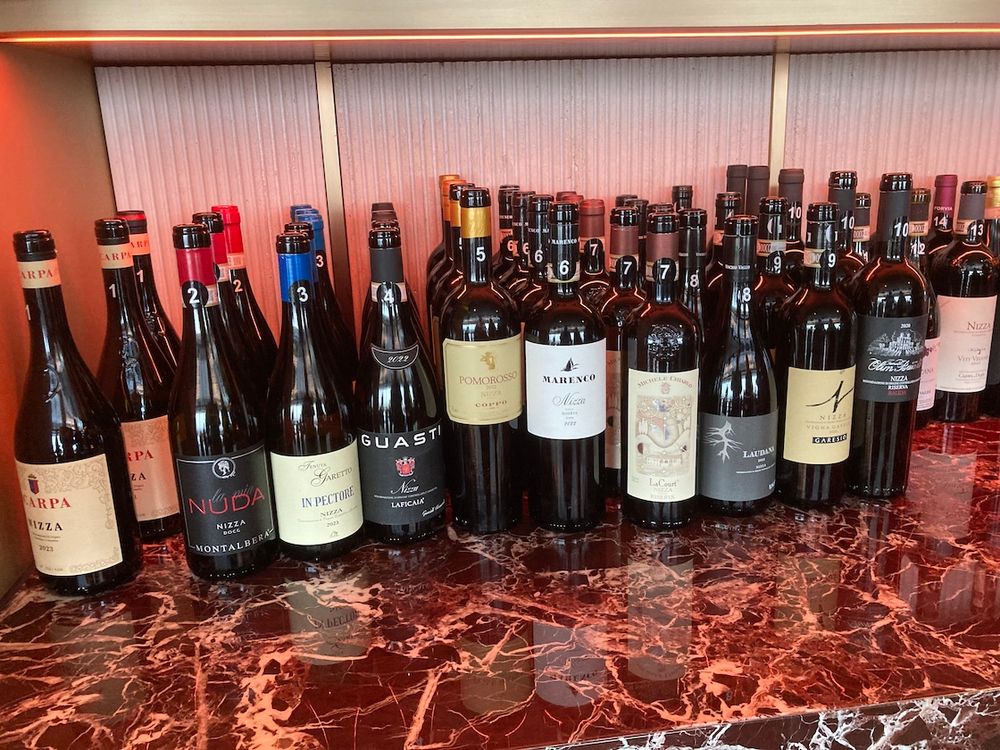
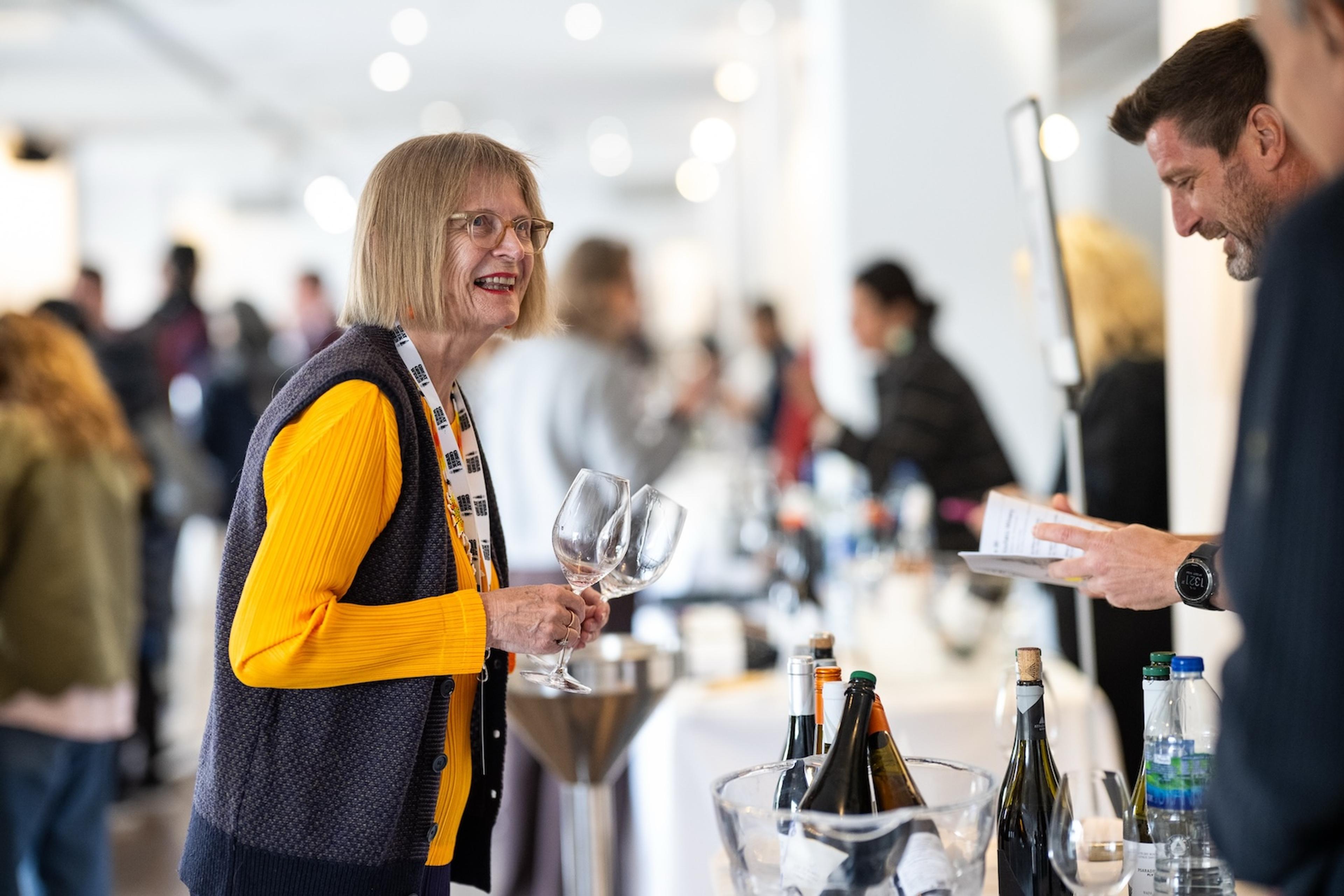
The NIzza DOCG event featured masterclasses and a self-pour tasting
Once a staple quaffing wine at Italian trattoria, Barbera fell out of favour with consumers and importers in contrast to the rise in popularity of Nebbiolo in Barolo and Barbaresco, in particular. In the accelerating shift towards lighter, more accessible styles, Barbera’s high-toned acidity profile proved a hard fit. And I haven’t mentioned the alcohol: a Barbera regularly hits 15% abv and even 16% abv relatively commonplace.
In recent years and with a change in winemaking styles, however, there has been increased popularity in the wines both as a value-driven everyday table wine (often de-acidified) and aged in oak with fruit from lower-yielding vines, that are destined for more serious tables.
“The truth is, you never know what you’re going to get – the style can be lifted and elegant or it can be full on and heavy,” reckons Phil Morgan, sommelier at renowned Soho restaurant Boca di Lupa.
Nizza DOCG – setting new quality guidelines
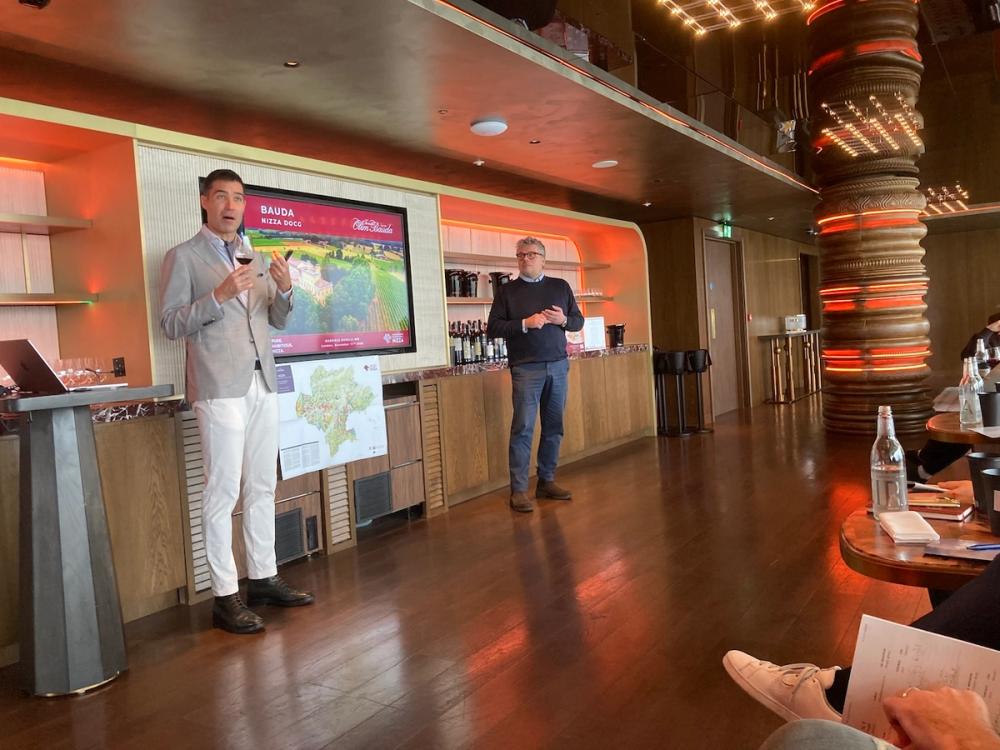
Gabrielle Gorelli MW hosting the Nizza DOCG masterclass
Nizza DOCG is one of Italy’s most recent, created out of DOCG Barbera D’Asti Superiore in 2014 and getting its own Consorzio only this year. There are a strict set of guidelines in place to elevate the status of the wines including: wines must be made from 100% Barbera grapes, grown on specific hills, with yields reduced, and minimum ageing requirements of the finished wines depending upon their quality levels – Nizza and Nizza Vigna (a minimum of 18 months/ 6 in wood) and Nizza Riserva and Nizza Vigna Riserva (a minimum of 30 months/ 12 in wood).
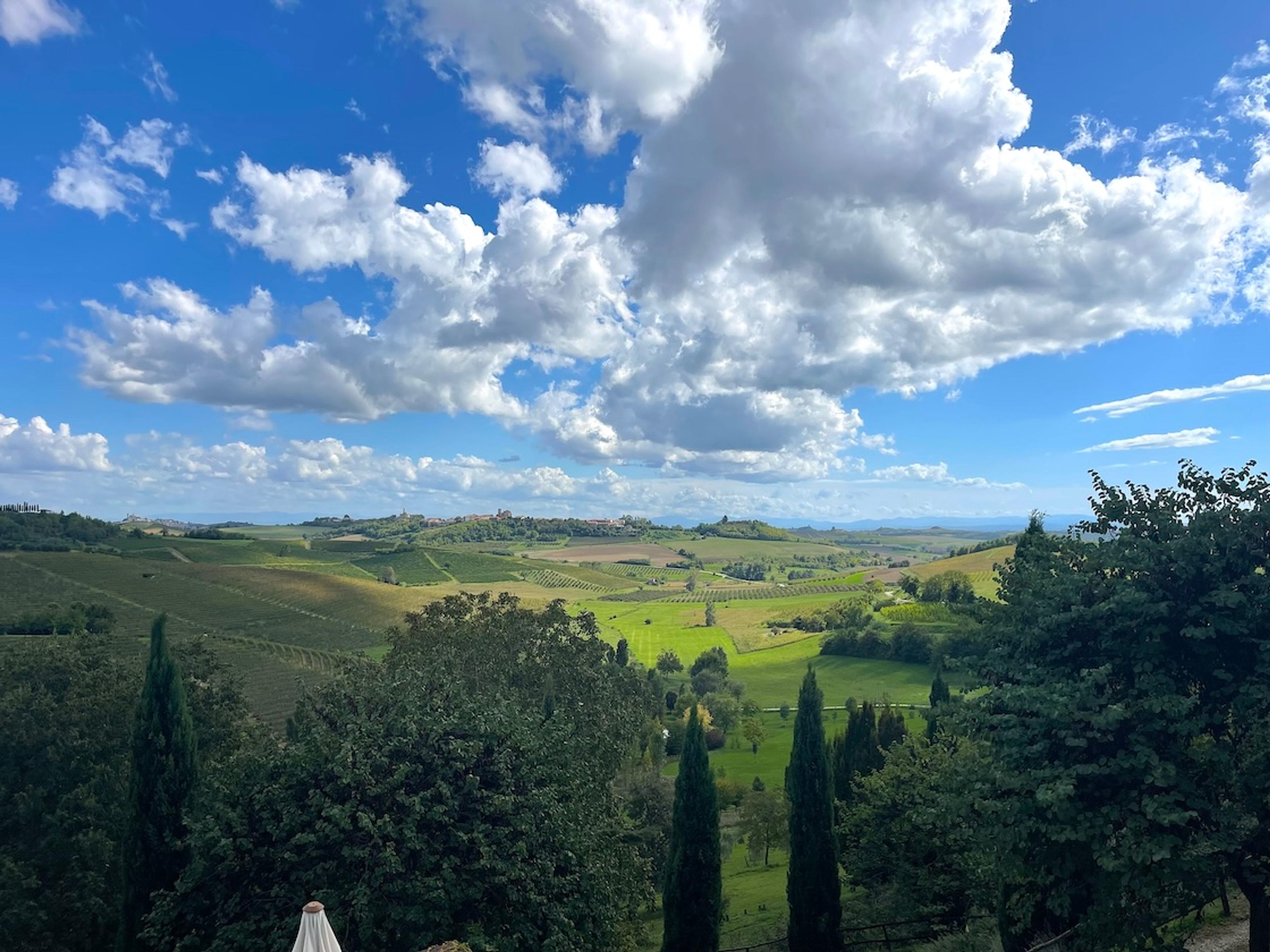
Gabrielle Gorelli MW, who presented a fascinating masterclass looking at 12 very distinct Barbera wines dating from 2020 to 2023, stressed that wines from Nizza are all about the place. Largely hilly – flatland wines are not allowed – much of it incorporating the dramatic UNESCO protected Monferrato region, famed for its beautiful historic villages and local cuisine, which makes an ideal partner for Nizza Barbera.
“The wines from here do not mention the variety on the bottle because it’s assumed,” he points out.
Gorelli says that the 250-hectare region is home to 18 communes and 99 producers, making typically one million bottles a vintage. The DOCG - which has the capacity to increase its size to 740 hectares and 4.5m bottles – is defined by a wide range of soils, including red soils and sandy marl and clay.
“Barbera is a very prolific variety and to make quality wines, it needs to be treated selectively, using only the best grapes.”
Judging by the wines shown, producers have taken this on board. (see tasting notes below)
A fast-evolving region
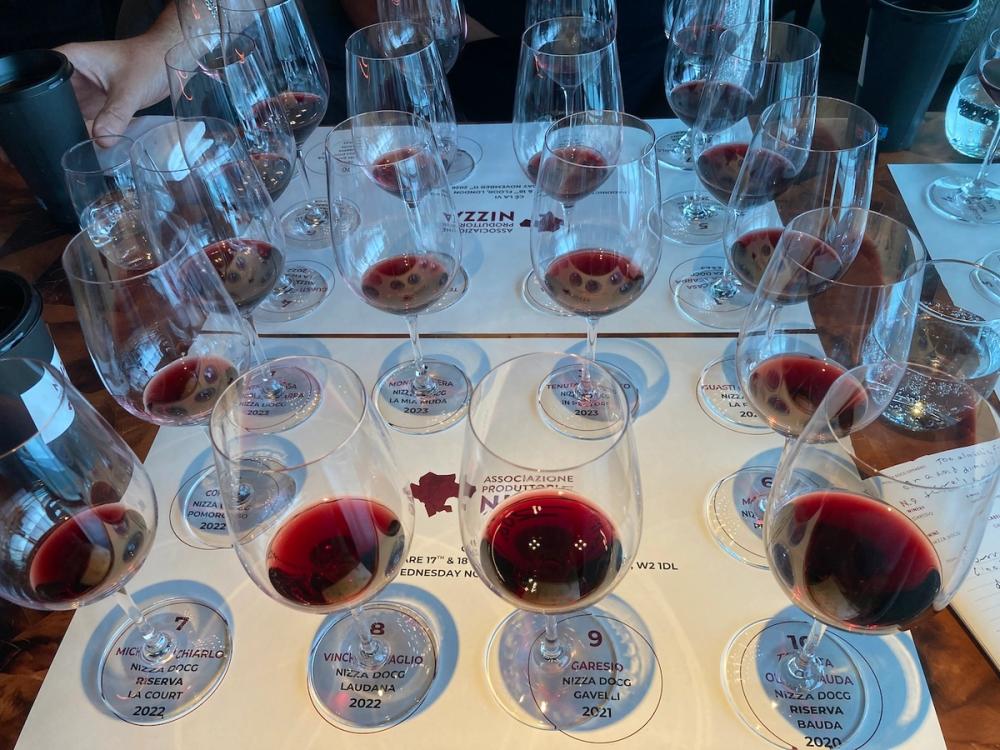
Nizza DOCG tasting at London’s new rooftop venue, Cé La Vi
What was notable from this tasting, aside from the generally high quality of the wines, was the fact that quite a few hadn’t found UK importers including some of my favourites. Which brings us back to that issue of Barbera’s image problem.
Speaking with the winemakers, it seems to be something they are aware of with Gianni Bertolini of the four generation-old Tenuta Olim Bauda admitting:
“The problem has been that there is too much cheap Barbera that should retail for a few Euro being sold into the on-trade at vastly inflated prices.”
Stefano Chiarlo of Michele Chiarlo - president of the Associazione Produttori and head of the Michele Chiarlo winery since taking over from his late father Michele in both capacities three years ago – says the problem for Nizza wines has been partially resolved by the fact that they don’t actually mention the variety on bottles.
However, he doesn’t think the high alcohol is an issue for the wines, despite the movement towards lighter, less full-on wines.
“Particularly with the right sort of food, and on a cold day like today, these wines truly have a place,” he smiled, as we looked out at the grey London Cityscape.
And that is probably a fair point. Just as many wine drinkers often talk dry but actually drink sweeter, I strongly suspect that many also talk low alcohol but when given the chance, particularly with wines of this quality, drink high(er) alcohol.
Chiarlo stresses that in many ways, these are early days for the Nizza DOCG, with many Barolo producers who didn’t have a presence here now making wines within the area, focusing on quality and reinforcing Nizza’s already strong reputation. He suggests the trend is towards softer and more expressive wines.
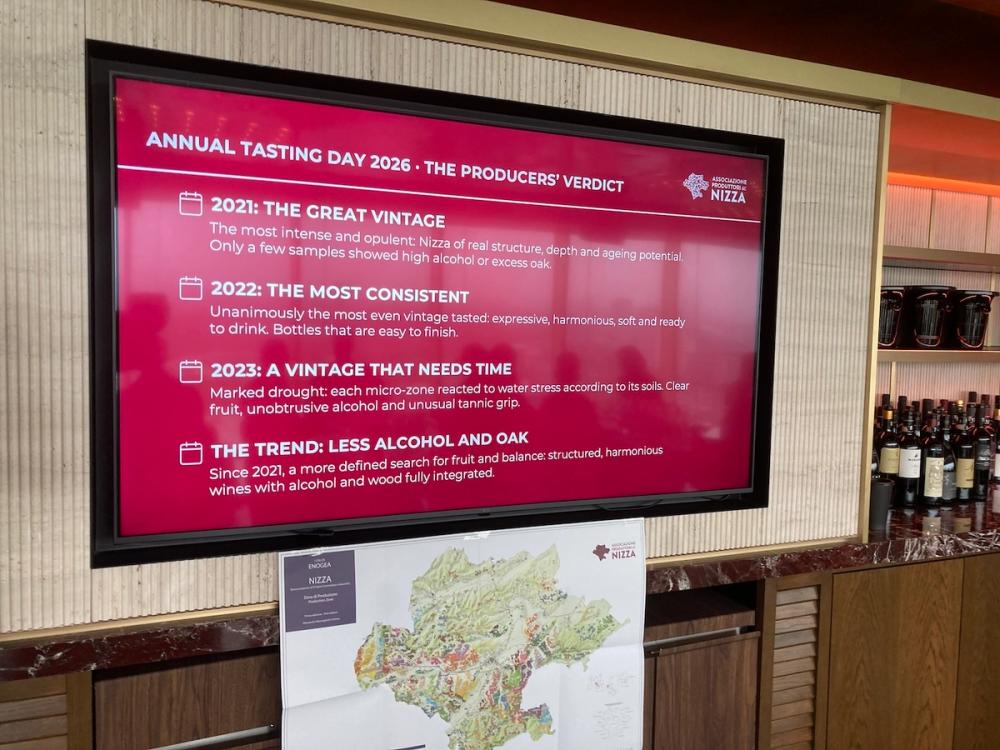
Know your Nizza DOCG vintages
As I left the tasting, I asked myself – did I still dislike for Barbera, or had this been confounded by what I had just tasted? I would have to say the latter – Nizza DOCG wines are a long way from the harsh, acidity monsters I had always associated with Barbera.
But most importantly, I had learned that this relatively new DOCG – off my radar and I suspect that of other Italian wine buffs – is producing elegant, well-made wines as exciting and characterful as those from better known DOCGs.
“It’s very exciting to be part of a region that is still evolving. We are already seeing the next generation of winemakers gradually take over and bring their own ideas and talents to the wines here,” says Chiarlo.
Here are a Magnificent Seven Nizza wines
(UK importers in brackets)
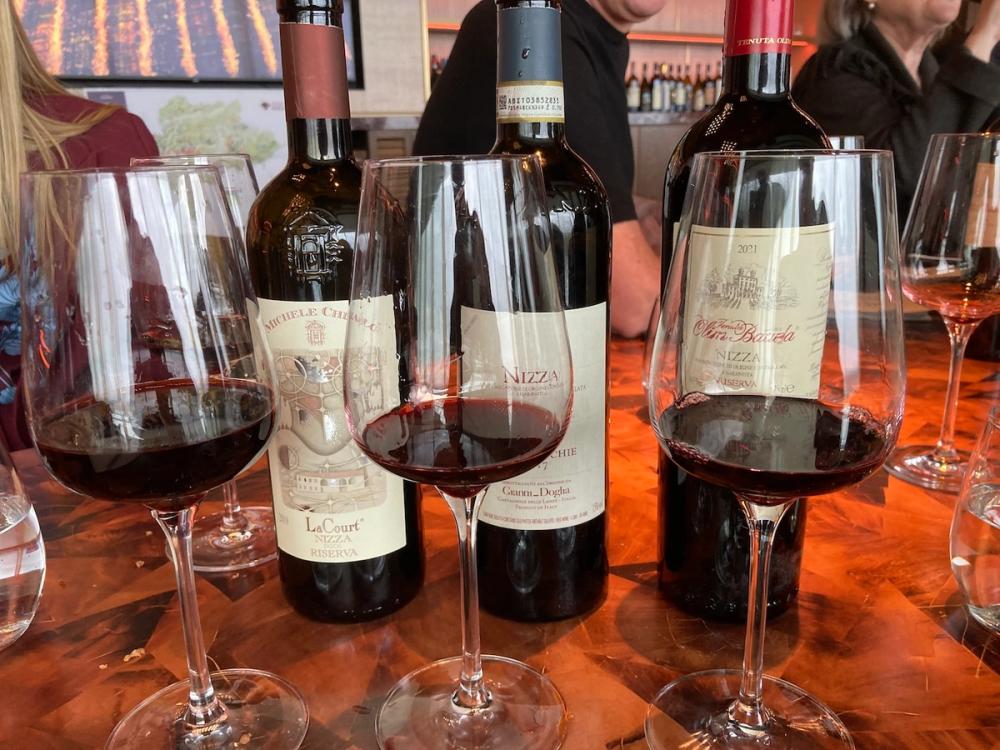
Antica Casa Vinicola Scarpa Nizza DOCG 2023
Established as a trading house in 1900, building up a reputation for its Barolos as early as the 1930s, this producer is old school and this wine – its first for the Nizza DOCG – is old school. Aged in large oak casks for 12 months and then left in bottle for another year before release, the result is a complex and exciting wine, velvety with suggestions of tangerine on the palate. 13.5% abv (Lloyd’s Wines)
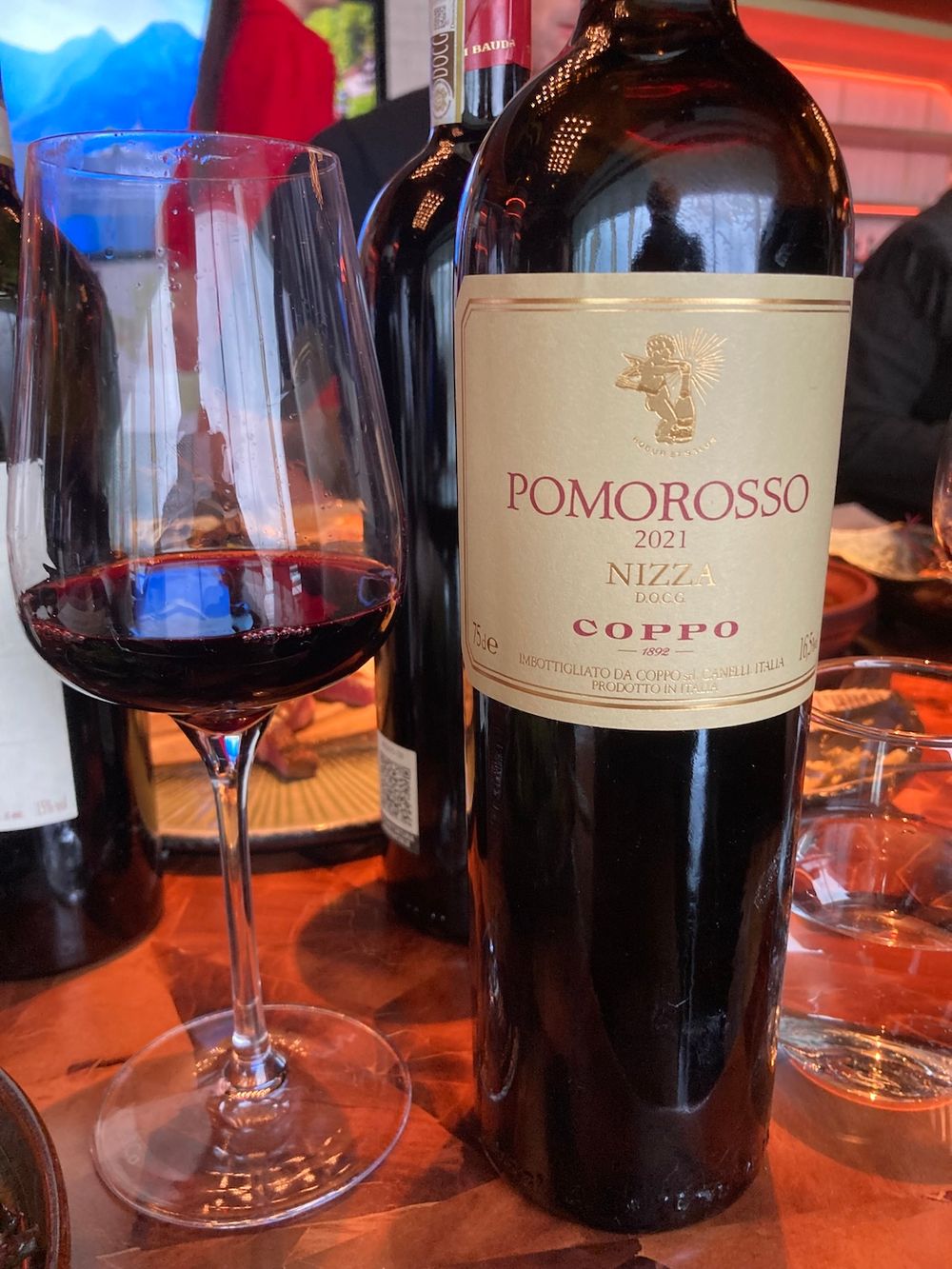
Coppo Nizza Pomorosso DOCG 2022
The intense heat that characterised the 2022 vintage goes some way towards explaining the 15.5% alcohol, but this impressive wine from a producer known for its UNESCO designated “underground cathedrals” in Canelli, which has done much to improve the image of the variety, is a star. Indeed, Coppo won the Decanter Best in Show Award in 2026 for this vintage, the first time a Barbera had ever entered the competition and was rated at an impressive 97 points out of 100. Lots of spicy, dark fruit supported by warm, velvety tannins. Recommended. 15.5% abv
Michele Chiarlo La Court DOCG 2022
Until his death three years ago, Michele Chirlo was one of the titans of Piedmont, renowned for his excellent Barolos but also his Barbera – he was one of the founders of the Nizza DOCG and his amazing winemaking is now continued by his two sons, with Stefano the winemaker.
Little surprise that the La Court DOCG 2022 was one of the outstanding wines of this event. 2022 was such a hot vintage that the harvest was made almost two weeks early and the resulting wine is very full on, but also very balanced and elegant, the acidity kept in check by the dark berry fruit and soft tannins. Drinking well now but will evolve nicely. 14.5% abv (Hallgarten Novum)
Vinchio Valglio Laudana 2022
Another impressive 2022, made by the region’s leading co-op (established 1959) from grapes grown on old vines. The oak here is well integrated – the wine spent 18 months in French oak barriques and then some time in concrete before spending another year in bottle. Harmonious, with red and dark berry fruit, plum and nutmeg on a long palate. Very decent. 14.5% abv (No UK importer)
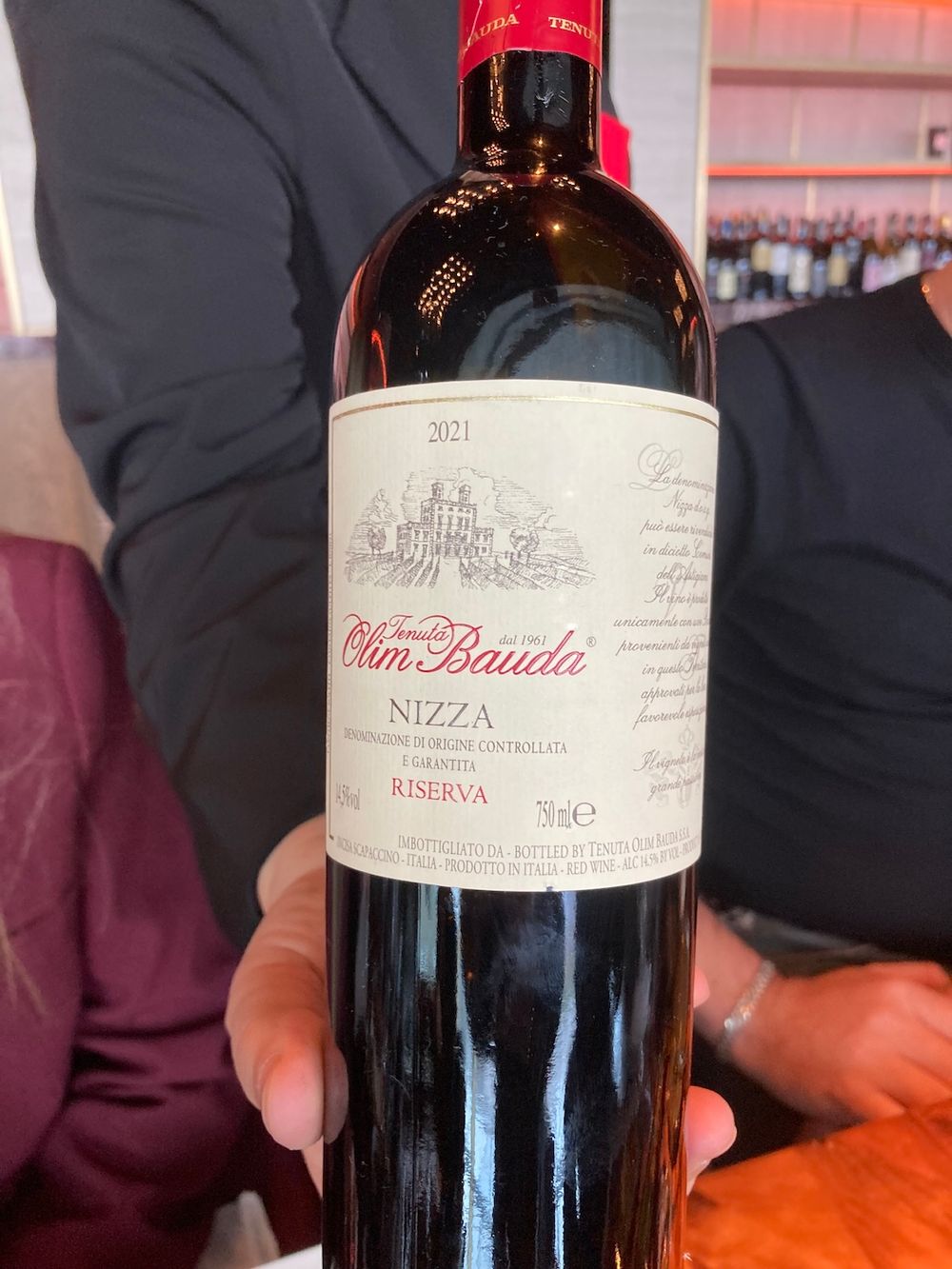
Tenuta Olim Bauda Nizza DOCG Riserva 2020
From an estate first planted in the early years of the 20th Century with Nebbiolo but now covering 53 hectares and growing this variety along with Barbera and Moscato, this was one of the older, more elegant and complex wines of the tasting. Aged for 30 months in oak, there is great balance here, with black cherry, tobacco and leather on the palate. Well priced too. 15.5% abv (Alliance Wine)
Gianni Doglia Nizza DOCG Viti Vecchie 2023
Old vines – over 50 years old – and careful hand selection are key to the quality of this wine produced by the Doglia family for the past three generations in Castagnole delle Lanze. This is a big wine, 15%, but very smooth, showing red berry fruit, black cherry and soft tannins. 15% abv (Vinarious Wine Merchants)
LHV Avezza Nizza DOCG 2020
The Avezza family have been making wine in Piedmont since 1956 but was recently acquired by Norway’s Lyhus family. This is a decent solid Barbera, aged for one year in barrel before another year in bottle pre-release. Full on, but showing extra complexity with age. Well priced. 15% abv (No UK importer)