When a winemaker starts to describe their wine in poetic terms, you should either run or stay. Run, because something ‘may be off’ and the romanticism might be a way of disguising it. Or stay, because something is ‘spot on’ and the wine has moved the winemaker to speak in poetry.
I chose to stay. And in doing so, I listened, I tasted, and I understood exactly what Stefano Chiarlo meant in the way he described the estate's flagship wine Cerequio….”You would walk into a forest, surrounded by fog. You can see a little porcini, a little berry, and an abundant forest floor.”
I couldn’t describe Barolo better myself, and honestly, I wouldn’t want to.
Family chapter
Enduring legacy - Michele Chiarlo
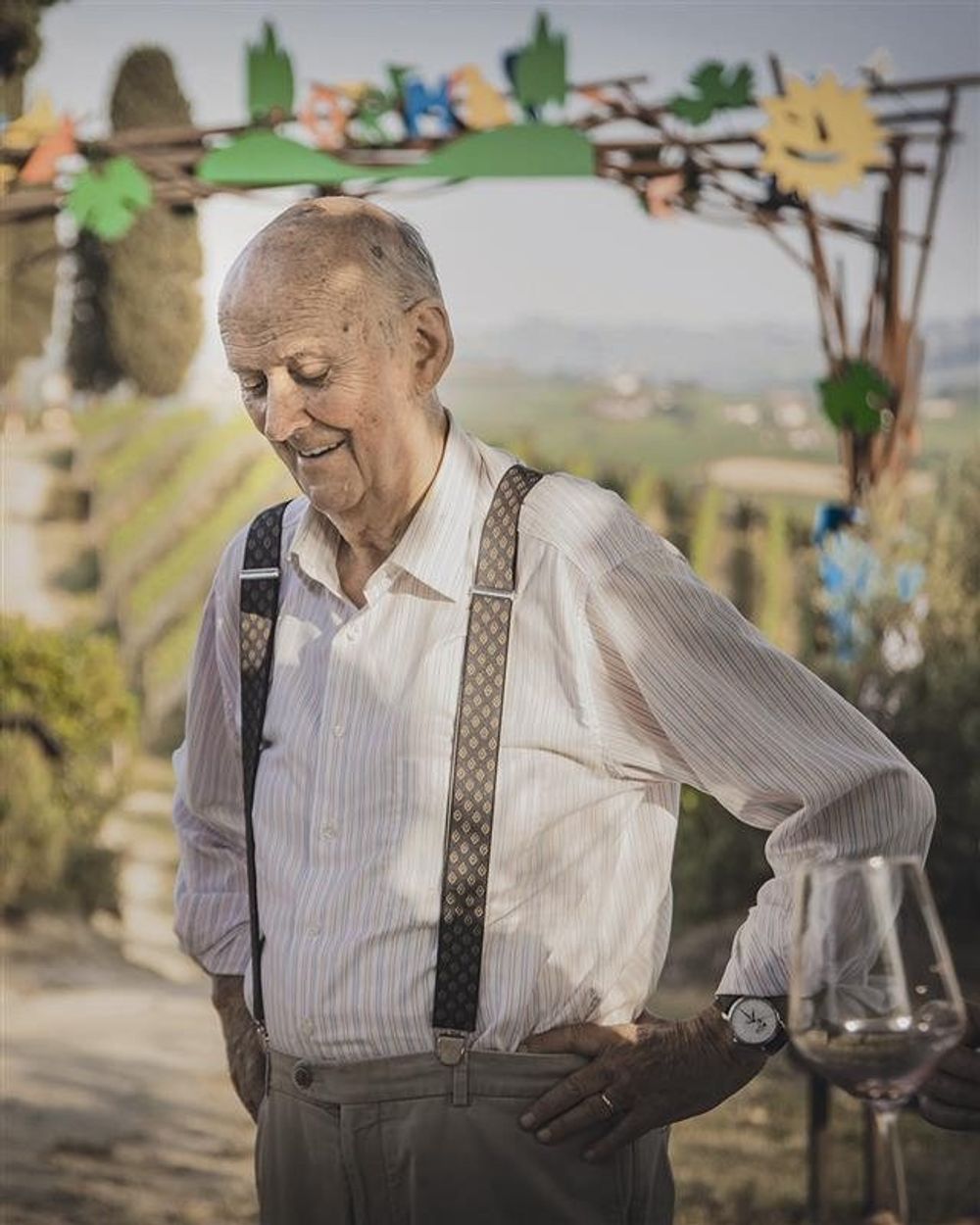
Stefano Chiarlo represents the third generation of Michele Chiarlo a family that has devoted its life to the art of winemaking. Based in Calamandrana in Monferrato, its legacy spans the breadth of Piedmont, from Barbera and Barolo to Gavi and Moscato d’Asti. Stefano’s father, Michele Chiarlo, was a visionary who co-founded the Nizza DOCG and championed Barbera’s potential long before it gained wider acclaim. Two and a half years since his death, his vision continues to guide every step of the Chiarlo family with his sons Stefano and Alberto carrying forward his commitment to quality, sustainability, and the land, expanding their enotourism and artistic offerings.
Alberto brings a creative flair, extending the family’s philosophy beyond the cellar into the world of art and storytelling. The Art Park La Court at Nizza and the family’s annual CRU magazine both express their belief that wine is part of a wider cultural dialogue, not just a drink but an experience that engages all the senses.
Since founding the winery in 1956, the family’s greatest challenge hasn’t been building a brand but rather shifting a mindset: away from volume and towards quality. Their philosophy is rooted in the vineyard, not as a whole but on individual parcels, seeking the purest possible expression. Stefano describes himself as “a man of the vineyard” rather than just a winemaker.
Over the years, this philosophy has shaped an impressive collection of sites across Piedmont, from the Barbera stronghold of Nizza and the elegant slopes of Barolo and Barbaresco to the crystalline whites of Gavi and the joyful sparkle of Moscato d’Asti. Each wine reflects the same precision, respect for place, and quiet pursuit of beauty that define the Chiarlo name.
Cerequio – where elegance meets elevation
Cerequio
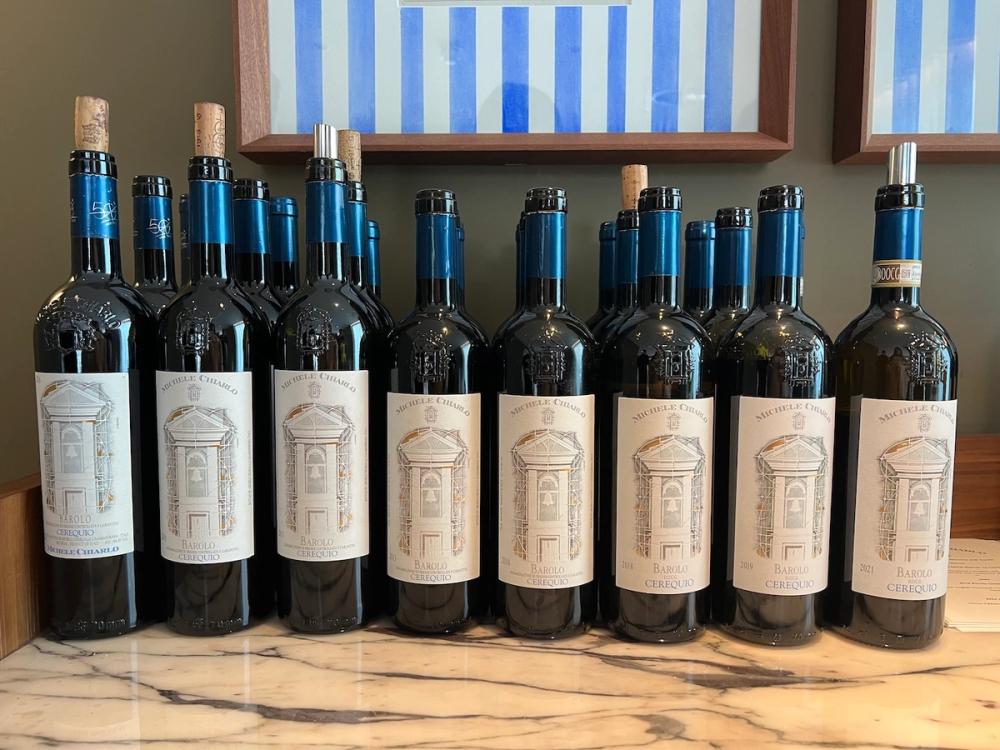
Among the many distinguished sites within the Barolo DOCG, Cerequio stands proudly as one of the officially recognised MGA (Menzione Geografica Aggiuntiva) vineyards. The MGA system is essentially Barolo’s answer to Burgundy’s crus, defining specific and delimited areas renowned for their unique terroir and expressive identity.
Carved into the rolling hills of La Morra, Cerequio forms a natural ampitheatre with south and southeast exposure at around 280 metres above sea level. The nearby Ramello Hill shields it from the cold northern winds, creating a microclimate that balances warmth and airflow. This gentle protection allows Nebbiolo to ripen slowly and evenly, building complexity, perfume, and longevity.
The soils are rich in calcareous marl with a notable magnesium content, which many believe gives rise to Cerequio’s hallmark freshness. The wines often reveal subtle notes of mint, eucalyptus, and balsamic lift – that cool and elegant breath that persists even in warmer vintages.
Today, Cerequio is rightly regarded as one of Barolo’s true crus, a vineyard of exceptional pedigree and grace. Only a handful of producers hold parcels here, and even fewer treat it with the reverence it deserves. For me, it is a personal favourite. That minty vitality makes it feel so refined and lifted, less muscular yet profoundly expressive, a style that flatters Nebbiolo beautifully. Under Chiarlo's family patronage, Cerequio becomes the perfect balance of terroir, precision, and poetry.
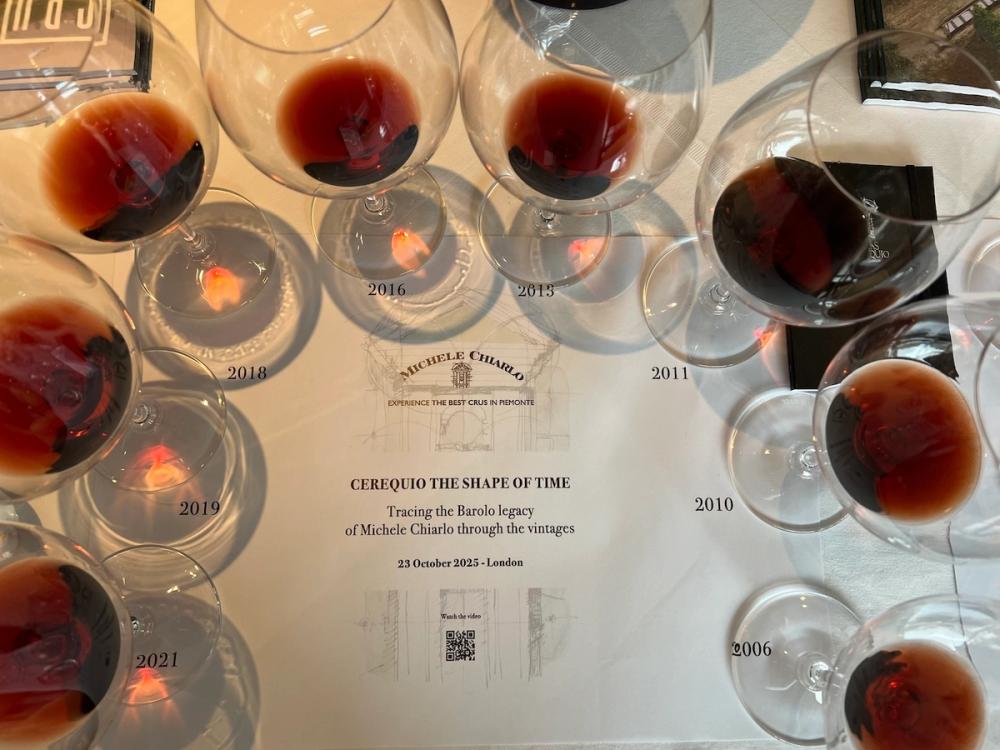
A vertical of Cerequio – tasting notes
Cerequio
Cerequio 2006
Leather, wood and spice lead the way. Initially closed, but after some air it reveals that incredible “freshly fitted horse saddle” aroma, truly unique. Hints of wet forest floor, ripe cherry and dark berry follow. The palate is smooth with integrated tannins and a refreshing lift from mint. A difficult vintage, with yields reduced by up to 60 percent during green harvest, and yet the result is compelling. Still evolving.
Cerequio 2010
This is the enchanted forest Stefano spoke of. Pine woods in October, with damp leaves, porcini and forest berries. On the palate, that sense of woodland depth carries through, balanced by vivid mint. A standout vintage. Drink now or hold.
Cerequio 2011
More pepper and spice with notes of dark sweet cherry. Still quite wood-driven with menthol showing prominently. The tannins remain firm. A warm, non-classical vintage harvested in late September. Still developing and one to revisit later.
Cerequio 2013
Sweet dark cherry, layered spice and a powerful minty aroma. Eucalyptus and ripe blackberry round it out. The tannins are firm with this vintage needing more time, but it’s packed with potential. Not a classic year, but very promising.
Cerequio 2016
Perfumed and Bordeaux-like in its structure. Dark cherry, blackcurrant, dried leaves. The mint and eucalyptus are more elegant and defined here. A classic vintage harvested in late October. Graceful and evocative, like a walk through a foggy forest at dawn (now who’s getting poetic eh?! – Ed.)
Cerequio 2018
Vibrant and aromatic. The palate is complete and developed, with fresh acidity, soft tannins and that signature minty lift. A subtle touch of magnesium-like minerality. This is the first of the recent 'classic' vintages that I truly enjoyed. Spicy and balanced.
Cerequio 2019
More elegant still, with cherry, herbs, eucalyptus and leathery nuance. Structured tannins and a forest floor earthiness on the palate. What really stands out is a distinct sweeter note of dark cherry. Structured and composed.
Cerequio 2021
Aromatic with cherry, menthol and sage. The palate shows sour cherry, mineral tones and spicy tannins. Harvested between 10 and 12 October. A textbook vintage. Promising and precise.
General Impressions
The 2018 to 2021 vintages display the most complete aromatic profiles, with more generosity and earlier drinkability. The 2006 to 2011 wines show deeper hues and denser structure. Visually, recent vintages are more transparent and garnet. The mint and forest floor character is a unifying thread across the years.
A fabulous lunch at Cornus
Cerequio
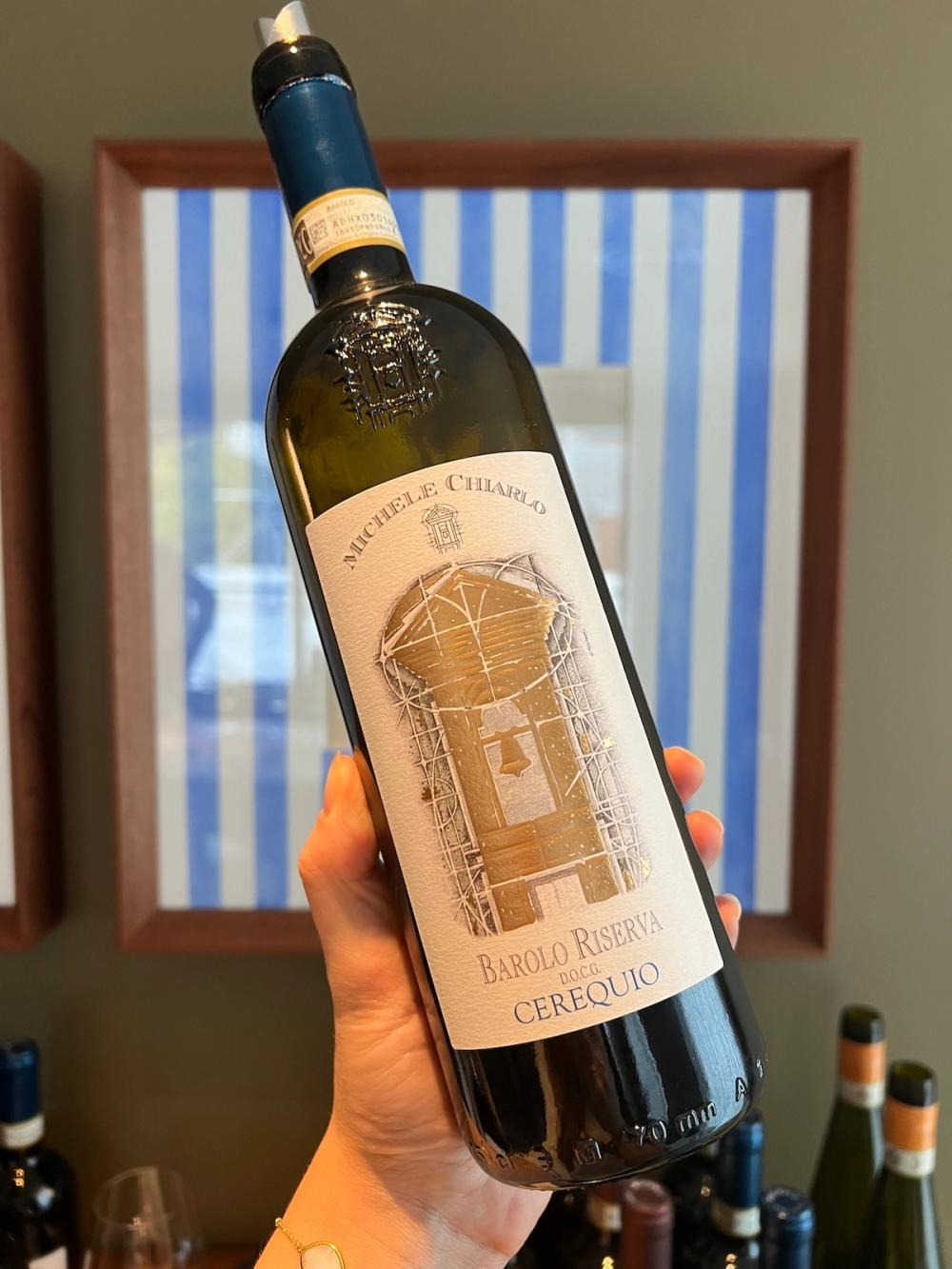
It’s clear that Cornus is fast becoming a favourite among fine Italian producers and I’m all for that. The lunch was absolutely divine, with thoughtful pairings and warm, polished service. We were treated to a glass of Barolo Riserva, which frankly stole my heart, as well as a beautifully mineral Gavi that showcased Chiarlo’s white winemaking with precision and charm.
Cerequio
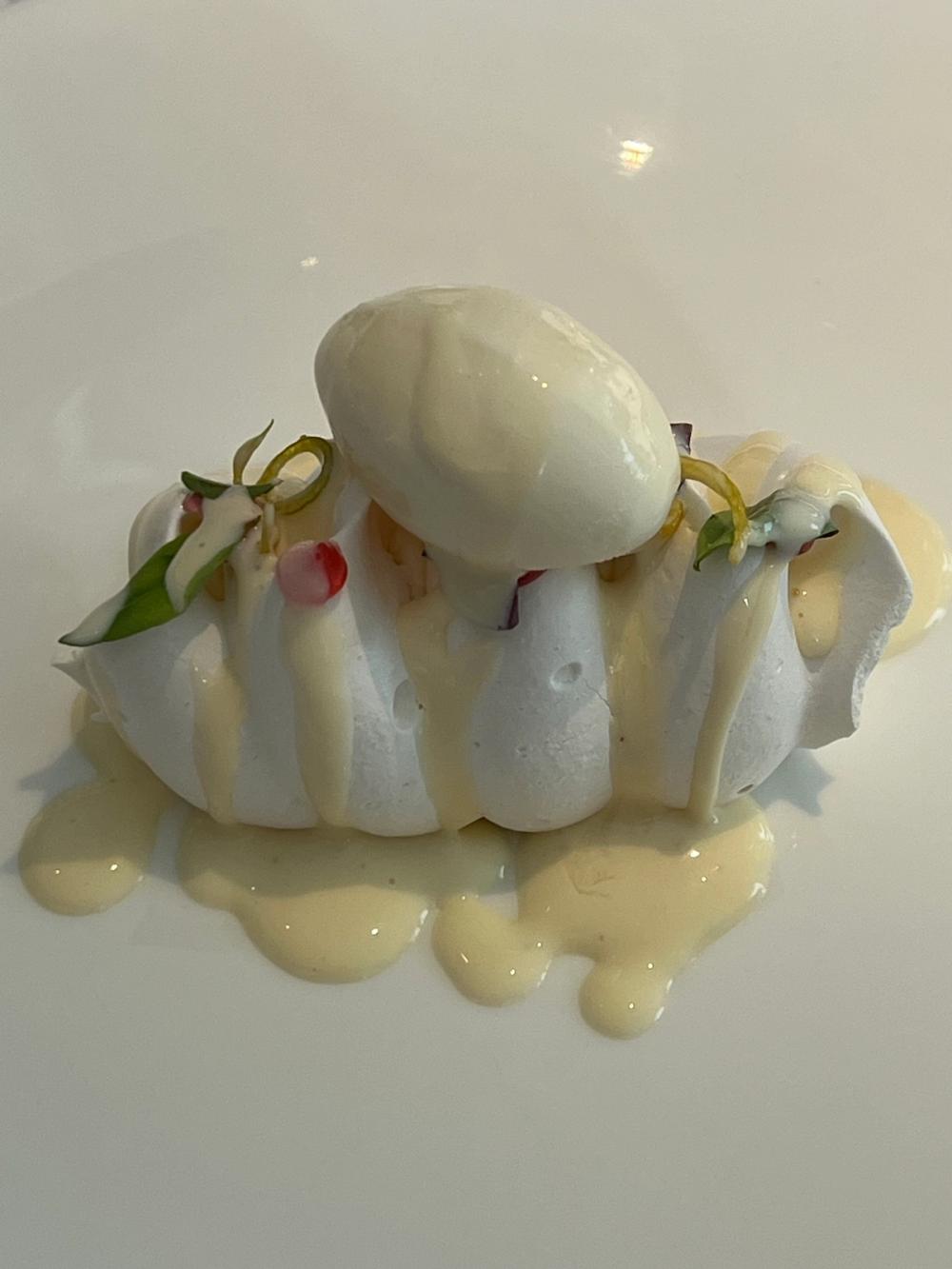
And then, the Moscato d’Asti. Served with pavlova, it was a moment of pure joy. Lightly sparkling, floral, just sweet enough. I’m grateful the portion was small, because otherwise I wouldn’t have stopped at one. Nor should anyone.
Where to find the wines
Cerequio
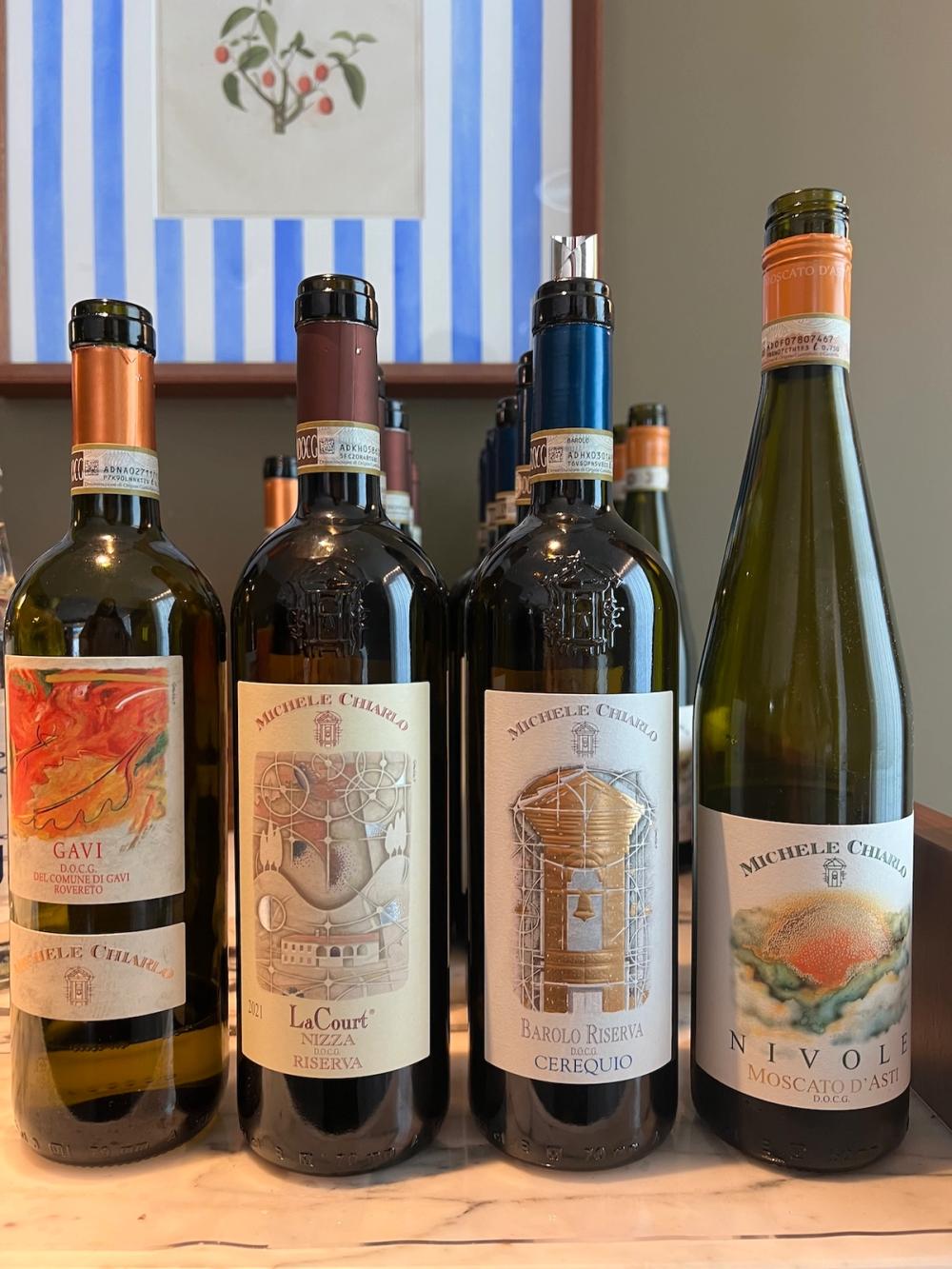
The full range of Michele Chiarlo wines, including Barolo Cerequio, Barbera d’Asti, Gavi, and Moscato d’Asti, is imported to the UK by Hallgarten & Novum Wines. The thoughtful portfolio brings the breadth of Chiarlo’s Piedmont artistry to British tables with precision and heart.
Hallgarten & Novum is a commercial partner of The Buyer. To discover more about them click here.