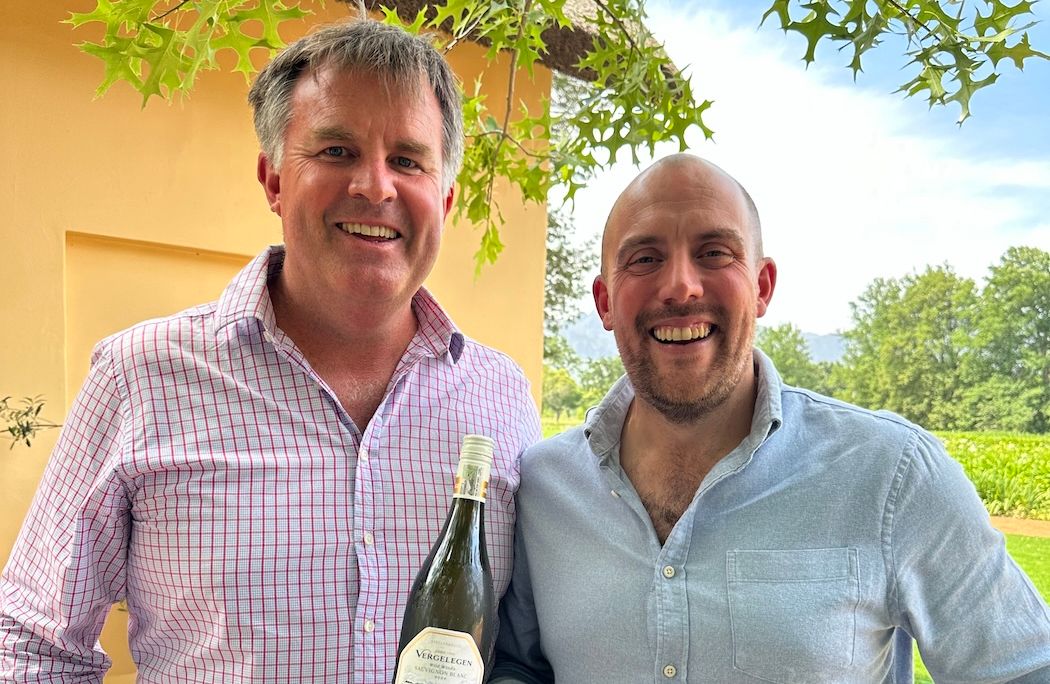
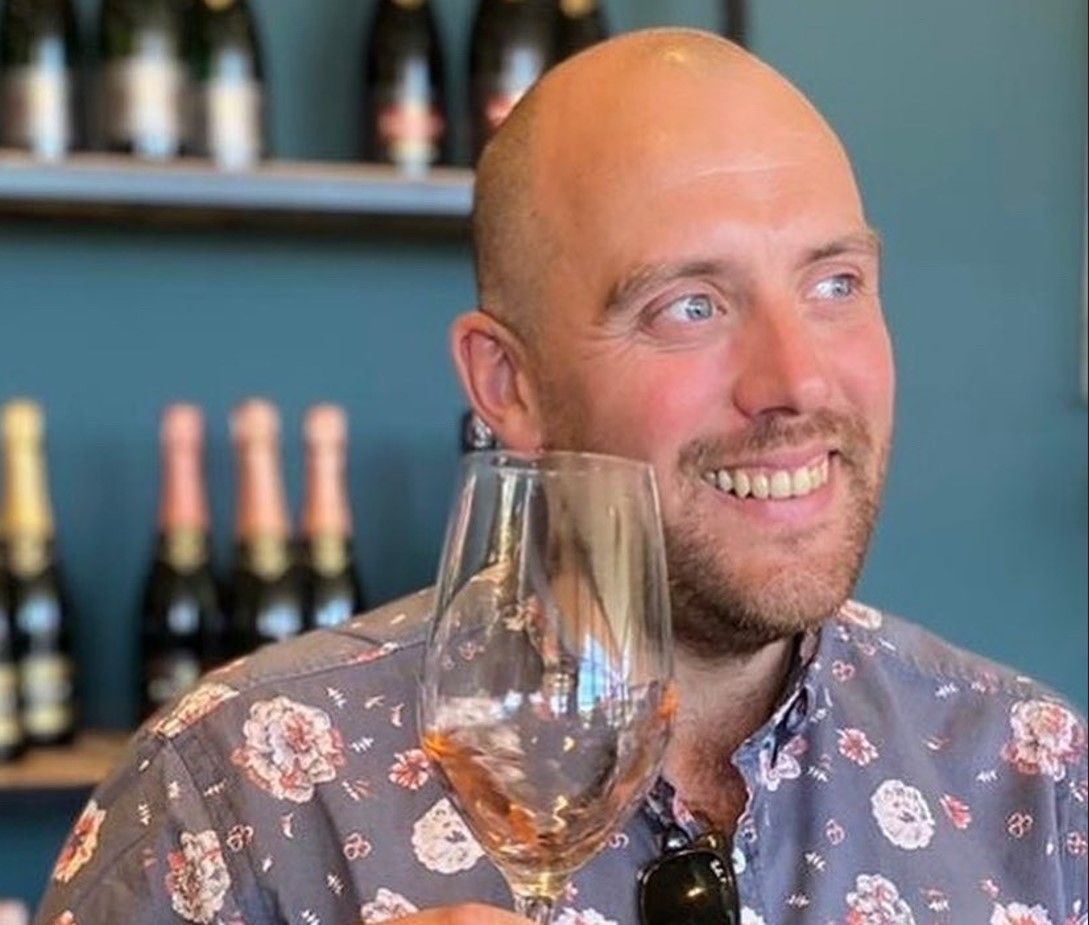
The Vergelegen 2023 and 2024 vintage wines, now being showcased, mark the first full release made entirely under Luke O’Cuinneagain’s stewardship. For a producer with more than 300 years of history, this moment represents a notable turning point. Originally from the Constantia Valley, O’Cuinneagain brings an intrinsic understanding of coastal winemaking in the Western Cape, supported by experience at globally renowned estates including Rustenberg, Château Angélus and Screaming Eagle. That combination of local knowledge and international perspective is now being applied at Vergelegen at a pivotal time in its evolution.
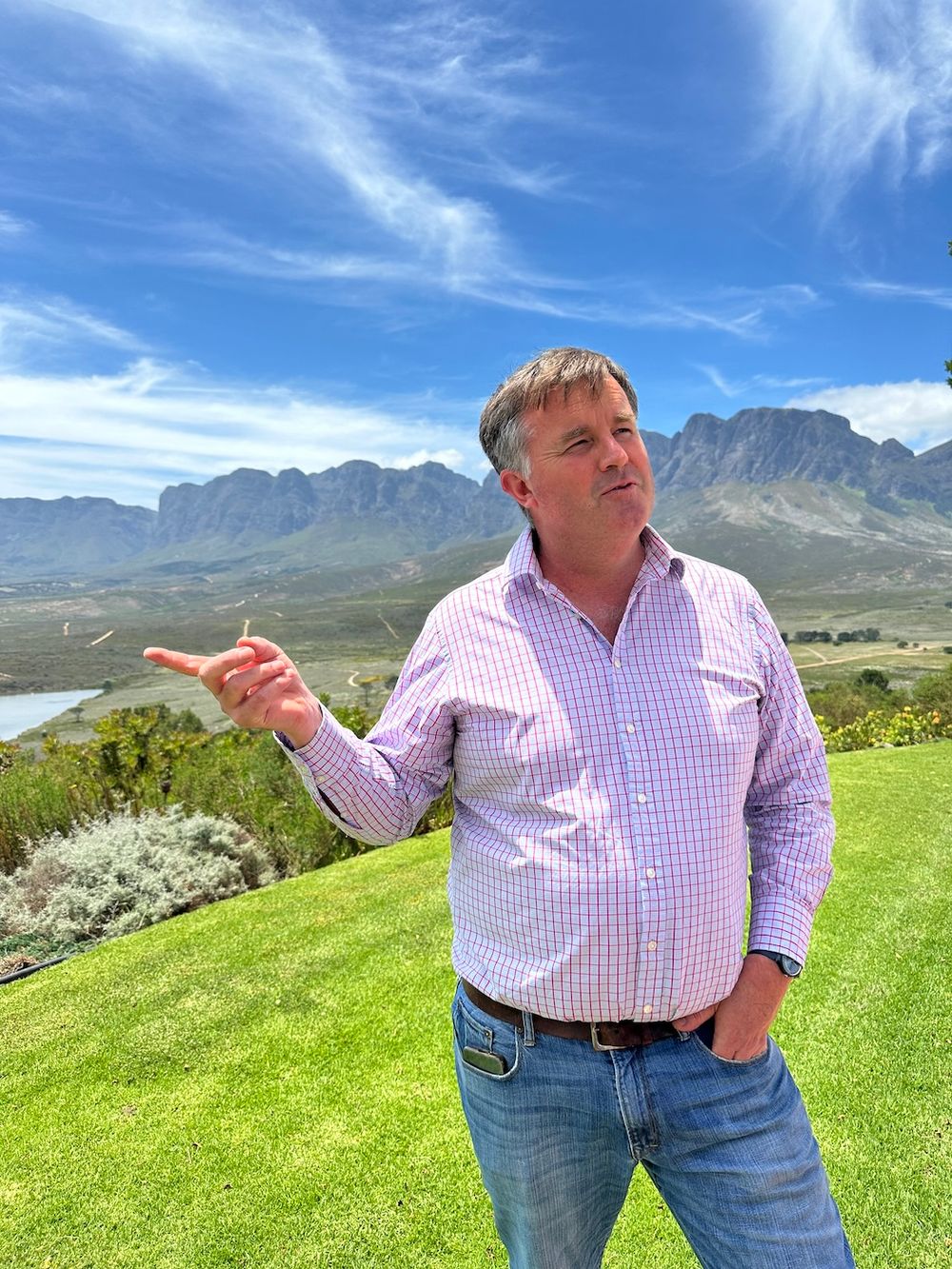
Vineyard selection, site expression and varietal clarity underpin the winemaking approach – Luke O’Cuinneagain, Stellenbosch 2024
Reflecting on a visit I paid to the estate in November 2024, two years after O’Cuinneagain had taken the helm from André Van Rensburg, Luke's sense of ambition was already clear. He spoke then about vineyard selection, site expression and the long-term potential of the property, alongside early expectations for the 2023 wines. Two years on, those wines now offer the first tangible insight into his direction.
Vergelegen, which has been producing wine for 325 years, occupies an unique position – an “old world” estate in a “new world” setting. The business has successfully repositioned itself as a destination winery, with a strong focus on hospitality, including a highly regarded restaurant and visitor experience. However, the renewed emphasis under O’Cuinneagain is firmly on wine quality and site expression, with a clear ambition to elevate both reputation and commercial standing.
O’Cuinneagain describes his role in custodial terms.
“The ultimate goal is to build a successful business that will stand the test of time and be passed down through generations,” he says. “This site is special for growing high-quality Bordeaux varieties. I’m not looking for massive yield – I’m looking for amazing fruit that speaks to this place.”
The estate’s proximity to False Bay, approximately six kilometres away, plays a defining role in shaping wine style. Maritime influence moderates temperatures and contributes to freshness and structure, while the vineyards’ natural amphitheatre formation creates a series of distinct mesoclimates. Combined with more than 21 different soil types across the farm, the result is a highly complex terroir that offers considerable blending potential but also demands careful vineyard management.
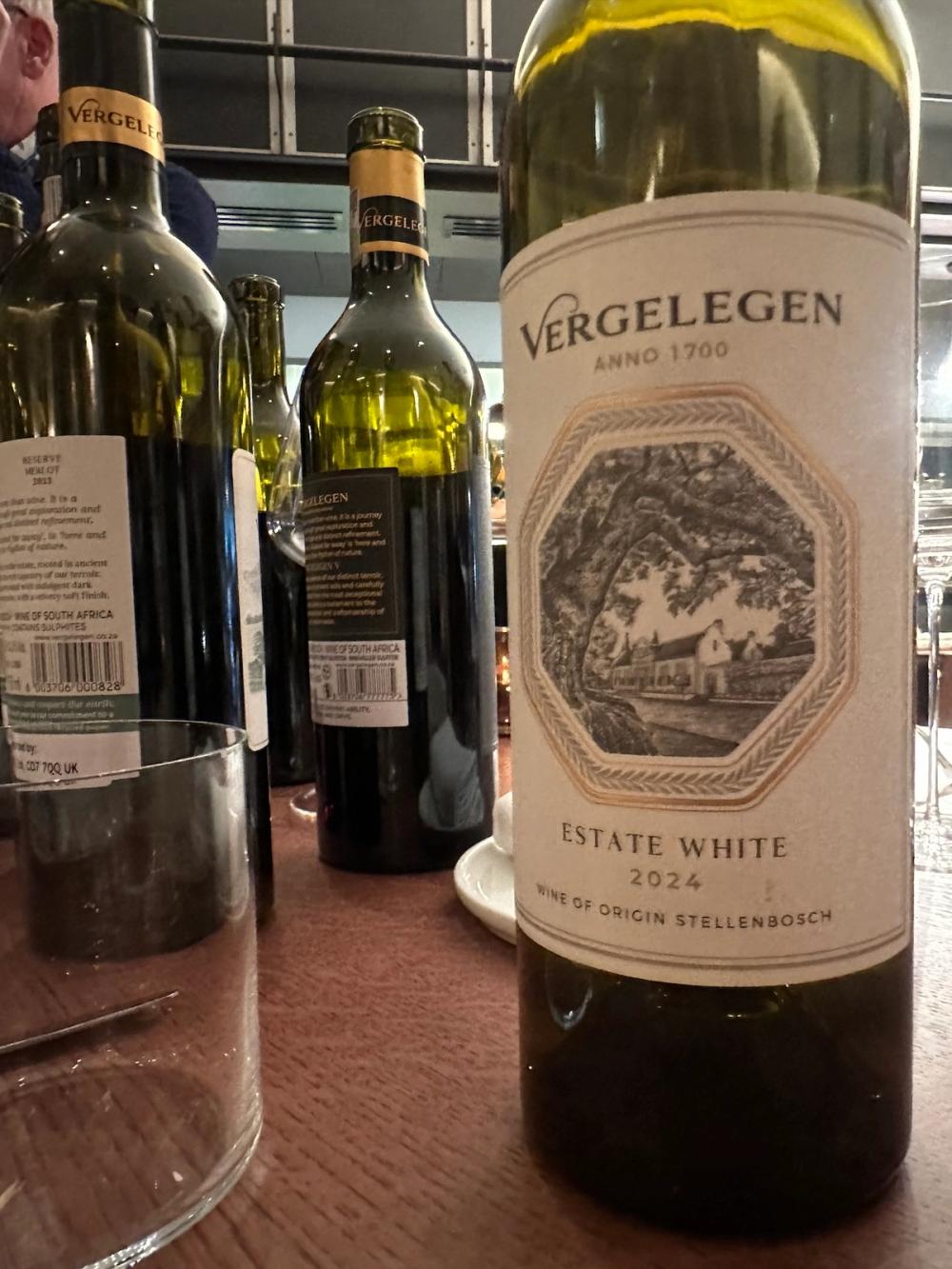
While Stellenbosch is often associated with red wines, particularly Cabernet Sauvignon, O’Cuinneagain is equally focused on the estate’s white wine potential. The Estate White, Stellenbosch, Vergelegen, 2024, provides a compelling example. Comprising 52% Sémillon and 48% Sauvignon Blanc, the wine highlights the benefits of site selection, with Sauvignon Blanc tension, freshness and energy, while the blend retains the structure and ageing potential associated with top Bordeaux blancs.
O’Cuinneagain also challenges conventional thinking around blending. Historically, Bordeaux-style blends have been the primary focus in Stellenbosch, but his approach begins with the production of high-quality single varietal wines.
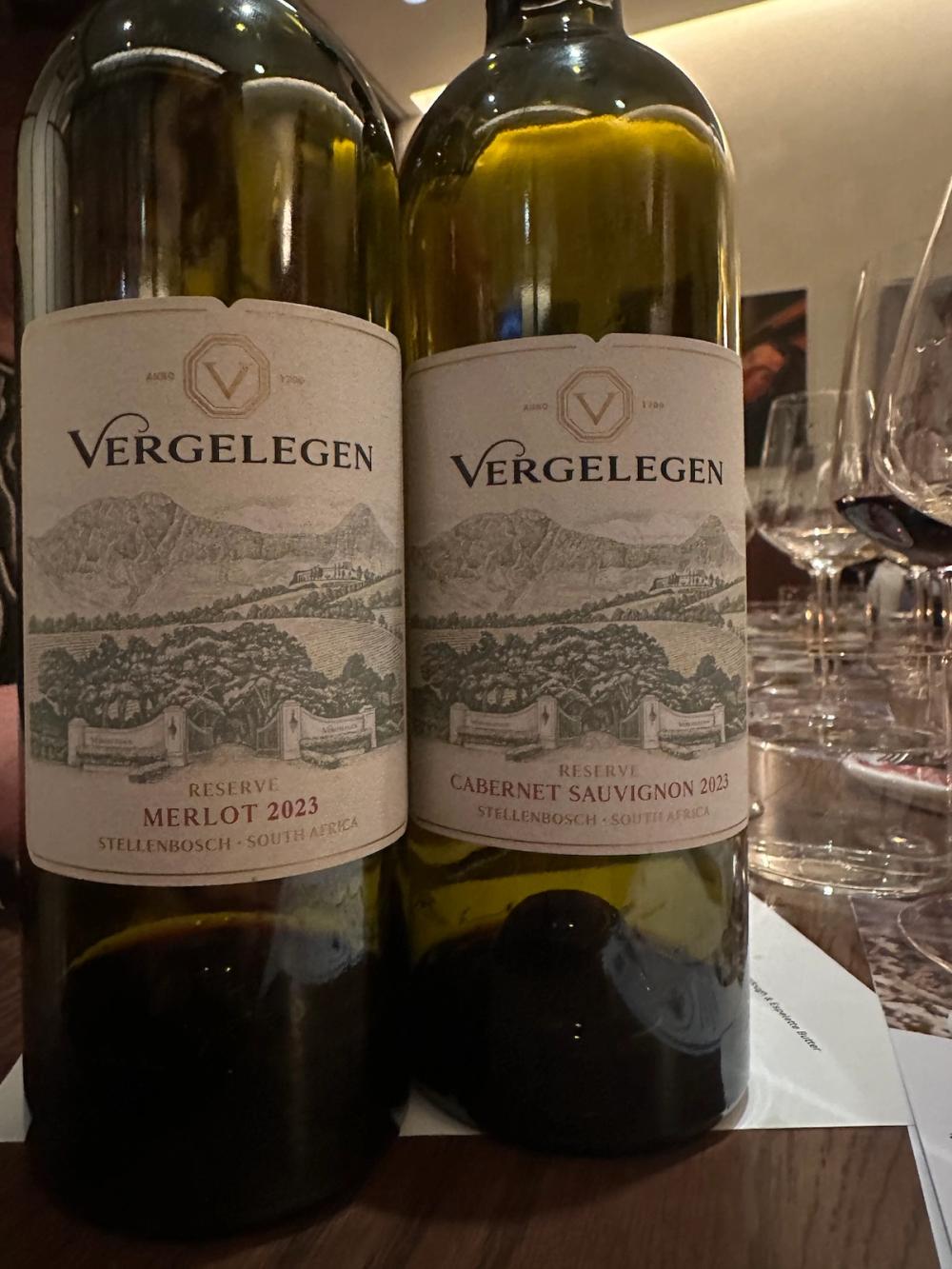
“If you make the best possible individual components, you can then determine what works in the blend,” he explains. This philosophy is evident in wines such as the Merlot, Stellenbosch, Vergelegen, 2023, which shows brightness, clarity and immediate drinkability while maintaining varietal integrity.
At the top of the range sits the estate’s icon wine, a single varietal expression of Cabernet Sauvignon. Under previous regimes, a broader selection of vineyard blocks contributed to this wine. O’Cuinneagain has refined that approach, identifying specific parcels that consistently deliver the required quality.
“Not every block is destined for the top wine,” he says. “It’s about understanding the vineyard and managing each site accordingly.”
The resulting wine – Cabernet Sauvignon V, Stellenbosch, Vergelegen, 2023 – reflects both site and philosophy. The influence of False Bay contributes to a fresher, more focused style of Cabernet Sauvignon, with bright fruit, defined acidity and structural precision like the V shape of the wine's name. While built for ageing, the wine already offers approachability, balancing concentration with finesse.
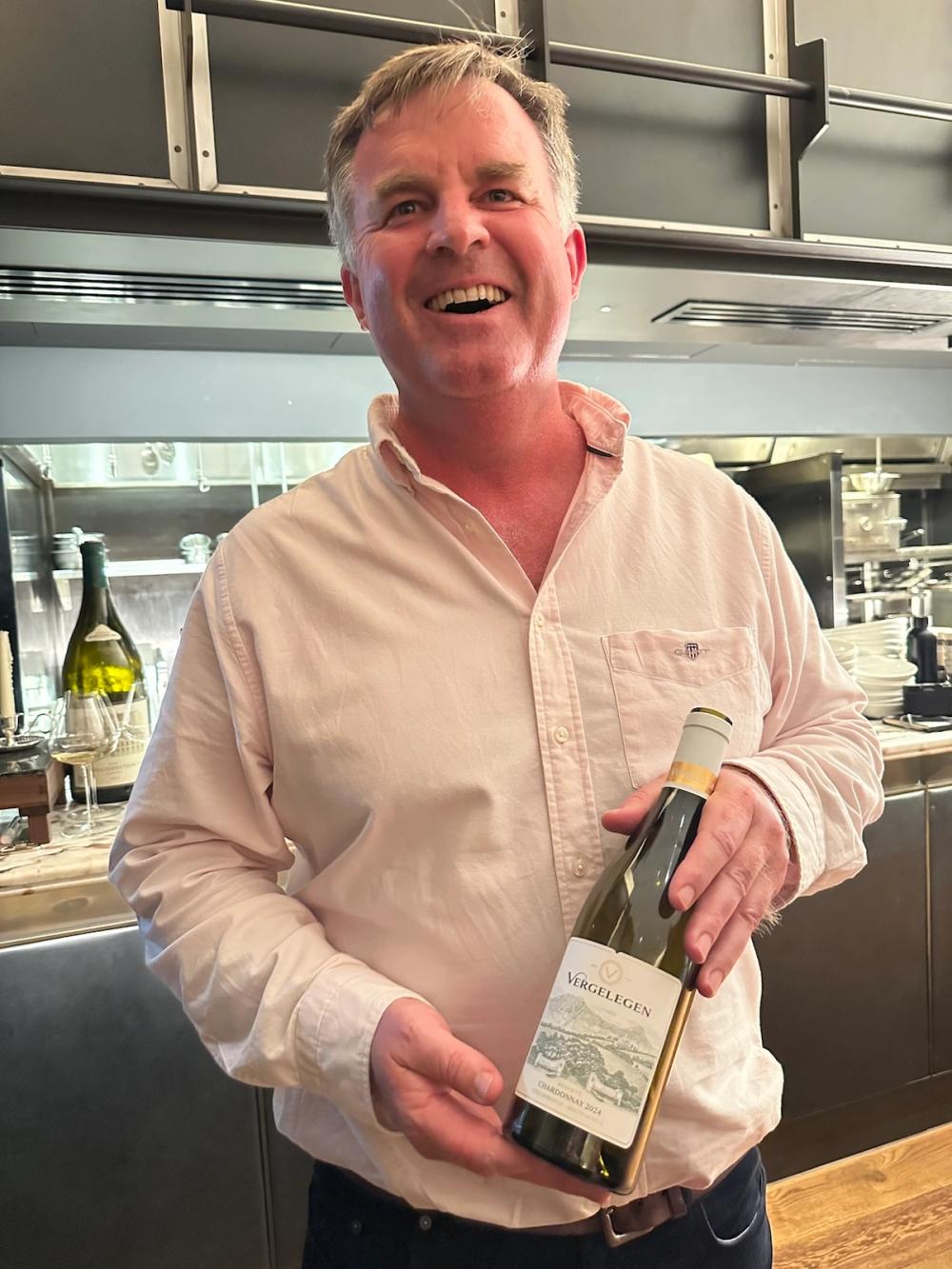
Four years in charge – Luke O’Cuinneagain, London, May 2026
What emerges from O’Cuinneagain’s tenure so far is a clear and considered strategy. Vineyard selection, site expression and varietal clarity underpin the winemaking approach, supported by a broader vision of long-term sustainability and brand development. For Vergelegen, the challenge lies in balancing its historical legacy with the demands of a modern, competitive market.
The estate may be centuries old, but its current trajectory feels distinctly contemporary. With a renewed focus on quality, a refined understanding of terroir and the influence of an internationally experienced winemaker, Vergelegen is entering a new phase. For the trade, it is a producer that warrants closer attention, not only for its heritage, but for the direction in which it is now heading.