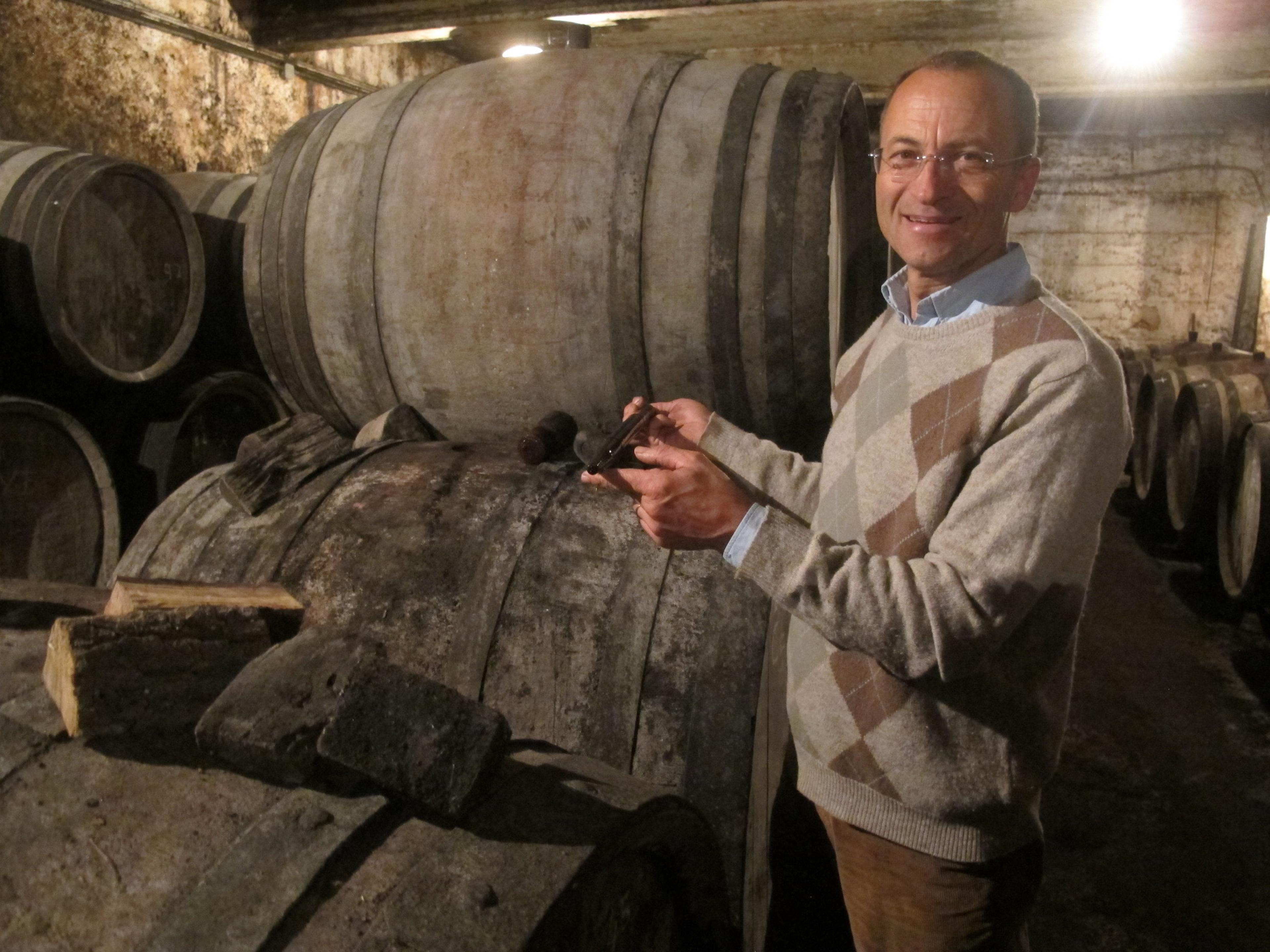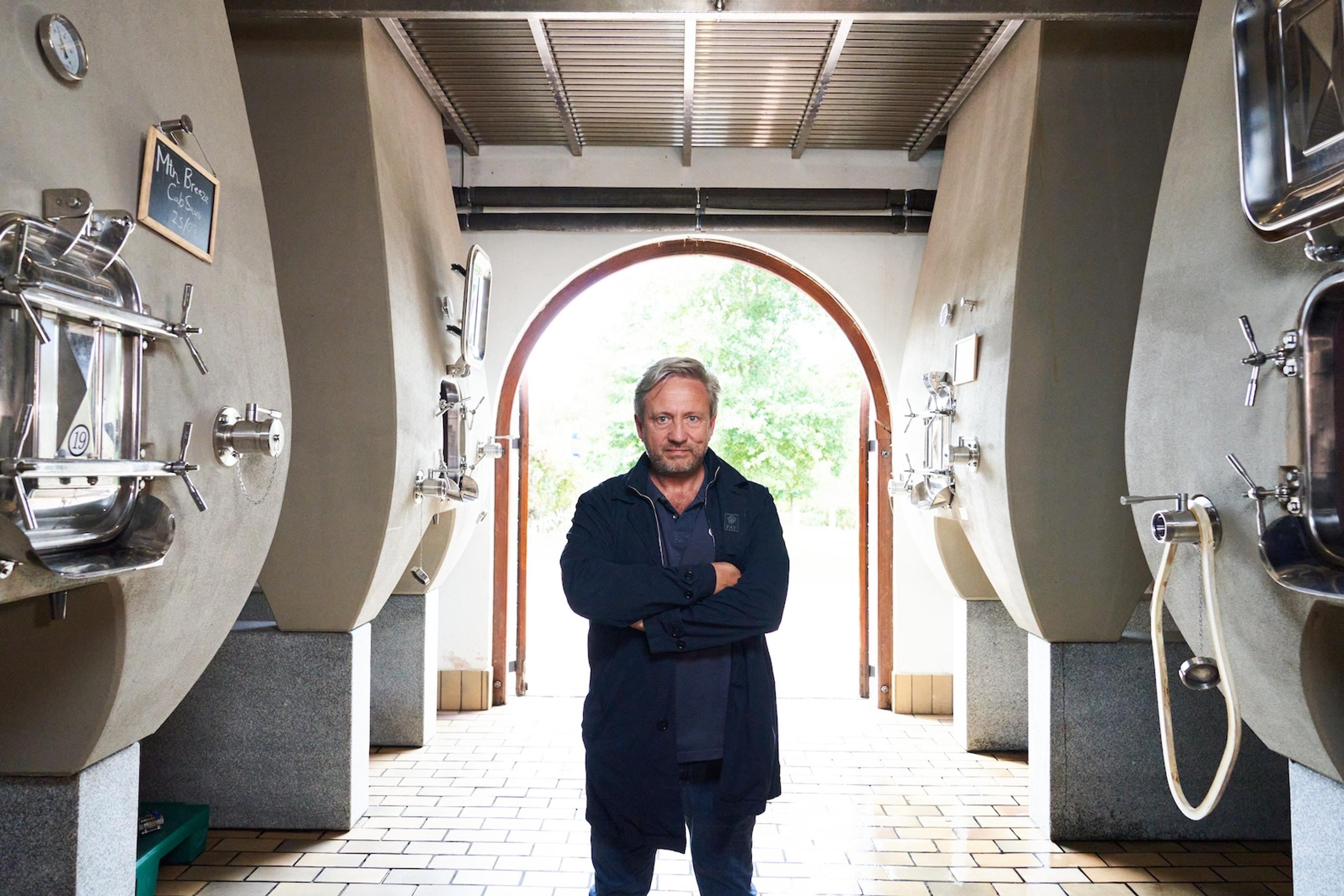

Ciaran Keaney has been running Carringtons in south Manchester for 40 years and has specialised in Rhône wines for more than 30 of those. “In the early days, we used to visit Burgundy a lot, and it was a natural progression to carry on southwards through France to the Rhône. What we found was the Burgundies we brought back often didn’t drink well until they’d been here for at least six months. But with the Rhône, you had wines where you could just pop the cork and go – instant pleasure, sunshine in a bottle, happy days!”
And whereas with those early visits, it was the red wines that attracted him, now it’s just as likely to be the whites that grab his attention. “They’re cleaner, livelier and just beautiful – and at all levels, they’re great value compared with anywhere in the world.”

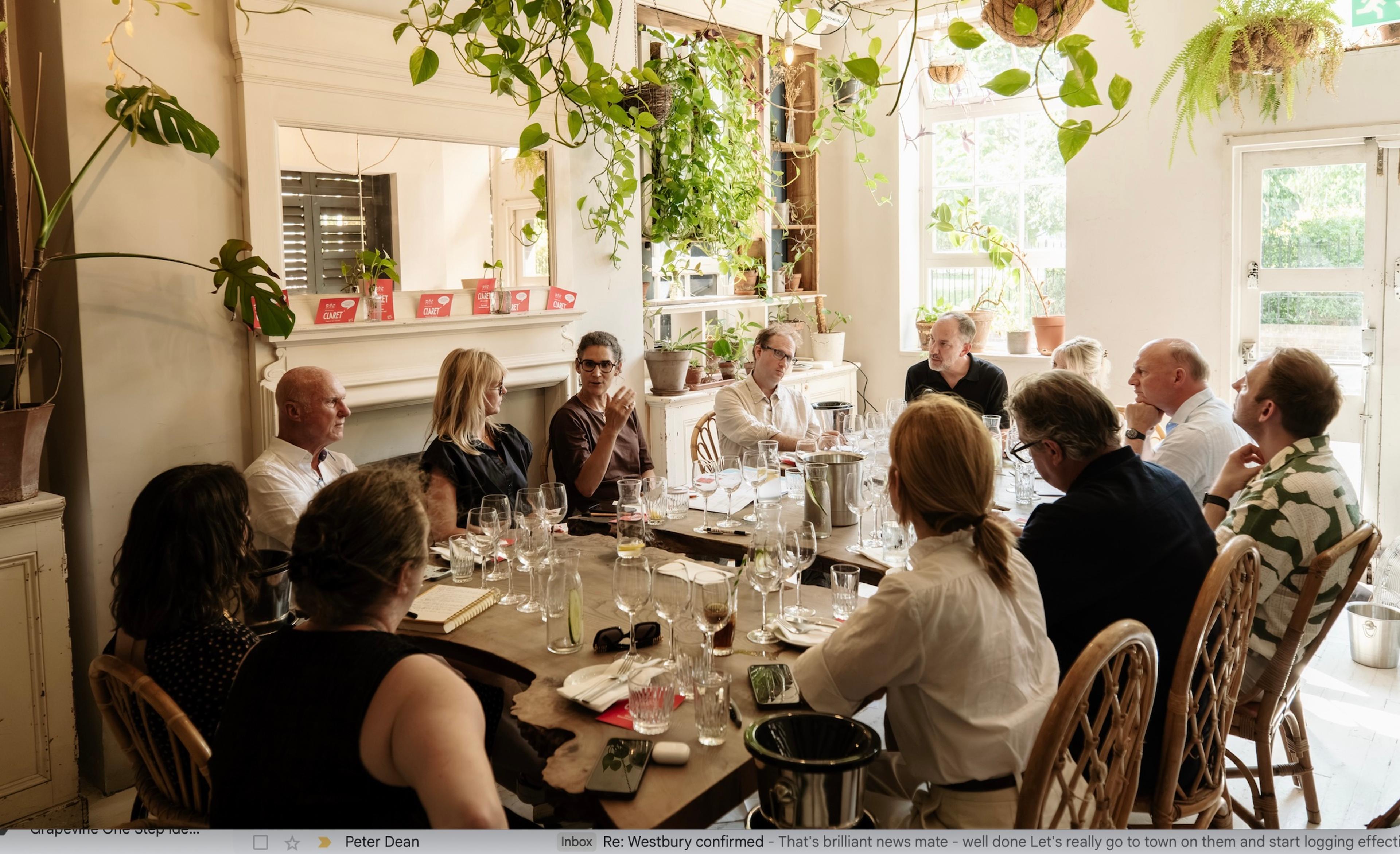
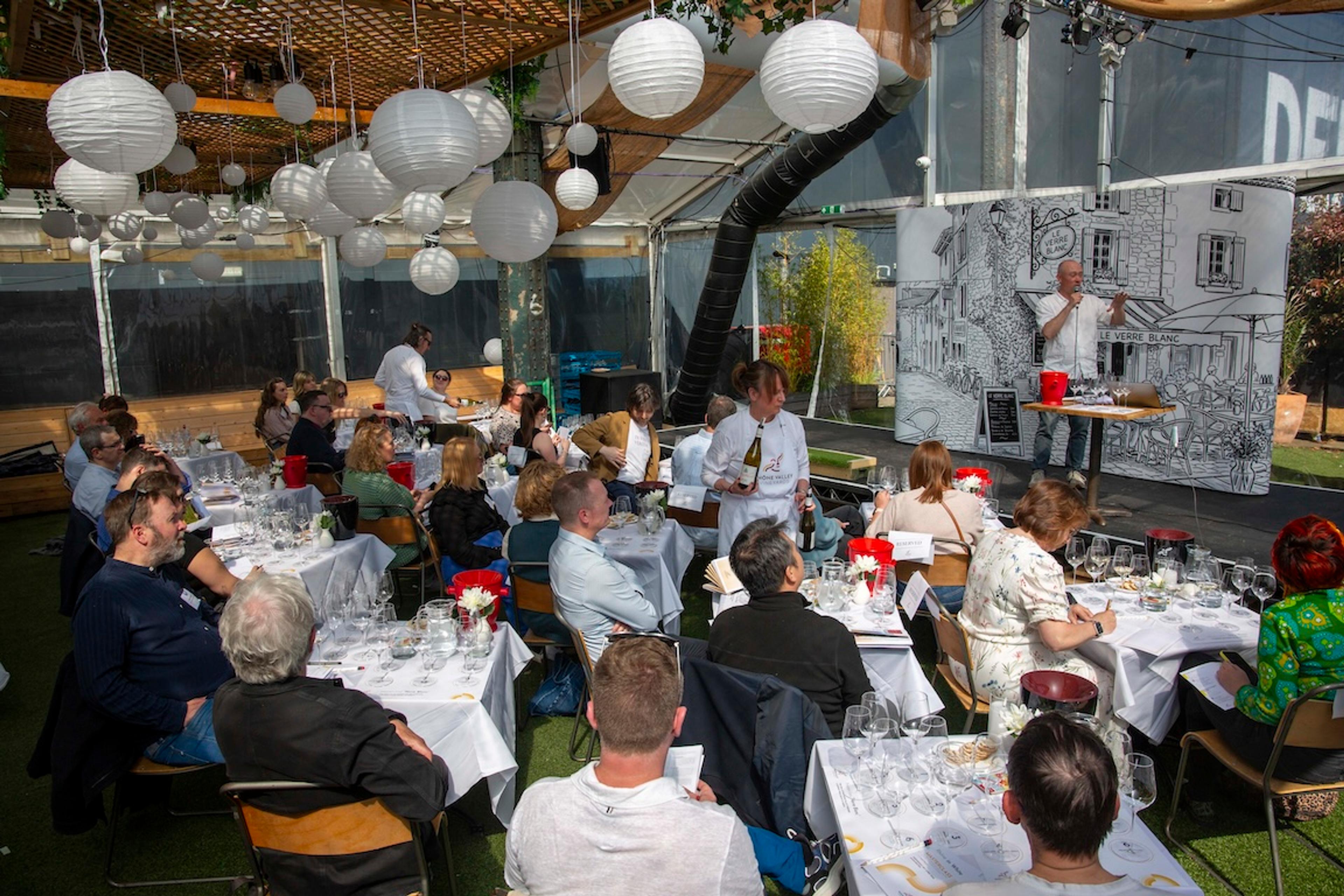
Rhône wine expert Matt Walls chaired two masterclasses
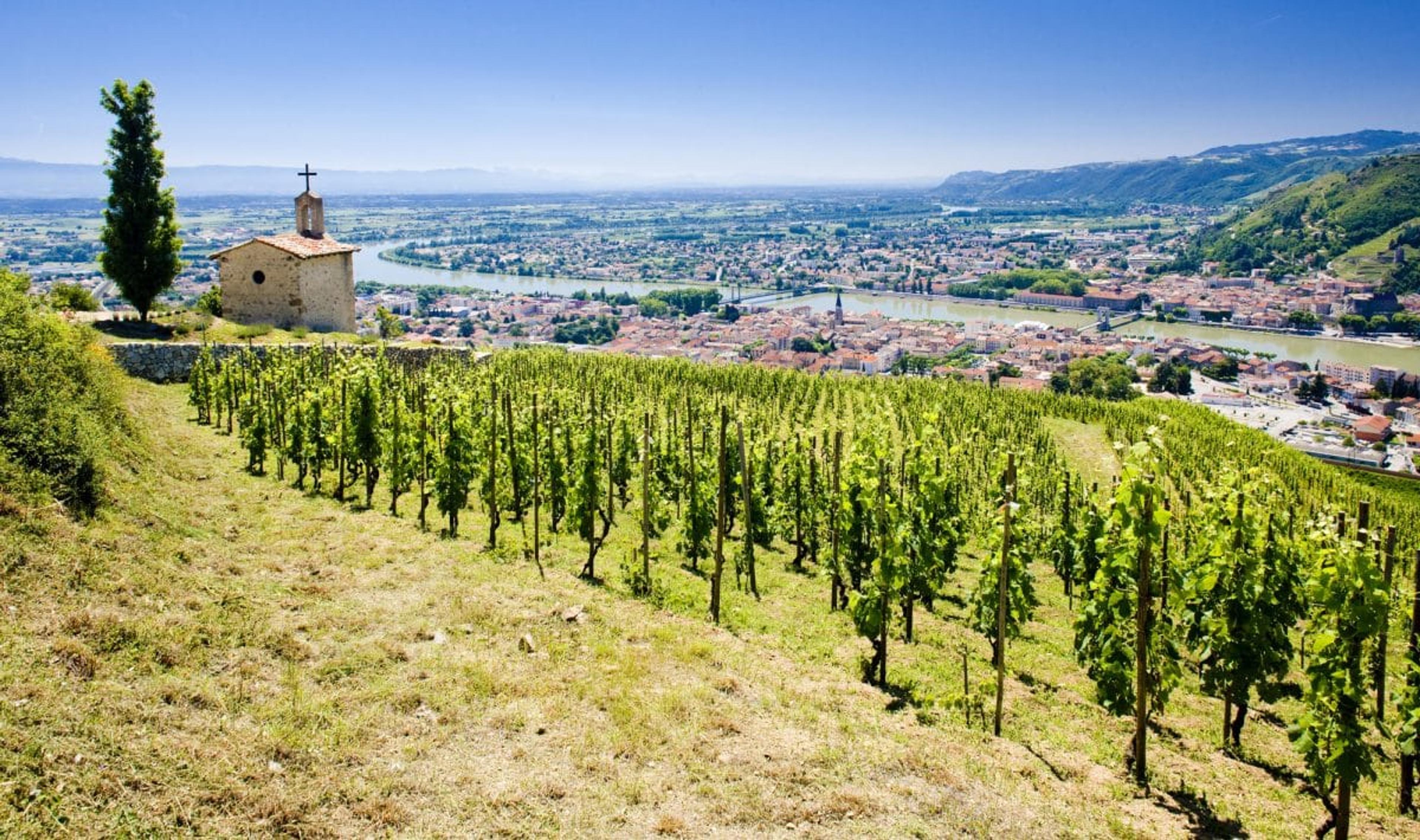
The Rhône valley stretches for over 300km in eastern France from Lyon down to Marseille. Wine-wise, it’s split between the steeper-sided, often granite-rich slopes of the northern sector between Vienne and Valence, and the flatter southern Rhône which sprawls southwards from Montelimar. And while in both, red wine still dominates, whites are gaining ground and now make up 13% of total production. White wines from the Côtes du Rhône, for example, have seen their export volume to the United Kingdom rise by 19% in the last two years alone (Source: French customs).
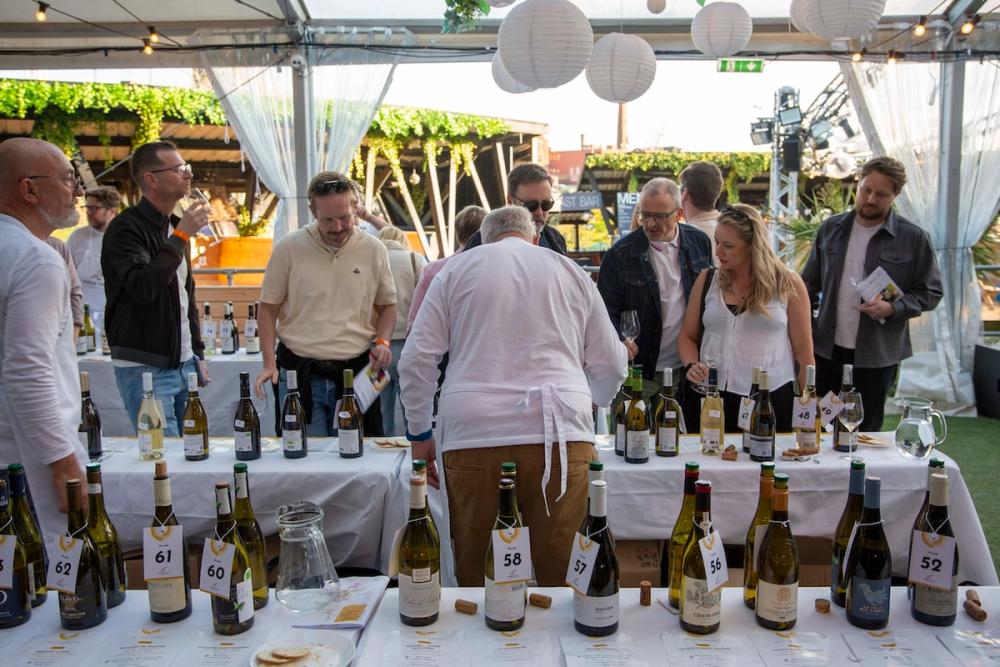
Inter Rhône recently ran a ‘Rhône in White’ event in Manchester, with a trade tasting during the day, including two masterclasses with Matt Walls, and a soirée for consumers complete with a Drag Queen. Winemaker and Master of Wine Jo Ahearne was impressed.
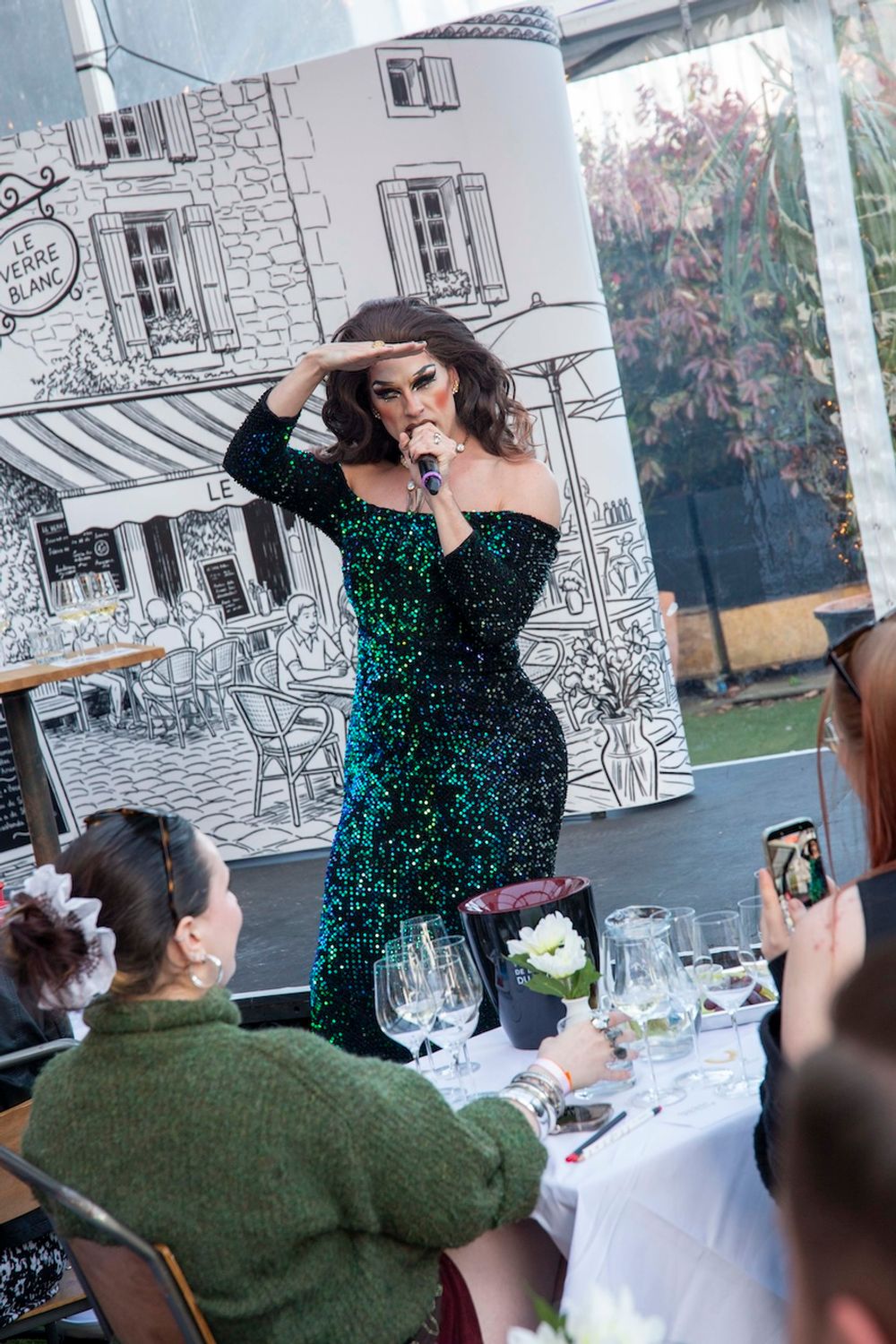
Rhône with a twist: Vanity von Glow and Clara Rubin delivered a different sort of masterclass in the evening
“It’s really great after the ‘Think Red, Think Côtes du Rhône’ campaign to have something concentrating on white wines. Back in the day, you had to kiss a lot of frogs to find decent stuff, but people are now taking whites more seriously, and there’s much more freshness than there used to be. Some people think that if you can’t age something it can’t be a serious wine – that’s not true, and there are so many wines now where I think, “Wow, this is lovely!”’
Achieving that freshness in a climate that is both warmer and less predictable than was the case even 20 years ago is a challenge. However, a younger generation of winemakers is no longer looking to make top-heavy white wines clocking in at 15.5% abv, and so they’re looking at ways of keeping their wines sufficiently Rhône-y, while making them modern and appealing.
Changes in the vineyards
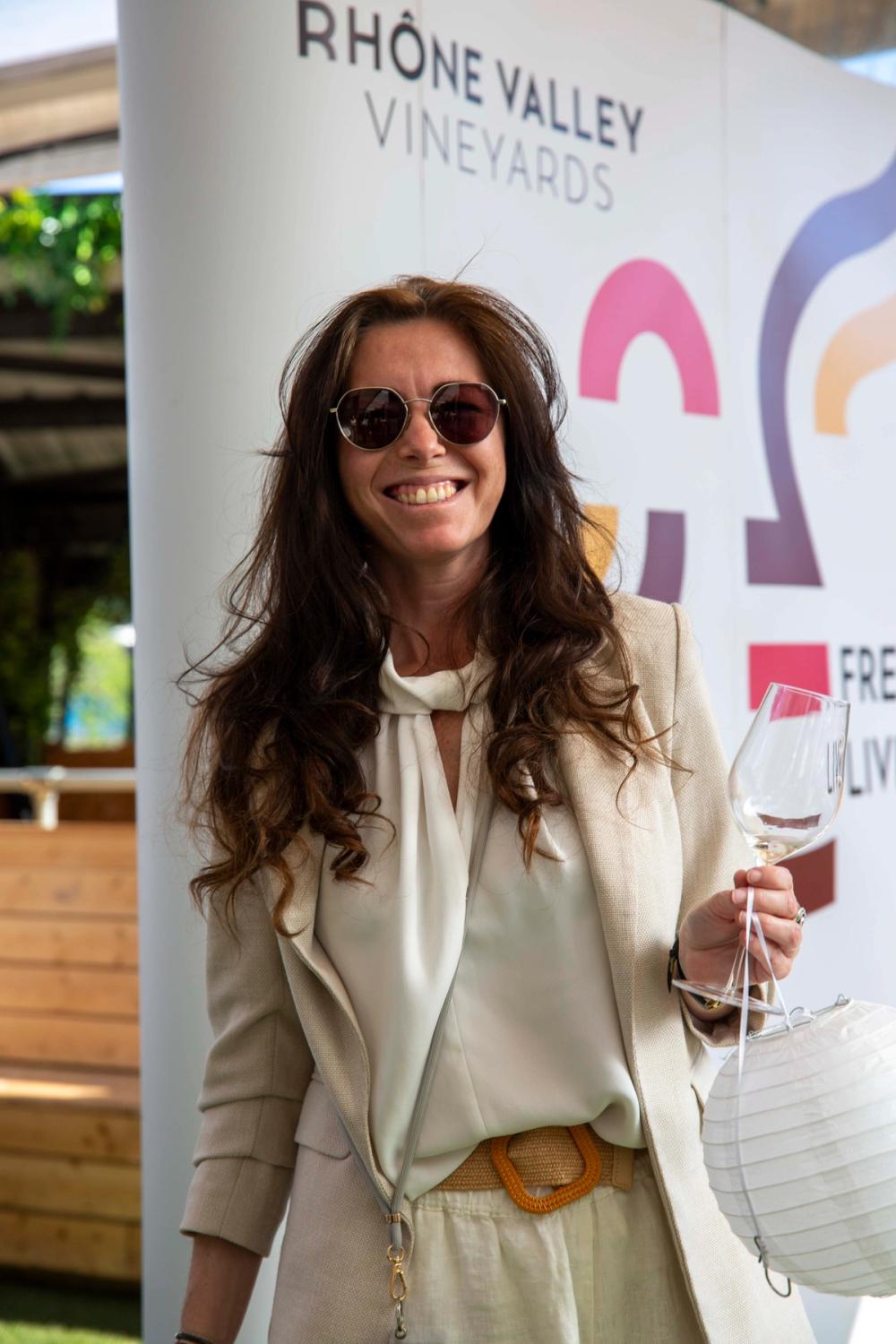
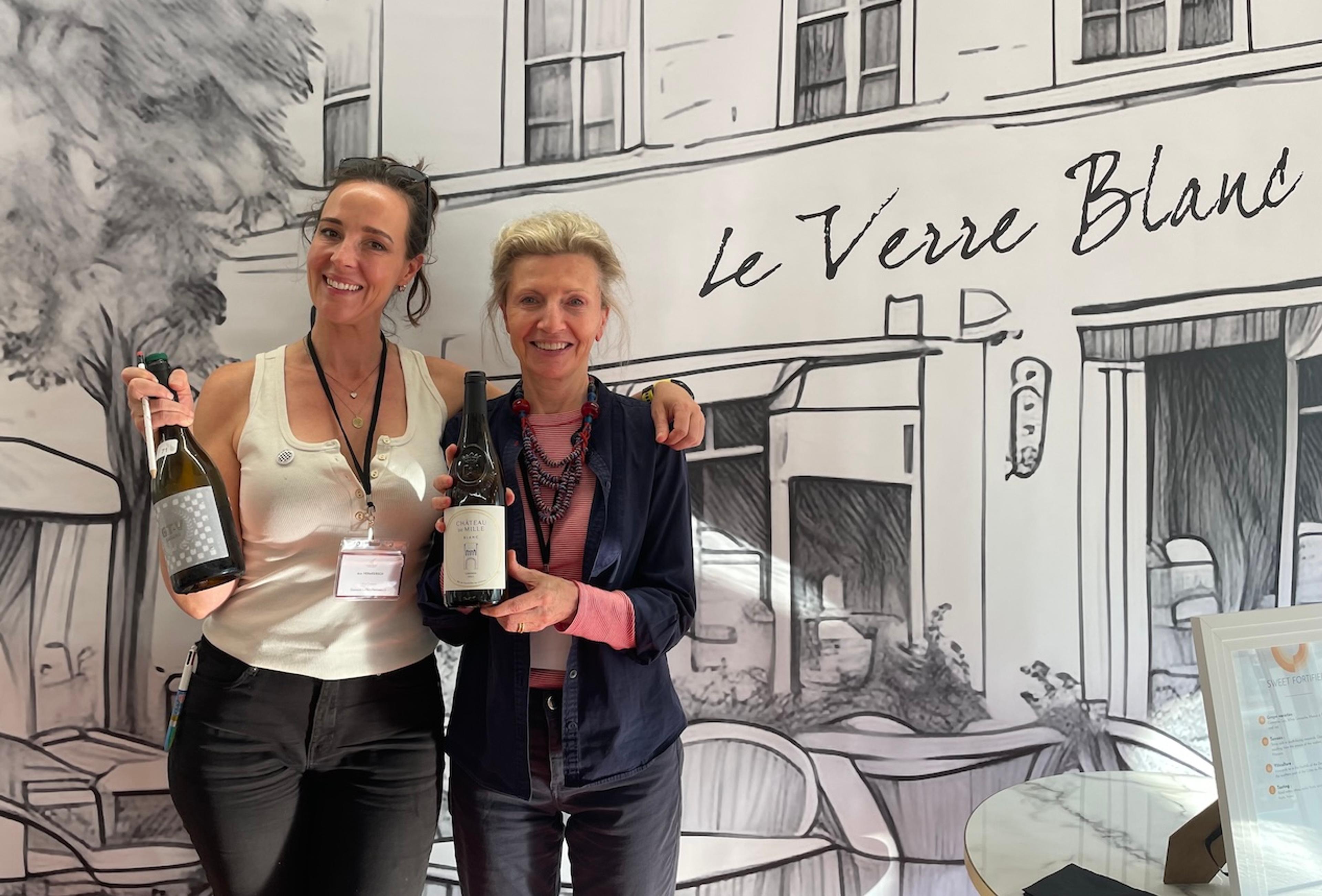
Aude Tsitoglou from Inter Rhône - flying a white flag
And the focus for this is the vineyard. Vineyards are being trained to provide more shade for grapes, and those grapes are being harvested earlier as it's easier pulling forward harvest dates for white grapes than it is for reds. Cover crops which improve water retention in soils are now widespread – this is a region where 25% of all wines are certified organic, and 63% of wines are produced under some environmental certification (organic or HVE (Haute Valeur Environnementale). Blends are being assembled to include a greater proportion of varieties that bring some crispness, such as Bourboulenc, Clairette, Picpoul and, in places, Rolle (Vermentino).
Another important development concerns the location of the vineyards themselves. John Sanderson is commercial manager for France at Boutinot and previously spent 10 years making wine in the Languedoc.
“The map of what is considered great terroir is changing. Well drained soils used to be considered the best, but now they’re just too dry in some years. And those places that were once considered inferior – higher sites, north-facing slopes, vineyards that have a lot of [water-retentive] clay – are now being looked at again.”
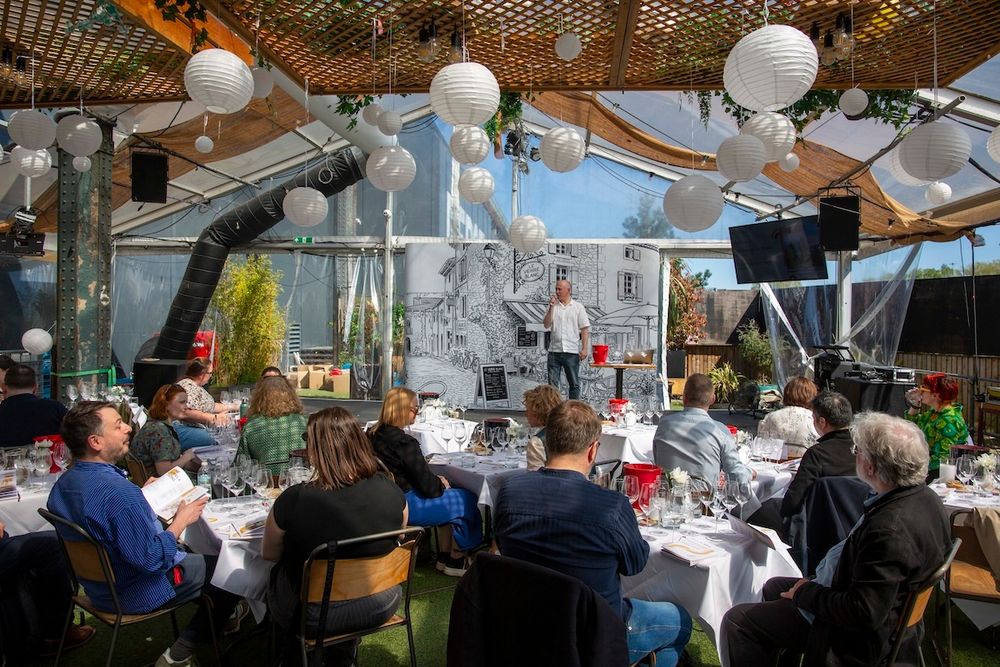
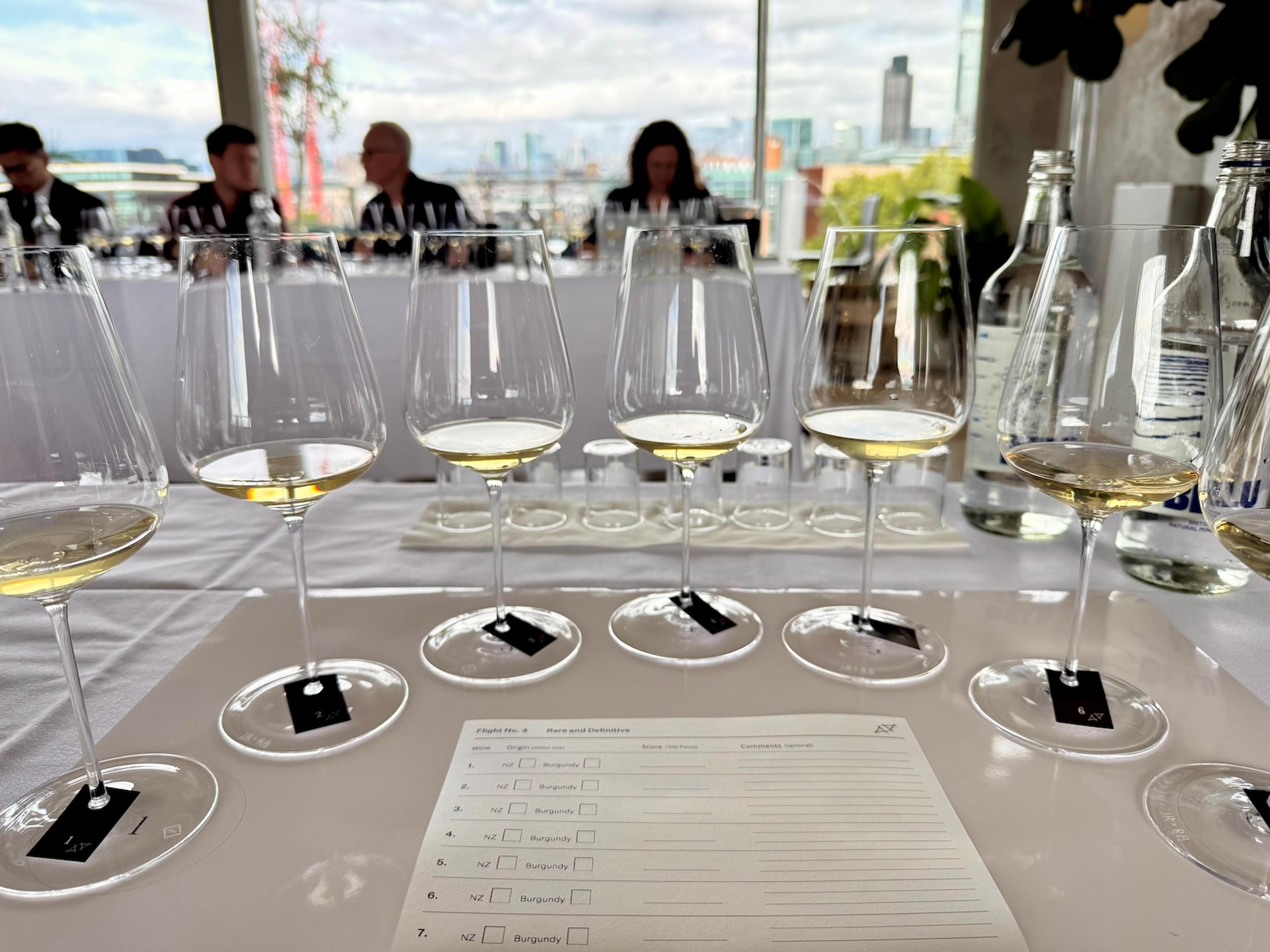
Rhône in White masterclass, Manchester, April 2026
Many producers are now looking for sites on the western bank of the river in appellations such as Lirac, Duché d’Uzès, Laudun and Costières de Nîmes. Facing eastwards, there’s less impact from the baking midday sun, while the higher altitude also gives cooler conditions. There’s also more limestone in the soils, which gives rise to wines that feel brighter and more focussed. And while the forests in a place like Châteauneuf du Pape have long since been elbowed out of the way by vineyards, in Lirac for example, trees still outnumber vines, and these not only temper the heat of summer but are also home to numerous flora and fauna.
Laudun, since 2024 a cru in its own right after having to append its name to the Côtes du Rhône Villages appellation, achieved the elevation in no small part due to the success of its white wines, which represent around 30% of production. But there’s also an increased enthusiasm for white wines on the eastern side of the river, and this is being reflected by the authorities. Gigondas has been able to produce white wines since 2023, and discussions are underway to allow Rasteau, Vinsobres and Beaumes de Venise to do the same.
And in Cairanne, where Boutinot has had a base and vineyards since 2010, Sanderson says it’s hard to keep up with demand. ‘We were recently approached by a large supermarket to supply them with white Cairanne, something that would never have happened even five years ago. We just couldn’t do it – there aren’t the grapes available at the moment. It’s the same with the white Cairanne under our own label. In 2023, we made four thousand bottles: last year, we made three times that amount, and we could have sold more.’
So, what is it that people like about it? “It’s a crowd pleaser. It’s the sort of wine you put on a table and everyone likes. And what’s particularly interesting – and I think it’s the same with a lot of Rhône whites – is that it sells well all year round. How many white wines can you say that about?”
Know your white Rhône grapes
Grenache Blanc: known for its richness, floral fragrance and gentle peachy fruit. Earlier picking means that modern examples are more vibrant than the occasionally flabby wines of the past.
Muscat à Petits Grains Blancs: a grape that tastes of grapes, famed for the vin doux natural Muscat de Beaumes de Venise and the sparkling wine Clairette de Die Tradition, which must be a minimum of 75% Muscat (as opposed to Clairette de Die which must be 100% Clairette)
Viognier: a bit a showman, with nutty, waxy, apricot and peach kernel flavours. A solo performer in the northern Rhône wines Condrieu and Château Grillet, often used to add exuberance and character to southern blends.
Clairette Blanche: Increasing in importance, thanking to its apple-y flavours, gentle perfume and – despite not being hugely acidic – the saline freshness it brings to blends. The recently introduced Gigondas white must be 70+% Clairette.
Roussanne: Appreciated for its delicacy, elegance, complexity and jasmine-tea-like aromas. Its disease-prone tendency means it usually plays second fiddle to the hardier, fleshier Marsanne in northern Rhône whites such as Hermitage, Crozes-Hermitage, St-Joseph and St Péray. It’s more popular in the warmer, drier south (where Marsanne can just be too rich) both in blends and on its own, most famously in Beaucastel’s Vieilles Vignes bottling.
Bourboulenc: Increasingly popular, thanks in part to its gentle herbal spice but also to the acidity it retains in a warm climate.
And for the future: Rolle (Vermentino) is already permitted in the Ventoux and there are experimental plantings of Albariño and Assyrtiko
Some wines to look out for
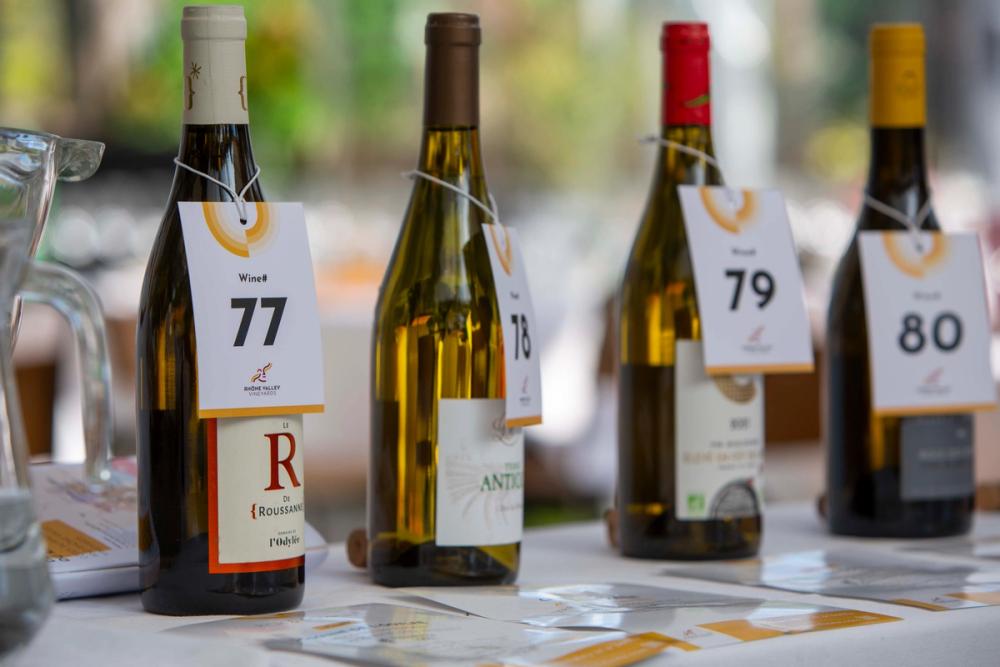
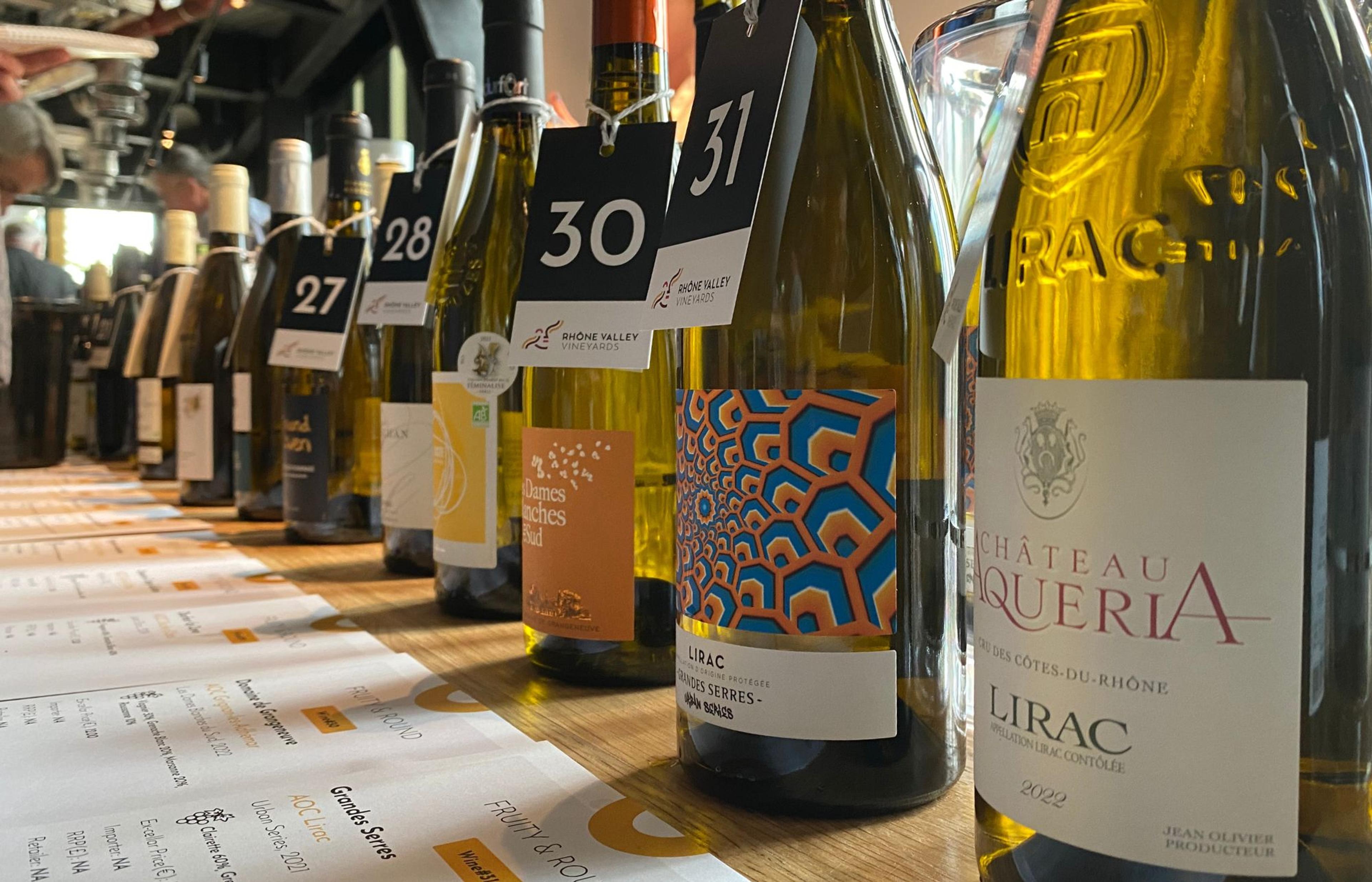
These were all on show at the Manchester Rhône in White tasting, and were chosen to give a spread across grapes and appellations.
Domaine l’Abbé Dîne Côtes Du Rhône 2025
Clairette 100%, Carringtons Fine Wines
Pure and clean, combining light nectarine and honey richness with citrussy crispness
Famille Manganelli Vacqueyras Antonin 2024
Bourboulenc 60%, Roussanne 40%, seeking representation
Vibrant and aromatic, with peach-stone flesh pepped up by hints of ginger and tea, a light touch of oak but it’s the floral finesse that shines out
Domaine De Piaugier Côtes Du Rhône Villages Le Grenache Blanc 2023
(seeking representation)
Apples, pears, herbs, honey, peaches and more, but it’s never OTT, and the finish is long, juicy and compelling
Aurélien Chatagnier Condrieu 2024
Viognier 100%, The Winery UK
The classic ginger, spice and apricot kernel characters of Viognier encased in a structure that hints at creamy tenderness but remains buoyant and energetic.
Château Pesquié Ventoux Quintessence 2024
Roussanne 80%, Clairette 20%, Flint Wines
There’s a floral edge to the peach and pineapple flavours, with a note to keep it fresh, and the Clairette chipping in with a salty tang.
Marrenon Luberon Doria 2024
Rolle 60%, Grenache Blanc 30%, Roussanne 10%, Nethergate Wines
Great value wine, with lemon zest alongside nutty floral flavours, a creamy edge from partial barrel fermentation, and a long, balanced finish
Boutinot Cairanne Argiles Blanches 2024
Grenache Blanc 40%, Roussanne 40%, Clairette 20%, Boutinot UK
Beautifully textured wine, rounded but bright, with pear and citrus flavours, a clean, fresh spine of stone-y acidity and just the right amount of smoky oak in the background.
All photos © Richard Kelly Photography