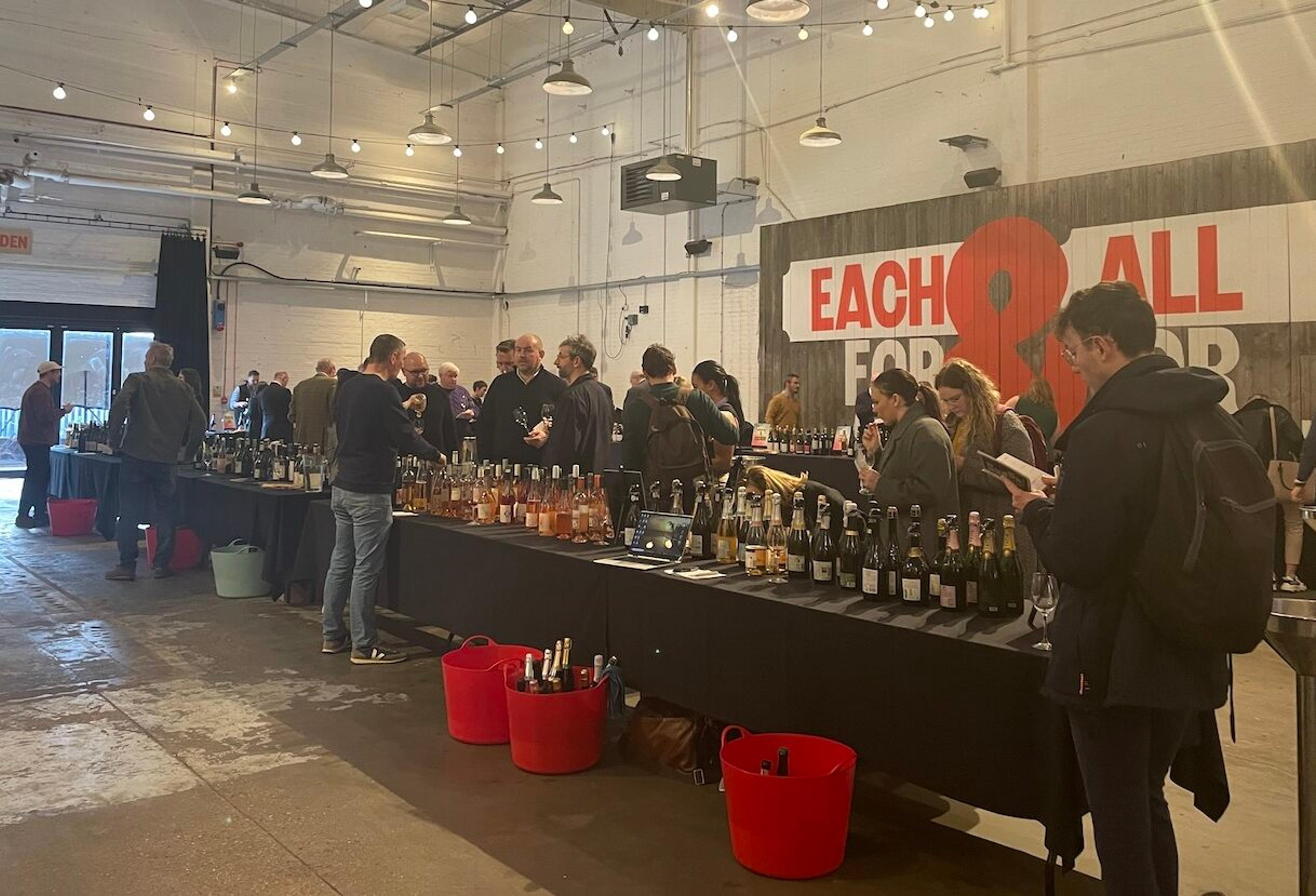
The Buyer and Boutinot and Emiliana debate was held last month on the eve of and in support of the Sustainability in Drinks event that both businesses are behind. Taking part were:
Emiliana
- Sebastián Tramón, head of sustainability.
- Andrés Muñoz, export manager UK and Europe.
- Diego Baeza, global sales manager.
Boutinot
- Alex Gittins, head of product management.
- Georgina Bickers, on-trade marketing manager.
Chilean winery Emiliana’s overriding philosophy has always been that organic and biodynamic agriculture is simply the best way to make wine. This has been no Damascene conversion, nor a knee-jerk leap aboard the latest bandwagon, but something that is deeply embedded in the company’s ethos ever since Rafael and Jose Guilisati, along with winemaker Alvaro Espinoza, set about converting a traditional Chilean winery into a 100% organic and biodynamic business back in 1986.
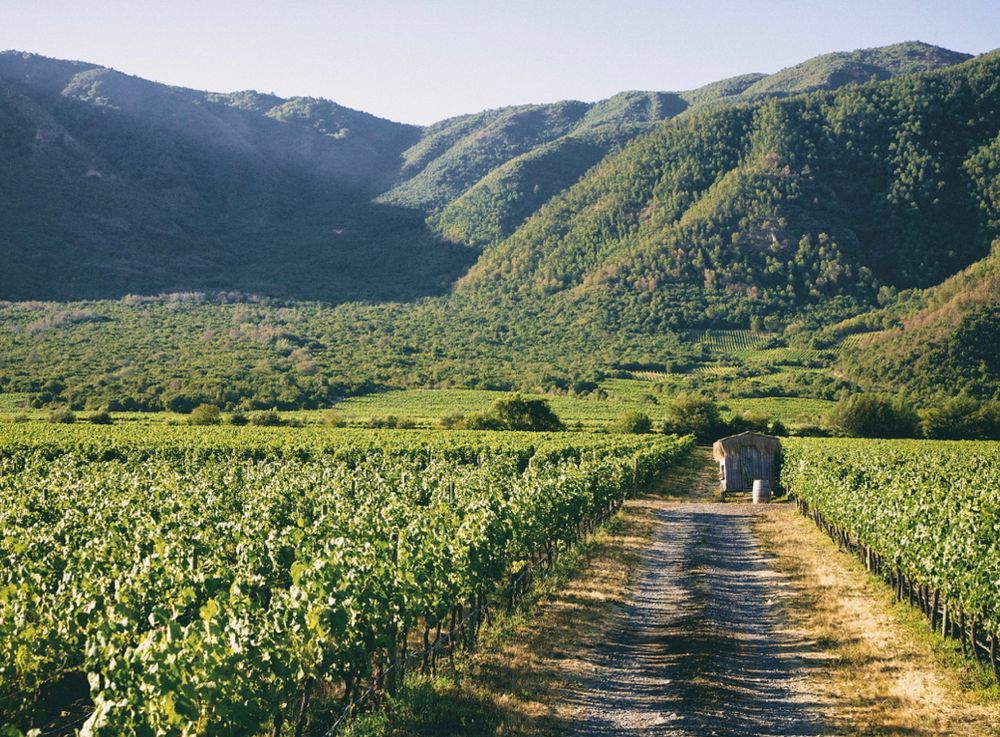
Emiliana's vineyards in Chile's Colchagua Valley
At the time workers were complaining of skin allergies, red sore eyes, and other issues related to exposure to toxic chemicals, and this was one of the compelling reasons which made the Guilistati brothers determined to do things differently when they switched to organic production in Emiliana’s fledgling years.
Taking care of nature, protecting the environment, and valuing the people who are involved in the various aspects of the production process are all factors that the company cares deeply about.
And their commitment to green credentials has clearly paid off, as Emiliana is now considered to be amongst Chile’s top producers with one of the largest organic vineyards in the world, consisting of over 1,150 certified organic hectares under vine, stretching from Casablanca, Colchagua and Cachapoal to more recent acquisitions in Maule and Bio Bio in the south.
The winery produces wines under 11 different labels, including Coyam, Chile’s first premium organic wine whose first vintage in 2001 was released in 2003;and Gê, the country’s first certified biodynamic release, as well as the Adobe and Novas ranges.
The portfolio also includes the no-added sulphur brand Salvaje, (which translates as ‘wild’), Chile’s first certified organic traditional method sparkling wine Almaluna and the Signos de Origen line which includes a Pinot Noir and Chardonnay/Rousanne blend enabling the winery to showcase the top terroirs in the Casablanca valley.
Long term commitment
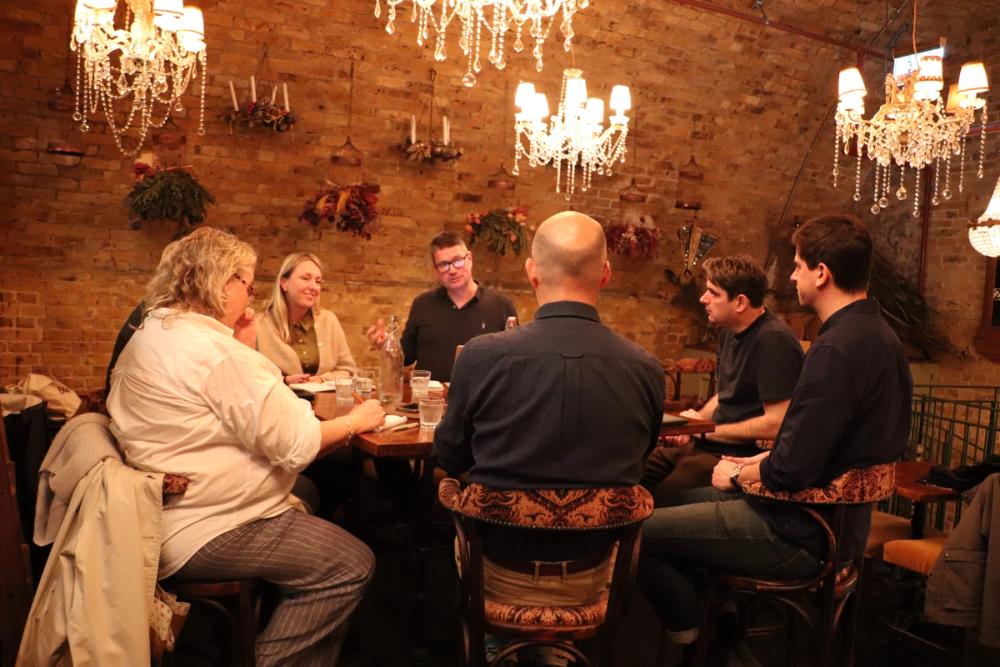
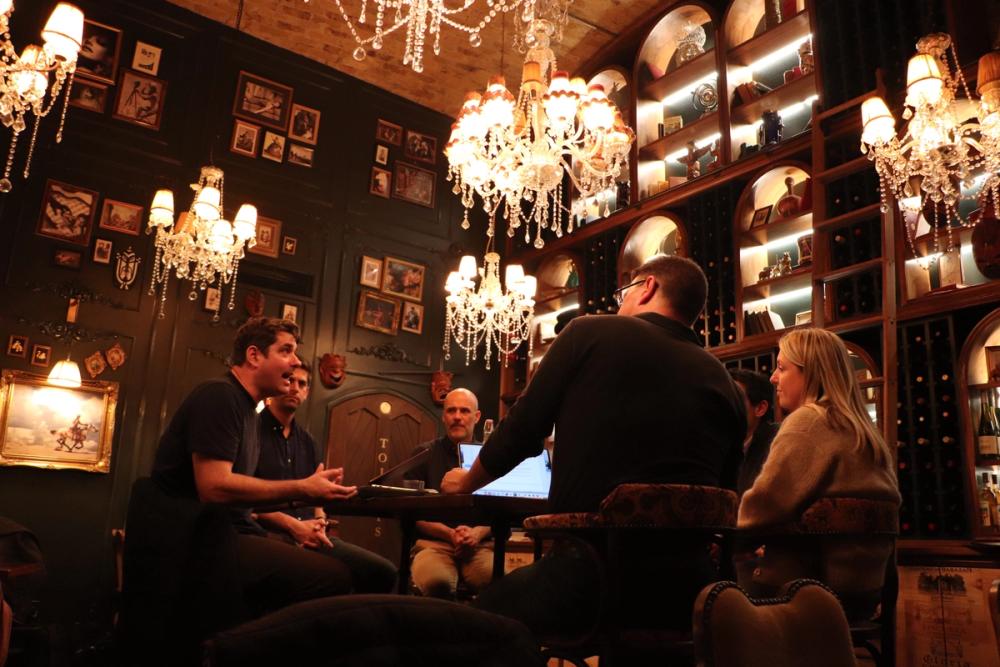
Guy Woodward chairing the debate between Emiliana and Boutinot on their sustainable wine practices
While there has been a huge surge of interest in all things organic in recent years, and sustainability is never far from the top of the news agenda, things were very different in the 1990s when there was virtually zero awareness.
This posed a considerable challenge for Emiliana when it switched to organic production, according to Sebastián Tramón, Emiliana’s head of sustainability, aka “Captain Planet” as he is dubbed by his team for his passion for all things green.
“The business case for Emiliana changed completely when we decided to go into organic production, and we had to create that demand because we have over 1,000 hectares in the main valleys in Chile. The idea was always for us to go into retail, to have our products in the supermarkets and to make organic mainstream, not niche. We wanted to make organic wine available to everyone, without the usual premium prices associated with organic wine,” he explains.
While embracing sustainability and the environment have been key pillars of the winery’s strategy from the get-go, it is, however, the quality of wine that is paramount.
“Yes, quality comes first, 100%” confirms Tramón. “It’s the brand, the proposition, and then everything that comes along with it which is part of our DNA. The organic element is like an added value.”
But Tramón, who has been instrumental in managing the estate’s various environmental projects while also tending to its CSR and Fairtrade activities, believes that sustainable practices and organic viticulture aren’t just better for the environment, but actually improve the quality and taste of the wine.
"We’re producing grapes in a healthier way, though we have to be very careful about what we can say about health benefits, as you need to be able to prove these things. But for us, it’s all about the grapes, the soil, the people, the animals and the vegetation. If we do things in a proper, healthy way in a sustainable way, we’re putting back into the soil and also ensuring that the ecosystem continues its path.”
No compromises
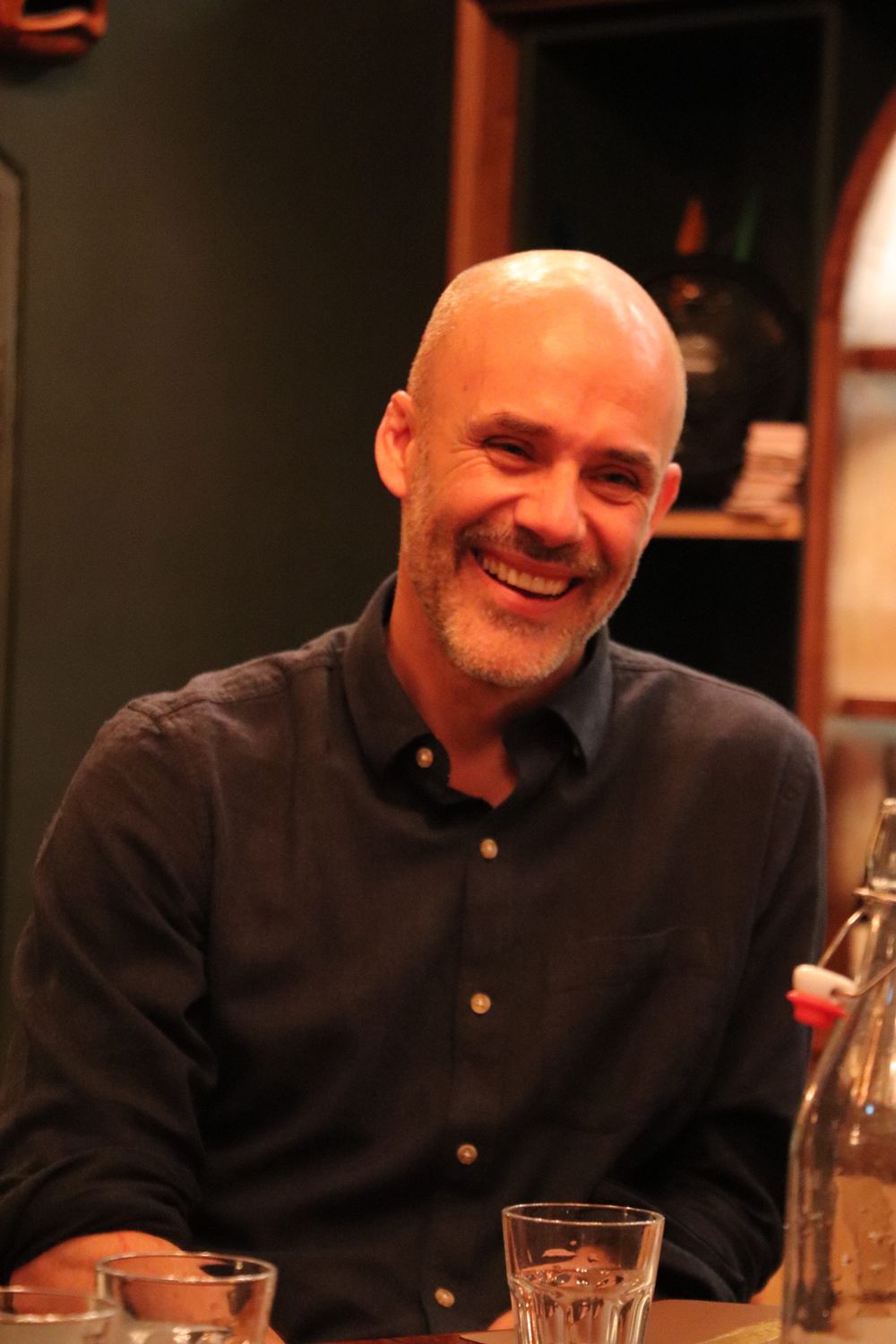
Sebastián Tramón, head of sustainability at Emiliana says sustainablity is at the "heart of its ethos"
He believes the winery’s success is in no small part down to the fact that the company had the courage of its convictions from the outset and wasn’t prepared to compromise.
“Emiliana is a winery that places sustainability at the heart of its ethos, not partly, or superficially as a marketing tool, but as a genuine way of doing business,” he confirms.
And Andrés Muñoz, Emiliana’s export manager UK and Europe points out what a brave – and potentially risky – decision the winery’s owners took when they made the commitment to switch to organic production.
“It was a very bold decision because there were a lot of hectares involved, it was a very big investment.”
It is largely due to the efforts of innovative and forward-thinking wineries such as Emiliana that organic wines are now widely available at affordable prices in the mainstream market.
But Tramón says that as the market has grown and demand increased, pressure has been ramped up from the retailers and supermarkets, who now all have their own sustainability goals to meet.
“As part of their targets, they need the whole supply chain to be part of the movement, which gives you an advantage if you already have the necessary credentials, not only saying that you are sustainable, but have a certification to prove it.”
He adds: “The market is becoming ever more demanding. For example, if you want your wines listed in a hotel group, they will likely have their ownsustainability strategy and you have to help them achieve that. In order to do so, you have to reduce your carbon footprint, have lighter packaging, and organic products and so on.”

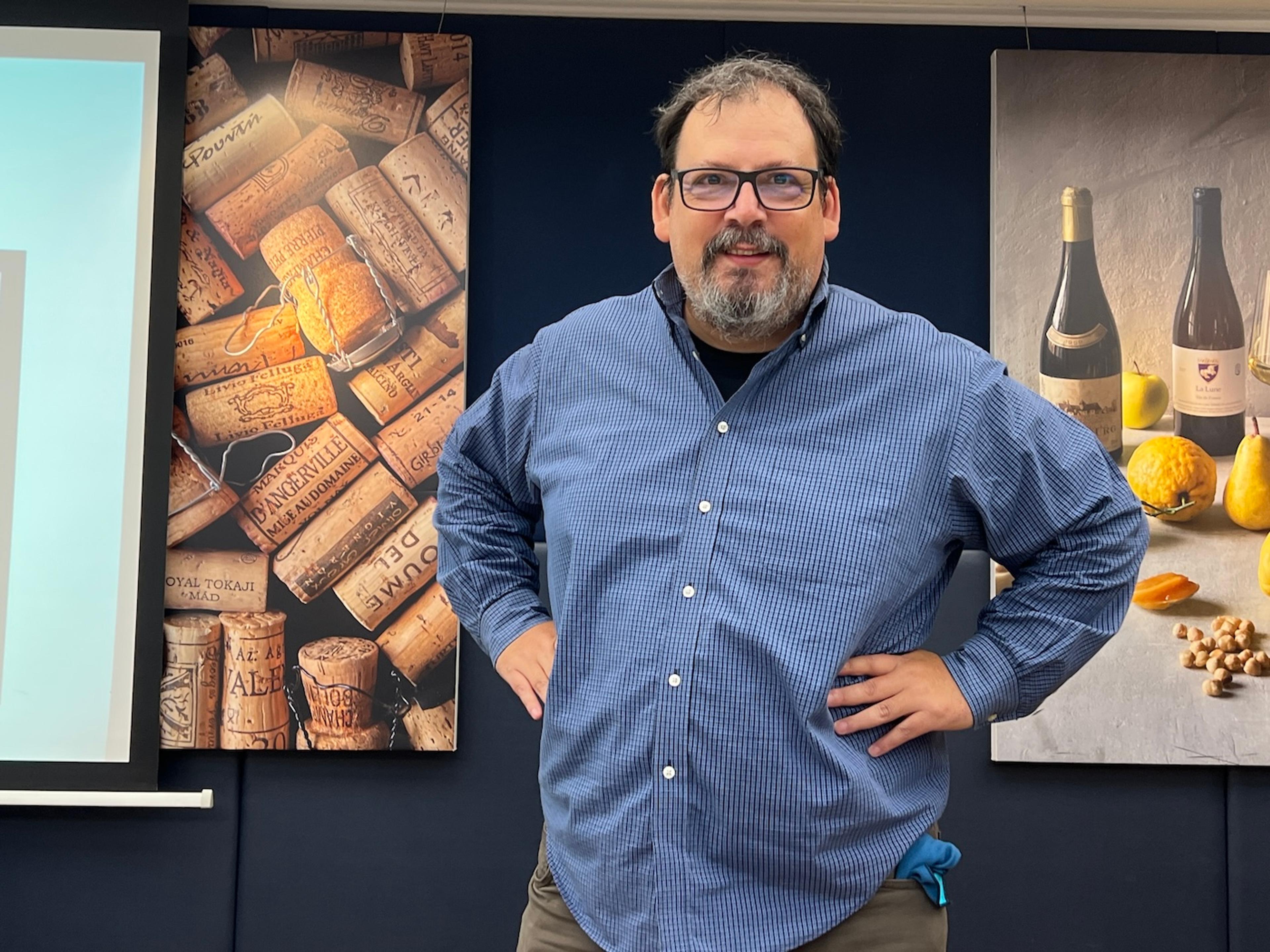
Emiliana's Andrés Muñoz, export manager for UK and Europe, says the fact the company works in so many countires means it is well placed to promote and push sustainable wines around the world
But different markets have very different criteria, says Muñoz. In Japan for instance, where Emiliana works with one of the country’s biggest retailers, there is a great deal of consumer interest in sustainability and concerns for the environment.
“It works in our favour, the fact that we already have all these sustainable practices in place,” he says. “But when we first went organic, there were no markets asking for the product. It’s something we actually had to create.”
Closer to home, and Muñoz says the Nordic countries are some of the most developed in terms of sustainability awareness.
“The monopoly buyers of Norway, Vinmonopolet, the Systembolaget in Sweden, and Alko in Finland all have dedicated sustainability teams, where they track, they trace, and they’re very interested in understanding how suppliers can help them achieve their own strategy goals.”
UK focus
In the UK, which accounts for around 7% of Emiliana’s total overseas shipments, the market for organic wine has increased by over 23% in the past three years, with Boutinot’s on-trade sales rocketing by 140% last year. This is partly attributable to an increase in the levels of certification and greater availability, allied to growing consumer awareness and understanding, says Boutinot’s head of product management Alex Gittins.
Boutinot's Alex Gittins says the company is committed to listing more organic wines and is being rewarded for it
“This is impressive growth versus the broader market in that period,” he says, adding that Boutinot has increased its offering of organic wines by around 15%, which has also helped to drive the increase in sales.
“That’s down to more interest in organics and also a higher number of quality organic options available to us.
“I’ve been working with Emiliana for the past 10 years and in that time I would say the door is much more open to organic than it was, and across several channels,” he adds.
“In the UK, certainly in national retail, it wasn’t a key priority for buyers, it was perhaps a nice to have, but ultimately if the price and quality wasn’t there then they weren’t going to pay any more for it. But it’s becoming an increasingly important criterion to bring a producer on, not necessarily to be organic but to have some sustainability accreditations in place. We are increasingly leaning into those types of producers.”
Organic commitment
Of the producers that Boutinot works with, 56% of its agency producers have a formal third party sustainability accreditation, with the aim to increase that to two thirds within the next five years.
While organic crops aren’t always lower in yield than conventional means of viticulture, it’s nigh on impossible to achieve the commercially high yields which provide the majority of wine at the cheapest prices, explains Gittins.
However, he stresses this is not an issue for Emiliana as they are not chasing entry level volumes, with their entry level wine, the Adobe Reserva priced at around £12 in the UK off-trade, and in the£28 - £20 price bracket on a restaurant list, with a higher quality than the majority of conventionally produced Chilean wines at the same price point.
“Organic grapes usually carry a premium, though it doesn’t need to be huge. But producing grapes in that way, typically there will be a slightly lower yield putting a bit of a premium on the fruit, therefore the end bottle price might be slightly more. And I think that buyers are willing to paymore – though I stress slightly, because the UK is a hugely competitive market, but there is a willingness to pay more if the quality is there along with all the environmental credentials.”
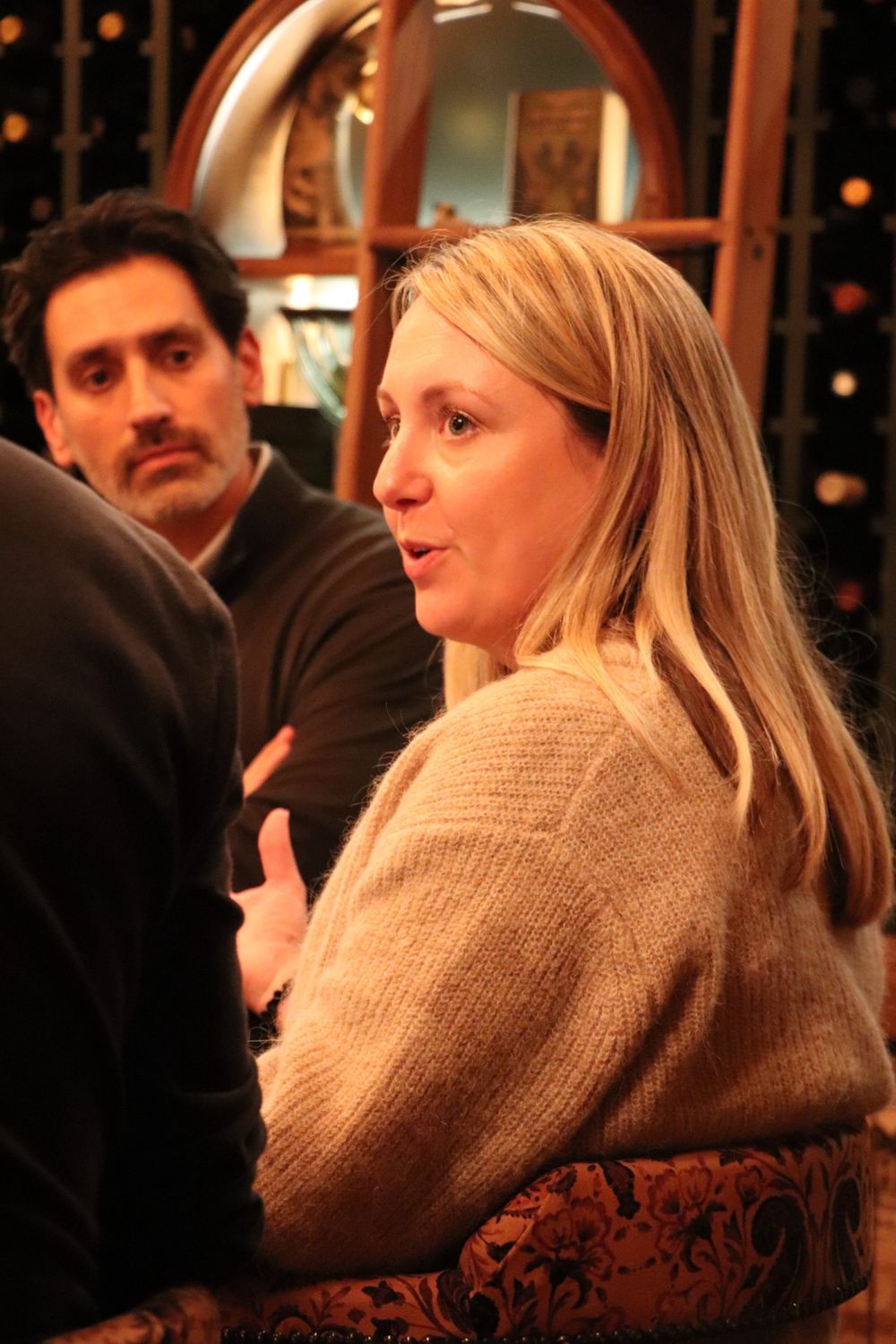
Boutinot's Georgina Bickers says the company has a key role to play in promoting sustainability with its on-trade customers
As for consumer awareness, Boutinot’s Georgina Bickers, on-trade marketing manager, believes there is growing recognition of the importance of sustainability.
“I think it is becoming more widespread across the consumer base, while organic is a term that is generally widely understood because it’s a certification that we have in food as well – but there is probably more work to be done – biodynamics is the next step, as most people I’ve mentioned it to have never heard of it,” she says.
“It all feeds into the general growing consciousness of what’s going into our bodies and the concern over ultra-processed foods. A big part of our role in the on-trade team is to act between the buyer and the consumer, so we train the front of house teams, who are sometimes only 18 – 21 year olds where this is their first introduction in the world of wine, and we are able to give them the information and knowledge they need to enable them to talk confidently about their lists.”
Consumer awareness
While there is still some confusion, not to mention downright ignorance of some elements of sustainability and organic production, such as biodynamics, consumers are motivated to buy organic wines for a number of reasons, says Gittins.
“I think for many end users it’s ultimately about feeling like they’re doing the right thing. Though whether they can actually taste that in the wine, I think is debatable. While the purity of the fruit is undeniably fantastic, there is also great purity of fruit from wineries where the grapes are non-organic.”
Bickers says that consumers’ reasons for buying organic differs depending upon the particular demographic.
“A lot of wine sales are amongst the 55 plus age group, but they’re a little bit more used to their traditional styles. Whereas a lot of the value growth we’re seeing is amongst millennials and Gen Z group of younger buyers who buy on buzzwords - things such as low-intervention, natural wines, and orange wines. There is a greater willingness to try new things.”
More understanding

Diego Baeza, Emiliano’s global sales manager, says it is in everyone's interests to continue to educate consumer about the benefits of sustainable wine
While the concept of organic production is widely understood, other certification labels such as organic regenerative and biodynamic still remain something of a mystery to much of the trade, let along bewildered consumers, according to Diego Baeza, Emiliano’s global sales manager.
“There is a risk with all these different certification labels that we end up confusing the consumer further,” he concedes.
“It’s crazy, because how will we get the message across now that we are creating new labels and new concepts – it’s very complicated.”
He adds that with the plethora of certification labels there is also a risk of encouraging so-called green-washing, making it all too easy for a producer to change a couple of practices in the way they farm, tick a couple of boxes and claim to be sustainable.“It’s an inevitable danger,” he claims.
“It’s inevitable that people will cut corners. There is also some fraud being committed, because of the commercial element involved, but when anything becomes more commercial it is more open to malpractice.”
Pushing forward
Despite becoming one of the world’s most renowned organic and sustainable wineries, with a full portfolio of products receiving international and domestic recognition, Emiliana is not content to rest on its laurels, keen to keep pushing the boundaries of what’s possible in organic wine, and advocate for more sustainable production.
And as a pioneer in the organics field, it is happy to share its years of experience and expertise with other wineries.
“Because we started out really early in the organic journey, we have a lot of knowledge that we are happy to share with others who may be considering switching to organic production. While they are our competitors, I think it’s good to share best practice, and it also benefits the entire Chilean wine industry,” says Baeza.
While Emiliana has come a long way in developing its sustainable organic estate, it continues to work on improving efficiency, cutting waste, reducing costs and energy consumption and lowering their carbon footprint wherever possible.
Reducing the weight of heavy glass bottles is an ongoing project, and while it has slashed the average weight of its bottles across 80 – 90% of its portfolio, bringing that down to around 420g, well within the industry target of 450g, there is still a challenge in the premium and sparkling sector, where customers expect heavyweight bottles which they associate with premium wines.
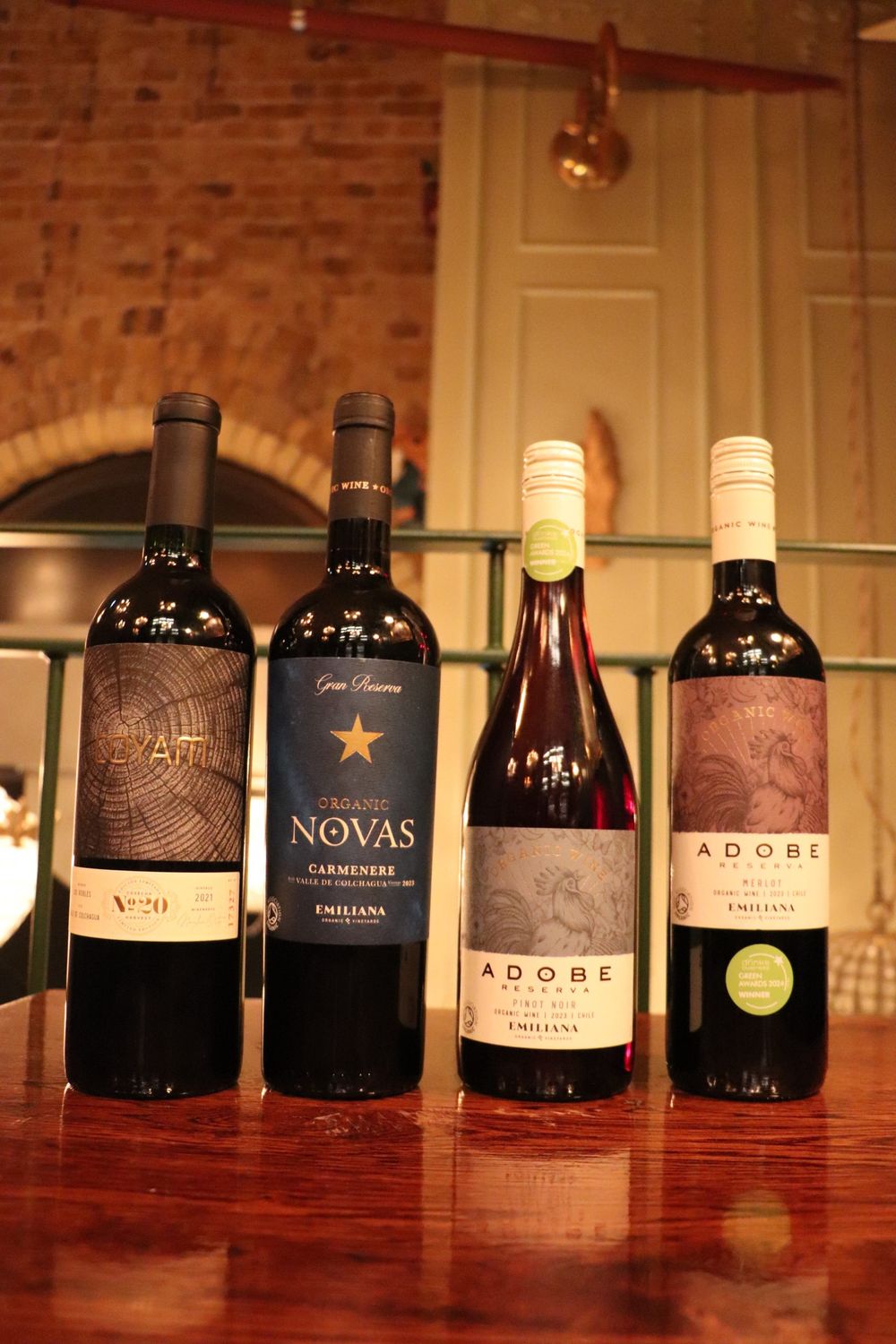
Boutinot and Emiliana are working together to reduce the weight of its glass wine bottles
This is something that Boutinot is working with Emiliana to help tackle.
“As the first importer to sign up to the Bottle Weight Accord it’s important for us to try and help reduce bottle weights,” confirms Gittins, adding that the Accord is urging participants to reduce the average weight of 750ml still wine bottles to below 420g by the end of 2026.
“However we wouldn’t dictate to our producers that we’re not going to import their wines unless they are bottled a certain way because we’ve worked with many of them for a long time, and their wines are successful. And we have to remember that our producers are working in a global market, so while something may be important to the UK, that may not be the case in other markets. It’s a matter of time.”
Baeza adds: “When you pay for an expensive wine you expect an expensive bottle. As the price goes up, the perception is that the bottle has to be heavier.”
He says the UK is one of the more enlightened countries when it comes to the use of lighter weight bottles, with consumers more accepting of less hefty packaging. However, in the US, Asia, and in China in particular, there is a stronger association between wine quality and weight of bottle, and consumers are fairly wedded to that perception.
“The market is pushing towards more sustainable bottles but the consumer then has to adopt and accept them, so it’s a long process,” says Tramón.
But as the trend gains momentum he believes that gradually the industry will be able to reduce bottle weights further across the entire portfolio. However, he points out that to do so unilaterally without the participation of the rest of the industry would put one at a disadvantage.
“If you have two identical wines, but one is in a traditional heavy bottle, and the other a lighter version, the heavier one is still going to appeal more to the majority of customers,” he says. “We’ve reduced the weight significantly across the range, but can’t do it on the top wines yet. If I took that to the States, for example, people just aren’t going to take it.”
Managing exports
The company now ships almost 90% of its total production, with around 650,000 9LC of bottled wine and 150,000 9LC of bulk wine exported to 60 countries, with key markets including the US, the Netherlands, Denmark, China and the UK.
In 2021 the company reached a significant milestone when total sales surpassed one million cases or approximately 9 million litres. The UK is Emiliana’s fifth largest market, and one that remains key to the company despite the challenges shipping here presents.
As Gittins points out, despite Emiliana being one of the most sustainable and accredited producers globally there is a movement in some parts of the UK trade towards only listing wines from Europe – largely Spain, Italy and France, where there is an abundance of great wines the UK’s doorstep, thereby avoiding the carbon footprint involved in shipping from Chile halfway around the world.
“There’s not much you can do about that, it’s a tricky one for Chile.”
Tramon says that despite this insurmountable problem, the UK remains a vital market.
“It’s a big market, but also, it’s like the stage to the rest of the world as well. And we have had a long partnership with Boutinot with great distribution, it just makes sense to be here. And as a global brand we want to be present in the UK and are still investing and strengthening our position here and are hoping that everyone in the industry will help continue to push the organic message which is the sustainable responsibility of all of us, it’s better for the world, for the workers, for everyone. As we say, the future is organic.”
* You can find out more about Emiliana at its website here.
* You can find out more about Boutinot at its website here.