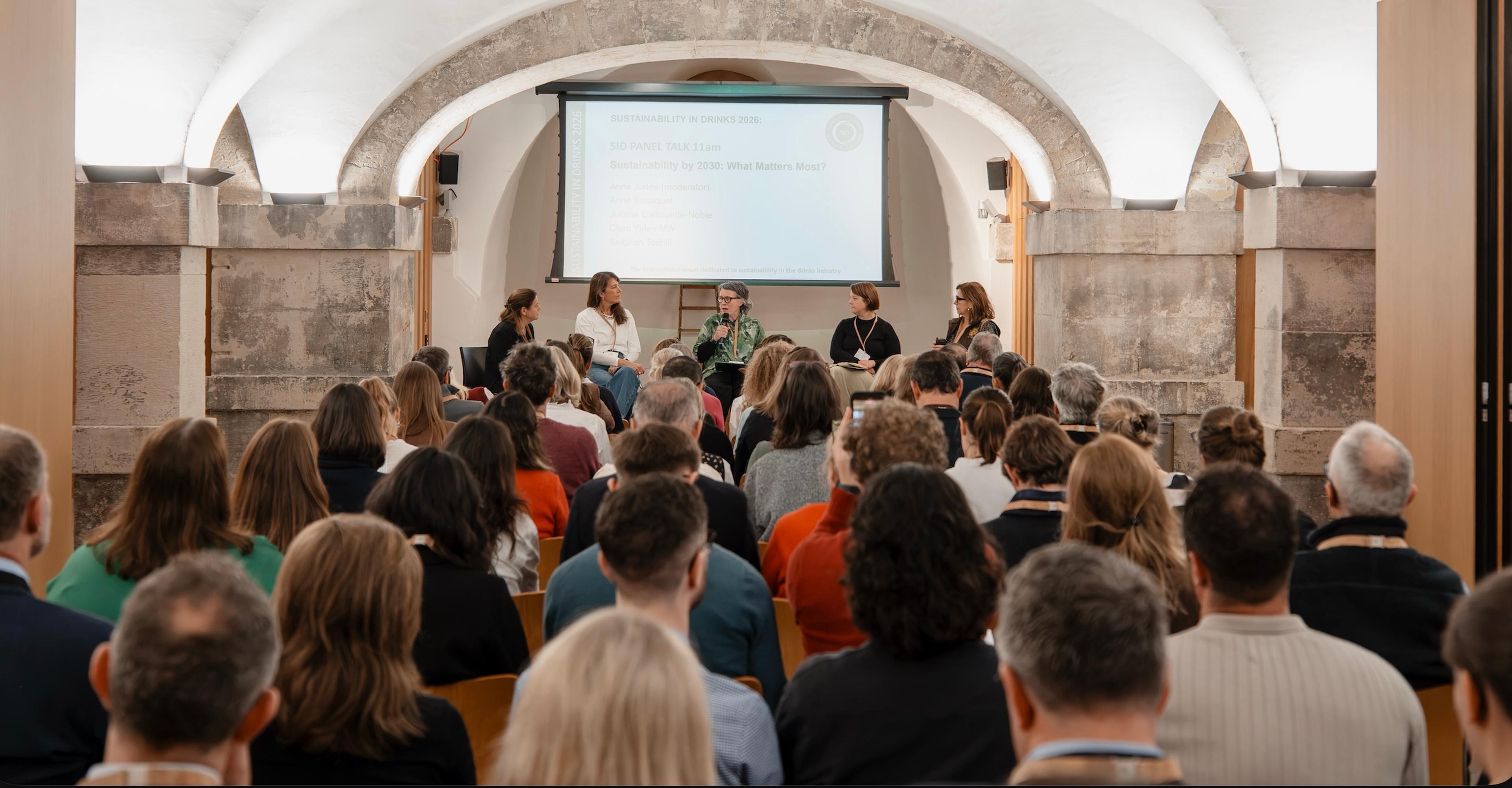

The ambition of Sustainability in Drinks 2026 was set from the very first session of the day. For the industry to really capture what is happening all over the world to tackle sustainability there needs to be far more integration and collaboration throughout the drinks supply chain.
It is all very well producers doing everything they can to make their vineyards and distilleries as sustainable as possible, but those efforts can only go so far if they are not matched by demand for their products from the retailers, restaurants, bars and hotels they rely on to sell their certified sustainable products too.
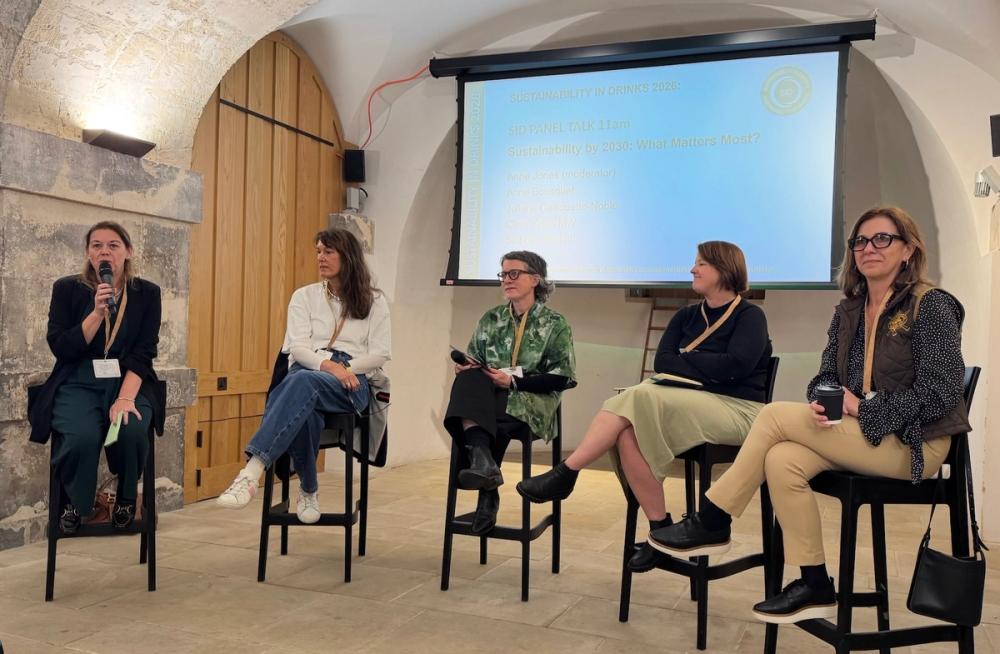
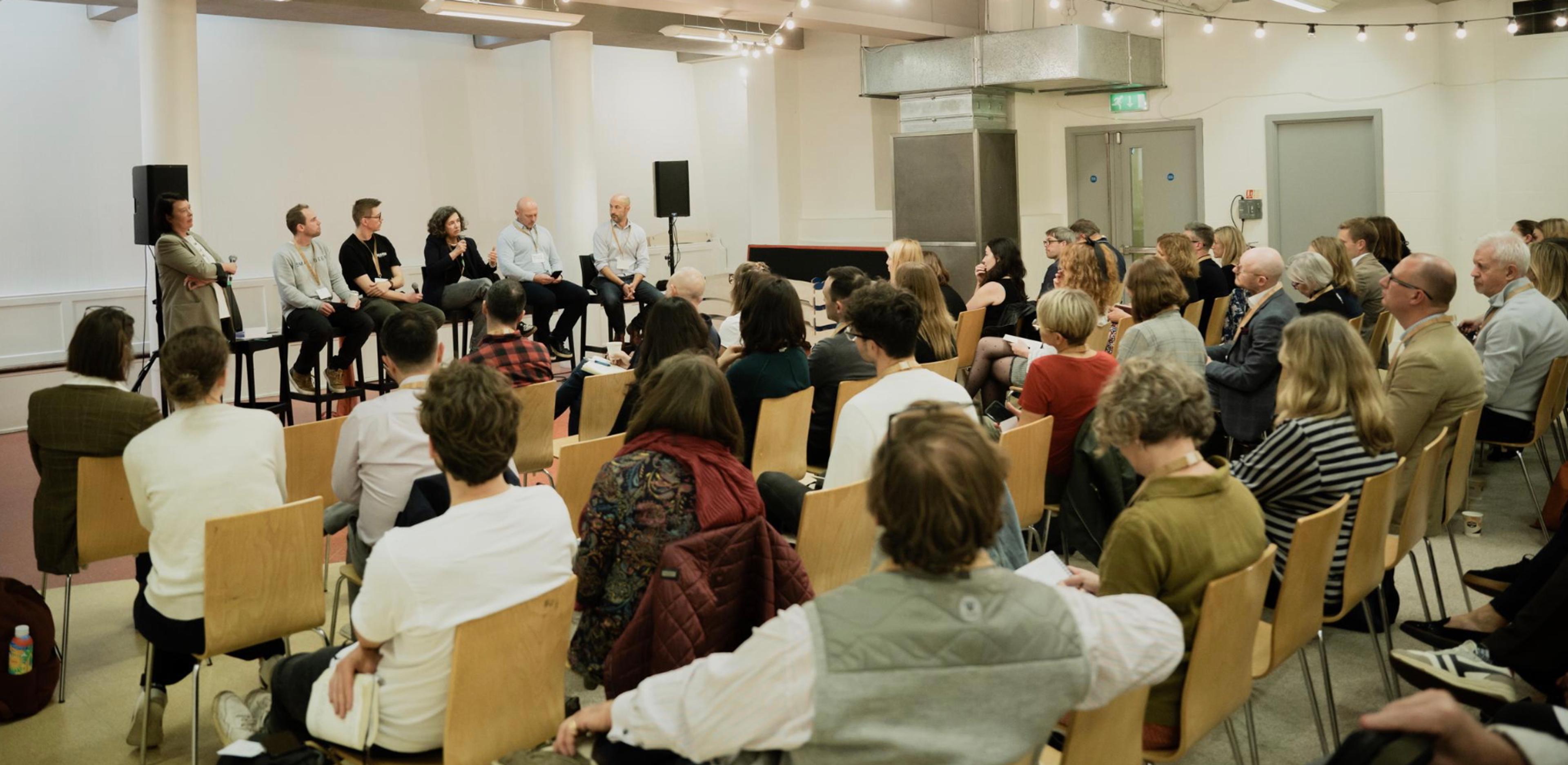
Anne Jones leads the first debate at SID which set the theme of the day: how the drinks industry is united and working together like never before to tackle sustainability around the world
As Anne Bousquet, president and co-chief executive of Argentina’s Domaine Bousquet, said: “We are only at the beginning of the supply chain and we need importers, distributors, restaurants and retailers to all be integrated on this.
Siobhan Toolhill, chair of Sustainable Winegrowing Australia, agreed: “It’s all about integration and the value of an integrated sustainable supply chain. For that to happen it needs extensive collaboration and you to need have information that helps people make better decisions and for them to see the value of sustainability. It’s making sure people focus on the measures that have the most impact.”
Anne Jones, sustainability consultant and a key member of the SID organising committee, agreed that “collaboration is so valuable” particularly when it can show that “sustainability matters for business.”
Breakthrough moment
It’s why the stand out moment from SID 2026 was the official launch of a new industry wide initiative from the Regenerative Viticulture Foundation (RVF) that brings together leading retail, hospitality and distribution businesses from around the world to sign a Regenerative Wine Buying Pledge that means they will each commit to buying and listing wines made from regenerative farming.
A potentially breakthrough collaborative industry-wide initiative - the RVF Regenerative Accelerator Group - that can have a huge impact on not only how wines are made but what drinkers want to buy. An initiative that has an ambitious goal that will see 10% of all vineyards in the world be regeneratively farmed by 2035.
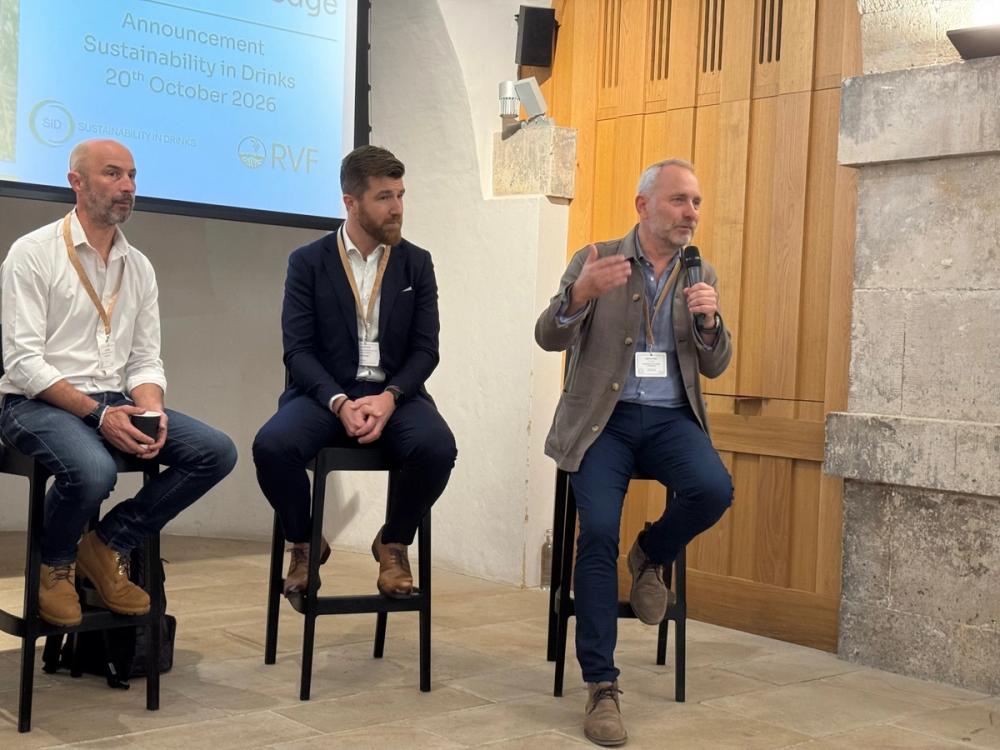
Stephen Cronk making a passionate case for the importance of regenerative viticulture
A move that Maison Mirabeau’s Stephen Cronk, one of the founders of RVF, said will potentially “release the handbrake” on regenerative farming and give wine producers the incentive they are looking to go “regenerative” if they know there is demand for, and a ready made market for their wines, with some of the major on and off-trade players in the world.
Cronk added: “Growers won’t change how they farm until they know someone will buy the wine. This is the trade saying ‘we will’.”
Initial signatories to the “pledge” makes for impressive reading and include: in the UK Berry Bros & Rudd, The Wine Society, Waitrose and Levy UK & Ireland, Systembolaget in Sweden, and in the US Haggen, Erewhon and Total Wine & More. The total number of businesses that have signed up to the programme account for over 400 million bottles of wine being sold a year.
Cronk said the “pledge” is the solution to a challenge the RVF has been faced with since it started - namely how do get more producers to follow regenerative practices if there is not the market there for those wines.
He explained how it has been working with producers to try and take the first step into regenerative farming by taking the “one block challenge”. Simply commit to following regenerative practices in one part of the vineyard and see what impact it has on your land, soils, biodiversity and wines.
The response from producers was, yes, “I understand the science, I understand the logic, but where’s the demand? None of my customer are asking me for this,” he said.
Fix demand
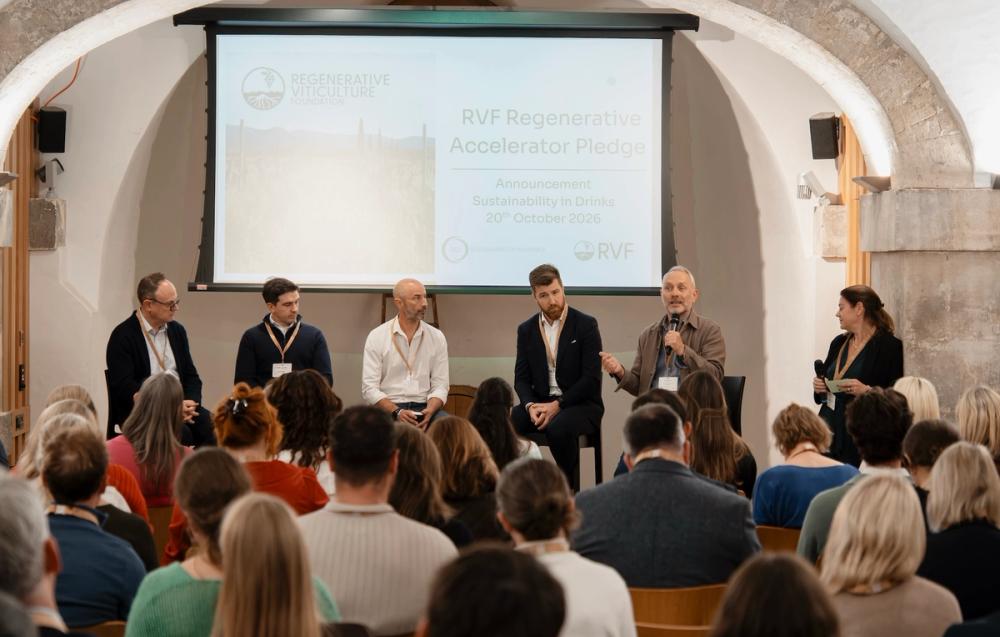
The new breakthrough RVF Regenerative Accelerator Group is looking to create demand for wines made from regenerative viticulture producers
“This is what we were trying to fix. We were trying to fix demand.”
He also conceded retailers are “confused” about what regenerative means, particularly as California is the only place in the world that has “defined” what it is. Which means the operators - and the buyers - that have signed up to the accelerator group deserve great credit for putting their faith in what regenerative can become.
“They are the people who are making the decisions about who they list on their shelves or in their portfolios. They represent change and they are being brave as well to push it through their organisation,” he stressed.
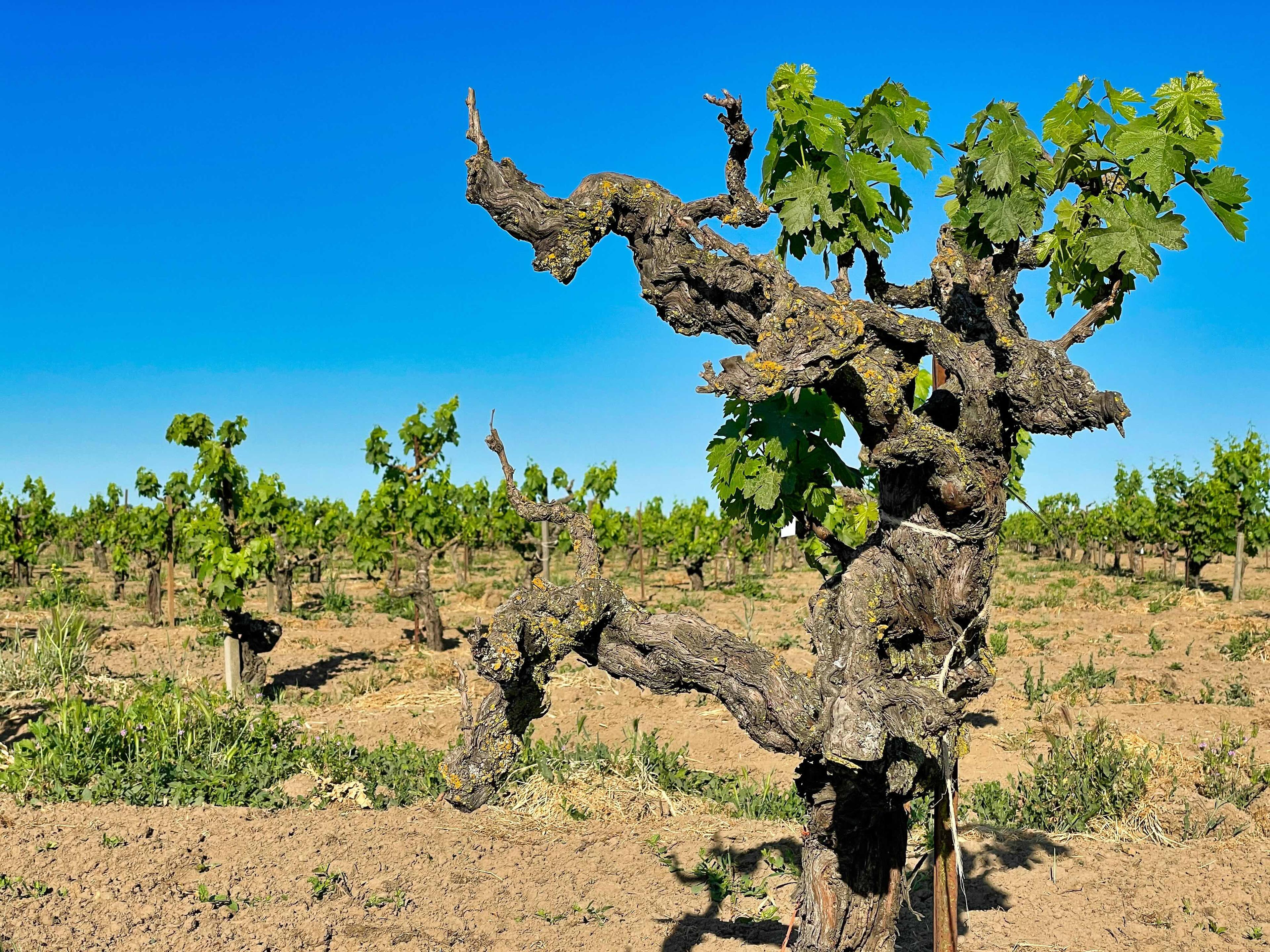
Equally he is full of praise for producers who do sign up to regenerative as changing how they farm is “massive” particularly as this approach to farming is not "being taught in any agricultural colleges around the world” and is taking us back to “ancestral farming, before we even invented the plough” and “put soil at the heart of everything we do”.
“This is as close as we can get to the silver bullet for all the problems we have with the climate. It’s a really exciting way of framing. It fixes everything in the vineyard,” he claimed.
Which is why the problem in demand for regenerative products was “the handbrake on the movement” and this new accelerator programme gives those producers that are framing regeneratively the chance “to be discovered”.
“There is so much more to do, but I’ve never been more hopeful that regenerative farming can become the norm, not the exception,” he said.
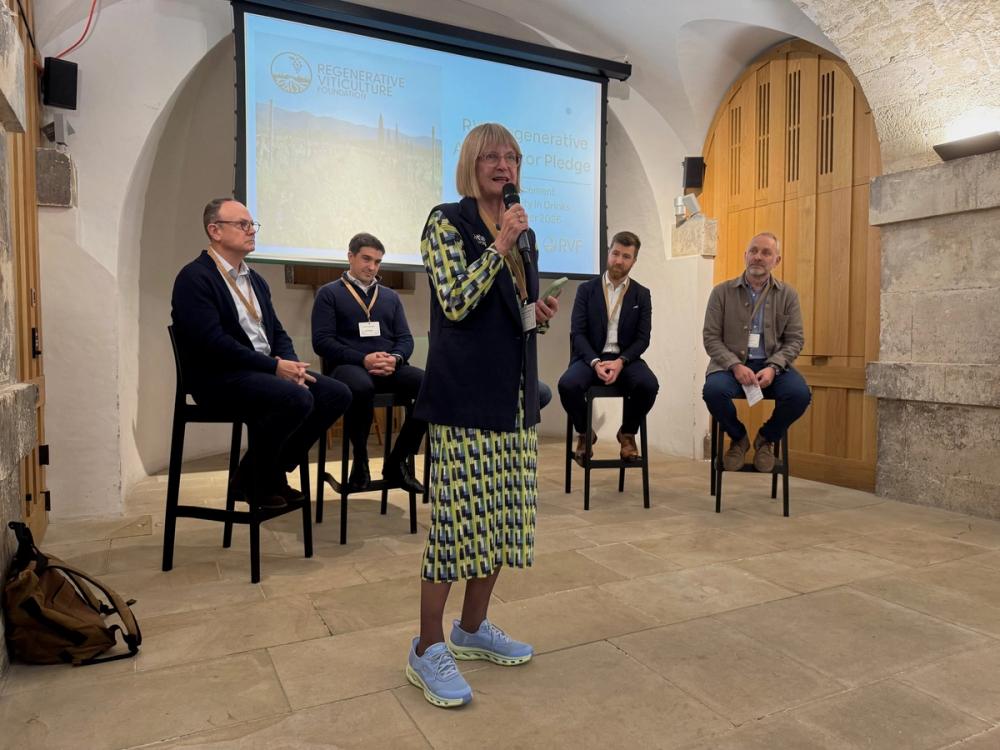
Jancis Robinson MW gave her personal endorsement and backing to the the RVF Regenerative Accelerator Group
Anne Jones was able to set out the steps the accelerator group will take over the next year including: define the criteria within which they are going to work; benchmark the standards they want to reach; and then individually assess how well they are doing against that bench criteria in terms of the producers they are working with; they will then set targets for what they think they can achieve and report back on how well they did meeting them.
“The real commitment is to work together to make this something that is credible and is pragmatic and most importantly does not place and additional burden on the grower,” she said.
“Our job at the RVF is to try and find out what information already exists {around regenerative farming] and turn it into something that is genuinely useful and can be a really good and accurate decision making tool. That is what we have been talking about all day.”
She added: “It is also a great example of industry working together. We have always said that SiD needs to live beyond one event, driving practical change as well as being a collaborative forum. Announcing the RVF's coalition of major buyers around a shared commitment to regenerative viticulture is a significant step, but the real work starts now.
“For the RVF, the next step is to turn that ambition into clear expectations, credible criteria and measurable progress. The exciting thing is that the trade recognises it has a real role in driving the change it wants to see, not simply expecting producers to deliver it.”
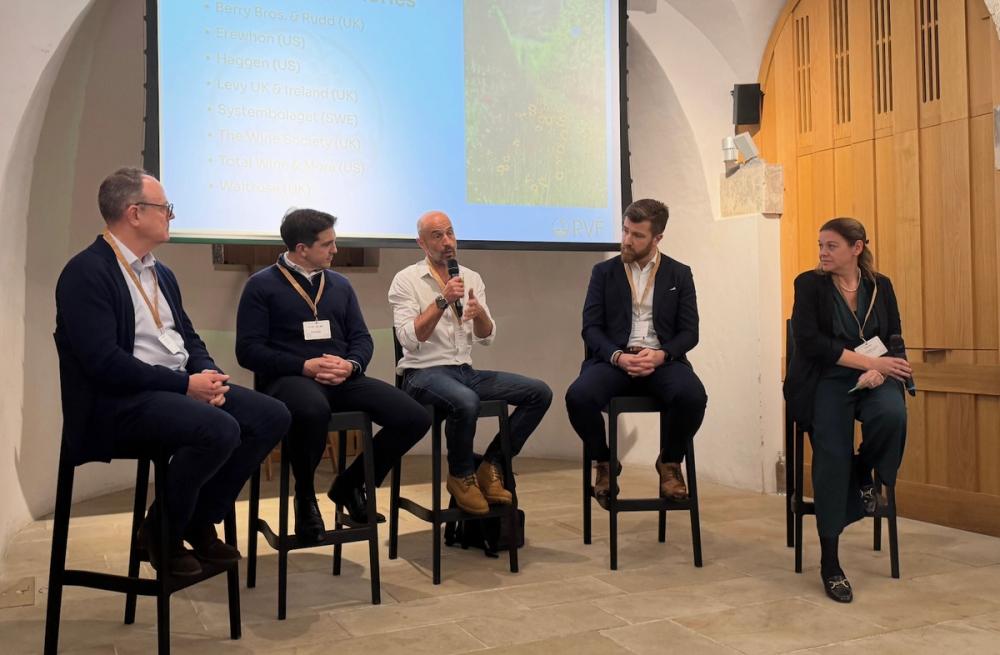
Some of the retailers that are backing the RVF Regenerative Accelerator Group were able to explain why they believe it is such an important initaitive to support
Dom de Ville, director of sustainability and social impact at The Wine Society, said it was very pleased to be part of this group as it can “see the benefits for our growers, our business and our members”. This sort of an initiative can also only work if it is a collective effort as The Wine Society is “not big enough to send that signal” on its own.
“You need a coalition, you need a tent do that in,” he added.
Luke Jones, ethics and sustainability manager at Waitrose, was able to explain how as a business it has been farming longer than it has been a retailer and is already in the process of “transitioning all of our UK farms towards regenerative practises” as part of its “Farm for Nature” pledge.
Perhaps for a company whose mission is to “be a role model in sustainability” it is not a surprise to see the Swedish drinks monopoly, Systembolaget, sign up to the RVF initiative and the fact it has certainly gives it an added credibility factor.
Jonas Grunstedt, head of supplier development and sourcing excellence at Swedish drinks monopoly, Sytembalogot, said it is important that it plays its part in helping “co-operation across the value chain” in a way that does not put an extra “burden” on producers.
As he says: “There’s a quote that if you want to to fast go alone, if you want to go far, go together. I think this symbolises that.”
The platform
It is that level of international co-operation that perhaps would not have been possible three years ago before SID provided the platform and the framework for all the collective parts of the sustainability world to come together.
It is noticeable how the calibre and stature of the companies and organisations taking part in SID have increased year-by-year. Both in terms of being on panels and sharing their insights publicly, but as delegates there to network, listen and learn.
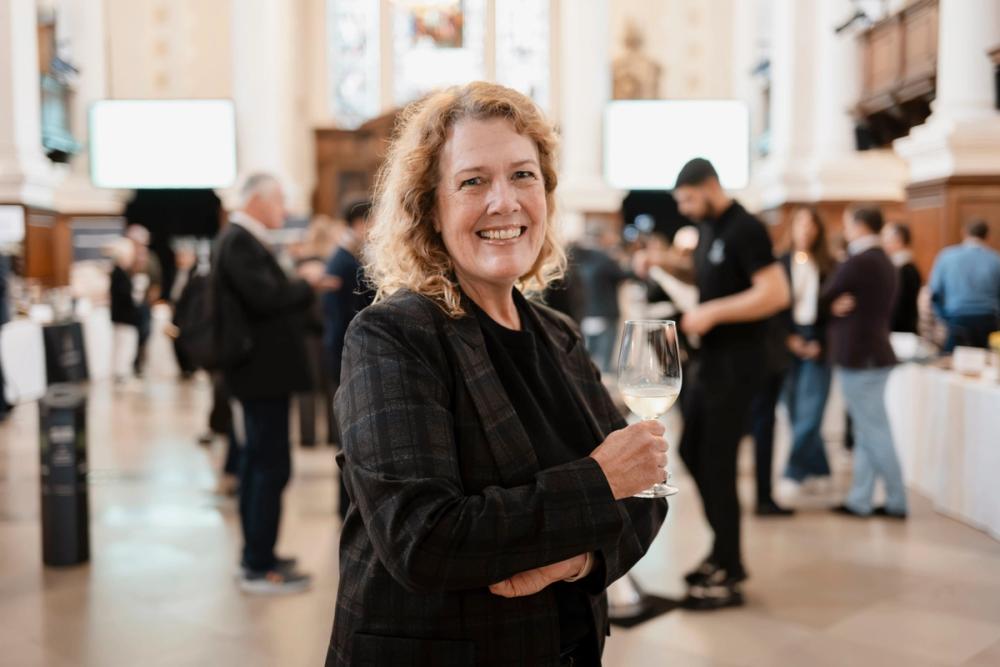
Allison Jordan of the California Sustainable Winegrowing Alliance was there to represent all the steps California is taking to tackle sustainability and her presence reflected the international impact that SID is now having
That’s very much the brief, for example, for Allison Jordan, who was there with two hats on, her day job as executive director of California Sustainable Winegrowing Alliance, but also the work she does with the California Wine Institute as vice president of environmental affairs that does so much to lead so many aspects of the sustainability debate.
She said she was there to share what California is doing on sustainability but also to meet and network with her peers in other parts of the world.
Jordan said events like this are essential in creating a “halo effect of good will that can help us all”.
Dr Ed Massey, general manager for sustainability at New Zealand Winegrowers, agreed: |Overallit’s pretty clear that SID is becoming a major gathering of thought leadership across the broader drinks category.”
Taking action
A key difference in this year’s event was the talks were far more focused on what drinks bodies and individual businesses are actually doing in terms of sustainability, and what successes they are having to take sustainability to another level, rather than focus on what could be done.
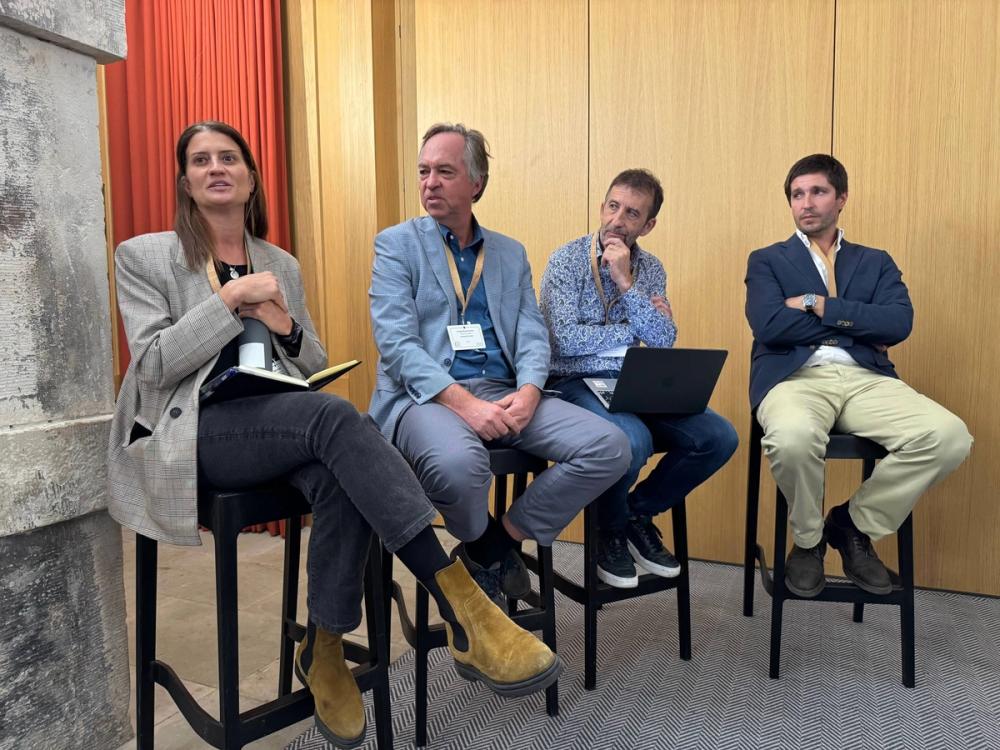
The wide range of debates at SID included a session focused on water use and the steps producers and their suppliers are taking to manage how much water they are using when making wine; and a session focused on carbon and net zero
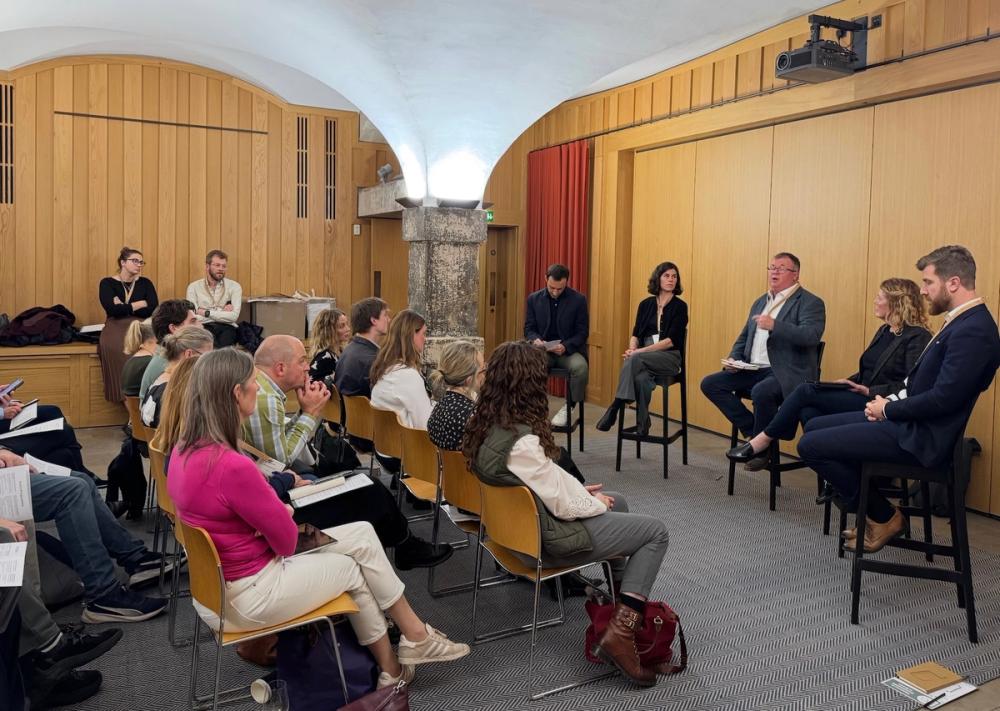
It saw deep dives into what producers are doing to maximise falling levels of rainfall and manage water use; a workshop on land health and the differences between organic, regenerative and biodynamic farming; what different sustainability models and certifications do and achieve; a debate on climate and carbon; changes to B Corp standards; and practical examples of what are the biggest impacts on reducing carbon footprints and what steps companies are doing with, for example, their packaging.
Each of those sessions were able to achieve two things: provide a platform for key figures in those topic areas to share the steps they are taking to address them; but also allow for the day’s delegates, made up of key sustainability figures across the trade, to share their experiences and allow for a wider consensus of understanding of what is taking place.
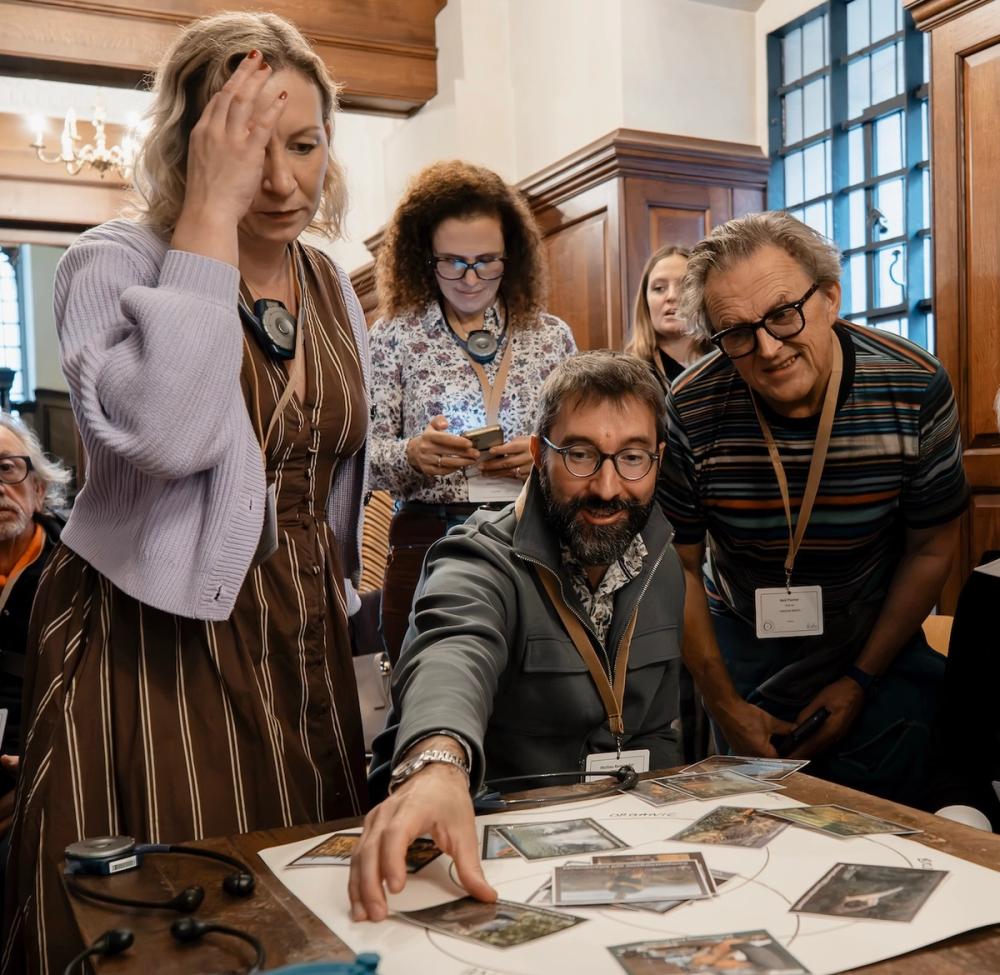
SID also included a number of smaller workshop sessions that delegates could take part in
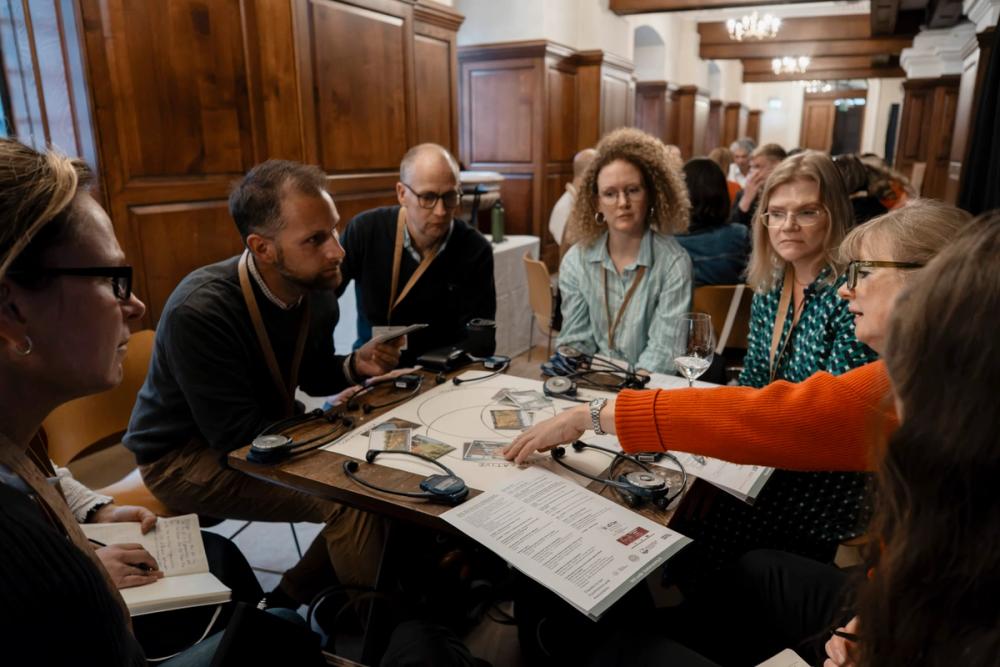
The managing water session, for example, was able to demonstrate the technical steps that producers are taking to better manage limited water supplies, like the use of biochar at Domaine Lafage’s vineyards in the Roussillon to protect and increase yields, but also highlighted the importance of people in any organisation in understanding their own role in controlling how much water they are using.
Wines of Alentejo also used the SID event to launch its new Alentejo Lightweight Bottle initiative, a 390gm wine bottle developed by the region as a whole, together with glass manufacturer Verallia and partners. A project that has been four years in the making it shows what can be achieved when wine regions and their producers come together with a common goal.
It means that rather than have each winery act on its own when it comes to developing their own lightweight bottle, Wines of Alentejo has created one shared bottle that every producer in the region will be able to use - in what is claims is the first wine region initiative of its kind in the world.
The initiative is the latest step for Wines of Alentejo Sustainability Programme (WASP) which now has 727 members and 30 certified producers, representing 25% of Alentejo’s vineyard area and 36% of its wine production. Certified members report on average up to 30% lower water use and 20% lower energy consumption over the past five years.
It also held a separate event the day before SID in London in order to go into greater detail about what WASP is doing, the new lightweight bottle scheme and how its activities and findings can be followed by other wine regions.
Resilience for the future
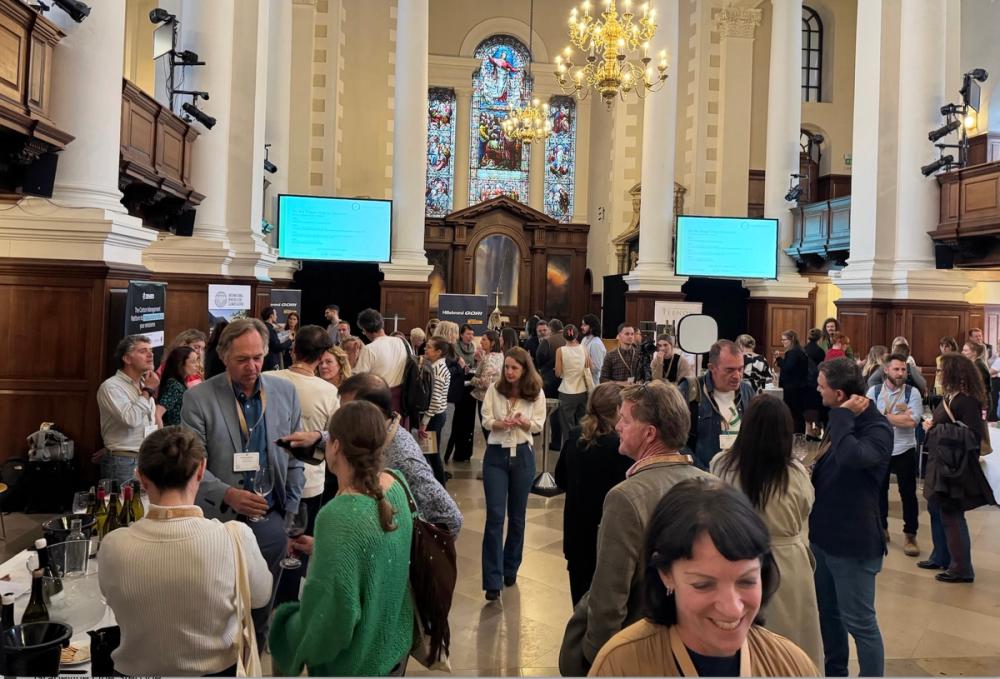
SID was also an opportunity to network and taste and meet a number of sustainable wine producers and environmental bodies working in the drinks industry
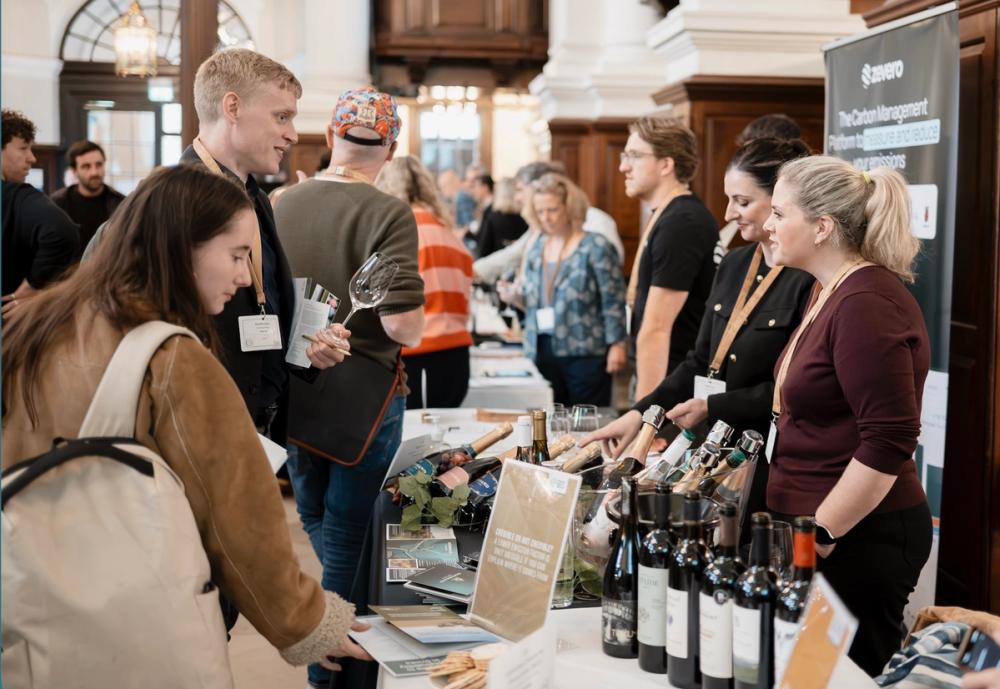
Ultimately the day was about what producers, retailers, importers and regulatory bodies are doing now to safeguard their futures.
As Anne Bousquet said: “We are taking steps now to guarantee our vineyards for the future and try to be as resilient as we can for the future. We are all suffering.”
Part of that resilience needs to be around how the industry is collecting, collating and sharing data about the steps it is taking to be more sustainable, said Siobhan Toohill at Sustainable Winegrowing Australia.
She argued the more producers, for example, can show clear data about the steps they are taking the more chance they have of “accessing capital” to invest in further sustainability measures.
“Finance is not being tapped into enough,” she added.
Julianne Cailloutte-Noble, chief executive of Sustainable Restaurant Association, emphasised the need for sustainability to be front and centre of any company’s operational strategy and for everyone in a business to buy into it.
“It needs to shift from ESG leads to procurement teams,” she argued.
Toohill agreed: “We need to find champions at all levels and shine the light on the people who are making the biggest leaps forward.”
Starting out
There was also advice and guidance at SID for those just starting out on their sustainability journey.
Clem Yates MW, sustainability consultant, said it can be “overwhelming” for companies to know where to start when it comes to tackling sustainability. Her advice is to pick one area and get started.
A key area to start with, for example, would be measuring your waste and really getting to “understand” how your company works. Only by knowing its “nuts and bolts” are you in a position to “work out what changes to implement,” she argued.
Charlie Cook, operations director at Levy that has outlets in sports stadiums and arenas, and is another signatory to the RVF accelerator programme, said “finding the right partners” to work with on sustainability is key and “if you can you can move quite quickly”.
Consumers onside
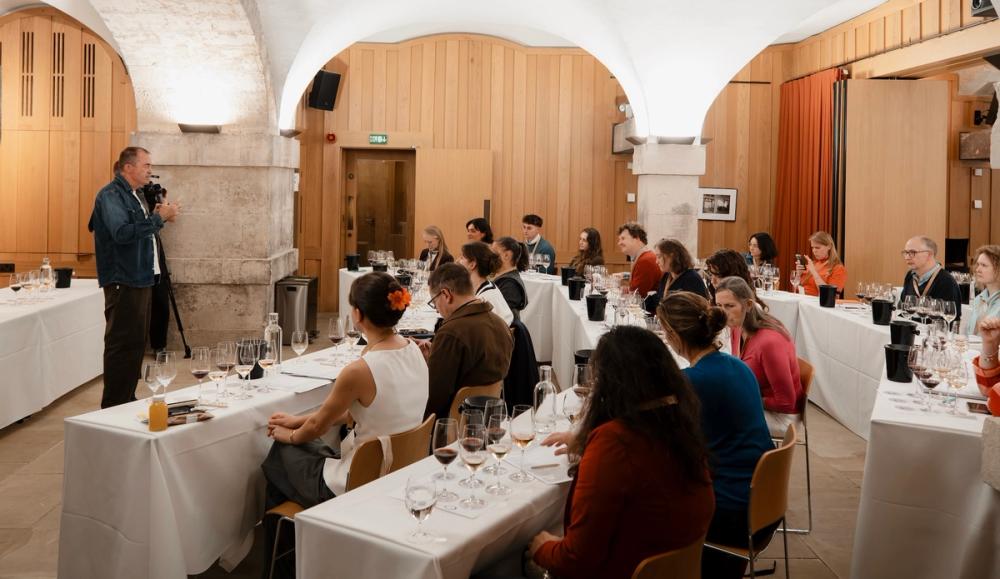
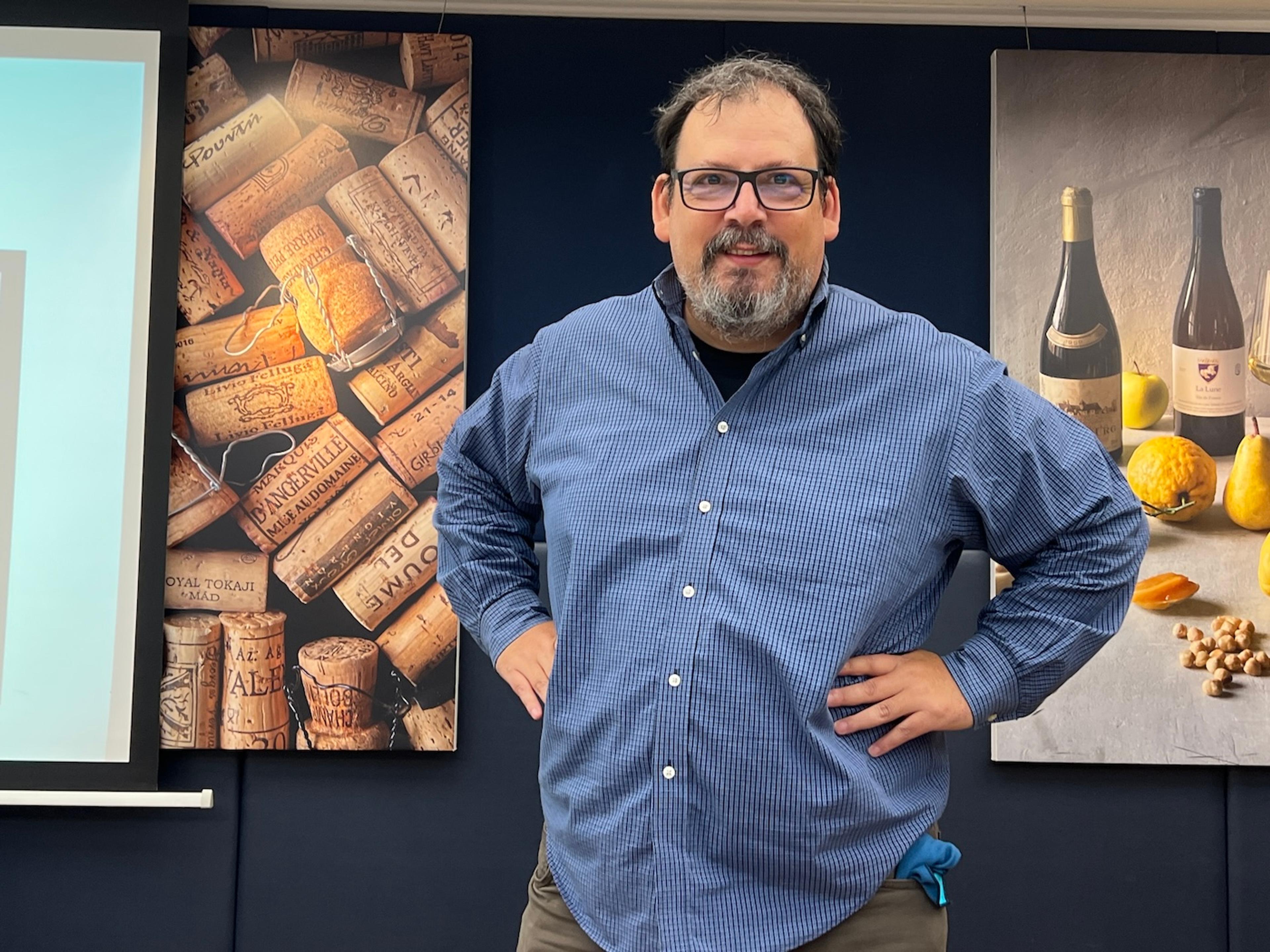
Jamie Goode hosted a tasting session looking at wines made from producers using regenerative viticulture
Bousquet argued the industry should do more to reach out directly to consumers, particularly the younger generation, to promote what they are doing to safeguard their vineyards for the future and health of the planet.
“Young people are anxious about the future and the impact of climate change and what the earth is going to be like for them and their children. They do care about how their wine is being made. We owe it to them to do more,” she said.
Cook said it is putting a huge focus on story telling when it comes to sustainability - and its own measures it is taking towards regenerative farming and incorporating it into its food supply chain.
“I think storytelling will be the centre of getting the customers engaged with this practice. We have worked with a number of different suppliers already in the UK that operate regenerative techniques and when we have told that story it has been really positive,” he explained.
Clem Yates MW, sustainability consultant, said you only have to see the success that Majestic has had in getting over 1 million corks recycled to its stores to show how engaged the pubic can be.
The day finished with a series of one-to-one debates between key industry figures to best illustrate there are often two sides to many sustainability issues.
On topics such as:
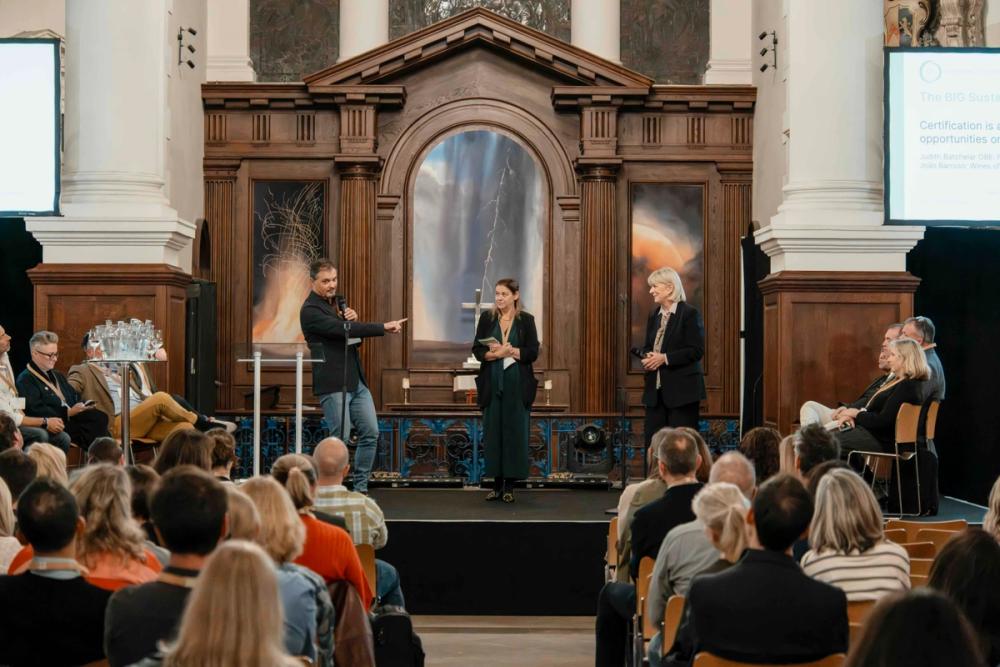
The day closed with a series of mini debates on key sustainability issues with key envirnomental figures
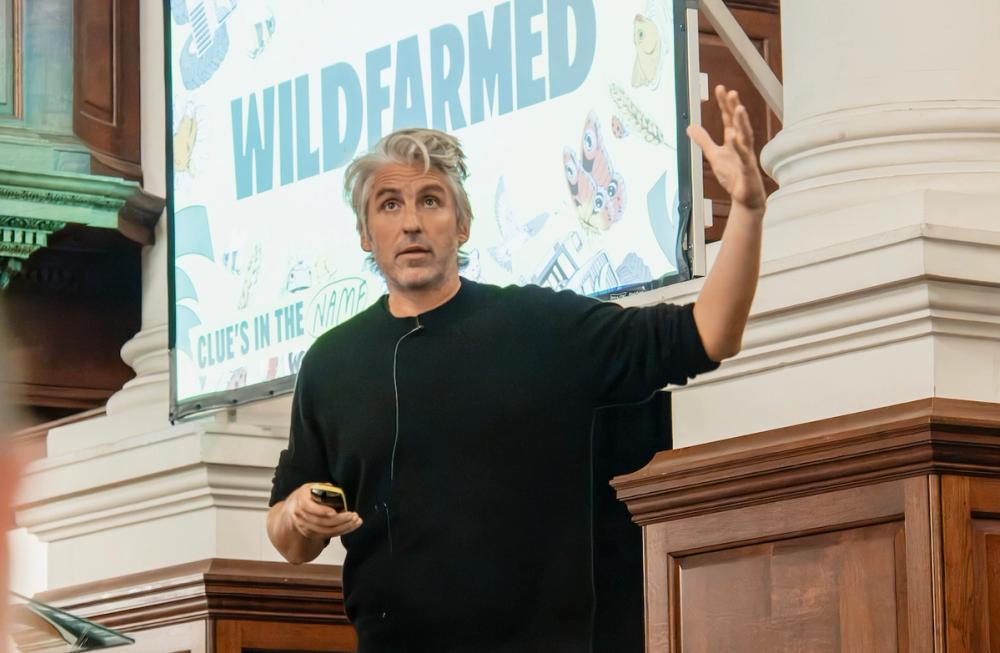
Actor turned environmenalist George Lamb explained the work that Wildfarmed is doing to promote products made sustainably in the closing keynote talk
* Should consumers pay more for sustainability (with The Wine Society’s Dom de Ville vs Club Soda’s Laura Willoughby)?
* Are regulations a barrier to success (with Wine GB’s Nicola Bates vs Dr Peter Stanbury of Sustainable Wine Roundtable)?
- Can a big business truly be sustainable (with MDCV UK’s Gary Smith vs writer, Jamie Goode)
- Does certification only create opportunities for the wealthy (with Judith Batchelar, of Food Matters International vs Joao Barrosa, of Alentejo Sustainability Programme)?
- Is putting financial value on soil carbon dirty money (with Doug Wanstall of Beyond Zero vs Becky Sykes of RVF)?
The fact those issues were the ones raised at the end of an already comprehensive day of talks, debates and analysis shows how much ground was covered by this pivotal, integral event that has fast cemented itself as the most authoritative sustainability show in the sector.
As Anne Jones concluded: “The sustainability conversation has moved on significantly. It is now widely acknowledged that it's vital for our industry's resilience and survival. The challenge now is how we make it happen credibly at scale, and integrate it through modern business structures. That means moving beyond individual success stories to collaboration across the supply chain, with everyone working together to make change commercially viable.”
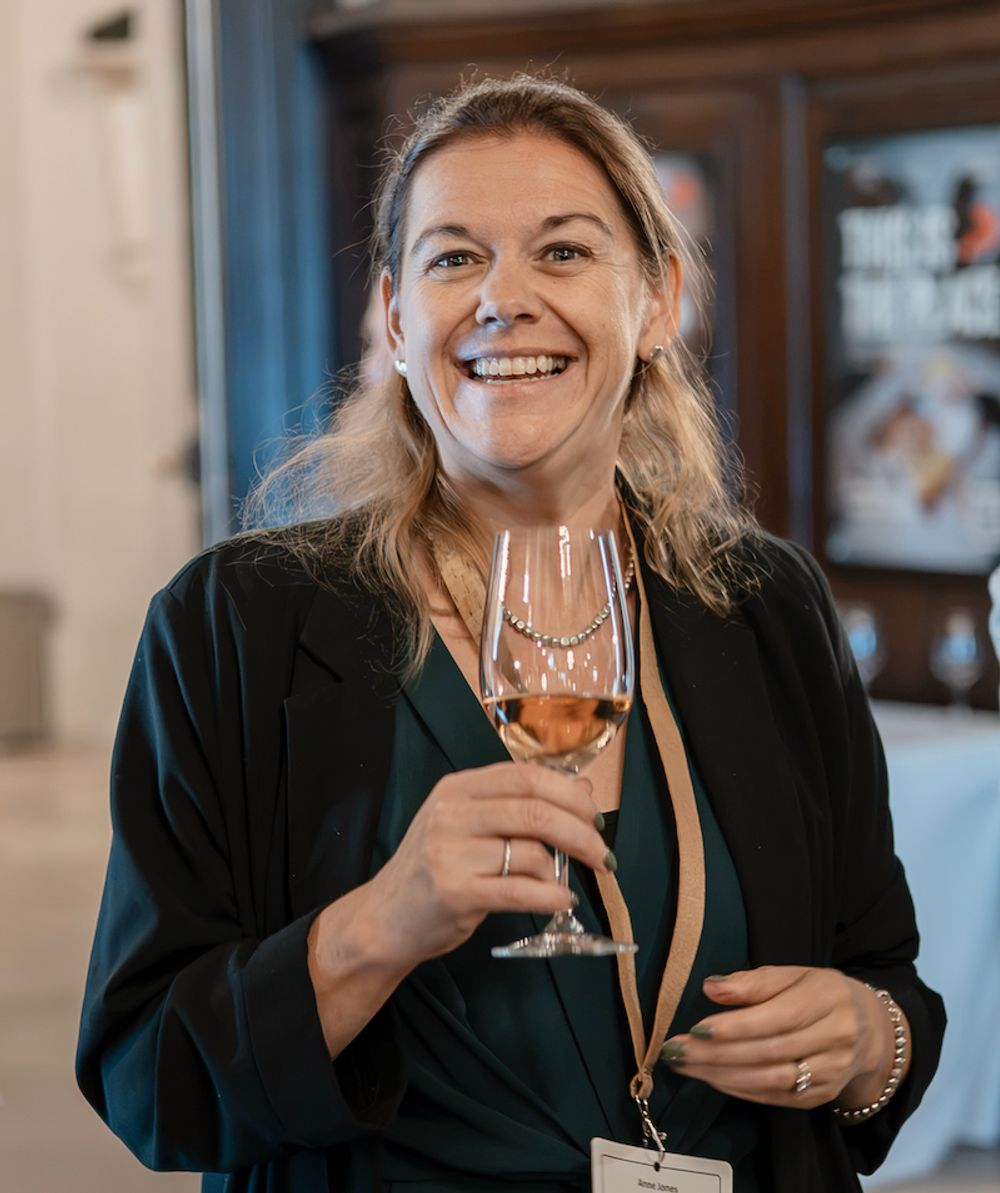
Anne Jones deserves particular praise for her role in pulling together the conference's high level, packed agenda
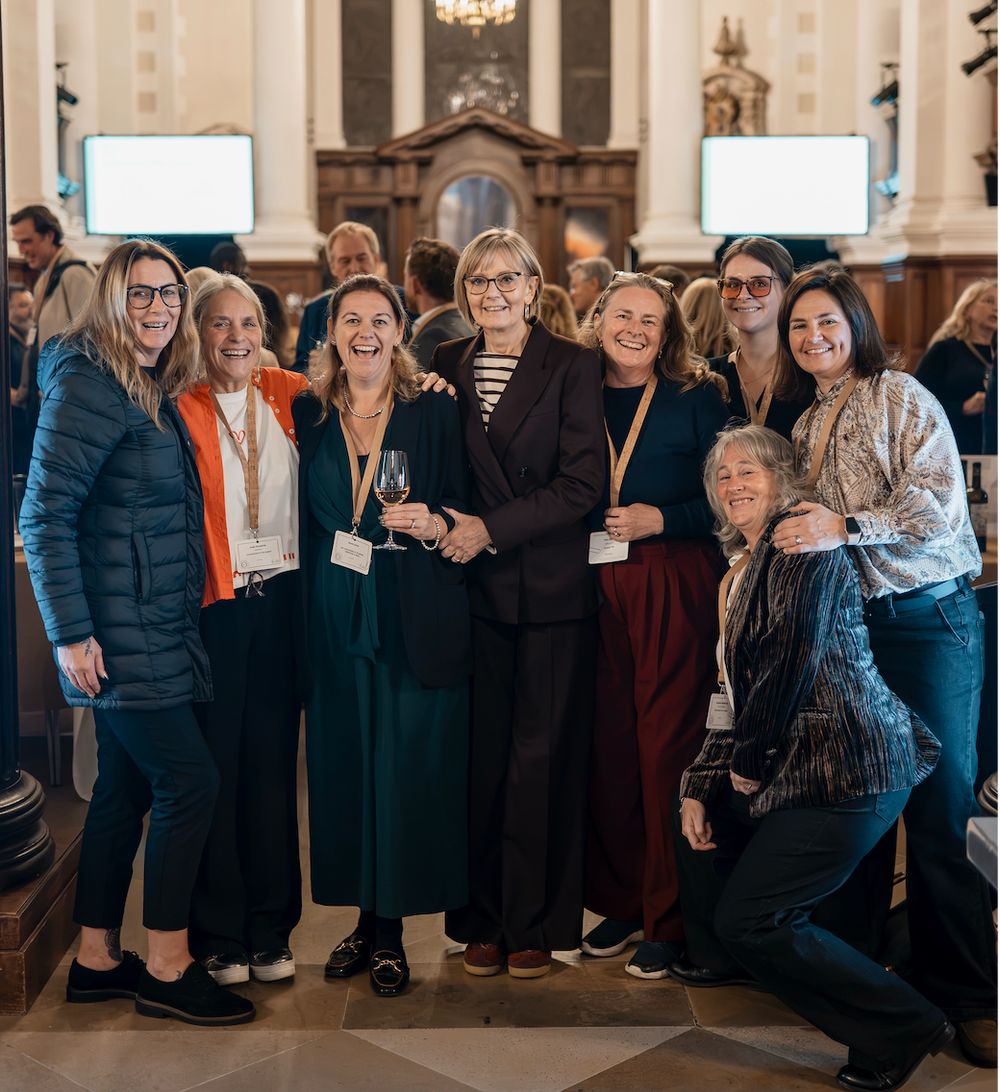
The organising team behind Sustainablity in Drinks
She added: “There was a lot of common ground between organisations that have historically approached sustainability in very different ways. Where in previous years companies was jostling for position, now we are seeing a clear appetite to stop reinventing the wheel, share what we already know and make sustainability easier for producers to deliver and buyers to support. There are so many organisations doing amazing work, and there is a huge opportunity to streamline what we know into more actionable insights at an industry level.”
The final word goes to Justin Howard-Sneyd, founder of Domaine of the Bee, who summed up SID in one sentence: “I think it is a must come to event if you are at all interested in the survivability of our business in the future.”
The drinks industry is lucky to have it.
* You can find our more about Sustainability in Drinks here.