
Sustainability is a big topic that seems to get bigger every day. So what do you need to know, and what are the next steps for your business?
EPR. Packaging. Carbon. Certification. Regenerative. Organic. Biodynamic. Reporting. Add in increasingly ambitious claims from producers, changing regulations and customers who may or may not care about any of it, and it is quite reasonable for a wine business to wonder where on earth to start. The good news is that you do not need to become a sustainability expert. But increasingly, you should know which questions to ask.
A few years ago, sustainability could largely be approached through the products on the shelf. You might seek out organic or biodynamic wines, favour producers with good environmental credentials, or look at bottle weight and packaging. Those things still matter, but sustainability is increasingly becoming part of the mechanics of doing business too.
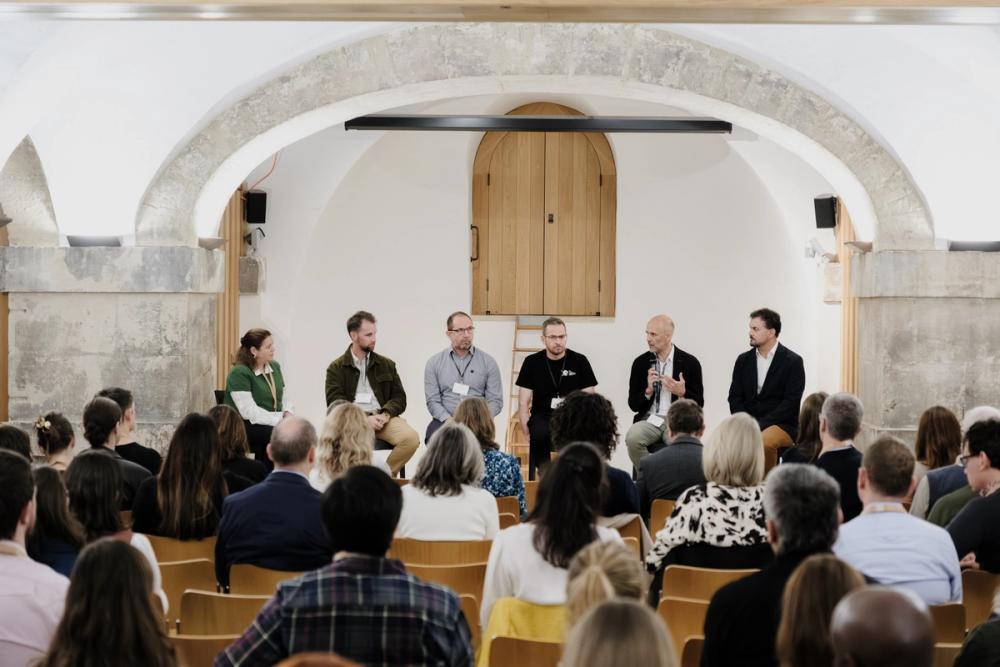
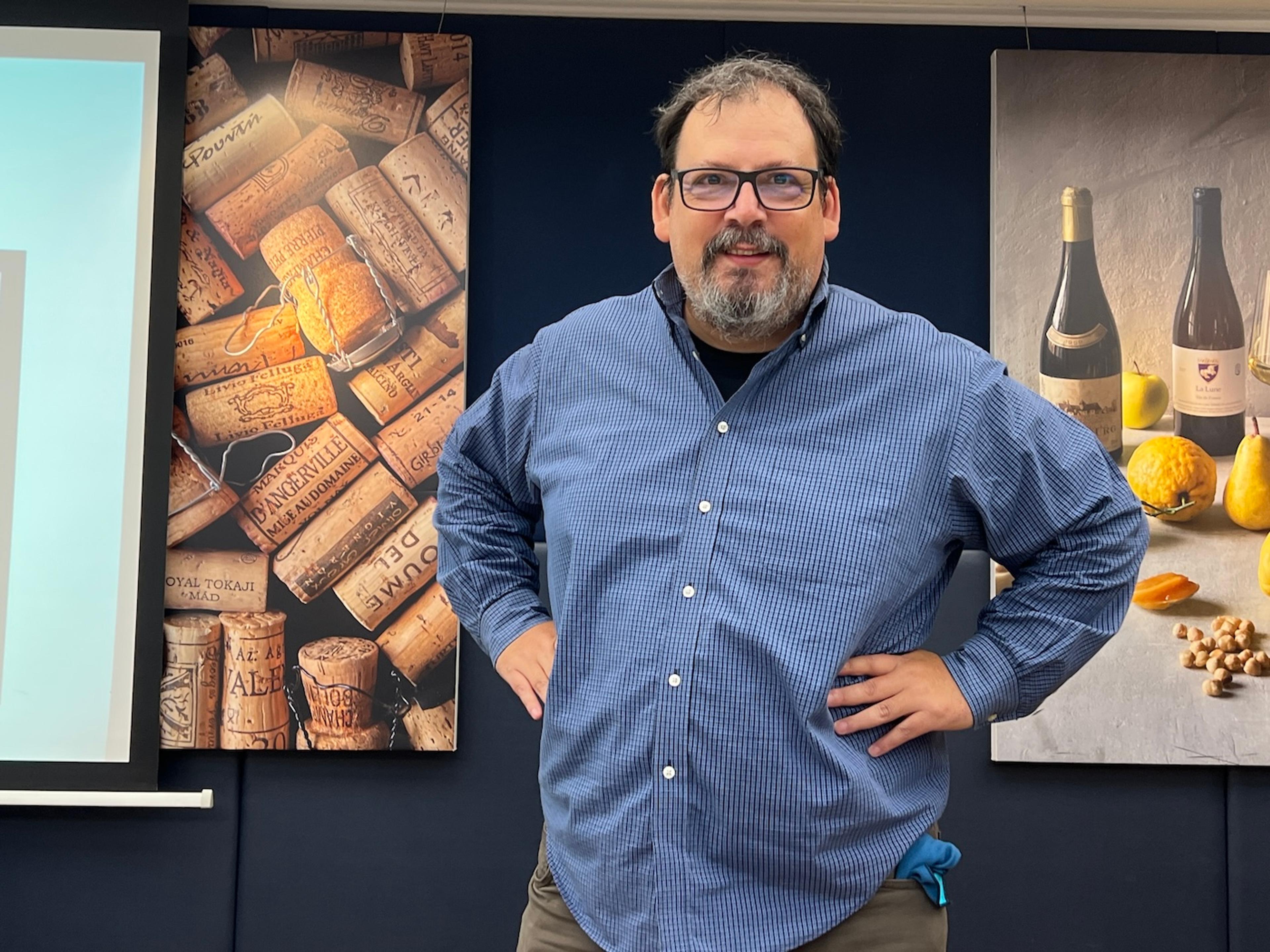
Anne Jones hosting one of the sessions at last year's Sustainablity in Drinks event
EPR is perhaps the most obvious current example. EPR is making the environmental impact of packaging a much more tangible commercial consideration. Even where the regulation does not fall directly on an individual merchant, it is changing the decisions being made further up the supply chain, and ultimately those decisions affect what is available and what it costs.
Packaging is also a good illustration of why sustainability is rarely as simple as we would like it to be. Glass is one of the biggest contributors to wine's carbon footprint, so reducing bottle weight is an obvious and important opportunity. But there is also a growing range of alternatives, from cans and bag-in-box to pouches, refill and draught.
The useful question is no longer simply "which packaging is best?" It is which format makes sense for which wine, market and occasion, and what needs to be true for it genuinely to deliver an environmental benefit.
Telling the sustainability story
On and off-trade businesses have a unique role because they sit between producer and consumer. A wine in a different format may need a little more explanation than the same wine in a traditional bottle.
Wine merchants and front-of-house staff are particularly good at providing that context. You already do it for regions, varieties and producers. Increasingly, sustainability is simply another part of the story. Of course, that relies on being confident that the story is true.
There is no shortage of sustainability language in wine. Sustainable, regenerative, biodynamic, organic, net zero, carbon neutral, natural, environmentally friendly, responsibly produced. Some of those terms have clear definitions or certification behind them. Others are considerably more open to interpretation.
It’s not possible to audit every producer yourself, but it is worth knowing enough to ask the right questions. What does that claim actually mean? Is there certification or other evidence behind it? What is the producer doing differently as a result? What benefit does it deliver for the environment and for the producer themselves. Perhaps most importantly, is this something you would feel comfortable explaining to a customer?
Certification can help, but programmes measure different things and a logo rarely tells the whole story.
Regenerative viticulture is a good example: we are going to hear much more about it as producers and buyers focus on soil health, biodiversity, resilience, carbon and water, but as the term becomes more widely used, understanding what sits behind it matters too.
Help is at hand

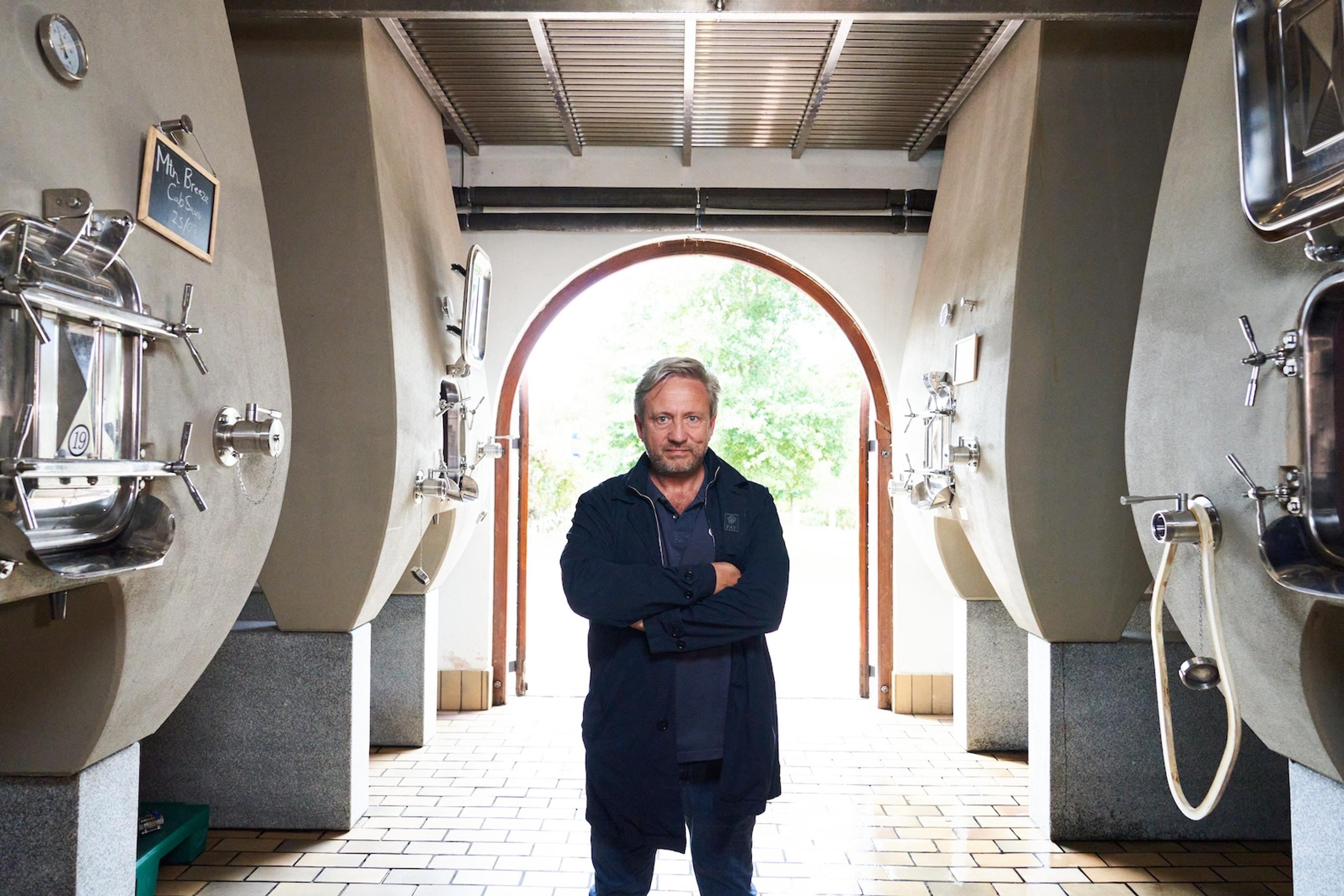
Jancis Robinson MW will once again be a key part of Sustainabilty in Drinks event
All of which can start to sound like another enormous job to add to the list, in what is already a challenging business environment. However, it doesn’t have to be as complicated as it sounds, and there are lots of resources to help get you started. For most consumer-facing businesses, I think there are five useful questions to start with:
- What sustainability regulations actually apply to my business and to my suppliers?
- Where are the biggest impacts in the products I sell and the way I operate?
- What should I be asking my suppliers?
- Which sustainability claims can I confidently communicate to customers?
- Where can I get sensible advice when I don't know the answer?
That last question matters. Nobody running a wine business is going to become an expert in EPR, carbon accounting, packaging lifecycle assessments, certification and regenerative agriculture.
Nor should they need to, and that is the thinking behind Sustainability in Drinks. The aim is not to give the drinks industry another day of sitting through presentations about everything it ought to be doing. It is to bring together people who are dealing with these questions in practice, alongside the people who can help answer them.
You will find lots of helpful advice, examples of best practice and hear from other people in the same boat.
So come with the awkward questions. Does EPR actually affect me? Is a can really better than a bottle? How do I know whether a regenerative claim means anything? Should I be asking suppliers for carbon data? Is calculating my own footprint worthwhile? How should I be managing social policies in the workplace? And, if I have limited time and budget, what should I actually prioritise?
Part of doing business
Sustainability is becoming less of a specialist subject and more of a normal part of business. You do not need to know everything. You need enough knowledge to make good decisions, spot the questions worth asking and know who to ask when you don't have the answer.
That is what Sustainability in Drinks is designed to help with. On October 20, sessions range from the sustainability priorities businesses need to prepare for by 2030 to practical workshops and drop-in sessions on organic, biodynamic and regenerative farming, water, carbon, DRS, EPR and green finance.
Whether you are just getting started or want to get into the technical details, the idea is to come with the questions that matter to your business.
Anne Jones runs her own sustainability consultanty Limestone & Jones.
Sustainability in Drinks 202 - October 20

Georgie Lamb is one of the keynote speakers at Sustainability in Drinks on October 20
Sustainability in Drinks 2026 brings the people who understand sustainability under one roof. With over 60 expert speakers, across a range of different disciplines on hand to offer advice and help businesses understand what sustainability means for them, not only in production but in the day-to-day running of a wine business. It’s the place to ask questions, challenge the thinking and leave better informed. You don't need to be a sustainability expert to attend SID. Just bring your questions and leave with answers and practical ideas you can put to use.
* EPR and DRS: Unsure what's required or what's coming next? The WSTA will run a dedicated drop-in offering practical answers on what the regulations mean for your business.
* People and your business: Drinks United will curate the Sustainable Society sessions on the people side of sustainability: workplace culture, creating great places to work, attracting and retaining staff, and the changes businesses should be preparing for in 2027.
* Packaging, waste and certification: Practical sessions and experts will cover packaging, waste reduction, carbon and certification, including what makes sense for independent businesses and where to begin.
The Regenerative Wine Buying Pledge will explore how wine buyers can encourage regenerative viticulture.
The BIG Sustainability Debate will bring together voices from across the trade to tackle the industry's bigger questions.
Jancis Robinson MW will introduce key sessions, and George Lamb of Wildfarmed will close the day with his perspective on farming, food and the future of our land.
When: October 20, 10.30am-8.30pm.
Where: Christ Church Spitalfields, Commercial Street, London, E1 6LY.
Register: Click here.