
How do you look back on 2025 as a business and where you are in terms of reaching your targets and goals?
While we hit our financial targets, we clearly underperformed in a few key areas. As it wore on, 2025 became an increasingly cumbersome and difficult year.
Like many I have ‘to do’ lists I look at everyday – the personal and business ones are all jumbled up.
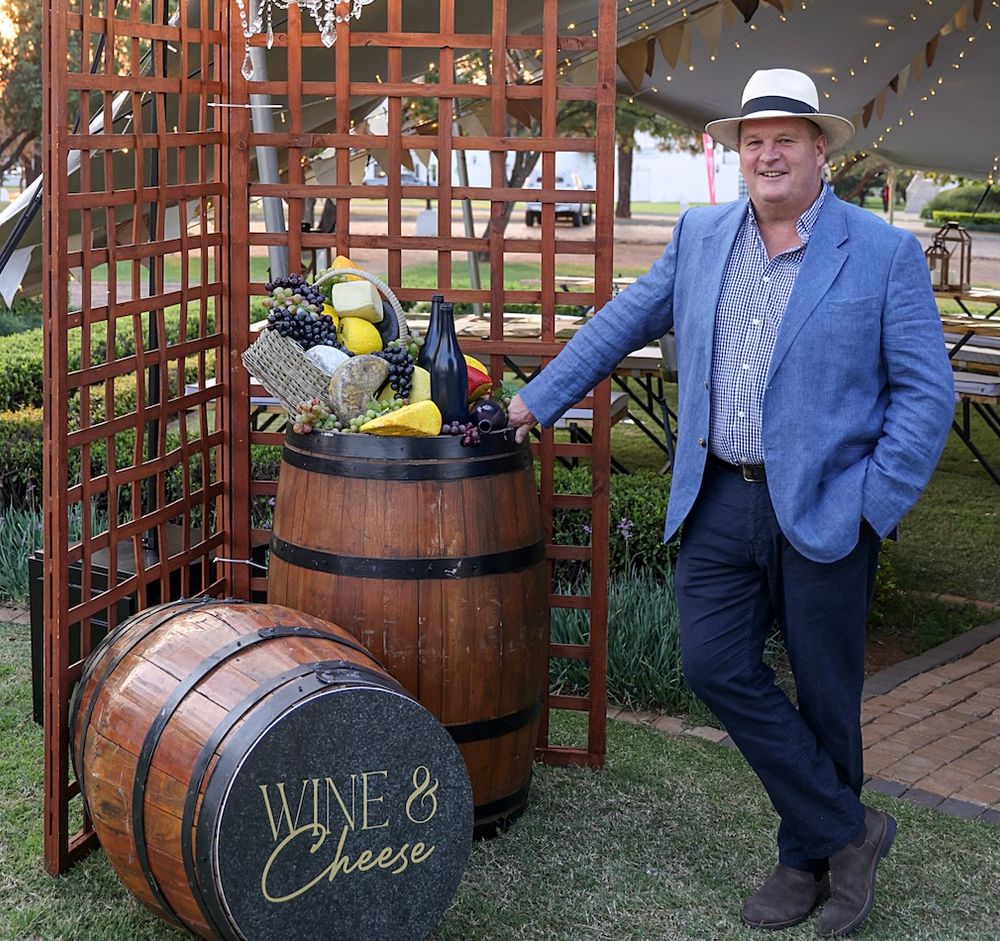
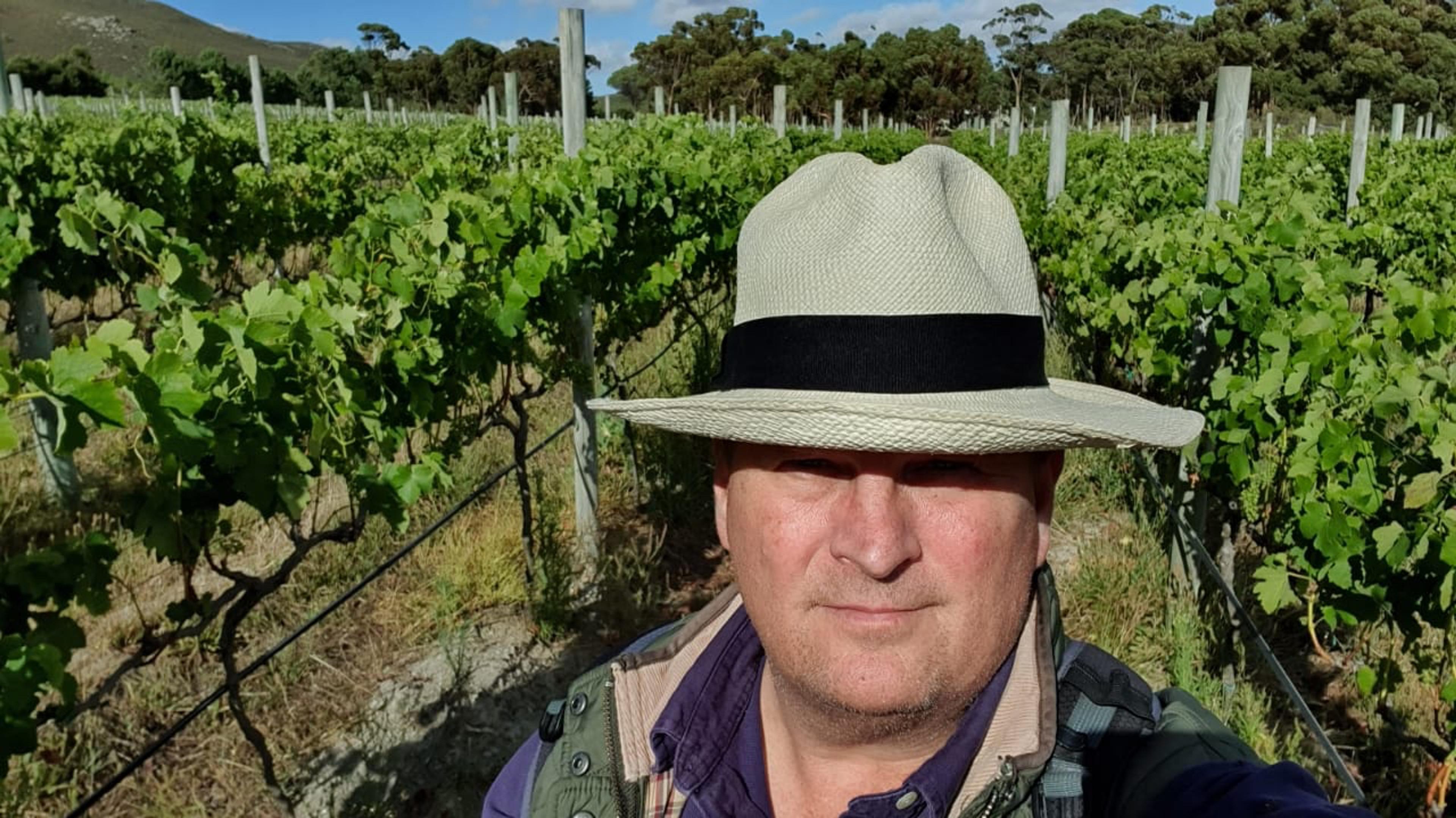
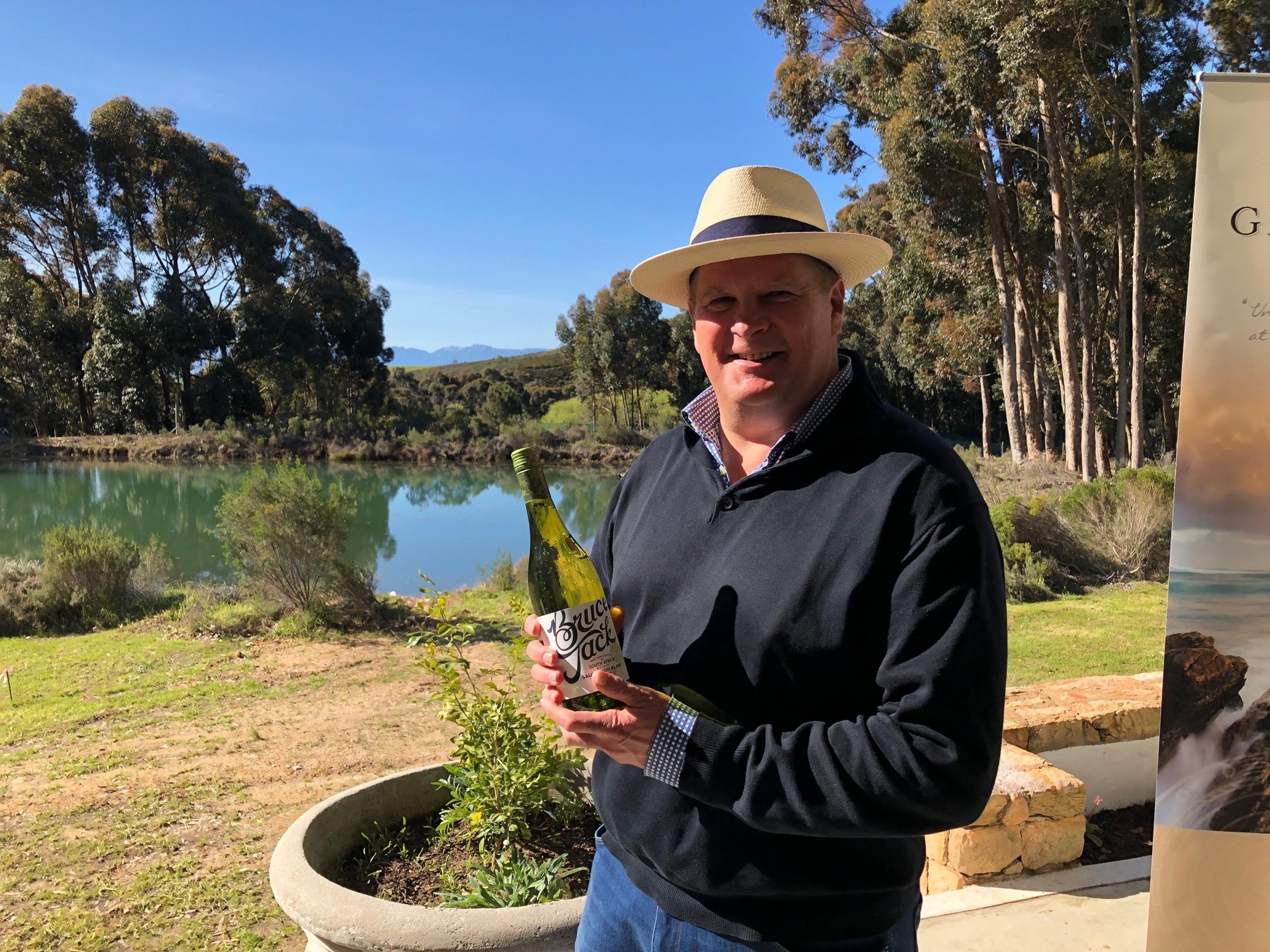
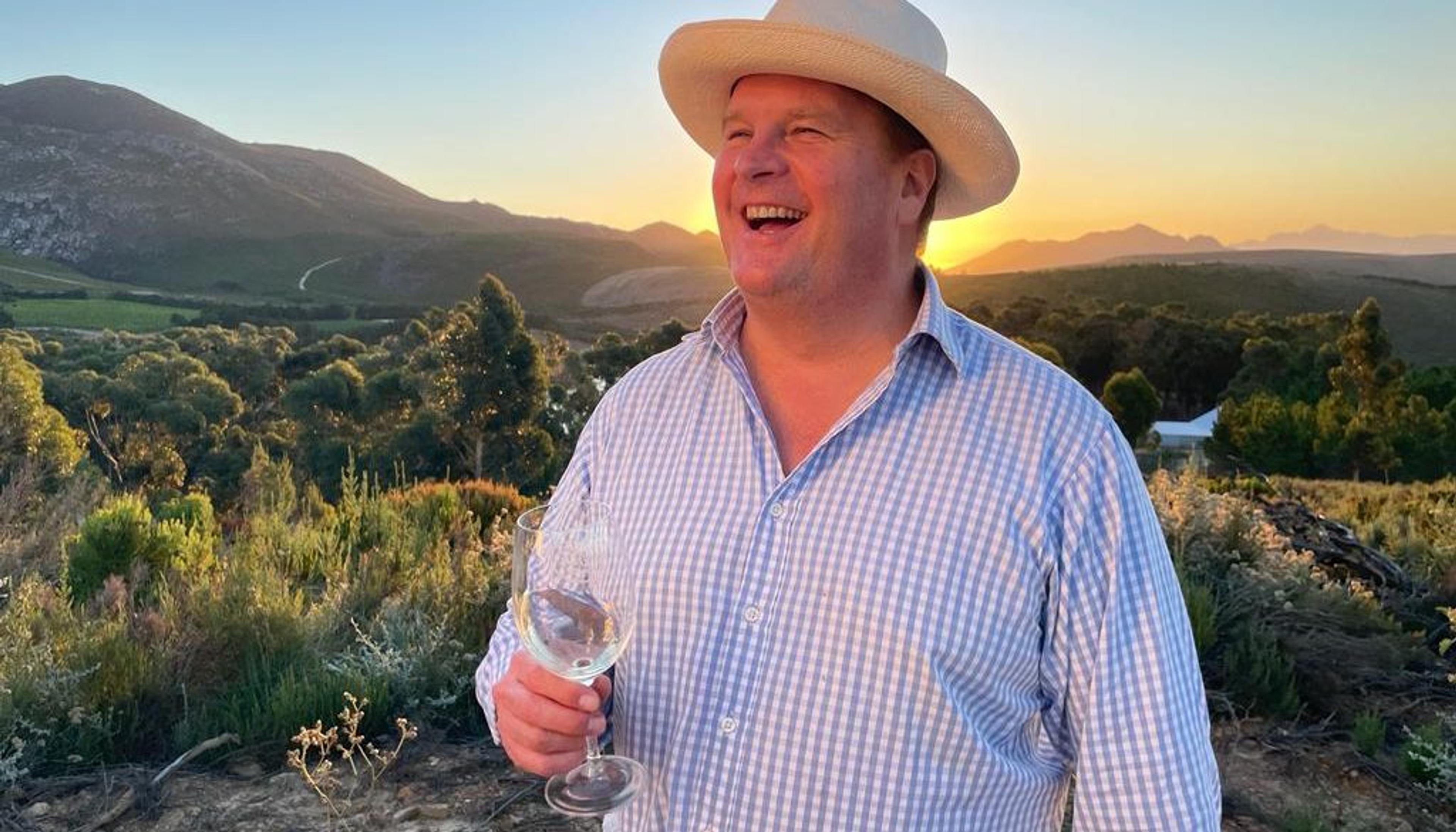
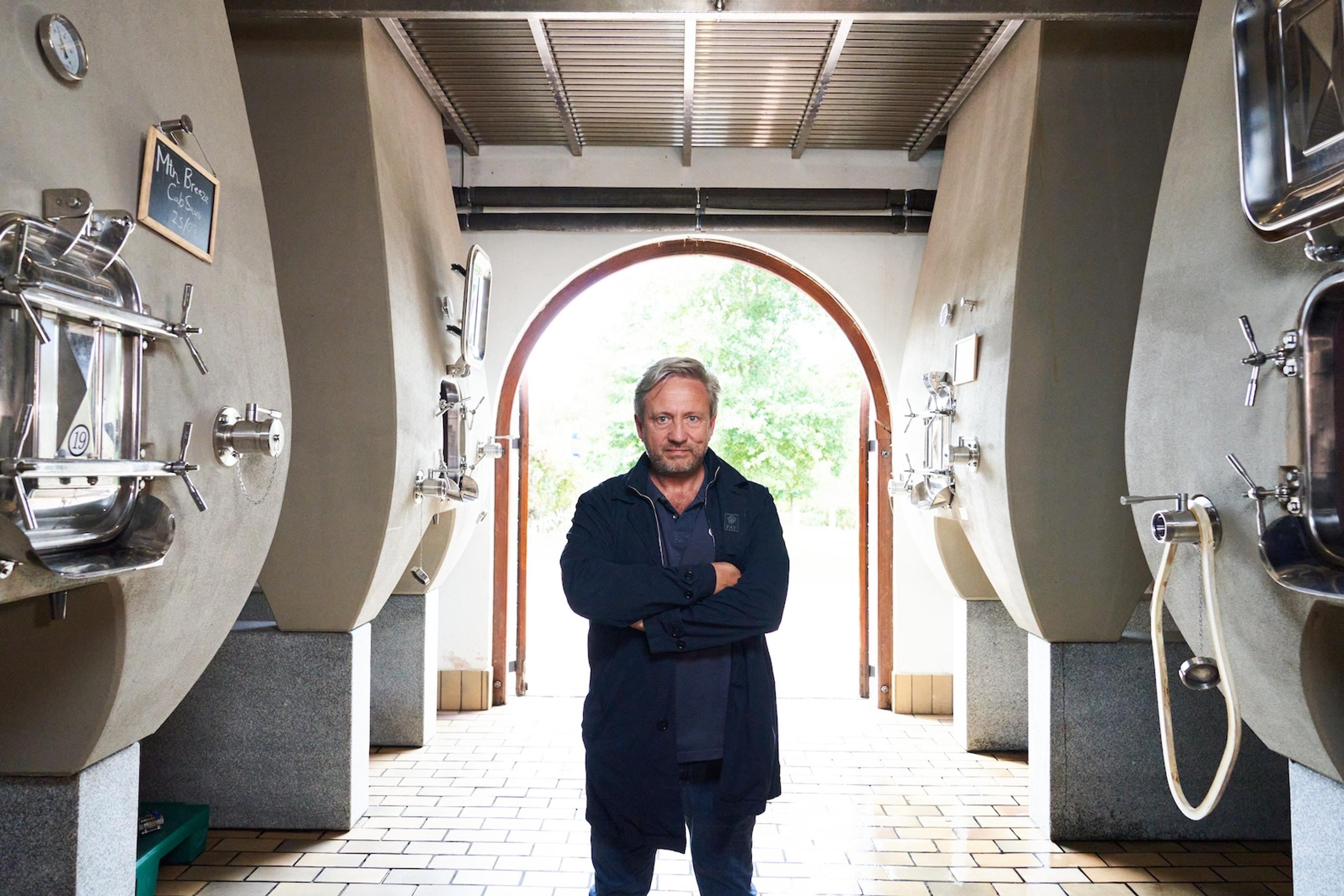
Bruce Jack reflects on an overall positve year for Bruce Jack Wines with volumes up in the majority of its international markets - but it took a lot of hard work by his team to make it happen
At the end of 2024 I wrote down two primary and simple goals I would be forced to look at everyday:
1 Build transition time (buffer time) into the workday.
2 Always be on time for meetings.
‘Transition time’ had always felt like wasted time. But in 2024 it had cost us dearly.
I was bound for a critical early morning meeting with a large national retailer in Cape Town – usually a three-hour drive. As I drove off the estate, the swinging beam of my headlights picked out a young lamb caught in the barbed wire fence. I couldn’t contact my neighbour, so I pulled the fencing pilers out of the glove compartment and spent the next 20 minutes freeing her and repairing the fence where I had cut it.
As a result, two and a half hours later, I was myself ensnared in Cape Town rush-hour traffic and was hopelessly late for the meeting. When I arrived at reception, jeans encrusted with mud, I was told we had missed our slot.
Despite apologetic, pleading emails, we haven’t been invited back. It’s not a case of ‘Hell hath no fury like a buyer scorned’, but rather that buyers, especially powerful ones, have too much choice, and I provided a convenient excuse not to bother with yet another supplier.
As 2025 dawned, I was determined such tardiness wouldn’t negatively impact us again. I not only built in buffer time between trips and meetings, but daily tasks. I even set alarms towards the ends of meetings.
Constant planning ahead in this way gave me that ‘master-of-the-universe’ sense of control over the daily itinerary. It felt great, like I was one of those 5am freaks killing it on Wall Street. It also felt a bit like constantly allowing the future to take precedence over the present. Maybe that’s the point, I decided. I embraced the new rigidity with zealot-like adherence.
Previously, I was often a few minutes late for meetings, jumping from one Teams call to the next, with hardly a moment to make tea, or being delayed while travelling, by some unexpected dislocation from the harried plan, like a lamb in a barbed wire fence.
Always being on time had other positive knock-on effects – we felt more efficient and we churned through mountains of work. Things seemed to function better – less meetings were cancelled and increasingly sophisticated apps sent an endless stream of on-line meeting notes into the sewers of AI data centres. And as we all know punctuality proves to others you are professional and courteous – albeit in the same way going to church proves you are a good person.
With so many wines in your portfolio where do you have to focus more of your time?
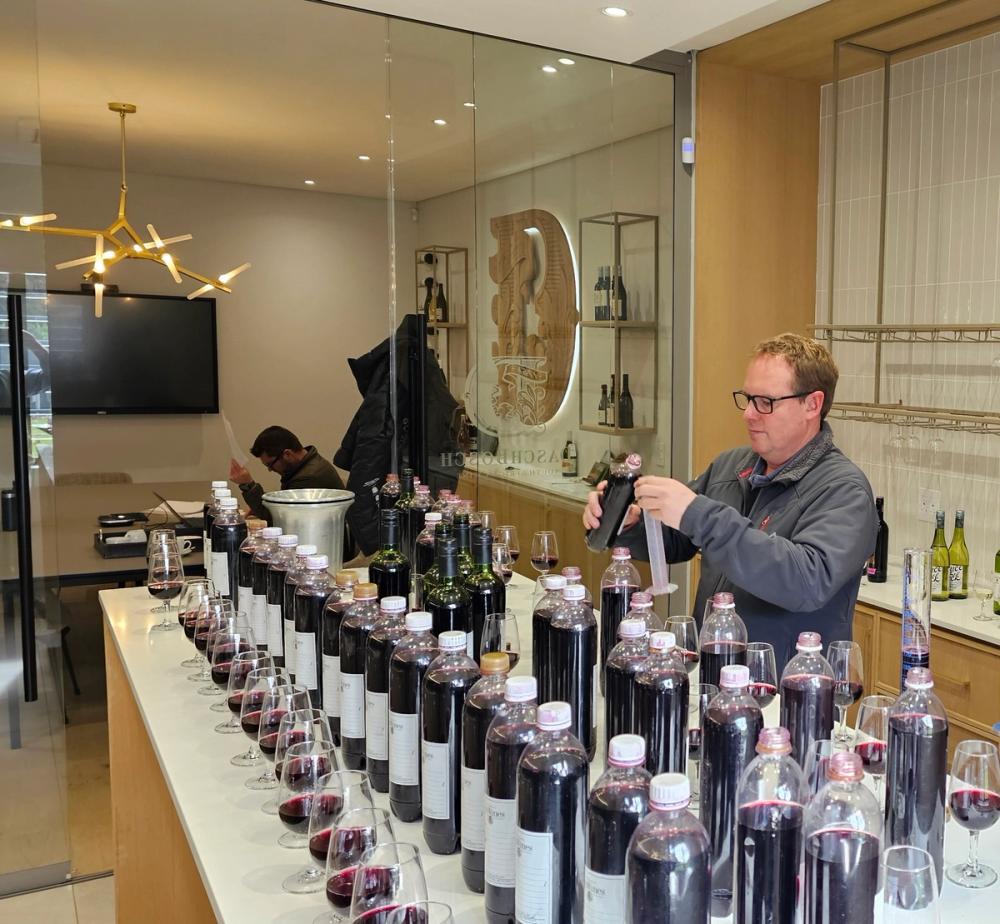
Here Schalk van der Merwe, red winemaker for Bruce Jack Wines doing the blending for Bruce Jack Lifestyle Pinotage & Malbec - second time lucky!
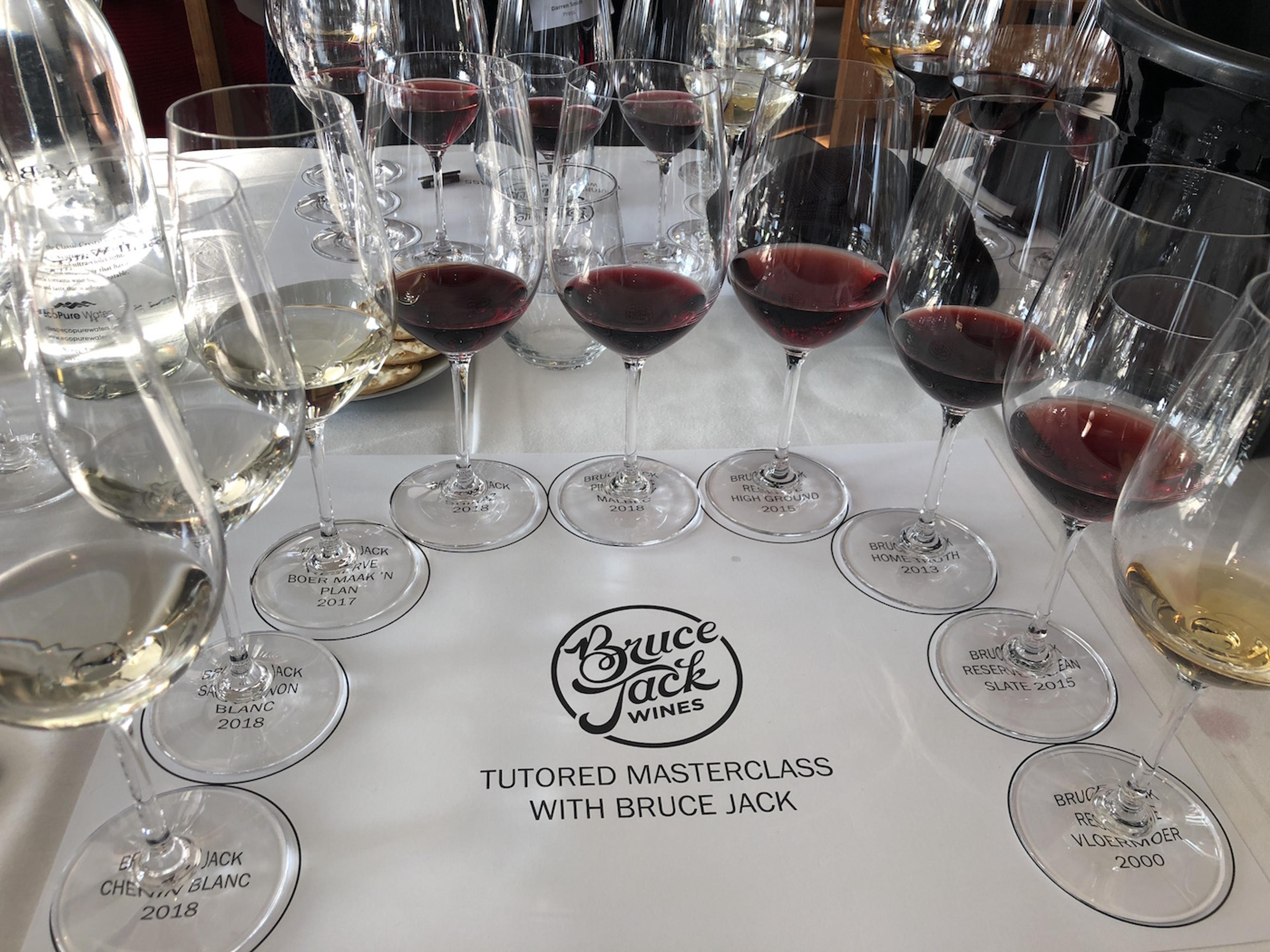
We have dozens of different brands and hundreds of wines, and I have a deep aversion to putting the same wine under different labels – that feels like blasphemy, so we have multiple different blends on the go at any one time.
The whole blending and bottling process, from when the forecast model tells us it’s time to beef up the inventory, takes eight weeks. There’s an extra week built in to double-check the initial blend, which we do 10 days after the first trial (or ‘bench’) blend, because atmospheric pressure, and a few other factors, can throw one off when tasting.
In the same way the Golden Ratio is used in architecture to structure aesthetically and harmonious design (The Parthenon, etc…) so there is a law that governs a harmonious wine blend– part organoleptic, part organic chemistry, part physics, part logistical, part meteorological, part financial, part astrological, part gut feel, and part weighing up the risk and reward to how the process will proceed – like the reward of removing filtration with the risk of refermentation in bottle.
The Golden ration of wine blending is something that slowly and mysteriously reveals itself to you well after Gladwell’s 10,000 hour rule – and all winemakers who’ve been at the craft long enough will attest to it. It’s not something I am naturally good at and it’s not something you learn at university – it’s something I’ve learnt to be good at through decades of practice.
And with experience it’s easy to spot when you get one or more of the ratio elements wrong, you can taste it immediately – something jars like a discordant note in a classical piano solo.
And we were hitting an increasing number of discordant notes as the year stuttered along. We often found ourselves repeating the whole complex blending process from scratch – cellar hands shaking their heads in bewilderment as they were sent away once again into the bowels of cellars across the country to draw samples from the same barrels and tanks for the same idiot winemaker.

The Bruce Jack team bottling the Penelope Cap Classique 2025 for its second fermentation
These mistakes made everyone (including me) increasingly grumpy. We started missing bottling deadlines and shipping dates. My logistics team started looking at me with the sort of face you make when an old dog can no longer run with the pack, but still courageously wags its tail when you put the hiking boots on.
Despite all the daily extra buffer time and punctuality, we were becoming a less efficient machine, because I was becoming a worse winemaker. Blending was the most obvious to jump out at me, but because self-doubt had flooded the engine, I also began faltering on supply and demand forecasting, marketing, even medium-term financial strategy, like currency hedging – stuff I am normally quite good at.
A creeping self-doubt nibbled away at me, and my hesitancy became obvious to everyone. Maybe this is it, I thought – the unavoidable slide into decrepitude… the rugby hits finally taking their toll. 2025 was becoming a nightmare.
I become a bit desperate. Work used to be all-encompassing, uplifting and energising. I would often collapse into bed on a natural high – as though I’d spent the whole day surfing. Now I would lie awake, unable to sleep, feeling the suffocating banality of my ordinariness pressing in.
Perhaps, just perhaps, I started to think, like going to church doesn’t make you are a good person, neither does punctuality, in itself, make you better at your job. Could this simple, sensible goal I have set myself somehow be the root cause of the rot?
The elements that differentiate our business (and I think sometimes give us an edge) are ethereal and difficult to put your finger on – things like inquisitive wonder and genuine joy in what we do – a sort of giddy exuberance, particularly in the creative elements, that fuels a fiery intent and a sense of belief.
There is often an obvious intent in small organisations that differentiates ‘Guerilla’ companies from bigger, more corporate businesses. The best small organisations have an intensity to that intent that corporates often struggle to reproduce.
I began to sense we were losing our intensity of our intent – the reverie in our creative processes had leaked away like a slow puncture. And the really dreadful thing was I knew there was no spare tyre of inspiration in the boot.
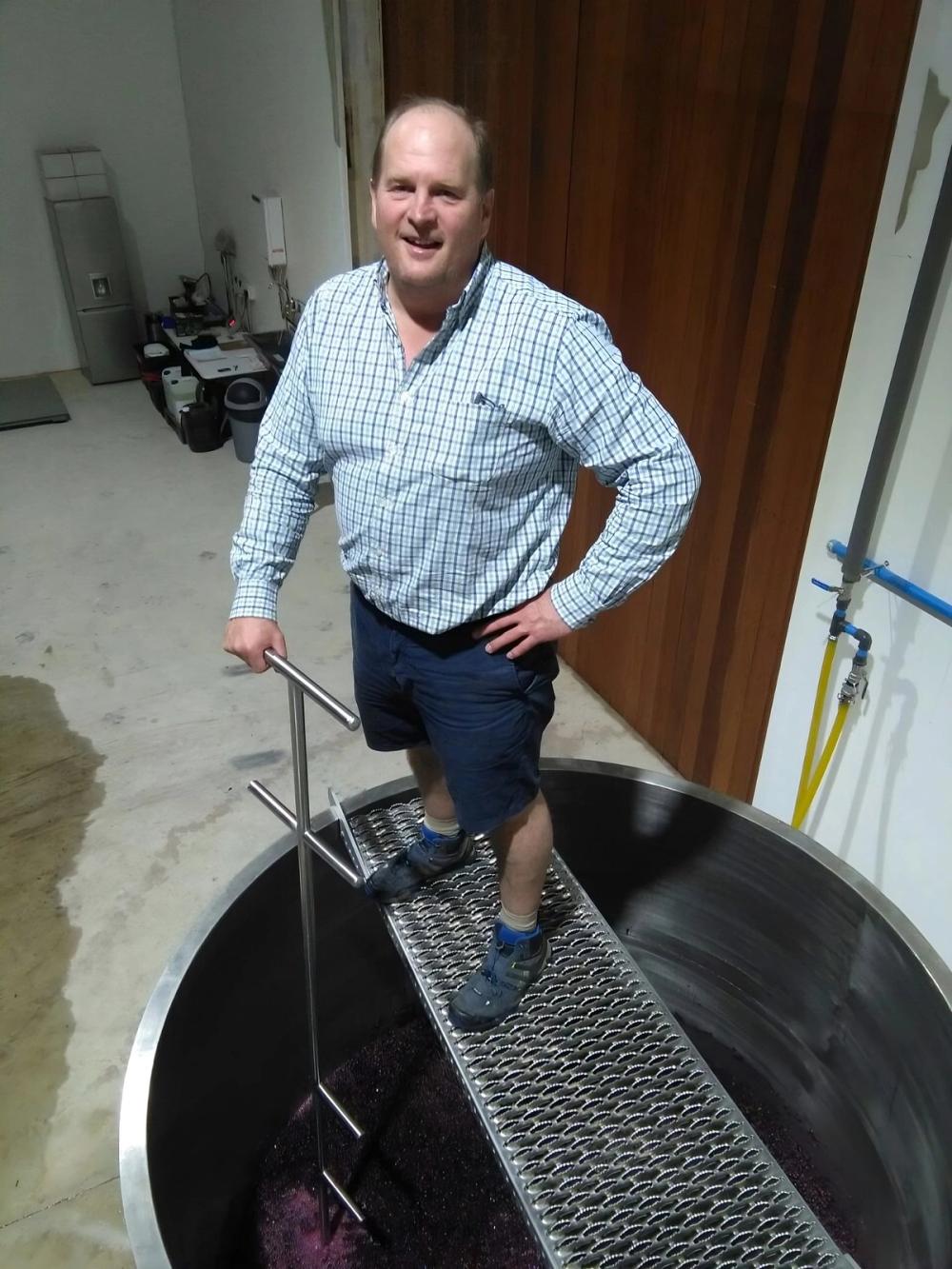
No matter how many vintages you have done and wines you have blended there is still so much to learn and so many push backs and obstacles you have to get through says Bruce Jack
Instead of being ‘lost’ in blending sessions, as is my want, I had forced myself to remain conscious of how long the process was taking, and conscious of the next meeting. I kept reverie at bay. I was so determined to be punctual, I wouldn’t allow myself to slip into the zone when blending.
One morning in September I looked at my ‘to do’ list and crossed out my two simple, sensible goals for 2025. Slowly the blends began to improve.
Firstly, extra ‘buffer’ time feels like something better suited to a corporate with an elastic funding model, than a family business living off the miraculous manna of cashflow. And while obsessively being on time made us appear more professional, it didn’t make us special or any better than our competition. With a sense of disappointment, I had to shelve the ‘master-of-the-universe’ thing.
There’s always the daily equivalent of a lamb in the fence, of course, and without extra buffer time, that lamb may result in a lost sales opportunity or a harried meeting with pissed-off colleagues. While these are unfortunate and embarrassing, the losses and frustration are less damaging to the business than expected. Ironically, I now believe some small businesses operate more effectively with no spare seconds, and I think we are one of those.
Will this be the case as we grow and complexity, turnover and employees increase? No, but I think the trick will be to balance the inevitable transformation to a more corporate, plodding, more risk-averse business in a way that maintains the intensity of intent – the inspirational ‘can do’ attitude, the obsession on wine quality, and the mercurial advantage immersive creativity offers.
2025 was illuminating and humbling. Two simple, obvious goals, that should have made our business better, slowly derailed us. Ironically, chasing these goals revealed how we operate best as an idiosyncratic, creative wine business. It has taught us to act our age, to admit we are small and still learning, and that those are to our advantage.
Regarding 2026 – I’d publicly like to apologise in advance for being late for a few meetings. To those this will upset, my tardiness doesn’t mean I don’t respect you, love you, or value your time and your contribution. I was just ever so slightly caught up in the joy of this craft and lost track of the future.
What was your 2025 harvest like in terms of production/ quality and what you needed for the business?
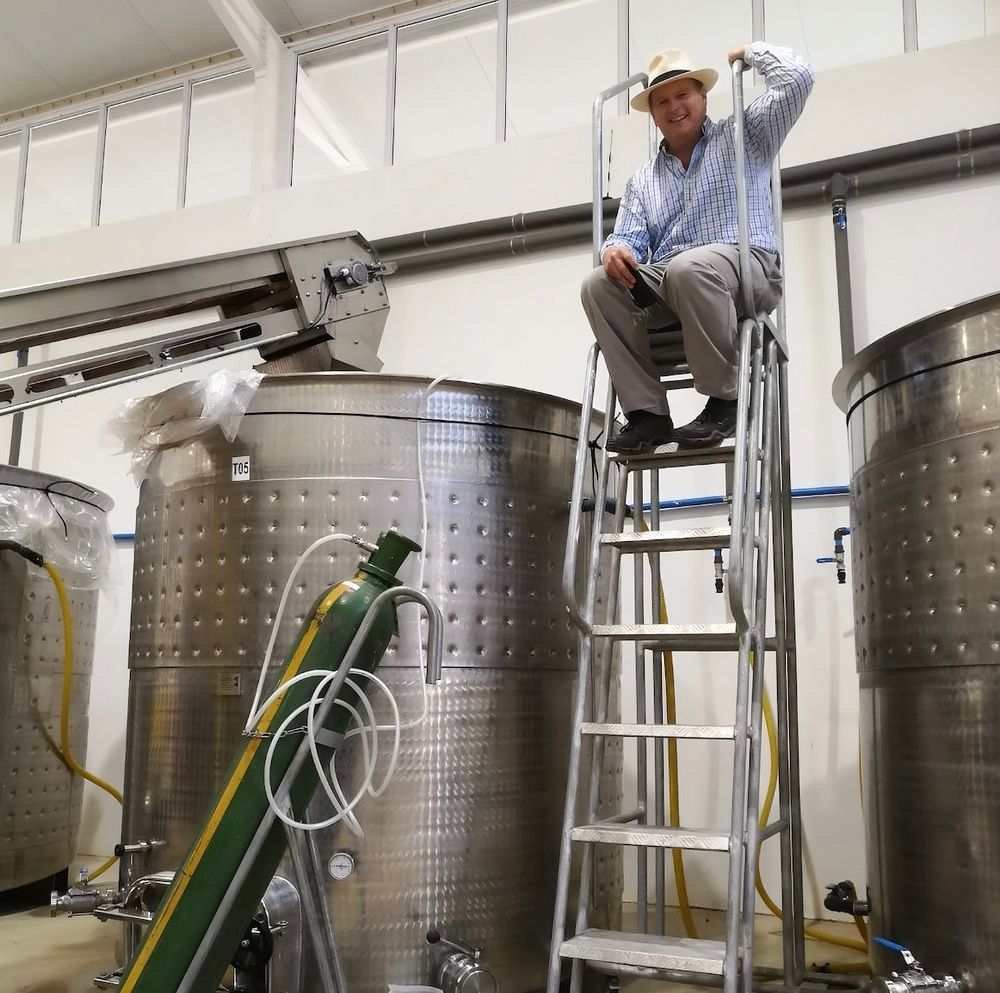
Bruce Jack works across all channels of the trade - including bulk wine - to ensure he has the best view possible of what is happening right across the global wine industry
It was genuinely a great harvest in South Africa. Quality in bottle, tank and barrel is exceptional, especially on Chenin Blanc. I think the 2025 Bruce Jack Heritage ‘Boer maak ‘n Plan’ Old vine Chenin Blanc is the best since the stellar 2018, arguably better.
The only mild disappointment is warm climate Sauvignon Blanc. It lacks a bit of ‘yum factor’ compared with 2024. I think this was due to the wet 2024 winter, higher crop and vigour in many warm areas with alluvial soils. In comparison the Elim 2025 Sauvignon Blancs are ethereal – almost ‘luminescent’ in aroma.
But I fear we’re heading into a drought cycle, and the bridging year of 2026 (bridging a wet cycle and a dry cycle) looks amazing with average vigour, balanced yields and happy vines – similar to 2016.
In general, the 2025 reds I am tasting from barrel are really good, standouts being Breedekloof Pinotage and Stellenbosch Bordeaux varieties.
Grape prices were also higher for most of 2025, so farmers who sold grapes and wineries selling bulk achieved better than normal results. Bulk wine prices are starting to slip now, due, mostly, to imported wine for the RTD/Mimosa craze.
As a business operating in all areas of the world where have you seen the most new opportunities and what have you done to take advantage of them?
Production:
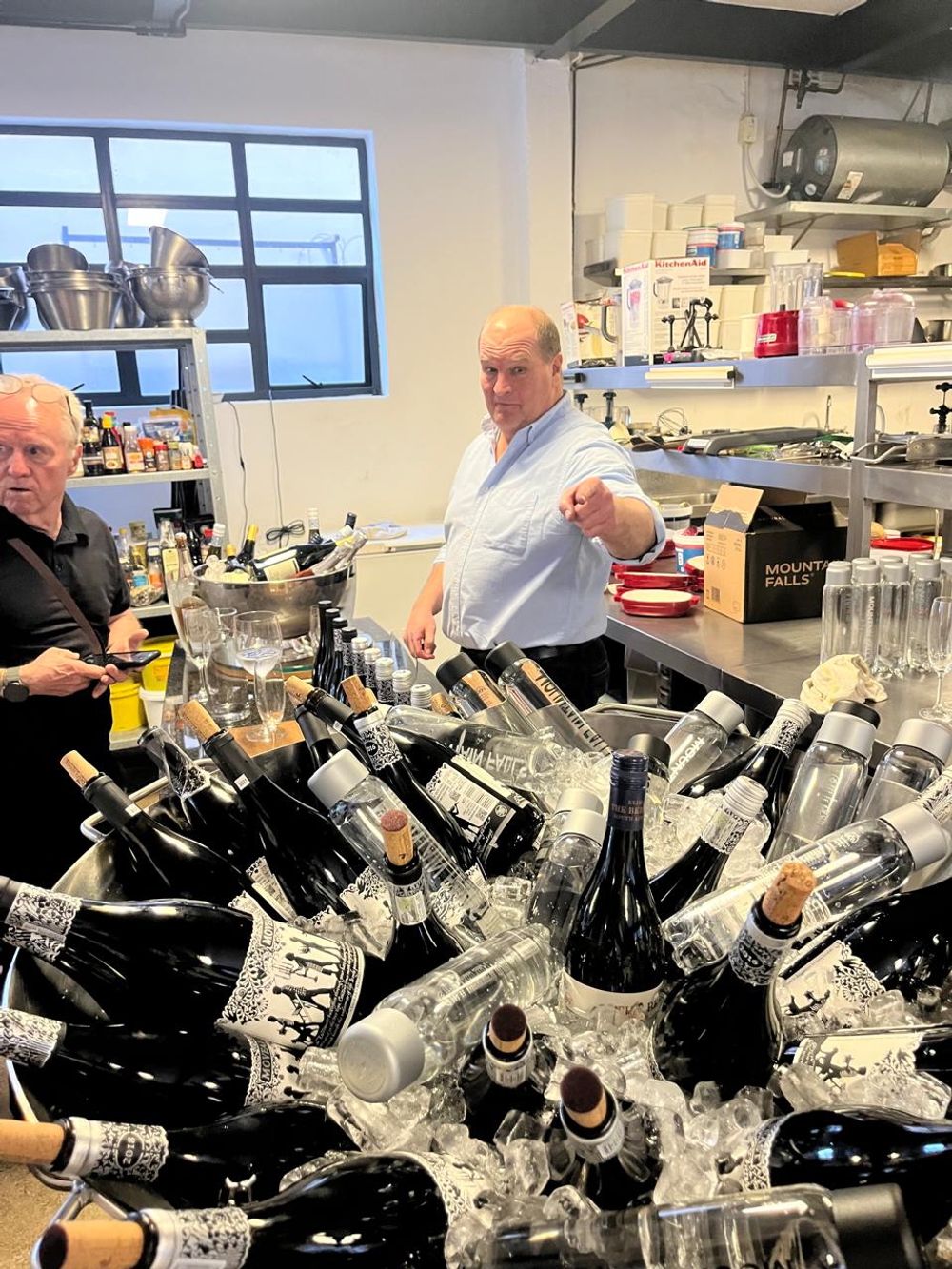
With so many wines to manage it is as much an administrative task as it is a winemaking challenge to get them all right says Bruce Jack
We are working with Vititec (part of Vinpro) to import a few new grape varieties from Portugal into South Africa, including the white Alentejo variety, Antão Vas, which must be the most climate-change resistant white variety I have come across since Assyrtiko.
It also has a romantic connection to South Africa because it comes from the same area the explorer Vasco da Gama hailed from. According to some sources (but not verified) the name of the variety was changed from something else in honour of Vasco da Gama’s bold exploits. I am doing some sleuthing to establish facts.
Climate breakdown continues to unsettle, but the effects on viticulture and wine quality seem to be affecting us coastal grape growers in South Africa less than the northern, continental climate producers – just less extremes. However, it feels we are going into another drought cycle in the Western Cape, so perhaps the cycles really are concentrating over a shorter period.
From a winemaking perspective concrete eggs, amphora and other fermentation vessel fads seem on the wane – I see an awful lot of second hand ones for sale on various winemaker groups around the world.
What this is a sign of, I am not sure, but I am buying bits and bobs at bargain prices to make the wineries look sexy and hipster to impress you journos.
Market:
It isn’t news that the UK has been undermined by the short-termism of unnecessary high duties, compounded by the general lack of money that’s been drained from the tax-paying consumers. It’s been sad to watch as a winemaker who views the UK market as the crucible of this global business – the proving ground for wine producers everywhere.
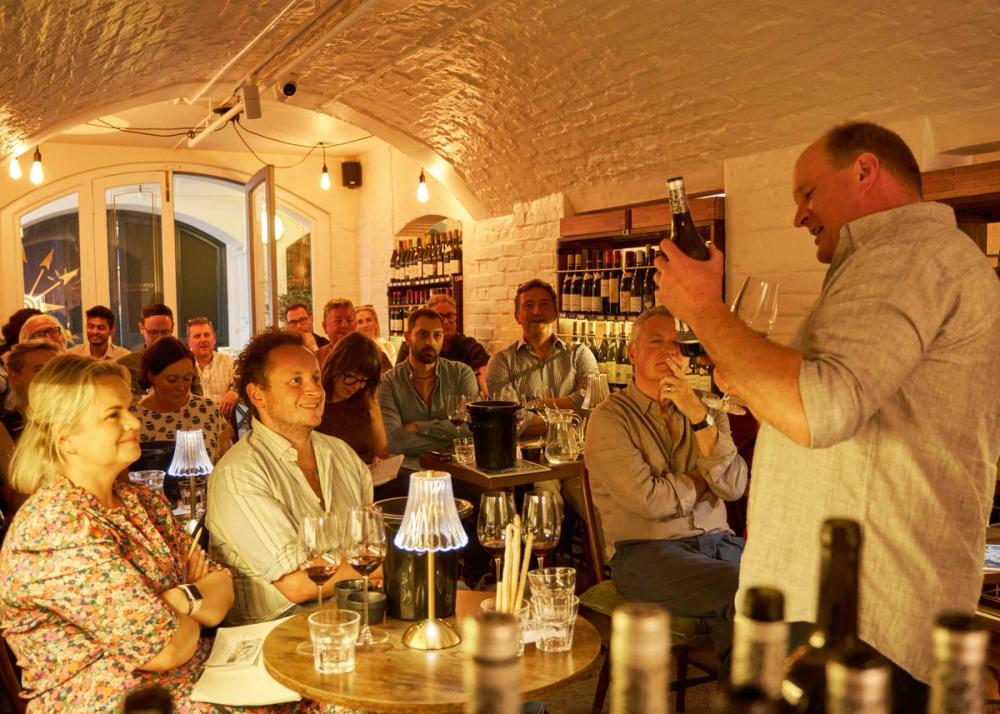
Bruce Jack doing what he does best - captivating yet another audience about not just its wines but the philosophy and inspiration behind them
What people are beginning to wake up to is the profound surge of other markets elsewhere. To outsiders, Africa is ‘suddenly’ the new game in town, followed by Brazil, India, South East Asia, the Middle East, and shimmering on the horizon, enigmatic China.
The African market surge has taken most by surprise because the leading (Western) market intelligence organisations don’t spend much time on understanding Africa. I assume deep market insights are expensive and difficult to gain.
Fascinatingly, what seems to have sparked and driven this recent surge in African middle-class wealth is the USA’s FICA monetary reporting laws. As a result, a lot of European- and Canadian-bound corruption money has stayed within Africa for the first time.
This has fuelled a naturally growing and increasingly ambitious consumer base, thirsty for wine knowledge and experiences. Happy days for South African producers, sitting on this doorstep, and culturally comfortable in Africa.
Which parts of the world are you finding it the most difficult to trade and why and what are you doing to get round those difficulties?
From a legislation perspective the UK is doing a consistently sterling job of instituting quagmire bureaucracy, more typical of inexperienced regimes.
Ironically this doesn’t make it more difficult for us, just less certain. Witness the Laffer Curve effect on HMRC takings from the recent duty hike and the impractical sliding ABV percentage point idea… and now the on-going ambiguity of EPR – it just seems self-defeating, like another own goal.
Without trying to sound like a French agro-economist, it not only feels like a financial fleecing of the UK industry, but an attack on one of the cornerstones of what makes the UK special. The most sophisticated and complete wine market in the universe is something to behold, to celebrate, to support and I believe, to be immensely proud of.
You not only given us Madeira, Port, Sherry, etc.. but the en-premier smoke and mirrors game and now, with Fero (the new financing and supply chain platform), the potential commoditisation of booze – centuries of innovation and refinement.
For an outsider, it feels like this important legacy is being systematically undermined.
The anti-alcohol lobby, supported by those corporates and big pharma invested in cannabis ventures, and compounded by behavioural shifts in the UK, doesn’t bode well for traditional suppliers, heavily invested in the UK currently.
Ironically, I think we will benefit from the chaos and headwinds. Besides some inconsistent, peripheral support from our Department of Trade and Industry, the South African wine industry has been treated with disdain by the ANC government for more than 30 years.
Rather than crushing the wine industry, it made us resilient and self-reliant. South Africa’s traditional wine rivals haven’t suffered this character-building tempering and as a result appear less well equipped to handle the uncertainty and flagging government support we are seeing across Europe.
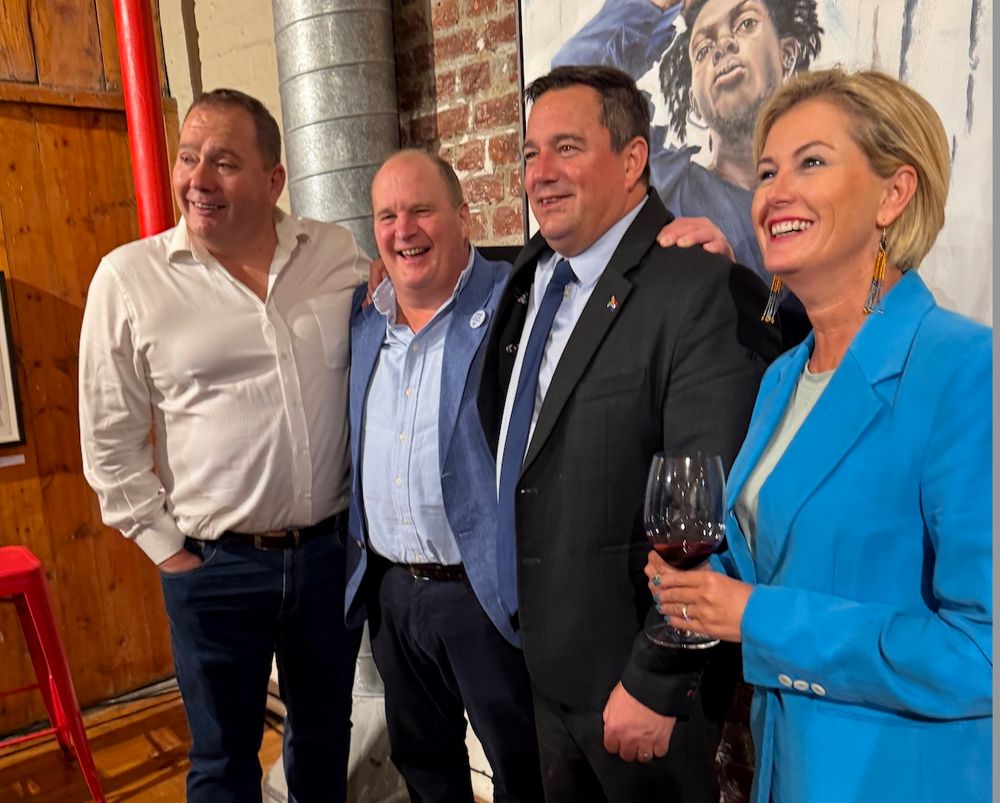
Bruce Jack with South Africa's agriculture minister, John Steenhuisen, (third right) along with Spier's Frans Smit and Naretha Ricome head of Advini South Africa at an event during last year's Cape Wine looking at future trends for South African wine
Our new multi-party ‘Government of National Unity’ has a white minister of agriculture (John Steenhuisen), supportive of the wine industry – the first non-ANC minister to hold this office since 1994.
But things move slowly in Africa – the foreign affairs portfolio, lead by an ANC minister, so crucial to agricultural trade agreements, still sluggish and largely ineffectual. This means taking advantage of intra-African trade and BRICS opportunities isn’t moving quickly enough.
The US is its own strange dog and pony show, and we’ve lost a lot of purchase there, as have many South African businesses.
Trading in the UK is always very competitive but how have you responded to the new ABV-driven duty system in February - what impact has that had on you and how have you responded?
The super-charged competitivity of the UK wine market is what makes it so vital, exciting and open. The tougher it becomes, the more fluid and the more opportunities appear for us. Being nimble is a great attribute in this environment. Being aggressively fearless is essential. It’s like a flying football tackle to save a probable goal. Timing is important, but commitment is even more so.
I am also enjoying the glint of steel I am seeing from the UK agency businesses, as the pie gets shrunk and the opportunities for growth scarcer. The sabres are rattling. Mr Nice guy has left the building.
Unlike many who sell nationally in the UK, when the new duty hit, we didn’t react immediately. It sounds glib, but we had other markets to absorb sales volume loss in the UK, so we didn’t need to panic. No-one knew how the punters would react anyway.
We wanted to first experience how much the brand suffered from the massive on-shelf price hike. We calculated we would experience a 50% decrease in sales. After a year, however, we only registered a 19% drop in overall volume, and that included a surreal delisting of our Lifestyle Sauvignon Blanc from Tesco.
My God, I thought, people must be connecting with the brand!
It was one of the most uplifting moments in my career. We have never had such a real-life, real-time experiment of brand resilience to learn from. It was like fireworks of confidence going off in my brain. If a brand can survive the duty madness, and a supermarket buyer’s proclivity, the brand is not as fragile in the UK as I had thought.
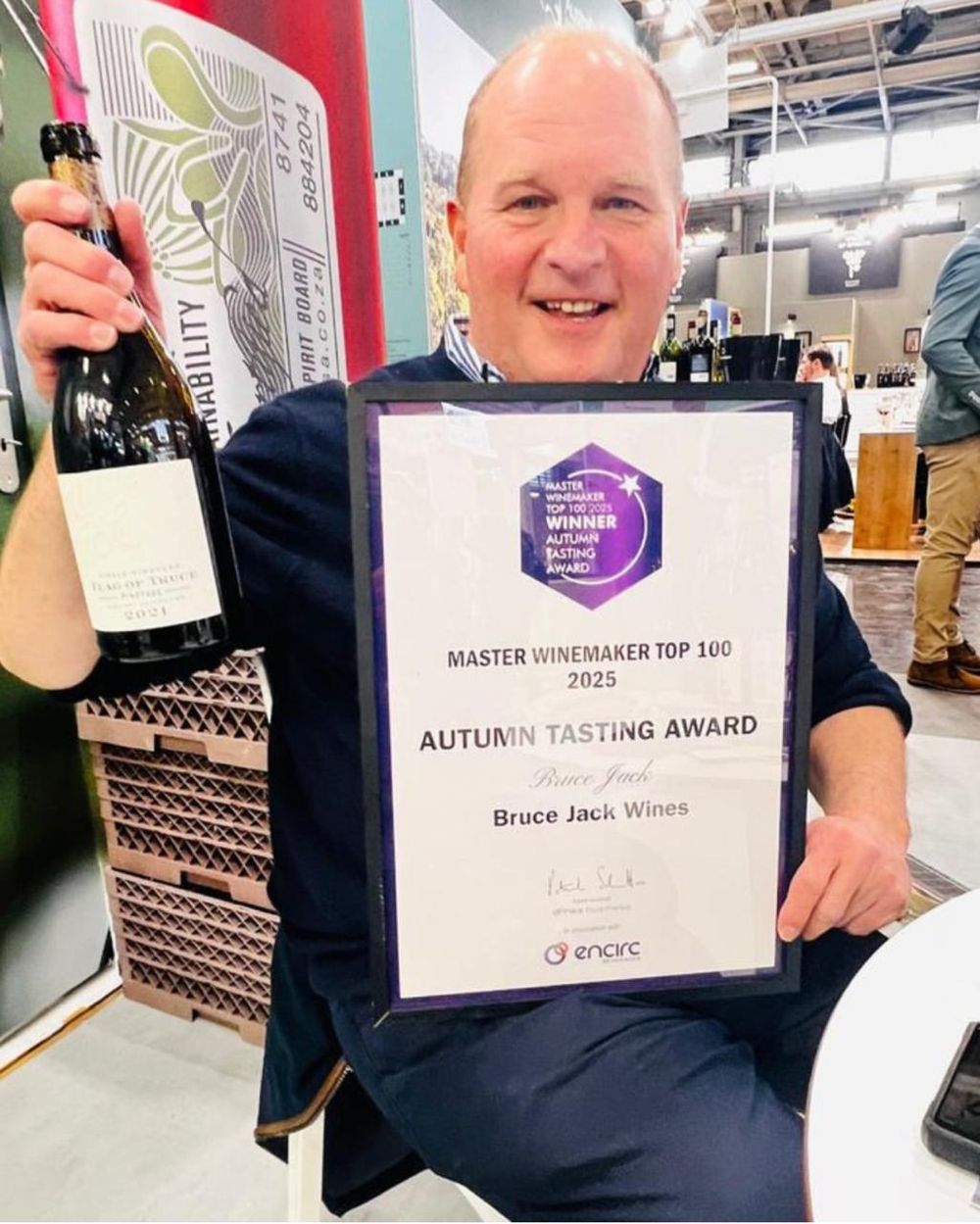
Bruce Jack celebrating success in Drinks Business' Master winemaker competition
We knew the problem was coming of course, so we picked earlier in 2025, used lower conversion rate yeast and blended for a lower ABV. This has taken the sting out of the duty hike – alcohol’s have dropped by a degree on the label, which has allowed our customers to adjust shelf-price down a notch, and regain some volume.
Personally, I miss the weight of the later-picked, higher alcohol wines. The intensity of aromas and flavours is the same, but the leaner mouthfeel is not perfect.
In a dry, hot year (like 2026 might be) we may not have the luxury of breaking leaves, rushing flavour ripeness and picking early like we did in 2025. If it gets too hot, we will need the shade of leaves, and aroma and flavour ripeness takes longer to achieve when the vine ‘closes down’ to protect itself from heat.
If that happens, alcohols can only be achieved by stripping post ferment. Our alcohol levels may have to rise as a result, because it’s very tough to make like that.
What have been the biggest achievements for you in 2025?

Bruce Jack Wines' are now sold in over 20 countries around the world and showing strong growth in key new markets across Africa and Brazil in particular
It’s the first time in my career that we are growing by volume in almost all of our 23 international markets, even the UK. Some days I have to pinch myself.
We have been invested in the African export market for decades. I’ve done some bizarre tastings and shows in weird corners of the continent, with no real result until now. But within South Africa and our neighbours we have grown just over 40% in the last year.
There is a buoyant resilience to the African story that’s very energising. While the northwest corner of the world map fights off the gnawing dread of an existential crisis, other countries are getting their dancing shoes on.
Brazil is also firing for us – and they love Chenin Blanc and Pinotage. Their cuisine scene is well suited to these varieties – and they braai almost as much as we do.
Soon we should see the BRICS currency launched (partly linked with gold) and despite the dreadful name, the UNIT (definitely dreamt up by committee), it will accelerate business confidence in southern Africa.
However, there will be further challenges coming with currency pricing in our sterling, dollar and euro markets while the dollar is purposefully being devalued.
What have been the biggest challenges and how did you overcome them?
It's been much tougher than I expected without my boys in the business. One went to trade oil in London, but is now back in the wine business working for Fero, and one went to do a further degree.
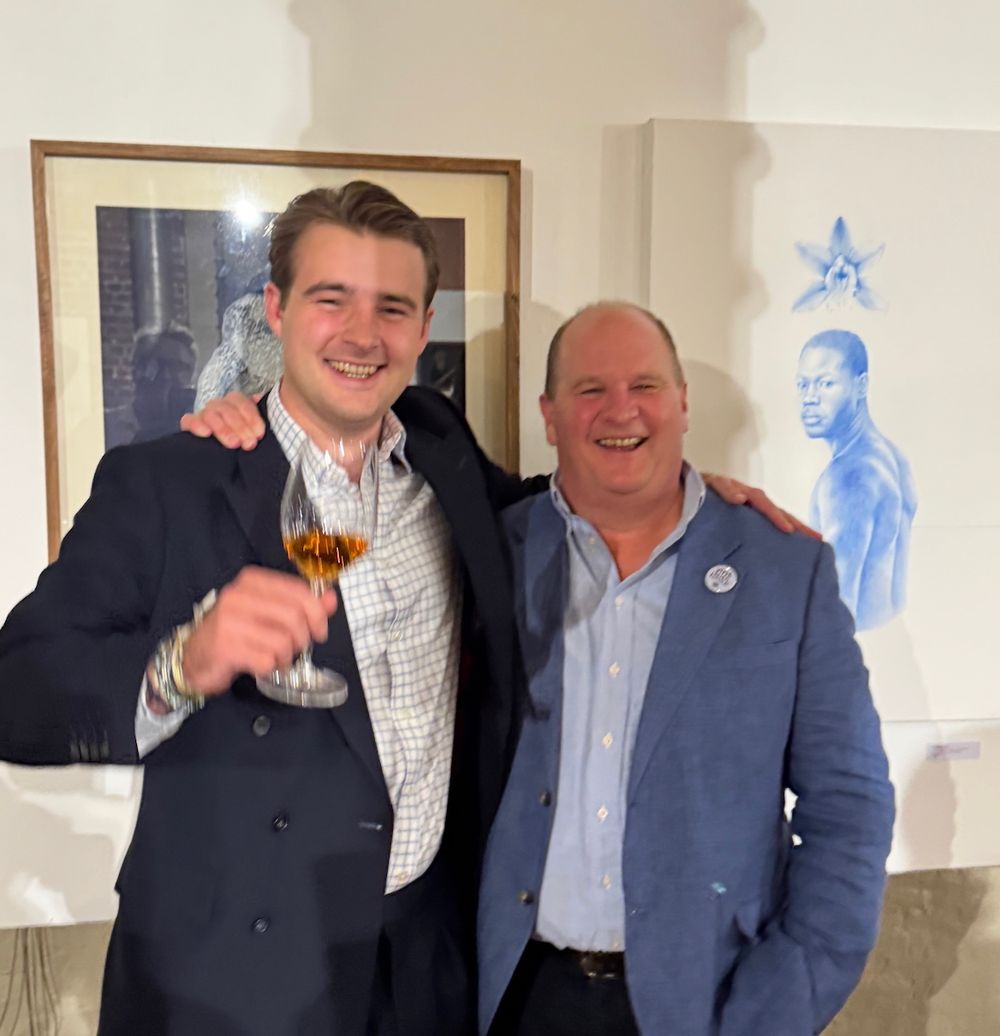
Bruce Jack with his son Ben who is now part of the Fero financing and supply chain team based in London
Besides all they did for the business, I most miss the haven of unguarded interaction family businesses enjoy. Your family are best positioned to challenge your ideas. They can say things that are cutting without it being an attack, so there’s no need for defensiveness and as a result it’s easier to be vulnerable.
And when you are vulnerable you switch out of ‘fight mode’ and clarity returns, often shining a light on the things you’ve missed – little gems of insight appear that sharpen your sword for the next rush on the ramparts of impending doom that shadows all small, family wine businesses.
To shore things up I’ve invited others into the fold. My NYC-based sister, Fiona, is a designer and creator and I’ve roped her in to help, which she does when she has the time.
Ed Adams MW has long been a close collaborator (we share the Spanish project La Báscula Wines). Ed is now a director of Bruce Jack Wines UK.
Away from your business - what has most impressed you by what a company, competitor or individual has done in the last 12 months and why?
In the UK wine scene, I am enjoying what I am seeing of North South Wines – nimble and strategic.
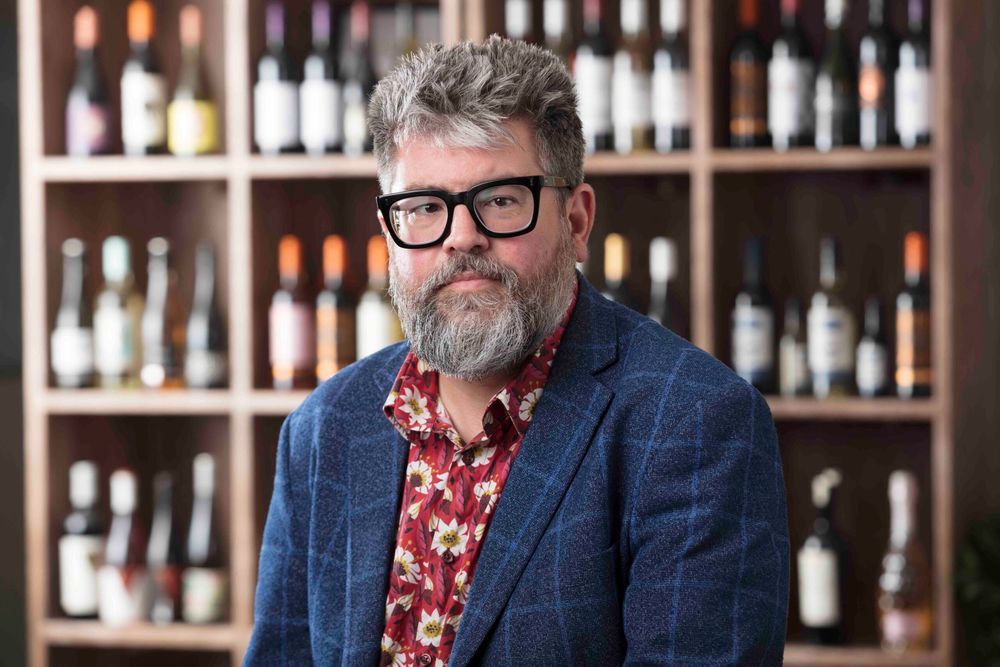
Bruce Jack is impressed by the creativity and what Andrew Porton is doing at The Wine Fusion and Lanchester Wines
Andrew Porton at The Wine Fusion and Lanchester Wines is continually so creative. I get a kick out of chatting with him – every meeting turns into a mini brainstorm.
Majestic Commercial builds from strength to strength – John Colley is lucky to have some really good people at the sharp end of that on-trade game.
Coterie continue to bustle along energetically with hugely ambitious plans that are energising and positive. Robert Mathias MW is a young gun in their orbit who has impressed me – great palate and nice demeanour. I think he will go far in the trade.
Fero could well be a game changer. They are building the plane while it’s flying, but they have a good chance of pulling it off. If they do the drinks trade may be changed forever.
The UK is blessed with very capable production and QC people at good bottling facilities. Steady hands like Mark Satchwell at Greencroft doing the intractable piece of the wine jigsaw puzzle day in, day out. You are lucky.
There are so many impressive people in the UK wine trade – so much extraordinary skill, intellectual property, experience and ambition. It is an amazing market, and I always feel so privileged to be able to do business there.
Closer to home I am amazed by the resilience of the African spirit. South Africa can simultaneously appear lost and found, broken and budding, corrupt and pure, sad and humorous. This country startles and fizzes with everyday dichotomy like sun-drenched days have searing light and dangerously dark shadow.
There is a vitality to this environment you don’t often get elsewhere. I can see why the South African wine industry has attracted the likes of Advini, now the biggest foreign investor in the country. Whispers on the grapevine indicate further large, foreign interest in 2026.
In 2024 we concluded a deal to invest into the super-premium Elim wine estate, Black Oystercatcher. The founder, Dirk Human, is one of my closest mates. He asked me to make the speech when Black Oystercatcher launched its first wines over 20 years ago.
Significantly, this collaboration involves the investment of two black entrepreneurs, Thembalani Gantsho and Mulalo Tshivashe who together own 51% of the shareholding, creating the first cool climate, super-premium black majority-owned wine estate.
Shortly after announcing the collaboration, Dirk was diagnosed with cancer. Dirk is an extraordinarily tough human. I expected stoicism and indomitable positivity. What I didn’t expect was how this fight has galvanised the business. I am off to help fight a fire there now.
We started a new JV towards the end of last year with an old school friend called Gastao Fernandes. Gas is of Portugues descent, and we’ve known each other since we were six years old. A natural leader, Gas, owns the most dynamic fishing company in South Africa and is brilliant at production and trading.
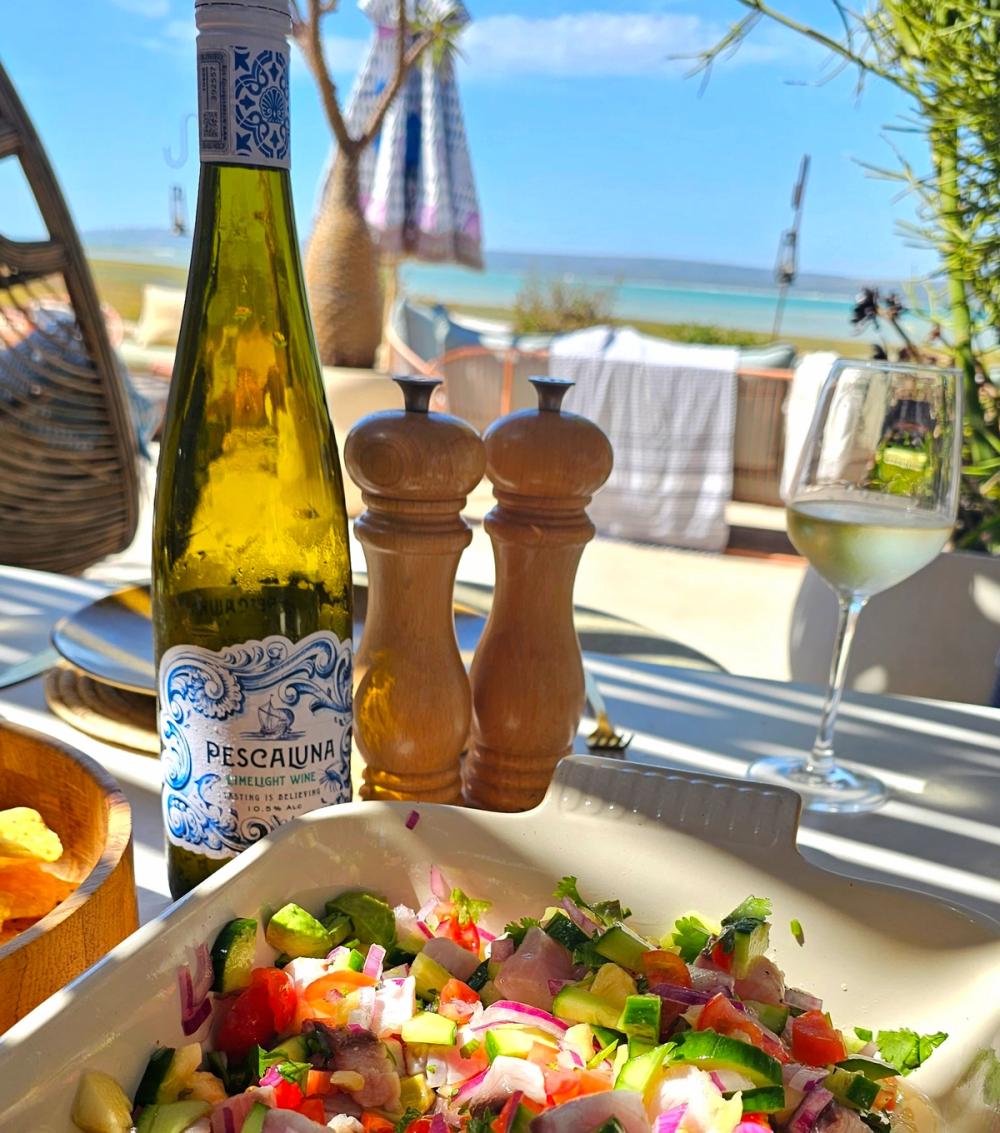
Pescaluna is a joint project between Bruce Jack and Gastao Fernandes who he has known since school
He is the person I talk business with the most, and probably the person I learn the most from. We are like a very exclusive YPO. We launched a homage to Vinho Verde late last year called Pescaluna – the name for his company, which we dreamt up around my dining room table twenty years ago. At 10.3% abv, made mostly from early picked, skin-fermented Clairette Blanche, with 9% super-ripe skin-femented Semillon, it’s a wonderful lunchtime tipple and loves seafood.
Away from the wine industry I have enjoyed gleaming Rolf Fehlbaum insights, previous CEO of the family-owned Swiss furniture designers and makers, Vitra.
On family businesses, Fehlbaum strikes a chord: “I am convinced that the family business… in principle is very good for a design company as this type of company needs a long horizon and a cultural-commercial perspective. A family company can include non-commercial criteria.”
Perhaps this is what philosophically differentiates family wine businesses from corporates?
Similarly, I recommend reading a book by Emanuelle Pirro and Greg Mills, The Essence of Success: Insights on Leadership and Strategy from Sport, Business, War and Politics.
I’ve had the privilege of meeting Emanuelle Pirro, Italian Formula 1 driver and five times winner of Le Mans 24 Hours, and his family. He is a legend in the true sense of the word, with a humble, wise confidence that precious few are blessed with. Greg Mills is a friend with a prodigious, inspirational work ethic and shared values.
Looking ahead to 2026 what are your hopes and predictions for the industry and how do you hope it responds?

Central figures in Bruce Jack's team are Jean-Mari Reyneke, brand marketing manager, left, and Catherine Searle, Bruce Jack Wines Group's chief operating officer
In the UK I hope legislators reassess the duty and readjust down. I hope the on-trade gets more government support in the form of tax incentives, etc… and the role the on-trade plays in tourism success and revenue is better recognised. My prediction is that this will not happen and things will get tougher before sense prevails.
In Africa, I hope the African Union gets its trading act together and, in particular, makes wine trade easier between South Africa and participating states – still too many hurdles and the legacy of naïve African quagmire bureaucracy.
I predict the Unit currency will have less of an impact on the petro-dollar than expected, but will undoubtably have a galvanising and positive effect on inter-BRICS trade and benefit South African wine and tourism, not only within Africa, but between BRICS nations.
A reassessment of tariffs between Brazil and South Africa will do wonders for both countries.
On the bulk side of the game, the wine-based RTD trend will continue to grow unless legislative negative action is taken on something like sugar content or additives. But building a brand in this space is different from a wine brand for a few cornerstone reasons, with the biggest barrier to sustained success the efficiency of distribution systems in the brand’s business model.
Bulk wine producers who align themselves with brands that not only market well but have the most efficient logistics will benefit hugely.
I suspect the headwinds (political, climate and market) facing traditional European wine producers will continue to squeeze the life out of complacent or less energetic producers, but those who align their strategy with the pockets of growth (like tourism, etc…) and are structured to react quickly and nimbly to market fads like big format Rosé will continue to see solid growth.
Brands will become more powerful in a traditionally over-diversified offering. Take Spain for example, where a brand like Ramon Bilbao will solidify its market position.
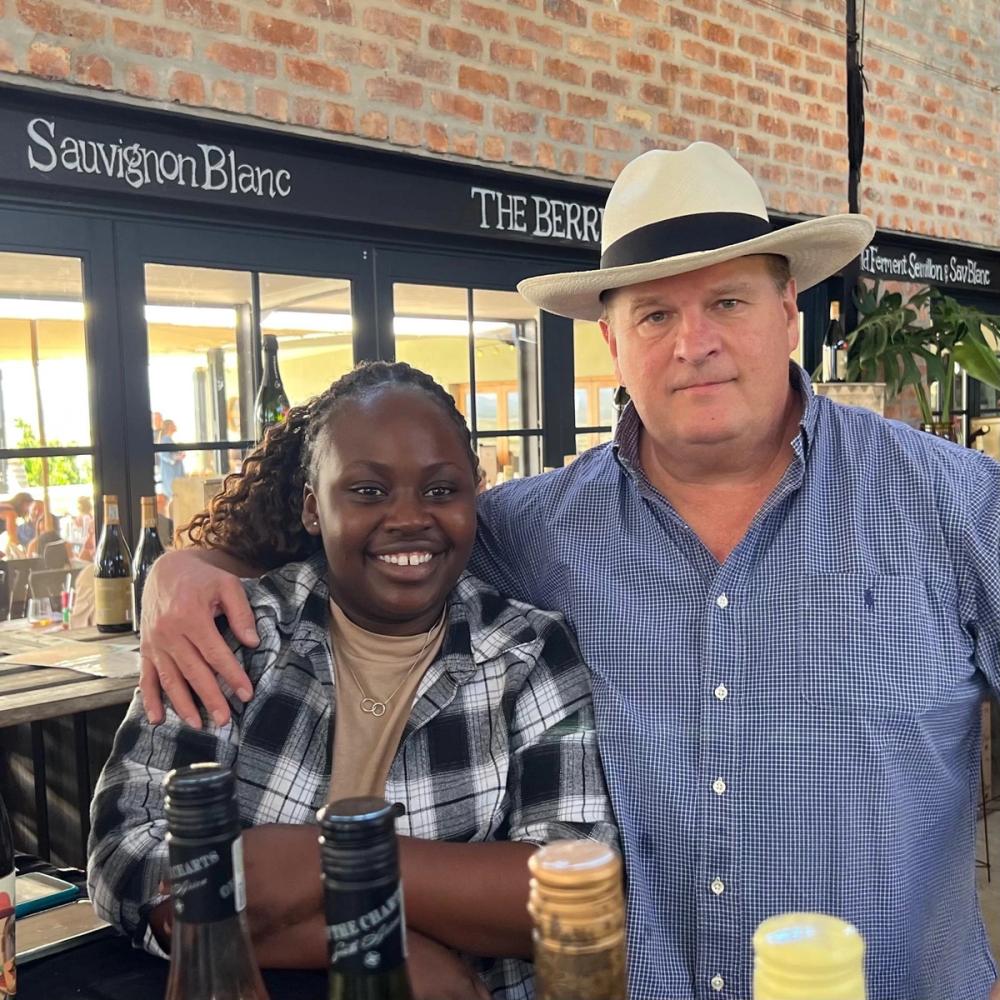
Bruce Jack with Moteku Mawela winemaker at The Drift Estate
The same story will repeat around Europe with less well-positioned or strategic businesses struggling and stagnating. Ironically, this could open up foreign investment opportunities, particularly in regions such as Bordeaux, for both Old- and New World producers with a long timeline and available funding.
Fine wine has always attracted both wealthy enthusiasts and investors, with some limited overlap. But change seems a foot. Fine wine investors react and benefit from scarcity in the same way the luxury watch market reacts, but I am increasingly reading reports that indicate a general weakening demand. Why is this and what does it indicate?
Can established brands learn to ape the luxury watch (and luxury fashion) hooks? Will social media and crowd-think start to re-shape this sector of the market away from the traditional players, as has happened in other luxury sectors?
If one looks at the US market shifts in this regard, cracks are appearing in the fine wine game. If the investment angle loses credence, which it may be starting to do, it will be fascinating to see how different producers react.
I think you must choose if you are trying to make sublime wine, or sublime profit.
Conspicuous capitalism (‘flexing’ to your guests by putting a ridiculously expensive famous wine on the table) as a driver of this sector is on the wane, but don’t write too many obituaries until you’ve seen what happens with the opening of the next impressionable, luxury label-obsessed and wealthy market – the middle east.
What did you do over the festive break?
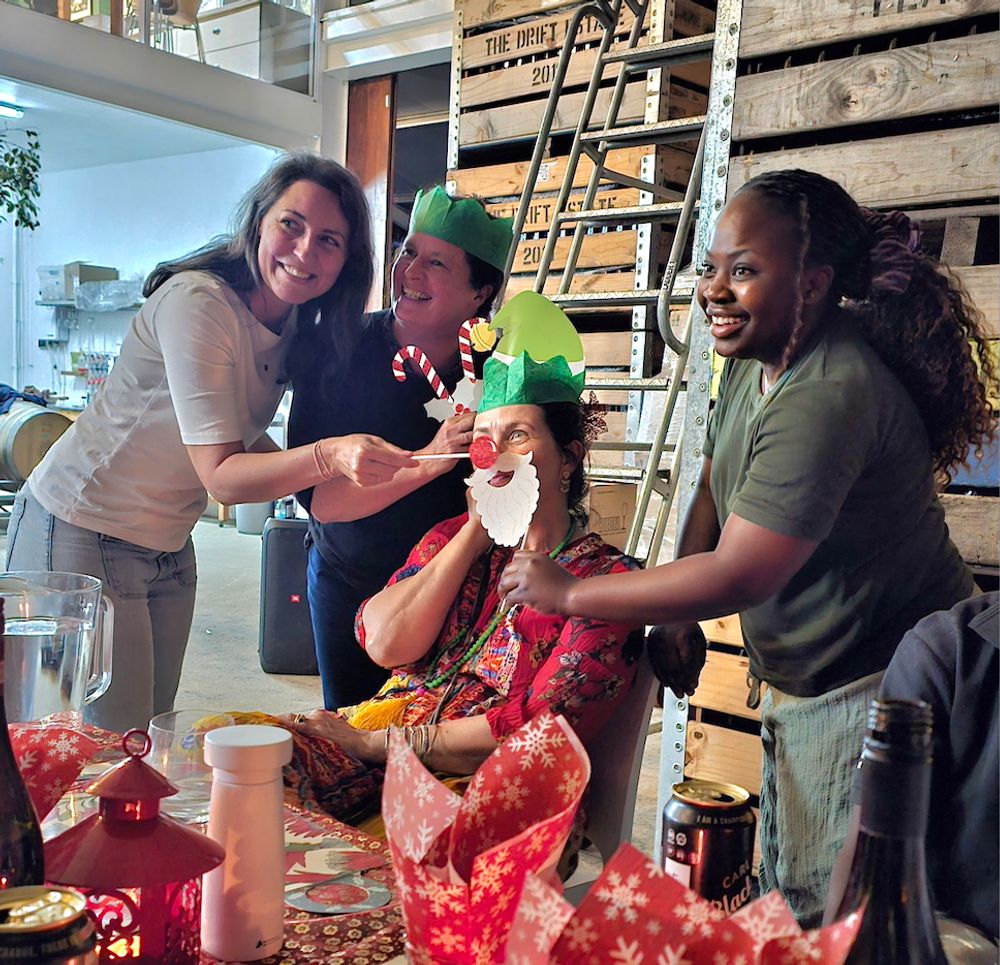
Bruce Jack's wife, Penny (sitting) with members of the team enjoying a Christmas Eve lunch at the Drift Estate winery
If grape-growers in the southern hemisphere have a ‘festive break’ at this time of the year, it’s more like being a marshal at the first Woodstock Festival. While the UK trade generally bunker downs and curls up with a good book and a glass of red, we are running around trying to deal with the rock androll profusion of nature.
Everything is alive here. It’s either growing, escaping, hunting or fornicating. We caught a beautiful puffadder today alongside the chicken run. She’s probably pregnant, as the puffies have been bonking like they were at that 1969 Woodstock Festival. She’ll give live birth to up to 80 of the blighters and so we had to move her to the mountain 15kms away.
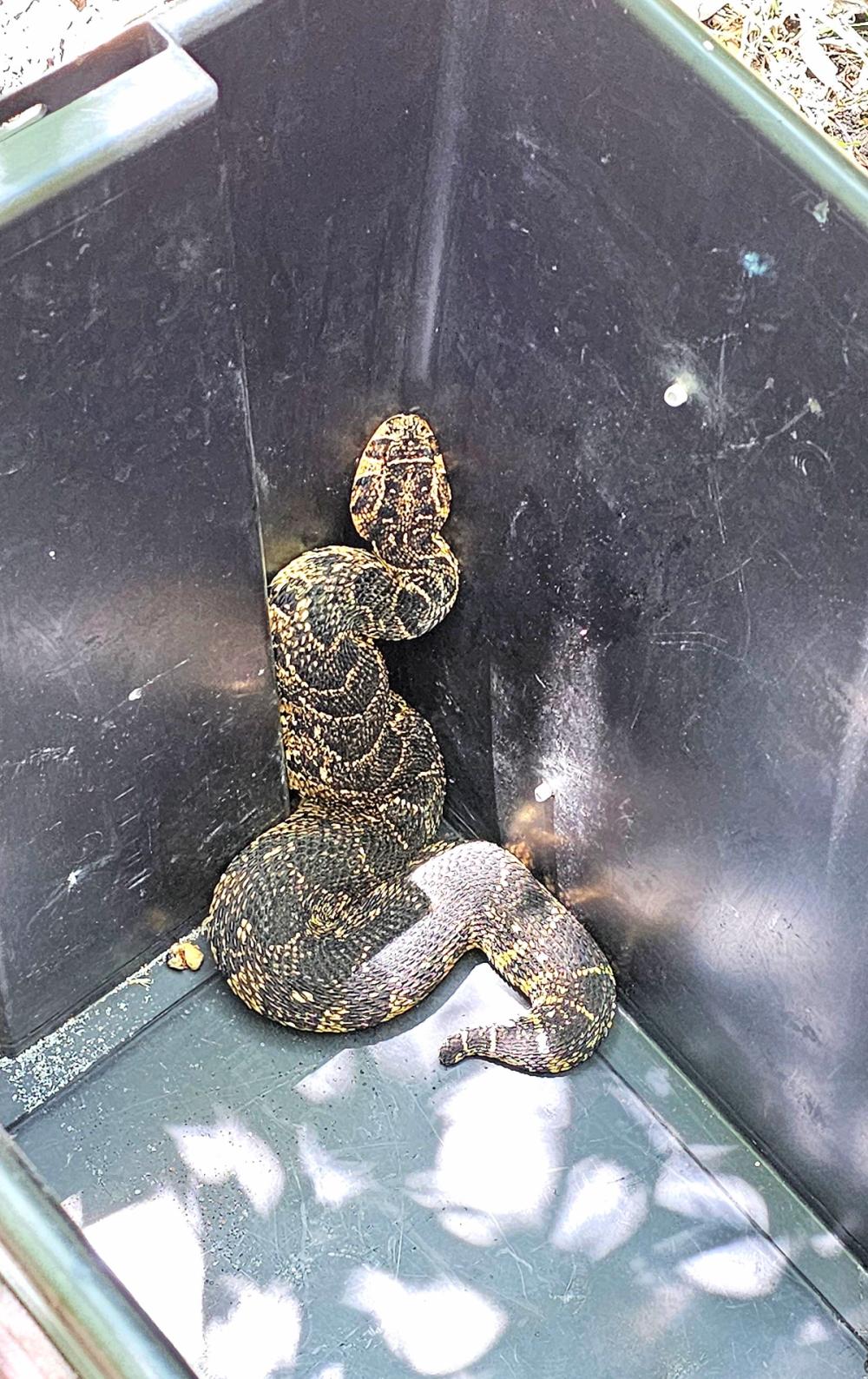
The pregnant puffadder snake that was caught and carefully relocated far away from Bruce Jack's family home
According to my Malawian cellar hand, if snakes are moved more than 10km away, they don’t know how to get back. I am doubtful. I’ve seen her beau – he’s the Brad Pitt of puffadders. So I predict she’ll be back.
What did you eat and drink?
I slaughtered a lamb for our traditional staff braai on Christmas eve. We have our own Appelsdrift Estate breed, a Persian x Merino cross.
It takes between six and seven hours to braai the lamb and it is difficult to describe in words how delicious it is. The advantage of braaiing for so long is that one has sufficient time to taste through back vintages – this year it was mostly white blends from Flagstone days – the 2004 and 2005 “Two Roads” blends are at peak drinking. The evening was a great success.
Christmas Day started with negronis and Cap Classique and pressies under the tree. This was followed by a starter of braaied west coast lobster from my fishing friend, Gastão Fernandes. We had to pair this with our homage to Vinho Verde - Pescaluna.
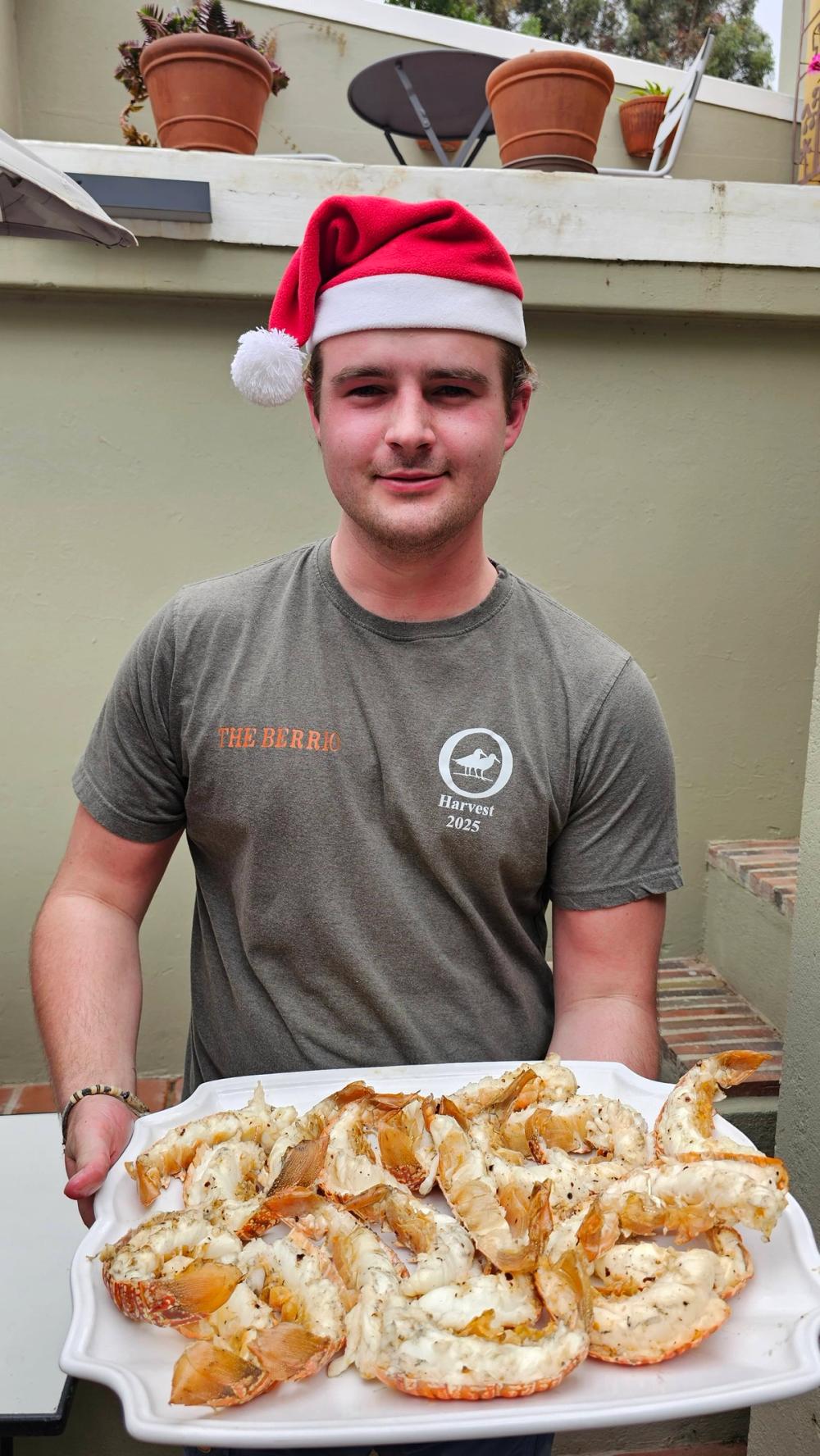
Christmas Day lunch South African style - Ben Jack rescues the lobsters from the braii
The day unravelled with slowly braaied free-range capon chicken from Baardskeerdesbos, a small farming town next to Elim at the southern tip of Africa.
Washed down with 2024 Ghost in the Machine Chenin Blanc, 2006 Berrio Sauvignon Blanc, 2005 Mary le Bow estate red blend from a farm called Wildepaardekloof in the wild mountains above Ashton, and various foreign reds that have been cluttering up my vinoteque and needed dealing with – some nice Rhones and Oregan Pinots, etc… it was a fun day.
Anything else to say?
While it is true that the poor values of many political leaders ring increasingly hollow and faith is undermined in our societal structures and belief systems, there is simultaneously a growing groundswell of local civic leadership driven by people who actually have leadership character and decent values.
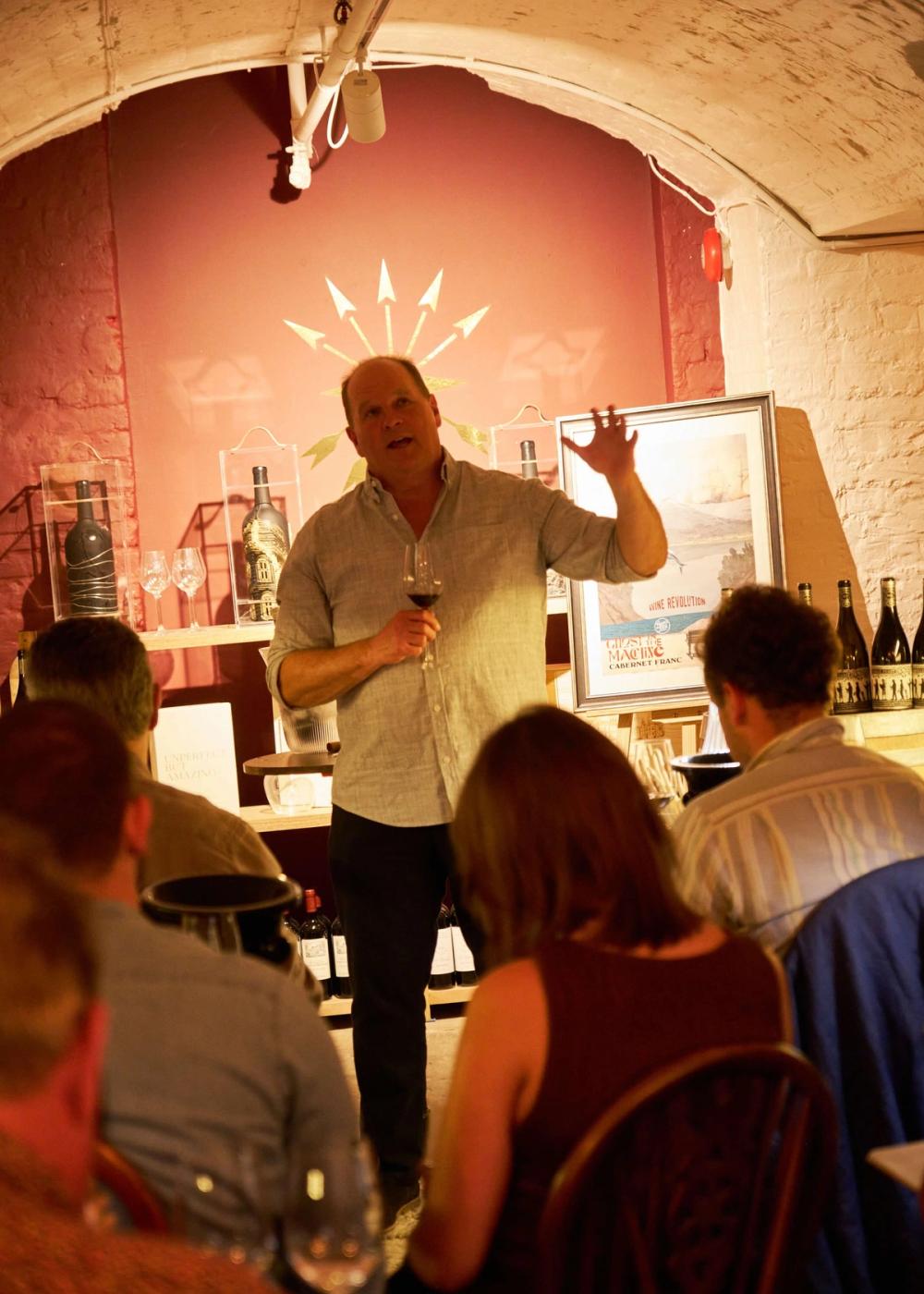
Bruce Jack has the drive and vision to steer, challenge and cajole the wine industry into new unchartered territory
Humans have used and enjoyed wine for at least 10,000 years and alcohol (in the form of fermented honey and water) for many millennia before that. The wine industry is the most storeyed and fascinating business in the world – endlessly intriguing and so ingrained in our human development and belief systems that the word ‘spirit’ has two separate, but interconnected meanings. Exciting fodder for social media.
We have always faced ups and downs – but no industry is as resilient and ultimately stable because wine is the most accomplished social lubricant and the unsurpassed stimulator of conversation, contemplation and inspiration.
We aren’t going anywhere, no matter the level of draconian legislation put in our way.
* If you would like to know more about Bruce Jack and the wines he makes go to Bruce Jack Wines and the Drift Farm.
* Thanks to Bruce for taking so much time and thought in sharing his insights for this article.