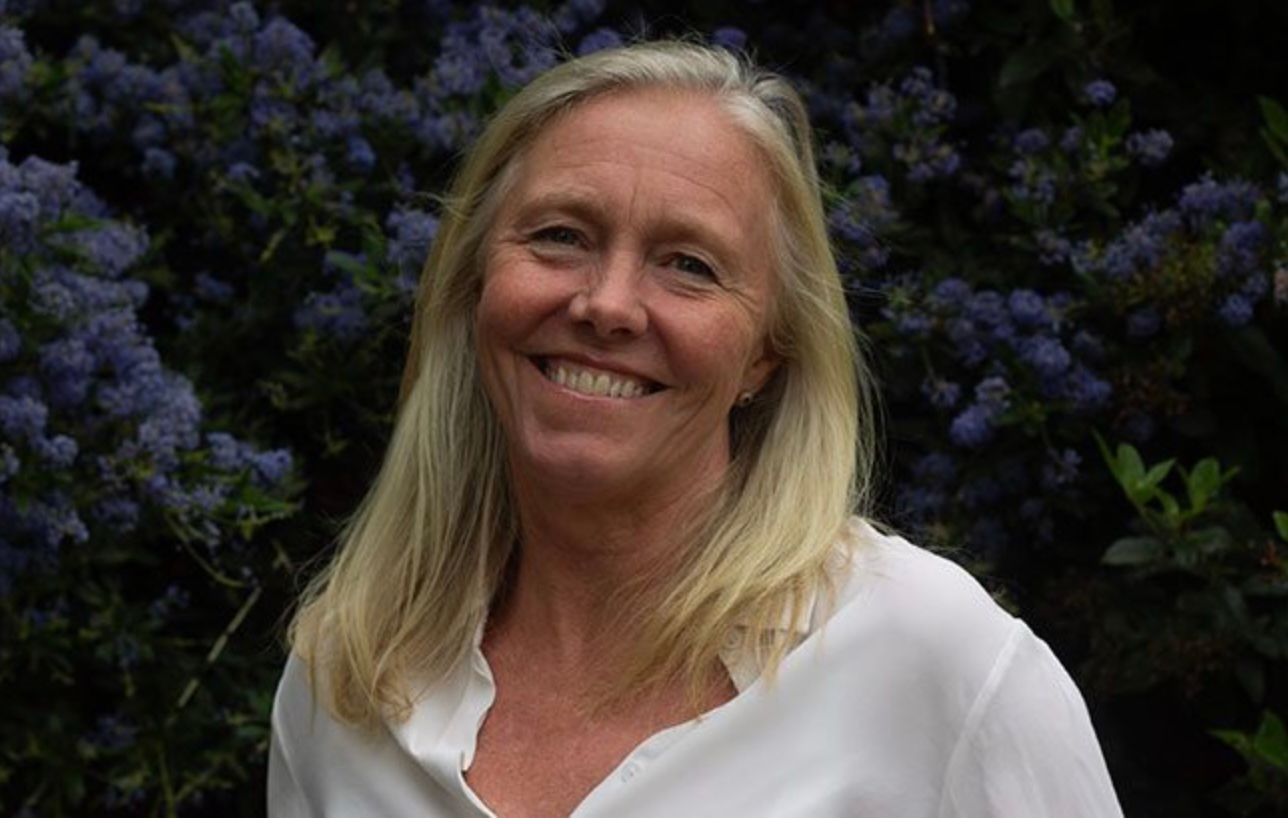

Nicola Burston was ideally placed to fully understand what the big problem areas in the drinks industry are that The Drinks Trust needs to focus its efforts on when she took on the chief executive role in November 2024. For she had previously been running all the charity’s support services that had come under intense pressure both during and after the Covid lockdowns.
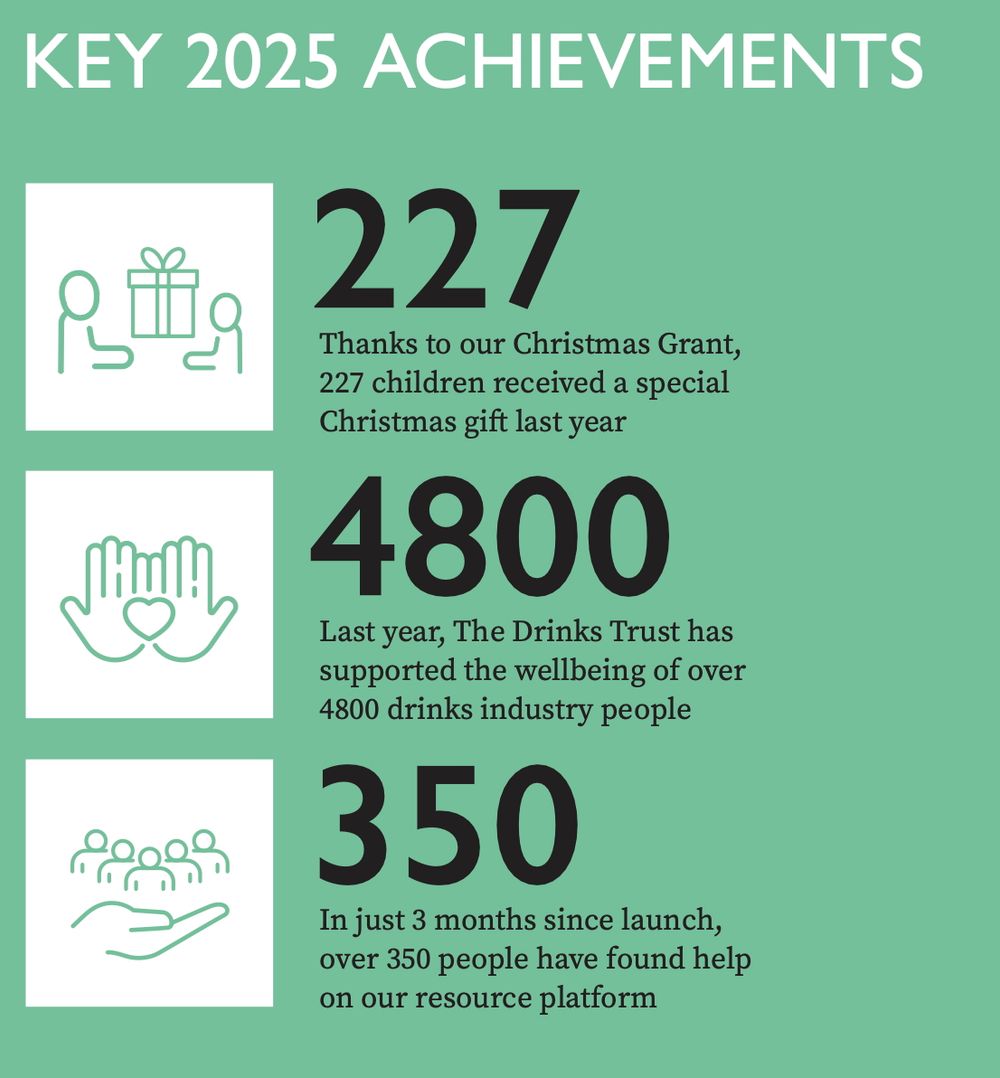
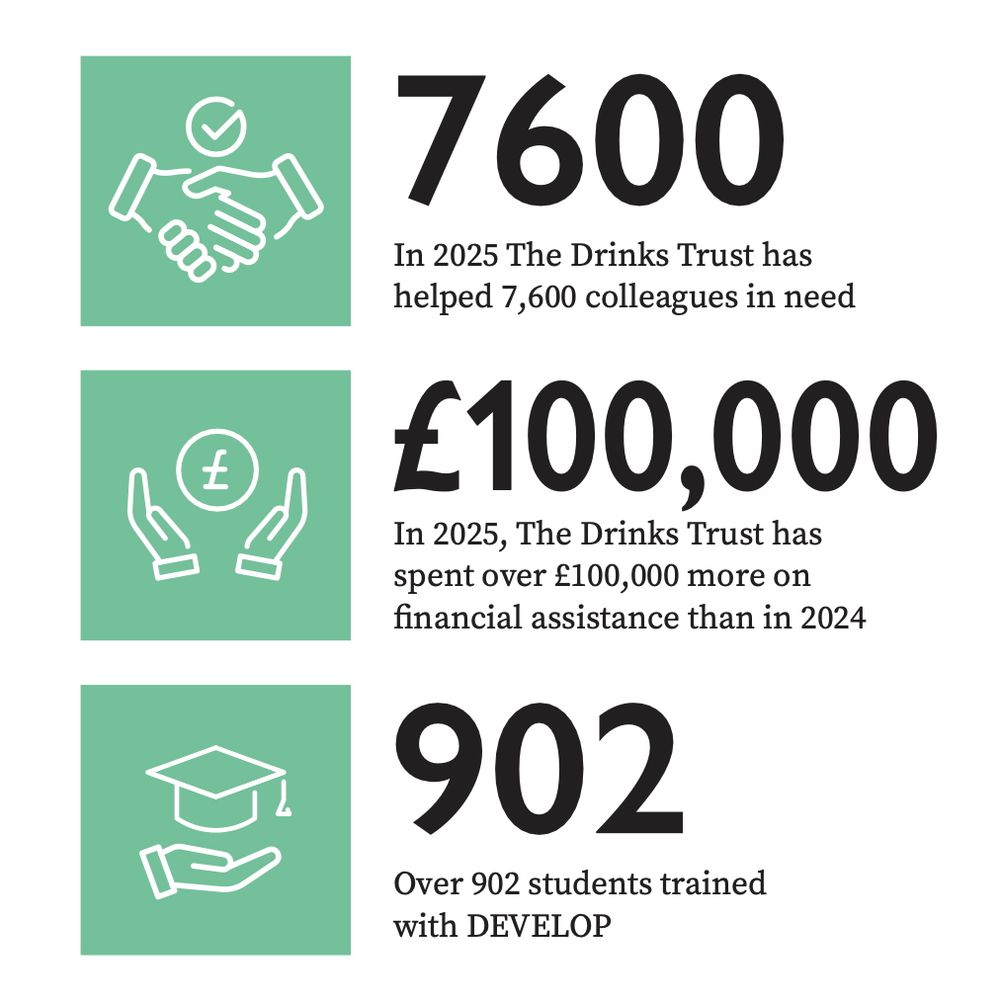
A time that saw the number of The Drinks Trust’s beneficiaries leap from around 500 at the start of Covid to over 5,000 in 2022 and a pressure on resources that jumped from £350,000 a year to over £2.2 million. That demand for help has only increased and last year The Drinks Trust was able to help over 7,500 people.
“We went to a different scale during Covid,” she says.
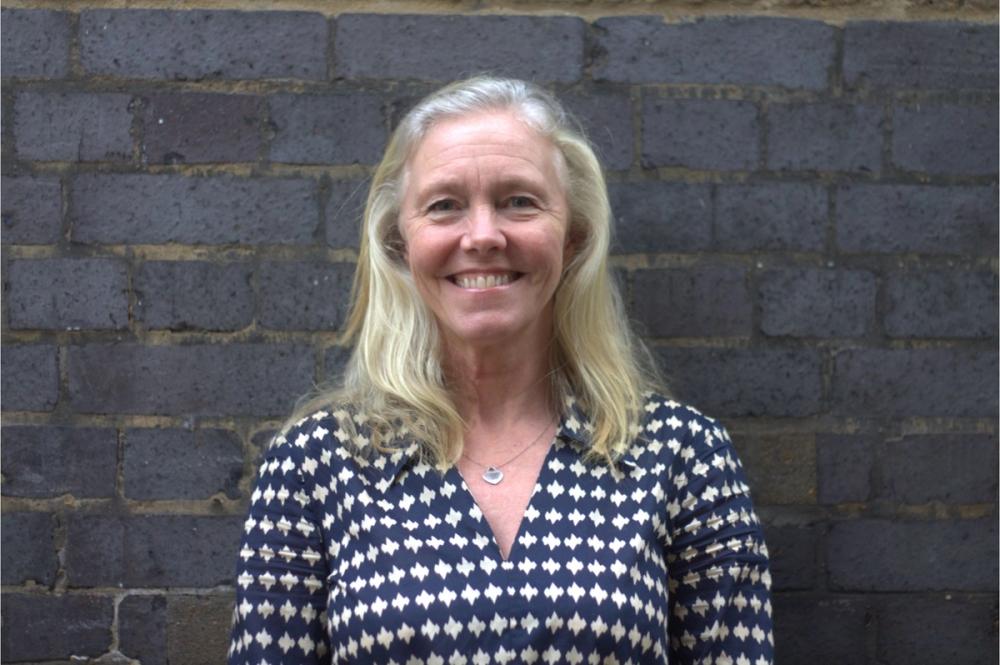
Nicola Burston is keen to stress how important Ross Carter's role was in allowing her to take The Drinks Trust on to the next level that he had laid the foundations for
It also meant investing in new technology and more efficient and faster processing systems so the charity was able to handle and assess all the different cases that were coming in. An open banking platform, for example, allows it to quickly analyse an individual’s financial situation and determinewhat level of financial support it can provide.
“We were lucky to have Ross [Carter] as our chief executive throughout that time. He was very agile and realised we needed to make those investments in order to make ourselves more efficient and able to get the right services and support for people,” she says.
It’s a challenge and a role she has taken on with gusto over the last year, building on the platform that Carter left.
The fact she was “already in place, knew the team and not coming in cold” has made a big difference to what the Drinks Trust has been able to achieve over the last year.
“I had a very clear idea of what we could or could not do and what we could do better. I spoke to a lot of stakeholders, donors and patrons about what we were doing and what they would like us to do. The team and I carried out a SWOT analysis on the charity to see where we needed to go next,” she explains.
One of the clear areas it needed to improve on was awareness. Even after all these years and all the efforts, activities and events, the Drinks Trust simply does not have the level of cut through it needs to have across the drinks industry in order to take the charity to the level it wants to be at, admits Burston.
“We need to be more consistent with our messaging about who we are, who we can help and what impact we can have. We need to make people more aware about the services we provide and who can access them. There is confusion about we do.”
It has helped Burston set out a clear challenge and vision “to be the drinks industry charity”. To make it clear to everyone working in the sector that “we are there for them”.
She adds: "We need drinks industry businesses to understand why choosing us as one of their charities helps them achieve their goals of supporting the total industry, across on and off-trade and in all sectors of drinks from production, logistics, office-based roles and at the point of sale.
“We want more of the major drinks businesses to work with us, because the strength of our industry relies on the wellbeing of our people."
The challenge back to her and The Drinks Trust is not just how they “manage the increased demand” it is getting, but how it goes out and “creates that demand” as well.
Three key areas
To give the charity the focus and vision it needs Burston says all its efforts are now centred around three key areas:
- Financial assistance.
- Emotional support and counselling.
- Training, education and development.
They are the three areas that The Rowntree Foundation, the leading advisor on poverty in UK, has identified as the areas where charities like The Drinks Trust can have the most impact, says Burston.
“We can also help someone in all those three areas at the same time by offering them market leading services,” she explains.And we are the only charity in our industry that can do this.
The Drinks Trust has worked hard to set up partnerships with a number of professional third party care and counselling services that can provide the support that potential beneficiaries might need. In order to determine which of these services is the most suitable, assessment starts with someone coming though to its support line.
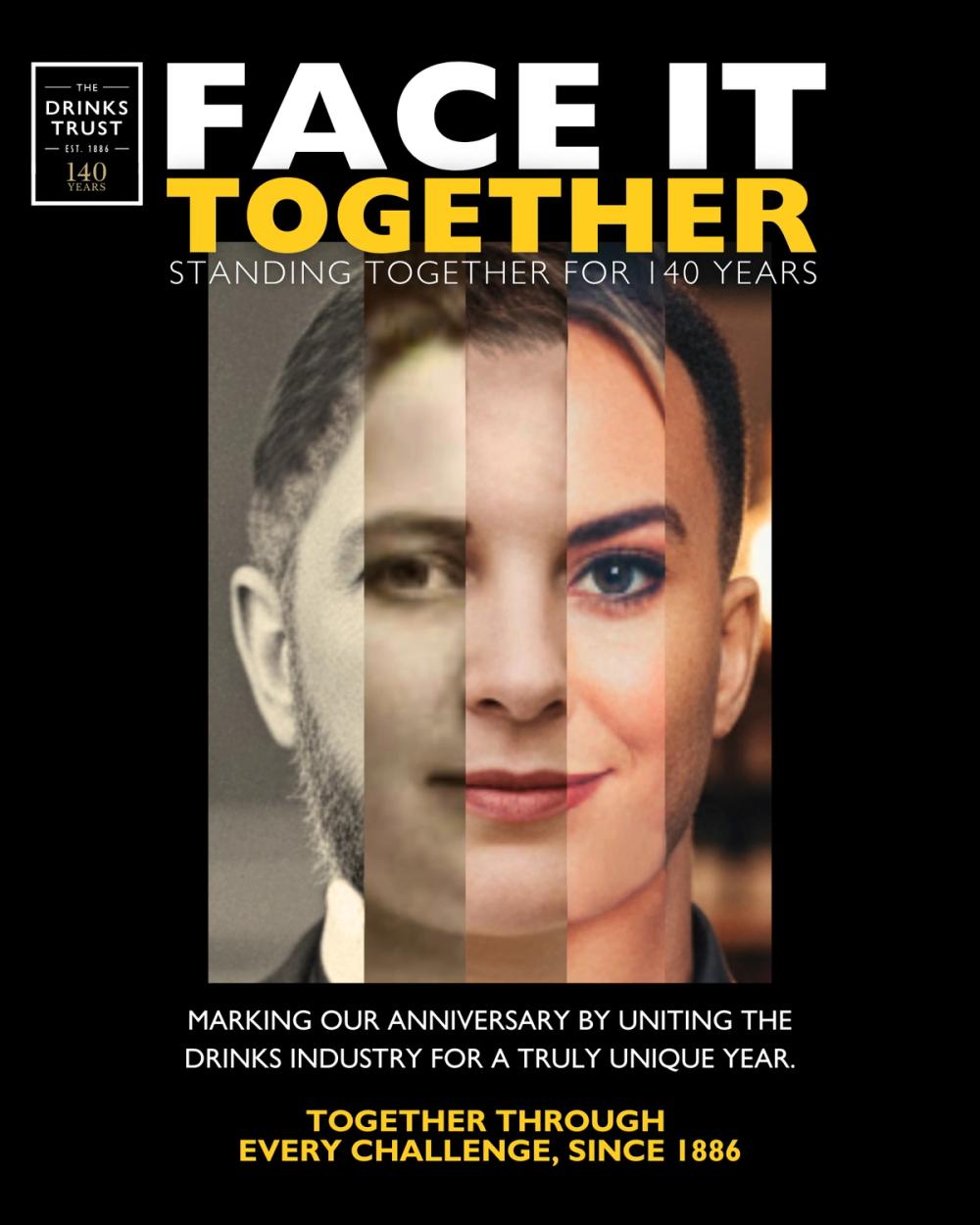
“The average call on our support line 45 minutes because we provide “in the moment counselling”, says Burston in order to help its team determine the best way forward for an individual person’s needs.
It might be providing specialist help to plan someone’s retirement and pension needs, or offering advice and support to someone who has been made redundant, or if you are looking for legal advice. The options are wide and varied.
“If you have a problem in your life and don’t know what to do then please call our support line andthe staff are skilled and trained to help,” she adds. “The support line is a resource to help anyone.”
Crucially, she says, the Drinks Trust’s services are also available for family members and dependents.
One of the biggest areas where it is able to offer increasing support is around mental health thanks to its link up with Dr Julian and the professional counselling services it provides where members of the drinks industry can receive up to 16 sessions if needed.
Business Advisory Programme
Burston believes The Drinks Trust can perform at its best when it is working hand in hand with the industry to determine the issues and areas of help that drinks companies need the most.
This is why the new Business Advisory Programme has been set up in conjunction with a number of leading drinks businesses, wine merchants and importers who have come together to identify the areas where their employees need the most support.
This is particularly the case for those companies that don’t have standalone human resources departments.
Together they have worked with The Drinks Trust to pull together a structured programme of well being services that they and their staff can access.
Burston says the service has come at a time when abseentism within the industry is at an all time high and can cost businesses up to £5,000 per employee per year.
“There are some commercial reasons to focus on employee well being as it has a direct impact on productivity. It is also an area the younger generation are asking for and expecting from their employers. So it plays a role in both talent retention and talent attraction as well,” says Burston.
Companies are also increasingly being asked for their CSR (corporate social responsibility) credentials as part of any major tender process, she adds.
It is exactly the area where she believes the Drinks Trust should be playing a lead role.
“It’s us as a charity representing and addressing the needs of the industry and living by our mission to be seen as the industry’s number one charity,” she explains.
It’s also another way the charity can reach and help support more potential beneficiaries right across the drinks industry.
The Business Advisory Programme is managed by a steering group made up of each of the 13 founding member companies of the initiative who meet quarterly to assess how it is being used. These include the following companies - those on the steering committee have SC after their name:
Berkmann (SC).
Chapel Down Winery.
Claridges.
Davys (SC).
Drake & Morgan.
Ellis Wines.
Individual Restaurants.
Hatch Mansfield (SC).
Jeroboams (SC).
Lay & Wheeler (SC).
MMD.
The Berkeley Hotel.
The Drinks Trust.
The Wine Society.
UKBG are associate members.
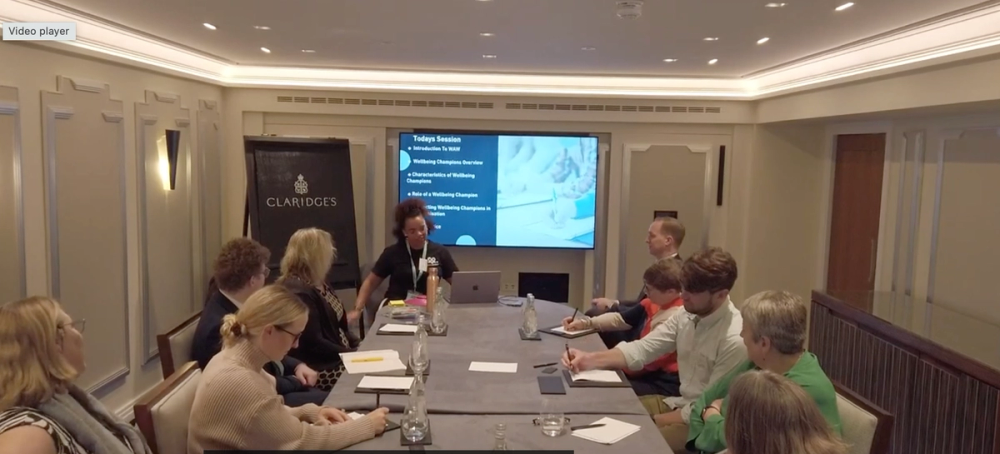
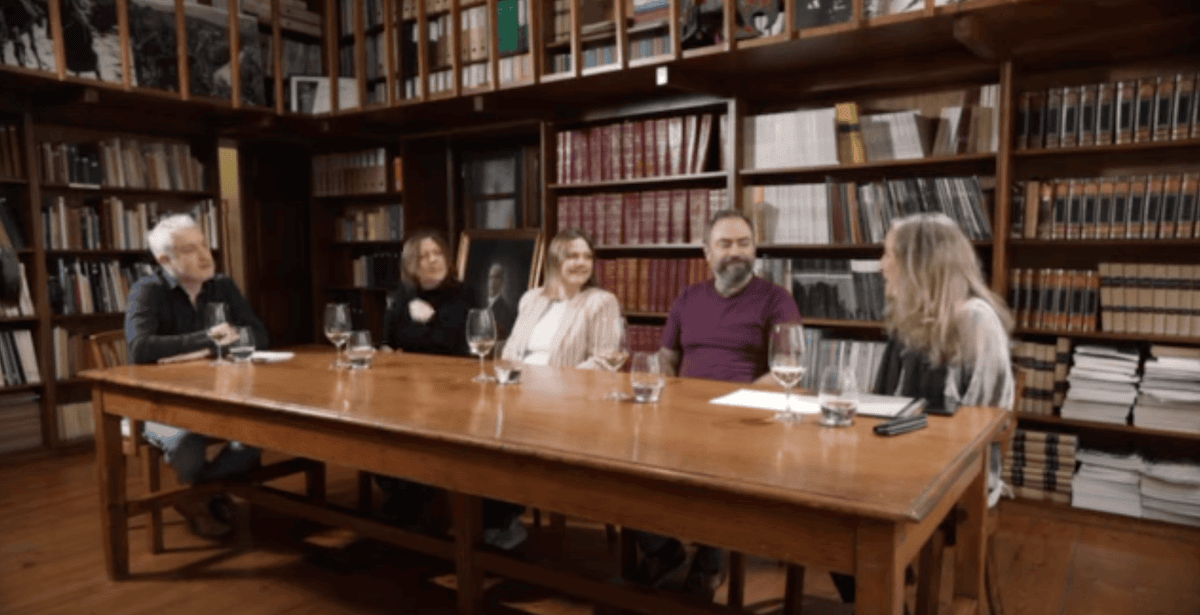
One of the meetings of the The Drinks Trust's Business Advisory Programme
“The chance for them to share their problems and share best practice with each other is something they really value,” says Burston.
Each of these businesses have also appointed and trained well being champions within their organisations in order to promote, co-ordinate the services with their employees.
There are now steps being put in place to draw up an industry charter that drinks company can sign up to if they can show they meet the standards of employee well being within that charter.
The cost for a company to be part of the Business Advisory Programme is £3,000 a year which Burston stresses has been kept “purposefully low” as the charity and its members want to encourage more companies to sign up and take part and collaborate.
“The people we have involved in BAP are so engaged with it. They have the opportunity to craft business support that is specific to their needs.”
Addressing challenging times
Burston is more than aware of the financial pressures that drinks companies are increasingly facing and the knock-on effect that has on their ability to be able to support and donate to the Drinks Trust.
“Things are really tough and businesses are having to scrutinise every aspect of their bottom line and justify more than ever what they can give to the Drinks Trust. It’s why it’s vital we also widen our community of who we should be helping and supporting. The strength of our industry is our people and we are here to help them. Which is why we need to be more front of mind and work harder to raise our profile through all the learning and development services we can provide,” she explains.
She adds: “We also know that 84% of people will give money to a charity if they trust where that money has been spent, so we will be doing a lot more to share testimonials that can share those stories for us.”
It is also why it has appointed Jasmine Nicol and Angela Clay in a new role as partnerships development managers to help specifically manage and grow its fundraising and work closer with its supporters to ensure they are getting the help, support and feedback they want.
Nicol admits she did not know a great deal about how the charity worked before she applied, even though she has spent her career in drinks, including senior roles at Heineken and Beavertown, but soon appreciated just what an important role it has to play and is keen to do what she can to help achieve those goals.
Her primary focus will be raising the charity’s awareness and profile throughout 2026.
“I want to excite people about what we can do for them and also help drive and support what we can do for our shareholders. Having a well being charter for the industry, for example, is ahead of the curve,” she says.
As Burston concludes: “It is almost a perfect storm. Demand for our services is at an all time hight we need to be able to grow as a charity to meet that demand. We know there is an enormous amount of good will out there for us, but we also know there are a lot of people in the industry that have not heard of us and we are out to change that.”
* If you would like to find out more about The Drinks Trust and the work it does click here.