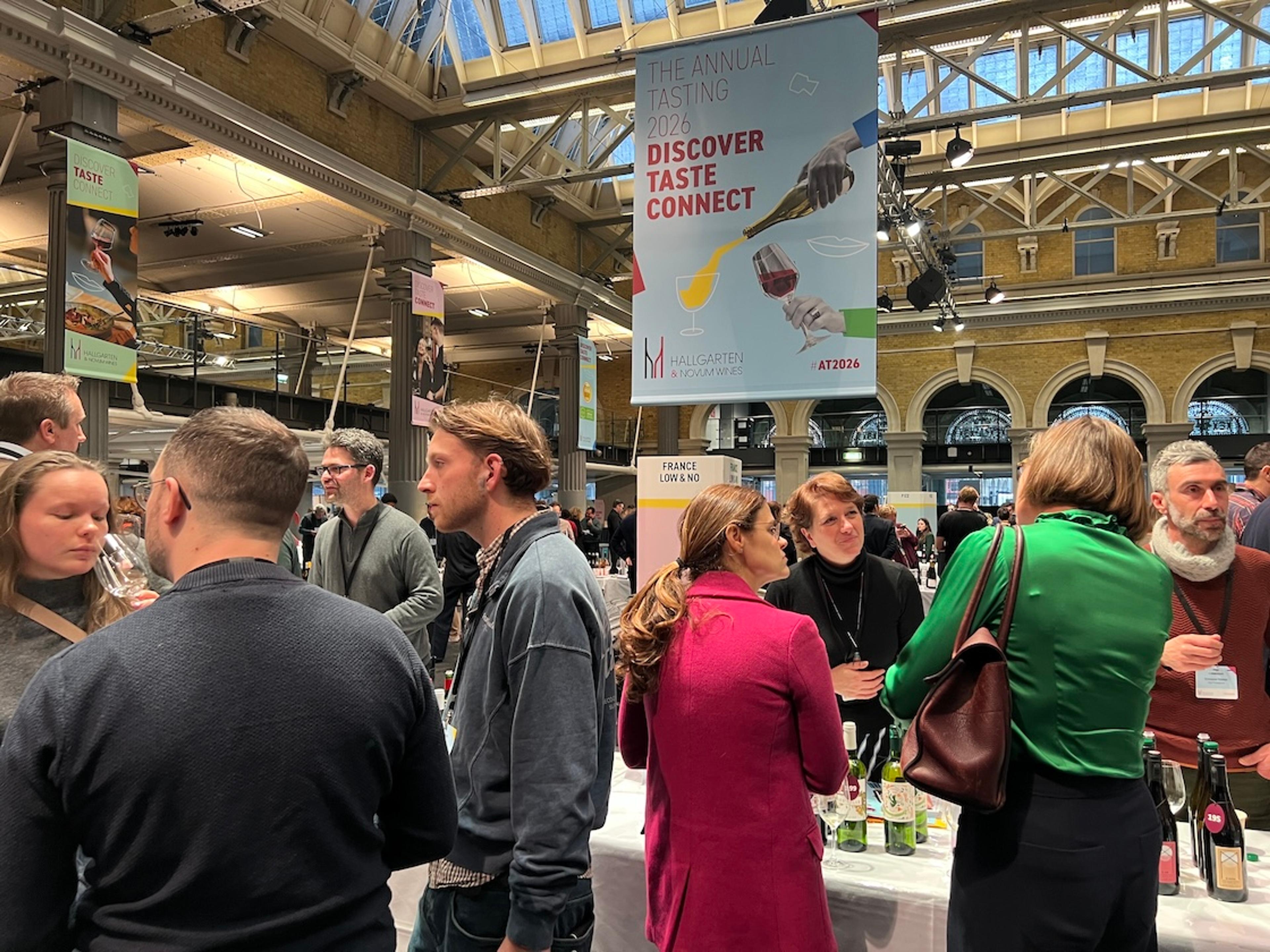

The UK wine trade is in a foul mood. An endless stream of restaurant and pub closures, precipitated by rising costs across the board, falling consumption with almost 40% of millennials barely drinking at all (and when they do, rarely wine) and a baffling, punitive and costly new excise system, has left businesses depressed and disillusioned.
The excise system came into effect on the opening day of Hallgarten & Novum Wines’ annual tasting on February 2 and responses were unprintable. But there’s something else. An elephant in the room, so to speak.

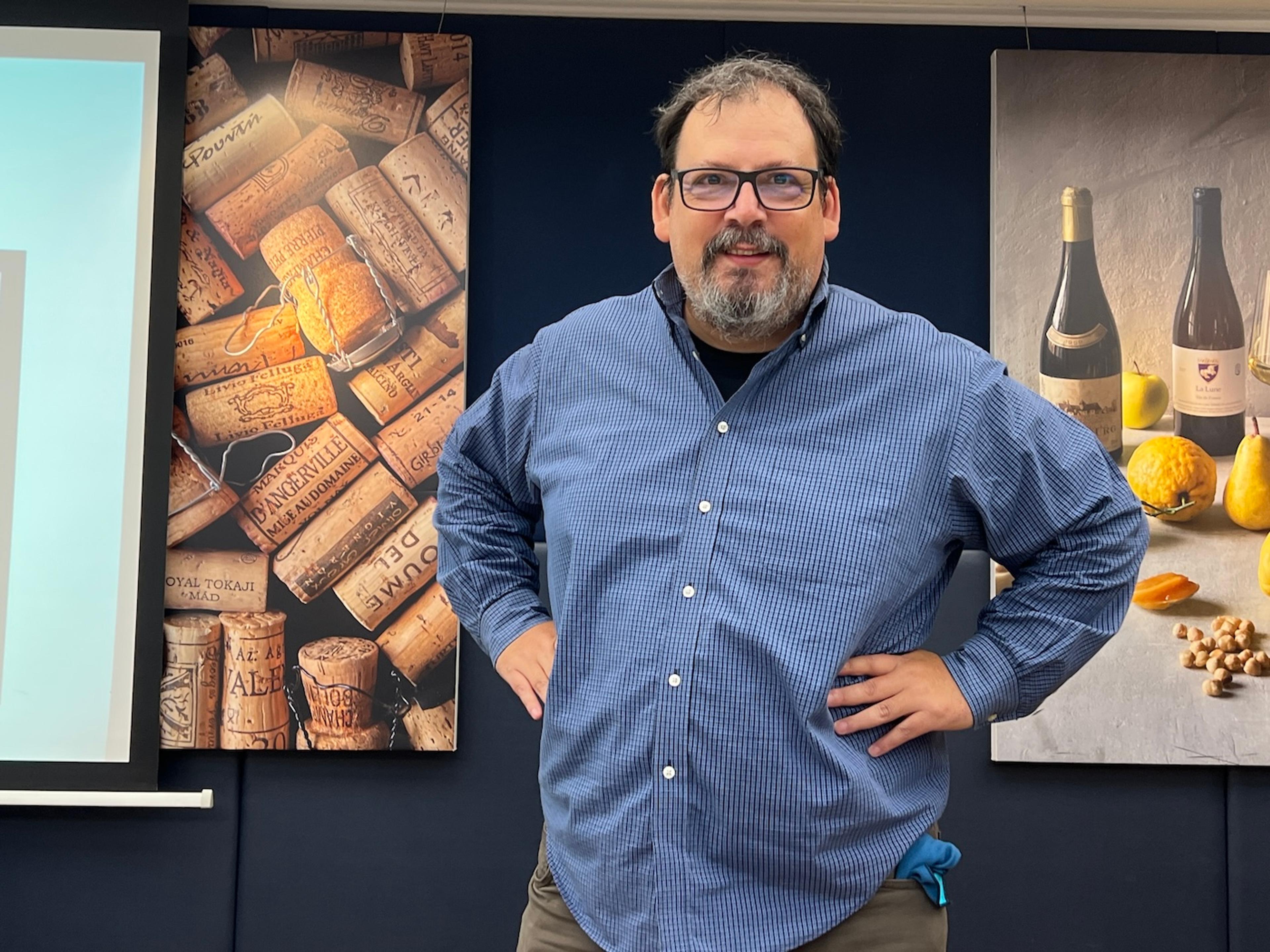
"To get your wines across in this market, you need to have a point of difference. And a story,” says Steve Daniel.
“Yes, the market’s shit but there’s also too much wine out there,” says Steve Daniel, the company's buying director, saying the key for producers is standing out.
“There is a credit crunch and a cash crunch, but people still want to have fun. But to get your wines across in this market, you need to have a point of difference. And a story,” he says.
Daniel says consumers are increasingly interested in different varieties and styles, and from countries they might not have immediately associated with wine.
“We’re taking them on a journey. There are always opportunities in difficult times and this is clearly one of them,” he says.
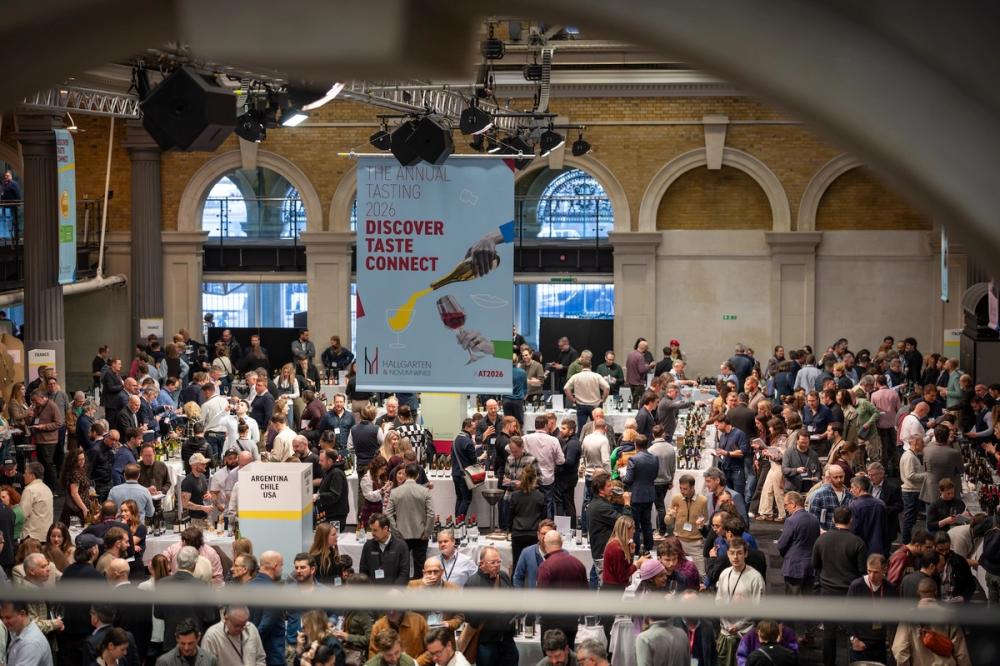
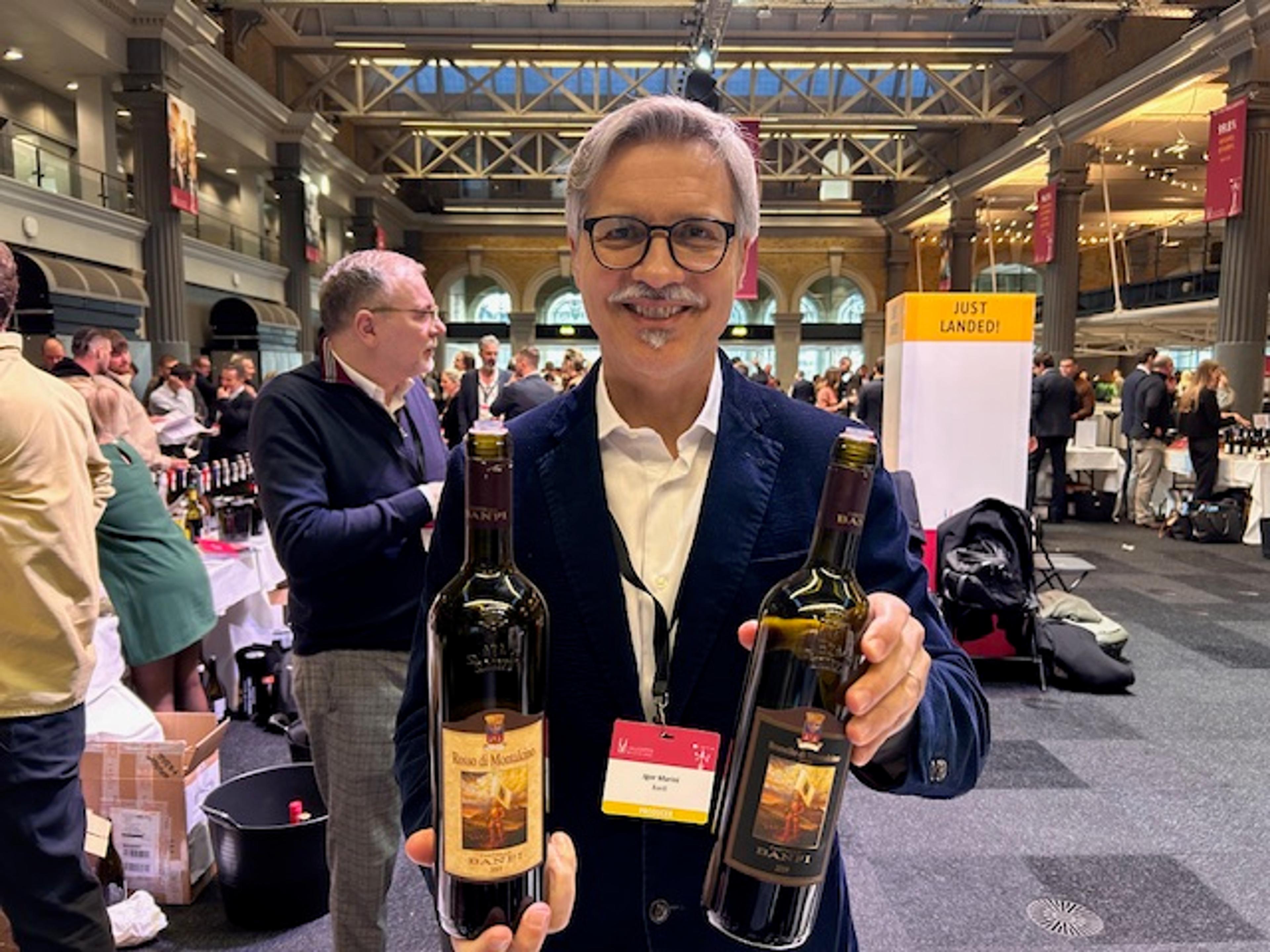
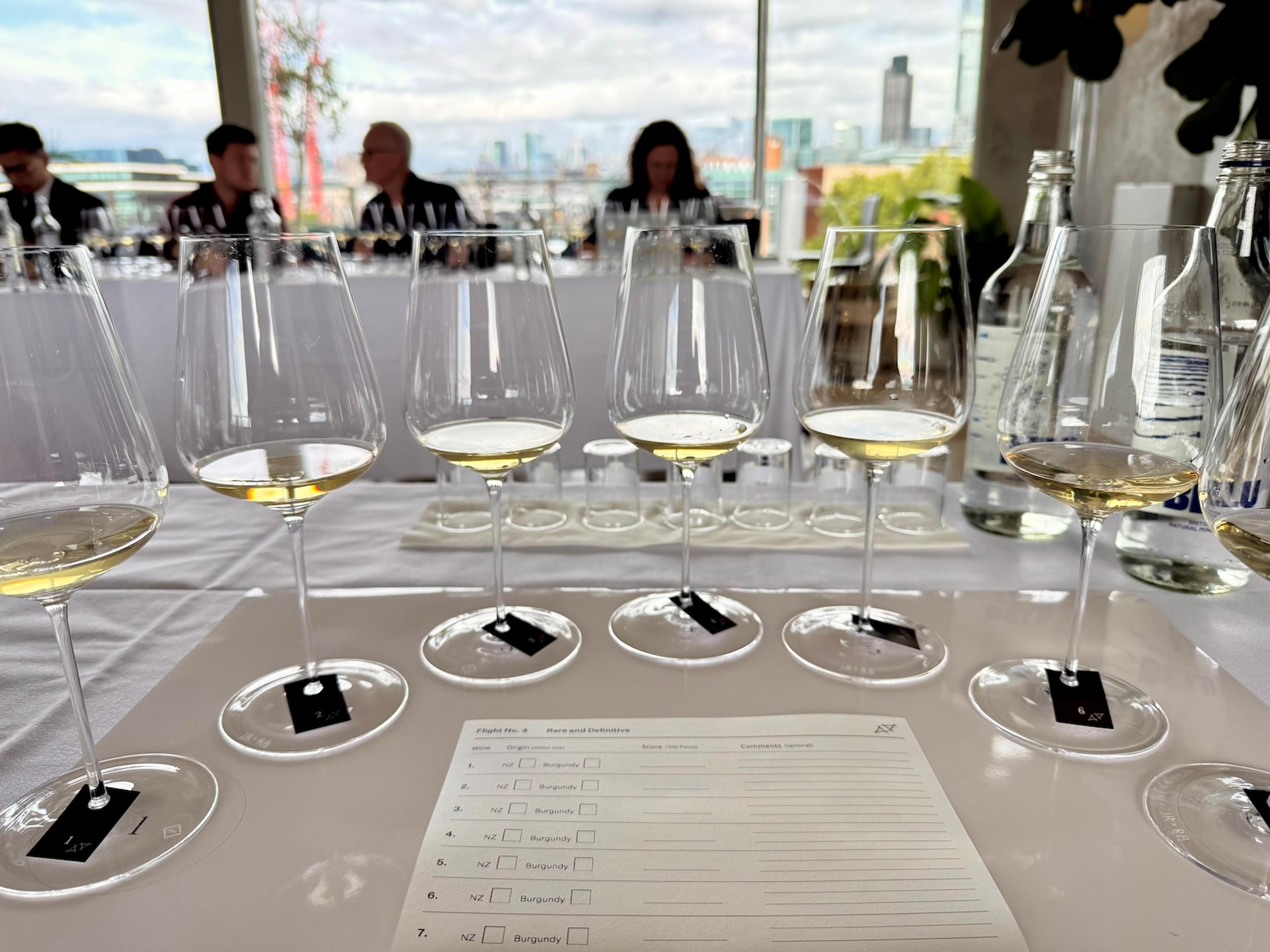
The Hallgarten & Novum Wines tasting was spread across two days and set in Old Billingsgate
With over 900 wines laid out across the extensive area of London’s Old Billingsgate, the tasting seemed at first to support Daniel’s notion of there being just too much wine. But in this great venue with its nice river view, you never felt overwhelmed or crowded in, despite the huge numbers attending: these really were wines designed to stand out from the average, at all price points.
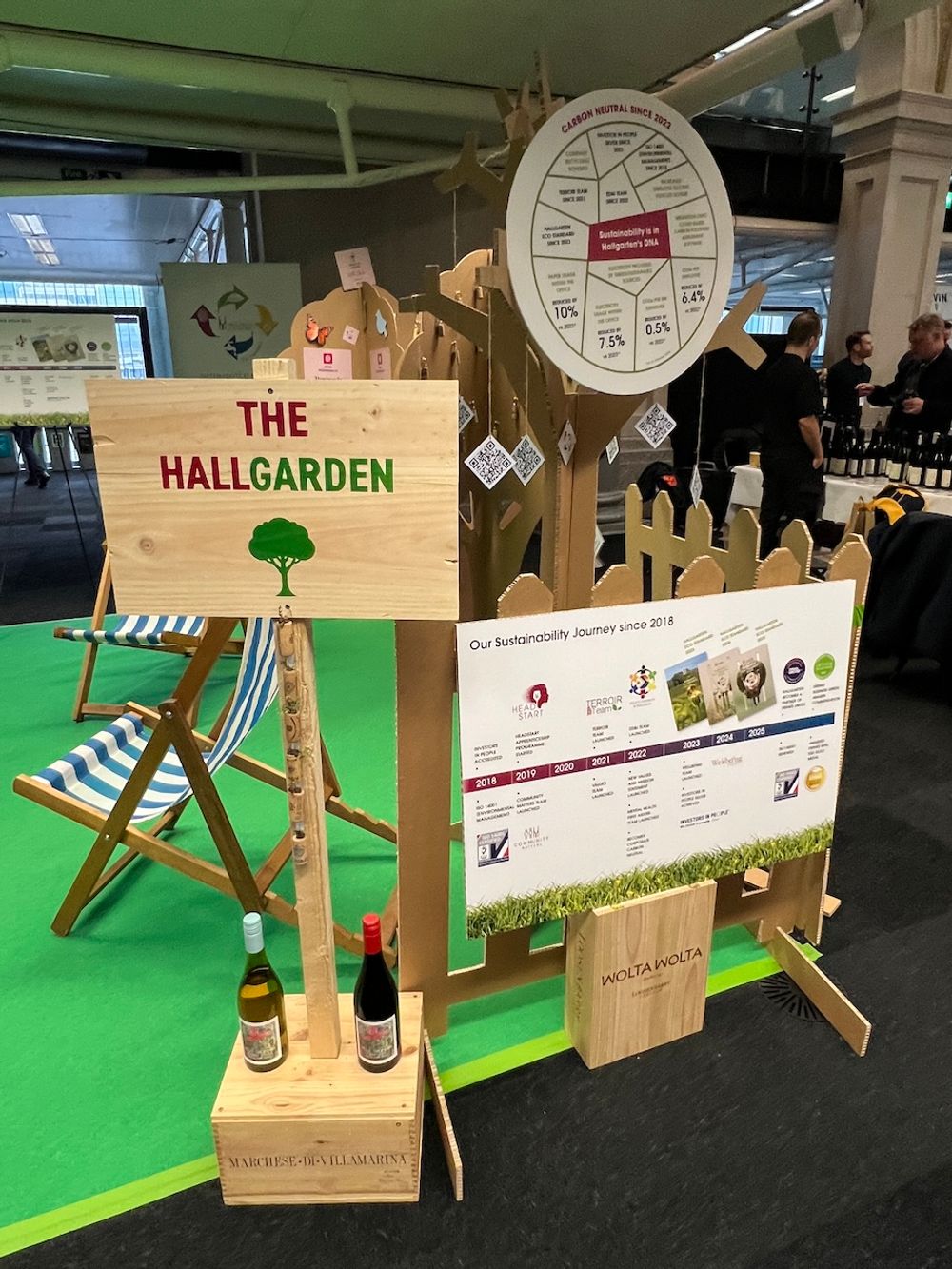
The tasting room was full of inventive break out areas like this sustainability area
With Hallgarten having acquired the reputation of adding more new producers and wines than just about any other importer, I decided to focus on these. Well, on some of them.
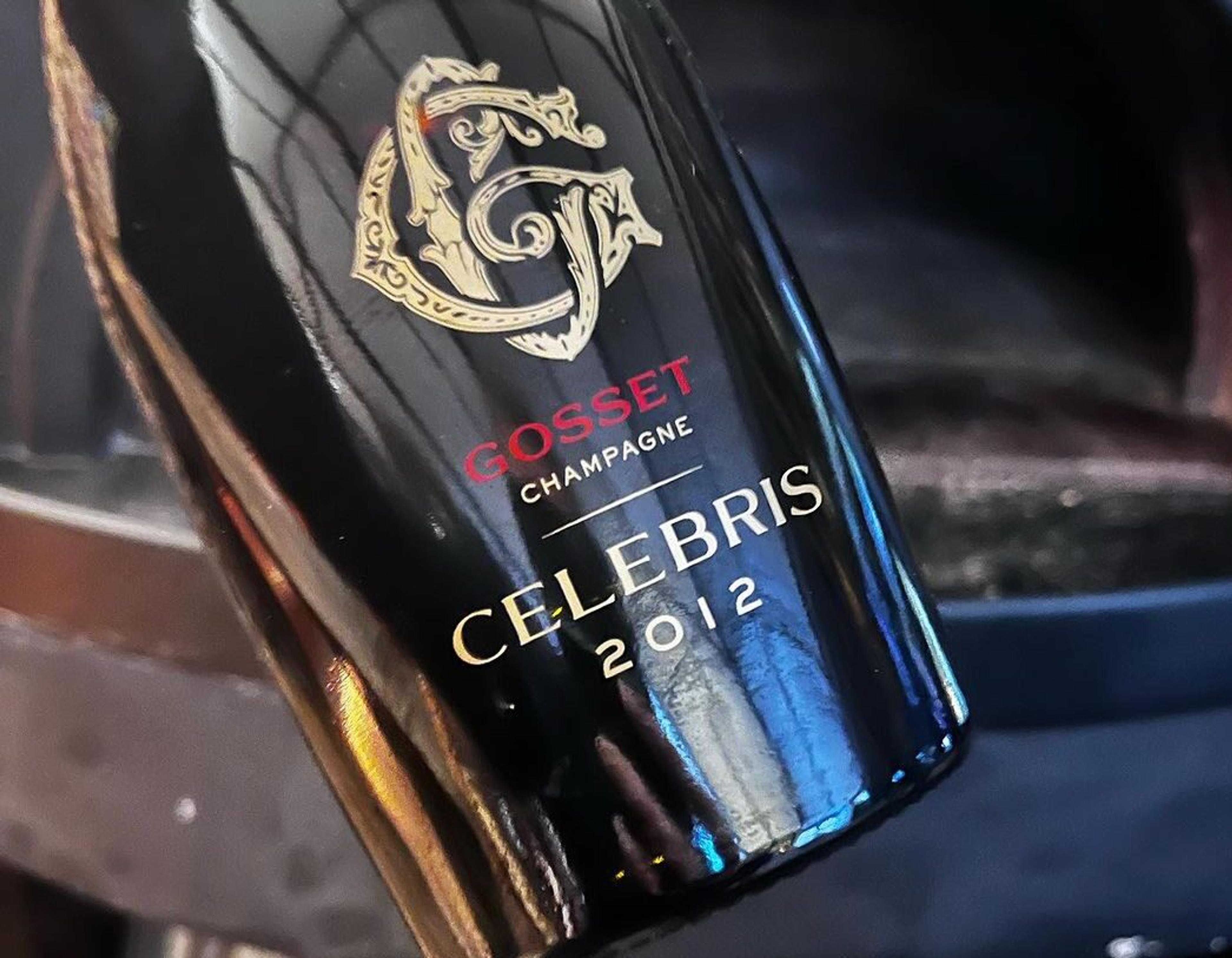
Champagne Gosset – Celebris Brut 2012
The oldest wine house in Champagne, owned by Cointreau, is new to Hallgarten (since leaving Louis Latour Agencies) and was showing its fine range, but this stunner from the Celebris range was impressive. Only the ninth release in the range in the past 35 years, a blend of 70% Chardonnay/30% Pinot Noir, this had delicious smoky spicy notes supporting the ample fruit delivery. Dosage 5.5 g/l, so about right for my liking.
La Sciola, Gavi dei Gavi, Black Label limited edition 2019
Gavi is one of those wines that can be okay or actually fantastic. This wine, the flagship of the 107-year-old La Sciola winery, owned by the Soldati family, very much falls into the latter category. Produced only in the best years, this is wonderfully crisp, with suggestions of green apple and pear on the palate: complexity added by ageing, feeds into a long, flinty finish. For those wondering, Gavi dei Gavi is a trademark exclusive to La Sciola, so you won’t see it on any other producer’s bottles.
Medici Ermete – Lambrusco Concerto Reggiano 2024
Dark, with plenty of berry and cherry fruit on the palate, the Reggiano comes with an interesting back story – according to Alessandro Medici it was the first single vineyard Lambrusco to be produced, fully 30 years ago, when Lambrusco was generally a nasty, cheap party wine. This is anything but, lots of character and very well priced.
Domaine William Fèvre – Chablis 1er Cru Montmains 2023
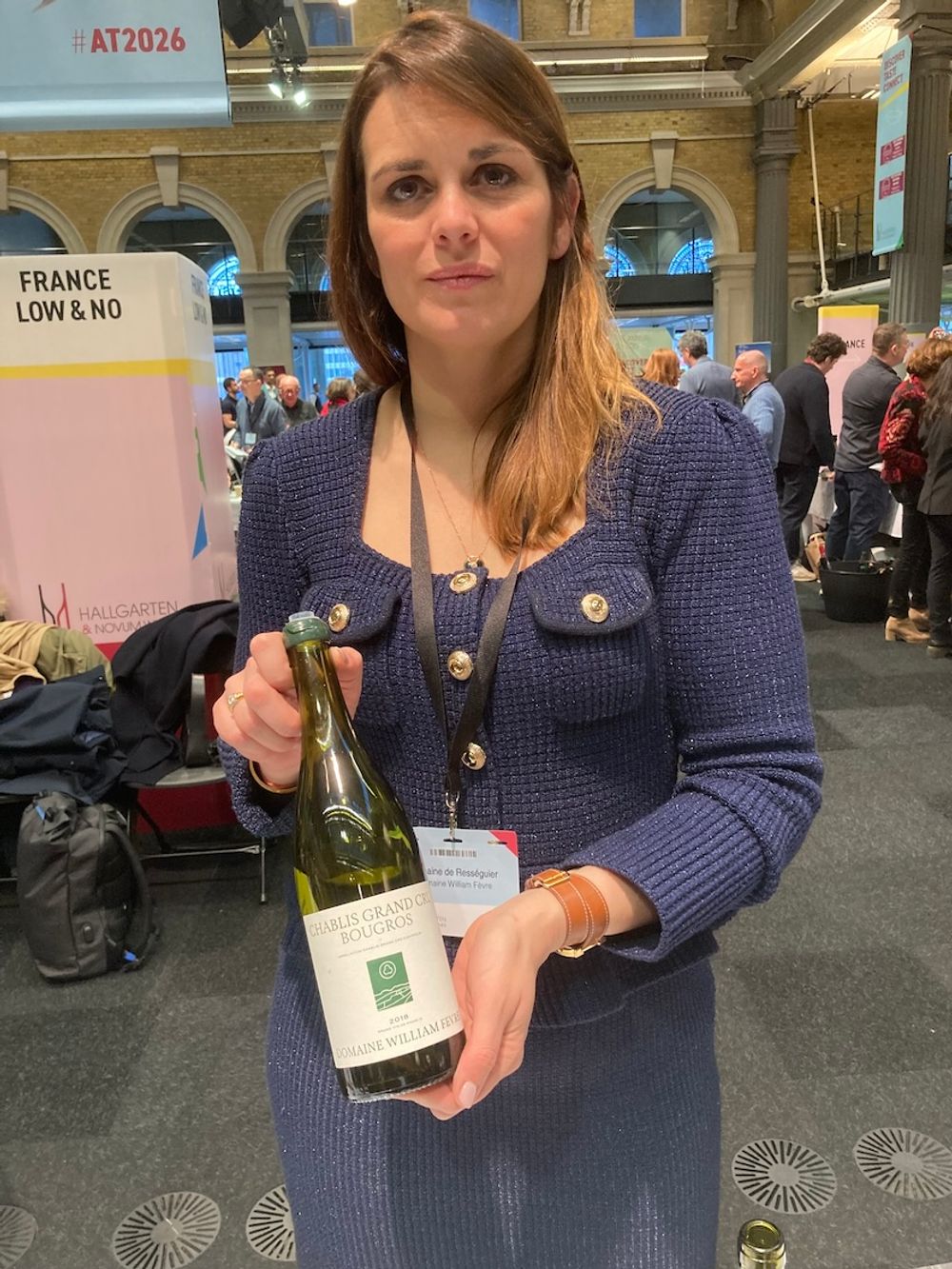
I’ll be honest and admit that Chablis has never really been my thing but these wines, also new to the Hallgarten stable, were impressive. Bought by DBR Lafite two years ago, this biodynamic producer apparently ticked all the boxes.
“We liked that they are very traditional, with a focus on quality and on wines that really speak of the land,” said Lafite’s Tiphane de Rességuier, proudly holding my favourite of the bunch. Bottle ageing has done this a lot of favours; lots of peach and apricot flavours on a long, generous palate.
Olivier Leflaive – Puligny Montrachet 2022
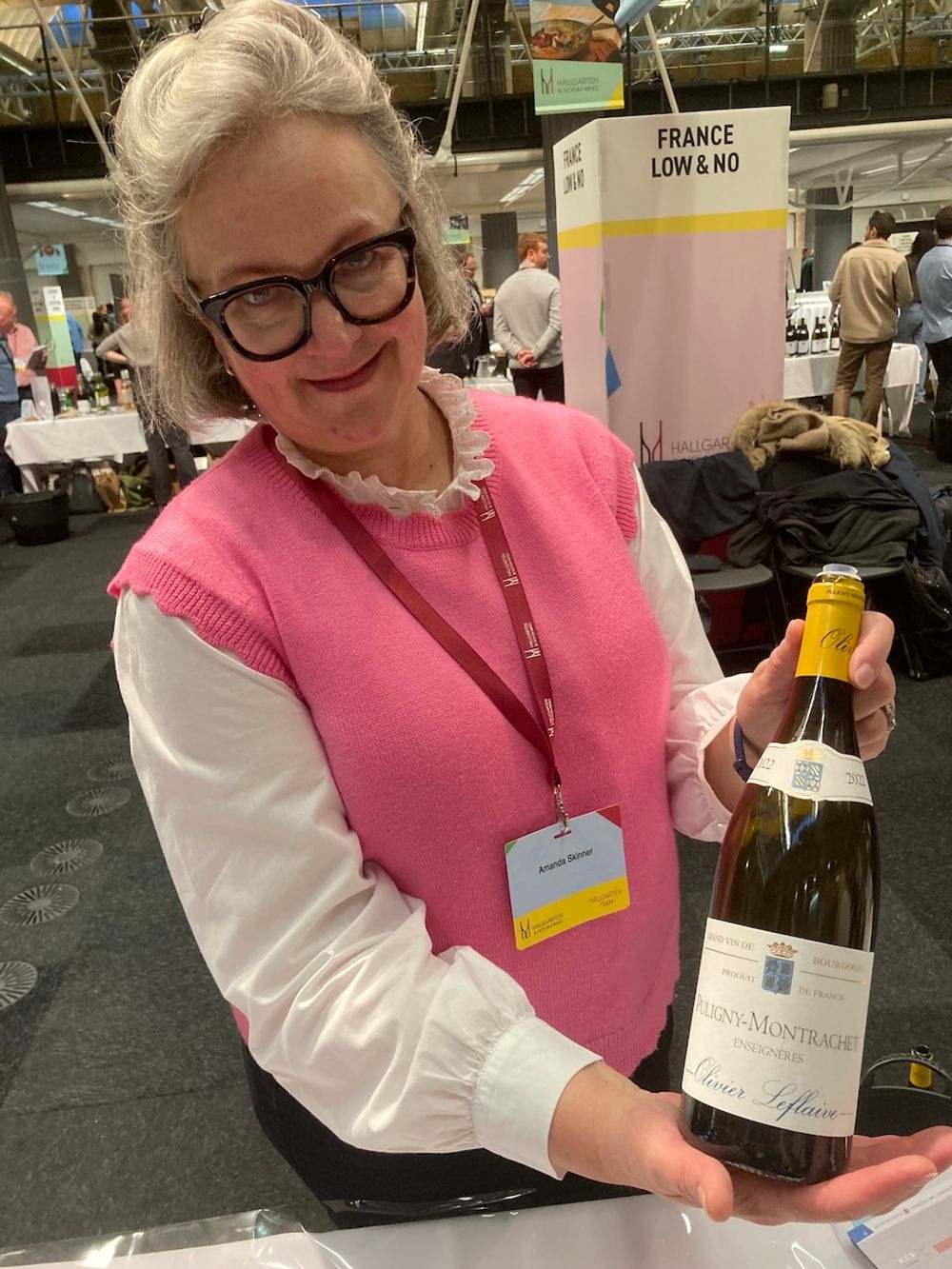
I wrote “wow” in my notes for this and that about sums it up. Ripe but refined, elegant but moreish, the superlatives could go on: suffice to say there’s sufficient acidity and enough balance to make this a classic.
Amanda Skinner, who accompanied this wine and others from Lay & Wheeler was equally enthusiastic about its new home saying Coterie Holdings (parent owners for Hallgarten & Novum Wines and Lay & Wheeler) provide “huge support, big ambition and a sense of purpose,” valuable attributes given the prevailing uncertainties in the wine world.”
Domaine Graeme and Julie Bott - Viognier First Flight 2025
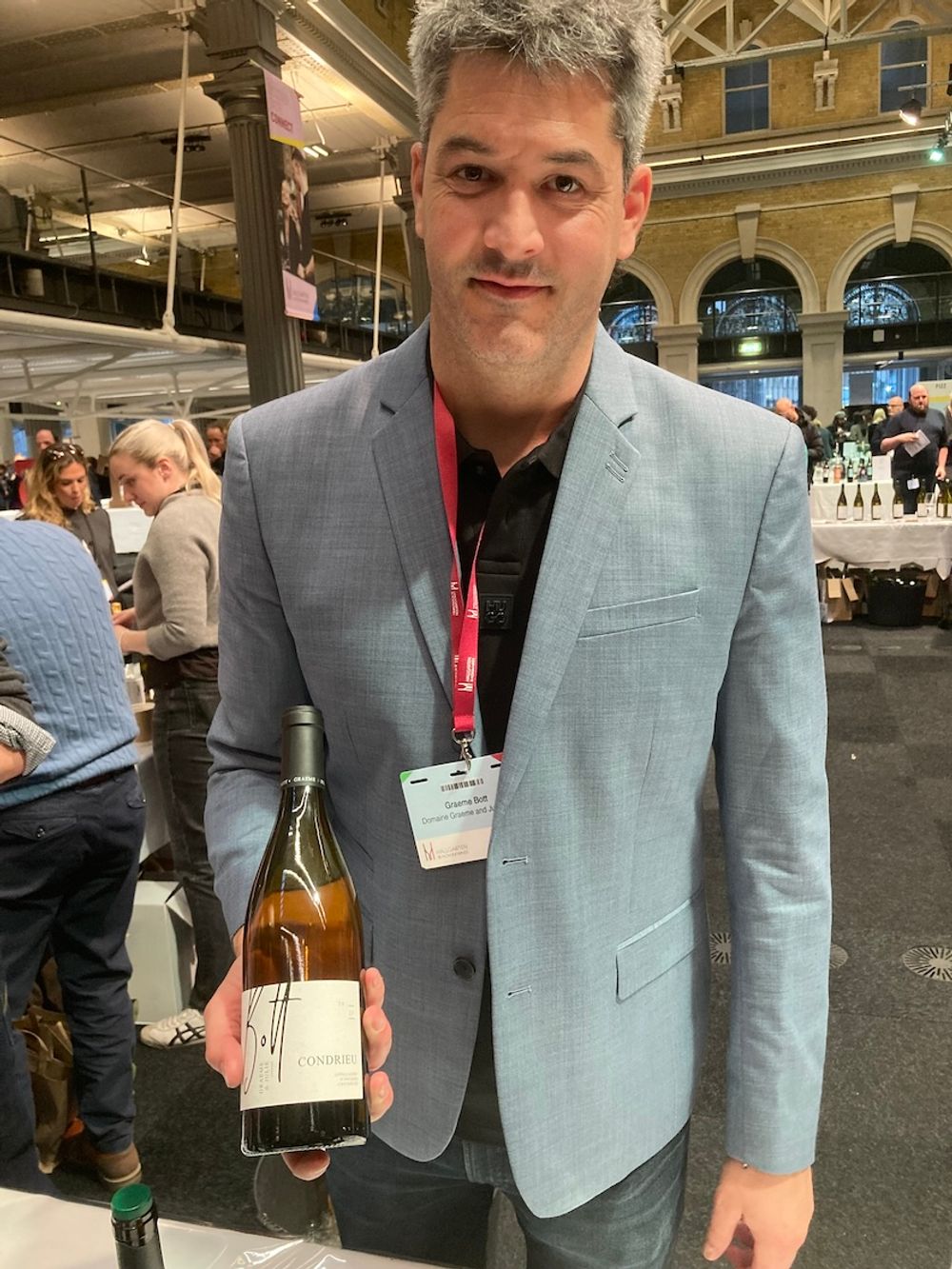
Another Hallgarten newbie over from Lay & Wheeler, Graeme Bott – originally from Australia – gave me a comparative tasting of his 2024 and 2023 Condrieus: the former quite lean and angular, the latter rounder and more expressive, reflecting the vintage differences (2024 was a bit of a washout in the Rhône).
I really liked both but for my list I will opt for the extremely good value Viognier, less than half the price of the Condrieu but definitely not half the quality level. A poor man’s Condrieu, and God knows there aren’t many of those. His medium bodied, spicy and moreish Syrah Kãmaka 2022, grown on schist is also well worth a look.
Campo alle Comete - Bolgheri Rosso alle Comete 2021
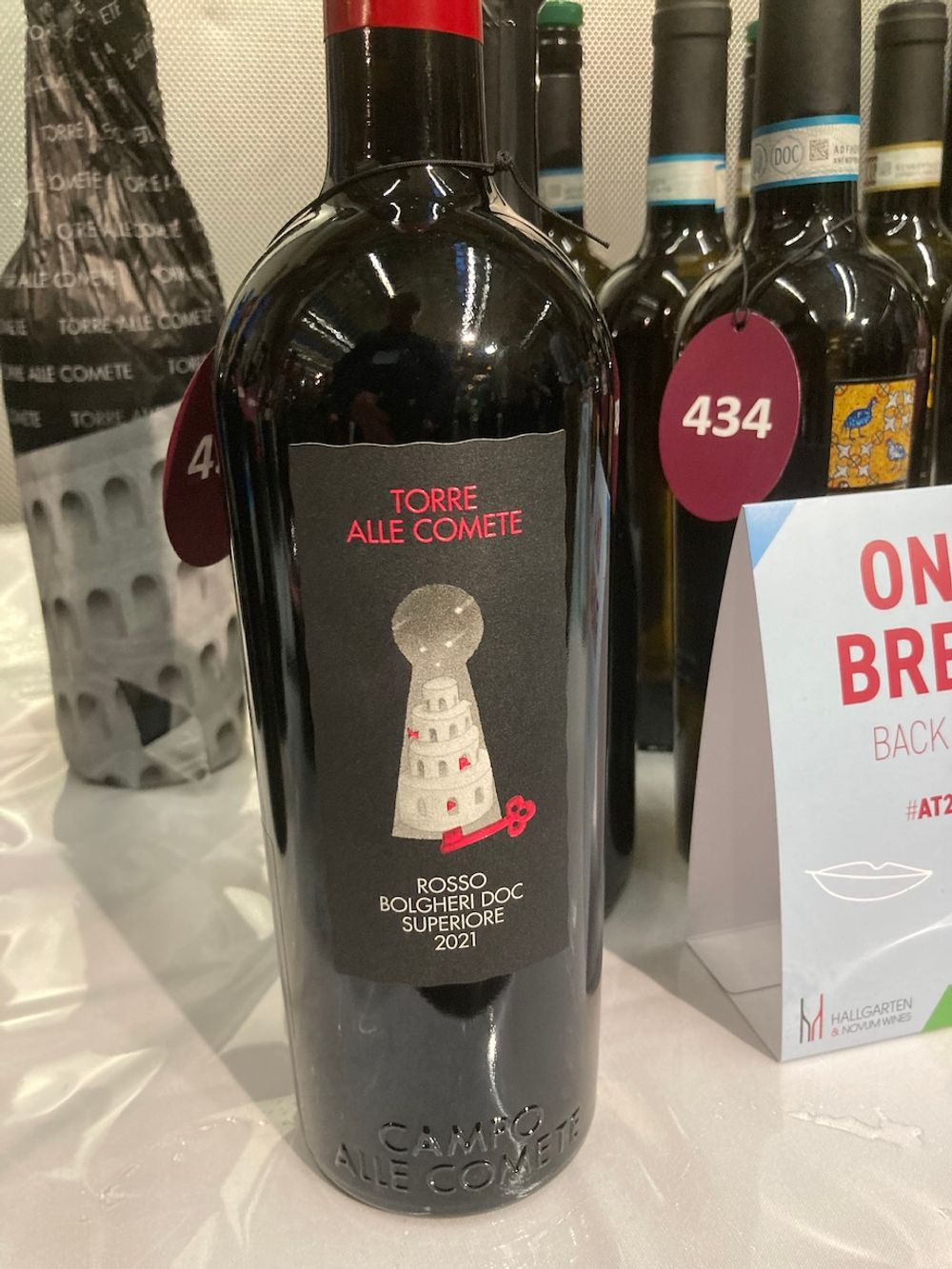
I came across this 50/50 Cabernet Franc/Cabernet Sauvignon Super Tuscan and was bowled over – brooding, moreish with black cherry, mint and bitter cocoa on the finish. Everything a great Super Tuscan should be.
Villa Saletta - 980 AD 2019
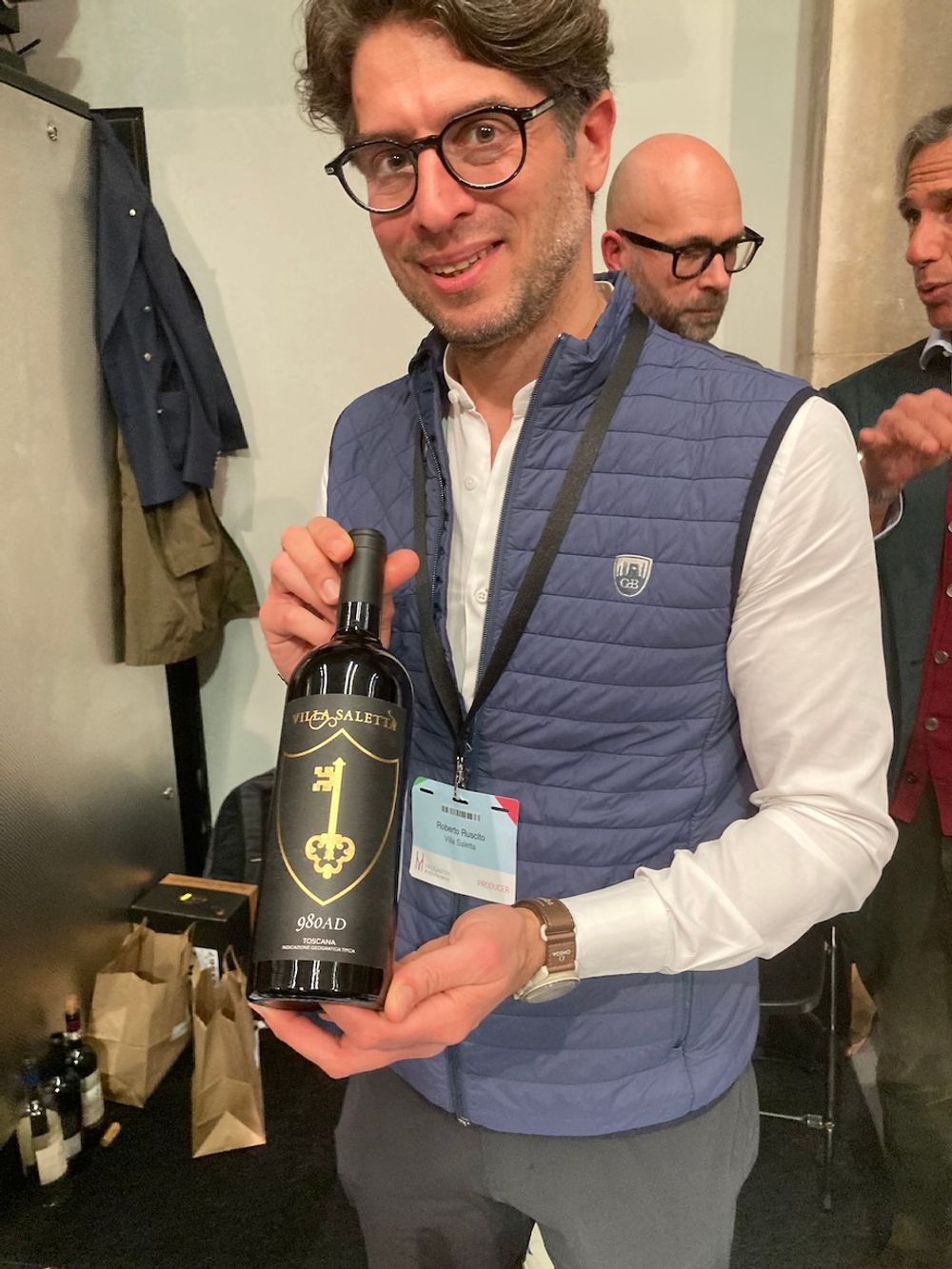
I will admit that this Tuscan 100% Cabernet Franc produced by Villa Saletta, near Pisa, was new to me but when I tasted it, realised I had been really missing out. An incredibly dark, deep red with suggestions of black cherry and blackcurrant on the palate, very smooth – barrel aged for two years then in bottle for six months pre-release – and incredible length. Oh, and an impressive label. 980 AD was when winemaking first started on the site of the estate, according to records found in Lucca.
Elio Grasso – Dolcettto D’Alba dei Grassi 2024
Elio Grasso’s Barolo Casa Mate 2021 and Barolo Gavarini Chiniera 2021 were both singing, and a wonderful opportunity to compare the impact different soils can have on Nebbiolo – the former, weighty and made from grapes grown in clay soils; the Gavarini Chiniera, more ethereal and elegant, and perhaps also more structured, reflecting the sand, limestone and chalk from which is comes.
However, my vote goes to the very moreish and well-priced Dolcetto, lovely liquorice, mint and herbal flavours on the palate, further confirming that this variety – traditionally beloved of winegrowers in Piedmont – is almost criminally undervalued in the UK.
Feudi di San Gregorio – Irpinia Aglianico Serpico 2016
A really decent take on the Campanian variety, this is full bodied but balanced, showing crunchy red apples on the palate with black cherry underneath. Will age nicely. Another classic from a really classy producer.
Vachnadziani Winery, K'Avshiri Red 2023
This multi-vintage, multi-vineyard and multi-varietal red wine (eight varieties including two white grapes and three extremely rare red grapes, Aleksandrouli, Aladasturi and Otshkhanuri Sapere) is produced by Robert Joseph and Vladimir Kublashvili. It shows great colour and depth of flavour, suggesting forest fruits, plum and cherry. Light oak, very gastronomic.
Bodegas Viñátigo – Lomo de la Era 2022
A new single vineyard wine from Tenerife’s Viñátigo, and very nice too. Winemaker Jorge Mendez says it comes from a tiny parcel of Listán Blanco, the most widely planted and best-adapted white grape variety in the Canary Islands.“The vineyard is trained using a traditional local system found only in a few areas of northern Tenerife, such as the Orotava Valley and Tierra del Trigo. This is a form of long-cane braiding, where the productive arms of the vine are woven together over time. As the vines age, they can extend more than 20 metres in length, creating a living network of old wood that carries both history and balance.”
The wine reflects this: precise, restrained and deeply connected to the rhythm of the vineyard.
Another newish wine on show but with almost the opposite idea was Ensamblaje Blanco 2022, a blend of several indigenous white grapes from different plots in northern Tenerife.
“Each is contributing something different – acidity, texture, aromatics and structure – to create a complex but balanced expression of the island,” says Mendez.
Lismore Estate Vineyards – Pinot Noir Cape South Coast 2022
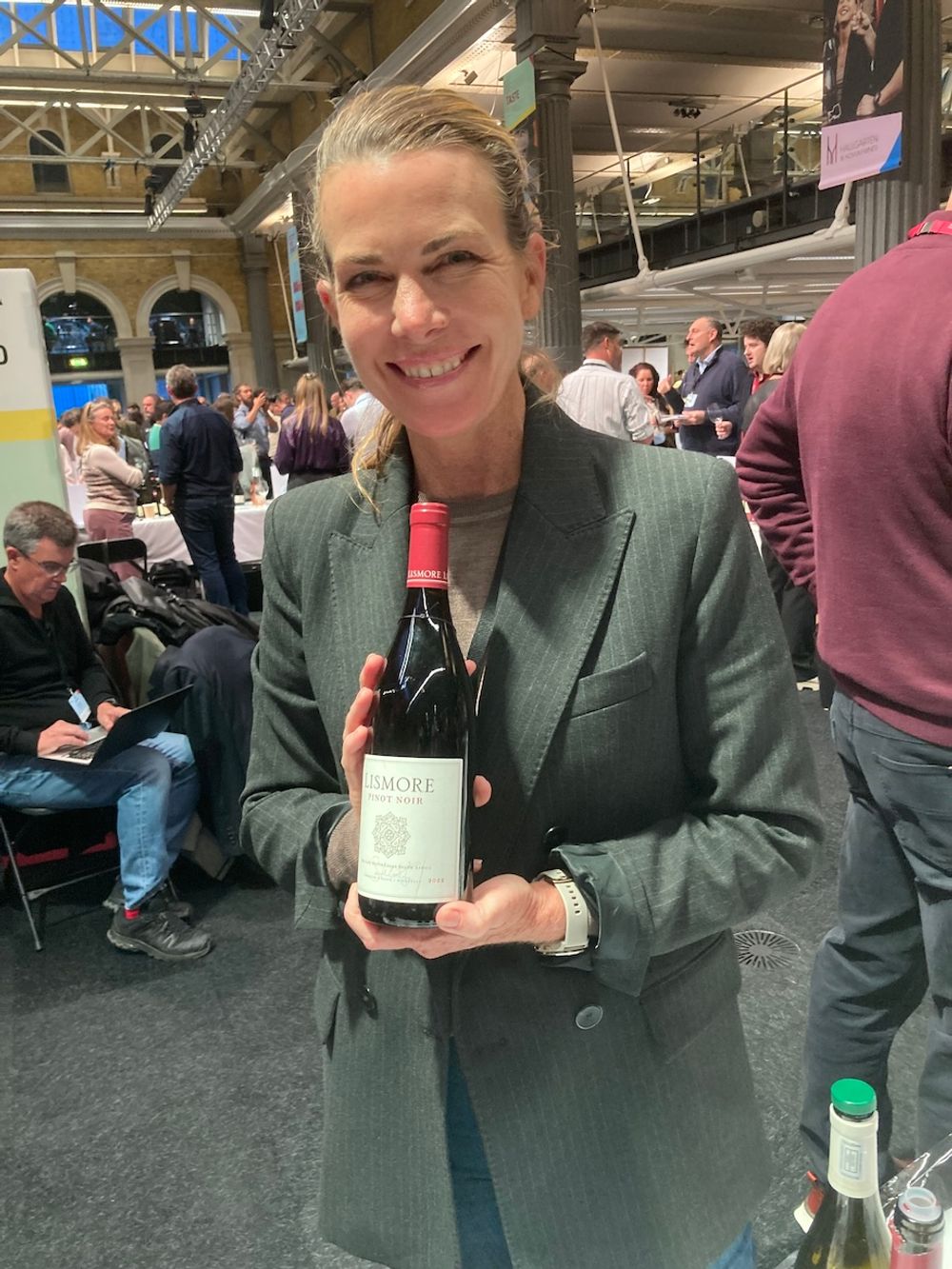
I don’t drink nearly as much South African wine as I would like, so I wasn’t resisting when a friend dragged me over to try Samantha O’Keefe’s latest vintages. These cool climate wines are decent and laid back, a bit like the winemaker, and I really loved the Pinot Noir, very layered and complex but also easy drinking, elegant and moreish. Likewise, the Syrah Estate Reserve 2021, her first vintage following the devastating fire that destroyed much of her estate.
This has spicy, savoury tannins and shows lovely red fruit - and remarkably comes in at just 12% abv.
Muses Estate - Malagousia A Muse White 2024
I wasn’t going to cover a Hallgarten tasting without including a Greek wine, so here it is. This is a fresh and moreish take on the rediscovered variety originally from Macedonia but now going great guns in vineyards further south, like this one from the Valley of the Muses in Central Greece. White blossom, peach and herbal notes on the palate and a rounded finish. “An explosion of flavour” I wrote in my notes.
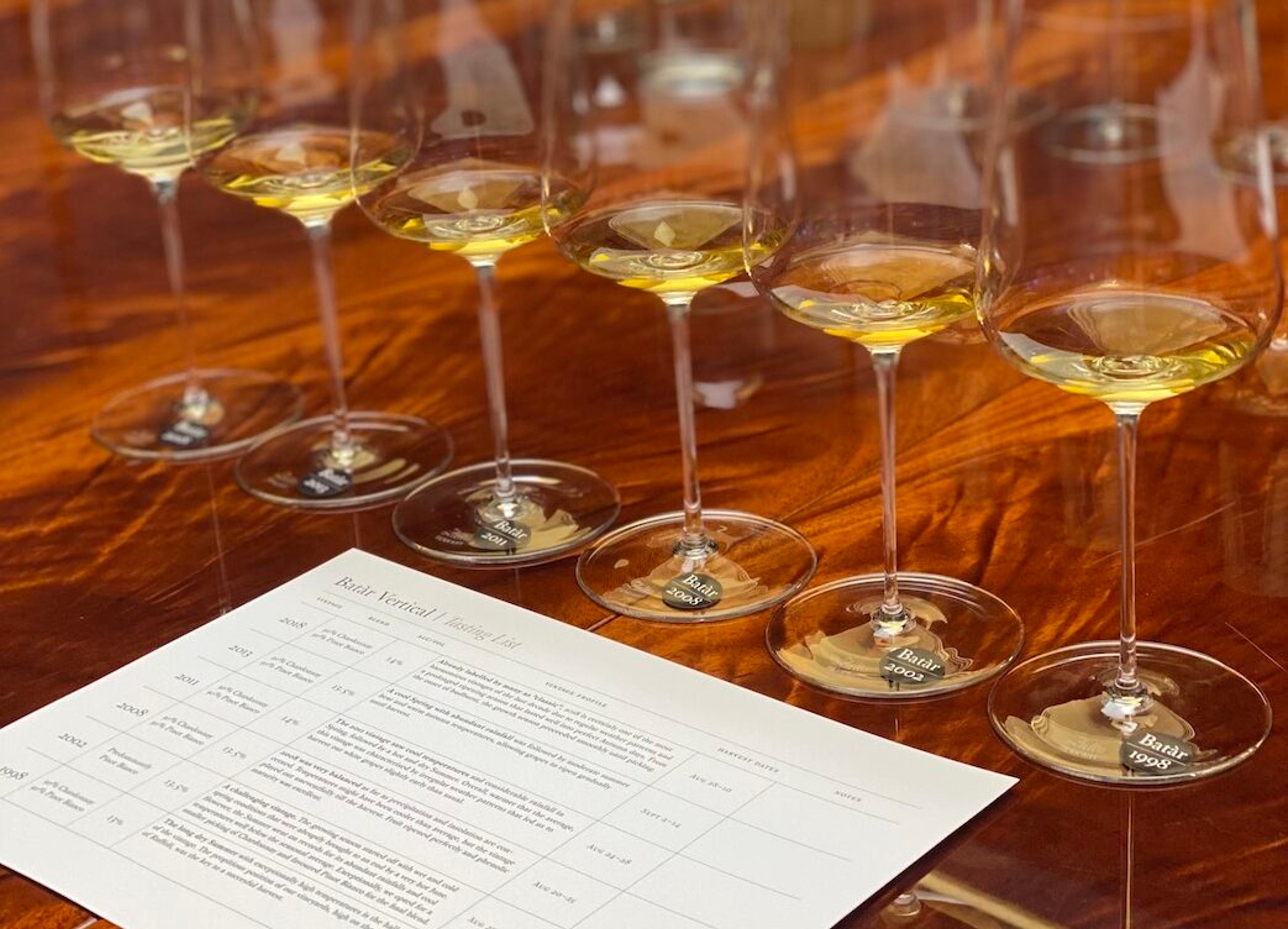
Querciabella - Batar 2023
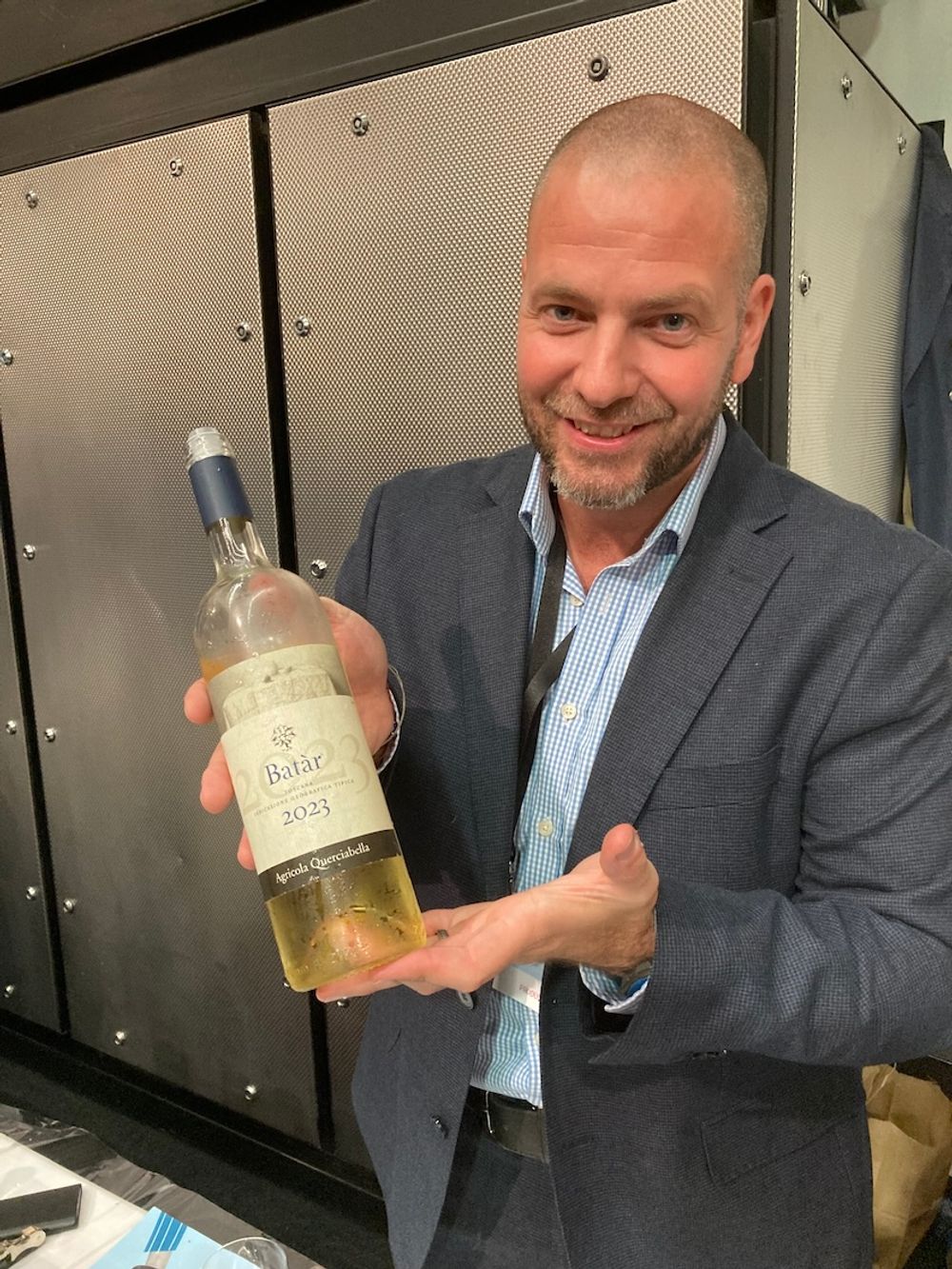
My last wine needs no introduction. Famously an equal blend of Chardonnay and Pinot Bianco, Querciabella’s Batàr has established itself as one of Tuscany’s best-known white wines, and the 2023 – from a warm vintage – is already singing despite its relative youth. Suggestions of pear, almond and blossom on the generous palate this is already showing great length and will age wonderfully.
The winery’s famous biodynamic Supertuscan, Camertina 2021 – 30% Sangiovese, 70% Cabernet Sauvignon – will be great, but right now tasted quite tightly wound, though already showing hints of graphite and forest floor on the palate. Like many good things it needs time and patience.
I’m glad to say the winery’s renowned winemaker Manfred Ing agreed with me, about his wines of course, but also the whole tasting, Querciabella’s first with Hallgarten and Coterie Holdings since leaving Armit.
“There’s a sense of purpose here, a definite sense of energy that you don’t get at some other importer tastings. I’m really glad to be here. These are very difficult times for our industry but this feels like the right place to be.”
Hallgarten & Novum Wines is a commercial partner of The Buyer. To discover more about them click here.