
I must confess the only time I had heard about Murcia before was when my friend announced that she was going on her Erasmus there. I knew it was in Spain, and I knew it was warm, and that was about it. I did not get to visit, as I was tenuring at a kiteboarding school in El Gouna before heading off to my own Erasmus in Porto. I do not want to drag Brexit into this glass of Monastrell, but Erasmus was a glorious thing for a student. It certainly ignited passions in me that I am still following a decade later … my love of wine.
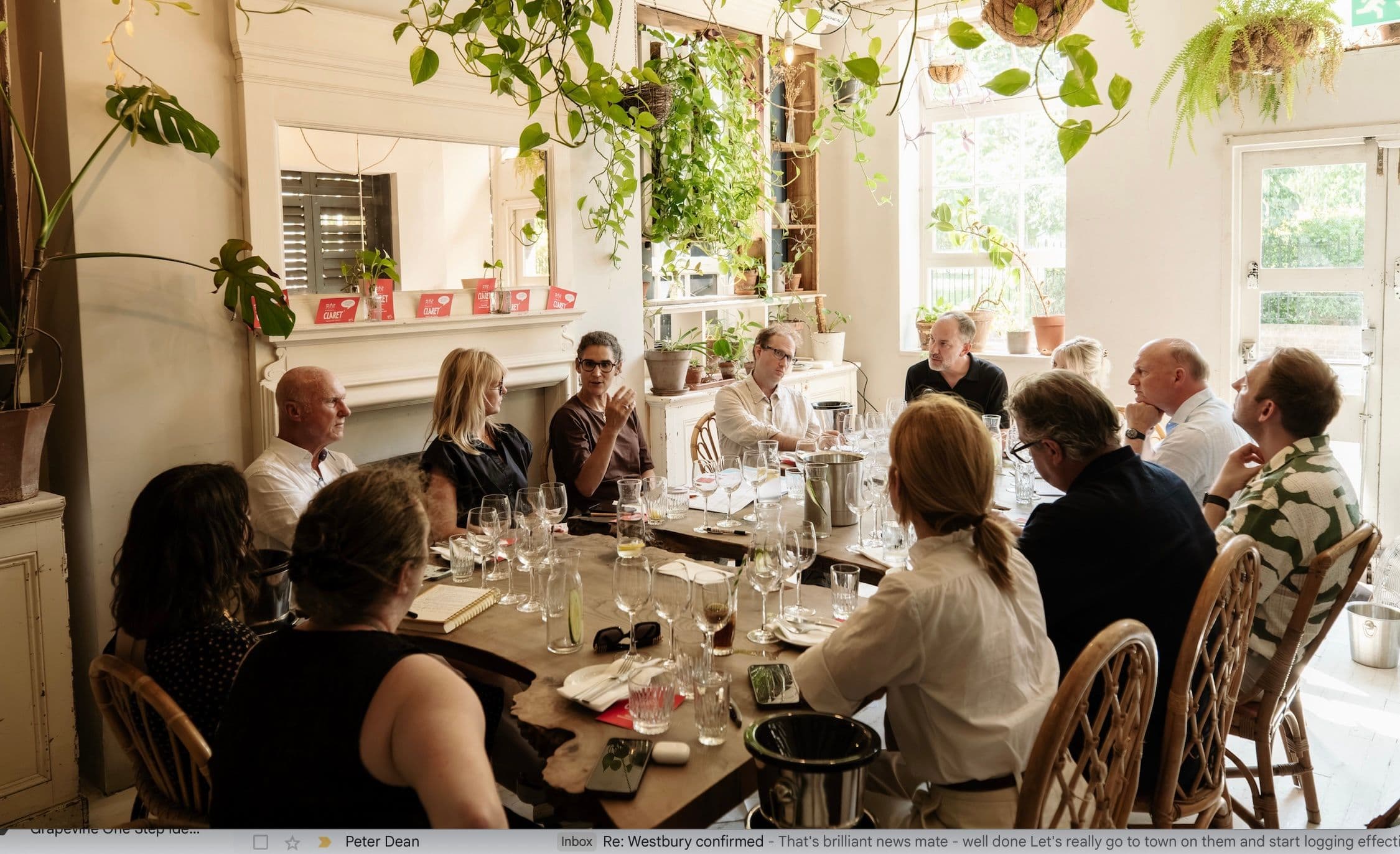
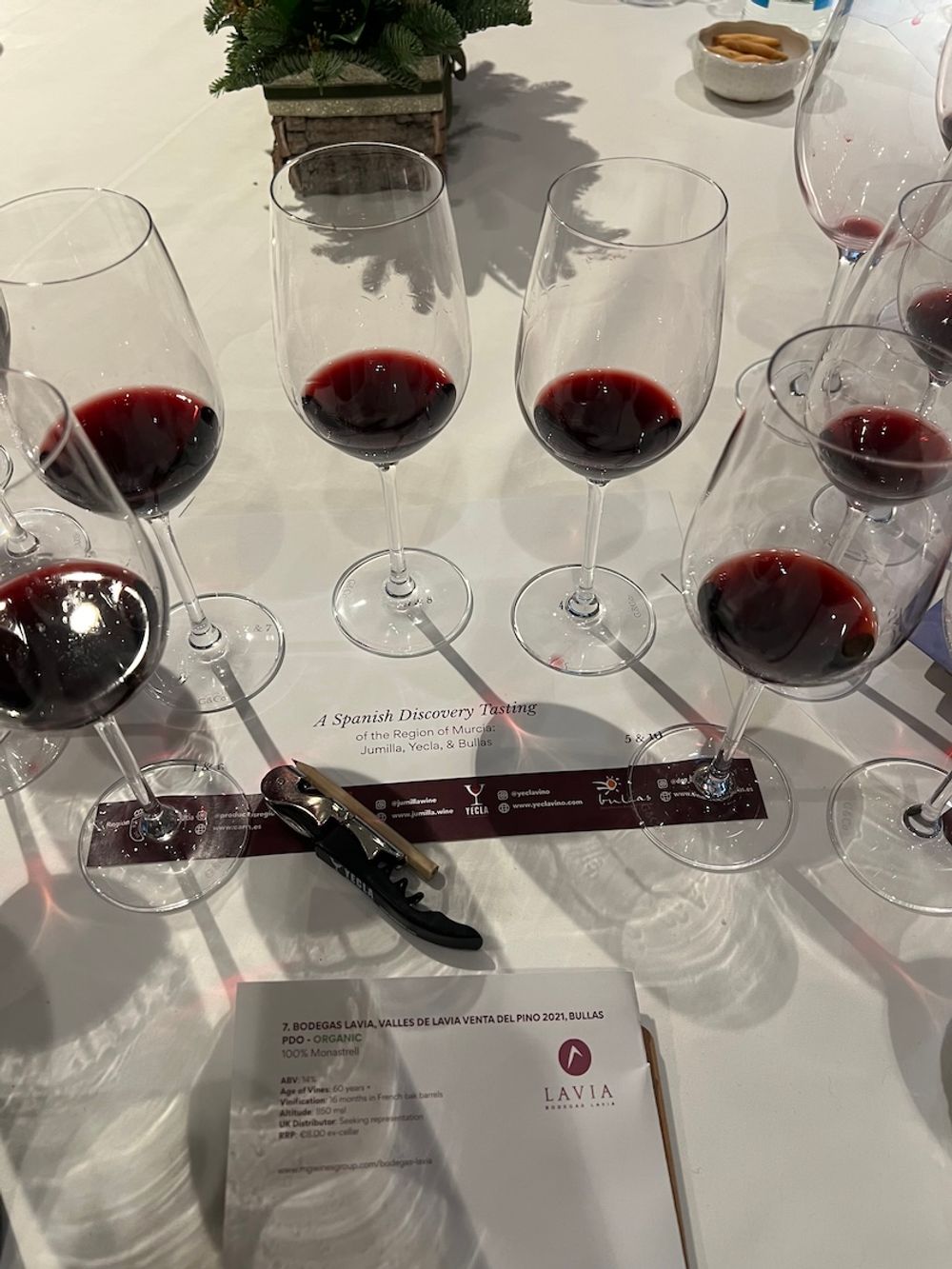
With that amount of knowledge, I joined The Spanish Discovery Tasting of the Region of Murcia: Jumilla, Yecla and Bullas, and specifically the masterclass led by Peter Richards MW titled 'Low Intervention, High Expression: Murcia Organic Wines'.
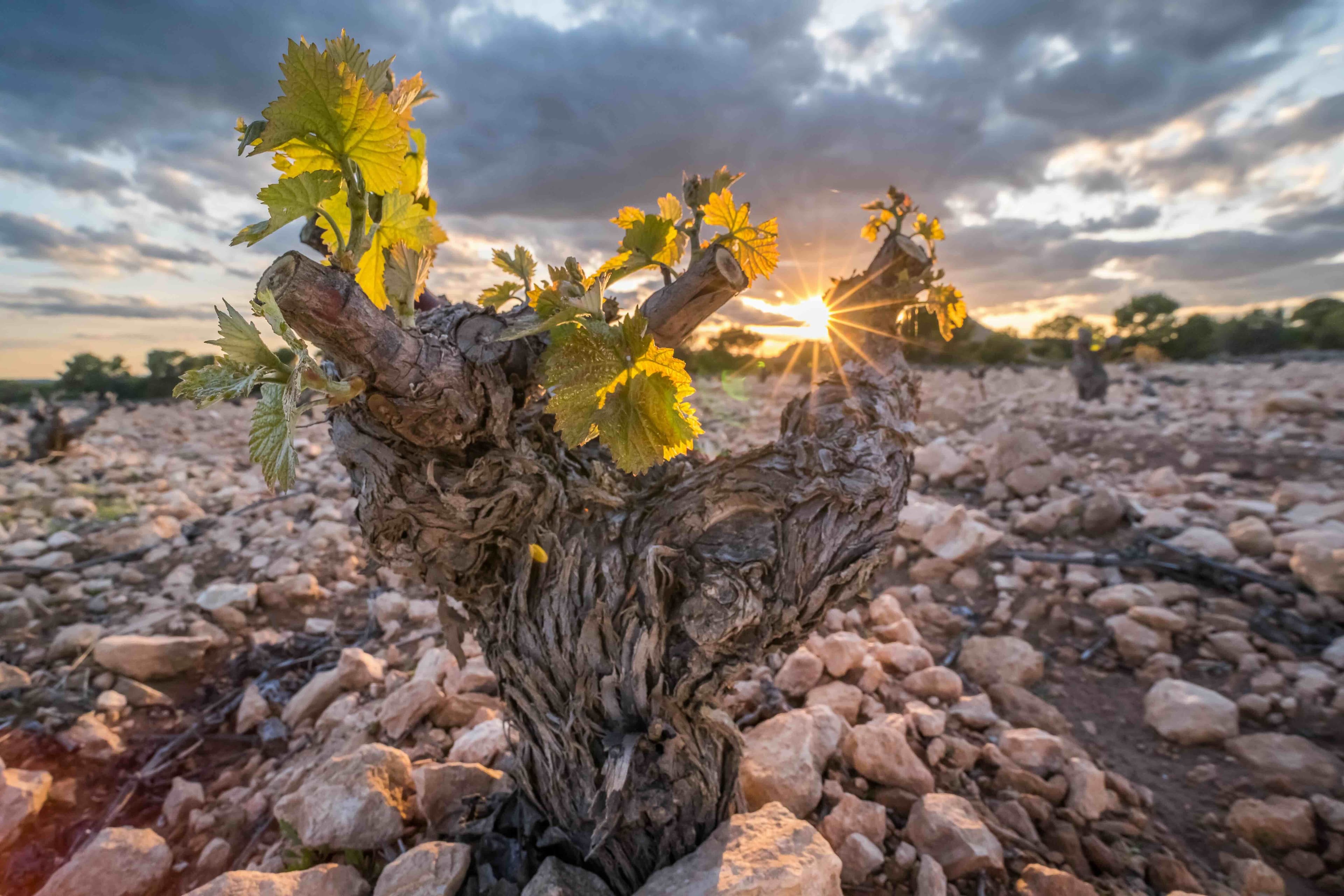
Murcia has historically been known as a fruit producing region. We could almost end the story there, but what is especially interesting is that this agricultural past may have helped prevent the spread of phylloxera. As a result, Murcia still holds parcels of ungrafted vines producing wines from original vitis vinifera roots. This rarity alone is worth exploring.
Murcia sits between Valencia and Andalucia, with easy access to the Mediterranean. Although Murcia also grows other red varieties such as Garnacha, Cabernet Sauvignon, Merlot, Tempranillo, and Syrah, Monastrell is the predominant grape variety, producing robust and deeply coloured wines. Murcia’s three featured PDOs, Jumilla, Yecla and Bullas stretch across the northern and central areas of the region and each offer a distinct expression of Monastrell.
White wines, although produced in smaller quantities, are noted for their freshness and aromatic profile. They are made from Macabeo, Airén, Chardonnay, Viognier, and Verdejo, resulting in fruity, floral wines with good acidity.
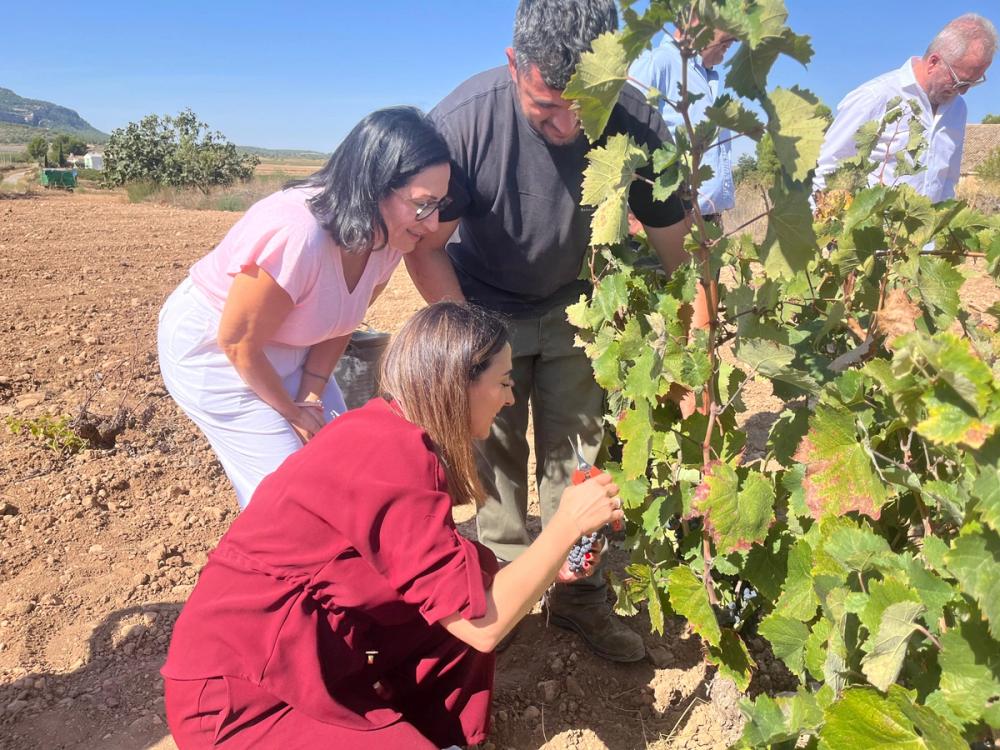
Sara Rubira, Murcia's minister of agriculture, sees the UK as a key export market for its wines
Jumilla: tradition, altitude and ungrafted heritage
Jumilla, around 80 km from the Mediterranean, is one of Spain’s oldest DOs, officially recognised in 1966. It spans 22,500 hectares, supported by 1,800 viticulturists and around 40 wineries, the majority of which are organic.
Its continental Mediterranean climate brings hot summers, cold winters and minimal rainfall, with altitudes between 400 to 900 metres. Limestone, sandy and gravel soils help maintain acidity and reduce disease pressure, and they also appear to be inhospitable to phylloxera. Thanks to this, 800 hectares of Monastrell remain ungrafted, producing concentrated, pure wines with considerable depth.
Monastrell dominates the region, around 70% of bush vines, generally dry farmed and organically managed. Airen and Macabeo also appear.
Yecla: the export powerhouse with a fresh edge
North-east of Jumilla lies PDO Yecla, one of Murcia’s most export driven municipalities. An impressive 85% of its wine production reaches 50 countries.
Altitude ranges from 535 to 870 metres, with the same continental Mediterranean climate – long cold winters, very hot summers and roughly 300 mm of rainfall. Soils are mainly limestone with carbonates and sandy clay formations. Monstrell is dominant again.
Bullas: cooler, higher and intensely terroir driven
At the centre of Murcia sits Bullas, the youngest PDO, established in 1994, with 13 wineries and 170 growers. The climate is slightly more Mediterranean than in Jumilla or Yecla but temperature variation remains significant, at times up to 20°C.
Vines are traditionally trained in goblet form and dry farmed, with hand harvesting as the norm. Bullas focuses on complex, quality red wines mainly made with Monastrell, with small but notable production of whites and rosés.
Tasting highlights
The masterclass focused on organic wines, which were of really good quality. In addition, I have managed to spare some time for walking around tasting, and I was not disappointed. Notable wines are mentioned below. Generally speaking though Bullas wines in general are much more terroir-driven, at least the ones I have tried. Yecla is definitely leading in experimental and fresher profiles of wines, dedicated to drinking now rather than ageing. Jumilla wines are more complex and elegant.
Jumilla selections
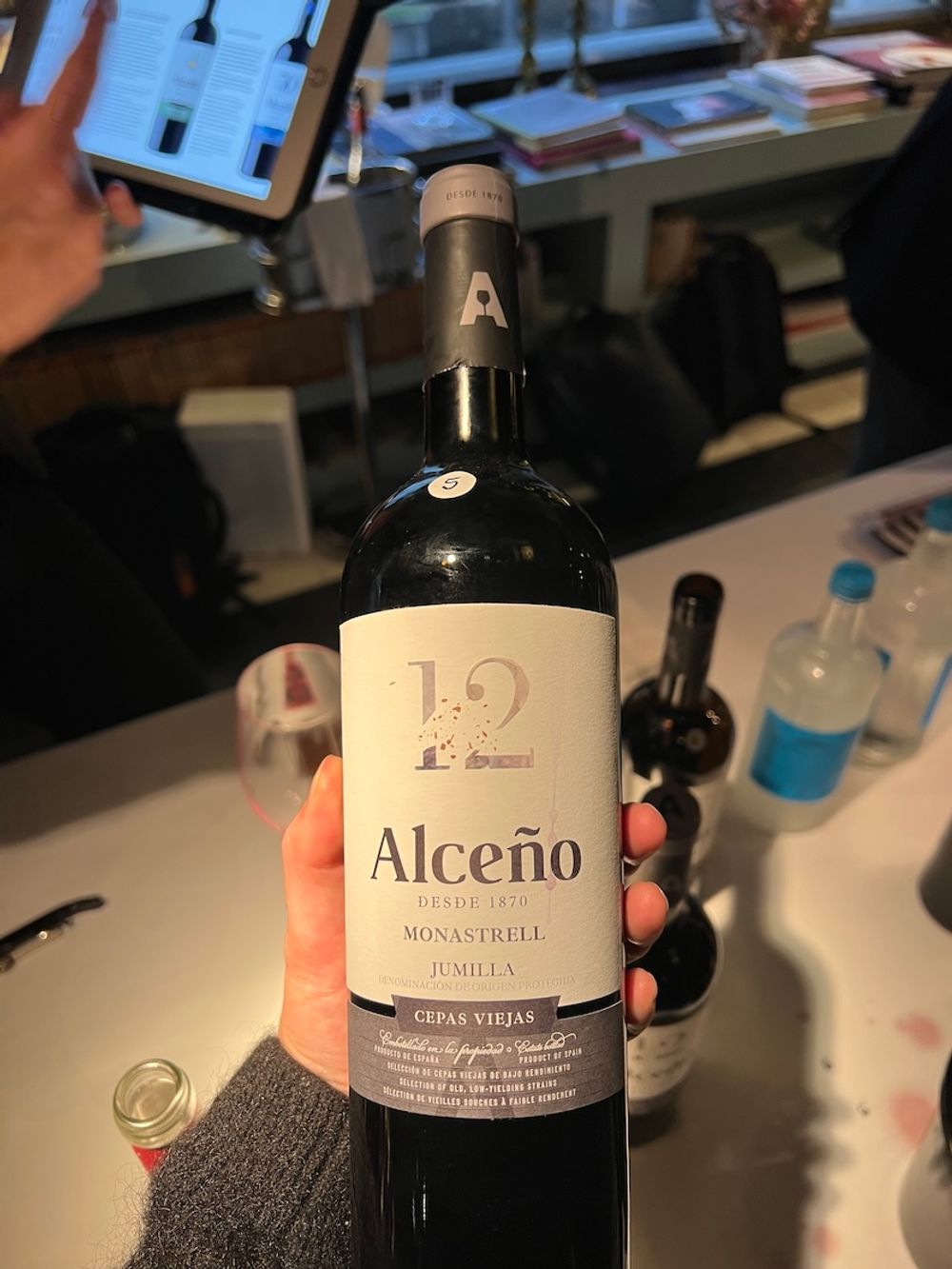
Bodegas Alceño, Alceño 12 Old Vines 2022 (Organic)
85% Monastrell (ungrafted), 15% Syrah & Garnacha Tintorera
Quite elegant, a subtle expression of Monastrell, full of refreshing notes on the palate. The winemaker is playing with American and French barrels, and the results are very enjoyable. Distributed by Vindependents.
Bodegas Carchelo, Muri Veteres 2021
100% Monastrell
I very much liked this wine. Very different to the Alceño: more fruit-driven, with more temperament. Lovely cherry notes. 60-year-old vines.
Bodegas Luzón, Luzón Colección Monastrell 2024 (Organic)
100% Monastrell
I liked it very much. Elegant, intriguing, with a long finish. Distributed by Ellis Wines.
Silvano García, Etiqueta Negra 2022
100% Monastrell
Reminiscent of Pinotage with an earthy, smoky character. Distributed by Richard Solomon Fine Wines.
Casa de la Ermita Blanco 2024 (Organic)
55% Viognier, 40% Chardonnay, 5% Macabeo
Presented as one of the white wines at the masterclass and I must say it was my favourite. Refreshing, with good acidity, lemon-driven, quite mineral.
Casa de la Ermita Parcela Los Pinos Organic Monastrell 2023
100% Monastrell
This is the top cuvée of Casa de la Ermita, and all I could say was chapeau bas. The best wine across the tasting. Beautifully complex, with cherry and forest floor aromas and a strong influence of terroir. I would love to see this wine served in the UK.
Yecla selections
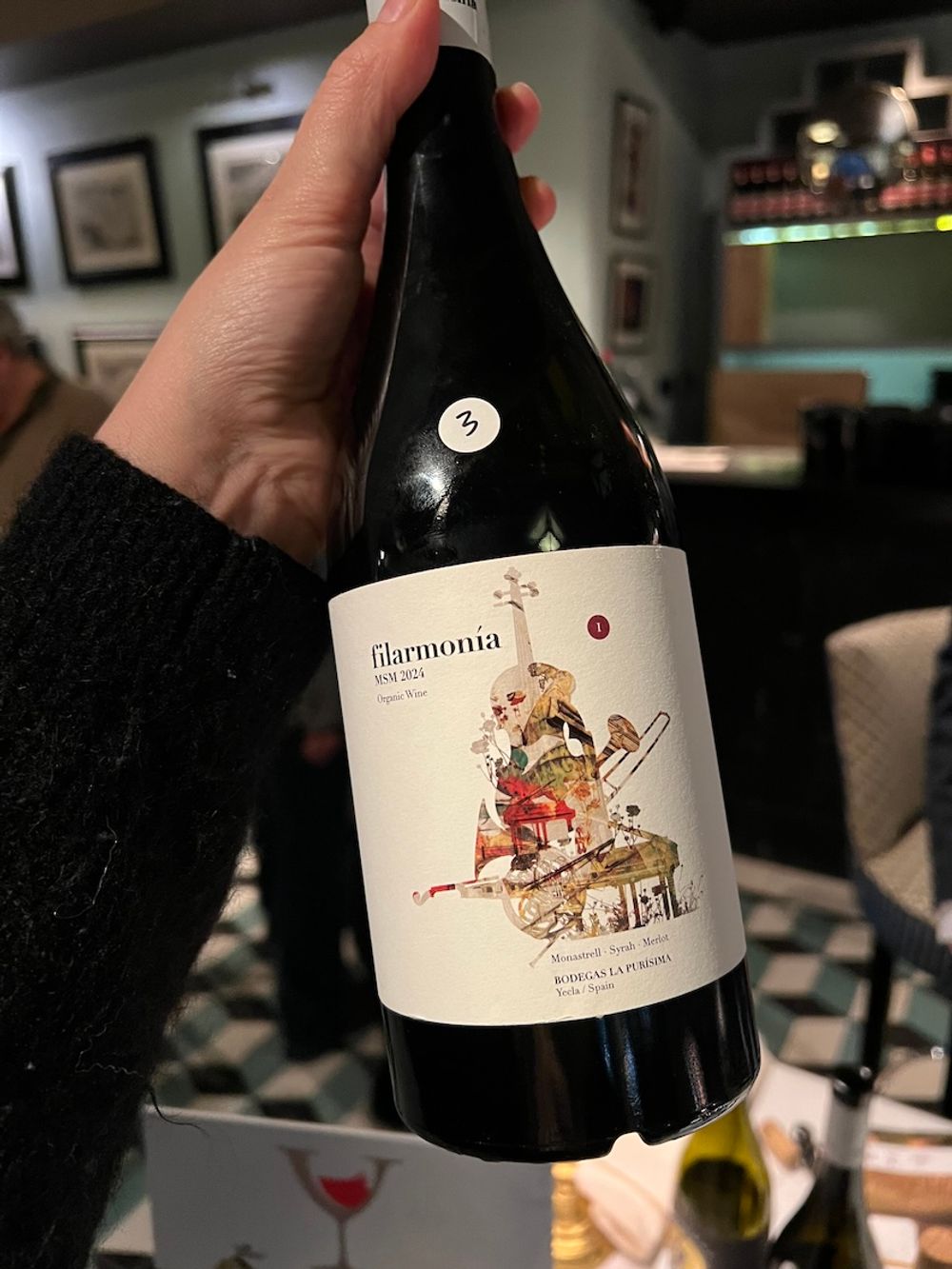
Bodegas La Purísima, Filarmonía MSM 2024
34% Monastrell, 33% Syrah, 33% Merlot
A young wine, joyful and fruity, and I very much enjoyed it as it was. Not complex, just perfectly approachable. Distributed by Stone, Vine & Sun.
Bodegas La Purísima, Old Hands Roble 2022 (Organic)
100% Monastrell
Another example of Monastrell: more earthy and with more tamed tannins thanks to the oak influence. Great acidity and a really long finish. Distributed by De Burgh Fine Wines Ltd.
Bullas selections
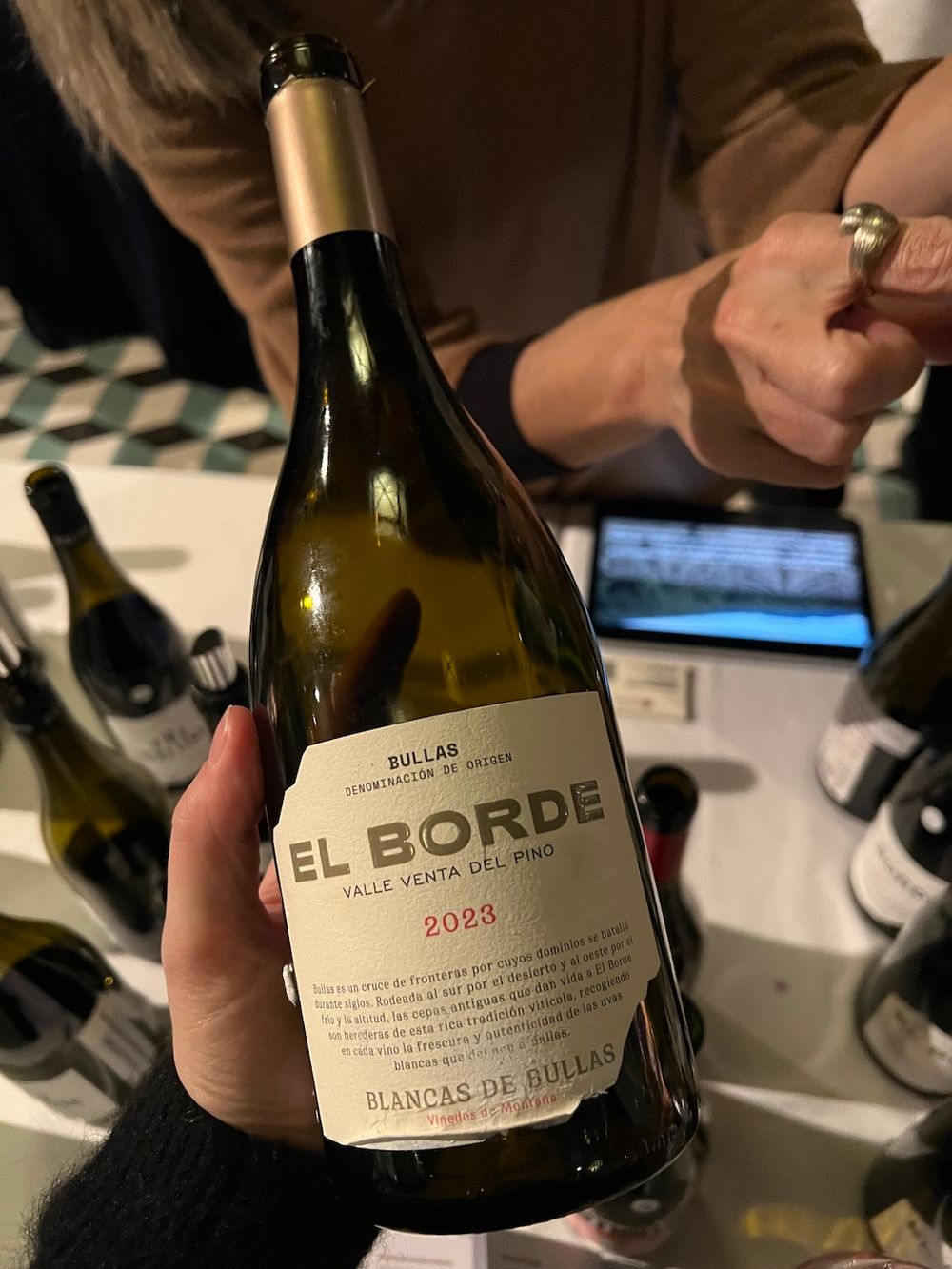
Bodegas del Rosario, El Borde Blancas 2023
45% Macabeo, 45% Malvasía, 10% Airén
It was fabulous. I did not expect acidity nor any interesting notes, and I was pleasantly surprised with how refreshing and mineral it was. Distributed by Oakley Wine Agencies.
Bodegas del Rosario, El Borde Monastrell 2020 (Organic)
100% Monastrell
Mineral, earthy and reminiscent of the forest floor. It stood out. Distributed by Oakley Wine Agencies.
Bodegas Lavia, Fincas de Lavia Paso Malo 2021
100% Monastrell
From vines older than 70 years. Complex and distinctive.
Why Murcia is becoming relevant now
The most compelling story Murcia can tell is that of its ungrafted vines. Not only is the surface area significant, but the wines they produce are genuinely exciting. Old vine depth gives Murcia a distinctive selling point.
Equally important is the region’s commitment to organic viticulture. Many producers are already certified and more are joining each year. These elements should drive Murcia’s identity far more than affordability.
As Peter Richards MW asked throughout the tasting: Are you excited? Are these wines exciting? I think we should be asking ourselves these questions when selecting wines for broader consumers, rather than relying solely on affordability.
Is it worth investing?
I still think that Spanish wine in the United Kingdom suffers from a perception problem – consumers often associate it with low prices, and the trade can unintentionally reinforce that view. Yet Murcia’s opportunity lies in authentic quality and perhaps focusing on the unique strengths of the region will help reshape perception and prejudice.