
If wine-focused pub quizzes existed (and they should, frankly, despite the woeful wine offerings at my Hampshire local) a question you might expect is “what is Italy’s largest wine producing region?” Not Sicily, as you might expect, given that it is the Med’s biggest island, and not Puglia, home to Primitivo and much else besides. And not Tuscany despite its huge international reputation and well-regarded DOCGs.
Nope, the answer is that famed home of Prosecco, Pinot Grigio and Valpolicella… Veneto. Although figures from this year’s generally good harvest have yet to be compiled, Veneto’s 100,000 hectares, comprising 29 DOCs, 14 DOCGs and numerous IGPs, typically produce around 12m hectolitres of wine a year. Much of this is familiar to British wine lovers, including Gavi, Soave and even lesser-known wines such as Lugana and Custoza, but a lot of it really isn’t, including a DOCG and DOC I was introduced to recently by the Italy-based PR agency, Studio Cru.
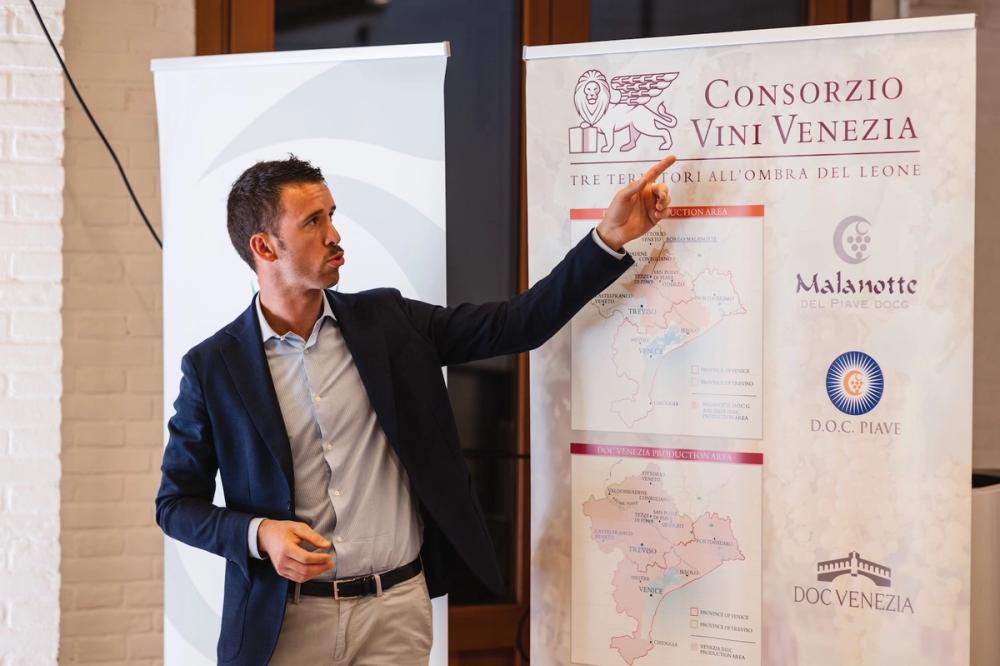
Steffano Quaggio, director of Consorzio Vini Venezia
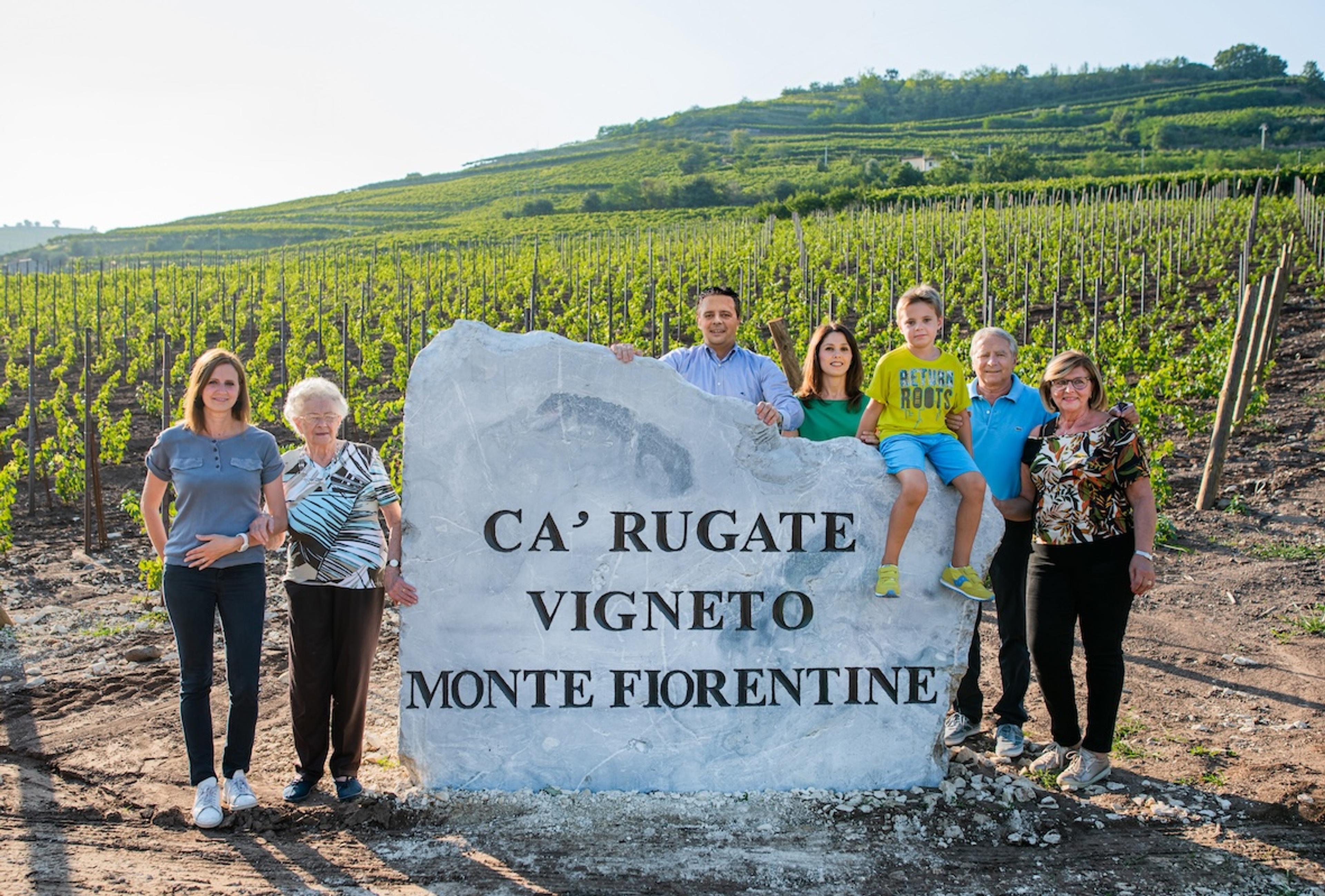
Lison DOCG only won that status 15 years ago and is one of Italy’s smallest and least known DOCGs, typically producing just 120,000 bottles a year from 44 mainly flat hectares, located to the east of Venice and Treviso. Indeed, in a country that is flush with wine Consorzios it doesn’t have its own but remains one of five other even less renowned appellations looked after by the Consorzio Vini Venezia.
Quality is key here especially for the Classico wines produced, all mainly whites made from the Friulano grape variety, known locally as Tocai until Hungary won exclusive rights to that name in 2007.
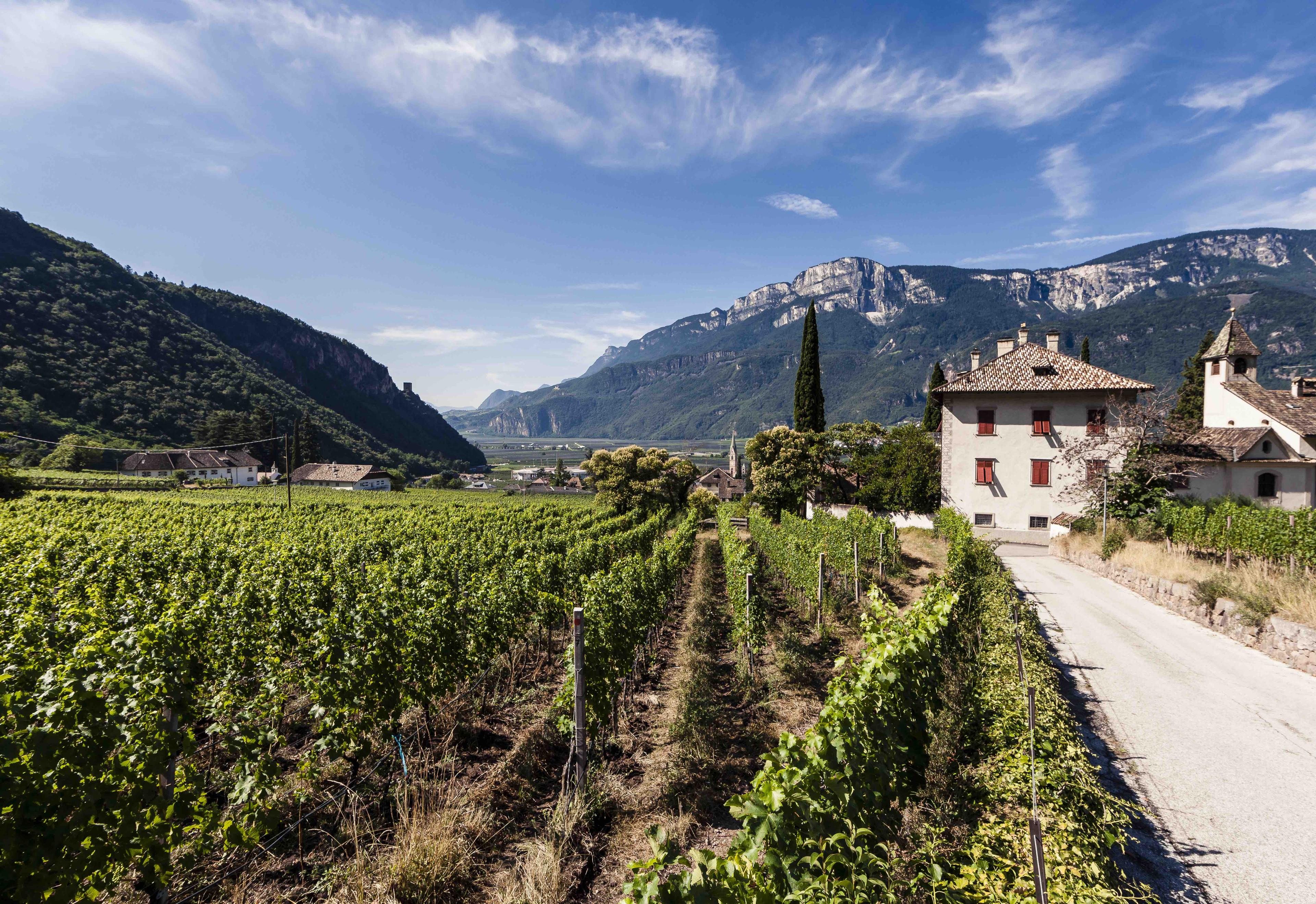
Vini Colli Berici DOC is a very different animal. Located just south of Vicenza with limestone soils it is a hilly region devoted mainly to red wines, which comprise over 70% of production; in fact the area is probably best known for architect Andrea Palladio who gave his name to Palladium and whose striking works still dot the area.
Mainstream international varieties are grown well here going into varietal wines and blends, alongside Carmenère and Colli Berici’s main calling card, Tai Rosso, a local clone of Grenache. Unlike Lison, this is quite a large area with around 600 ha under vine, 850 growers and typically around 2 million bottles a year produced.
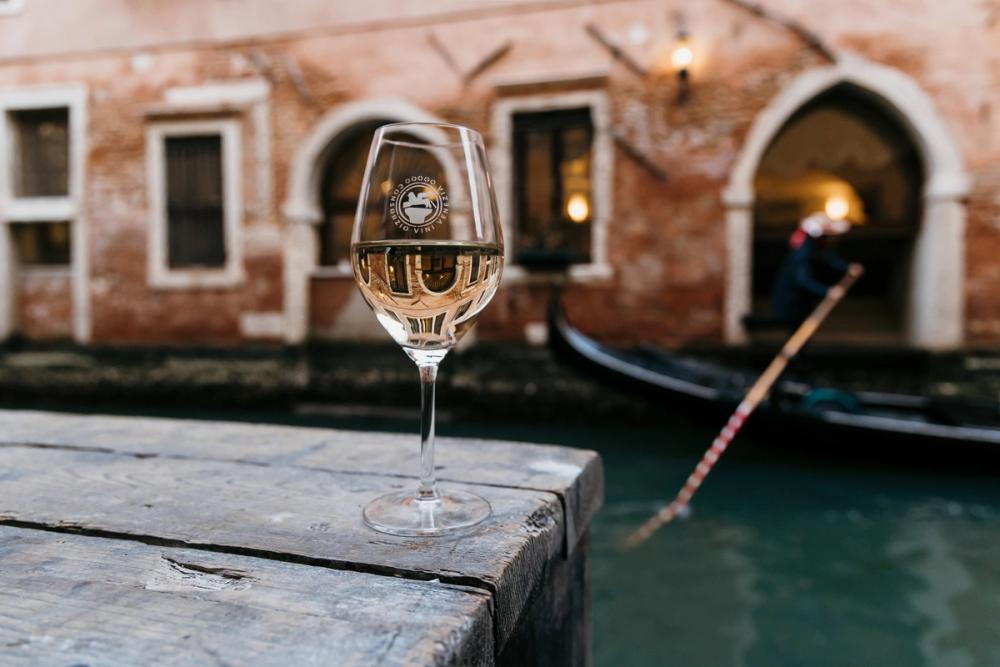
Sapidity and minerality connect the wine to a region shaped by the Dolomites and Venice.
Is there a future?
So, given the low profile of these two appellations and the wines, do they have a future on the British market?
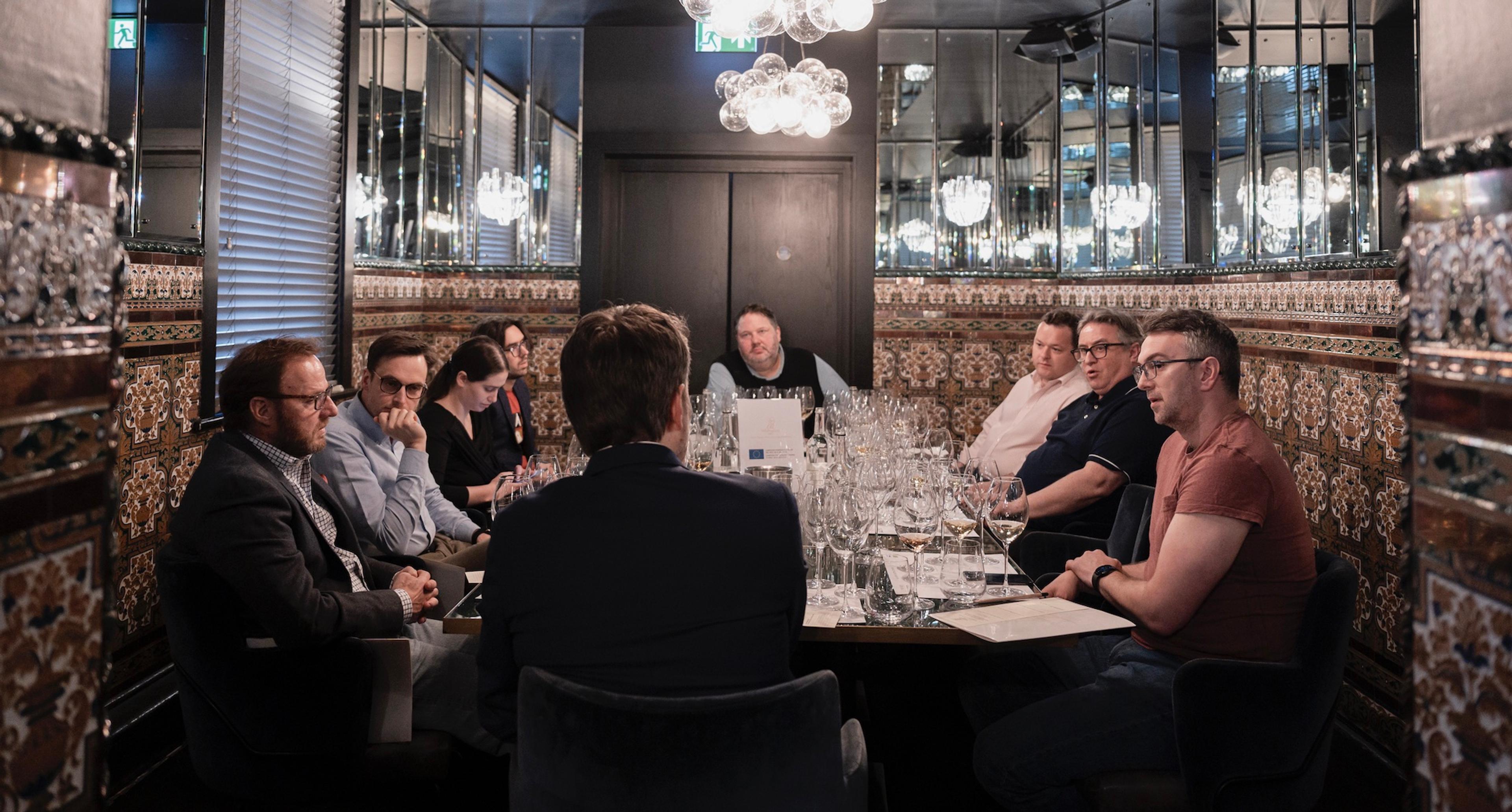
I tasted through some of the wines and spoke to the heads of the respective Consorzios, asking what they think makes their wines stand out.
Steffano Quaggio, director of Consorzio Vini Venezia argues the wines’ freshness and accessibility are major plus points, alongside their quality, of course.
“The wines we tasted together may have different nuances, but our producers have been working hard over the years to improve. Lison Classico DOCG is typically priced at an accessible level for the entire supply chain… producers have dedicated time and made careful viticultural and oenological choices to make quality, complex, and contemporary wines.”
He says Friulano has proved a successful variety, with a history dating back at least 150 years when it first arrived from Burgundy; it makes the best of the location – between the Dolomites and the Adriatic – and mineral rich, calcium carbonate soils.
“The aromaticity, while not explosive or sometimes cloying like that of more famous aromatic varieties like Muscat, and balanced alcohol allows us to produce wines that reflects the terroir. Sapidity and minerality connect the wine to a region shaped by the Dolomites and Venice.”
So how were the Lison DOCG wines?
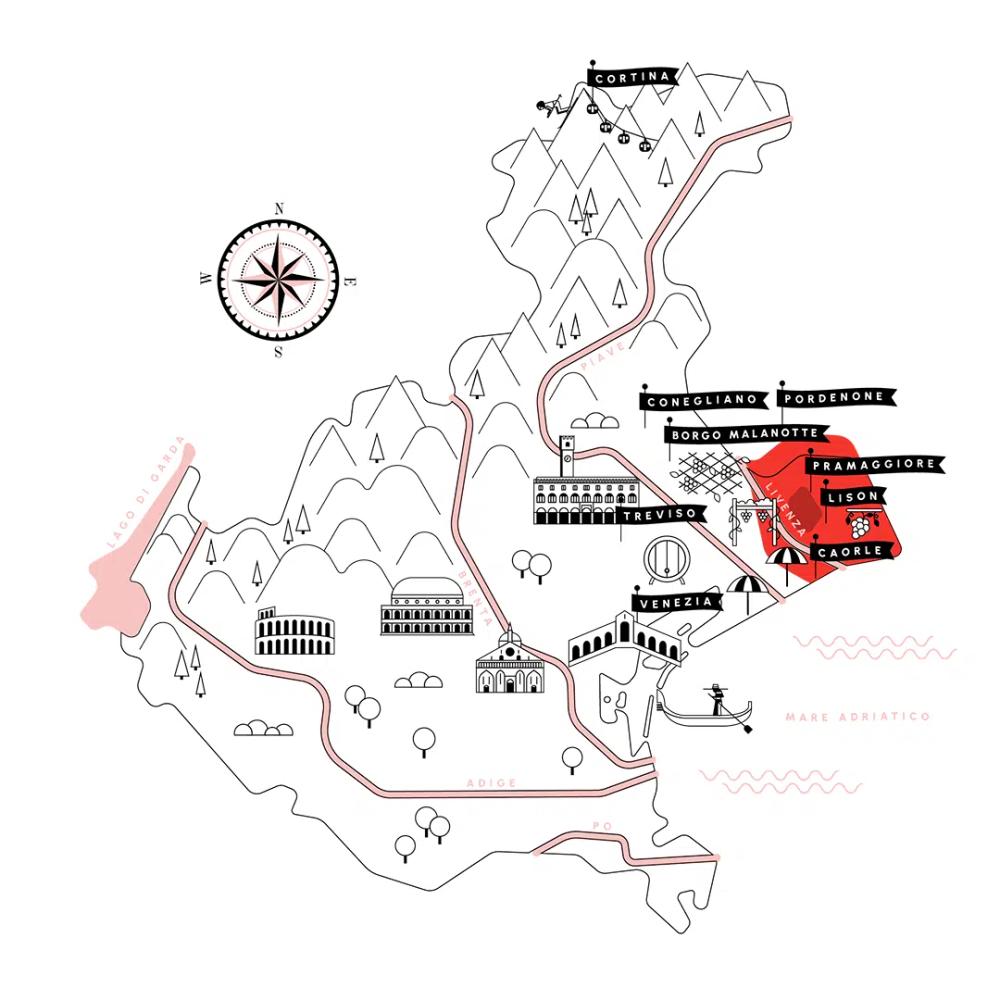
I tasted four very different iterations of Friulano:
Savian Lison DOCG Classico 2024
Villa Bogdano 1880 Lison Classico 2022
Borgo Stajnbeck 150 2023
Ornella Bellia 2023
all wines made by key producers, all 13% except the last which clocked in at 14%; all organic/in conversion.
The Savian made by a producer which celebrated its centenary this year was very appealing, quite linear and direct in style, fruit driven but with vanilla notes and suggestions of honey on an otherwise dry palate.
The Villa Bogdano is made by a producer whose origins are in the Hapsburg Empire (hence the 1880) and with vines dating back to 1943, grapes from which go into this wine, and shows very differently. The focus here is on elegance and sapidity, mineral driven but with complexity and depth on what is a long, almond and peach finish.
The Borgo Stajnbeck 150, so named to commemorate a century and a half of Italian unity, has clearly seen long lees-ageing. This wine is still evolving and has several years ahead of it but shows very well now, with pleasing richness and salinity on the finish.
The Ornella Bellia is different again, much richer and more full-bodied in style, somewhat in the direction of an Alto Adige Gewürztraminer, with some oak but retaining exotic fruit on the palate and a definite sense of place. Moreish too.
So, what would it take to get these wines to appeal to British consumers?
Quaggio says the potential is clearly there: “These are contemporary wines, historically tied to the winemaking culture that Venice has handed down over the centuries and that our winemakers have successfully embraced. These wines, sometimes simple and sometimes more complex, can be enjoyed on any occasion.”

Steffano Quaggio, director of Consorzio Vini Venezia argues the wines’ freshness and accessibility are major plus points, alongside their quality, of course.
And what of the wines from Vini Colli Berici DOC?
According to the Consorzio, 25% of wines are exported and production has been rising, although growers have been challenged by flavesence doree, one of the most serious vine diseases which is rife here and wiped out much of the 2023 harvest. Climate-related, rising alcohol levels are also an issue with wines now typically 14% abv against 13% abv a decade ago.
Tasting through several wines, I was again struck by the diversity and high quality of the offering. The two Tai Rosso wines – Corallo 2021 by Cavazza and Tai Rosso 2023 by Pegoraro – were distinct, the former quite heavy and full bodied after six months in oak, the latter a lighter more fruit-driven wine but not at all insubstantial: both have soft tannins, boosting their drinkability.
Inama’s Carminium 2021 – a producer better known for its excellent Soave – was interesting, very different in style to a Chilean Carmenere with a noticeable saline intensity on the finish. And the Colli Berici DOC Rosso Monopolio 2021 was a full-on, quite unusual blend of Tai Rosso, Merlot and Pinot Noir, checking in at 14.5% and frankly tasting it.
Giovanni Ponchia, director of the Colli Berici Consorzio, argues that his region deserves to be better known.
“Its’ viticultural vocation is undeniable, especially when it comes to red wines. This has led to investment from outside the province, with producers from other areas seeking an ideal location to expand their range of wines with character and structure,” he says.
He admits it’s been hard for producers to break into the UK, with most exports going to German-speaking countries and Eastern Europe.
“I think in these countries there's great curiosity and openness to new wine regions,” he says.
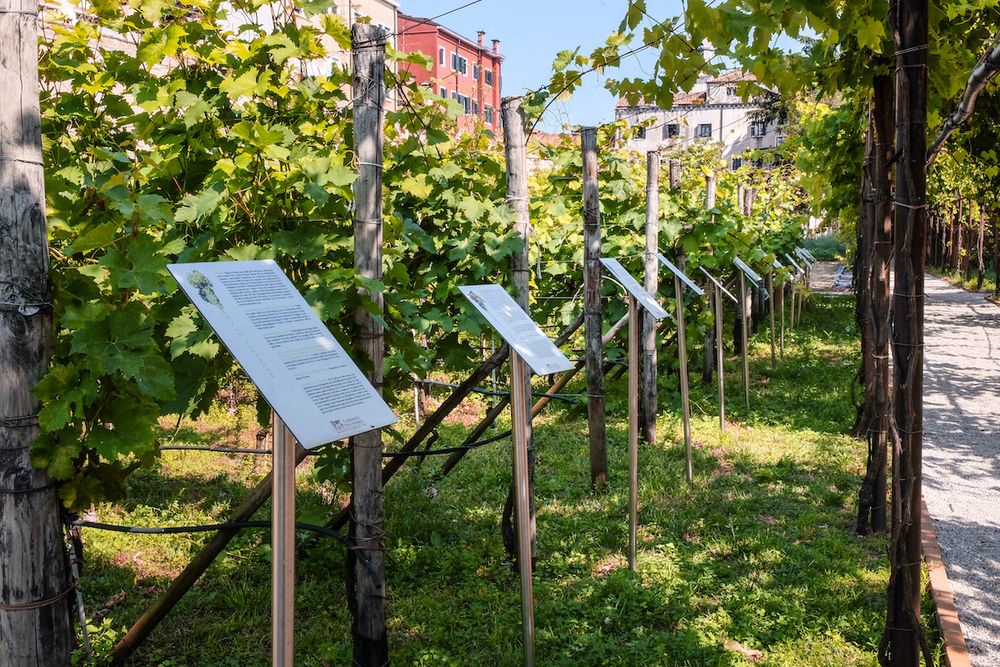
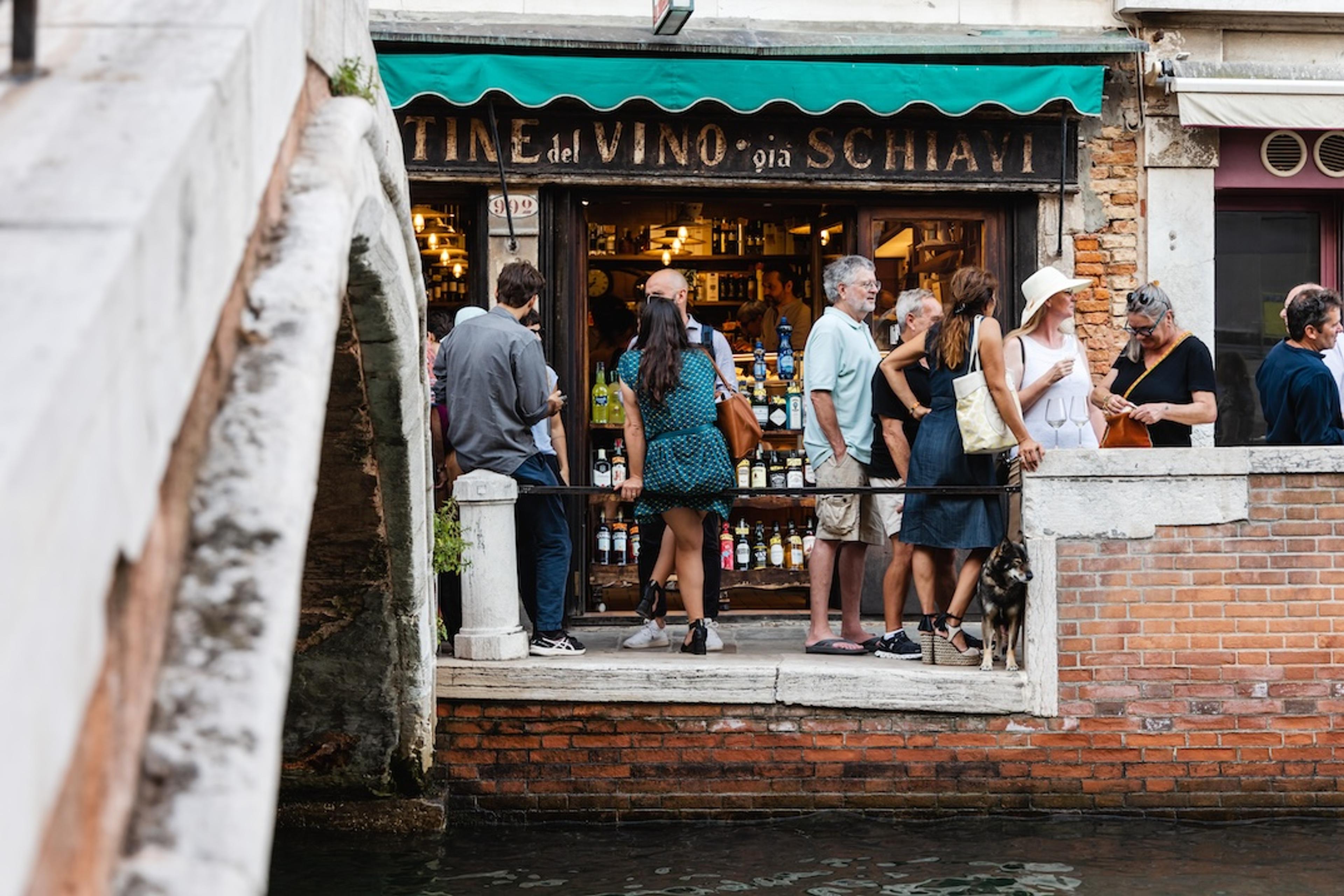
The Giardino Mistico has vines growing in the centre of Venice
So what is the outlook in the UK market for these two neglected regions?
With white wines from lesser-known regions in the ascendant right now, the Lison DOCG wines really should be able to find a home with an imaginative importer. It wasn’t just me who found them very appealing, my colleague Keith Grainger, who was also at the tasting, was positively ecstatic.
“I’ve been in the wine world for much longer than I care to remember. Forty-four years to be precise. Perhaps unsurprisingly, moments of real excitement are now few and far between so it is exceptional when I discover wines that give me the thrill of new love,” he wrote after the tasting.
“These wines had a delightful nuttiness, and the lovely saline minerality that are trademarks of high-quality wines from this part of Italy.”
But the wines from Colli Berici DOC also have their appeal, especially the Tai Rosso wines which demonstrate the diversity of Grenache, putting a local twist on the famously multi-faceted variety and meeting the current trend for lighter, less full-on wines. Ponchia echoes this.
“Sadly, there's not yet a significant presence of distributed Tai Rosso labels in the UK. But it can be an incredible wine in terms of versatility for pairings, a type that would certainly be appreciated in restaurants for its ability to accompany food without overpowering its flavours.”
And like the Lison DOCG wines, prices are keen with most producers selling their bottles for €12-18 in Italy, good value for such quality and terroir-driven wines. The fact many producers in both regions are sustainable, family run and often with a long history behind them, increases their appeal.
We’re obviously a long way from these regions featuring in my fanciful pub wine quiz (that would be too much of a stretch) or getting onto supermarket shelves, but I do feel both have potential here. Genuine points of difference and a compelling story are key to success in the competitive UK market, and Lison DOCG and Colli Berici DOC wines have these in abundance.