
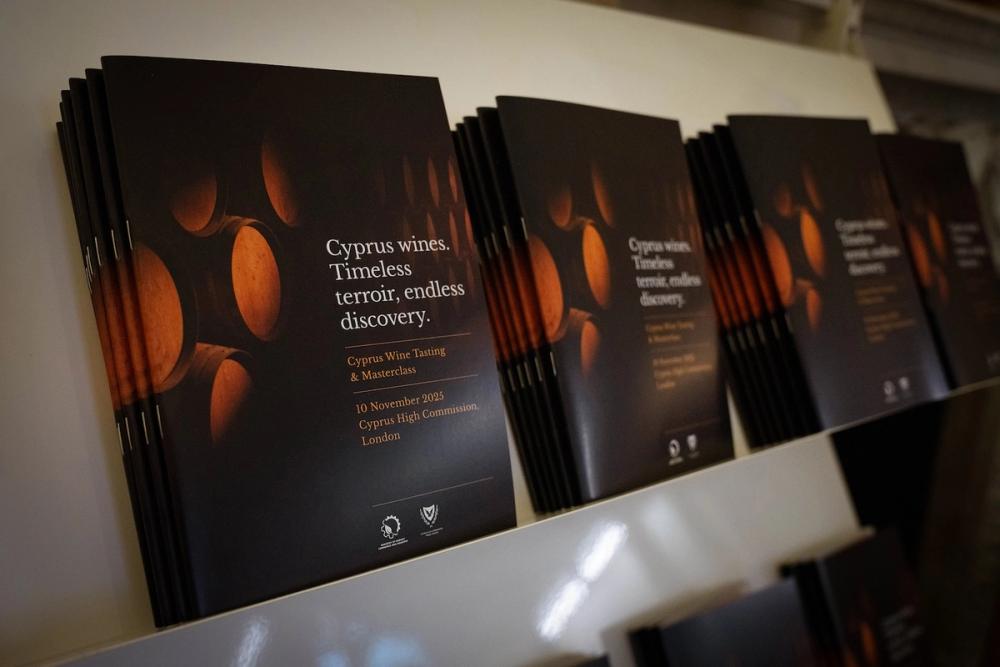
Before setting out for this tasting at the Cyprus High Commission in London, the gauntlet (doubtless one worn during the Crusades) was thrown down: “Find angles distinct from your previous writings on Cyprus wine.” Not one to shy from a challenge, I noticed the tasting book was promising “Timeless terroir, Endless discovery” and thought – not bad, but I can surely do better.
The beautiful-famed island of Aphrodite (also the island of Bitter Lemons, Lawrence Durrell’s account of the seething divisions that eventually led to Turkey’s fateful intervention and Division in 1974) has been making wines for more than 6000 years. But what makes them special?
Distinct from Greece
First, Cypriot wines are distinct from Greek, despite the cultural similarities which persist despite Greek Cypriots never achieving the Enosis they always wanted. There whites have led the transformation/modernisation of the past few years, led by the likes of Assyrtiko, Malagousia and Roditis. Here reds rule – led by Mavro, which translates as “black” although other ancient varieties notably Giannoudi and Maratheftiko are also becoming popular.
That said, with quality across the board (even as plantings have fallen, encouraged by EU grants to pull up vines), whites are becoming more prominent amongst the island’s 50 producers, unsurprisingly given that this is where today’s demand is.
Xynisteri is the most ubiquitous variety and although is fresh, zesty and capable of ageing well, it can also be quite dull in the wrong hands; interesting alternatives on the rise include Promara and, from Pafos, the wonderfully named and usually delicious Morokonella.
The importance of heritage
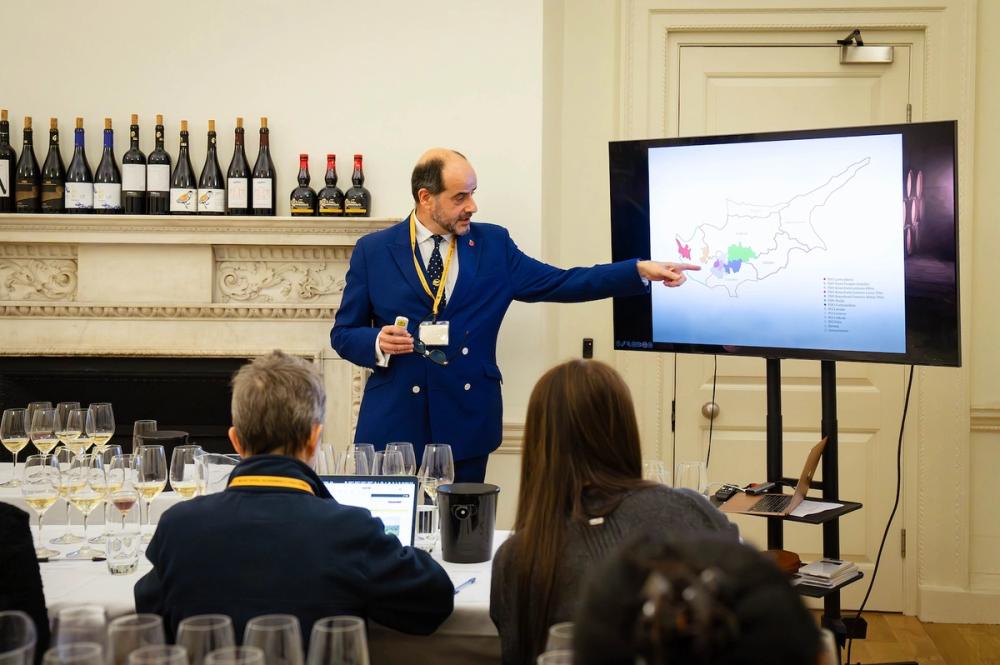
Second, Heritage is key. According to Demetri Walters MW, winemaking in Cyprus actually predates that in Greece, continuing through the Phoenician, Ottoman and British eras right up to the present day, with Commandaria – the sweet wine allegedly described by Richard the Lionheart during the Crusades as “the wine of kings, the king of wines” – still the jewel in the crown of many producer portfolios.
“Some of the grape varieties being rediscovered are millennia old, and would have been grown by the ancient Greeks,” says Walters.
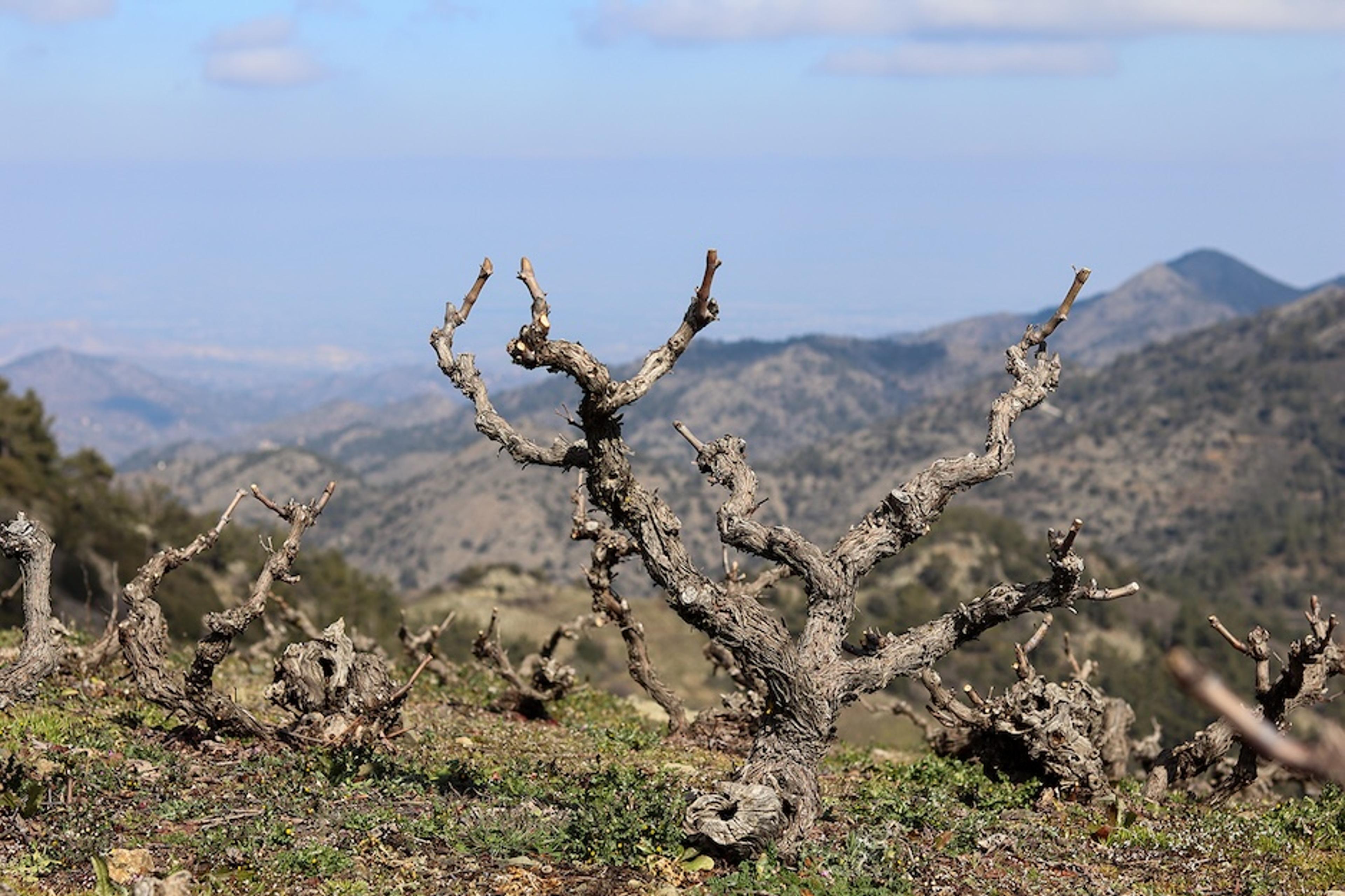
Old bush vines predominate – locals call vines younger than 40 years old “foetuses” to stress their youth – and being an island meant no phylloxera. Walters says that wine-wise Cyprus is part of the Levant region, along with Israel and Lebanon, although geopolitics has halted his project to write a book on the region’s wines with Adam Montefiore covering Israel and Michael Karam, Lebanon.
Like those two countries Cyprus fell heavily for French varieties, notably Syrah, Merlot and Chardonnay –unlike them, Cyprus is moving decisively away and rediscovering native varieties, including those mentioned in the paragraph above.
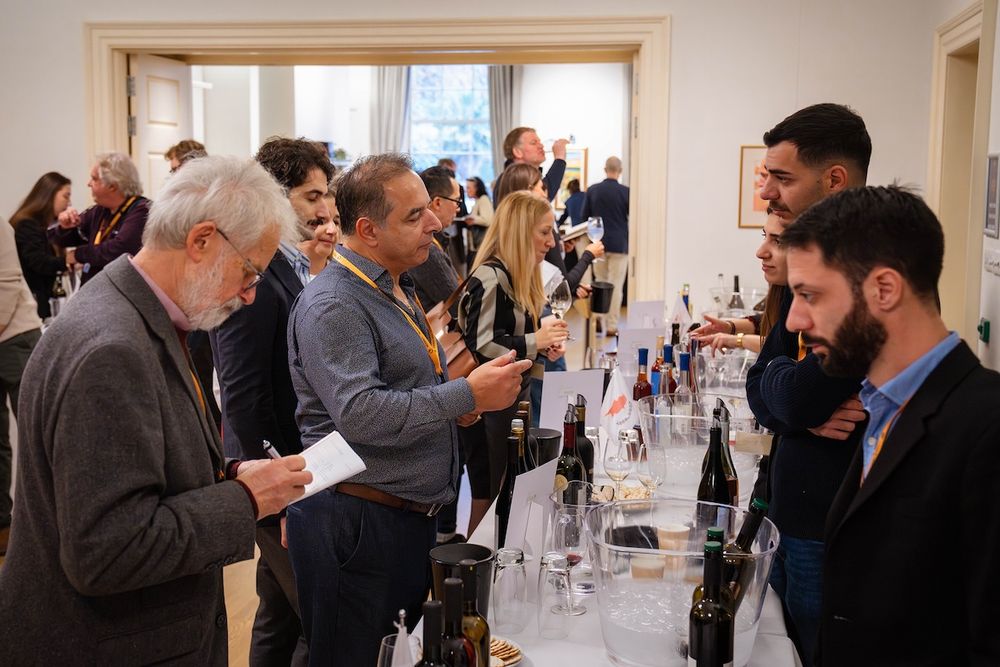
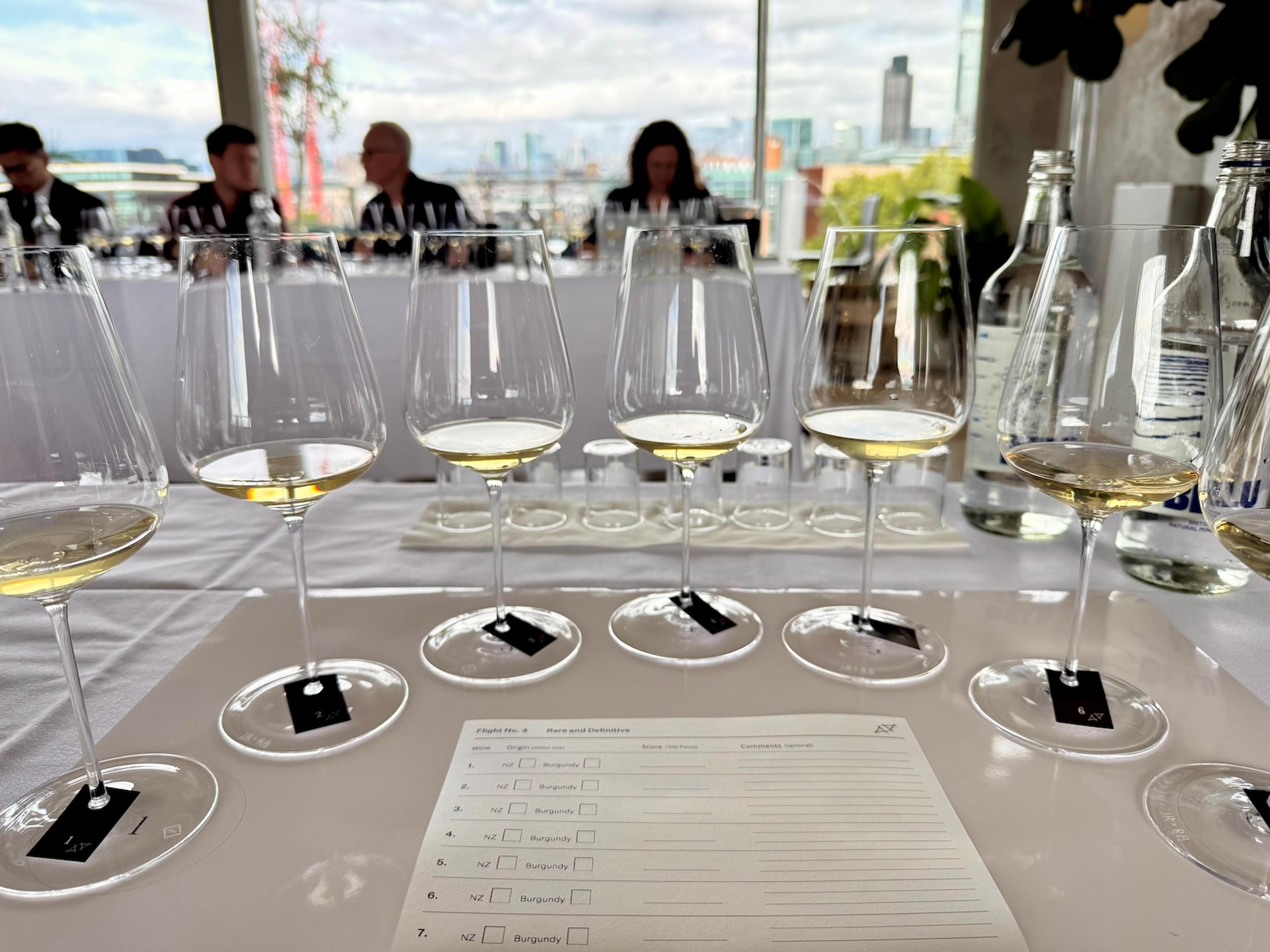
Tasting in full swing. London, November 10, 2025
Height is also key
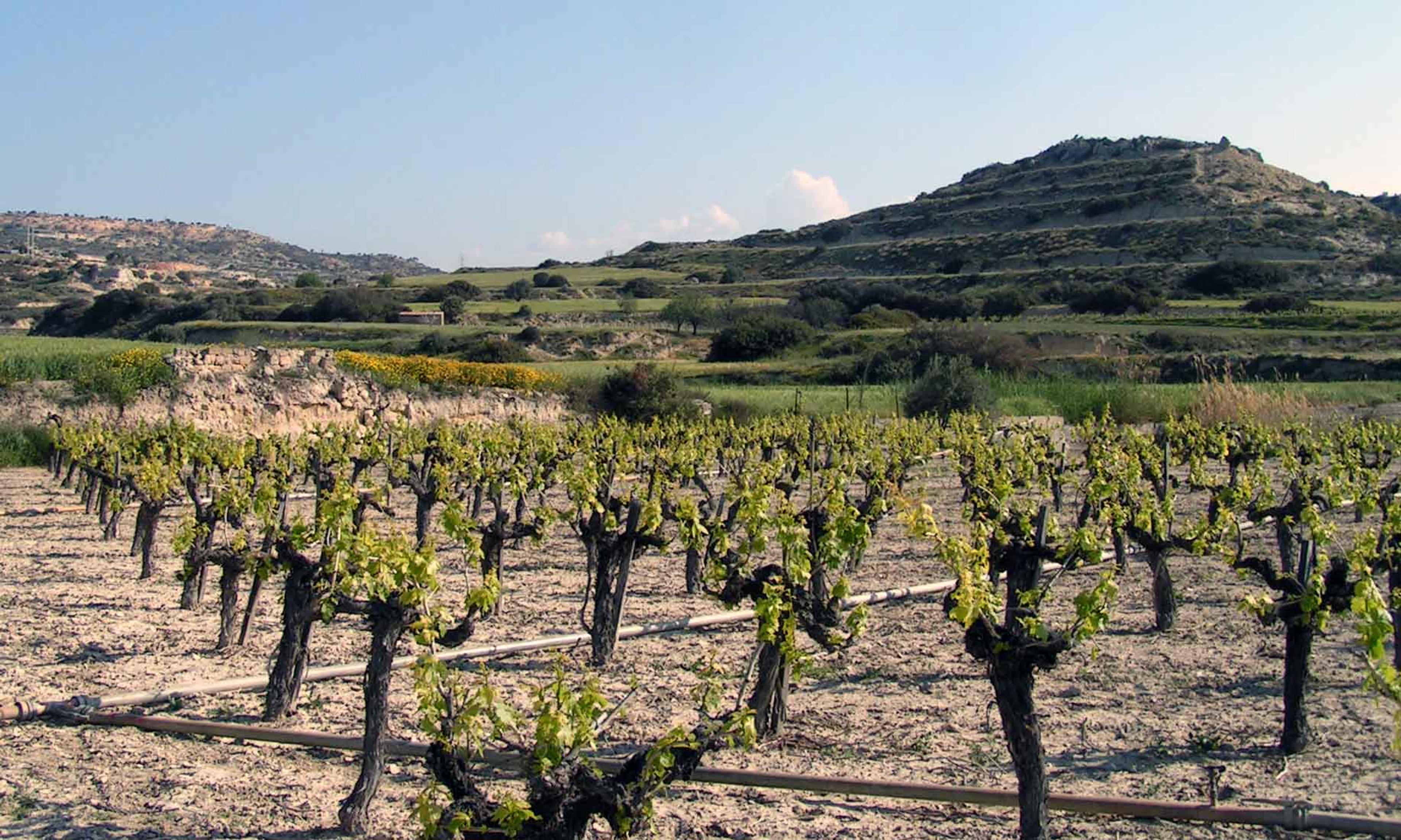
Third, as elsewhere in the Levant, Altitude is fundamental to winemaking. Back in the bad old days when Cyprus was focused on quantity (much of it made by the Big Four producers (Etko, Loel, Keo and Sodap, and sent in bulk to the Soviet Union), wineries were located on the broiling coast where temperatures can top 40·°C.
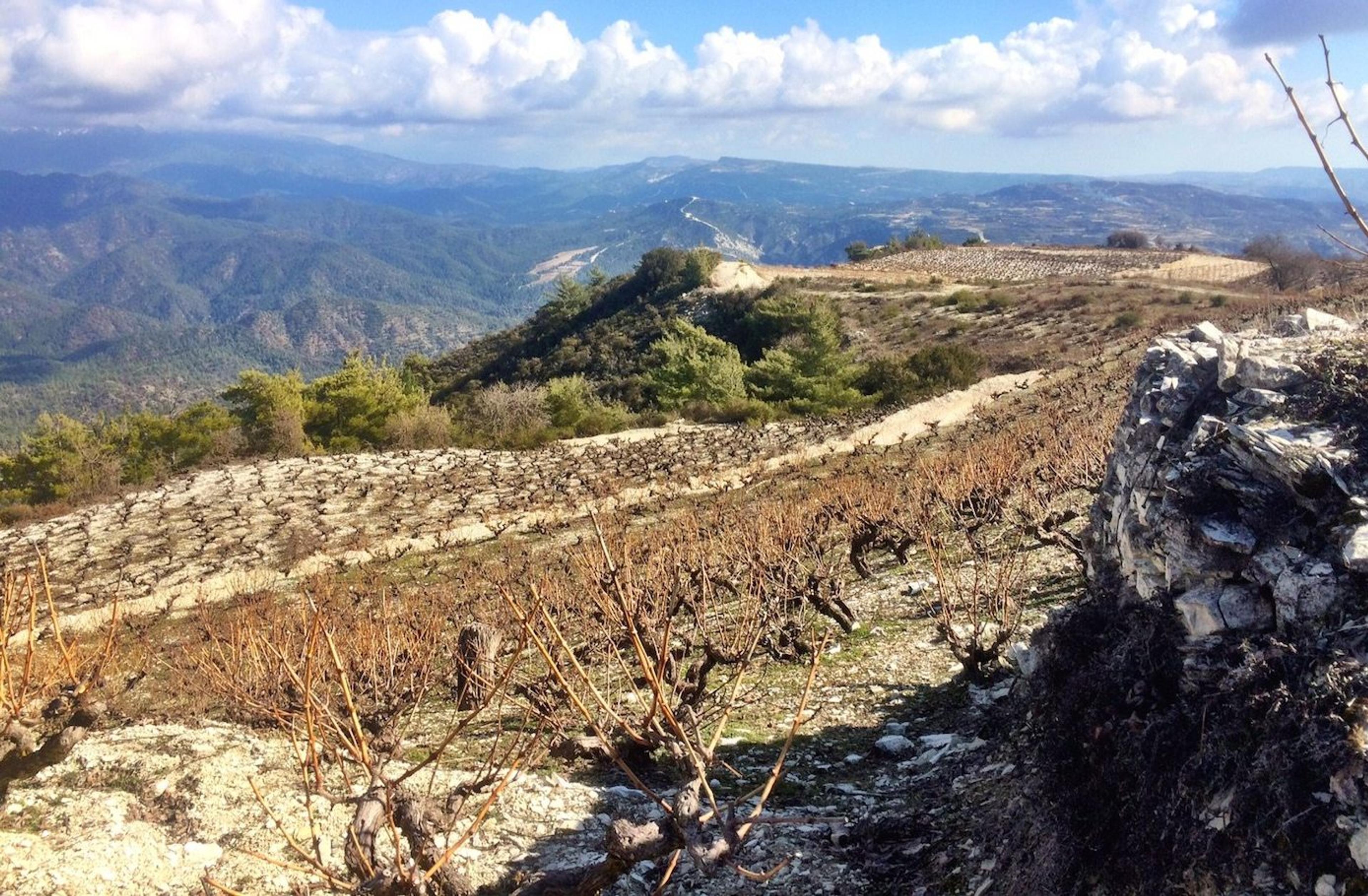
Today, most wineries operate inland including in and around the Troodos Mountains where a chronic shortage of water is at least partially mitigated by the cooler temperatures enjoyed by what are Europe’s highest vineyards. Kyperounda winery is located at 1200m making it amongst the world’s highest whilst Krasopoulin’s vineyards stand even higher, at 1500m. Many of the newer producers are basing themselves in the Pafos region.
“It’s a little bit cooler, but in a hot arid country, a little is better than nothing,” says Walters.
The result… the kind of fresh, bright wines that are in vogue now, with lowish alcohol (typically 11-13%) that you wouldn’t expect from such a blistering climate.
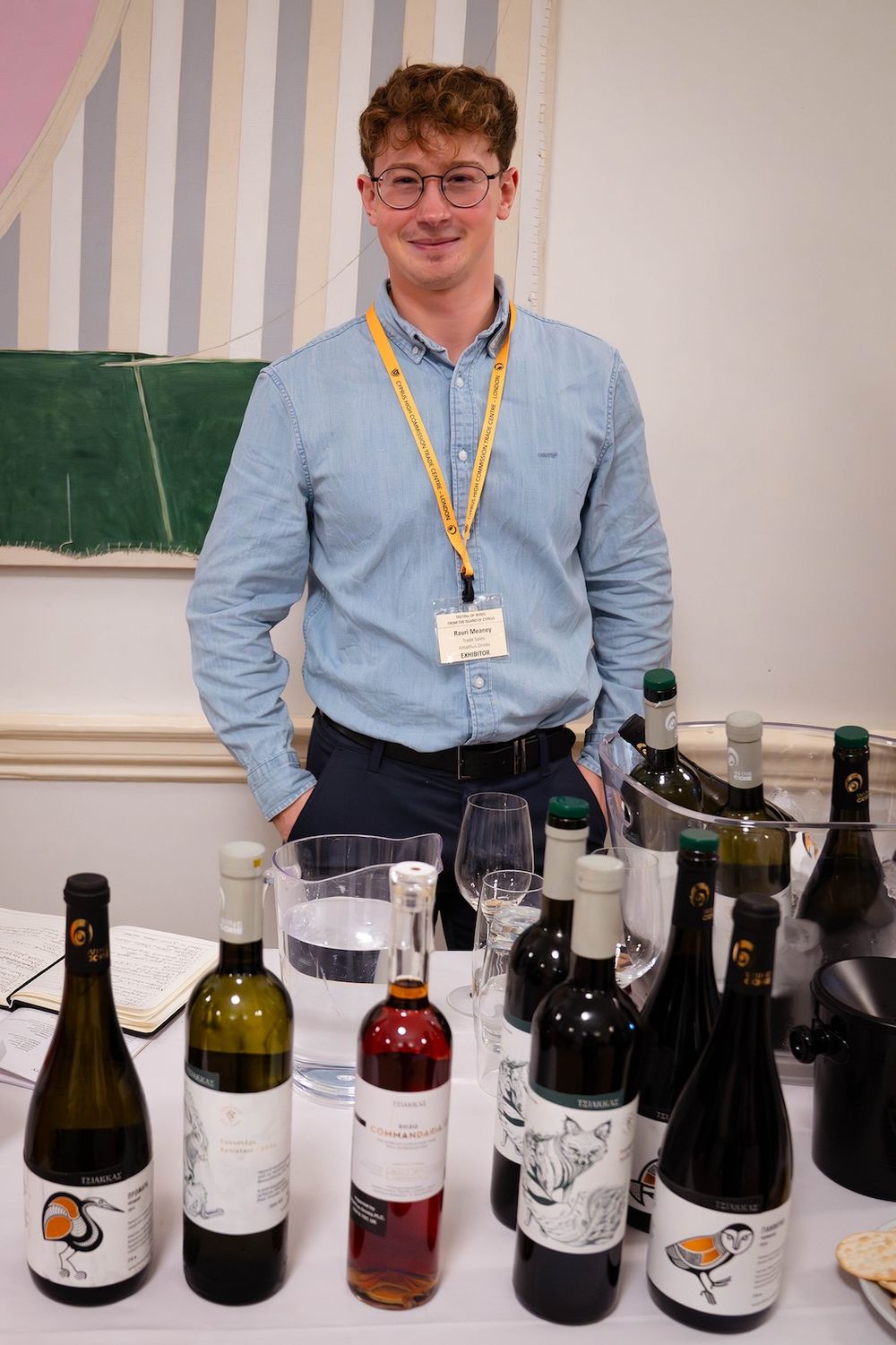
International grapes today tend to play supporting roles as in Tsiakkas Winery’s Porfyros 2024
Rising quality and innovation
Lastly, Quality and Innovation really are on the rise here.
“I can’t think of a wine producing country that has undergone such a renaissance,” Walters says, pointing to the move away from bulk and increasingly, from international varieties. Writing this I came across a Wines of Cyprus tasting booklet from March 2018 (my wife says I never throw anything away, natch).
The most notable difference from this 2025 tasting was the extent to which the likes of Cabernet Sauvignon, Merlot and Chardonnay no longer featured as prominently. Today, local varieties are being rediscovered, replanted and increasingly, revered.
International grapes today tend to play supporting roles as in Tsiakkas Winery’s Porfyros 2024, an appealing fruit-forward blend of Mavro, Shiraz and Grenache (Amathus Drinks). At the same time winemakers are experimenting, with ageing in amphorae a typical example of the new styles. I really enjoyed Makarounas Vineyards Amphora Promara 2023, a complex, rounded and textured interpretation of this moreish grape produced in a groovy, amphora coloured bottle (Bancroft Wines).
So aside from the above, which were my favourites from the tasting?
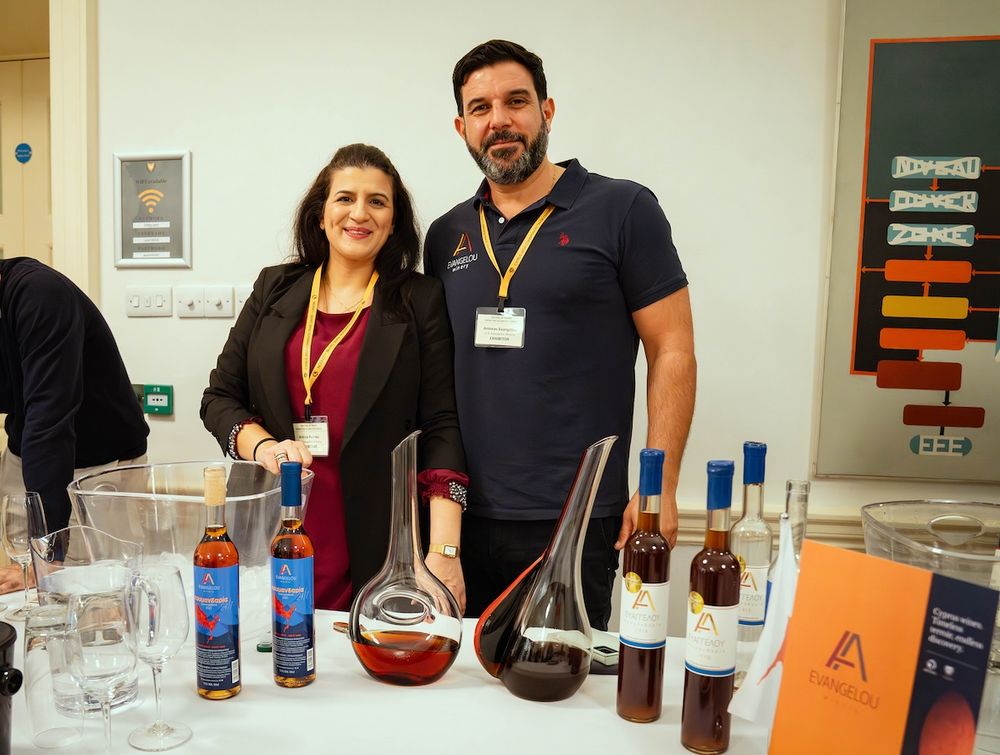
Evangelou Commanderia 2018
This Commanderia specialist uses white Xynisteri rather than Mavro – which some producers use – and the result is a rich, sumptuous and unctuous wine that really shows why this the Wine of Kings. Unfortified and amazingly just 11% alcohol. (Seeking UK representation)
Oenou Yi Vasilissa 2024
This new producer – est 2017 – in the highlands near Limassol has built a new state of the art winery with a 500,000 bottle capacity (but currently making 250,000 bottles) producing most of Cyprus’s indigenous varieties but Vasilissa is one you rarely come across even though it once was a staple of winemaking. A table grape and a young wine, the result is a complex, moreish wine with suggestions of peach and apricot on the palate. (Seeking UK representation)
Dafermou Morokonella 2024
Unusually based in the Larnaca region, established 2007 by a Crete based family, Dafermou works with all the main local varieties but this great expression of Morokonella stood out for me reinforcing my sense that this variety has great potential when made well, as here, with spicy cinnamon notes coming through on the nose and palate. Very moreish. (Seeking UK representation)
Makarounas Giannoudi 2023
This Pafos based producer – the only one on the island to own all its own vineyards (28 ha) - again makes the full range of varieties including an intriguing white Spourtiko 2024, a rare variety used to cross pollinate other grapes and so called because its thin skins can easily burst (hence Spourto, Greek for to burst). Here the wine is very acidity driven with suggestions of lime and green apple on what is a very dynamic palate. The red Giannoudi is at the other end of the scale, quite rich and generous, its 13.5% alcohol some of the highest at the tasting. Made with grapes from un-grafted vines, the wine spends 18 months in large oak barrels and another one year in bottle pre-release. Very satisfying, with dark berry and cherry flavours supporting a full palate. (Bancroft Wines)
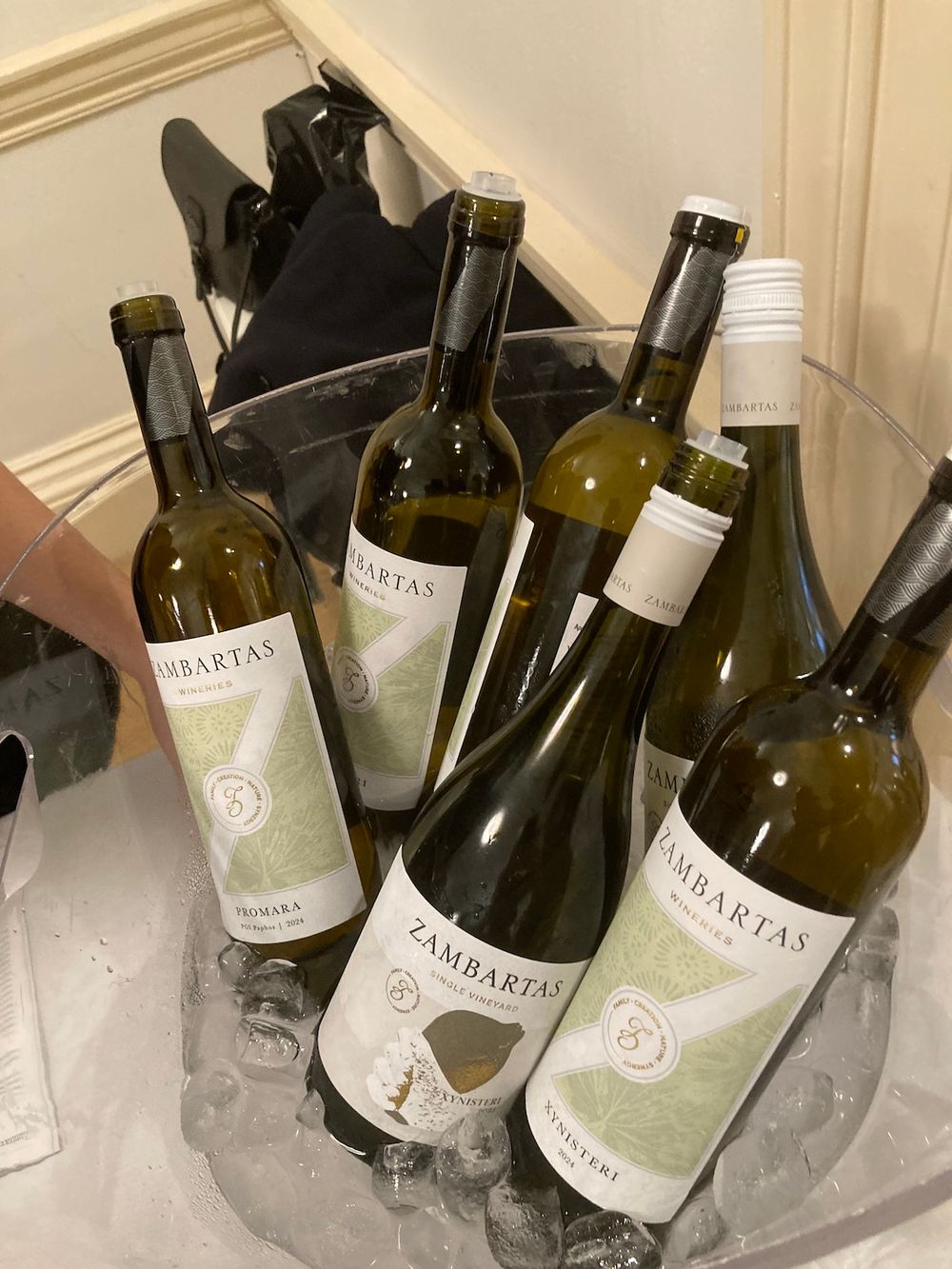
Zambartas Promara 2024
Marcos Zambartas the owner of this winery is akin to Cyprus wine royalty – his father used to run Keo, famed for the Mallia Winery, its best-selling Commandaria and of course the ubiquitous beer. With vineyards in the Pafos region at 550-1000m he works with all the main varieties, and pretty well from what I tasted. His single vineyard Xynisteri 2024 is vinified with indigenous yeast in small oak and acacia barrels then left on the lees for 6 months. However, it was his Promara 2024 which truly caught my attention, a richer interpretation of the variety giving it something of a Viognier quality, reflecting extended maceration and one year maturation in barrel. Quite delicious. (Maltby & Greek)
K&K Vasilikon Xynisteri Single Vineyard 2024
Just when I beginning to wonder at the sameyness of many of the Xynisteri at this event I came across this wonder, produced by the largest family-owned winery in Cyprus (around 500,000 bottles) established by three brothers near Pafos in 1993 during the first wave of the industry’s modernisation. Made from grapes grown in the 60 year old Vasilika, this has complex floral flavours underlying a fresh palate and amazing length. (Halo Wines)
Vouni Panayia Barba Yiannis (Maratheftiko) 2017
Rather like Promara, Maratheftko is one of those Cypriot varieties that have made a comeback – despite Maratheftko needing to be pollinated by other varieties – and can produce great wines, but have yet to settle into a style. This full-on wine (13.5%) grown in Vouni Panayia’s Pafos located vineyards at 1100m, is made from bush vine grapes and aged in old French barrels. Eight years in bottle have bought this wine to a great place, herbaceous but with flavours of blackberries and violet, illustrating the potential of this tricky variety. (Cava Spiladis)
Kyperounda Alma (Maratheftiko) 2024
Mindful perhaps of Cyprus’s viticultural characteristics (Hot, High and Dry) winemaker Minas Mina makes wines that reflect and suit the reality, and this balanced, medium bodied wine does that, with soft tannins, firm fruit and balanced acidity – suggestions of sour cherry and red berry on the palate. Tamed Maratheftiko, this could be served slightly chilled produced in Europe’s highest winery (1200m). (Hallgarten&Novum Wines)
In conclusion
So, some great wines from a country that really seems to be finding its viticultural bearings after years in the wilderness. Time for a long overdue return visit, methinks.